By Renew Dental HospitalPublished on
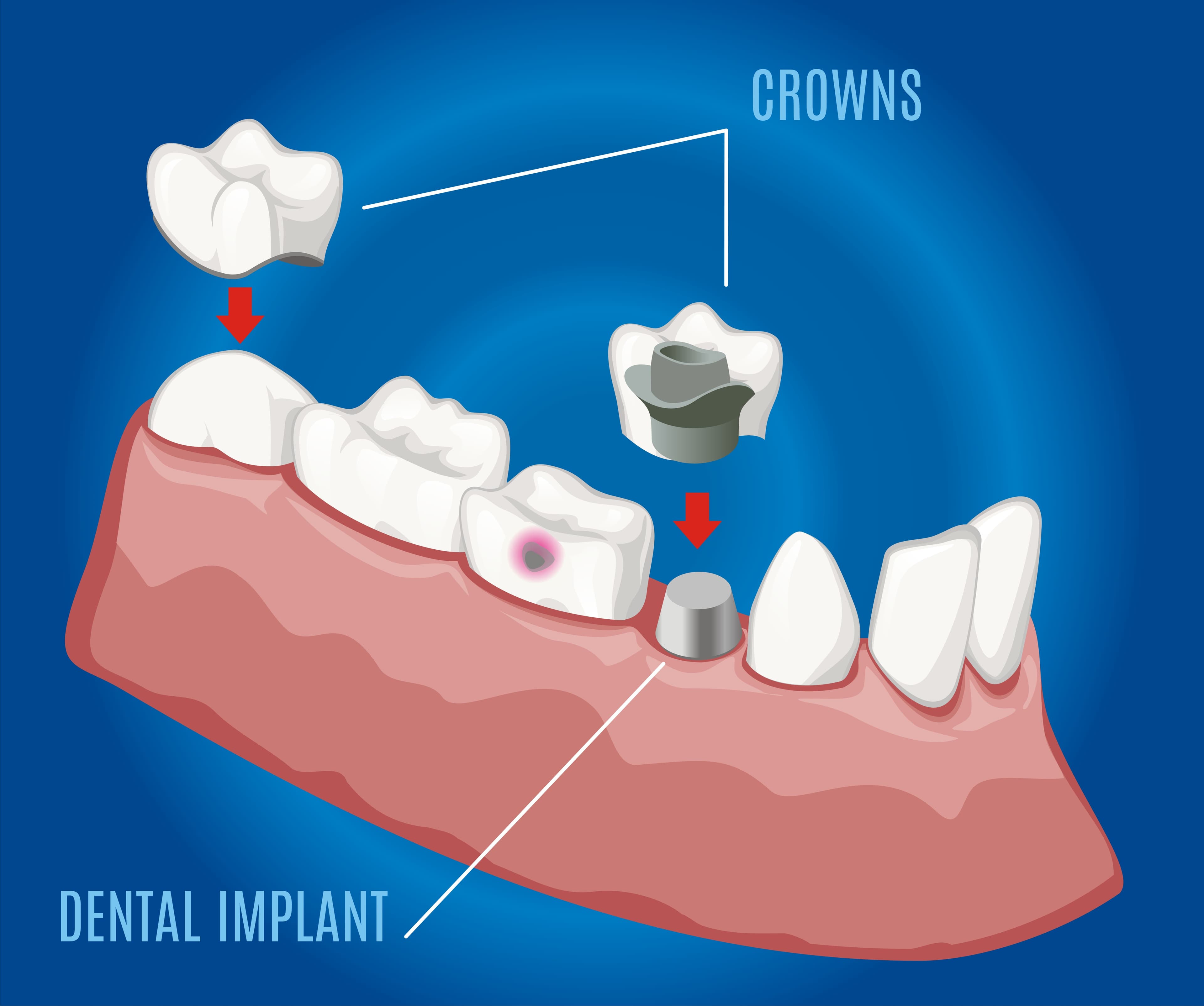
Zirconia crowns routinely last 15–20 years; full metal crowns often last even longer.
Getting a dental crown placed is a meaningful commitment — it takes two appointments, involves preparation of the tooth underneath, and the crown needs to be replaced if and when it eventually fails. How long that takes depends on the material, the quality of the placement, where in the mouth the crown is, and what you do with your teeth in the intervening years.
The useful question isn't "how long should a crown last?" in the abstract — it's "what determines how long my specific crown will last, and what am I doing that affects it?"
Material choice is the most significant variable in crown longevity.
Zirconia crowns are the current gold standard for most crown cases. Zirconia is a ceramic material — no metal — with exceptional strength that's comparable to or exceeding metal alloys for compressive load resistance. It bonds well to tooth structure, has excellent biocompatibility (gum tissue responds well to it), and its appearance can closely match natural tooth colour and translucency. Zirconia crowns routinely achieve 15–20 year lifespans; well-maintained ones often outlast this range. At Renew Dental Clinic in Sector 47, Noida, zirconia is the standard recommendation for most crown cases.
E-Max (lithium disilicate) crowns are the aesthetics gold standard — their optical properties most closely replicate natural enamel, making them the preferred material for highly visible front teeth where exact colour match is critical. Strength is slightly less than zirconia under very high biting forces, making them more appropriate for front teeth and patients who don't grind heavily. Expected lifespan: 10–15 years, with good durability in appropriate cases.
Porcelain-fused-to-metal (PFM) crowns were the standard before full ceramic options became reliable. They have a metal substructure with a porcelain layer over it. Durability is good — 10–15 years is typical — but the metal margin can become visible as a dark line at the gumline as gums naturally recede with age. This is the main aesthetic limitation that's driven most practitioners toward full-ceramic alternatives.
Full metal crowns (gold alloy or base metal) are the most durable option — 20+ years in many cases. Gold is particularly forgiving in terms of enamel contact and doesn't fracture. The complete lack of aesthetic appeal limits them to hidden back molar positions where durability is the primary concern and appearance is secondary.
Material matters, but several patient-specific factors influence whether a crown reaches the upper end or lower end of its expected lifespan.
Bruxism (teeth grinding). This is the single most significant controllable factor. The forces generated during grinding can be 5–10 times the forces of normal chewing, applied in lateral directions that porcelain and ceramic aren't optimised for. Patients who grind without a night guard consistently find their crowns chipping, fracturing, or wearing down well before their expected lifespan. A custom night guard from Renew Dental is one of the most cost-effective interventions for protecting crown investments.
Oral hygiene at the crown margin. The crown itself can't decay. The tooth structure beneath it can. The junction between the crown and the natural tooth — the margin — is the most vulnerable area. Plaque and bacteria accumulating at this margin lead to secondary (recurrent) decay beneath the crown. Regular brushing and flossing specifically at the crown margin is what prevents this. Patients who develop decay beneath a crown need either a new crown or, in severe cases, may lose the tooth if the decay is extensive.
Bite alignment. A crown that isn't perfectly balanced with the opposing teeth bears uneven load. A crown that bites heavily on one edge wears faster, is more susceptible to chipping, and may lead to discomfort in the jaw joint over time. This is why the bite check at crown fitting is important — and why patients who notice their bite feels uneven after crown placement should return to the clinic promptly rather than waiting for the discomfort to become significant.
Diet. Very hard foods — certain nuts, hard boiled sweets, biting into ice — put extreme sudden load on crown porcelain. These are the common causes of ceramic crown chips. The underlying metal or zirconia core may be intact while the outer porcelain layer has chipped, which is a repairable but inconvenient situation.
Regular dental check-ups. Crowns are examined at each six-monthly check-up at Renew Dental — for margin integrity, wear patterns, cracks in the ceramic, and signs of secondary decay on X-ray. Problems caught early (a marginal gap, early decay at the margin) are managed with relatively simple solutions. The same problems caught late may mean crown replacement or, in worse cases, loss of the underlying tooth.
Visible chipping or cracking in the porcelain layer. This affects aesthetics and creates rough edges that can harbour plaque.
Sensitivity when biting or to cold. Crowns themselves don't produce sensitivity. A crowned tooth that develops sensitivity may have decay beneath the crown, a failing cement layer allowing fluid ingress, or a crack in the underlying tooth structure.
A dark line appearing at the gumline. Classic sign of an older PFM crown whose metal margin is becoming visible as gum tissue has receded slightly over the years. Not a functional failure, but often an aesthetic reason to consider replacing a PFM crown with a full-ceramic alternative.
Loose or rocking crown. If the cement holding the crown in place has failed, the crown may feel mobile. Call the clinic rather than waiting — a crown that's loose but still in place can sometimes be recemented. A crown that falls out should be kept safely and the clinic contacted for same-day or next-day appointment.
Persistent bad taste from the crowned tooth. Can indicate cement failure and bacterial ingress, secondary decay, or a crack in the tooth beneath the crown.
X-ray findings at check-up. Radiolucency at the crown margin visible on X-ray indicates decay. Radiolucency at the root tip of a crowned tooth indicates periapical pathology — the tooth may need root canal treatment if it hasn't already had it.
The replacement process is similar to the original placement — the old crown is removed (often by cutting through it with a drill to avoid excessive force on the prepared tooth beneath), the tooth underneath is reassessed, any decay or damage is managed, a new impression or digital scan is taken, and a new crown is fabricated.
The tooth preparation underneath is usually already done from the original crown — the same prepared shape can support the new crown. Occasionally, if the tooth has been damaged or if decay has removed more structure, additional build-up work may be needed.
This is worth mentioning to patients who wonder whether getting a crown commits them to endless replacements: each replacement is possible on the same prepared tooth up to the point where there isn't enough tooth structure remaining. How long that takes depends on how well the crown was maintained and whether secondary decay was prevented by good hygiene.
Q: My crown is 12 years old and hasn't given any trouble — should I still get it checked? A: Yes. A 12-year-old crown may have no visible signs of failure while having early marginal decay visible on X-ray, or a slight crack that will become significant under the right circumstances. The six-monthly check-up X-ray is how these findings are caught before they become urgent problems.
Q: I grind my teeth — will my new crown last as long as someone who doesn't grind? A: Honestly, probably not without a night guard. Grinding significantly accelerates crown wear and fracture risk. With a well-fitted night guard worn consistently, the lifespan difference is substantially reduced. Without one, expect shorter longevity from any crown material.
Q: Can a chipped crown be repaired without replacing it? A: Sometimes. Small chips in the porcelain layer can be polished smooth or repaired with composite resin bonded to the chipped area. This is a temporary measure for most porcelain repairs — composite bonds to porcelain less durably than it bonds to natural enamel. For larger fractures, replacement is usually the more reliable solution.
Q: My crown fell off — what should I keep it in until I can get to the dentist? A: Rinse it gently and keep it in a small container with clean water or cold milk to prevent any dried debris adhering. Don't attempt to recement it yourself with toothpaste, dental adhesive, or household glue. Call Renew Dental for the earliest available appointment.
For crown assessment, replacement, or any concerns about existing crowns at Renew Dental Clinic, Sector 47, Noida:
📞 +91 99710 35300 A-321, Basement Floor, Next to Mother Dairy Store, Sector 47, Noida, Uttar Pradesh 201303 Monday–Saturday 10:30 AM – 8:00 PM | Sunday 11:00 AM – 2:30 PM
 Copy
Most people who grind their teeth do it during sleep and have no idea. Learn...
20 Oct 2026
by Renew Dental Clinic
Cracked tooth syndrome is widely misdiagnosed because the crack is often invisible. Learn the symptom pattern, causes and how Renew Dental Noida treats it.
15 Oct 2026
by Renew Dental Clinic
Not all pain after wisdom tooth surgery in Noida is normal. Learn which signs mean...
14 Oct 2026
by Renew Dental Clinic

Discover how diabetes can impact your gums and teeth. Learn about the relationship between blood...
27 Oct 2025
by Renew Dental Clinic
Teeth reshaping removes small amounts of enamel to refine tooth shape, with no injections and...
13 Oct 2026
by Renew Dental Clinic

Curious about laser teeth whitening in Noida? This guide explains how the procedure works, who...
15 May 2026
by Renew Dental Clinic

If you’ve ever had a damaged, cracked, or root canal-treated tooth, your dentist probably suggested...
21 Oct 2025
by Renew Dental Clinic
Need a dental crown in Noida? This complete patient guide explains every type of dental...
18 Jun 2026
by Renew Dental Clinic
Recommended a crown instead of a filling? Learn how your dentist decides, the structural threshold...
22 Oct 2026
by Renew Dental Clinic
Looking for orthodontic treatment near Greater Noida? This guide covers all braces and aligner options...
10 Jun 2026
by Renew Dental Clinic

Compare Invisalign with traditional braces to find a treatment option that fits your lifestyle, comfort...
18 Nov 2025
by Renew Dental Clinic
Choosing between traditional braces and clear aligners in Noida? This practical comparison covers appearance, effectiveness,...
11 Jun 2026
by Renew Dental Clinic

A child's smile is one of life's most valued possessions, and their dental care begins...
10 Nov 2025
by Renew Dental Clinic
Looking for the best children's dentist in Noida? This parent's guide covers when to start...
19 Jun 2026
by Renew Dental Clinic
Looking for a paediatric dentist in Noida? This guide explains when to bring your child...
26 May 2026
by Renew Dental Clinic
Explore More
Discover how thousands of patients trust Renew Dental Clinic with their smiles.
Good experience
I had visited in clinic for treatment very good experience doctors & polite behaviour
Dr.Suchi Singh is definitely the best dentist in Noida! She saved my smile after an unfortunate accident that knocked my front teeth out. Now my teeth, truthfully, look better than they ever did before
Hands down the best dental care I've ever received from Dr.Suchi Singh, She is the best dentist in Noida and had an amazing treatment, and my followup visits were quick and painless. Definitely willing to travel the extra distance for this dentist!
Feel Positive vibes once I visited Renew Dental Clinic. It was more comfortable once meet Dr. Suchi. Post treatment no complications. RCT and other treatments were painless and results were satisfactory. All clinic employees were very friendly.
I am very happy with the treatment and service at Dr. Sachi’s Dental Clinic. The clinic is very clean, well-maintained, and equipped with modern facilities. Dr. Sachi is extremely polite, patient, and knowledgeable. She explains every procedure clearly and makes sure the patient feels comfortable and confident before starting any treatment.
Had a very nice & pleasant experience with Dr Shuchi Singh for my dental treatment....
Dr Suchi and her staff treat the patients with such good care, always make me feel so comfortable, I went there for RTC and tooth implant …thanks for a comfortable and great dental experience.
I would recommend Renew Dental Clinic Noida, I went there for my Dental Fillings. 5 Star Response.
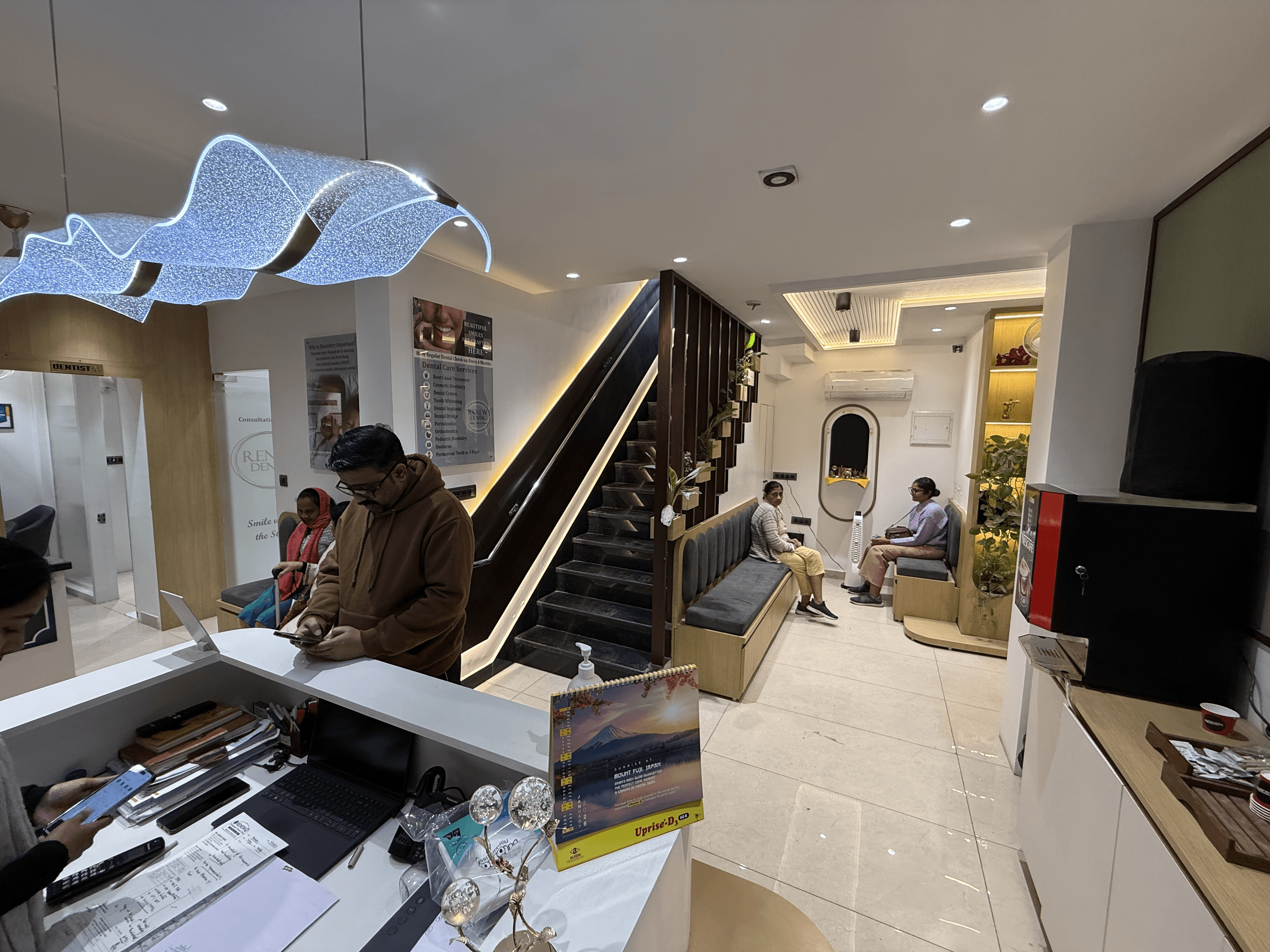
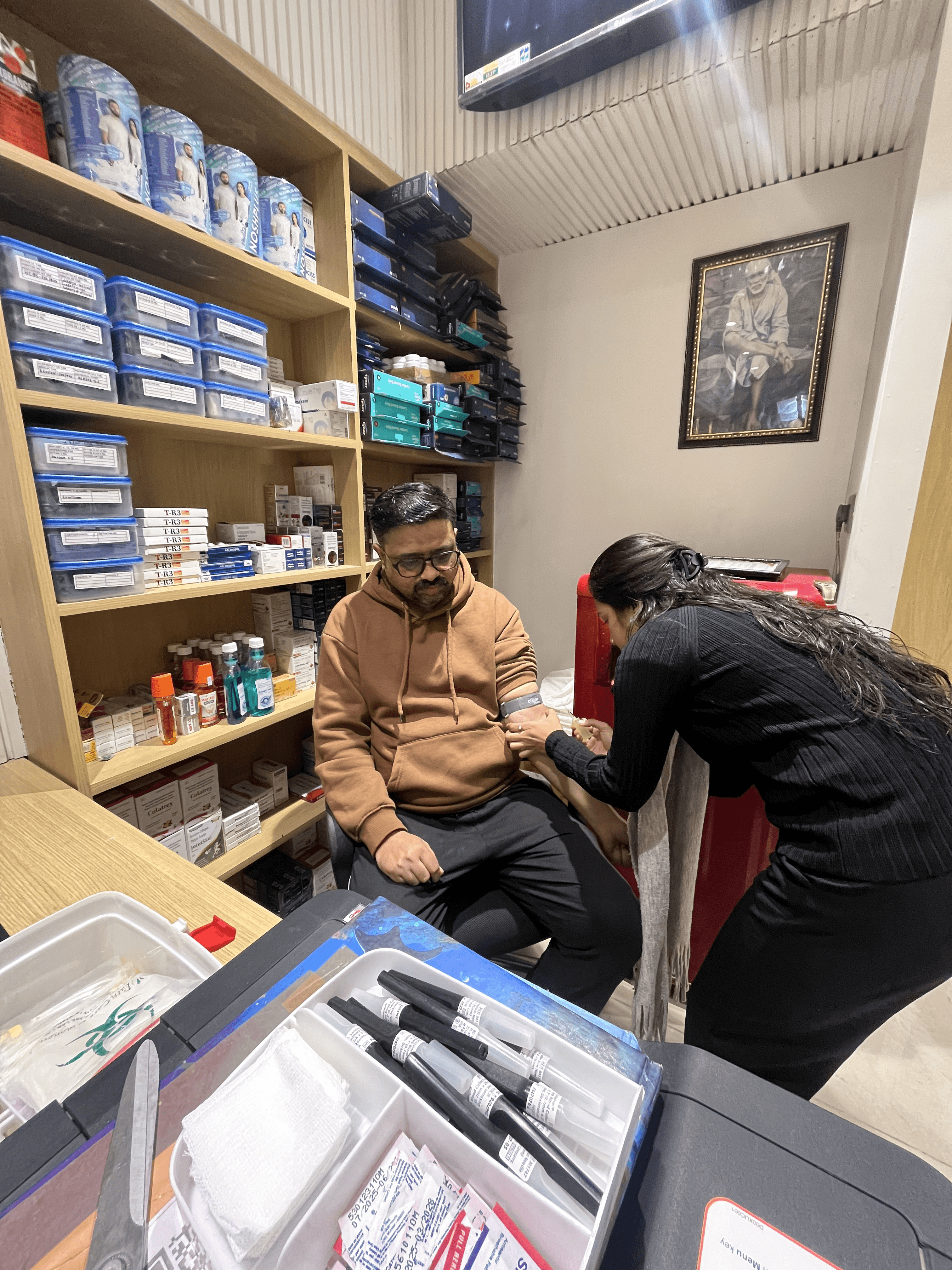
A glimpse into our modern dental clinic, advanced technology, and patient-friendly environment at Renew Dental.
Explore our thoughtfully designed clinic spaces built to provide comfort, cleanliness, and a calming experience for patients of all ages.


Best Dentist in Noida
Renew Dental Clinic located in Noida, Sector 47, is one of the leading dental clinics. Founded by Dr. Suchi Singh who is widely regarded as one of the best dentists in Noida, the clinic is committed to delivering personalised and high-quality dental care. Dr. Suchi Singh focuses on customised treatment plans designed around each patient’s unique needs, ensuring advanced, comfortable and reliable dental care at Renew Dental Clinic.

Your Trusted Dental Experts

Complete Dental Care

Friendly Dental Space

No Hidden Charges

Two trusted dental clinics in Noida — Renew Dental (Sector 47) and Tooth & Truth (Sector 34) — for gentle, modern care.

Renew Orthopedic Clinic, A-321, Basement Floor, Next to Mother Dairy Store, Sector 47, Noida, Uttar Pradesh 201303
 +91 99710 35300
A-98/A, Block A, Sector 34, Noida, Uttar Pradesh 201307
+91 99710 45002© 2026. All rights reserved | Designed and Developed by Zarle Infotech