What Is Cosmetic Dentistry? A Complete Guide to Smile Transformation
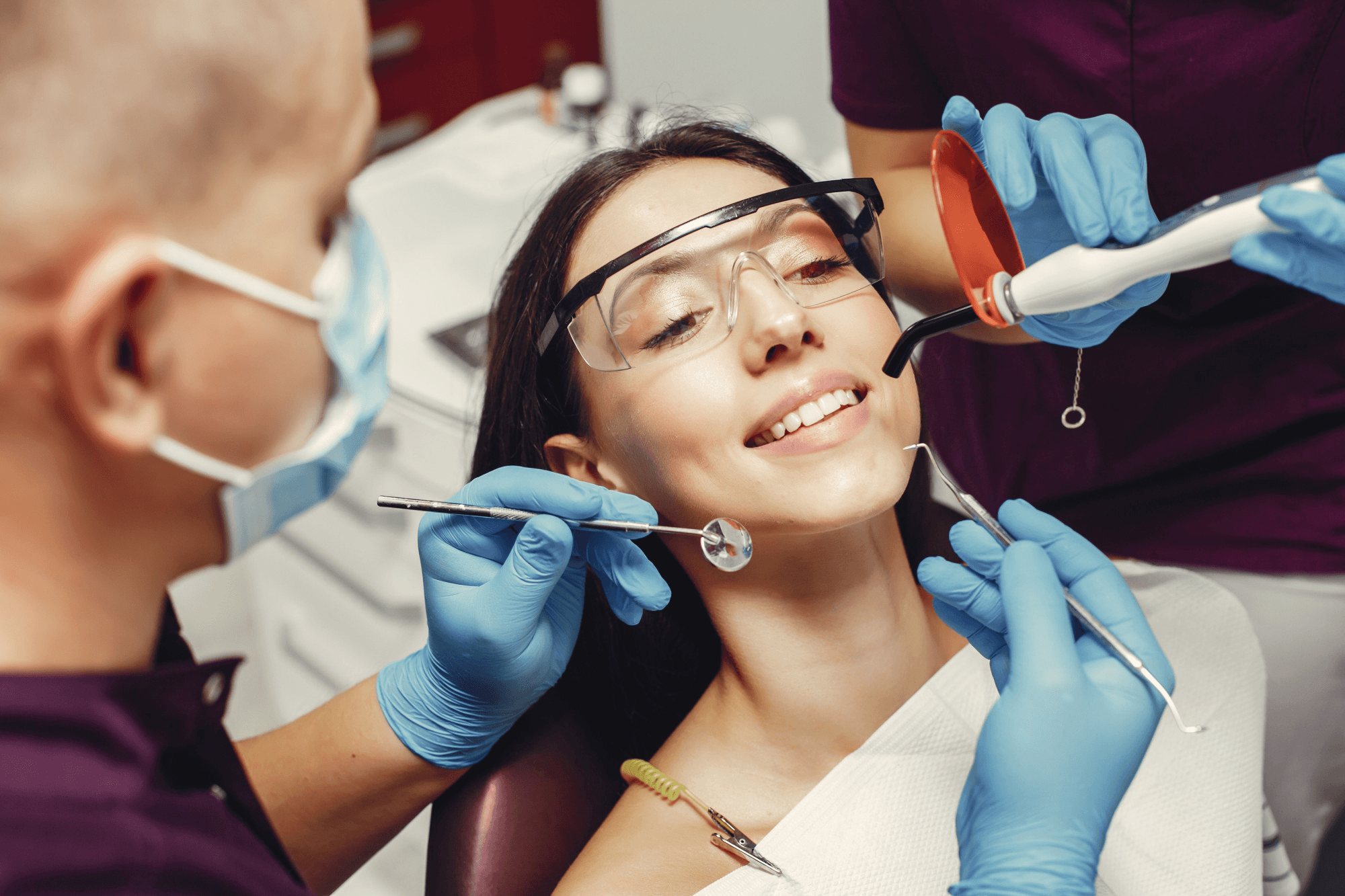
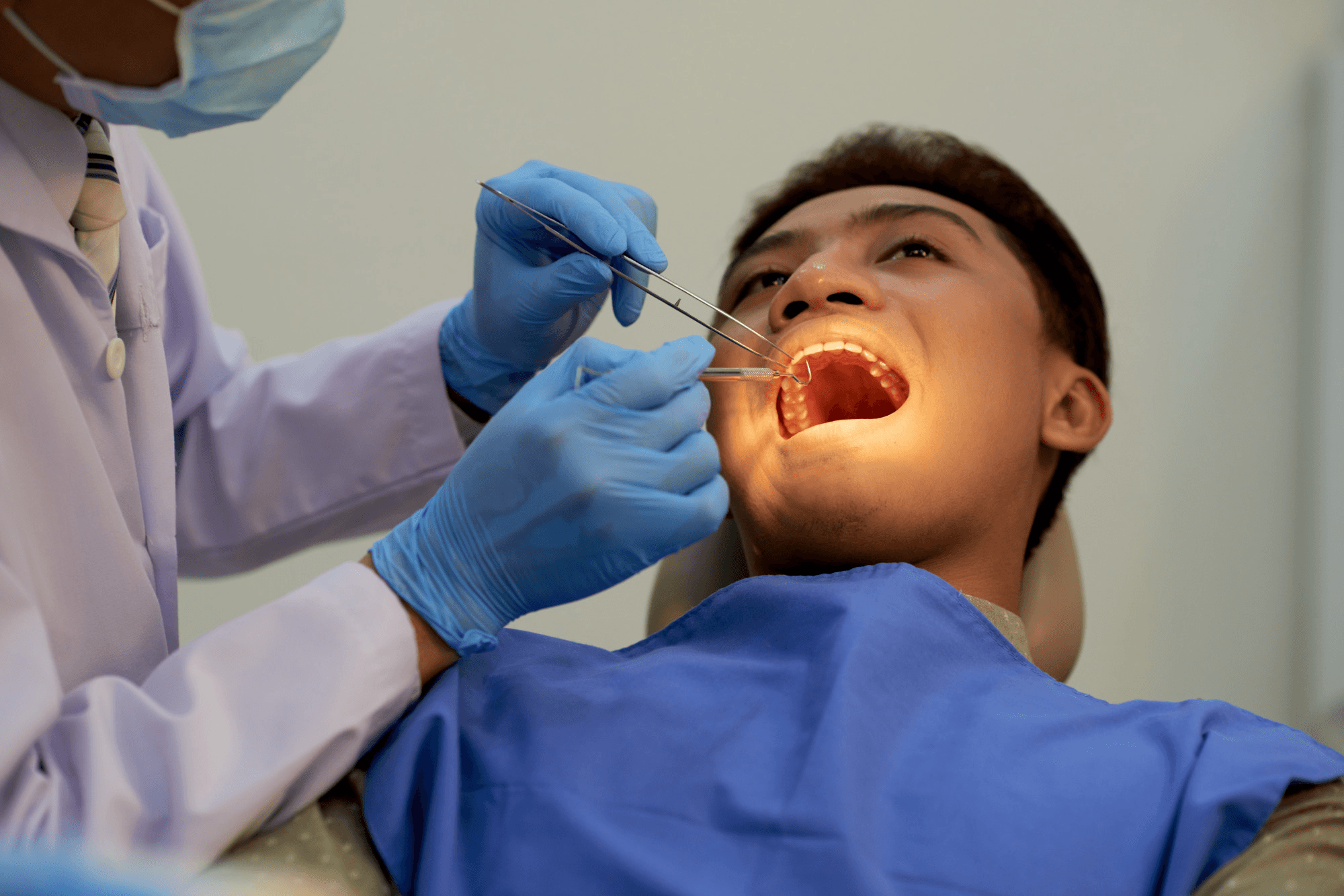
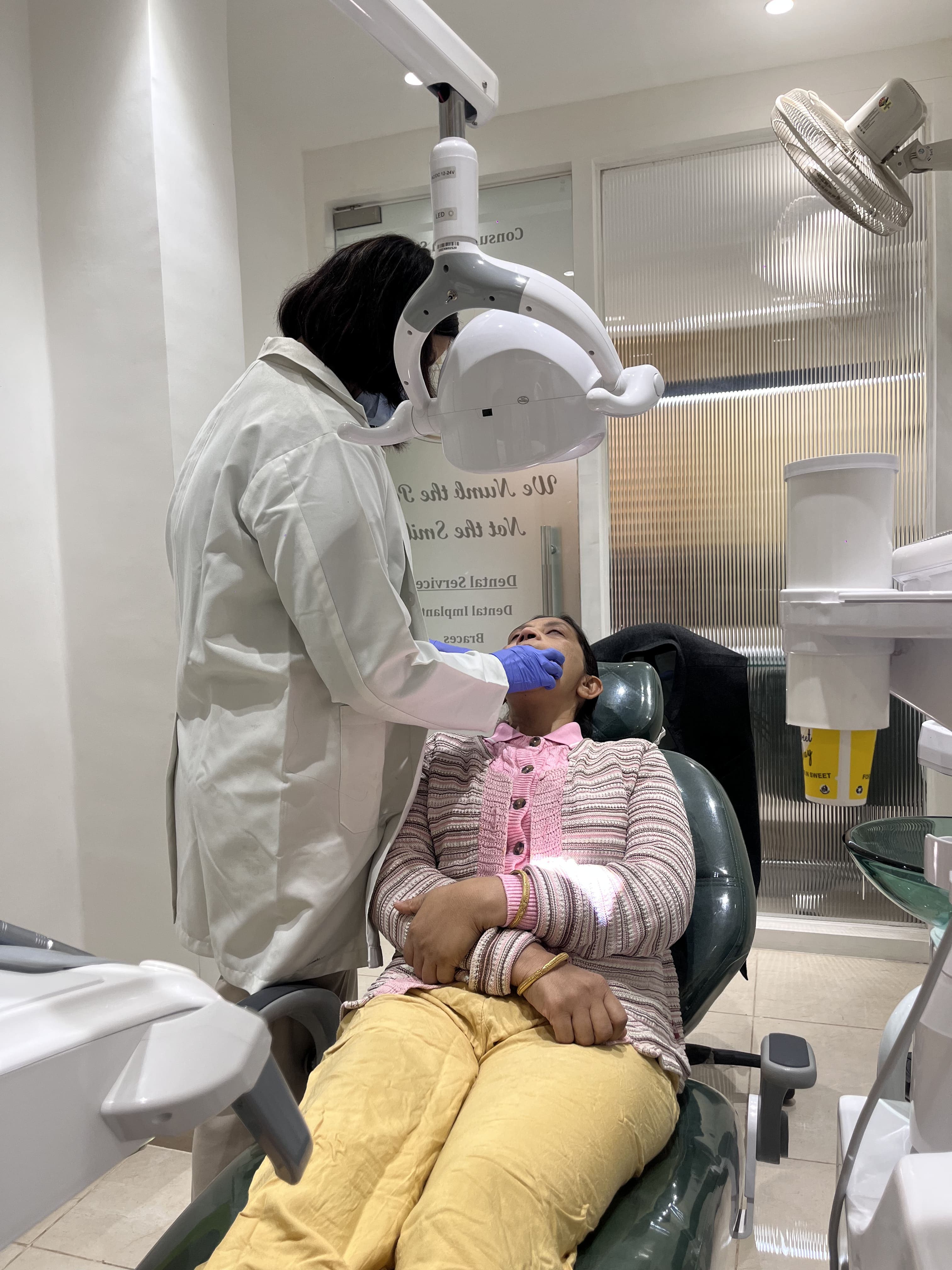
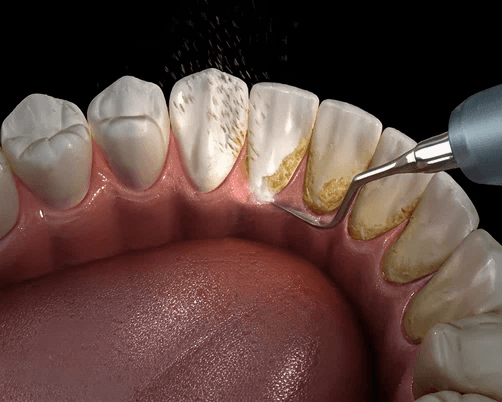
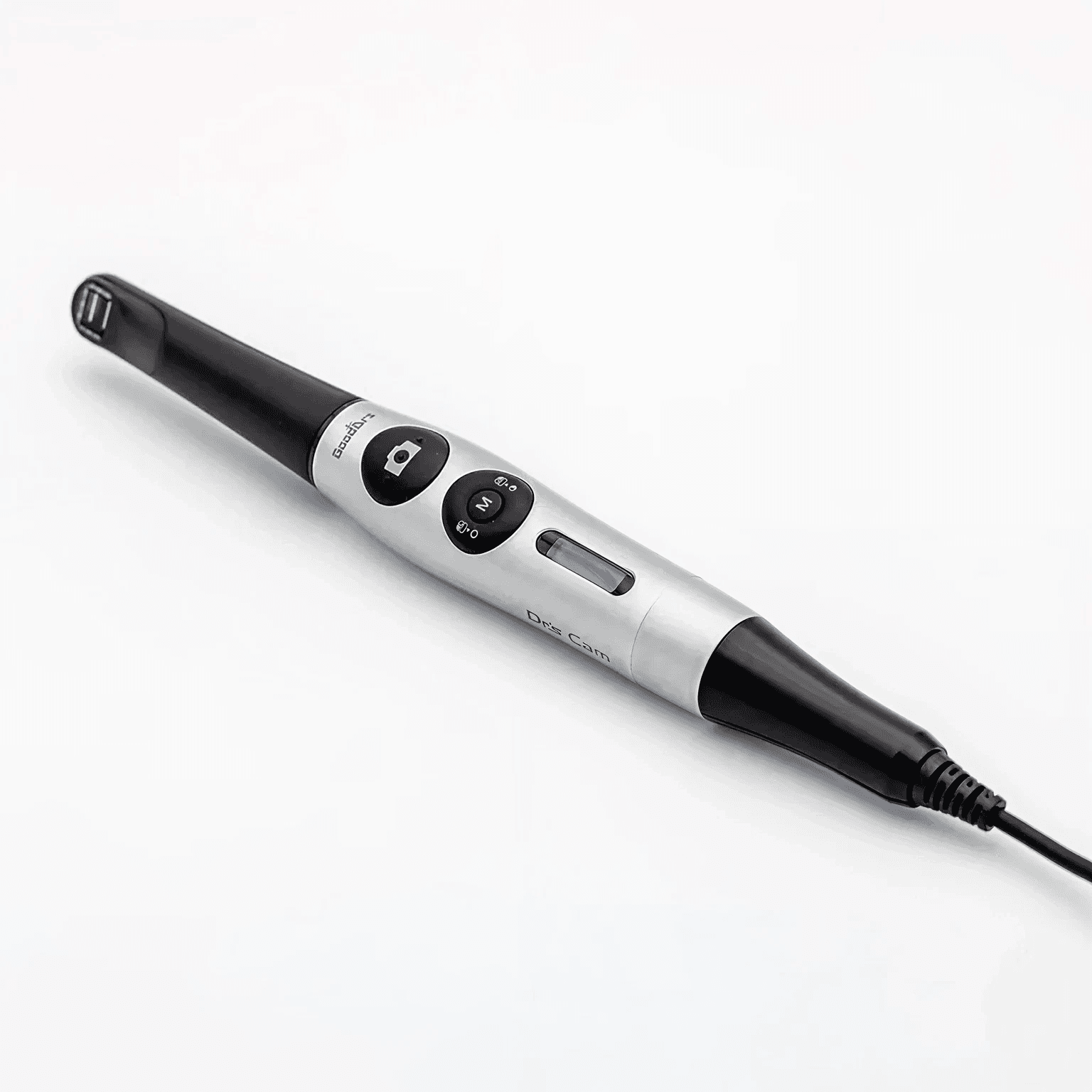
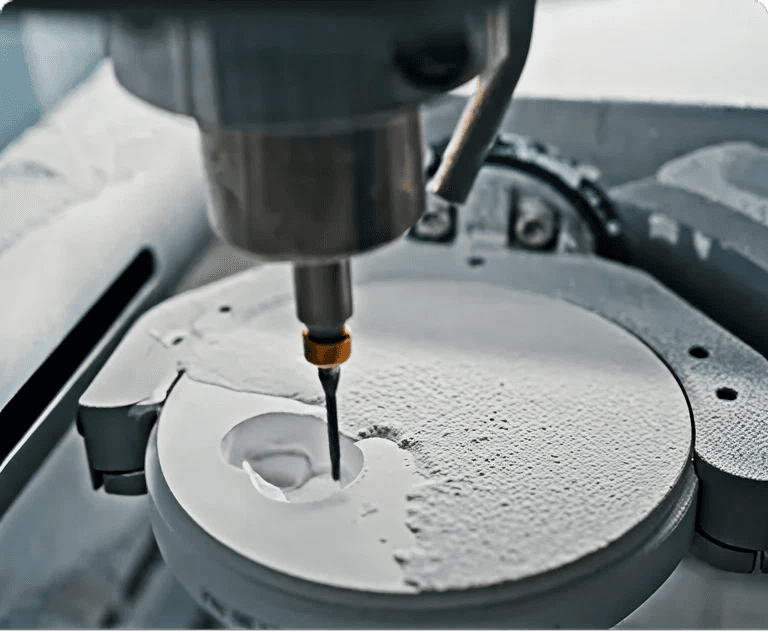
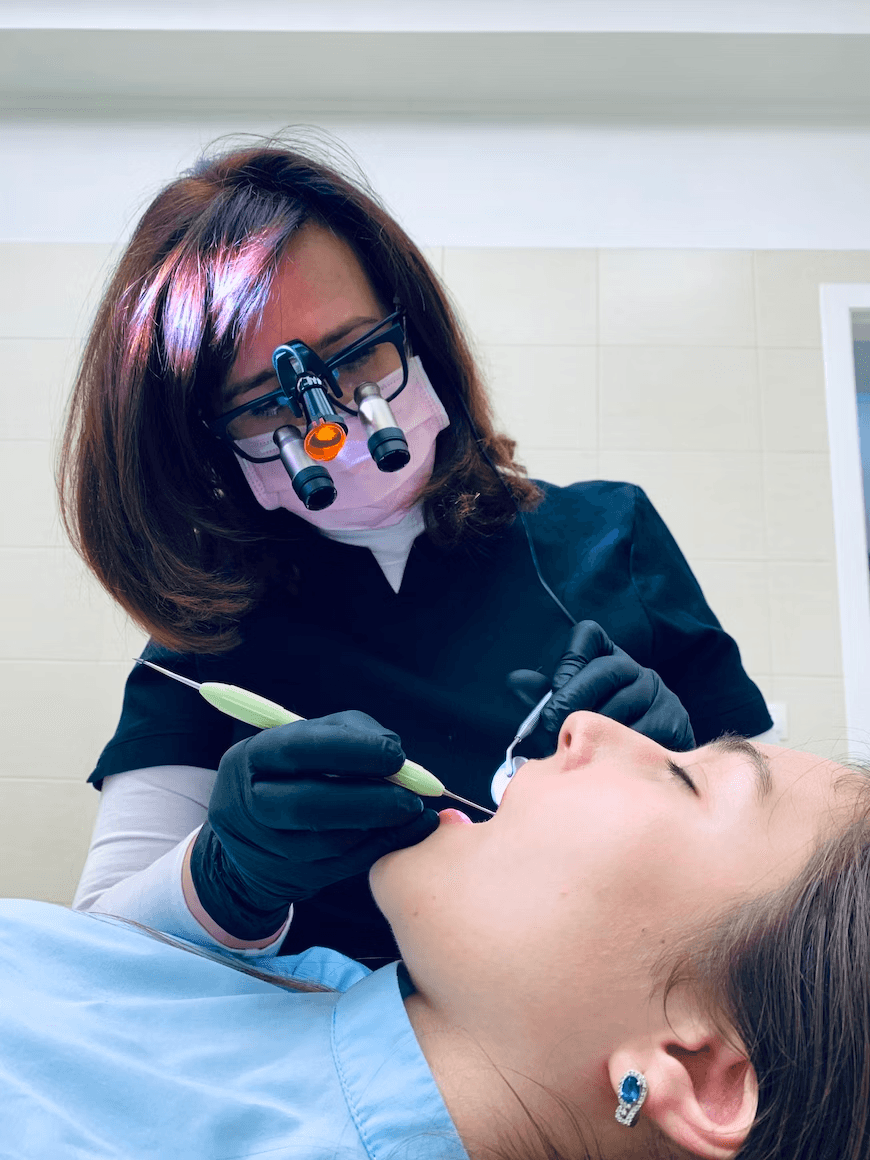
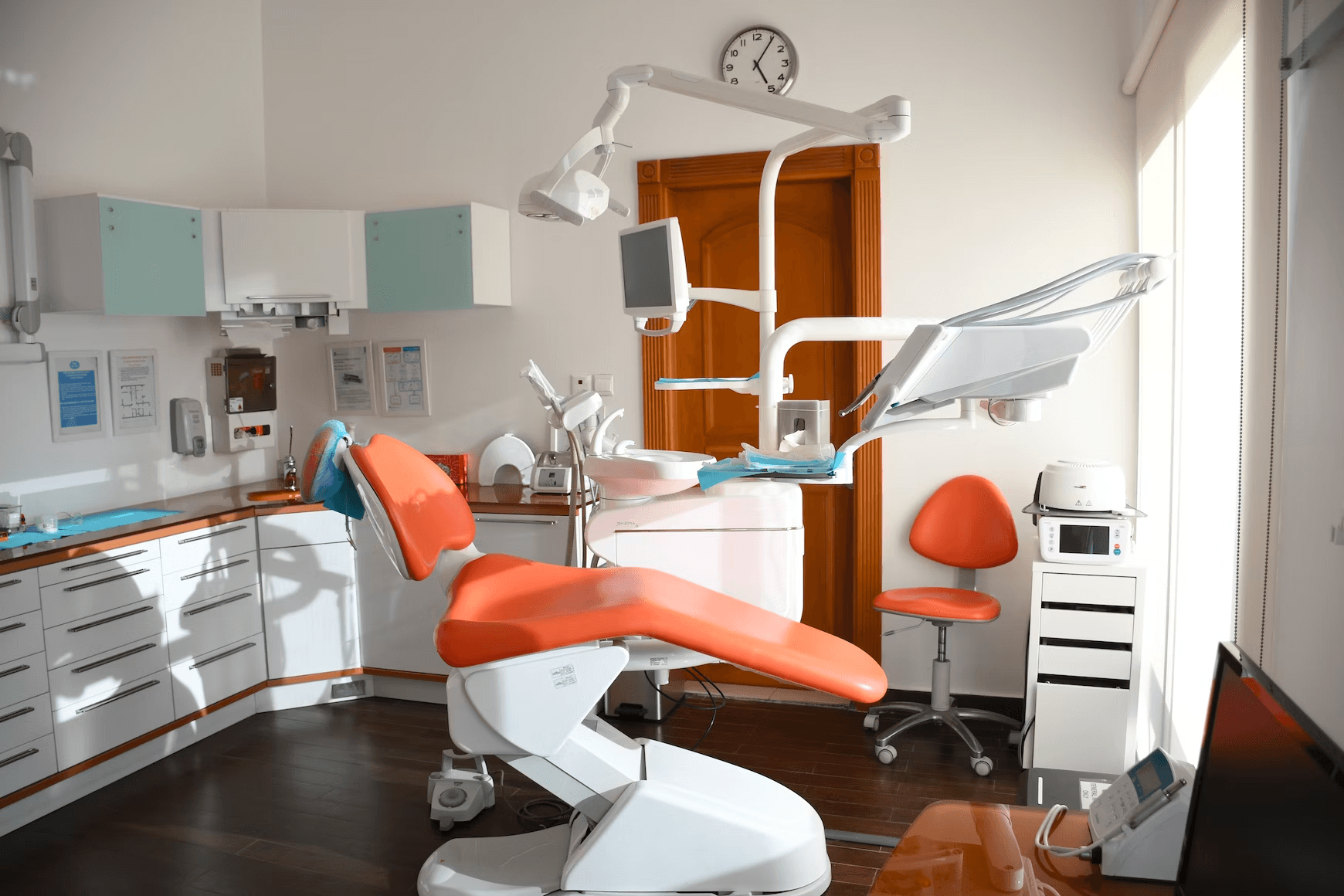
A woman at a dental clinic surrounded by cosmetic dentistry tools used for smile enhancement and dental treatments.
A confident smile has a real impact. It affects how people perceive you and, just as importantly, how you feel about yourself. Yet many people hide their smile because of stained, chipped, uneven, or missing teeth.
Cosmetic dentistry addresses exactly these concerns.
Unlike general dentistry, which focuses primarily on oral health, cosmetic dentistry focuses on the appearance of the teeth and smile. It combines art and science to improve the colour, shape, size, alignment, and overall aesthetics of the teeth.
This guide explains what cosmetic dentistry is, what treatments are available, who they are suitable for, and what you should consider before choosing a procedure.
What Is Cosmetic Dentistry?
Cosmetic dentistry refers to any dental procedure that improves the visual appearance of the teeth, gums, or bite. Some procedures are purely aesthetic. Others offer both cosmetic and functional benefits.
It is important to understand that cosmetic dentistry is not one single treatment. It is a category that includes a wide range of procedures, from simple teeth whitening to complete smile makeovers involving multiple treatments.
A skilled cosmetic dentist considers not just the teeth in isolation but the overall harmony of the smile, how the teeth relate to the gums, lips, and face.
Common Cosmetic Dentistry Treatments
1. Teeth Whitening
Teeth whitening is the most widely requested cosmetic dental treatment. It involves the use of a bleaching agent, usually hydrogen peroxide or carbamide peroxide, to lighten the colour of the teeth.
Whitening options include:
- In-clinic whitening: Performed by a dentist in a single appointment. Results are immediate and more dramatic. A higher concentration of the bleaching agent is used safely under professional supervision.
- Take-home whitening kits: Custom-made trays are provided by the dentist, along with a professional-grade whitening gel. Worn for a set number of hours each day over one to two weeks.
- Over-the-counter products: Widely available but less effective. The concentration of the active ingredient is lower and the trays are not custom-fitted.
Teeth whitening is most effective on surface stains caused by tea, coffee, wine, and tobacco. It is less effective on intrinsic stains that come from within the tooth or on dental restorations like crowns and veneers.
Whitening results are not permanent. Maintenance is required, and touch-up treatments may be needed every few months to a year.
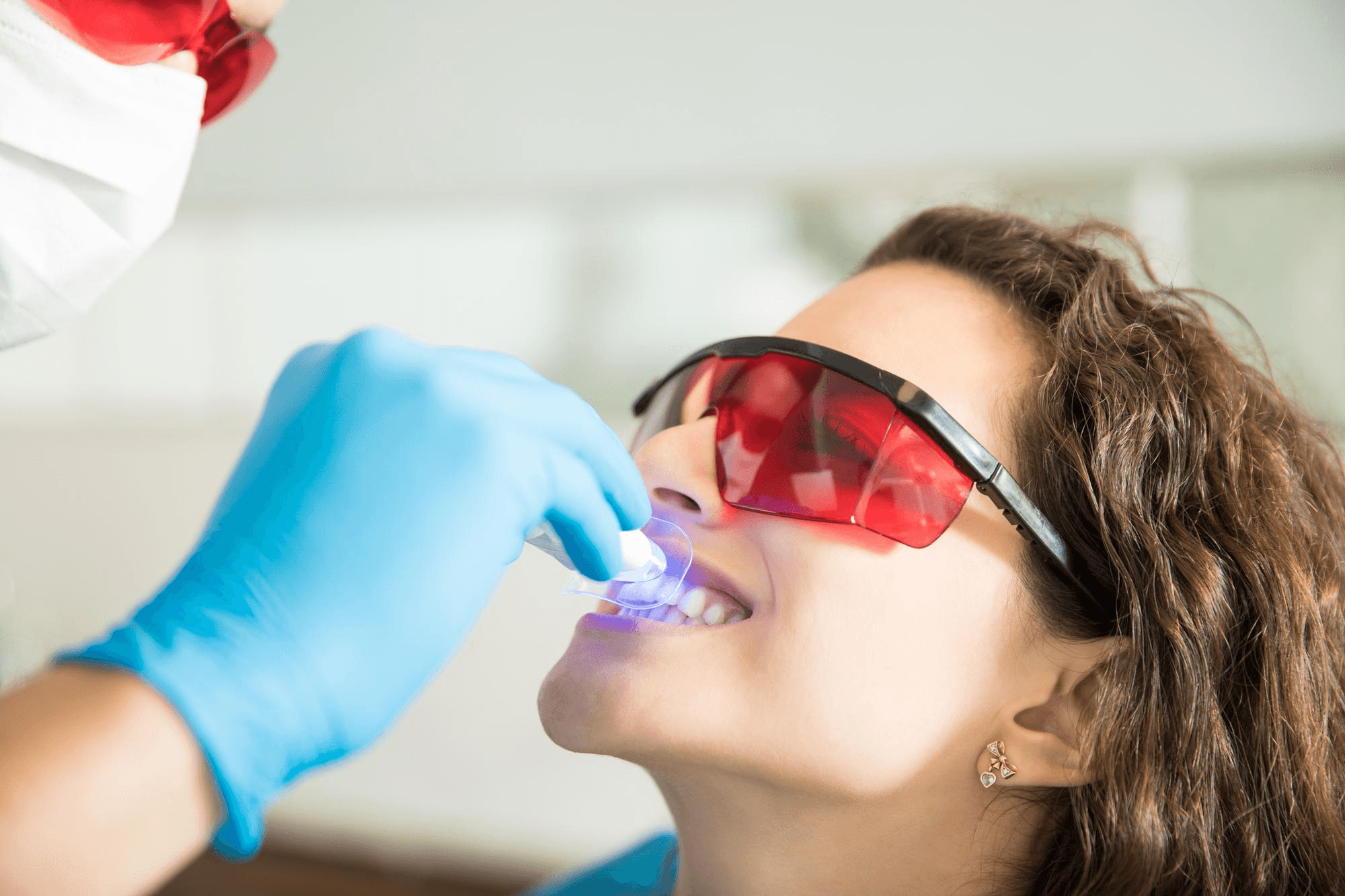
A close-up of teeth whitening treatment being performed to improve the brightness and appearance of teeth.
2. Dental Veneers
Veneers are thin shells, typically made of porcelain or composite resin, that are bonded to the front surface of the teeth. They are one of the most versatile cosmetic dental solutions.
Veneers can address:
- Discolouration that does not respond to whitening
- Chipped or fractured teeth
- Slightly crooked or uneven teeth
- Gaps between teeth
- Teeth that are too small or irregularly shaped
Porcelain veneers are more durable, stain-resistant, and natural-looking. They are custom-made in a dental laboratory and require two appointments. A small amount of enamel must be removed from the tooth surface before placement, which makes the process irreversible.
Composite veneers are applied directly to the tooth in a single appointment. They are less expensive than porcelain but are more prone to staining and chipping over time.
With good care, porcelain veneers can last 10 to 15 years.
3. Dental Bonding
Dental bonding uses a tooth-coloured composite resin material, applied directly to the tooth and sculpted into the desired shape. It is then hardened with a special light.
Bonding is commonly used to:
- Repair chipped or cracked teeth
- Close small gaps between teeth
- Cover discolouration on a single tooth
- Reshape a tooth that is too small or irregularly shaped
Bonding is one of the most affordable cosmetic treatments. It is completed in a single appointment and requires no removal of tooth structure. The main limitation is that composite resin is not as durable or stain-resistant as porcelain.
Bonding typically lasts three to seven years before touch-up or replacement is needed.
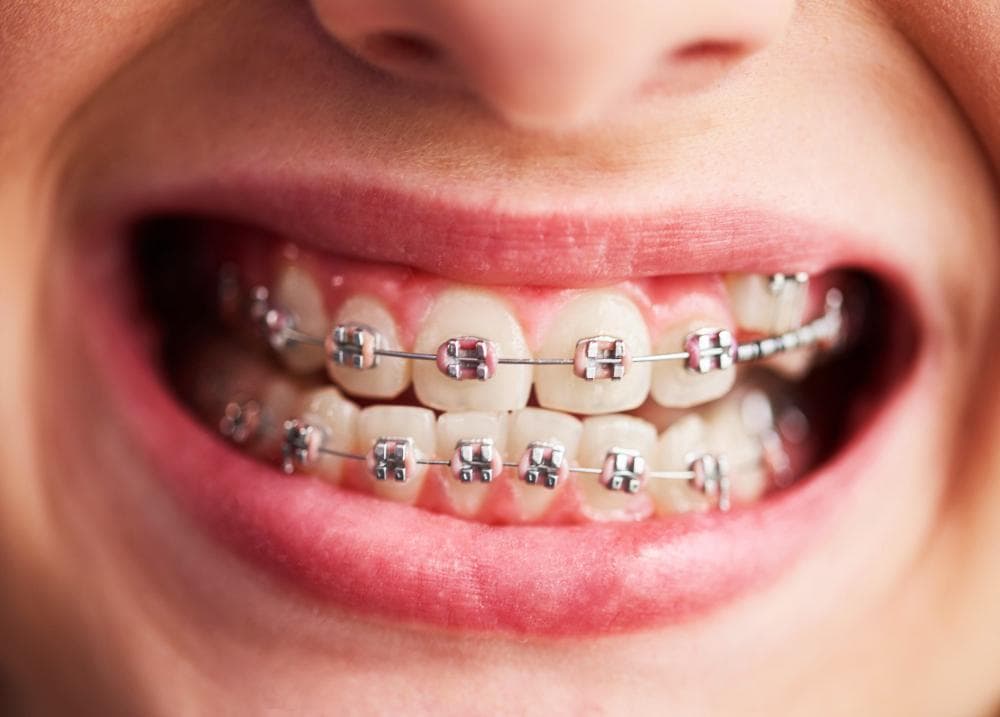
4. Invisalign and Clear Aligners
Clear aligners are a modern orthodontic solution that straighten teeth without traditional metal braces. A series of custom-made, transparent plastic trays are worn over the teeth. Each tray moves the teeth gradually into the desired position.
Clear aligners are suitable for:
- Mildly to moderately crowded teeth
- Gaps between teeth
- Minor bite issues
- Patients who want a discreet orthodontic option
Treatment duration ranges from six months to two years depending on the complexity of the case. The aligners are removable, which makes eating and oral hygiene more convenient than traditional braces.
Clear aligners are not suitable for severe malocclusions or complex bite problems, which may require conventional orthodontic treatment.
5. Dental Crowns
A dental crown is a cap that covers the entire visible portion of a tooth. While crowns are often used for restorative purposes, they also have significant cosmetic applications.
Crowns are used cosmetically to:
- Restore the appearance of a severely discoloured or misshapen tooth
- Protect a tooth after root canal treatment
- Anchor a dental bridge
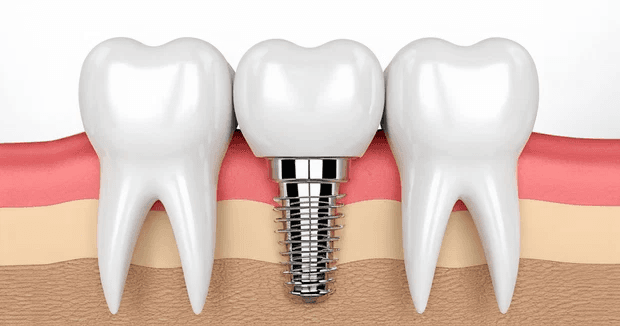
- Cover a dental implant
Modern crowns are made from tooth-coloured materials such as porcelain or zirconia. They are indistinguishable from natural teeth and offer excellent durability.
A crown placement requires two appointments. The tooth is first shaped to accommodate the crown, an impression is taken, and a temporary crown is placed. The permanent crown is fitted at the second visit.
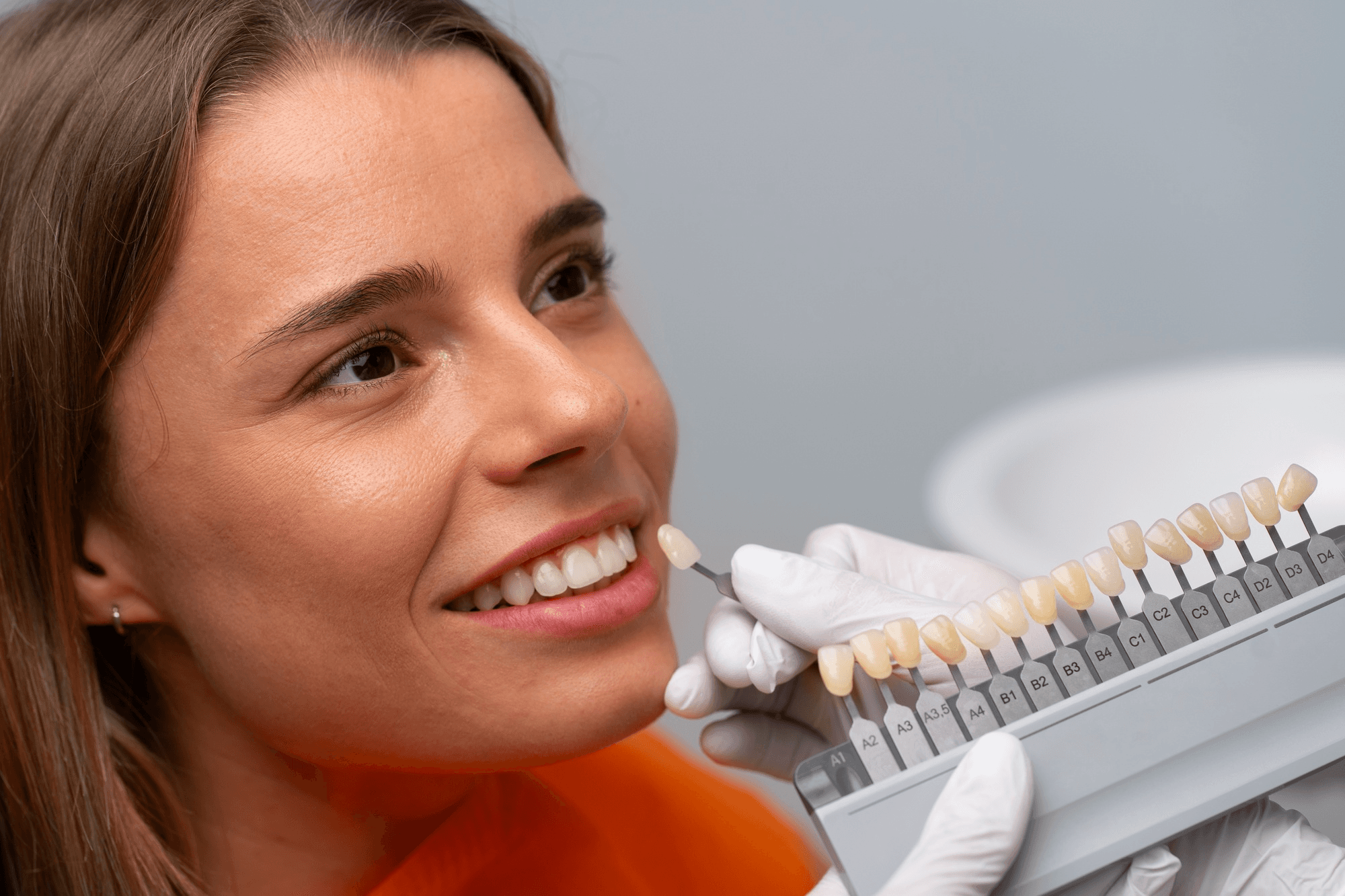
A dentist comparing tooth shades to match a dental crown for a natural-looking smile restoration.
6. Gum Contouring
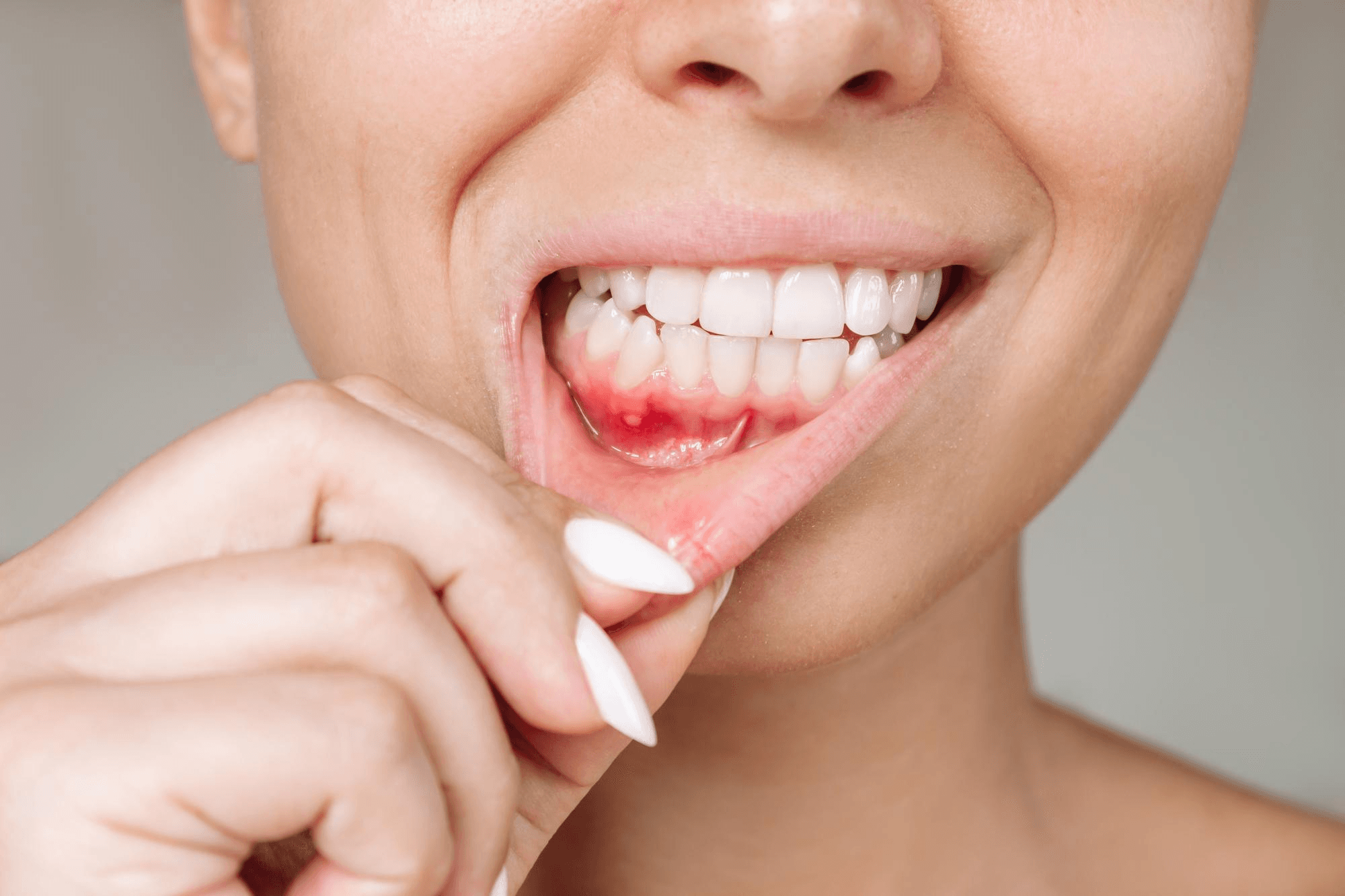
The appearance of a smile is not determined by teeth alone. The gums play an equally important role. Gum contouring reshapes the gum line to create a more balanced and symmetrical smile.
It is recommended for:
- A "gummy smile," where the gums are overly prominent
- An uneven gum line where some teeth appear shorter than others
- Gum recession that has exposed too much of the tooth root
The procedure is performed using a dental laser or scalpel. It is minimally invasive and usually completed in a single appointment. Recovery is relatively quick.
7. Smile Makeovers
A smile makeover combines two or more cosmetic dental treatments to achieve a comprehensive transformation. The approach is entirely personalised.
A patient with stained, chipped, and slightly crowded teeth may benefit from a combination of whitening, bonding, and clear aligners. Another patient with missing teeth and gum recession may require implants and gum contouring.
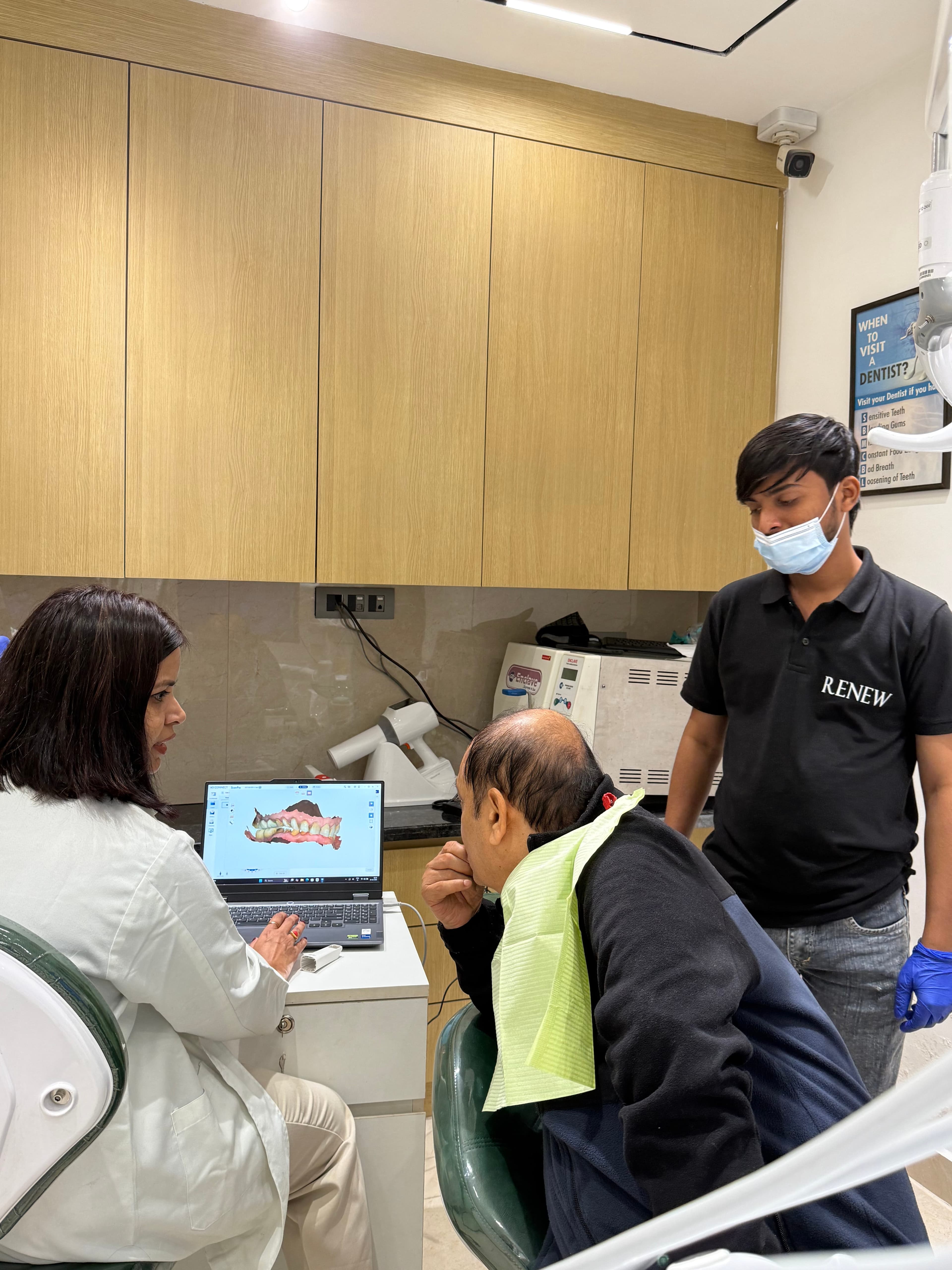
The dentist first conducts a detailed assessment of the smile, including photographs and sometimes digital previews of the expected outcome. A treatment plan is then drawn up, usually with procedures sequenced in a specific order for optimal results.
Who Is Cosmetic Dentistry Suitable For?
Cosmetic dentistry is suitable for most adults in good oral health. However, certain conditions must be addressed before cosmetic procedures can begin.
- Active tooth decay must be treated before any cosmetic work is undertaken
- Gum disease must be controlled and stable
- Patients must be committed to maintaining good oral hygiene after treatment
- Realistic expectations are essential, cosmetic dentistry improves appearance significantly but cannot change the fundamental structure of the face
Age is generally not a barrier for adults. For children and teenagers, most cosmetic procedures are deferred until the teeth and jaw are fully developed.
The Difference Between Cosmetic and Restorative Dentistry
Patients often confuse cosmetic and restorative dentistry. Here is a simple distinction:
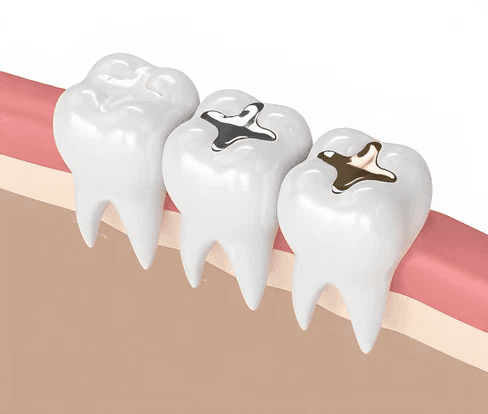
- Restorative dentistry focuses on repairing the function and structure of damaged or missing teeth. Examples include fillings, root canals, and implants.
- Cosmetic dentistry focuses on improving appearance. Examples include whitening, veneers, and bonding.
Many procedures overlap. A crown, for instance, can restore a broken tooth while also improving its appearance. A dental implant replaces a missing tooth and also looks entirely natural.
What to Consider Before Choosing a Cosmetic Procedure
Making an informed decision about cosmetic dentistry requires careful thought.
1. Set realistic expectations
Discuss with your dentist what a procedure can and cannot achieve. Digital smile previews can help you visualise the likely result.
2. Understand the reversibility
Some procedures, like veneers, involve permanent alteration of the tooth structure. Others, like bonding, are reversible.
3. Ask about maintenance
All cosmetic treatments require maintenance. Understand the long-term commitment before proceeding.
4. Consider your overall oral health first
Cosmetic work on an unhealthy foundation will not last. Address underlying issues before pursuing aesthetics.
5. Choose an experienced dentist
Cosmetic dentistry requires both technical skill and an aesthetic eye. Review before-and-after cases and ask about the dentist's training and experience.
How Long Do Cosmetic Dental Results Last?
Results vary by procedure:
- Teeth whitening: Six months to two years, depending on diet and lifestyle habits
- Composite bonding: Three to seven years
- Porcelain veneers: Ten to fifteen years
- Dental crowns: Fifteen years or more
- Clear aligners: Permanent if retainers are worn as advised
- Gum contouring: Permanent in most cases
In all cases, regular dental check-ups, diligent brushing and flossing, and a sensible diet extend the life of cosmetic treatments considerably.
Cosmetic Dentistry at Renew Dental Clinic, Noida
Thinking About Transforming Your Smile? A consultation is the first step.
Visit Renew Dental Clinic, Noida, and let Dr. Suchi Singh create a personalised smile plan for you. Book your appointment at www.renewdental.in or call us today.
Your best smile is closer than you think.
Frequently Asked Questions (FAQs)
Q1. Is cosmetic dentistry covered by dental insurance?
Most cosmetic procedures are not covered by insurance, as they are considered elective. However, procedures that also serve a restorative purpose — such as crowns or bonding to repair a damaged tooth — may be partially covered. Always check with your insurer beforehand.
Q2. Is teeth whitening safe?
Yes, when performed under professional supervision. Over-whitening or using unregulated products can cause temporary sensitivity or enamel damage. A dentist will assess your suitability before recommending a whitening plan.
Q3. At what age can someone get veneers?
Veneers are generally recommended once the teeth are fully developed, typically after the age of 18. In some cases, dentists prefer to wait until the early twenties to ensure full maturity.
Q4. Will cosmetic procedures hurt?
Most cosmetic procedures are minimally invasive and cause little to no discomfort. Procedures that involve tooth preparation, such as crowns or veneers, are performed under local anaesthesia.
Q5. How do I maintain my results after cosmetic treatment?
The same habits that protect natural teeth protect cosmetic restorations: brush twice daily, floss regularly, limit staining foods and drinks, avoid using teeth as tools, and attend regular dental check-ups.
Q6. Can cosmetic dentistry fix a gummy smile?
Yes. Gum contouring can reshape an overly prominent gum line. In some cases, the underlying cause is the position of the teeth or jaw, which may require orthodontic or surgical intervention alongside gum treatment.