The Correct Way to Brush and Floss Your Teeth

Flossing once a day removes plaque and food particles between teeth where brushes can’t reach.
Having a healthy mouth for life is not just about having a bright smile; it is also about taking care of your teeth. Brushing and flossing are the most essential oral hygiene routines, yet too many people don't brush and floss correctly. Some brush too aggressively, and some never floss. These tiny errors may not seem like a concern, but they can develop into significant issues, such as cavities, gum disease, and bad breath. At least, learning proper flossing and tooth brushing can be a revolutionary change in your oral health. By doing a couple of easy things, you can save your gums, get fresh breath, and have healthy, hard teeth.
Why Proper Brushing and Flossing Matters
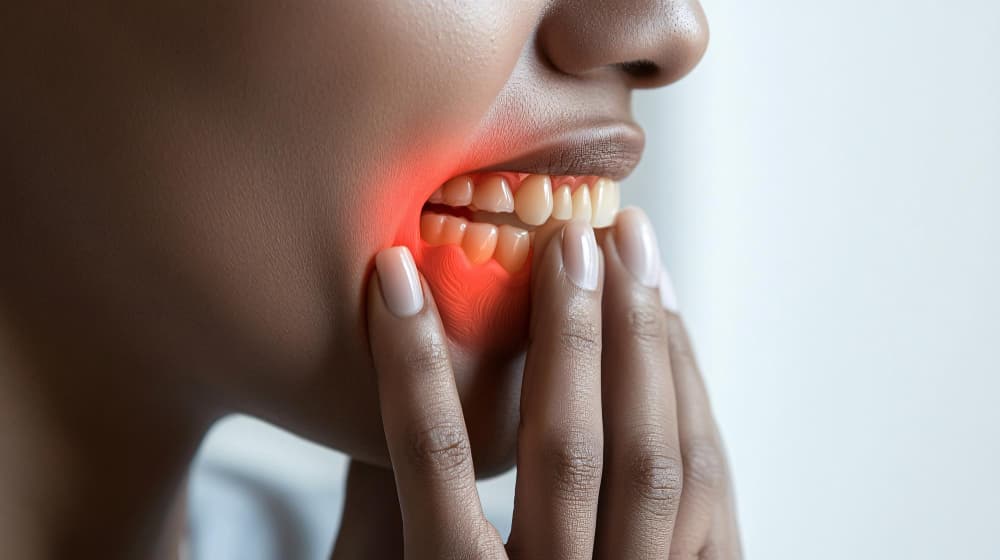
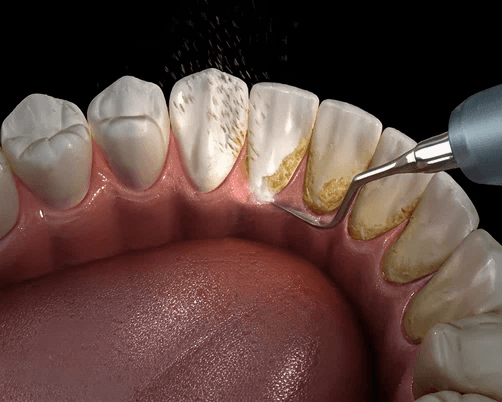
Plaque is a thin, sticky film of bacteria that builds up on your teeth at all times. If you fail to brush it off properly, plaque turns into tartar that must be removed by a dentist. Plaque contributes to tooth decay, gum disease, and even tooth loss if not addressed. Bad oral health is bad for your teeth, but it can also cause medical issues such as heart disease, diabetes, and poor digestion because ill bacteria can find their way into your bloodstream.
But proper brushing and flossing are your friends in so many different ways. It freshens breath, prevents yellow discoloration, strengthens gums, and provides you with a healthy smile. But most importantly, it preserves your natural teeth for years to come.
The Right Way to Brush Your Teeth
1. Use the Right Toothbrush and Toothpaste
A toothbrush is more than a tool; it is your partner in oral hygiene. Always use a soft-bristle toothbrush because hard bristles can hurt your gums and enamel. A small or medium-sized head is optimal for most individuals because it comfortably reaches all areas in your mouth. In addition to the brush, choose a fluoride toothpaste. Fluoride strengthens teeth against cavities and hardens your enamel.
2. Brushing Technique
Technique is more important than frequency. Angle your toothbrush at 45 degrees and use gentle, back-and-forth circular motions. Don't brush back and forth hard because it would erode your enamel and hurt your gums. Brush your outer surfaces, inner surfaces, and chewing surfaces of your teeth. Brush your back teeth as well because they always get neglected.

Brushing twice a day for two minutes removes plaque and keeps teeth healthy and bright.
3. How Long and How Often to Brush
You should brush your teeth twice a day, once in the morning and before bed, both times for at least two minutes. Two minutes may seem like a long time, but it is necessary to clean all your teeth. A timer or an electric toothbrush with a timer will make it easier. Don't forget to change your toothbrush every three months or sooner if the bristles become worn. Worn brushes don't work and harbor bacteria.
4. Additional Tips
Tongue brushing is a mandatory but routine practice. Your tongue contains smelly bacteria, and therefore, you need to brush it gently whenever you brush your teeth. Another suggestion is to avoid brushing your teeth immediately after consuming acidic foods and beverages such as citrus fruits, soda, or wine. The acid weakens your enamel for a short time, and if you brush your teeth immediately after, it will erode. Waiting at least 30 minutes is healthier for your teeth.
The Correct Way to Floss Your Teeth

Gently curve floss into a C-shape to clean along each tooth without harming gums.
1. Why is Flossing Important?
Brushing removes bacteria and plaque from the front and back sides of your teeth, but it can't remove them between. That's why flossing. Flossing removes food and bacteria between areas that your toothbrush can't reach and stops them from forming cavities and gum infection. Skipping flossing is one of the primary reasons why people develop gum disease, despite brushing their teeth daily.
2. Selecting the Proper Floss
Flossing isn't the same for everyone. Waxed floss is slippery and will slide through very tight teeth without a problem, but unwaxed floss is best for wide-set teeth. If regular floss is annoying, floss picks and water flossers are excellent substitutes. Water flossers are especially wonderful for gums and function extraordinarily well for individuals with braces or other dental procedures.
3. The Flossing Method
To floss, grasp about 18 inches of floss and wrap the majority of the floss around your middle fingers, reserving about 1–2 inches for working with. Curve the floss between two teeth, pass the floss into a "C" position around one tooth, and pass up and down along the gum. Repeat for the second tooth before repeating the next space. Avoid pulling the floss so tightly that it hurts your gums.
4. How to Floss Often
It is to be flossed daily, as dentists recommend. It is best to floss before going to bed because in that case, it removes food and plaque from your teeth. Both flossing and brushing are essential, and if both are practiced together, then they provide you with maximum protection.
Mistakes to Avoid
Even with good intentions, the majority of individuals get everything wrong when it comes to oral health routines. Brushing using the force of a hard or rough stroke damages teeth more than it helps by denting down enamel and agitating gums. The second most common mistake is wearing out a toothbrush. Worn-out bristles do not adequately clean teeth.
When flossing, individuals floss so hard that they end up hurting their gums, and other individuals skip flossing when they are in a hurry. Keep in mind, brushing is never sufficient; flossing needs to be finished for the mouth to be healthy.

Water flossers are an effective alternative for people with braces or sensitive gums.
Other Oral Care Tips
Besides brushing and flossing, there are a few things you can do to have healthier teeth. Swishing with an alcohol-free mouthwash will kill off bacteria and leave you with a fresher mouth. A healthy diet full of foods that are high in calcium, like milk, cheese, and dark leafy greens, is a good tooth and bone builder as well. Reduce sugary foods and beverages because sugar is a fuel source for cavity bacteria.
Most importantly, see your dentist every six months for a check-up and professional cleaning. Dentists can catch issues early before they become problems and assist you with maintaining long-term oral health.
Conclusion
Brushing and flossing are easy enough, but how you do it is what matters. With the proper techniques, you can guard your gums, halt cavities, and maintain that dazzling smile for a lifetime. The secret is habit; two minutes of brushing twice a day and a few minutes of flossing once a day is all that is required.
Begin doing these things immediately, and you'll be more than ready to obtain fresher breath, cleaner teeth, and healthier gums. Don't forget that your smile is one of the best things you own, preserve it by brushing and flossing regularly, every day.