By Renew Dental ClinicPublished on

Man checking his teeth.
Water flossers have become a visible presence on Indian e-commerce platforms over the past few years. Where they were once a specialist dental product known mainly to patients after periodontal treatment, they're now readily available from multiple brands at a range of prices — and the question patients at Renew Dental Clinic ask increasingly often is: are they actually worth it?
The honest answer is: for some patients, yes — significantly. For others, not particularly, if they're already flossing well with string or interdental brushes.
A water flosser (also called an oral irrigator) directs a pressurised stream of water into the spaces between teeth and below the gumline. The pulsating water disrupts and flushes out food debris and loosens plaque biofilm in areas that a toothbrush can't reach.
The mechanism is different from string floss. String floss uses mechanical scraping — the floss wraps around the tooth surface and physically removes plaque by contact. A water flosser uses hydraulic pressure to flush debris and disturb the biofilm without physical scraping contact.
Both approaches reduce plaque between teeth. They do it differently, and for some patients one works considerably better than the other.
The evidence for water flossers is genuine but nuanced.
Multiple studies have found that water flossers reduce gingival bleeding and inflammation effectively — in some cases comparably to flossing. A 2013 study in the Journal of Clinical Dentistry found that a water flosser was significantly more effective than string floss at reducing bleeding on probing (a clinical measure of gum inflammation). Other studies show reductions in plaque scores and gum bleeding with consistent water flosser use.
Where water flossers perform less well compared to string floss: the physical scraping action of floss against the tooth surface is more effective at removing the most adherent plaque biofilm — the kind that's been there long enough to become more firmly attached. Water flossers disrupt and flush biofilm well, but the direct mechanical contact of floss may be more thorough for established deposits.
The practical conclusion: water flossers are a meaningful interdental cleaning tool, particularly for gum health and debris removal, but are generally not considered complete substitutes for string floss or interdental brushes in patients for whom those methods are feasible.
The patients who get the most value from a water flosser are those for whom the alternatives are genuinely difficult.
Patients with braces. String flossing with fixed braces requires threading floss under each wire using a floss threader — a time-consuming process that many patients simply don't do consistently. A water flosser reaches between brackets and wires, around the bracket base, and below the gumline efficiently. Patients with braces at Renew Dental Clinic frequently benefit significantly from a water flosser as their primary interdental cleaning method.
Patients with bridges. Cleaning beneath the pontic (the artificial tooth) of a dental bridge requires a floss threader or superfloss to pass under it. A water flosser reaches this area directly without threading. For patients with multiple bridges or an implant-supported bridge, this saves significant time and effort.
Patients with dental implants. The peri-implant sulcus — the crevice around an implant — needs careful cleaning. A water flosser on a low-pressure setting effectively flushes this area. Combined with interdental brushes, it provides thorough care around implants.
Patients with periodontal pockets. Patients who have had or have active gum disease often have pockets (deeper-than-normal gum crevices) where bacteria accumulate and standard tools can't reach adequately. Some water flossers come with a periodontal tip designed to deliver water directly into pockets. This is particularly useful in the maintenance phase after periodontal treatment.
Patients with limited manual dexterity. String flossing requires reasonably fine motor control — holding the floss taut, wrapping it correctly, managing it in the back of the mouth. For patients with arthritis, reduced grip strength, or other dexterity challenges, a water flosser is significantly easier to use effectively.
Patients who simply won't floss. This is the most pragmatic category. String flossing has a compliance problem — many patients won't do it consistently. If a water flosser is what someone will actually use, and string floss is what they will definitely skip, the water flosser is doing more for their oral health than the theoretically superior option that stays in the drawer.
If you floss consistently with string floss or interdental brushes, use good technique, and your gums are healthy — a water flosser is an optional addition, not a necessary one.
Some patients find the combination of interdental brushing plus water flosser (as an irrigation rinse at the end of cleaning) provides the most thorough interdental environment. Others find one method sufficient. This is individual variation, and there's no single correct answer.
Dr. Suchi Singh at Renew Dental provides specific guidance on which interdental cleaning method is most appropriate based on each patient's anatomy, dental history, and compliance.
The Indian market has expanded significantly. Options range from basic cordless models at the lower price range to full countertop units with multiple pressure settings and tip attachments.
Multiple pressure settings. Starting on the lowest pressure setting is important, particularly for new users, patients with gum recession, or anyone with sensitivity. Adjustable pressure allows the flosser to be used comfortably even for sensitive areas.
Reservoir capacity. Countertop models typically have larger reservoirs that last through a full session without refilling. Cordless models are smaller and more convenient for travel but may require refilling mid-session.
Tip variety. A standard jet tip is sufficient for most users. Orthodontic tips (for braces), periodontal tips (for deeper pockets), and tongue cleaners are useful additions for specific needs.
Waterproof rating. Important for bathroom use. Look for waterproofing if the unit will be used in a wet environment.
Brand reliability and service. Water flossers are electrical appliances with pumps. Oracura, Perfora, and international brands like Waterpik are commonly available in India with reasonable customer service. Very low-cost unbranded units may have reliability issues that make the purchase counterproductive.
Most people use them incorrectly at first — at too high a pressure, or not directing the tip correctly.
Do not direct the water directly into the gum crevice at high pressure — this can damage soft tissue. The tip should rest just at the gumline, directing water between the teeth and allowing it to flush below the gum margin gently.
Start with 2 minutes. Most users become faster with practice.
Can a water flosser replace flossing completely?
For most patients, it's better used as a complement to flossing or interdental brushing. However, for patients with braces, bridges, implants, or limited dexterity — it's a practical primary method.
Is it okay to use mouthwash in a water flosser reservoir?
Some manufacturers allow diluted mouthwash in the reservoir. Check your specific model's instructions. Very diluted chlorhexidine or antimicrobial mouthwash in the reservoir may add modest antibacterial benefit for patients with gum disease. Don't use undiluted mouthwash — it can damage the internal mechanism.
How often should the water flosser tip be replaced?
Most manufacturers recommend every three to six months. Check the tip for wear or discolouration and replace if needed.
To discuss the best interdental cleaning method for your specific situation, book a consultation at Renew Dental Clinic, Sector 47, Noida. Call (0120) 498-8333.
Monday–Saturday 10:30 AM – 8:00 PM | Sunday 11:00 AM – 2:30 PM.
 Copy
Copy
Morning breath is universal — but the severity varies enormously and for specific reasons. This...
12 Aug 2026
by Renew Dental Clinic
Where you keep your toothbrush affects how many bacteria it carries into your mouth each...
07 Aug 2026
by Renew Dental Clinic
Most people brush the same way they have since childhood — which is usually wrong....
06 Aug 2026
by Renew Dental Clinic

Learn affordable handy tips on how to prevent tooth decay at home. Learn daily habits,...
21 Oct 2025
by Renew Dental Clinic
Can tooth enamel be restored? This guide separates fact from fiction — explaining what remineralisation...
29 May 2026
by Renew Dental Clinic
Most people pick the wrong bristle hardness because firm feels more effective. It isn't. This...
01 Sept 2026
by Renew Dental Clinic

Most people brush their teeth but skip the tongue. This guide explains what lives on...
16 Jul 2026
by Renew Dental Clinic
Most people have never been told what "healthy" actually looks like in their mouth. This...
30 Jul 2026
by Renew Dental Clinic
Think scaling is just about cleaner teeth? This guide explains what dental scaling actually does,...
15 Jun 2026
by Renew Dental Clinic
Looking for the best children's dentist in Noida? This parent's guide covers when to start...
19 Jun 2026
by Renew Dental Clinic

Looking for a paediatric dentist in Noida? This guide explains when to bring your child...
26 May 2026
by Renew Dental Clinic

A child's smile is one of life's most valued possessions, and their dental care begins...
10 Nov 2025
by Renew Dental Clinic
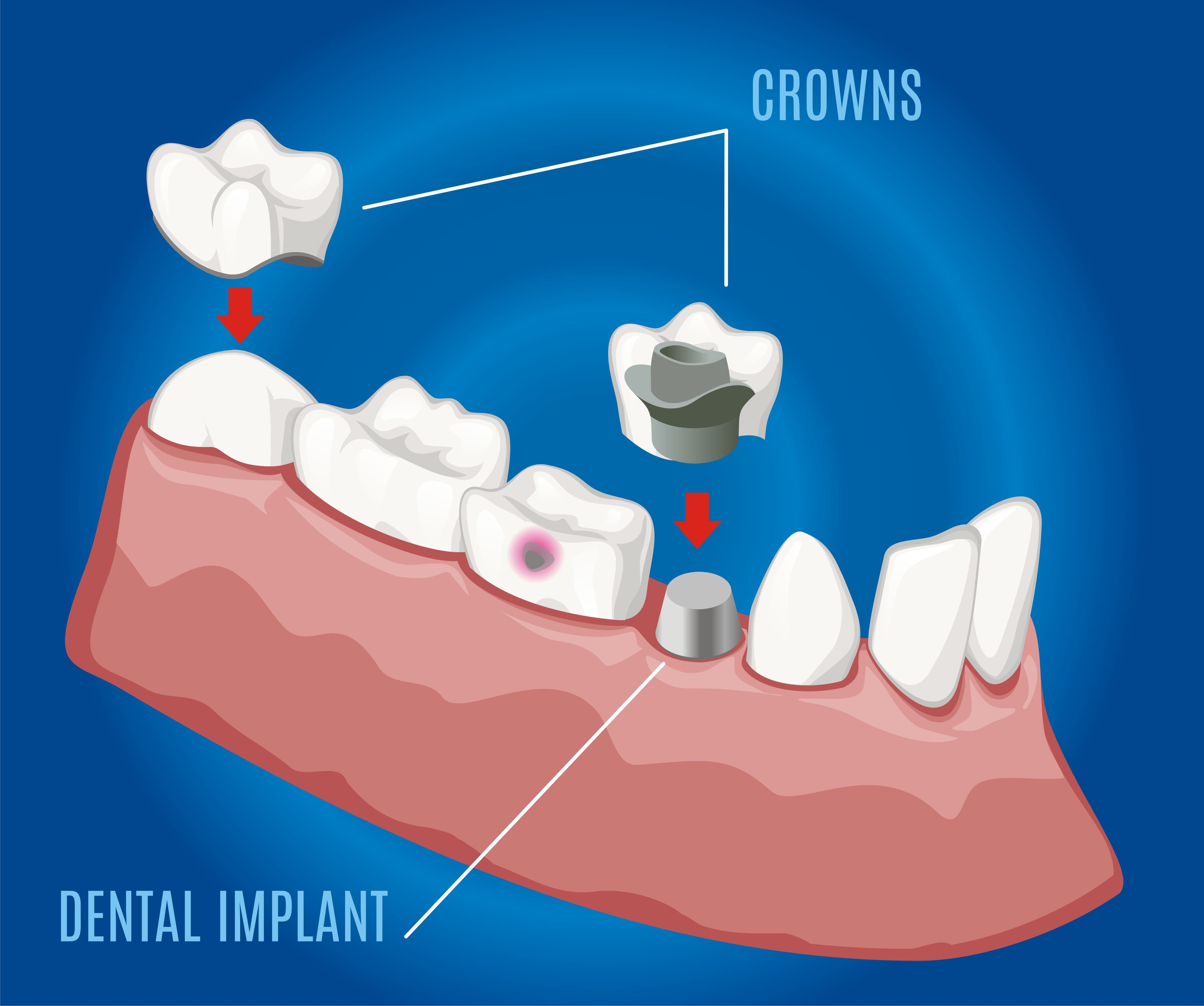
Been told you need a bone graft before an implant? This guide explains what dental...
26 Jun 2026
by Renew Dental Clinic

Dilemma between dental implants and bridges? Weigh the cost, longevity, procedure, and advantages to determine which tooth replacement method is superior.
03 Oct 2025
by Renew Dental Clinic
Thinking about dental implants in Noida? This complete guide covers how implants work, who qualifies,...
14 May 2026
by Renew Dental Clinic
Explore More
Discover how thousands of patients trust Renew Dental Clinic with their smiles.
Best dental treatment in noida NCR
Dr suchi is very supportive and best dr in noida 👏👏👍👍
The best one till now , super one
If you haven’t found the right dentist in Noida go and see Dr Suchi Singh. She does outstanding dental work and is very kind. Highly recommend.
I don’t usually write reviews, but this one comes straight from the heart.
I had an excellent experience with dr. Suchi regarding my dental treatment..
1.Highly satisfied
Best dental clinic in noida..
Excellent explanation, punctual, welcoming staff, High hygiene standards, great team..
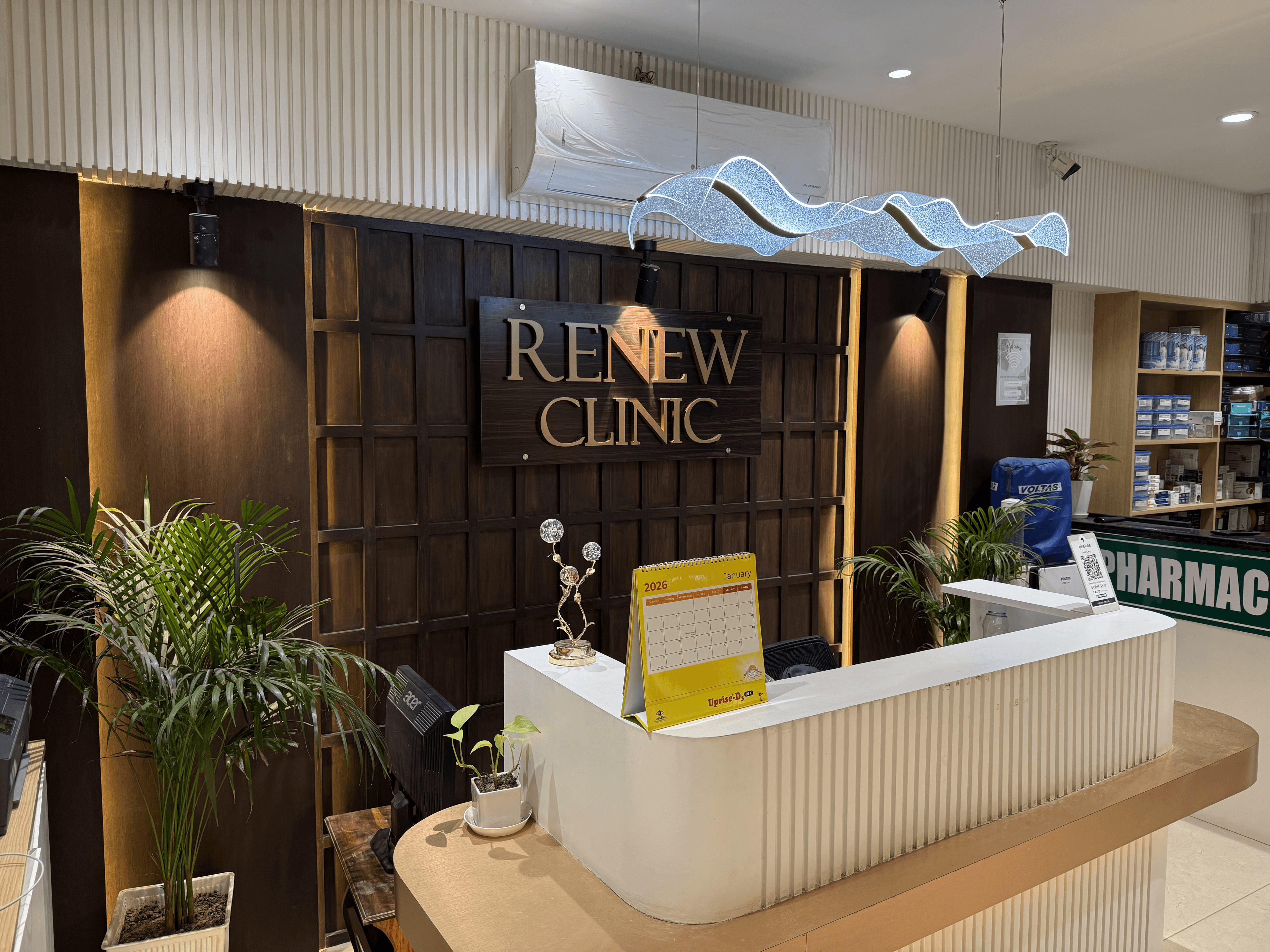
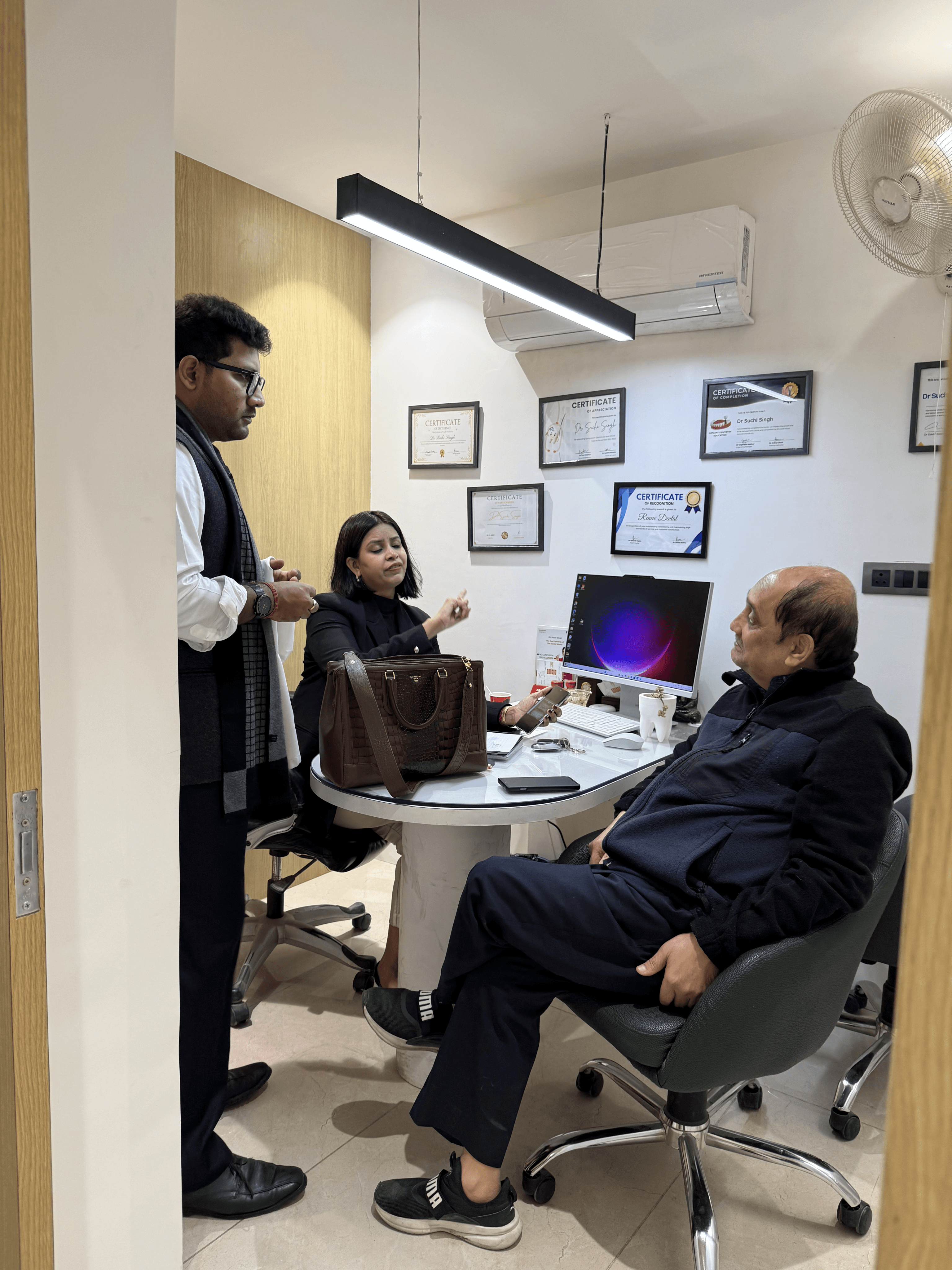
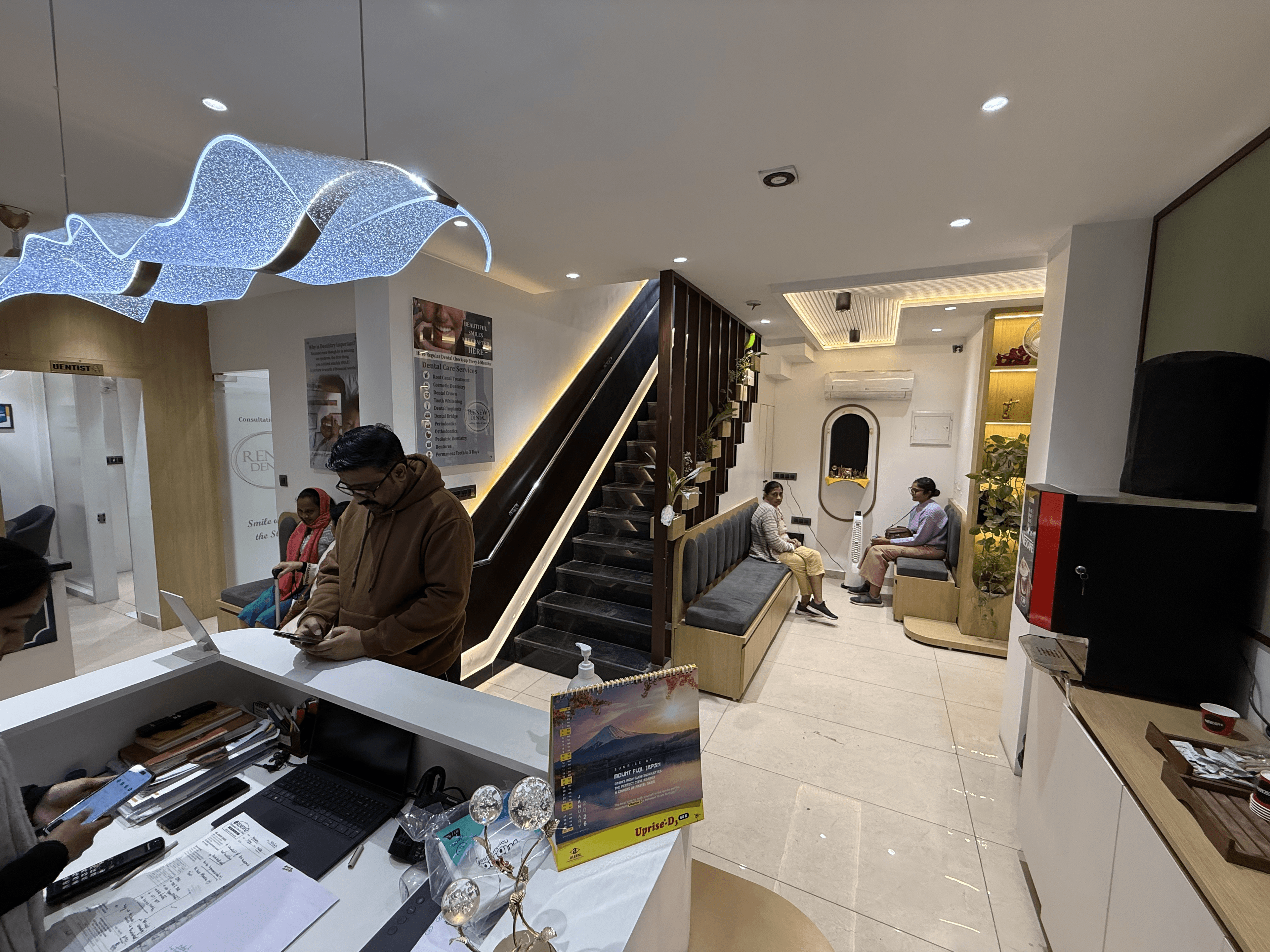
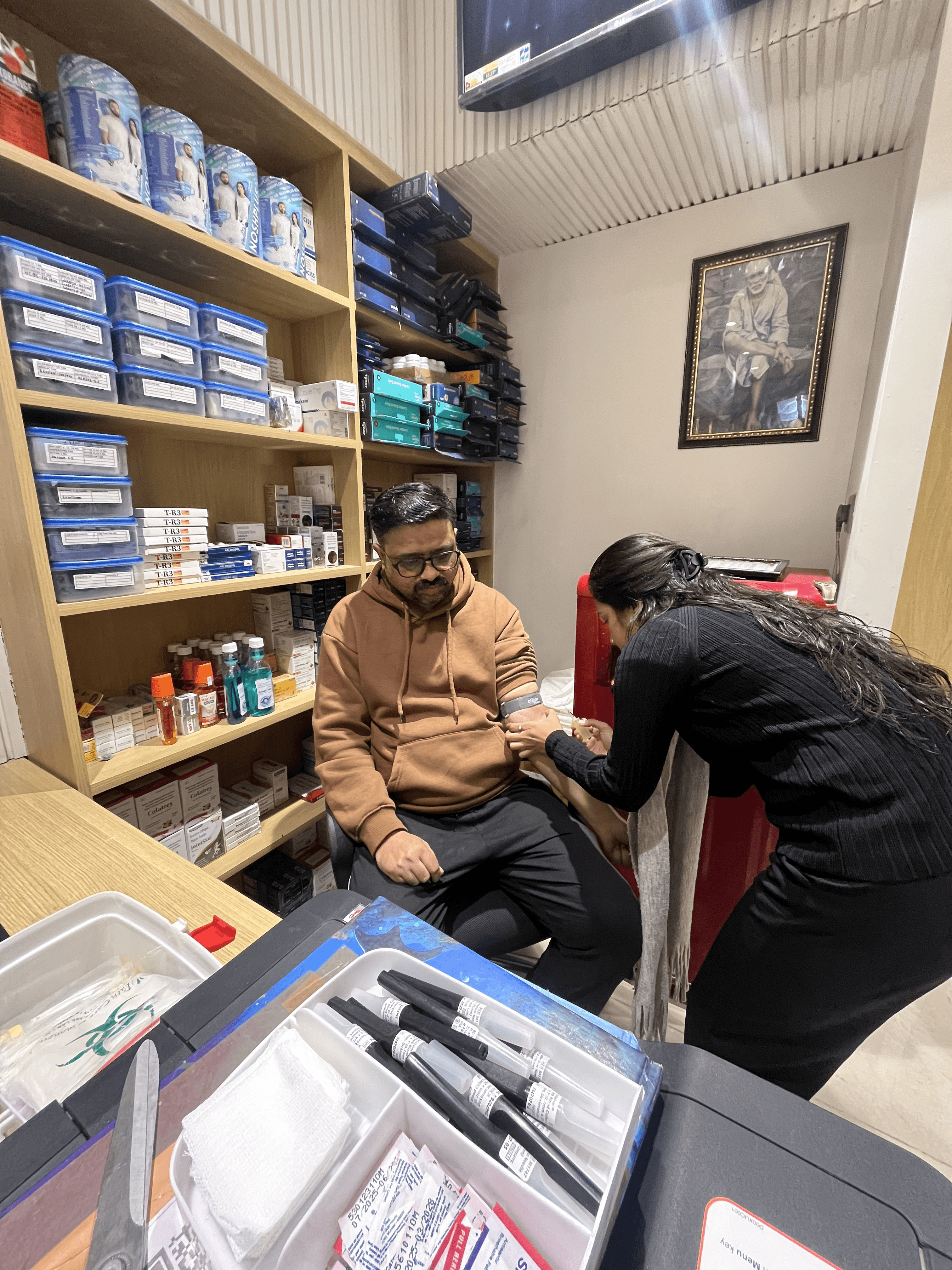
A glimpse into our modern dental clinic, advanced technology, and patient-friendly environment at Renew Dental.
Explore our thoughtfully designed clinic spaces built to provide comfort, cleanliness, and a calming experience for patients of all ages.

Best Dentist in Noida
Renew Dental Clinic located in Noida, Sector 47, is one of the leading dental clinics. Founded by Dr. Suchi Singh who is widely regarded as one of the best dentists in Noida, the clinic is committed to delivering personalised and high-quality dental care. Dr. Suchi Singh focuses on customised treatment plans designed around each patient’s unique needs, ensuring advanced, comfortable and reliable dental care at Renew Dental Clinic.

Your Trusted Dental Experts

Complete Dental Care

Friendly Dental Space

No Hidden Charges


Two trusted dental clinics in Noida — Renew Dental (Sector 47) and Tooth & Truth (Sector 34) — for gentle, modern care.

Renew Orthopedic Clinic, A-321, Basement Floor, Next to Mother Dairy Store, Sector 47, Noida, Uttar Pradesh 201303
 +91 99710 35300
A-98/A, Block A, Sector 34, Noida, Uttar Pradesh 201307
+91 99710 45002© 2026. All rights reserved | Designed and Developed by Zarle Infotech