By Renew Dental ClinicPublished on

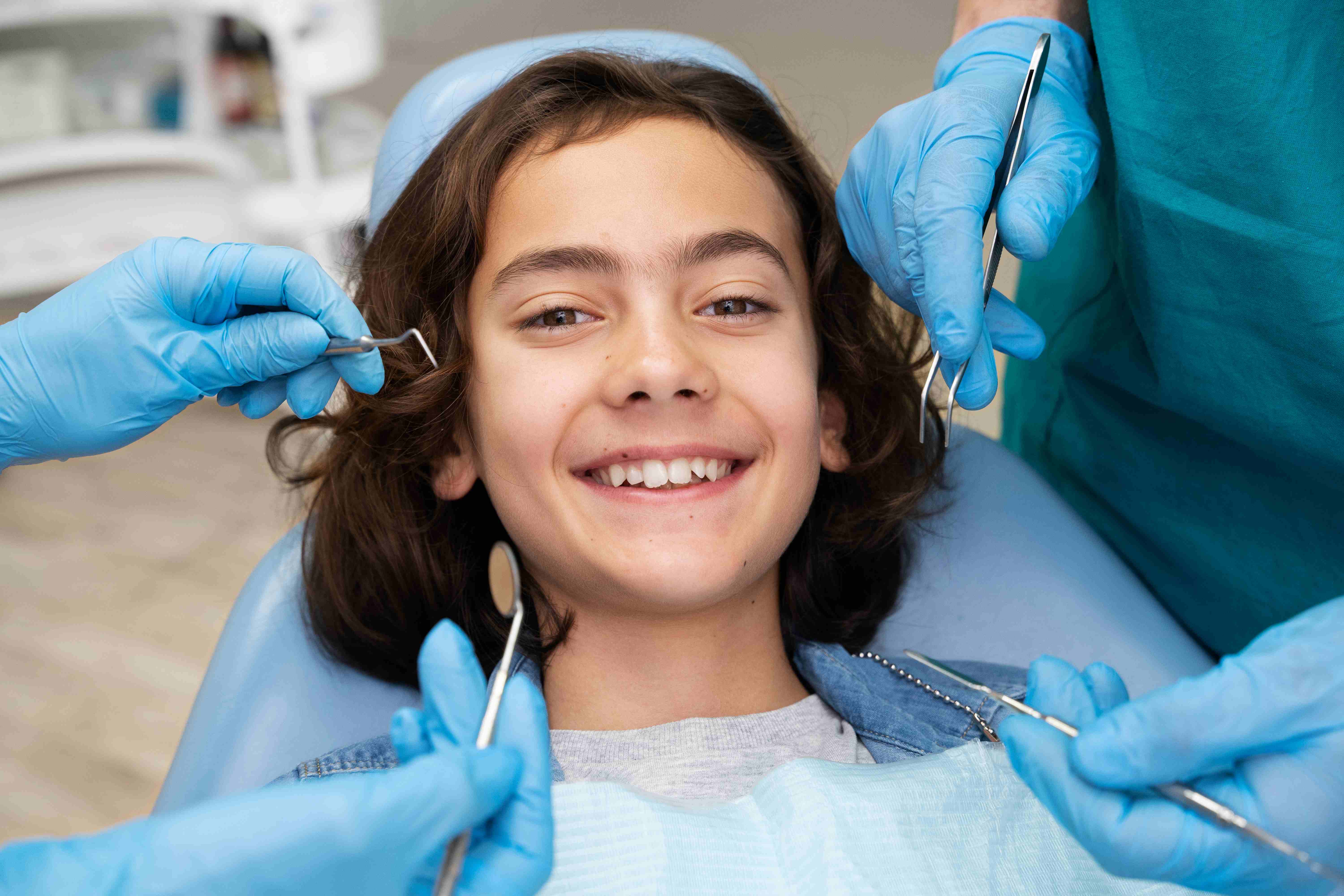
Two kids brushing their teeth, promoting healthy dental habits and the importance of daily oral care from an early age.
Brushing your teeth is something you've been doing since you were three or four years old. Which means you've had decades to practise the same technique — and if that technique was never quite right, decades to reinforce it.
The most common brushing errors are not dramatic. Most people are doing something close to correct. But "close to correct" in brushing is like "close to correct" in any repeated physical habit — the small errors compound over years into real consequences. Enamel wear at the gumline. Gum recession in specific spots. Calculus accumulating in the same places every time because the brush never quite gets there.
The most widely taught and evidence-supported brushing technique for adults is the modified Bass technique. It was developed specifically to clean at and below the gumline — the area where plaque does the most damage and where most people clean least effectively.
The technique:
-Hold the toothbrush at 45 degrees to the gum. Not parallel to the tooth surface — angled so the bristle tips point toward the gumline and the bristles can slide just under the gum margin.
-Apply very light pressure — the bristles should flex slightly but not press so hard that they splay out. If bristles are consistently splaying within a month or two of getting a new brush, the pressure is too high.
-Use short, vibrating or circular strokes — 15 to 20 small movements per area. Not long horizontal sweeps across multiple teeth. The short strokes allow the bristles to work on the sulcus (the crevice where tooth meets gum) without being dragged away from it.
-Move systematically around the mouth — outer surfaces first, then inner surfaces, then chewing surfaces. Every tooth, every surface. The back molars and the inner surfaces of the lower front teeth are the areas most often missed.
-Two minutes total, spread across all surfaces.
Horizontal scrubbing. This is the default technique that most people learned — a back-and-forth sweeping motion across the teeth. It cleans the visible front surfaces reasonably well. It misses the gumline completely, wears enamel at the cervical area (the tooth-neck where enamel is thinnest), and contributes to gum recession over years of use. The characteristic wear pattern from horizontal scrubbing — notches at the gumline on the outer surfaces of the teeth brushed most vigorously — is visible in the mouths of many adults and is irreversible.
Pressing too hard. More pressure ≠ cleaner teeth. Plaque is soft and disrupts easily. Pressing hard wears enamel and traumatises gum tissue. The check: are your bristles splaying significantly within 4 to 6 weeks of getting a new brush? That's too much pressure. A worn-out brush in 4 weeks means the brush was experiencing roughly double the appropriate pressure.
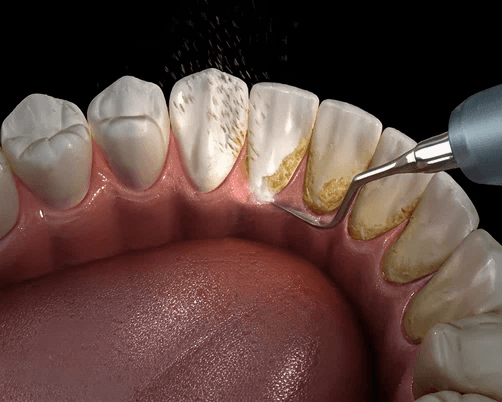
Missing the inner surfaces of the lower front teeth. These surfaces — the tongue-side of the lower incisors — are where calculus accumulates fastest in most adults, because saliva glands open nearby and deposit calcium-rich saliva directly onto this surface. They're also awkward to brush. Most people don't angle the brush correctly to reach them, and they accumulate the heaviest deposits as a result.
Not getting to the last molars. The brush head has to reach far enough back to contact the outer and inner surfaces of the second and third molars. Many people's brushing path stops a tooth or two short of the back. These rear surfaces are particularly susceptible to decay because they're hard to clean.
Brushing the gumline from above (vertical strokes from crown to gum). This pushes bacteria and plaque residue back toward the gum margin rather than sweeping it away from it.
Brushing immediately after acidic food or drink. Acid temporarily softens enamel by dissolving the mineral surface. Brushing on softened enamel accelerates its removal. The rule is to wait 30 to 60 minutes after acidic exposure before brushing.
Outer surfaces (facing the cheeks): Hold the brush at 45 degrees. Short circular strokes at the gumline. Move tooth by tooth or in small groups, not sweeping across multiple teeth at once. Cover the upper right, upper left, lower left, lower right systematically.
Inner surfaces (facing the tongue): For the inner surfaces of the front teeth — upper and lower — angle the brush vertically and use the front tip of the brush head rather than the full head. This gives access to the narrow space and allows the 45-degree angle to be maintained at the gumline. For the inner surfaces of back teeth, the standard 45-degree horizontal approach works.
Chewing surfaces (tops of back teeth): Short back-and-forth strokes across the chewing surface. The goal is to clean the fissures (grooves) where most decay starts. These surfaces are flat and easier to clean than the others — don't spend all your time here at the expense of the gumline.
The gumline (everywhere): This deserves separate emphasis because it's where the technique matters most. The 45-degree angle, the short strokes, the light pressure — all of these are specifically designed for the sulcus (the crevice between tooth and gum). This is where plaque does most of its damage. Give it deliberate attention at every brushing session.
Enamel wear is irreversible. Gum recession is largely irreversible without surgical intervention. The patterns of damage from poor brushing accumulate over years and are visible on clinical examination.
At Renew Dental Clinic in Sector 47, Noida, Dr. Suchi Singh can tell from looking at a patient's mouth where they brush hardest, which surfaces they miss, and whether their technique is causing damage — even before the patient describes their routine. The wear patterns, the calculus distribution, and the gum recession patterns all carry this information.
At each check-up, the team provides specific, individual brushing guidance based on what's actually observed in that patient's mouth — not generic advice.
Braces: The bracket on each tooth surface creates additional areas where plaque accumulates. Standard technique at the gumline still applies, plus brushing at the bracket at both above and below angles. An orthodontic toothbrush (V-shaped bristles) or a single-tufted brush for specific bracket areas supplements the standard approach.
Dental implants: The gum-implant junction (peri-implant sulcus) needs the same careful brushing as a natural tooth's gumline — arguably more so, since the implant surface doesn't have the biological connection to the jawbone that a natural tooth root has. The technique is identical.
Receding gums / exposed root surfaces: The root surface doesn't have enamel protection. Very light pressure with a soft-bristled brush is essential. Aggressive brushing on an already-receded area worsens it.
Dentures: Conventional dentures are removed and cleaned separately using a denture brush and cleaning solution. The gum ridges and palate underneath should be cleaned with a regular soft toothbrush even when no teeth are present.
Should I brush before or after using mouthwash?
After brushing (and spitting), use mouthwash at a separate time — not immediately after brushing. Rinsing immediately after brushing washes away the fluoride residue that should remain on your teeth. Mouthwash after lunch is a practical option.
Can brushing too gently leave plaque behind?
Yes — if technique doesn't make contact with all surfaces and the gumline. The problem is usually technique (missing surfaces) rather than insufficient force. Very gentle, systematic, comprehensive brushing is more effective than aggressive brushing of only the visible surfaces.
Is it better to use circular or horizontal strokes?
Circular or vibrating short strokes at the gumline are recommended. Horizontal scrubbing is the pattern associated with gum recession and enamel wear. For the chewing surfaces, gentle back-and-forth is fine.
To book a check-up and get personalised brushing technique advice at Renew Dental Clinic, Sector 47, Noida, call (0120) 498-8333.
Monday–Saturday 10:30 AM – 8:00 PM | Sunday 11:00 AM – 2:30 PM.
 Copy
Copy
Water flossers are increasingly popular in India's urban markets. This guide explains what they actually...
10 Aug 2026
by Renew Dental Clinic
The toothbrush aisle is overwhelming. This guide cuts through it — explaining what bristle type,...
05 Aug 2026
by Renew Dental Clinic
Most people change their toothbrush when they remember to buy a new one. The right...
04 Aug 2026
by Renew Dental Clinic

A gummy smile isn't one problem but several that look alike. Learn what drives excess...
19 Oct 2026
by Renew Dental Clinic
Dental anxiety is extremely common and entirely real. This guide explains where it comes from,...
31 Jul 2026
by Renew Dental Clinic
Do you grind your teeth at night? This guide explains what bruxism is, why it...
27 May 2026
by Renew Dental Clinic
Learn about gum disease, its causes, symptoms, stages, and treatment options to protect your oral health and prevent serious dental problems.
08 May 2026
by Renew Dental Clinic

Is the twice-daily brushing rule backed by evidence or just dental industry tradition? This guide...
15 Jul 2026
by Renew Dental Clinic
Alcohol affects oral health in ways most people don't expect — from dry mouth to...
23 Jul 2026
by Renew Dental Clinic
Not every cavity needs a root canal — but many patients aren't sure where the...
23 Sept 2026
by Renew Dental Clinic
White or brown spots on your teeth that appeared without any obvious cause? This guide...
01 Jul 2026
by Renew Dental Clinic

Worried about pain during a cavity filling? This honest guide from Renew Dental Clinic Noida...
09 Jun 2026
by Renew Dental Clinic
Looking for orthodontic treatment near Greater Noida? This guide covers all braces and aligner options...
10 Jun 2026
by Renew Dental Clinic

Compare Invisalign with traditional braces to find a treatment option that fits your lifestyle, comfort...
18 Nov 2025
by Renew Dental Clinic
Choosing between traditional braces and clear aligners in Noida? This practical comparison covers appearance, effectiveness,...
11 Jun 2026
by Renew Dental Clinic
Explore More
Discover how thousands of patients trust Renew Dental Clinic with their smiles.
Best dental treatment. ..
Excellent place for solution of all your dental problems.
All over very good experience....... specially thanks to Dr.suchi mam& Dr.chandrava sir.....teeth Extraction procedure very smoothly...all staff very helpful.. behavioural are good.... Thank you so much 🥰🥰🥰
Excellent explanation, punctual, welcoming staff, High hygiene standards, great team..
I am very happy with my treatment. It was 8-9 months long process and not for once I felt any difficulty in terms of service and hospitality.
Best dental clinic in Noida
Renew Dental Clinic has, without a doubt, been the best dental experience I have ever had. I came in with a toothache just days before an international trip, anxious about whether everything could be sorted in time. What followed was nothing short of remarkable.
"Highly recommended.."
This is the best clinic in Noida and the staff here is very caring.
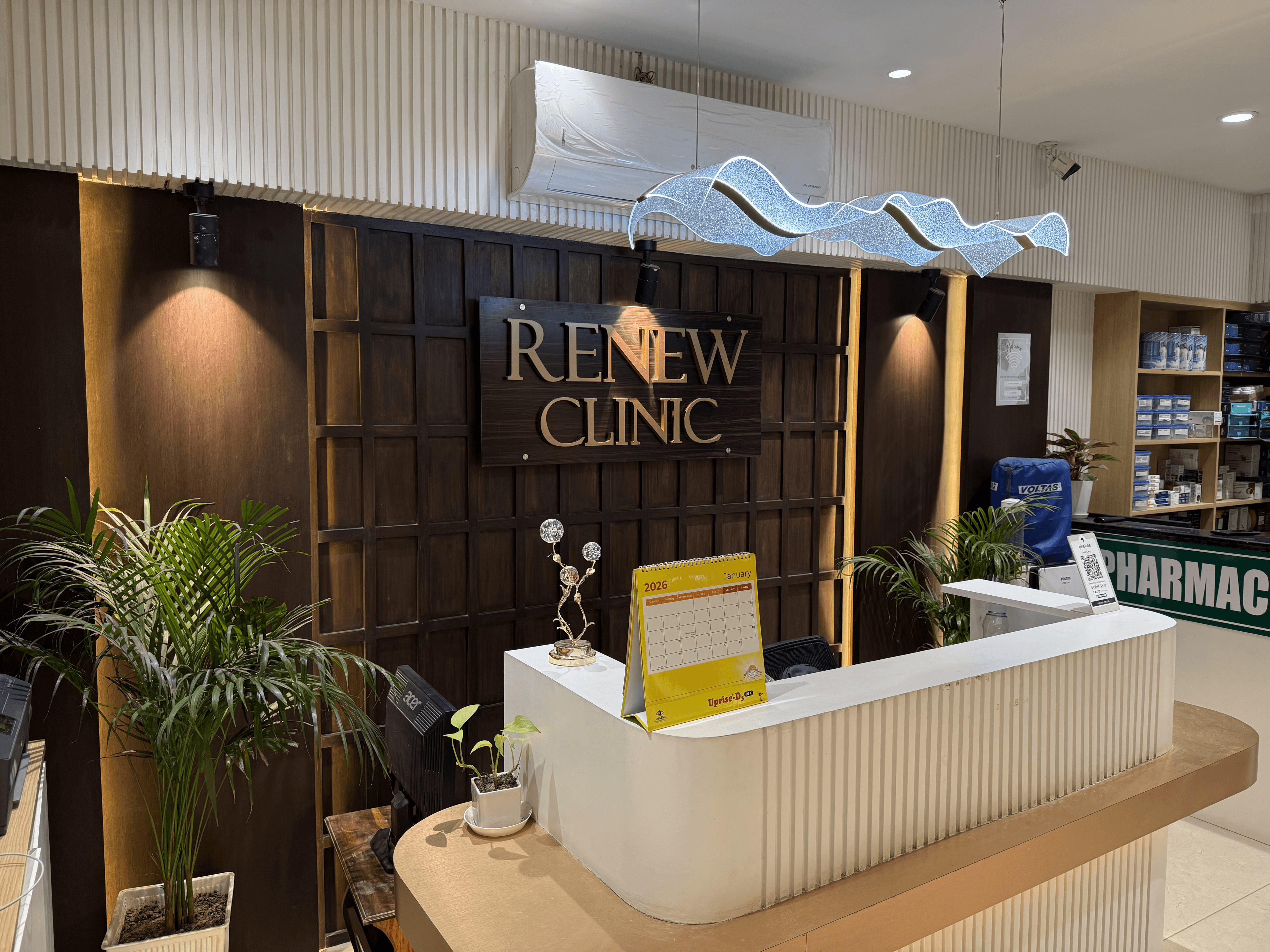
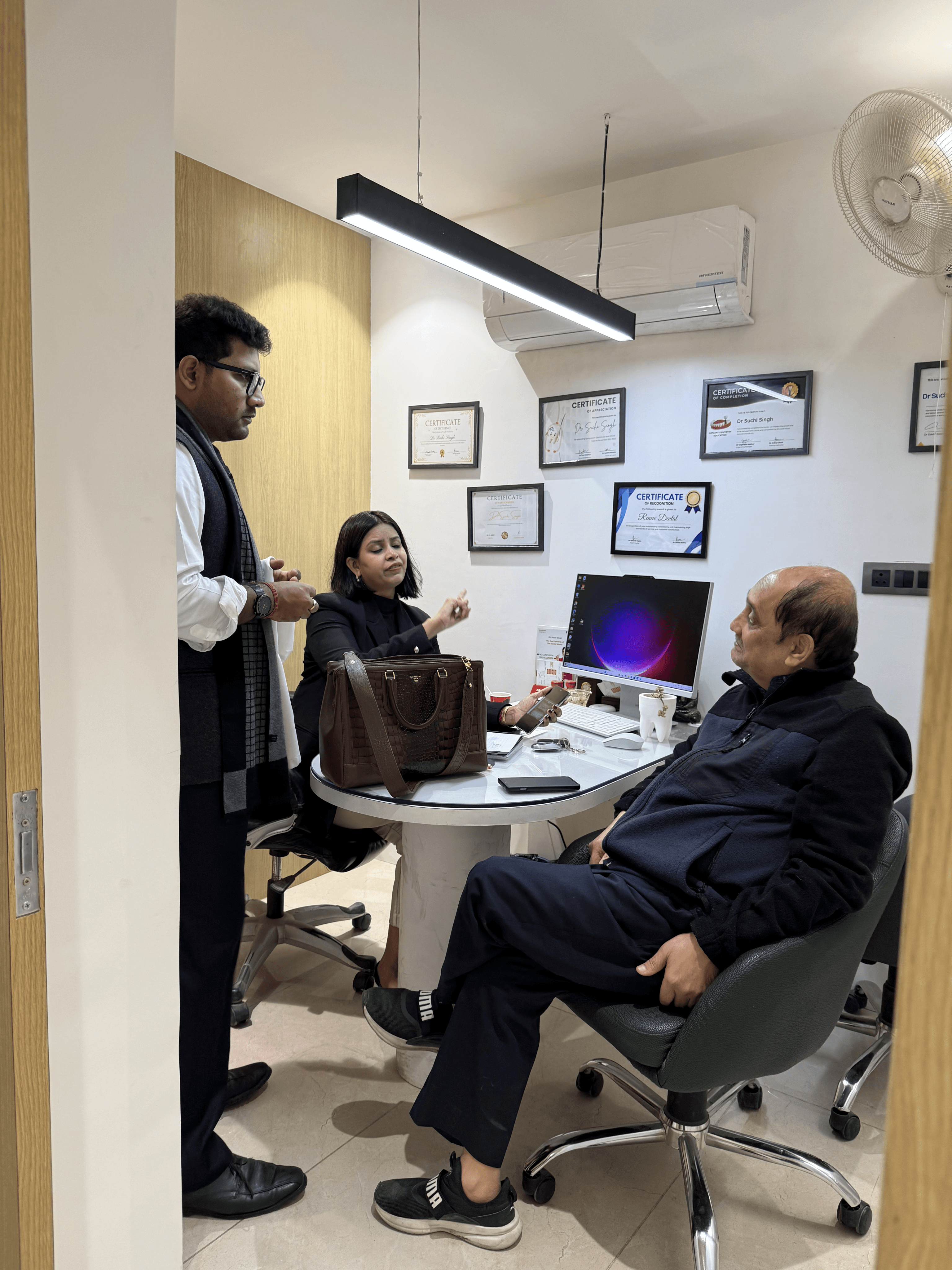
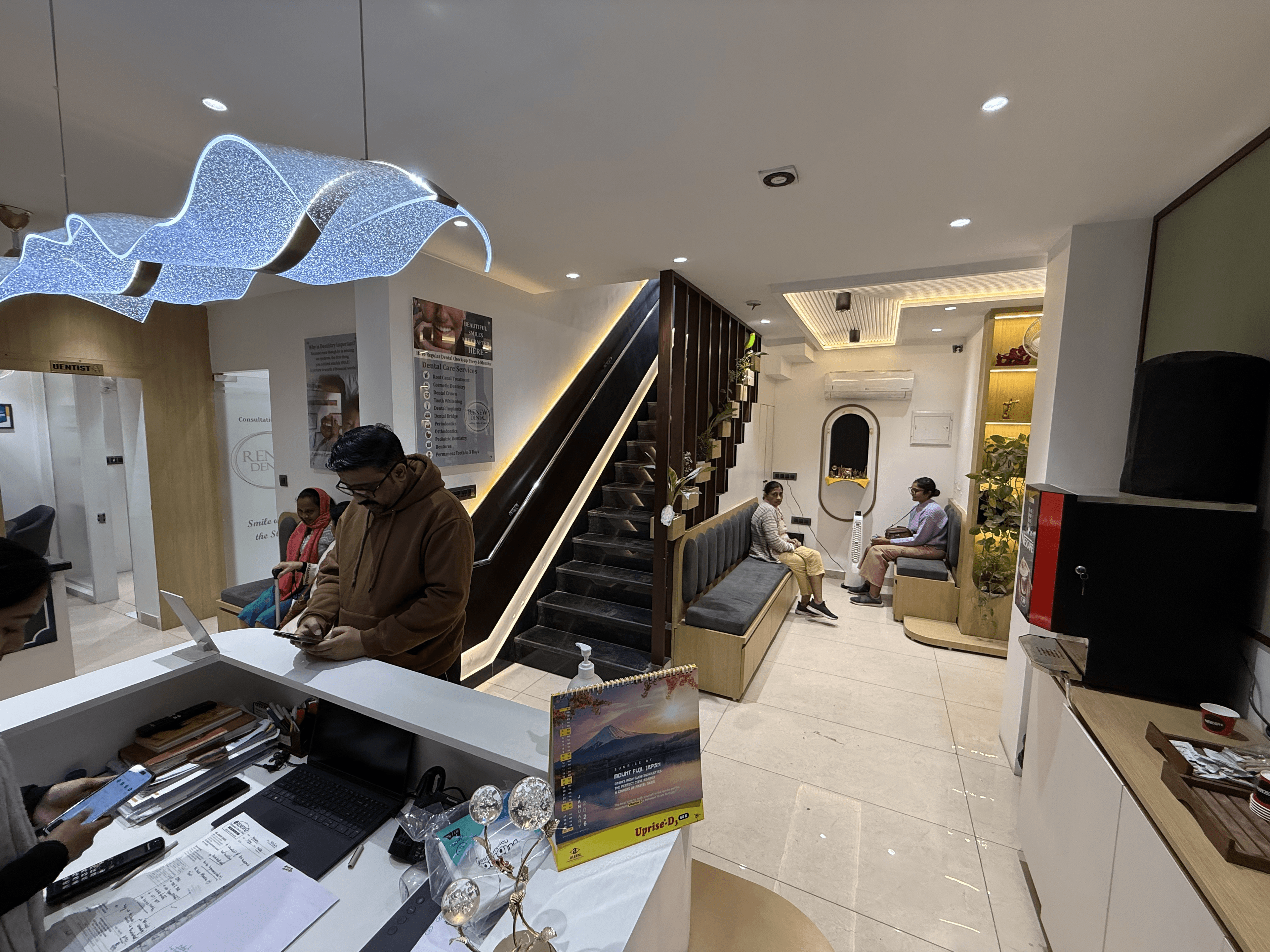
A glimpse into our modern dental clinic, advanced technology, and patient-friendly environment at Renew Dental.
Explore our thoughtfully designed clinic spaces built to provide comfort, cleanliness, and a calming experience for patients of all ages.
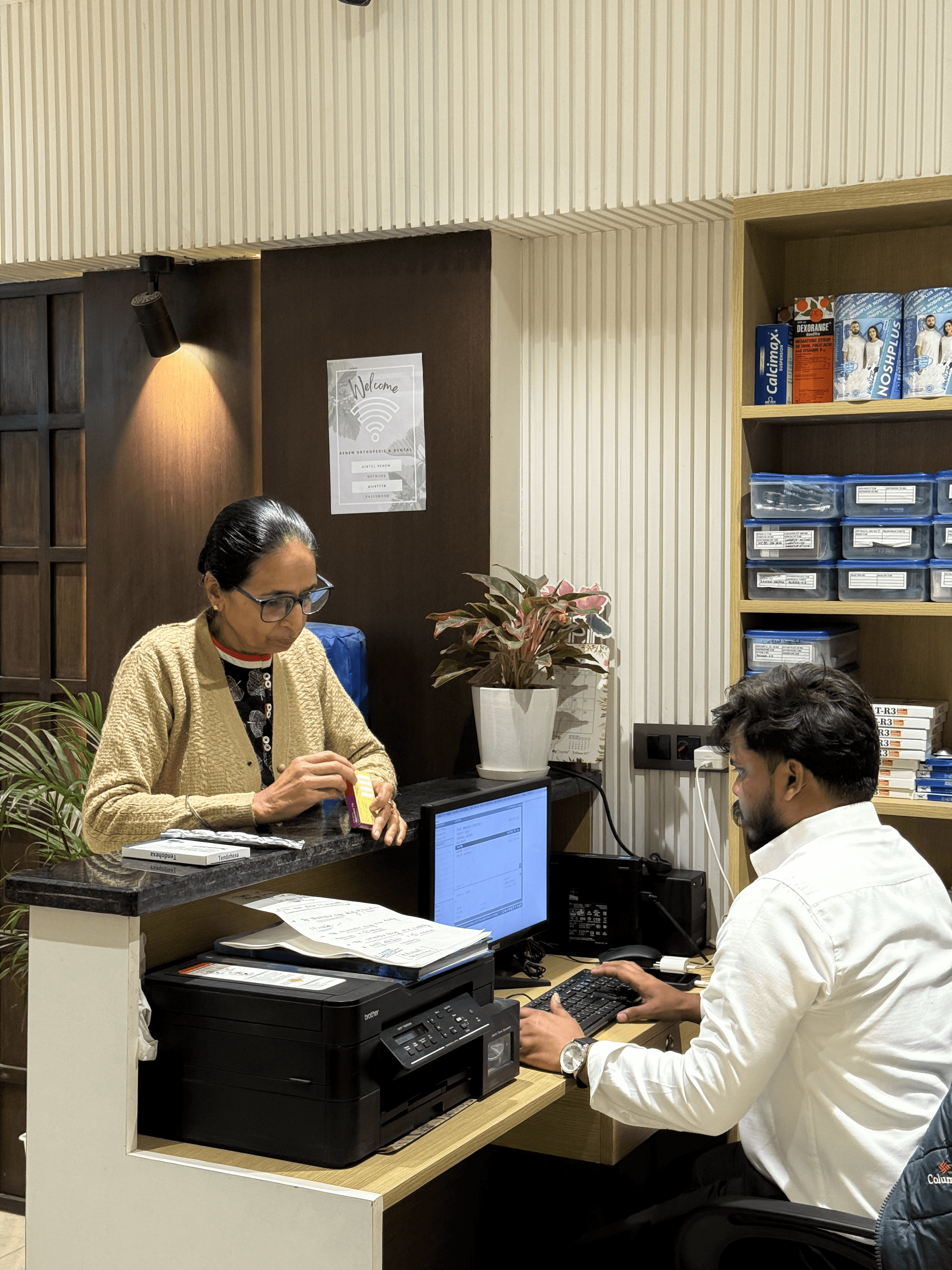
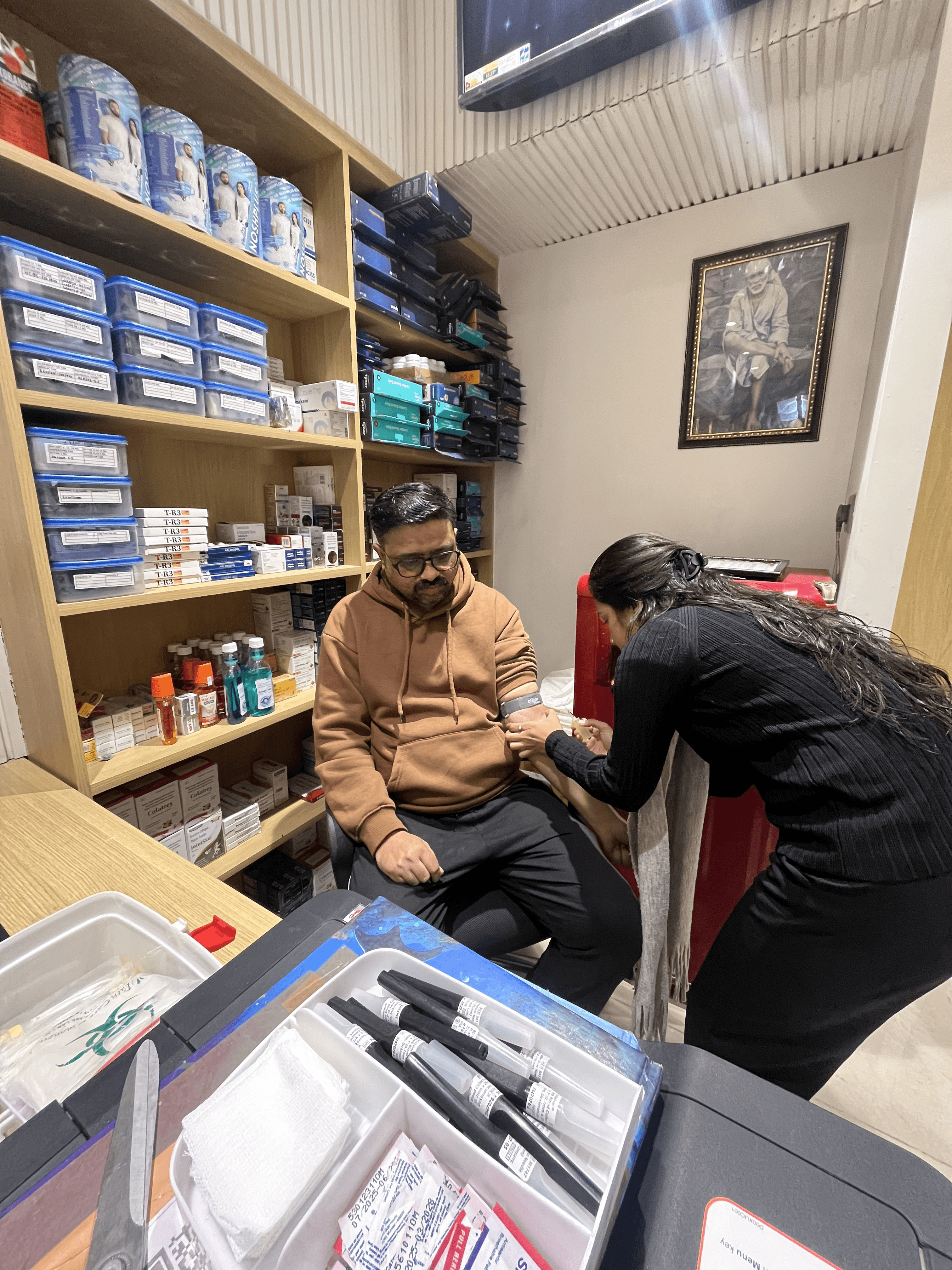
Best Dentist in Noida
Renew Dental Clinic located in Noida, Sector 47, is one of the leading dental clinics. Founded by Dr. Suchi Singh who is widely regarded as one of the best dentists in Noida, the clinic is committed to delivering personalised and high-quality dental care. Dr. Suchi Singh focuses on customised treatment plans designed around each patient’s unique needs, ensuring advanced, comfortable and reliable dental care at Renew Dental Clinic.

Your Trusted Dental Experts

Complete Dental Care

Friendly Dental Space

No Hidden Charges
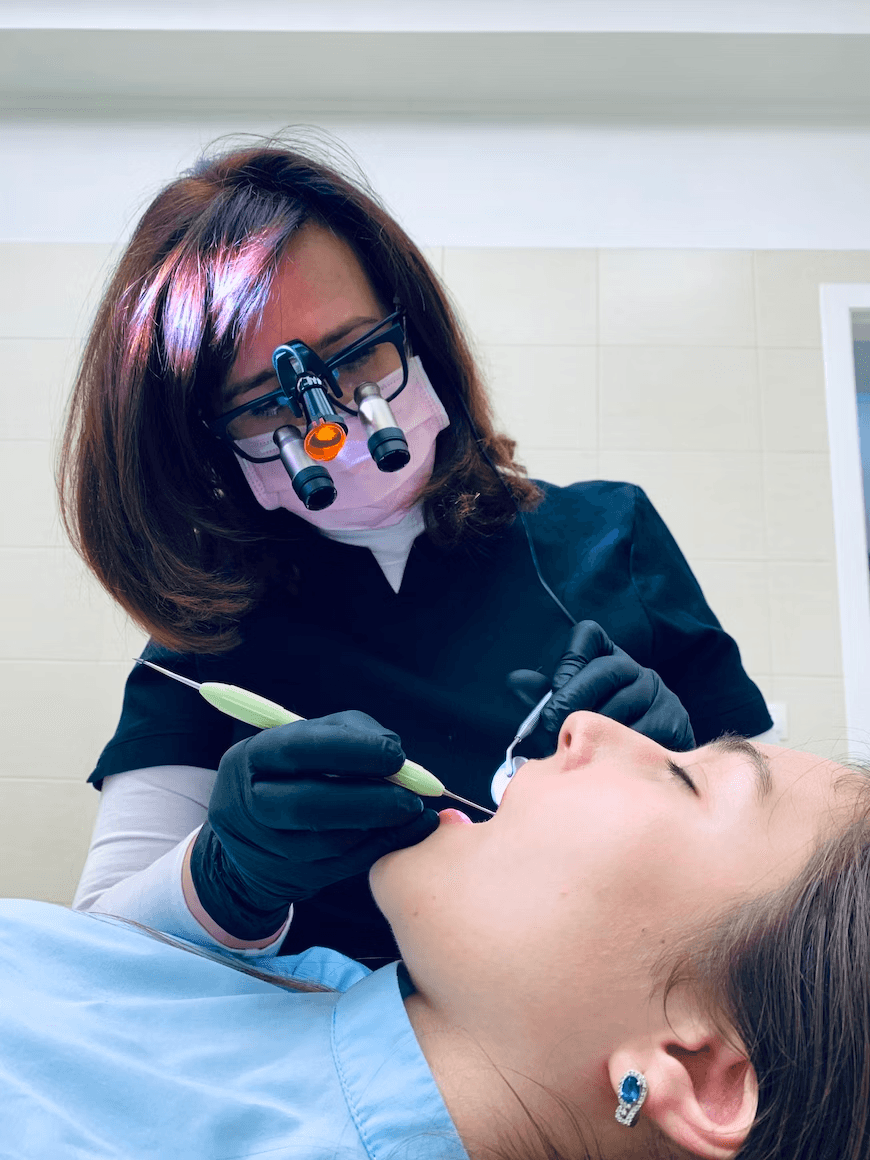
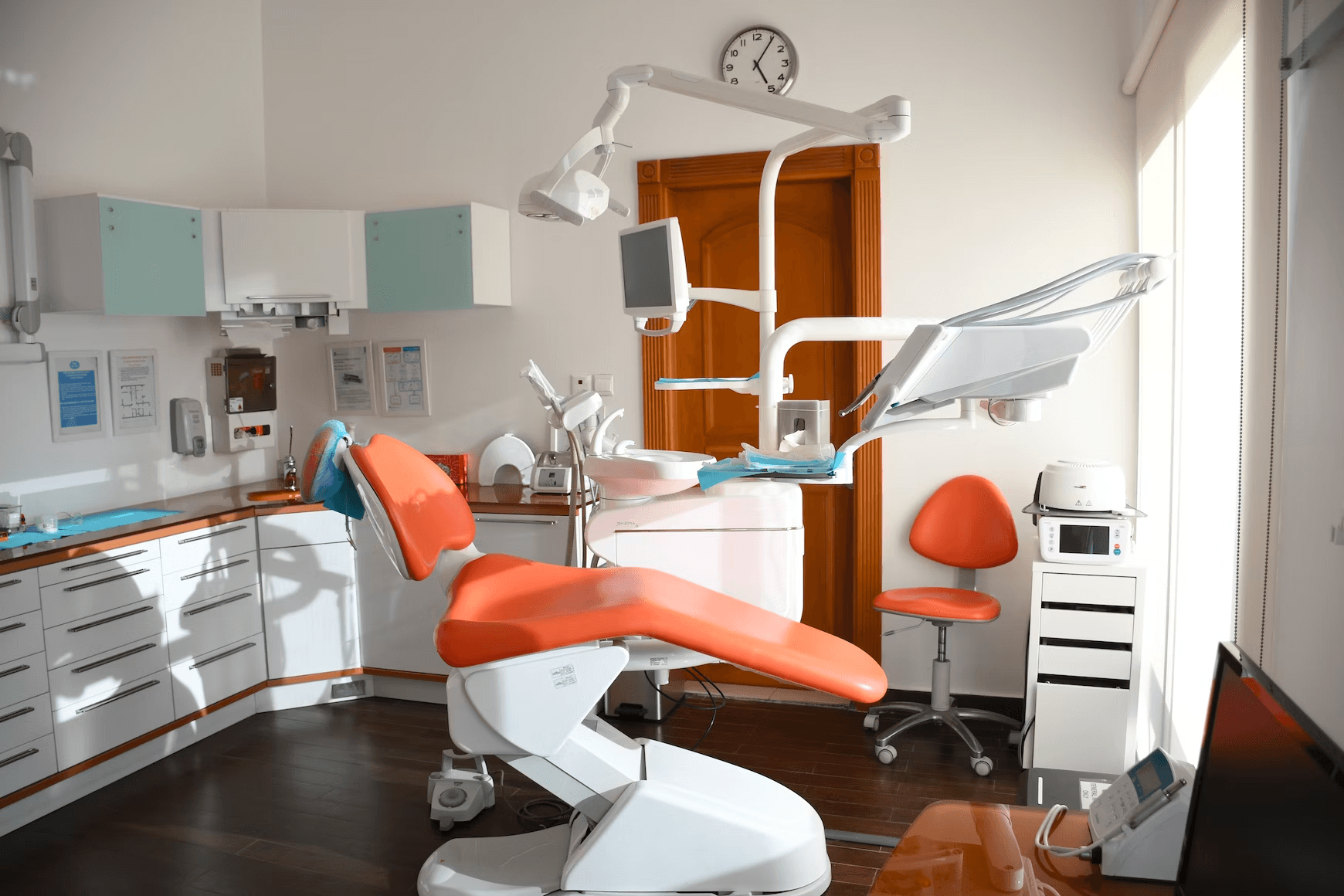

Two trusted dental clinics in Noida — Renew Dental (Sector 47) and Tooth & Truth (Sector 34) — for gentle, modern care.

Renew Orthopedic Clinic, A-321, Basement Floor, Next to Mother Dairy Store, Sector 47, Noida, Uttar Pradesh 201303
 +91 99710 35300
A-98/A, Block A, Sector 34, Noida, Uttar Pradesh 201307
+91 99710 45002© 2026. All rights reserved | Designed and Developed by Zarle Infotech