Teeth Whitening: Home or Professional Treatment

Combining professional whitening with good oral hygiene ensures a longer-lasting, radiant smile.
A dazzling, pearl white smile can boost confidence levels, enhance appearance, and make a lasting impression. People often pursue teeth whitening treatments on special occasions, such as weddings, job interviews, or social gatherings. Teeth gradually lose their sheen with age, prompting people to search for a new shine.
Today, tooth whitening is among the top cosmetic dental treatments. You may choose to have simple home remedies, over-the-counter tooth whiteners, or professional tooth whitening by a dentist. But which one is best? Each one has some advantages, disadvantages, costs, and outcomes. In this blog, we will discuss tooth whitening at home and professional teeth whitening in detail so that you can make up your mind as to what is best for you.
What Favors Teeth Discoloration
Teeth lose their natural whiteness over time due to many reasons. Regular daily activities, such as consuming coffee, tea, red wine, or cola, can stain the surface of the teeth. Cigarette smoking and tobacco chewing also produce yellowish and brown spots. The aging process wears out the enamel layer of the teeth, leaving the yellow-colored dentin layer exposed.
Too much fluoride, some medications, or childhood oral hygiene can also alter tooth color. Stains are also of two types:
- Surface stains (extrinsic): Due to food, beverages, and cigarettes. These can usually be treated with whitening toothpaste or professional teeth cleaning.
- Deep stains (intrinsic): Inside the tooth due to aging, injury, or medication. These need more powerful whitening products, which are typically done professionally.
Home Teeth Whitening Methods
Home whitening kits are more affordable but may take longer to show visible changes.
Home whitening kits are more affordable but may take longer to show visible changes.
1. Over-the-Counter Products
Numerous commercially available and internet-purchasable whitening agents exist. Whitening toothpaste, which removes extrinsic stains without altering the teeth's natural hue, can help eliminate stains and stain deposits. Whitening strips and gentle bleaching solutions in gel form can lighten teeth several shades if used consistently. Mouthwashes for whitening also come with an alternative, but the results are not nearly as dramatic.
2. Do-it-Yourself Remedies
Others prefer natural whitening techniques. Baking soda is a favorite since it provides a gentle scrubbing action to remove stains. Activated charcoal is another popular choice, but use it cautiously, as it can wear away enamel over time. Coconut oil oil pulling was also reported to get rid of toxins and reduce plaque, though very little scientific evidence supports this.
3. Benefits of Home Whitening
Home treatments are inexpensive and easy to apply. They allow you to whiten your teeth at home without going to the dentist. Products for over-the-counter sale are readily accessible, so they are easily accessible for most people.
4. Drawbacks of Home Whitening
Home whitening occurs gradually and less noticeably than professional whitening. The methods are not as efficient for resistant or deep discolorations. Some products also result in tooth sensitivity, gum irritation, or loss of enamel when misused.
Professional Teeth Whitening Procedures

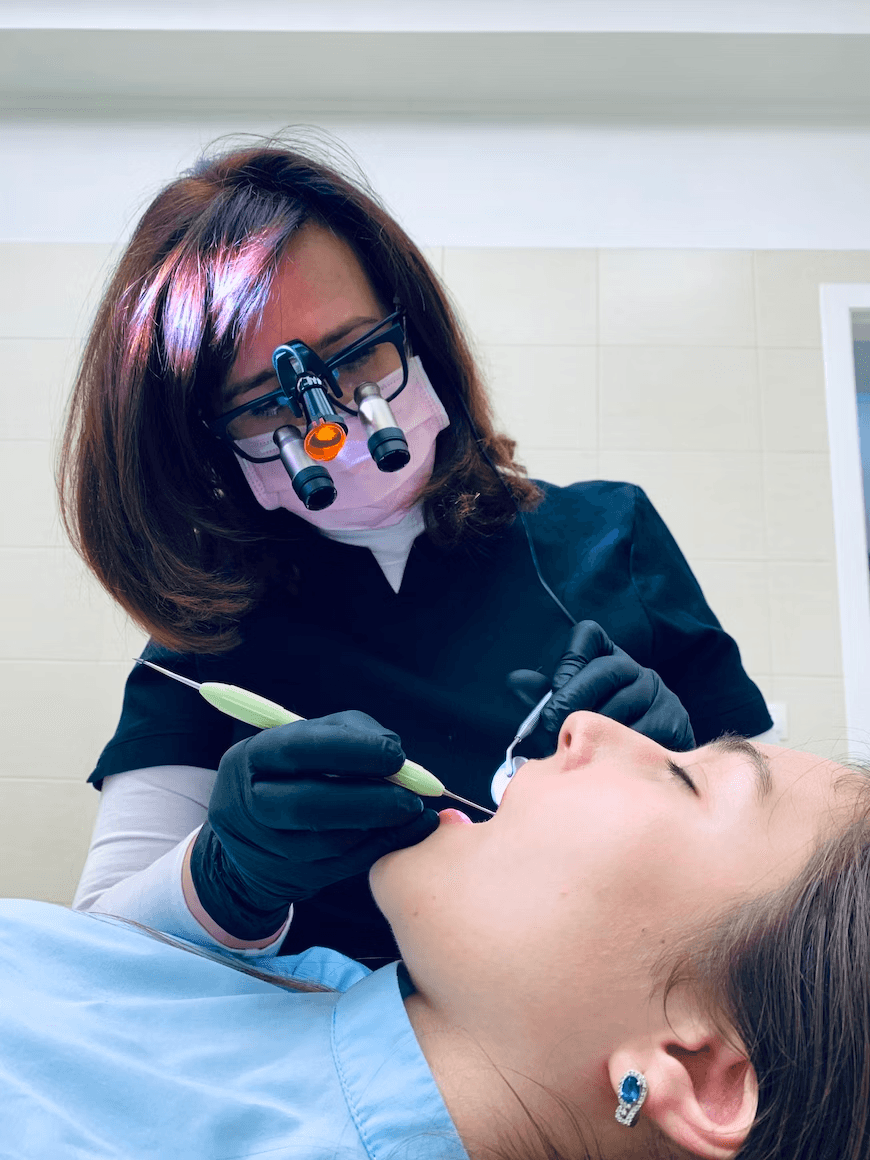
Professional teeth whitening offers faster, more noticeable results compared to at-home methods.
1. In-Office Whitening
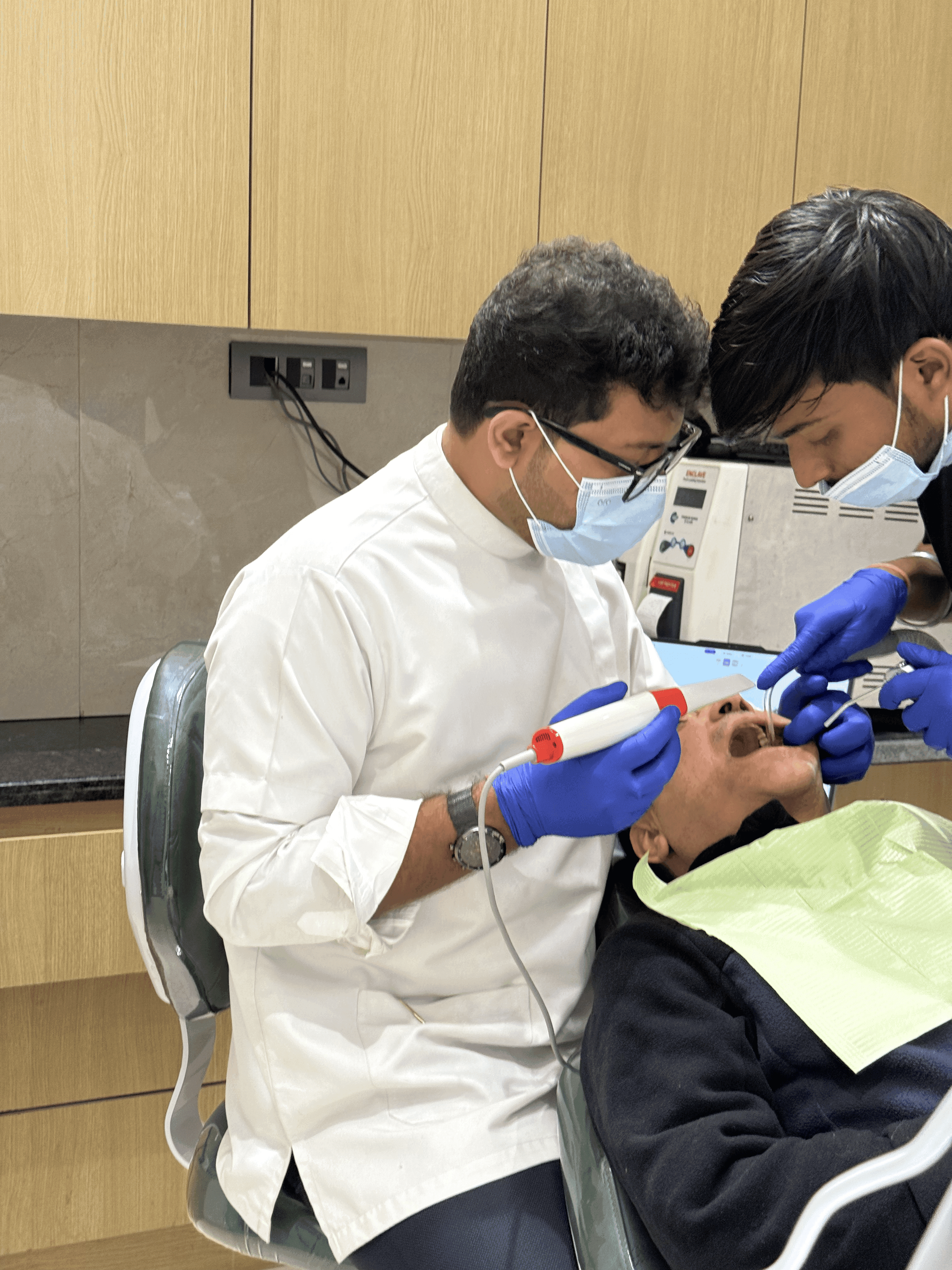
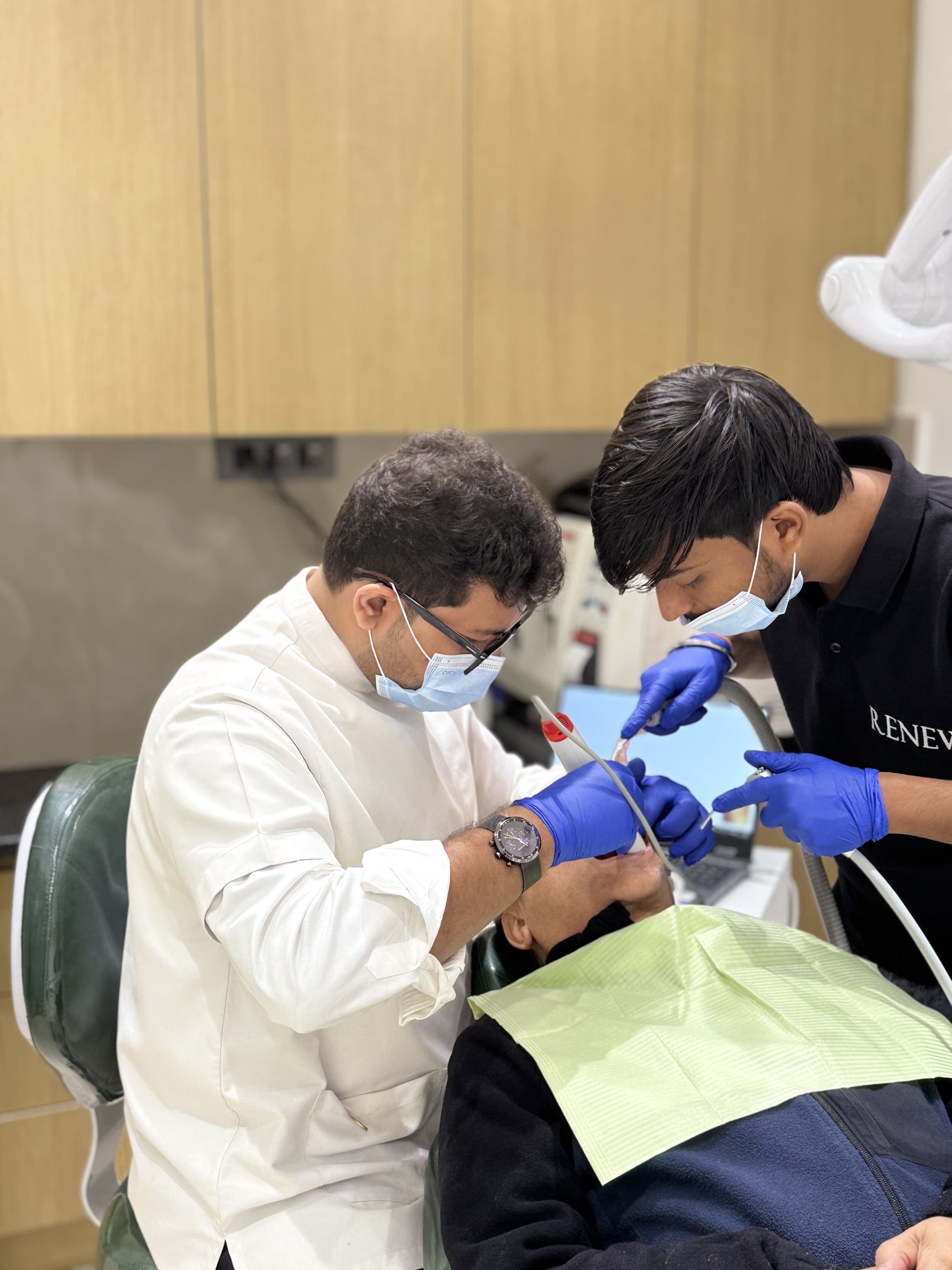
This is the most effective and fastest method of teeth whitening. Special bleaching gels, which are sometimes laser- or special light-activated, are applied by dentists to provide teeth with a few shades lighter in one session. This provides an immediate effect, which is felt.
2. Dentist's Custom Take-Home Kits
For in-office whitening, dentists offer customized trays of bleaching gel. Trays are precisely molded around your teeth so that whitening is uniformly applied and gum irritation is avoided. While results may take longer to achieve than with in-office whitening, they are stronger than those from over-the-counter products.
3. Advantages of Professional Whitening
The most significant benefit is speed; your teeth can be quite a bit whiter in a single visit. Therapy is also safe because it's being performed by a dentist, making it less likely to have side effects. Professional tooth whitening is a long-term solution that can be tailored to meet your individual needs.
4. Downside of Professional Whitening
The most significant disadvantage is price. Professional whitening is more expensive than home whitening. Professional whitening also entails a dentist visit, which might not be suitable for everyone. Some individuals might still experience brief sensitivity after the treatment.
Significant Differences: Home whitening and Professional whitening

Professional treatments are safer for sensitive teeth due to customized care and monitoring.
Comparison of Cost: Home whitening products are lower in cost, several hundred to several thousand rupees, whereas professional whitening is several times higher in price.
Effectiveness and Results: Professional treatments yield quicker and more dramatic results, while home procedures are suitable for light staining or upkeep.
Safety and Side Effects: Professional whitening is generally safer when performed under a dentist's supervision. Excessive use of home products leads to loss of enamel or sensitivity.
Convenience vs. Expertise: Home whitening is convenient and can be performed at any time, but professional treatment benefits from expert care and tailored results.
White Teeth Tips Post-Treatment
- Proper brushing: Brush twice daily and floss once daily to prevent new staining.
- Restrict stain foods and drinks: Restrict coffee, tea, cola, and red wine. When you do have them, rinse your mouth out with water afterward.
- Don't smoke or use tobacco products: One of the biggest culprits of yellowing teeth.
- Six-month dentist cleanings: Get check-ups and cleaning every six months at your dentist to maintain your whitening.
Which Choice is Best for You?
The best choice for you will depend on your budget, stain size, and preferences. If you wish for immediate noticeable change for an upcoming special event, then professional whitening is the route to take. If you need minimal stains and desire a less expensive, subtle change, home products for whitening are the best option.
Others use both professional whitening to achieve the drastic change and home products to maintain it. Always see your dentist first before whitening, particularly if you have gum issues, dental work, or sensitive teeth.
Conclusion
Teeth whitening can change your smile, but knowing how to do it is what you need. Whitening at home is inexpensive and convenient, but professional whitening offers quicker, safer, and more dramatic results. Both have advantages and disadvantages.
For optimal outcomes, combine good oral health, a balanced diet, and the most suitable whitening method for your lifestyle. A healthy smile is more than cosmetic; it's a measure of well-being.
Always consult with a dentist before trying any whitening method to ensure that it's safe and effective for you. Consult Dr. Suchi for learning which is the best method.