Dental Crowns in Noida - Types, Procedure, and How Long They Last
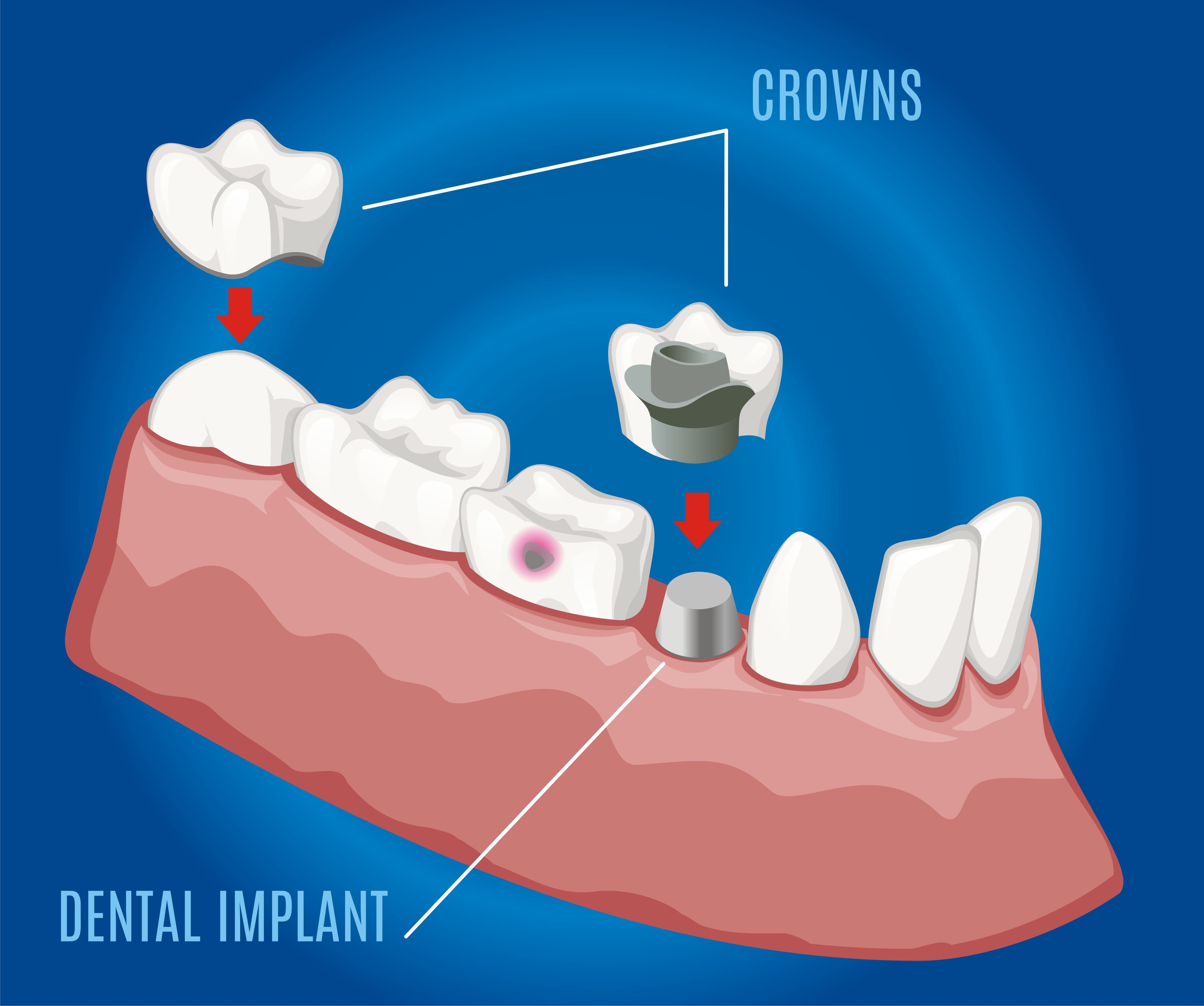
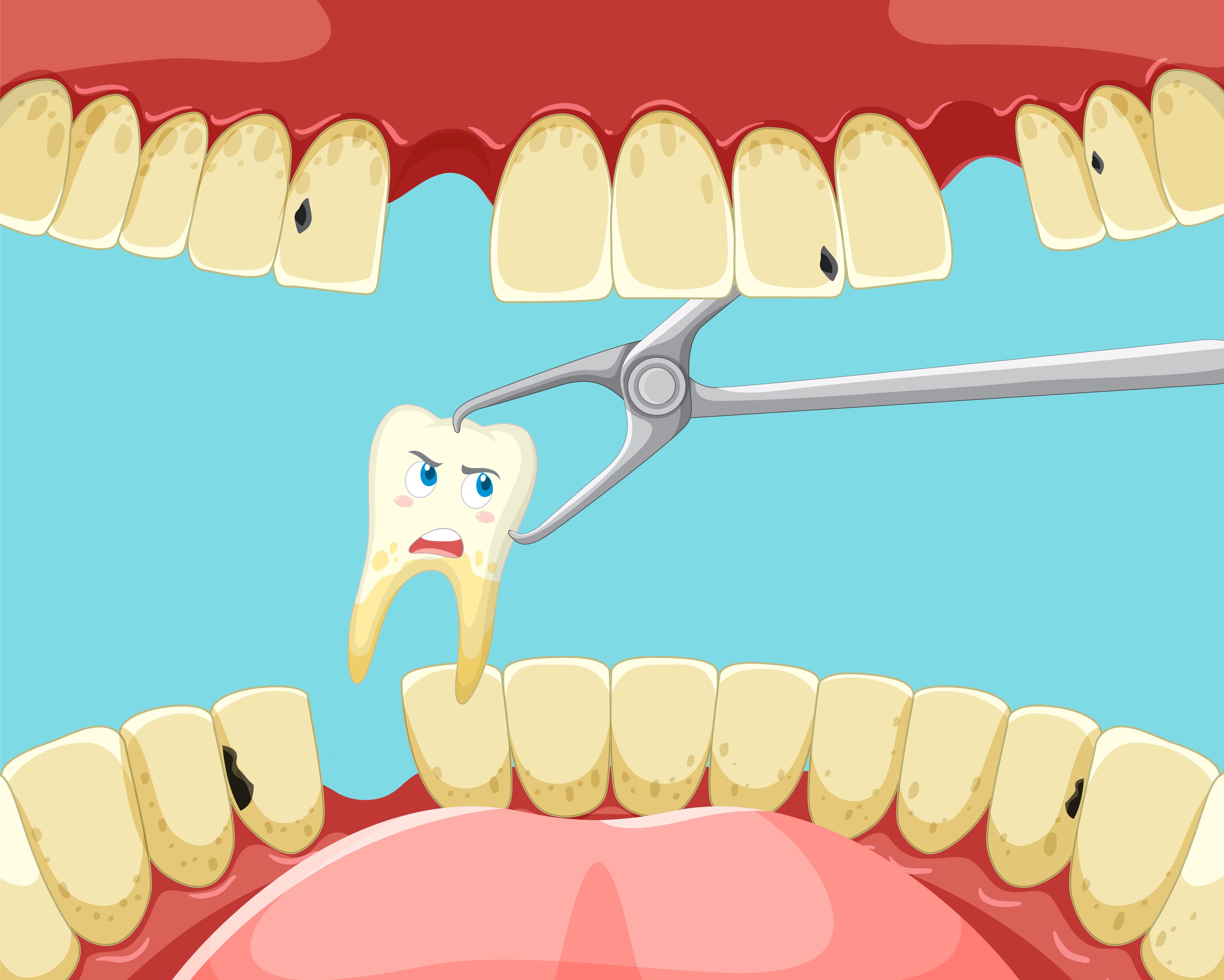
Isometric professional prosthetic stomatology template with dental implant and crowns on blue background.
A dental crown — sometimes called a cap or tooth cap — is one of the most versatile and durable restorations in modern dentistry. It's recommended when a tooth is too damaged for a filling to adequately protect and restore it, but when the tooth root and surrounding bone are still healthy enough to preserve the tooth.
Done well, a crown protects a compromised tooth for a decade or more. Done poorly — with the wrong material, inadequate preparation, or suboptimal fit — it creates more problems than it solves.
At Renew Dental Clinic in Sector 47, Noida, dental crowns are one of the most commonly placed restorations, and the emphasis on material selection, precise preparation, and careful fitting is what determines long-term success. This guide gives patients the complete picture.
When Is a Dental Crown Necessary?
A crown is recommended in specific clinical situations — not as a routine upgrade from a filling. Understanding when a crown is actually needed helps patients make informed decisions.
After root canal treatment (RCT): This is one of the most common reasons for crown placement. A root canal-treated tooth has been hollowed of its pulp and is significantly more brittle than a living tooth. Without a crown, it's at high risk of fracture under normal chewing forces — particularly for back teeth that bear substantial load. In most cases, a crown is considered an essential part of completing root canal treatment, not an optional extra.
Severely decayed teeth: When decay has destroyed more than approximately half of the visible tooth structure, a filling lacks sufficient tooth to bond to securely. A crown encases the remaining tooth and rebuilds its full shape and strength.
Cracked or fractured teeth: Teeth with significant cracks — particularly those that extend down toward the gumline — are at risk of complete fracture and loss. A crown holds the cracked segments together and prevents the fracture from propagating further.
Worn-down teeth: From bruxism (grinding), acid erosion, or a combination of both, teeth can wear to the point where their height and biting function are significantly compromised. Crowns rebuild the lost structure.
Large existing fillings: When an old filling covers most of the tooth and the surrounding tooth structure is thin and fragile, replacing it with a crown provides better long-term protection.
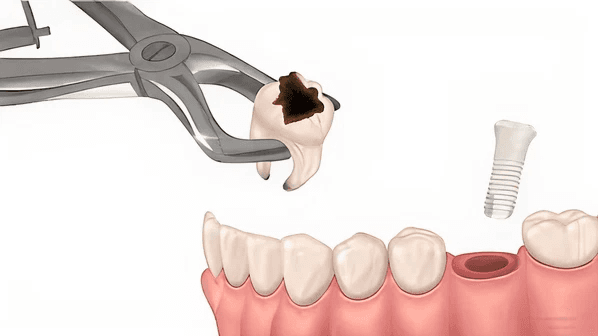
Implant restoration: The visible tooth component of a dental implant is a crown — attached to the implant via an abutment.
Cosmetic correction: For severely discoloured, misshapen, or structurally abnormal teeth where veneers aren't sufficient, a crown provides complete coverage.
Types of Dental Crowns Available at Renew Dental, Noida
The crown material affects appearance, durability, and longevity. Dr. Suchi Singh discusses all options at the consultation stage.
Zirconia Crowns
Zirconia (zirconium dioxide) is currently the most widely recommended crown material for most clinical situations. It combines exceptional strength with a translucency that closely mimics natural tooth enamel.
Key properties:
- Full ceramic — no metal. No risk of a dark line appearing at the gumline as gums naturally recede with age (a known issue with older metal-based crowns)
- High strength — suitable for front teeth and back molars equally, including patients who grind
- Biocompatible — gum tissue responds well; no allergic or sensitisation reactions
- Aesthetically excellent — particularly high-translucency zirconia for front teeth
- MRI-safe — no metal component
- Long-lasting — well-made zirconia crowns routinely last 15 to 20 years
Zirconia is the standard recommendation at Renew Dental for most crown cases — both for aesthetic areas and load-bearing back teeth.
E-Max (Lithium Disilicate Ceramic) Crowns
E-Max is a glass-ceramic material offering the highest aesthetic translucency available — the way it refracts and transmits light is closest to natural enamel. This makes it the preferred choice for highly visible front teeth where matching the adjacent natural teeth as closely as possible is the priority.
E-Max is slightly less strong than full zirconia under very heavy bite forces, which is why it may be less suitable for patients who grind heavily and for the highest-load molar positions. For front teeth and patients with moderate bite forces, it's an excellent choice.
Porcelain-Fused-to-Metal (PFM) Crowns
The older standard that preceded full ceramic options — a metal substructure with a porcelain layer bonded over it. Still in use, with good durability and adequate aesthetics.
The main limitation: the metal margin at the gumline can become visible as gums naturally recede over the years, producing a dark or greyish line at the junction of the crown and gum. This doesn't affect the crown's function but is aesthetically concerning for patients.
PFM crowns are still appropriate in some situations — particularly where cost is a significant factor and aesthetic demands are lower — but have largely been superseded by full ceramic options for most patients.
Full Metal Crowns
Gold alloy or base metal alloy crowns are the most durable option, lasting 20+ years in many cases. They require the least removal of natural tooth structure and are extremely strong under chewing forces.
The obvious limitation is appearance — their metallic colour makes them inappropriate for any visible tooth. They're occasionally used for hidden back molars where pure durability is the priority and cost efficiency matters, but most patients today prefer the aesthetic of ceramic.
The Crown Procedure — Two Appointments, One Restored Tooth
First Appointment — Preparation and Temporaries
Local anaesthesia is administered to completely numb the tooth and surrounding area. The procedure involves no pain — only pressure and vibration.
Tooth preparation: The dentist reduces the tooth on all surfaces to create space for the crown to sit without appearing bulky or altering the bite. The amount removed depends on the crown material — thinner materials like E-Max require minimal reduction; thicker options require a bit more.
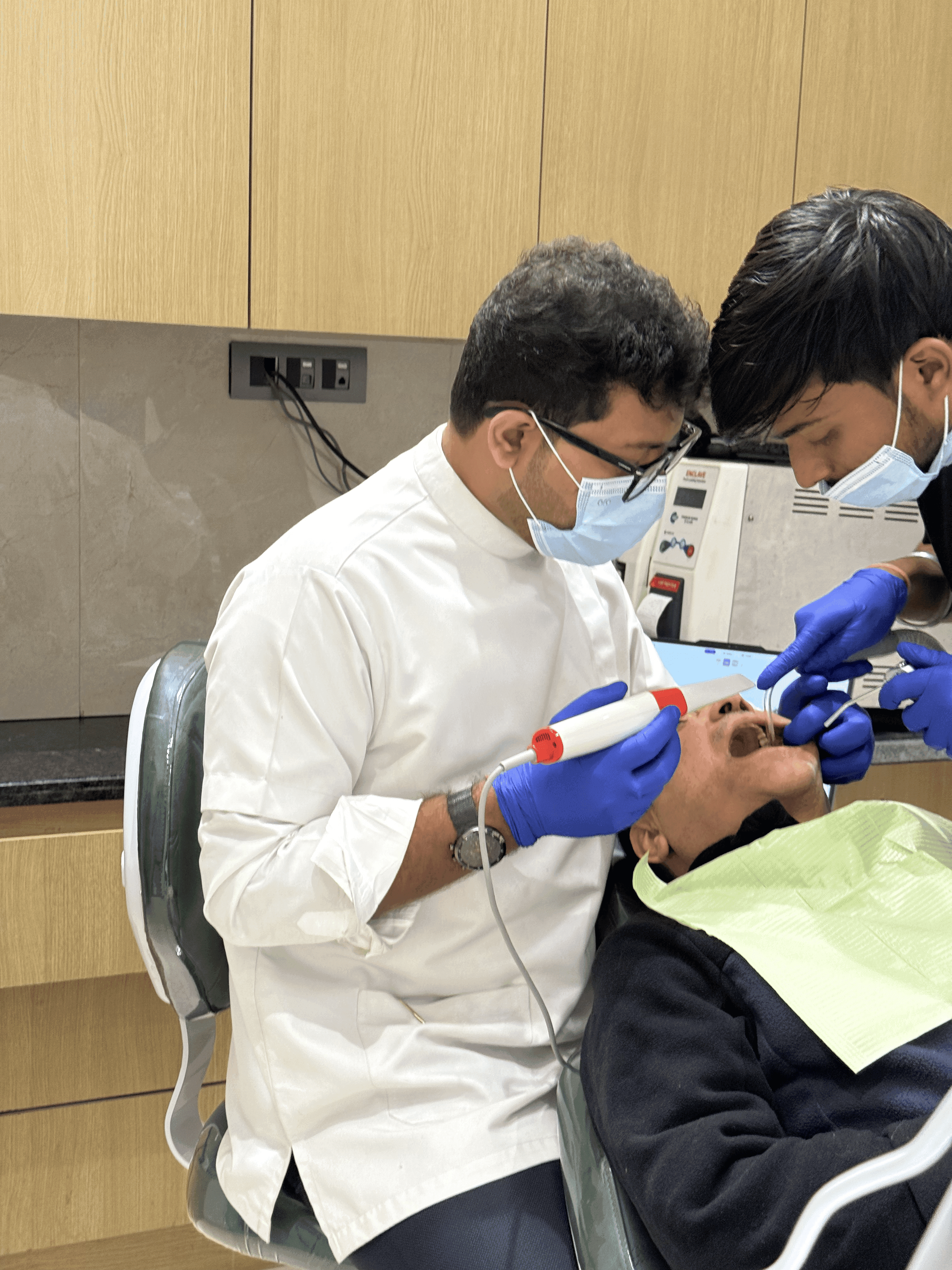
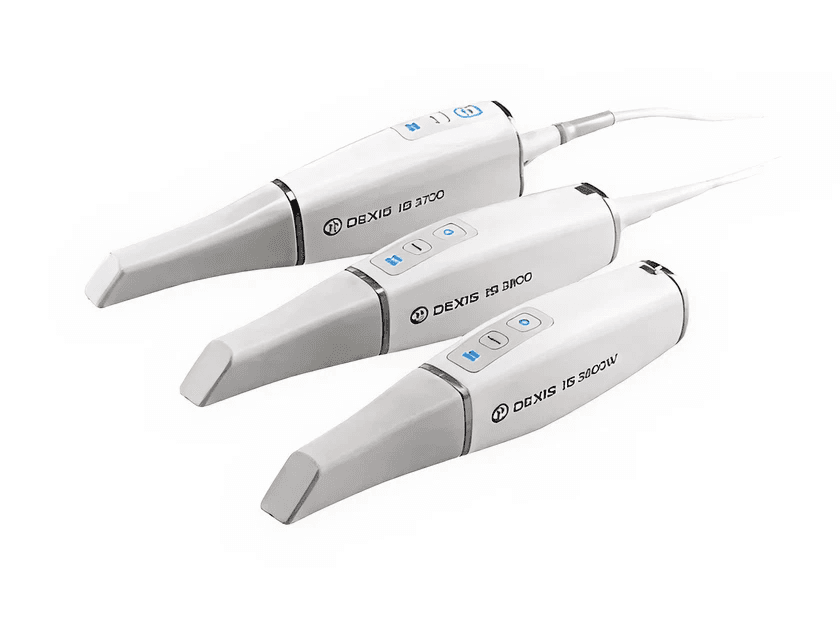
Impression (mould) or digital scan: An accurate record of the prepared tooth and the adjacent teeth (for bite relationship) is taken. This is sent to the dental laboratory with specific instructions on shade, material, and design.
Temporary crown: A provisional crown, usually made of acrylic, is placed on the prepared tooth to protect it and maintain its appearance during the 1 to 2 weeks the permanent crown is being fabricated. The temporary crown is functional but should be treated carefully — avoid very hard or sticky foods on that side.
Dental Laboratory — Where the Crown Is Made
Your permanent crown is crafted by skilled dental technicians using the impression or digital scan provided by Renew Dental. Modern labs use CAD/CAM (computer-aided design and manufacturing) technology for precise fabrication. Shade matching — ensuring the crown matches the colour of the surrounding natural teeth — is a technically demanding step that experienced technicians handle with meticulous care.
Second Appointment — Fitting the Permanent Crown
The temporary crown is removed. The permanent crown is placed on the prepared tooth and assessed for:
- Fit — the margin (edge) of the crown should sit precisely at the gumline without gaps
- Shade — assessed in natural light against the adjacent teeth
- Bite — the patient bites down on articulating paper to check the crown's contact with the opposing tooth; adjustments are made until the bite is comfortable and even
Once everything is confirmed, the crown is permanently cemented using dental adhesive. The bite is checked one final time after cementation.
The appointment typically takes 30 to 45 minutes.
How Long Do Dental Crowns Last?
With proper care, dental crowns last
- Zirconia crowns: 15 to 20 years, often longer
- E-Max crowns: 10 to 15 years with appropriate use
- PFM crowns: 10 to 15 years
- Full metal crowns: 20+ years
These are averages. Individual longevity depends significantly on
Oral hygiene. Crowns themselves don't decay, but the tooth structure beneath them can. Decay at the crown margin — where the crown meets the natural tooth — is the most common reason crowns need replacement. Meticulous brushing and flossing around the crown margin are essential.
Bite forces. Patients who grind their teeth place the crown under far greater stress. A night guard significantly extends crown lifespan in bruxism patients.
Crown quality. Material quality and laboratory fabrication precision matter significantly. A poorly fabricated crown with an imprecise fit allows bacterial ingress and secondary decay from day one.
Location. Back teeth bear greater chewing forces and generally wear crowns faster than front teeth.
Regular dental check-ups. At every check-up at Renew Dental, existing crowns are examined for marginal integrity, wear, and signs of secondary decay. Problems caught early are resolved simply; left undetected, they can lead to crown failure and loss of the underlying tooth.
What Does a Crown Feel Like After Fitting?
A well-made, properly fitted crown should feel natural within a few days. Most patients cannot tell the crowned tooth from the surrounding natural teeth within a week.
Normal experiences immediately after fitting:
- Mild sensitivity to cold and biting for several days
- A slight awareness of the crown that resolves as you adapt
- Minor gum soreness at the preparation site for 2 to 3 days
Contact Renew Dental if:
- The bite feels noticeably uneven — one crown biting harder than others. This is easily adjusted and should be done promptly to prevent jaw strain
- Sensitivity worsens rather than improving after the first week
- The crown feels loose or different when biting
- Pain develops spontaneously — this may indicate the tooth beneath needs further assessment
Caring for Your Dental Crown Long-Term
- Brush twice daily — including carefully at the crown margin where the crown meets the gum
- Floss daily — the area where the crown contacts the adjacent tooth is particularly important; food and plaque accumulate here
- Avoid hard objects — ice, bones, pen-biting, hard-boiled sweets — which can fracture the porcelain layer or underlying tooth
- Night guard if you grind — this is the most important protective measure for crown longevity in bruxism patients
- Attend regular check-ups at Renew Dental — crowns should be examined every 6 months
Frequently Asked Questions
Is a dental crown always needed after a root canal?
In most cases, yes — particularly for back teeth (premolars and molars). Front teeth post-RCT are less susceptible to fracture under routine biting forces, but a crown is still strongly recommended for any back tooth treated with RCT.
Can a crown over an implant look natural?
Yes. Modern zirconia implant crowns are virtually indistinguishable from natural teeth at a conversational distance.
Can a crowned tooth still decay?
The crown material itself cannot decay. However, the natural tooth beneath can still be affected by decay — particularly at the crown margin. This is why hygiene around the margin matters.
What if my crown falls off?
Keep the crown safe and contact Renew Dental immediately. Do not try to recement it yourself. In many cases, a fallen crown can be re-cemented if the tooth and crown are undamaged.
Book a Crown Consultation at Renew Dental Clinic, Noida
Whether you need a crown after a root canal, for a severely damaged tooth, or as part of an implant restoration — Renew Dental Clinic in Sector 47, Noida provides high-quality, precisely fitted crowns in zirconia, E-Max, and other materials.
To book a consultation with Dr. Suchi Singh, call (0120) 498-8333.
Open Monday–Saturday, 10:30 AM – 8:00 PM | Sunday, 11:00 AM – 2:30 PM.