By Renew Dental HospitalPublished on
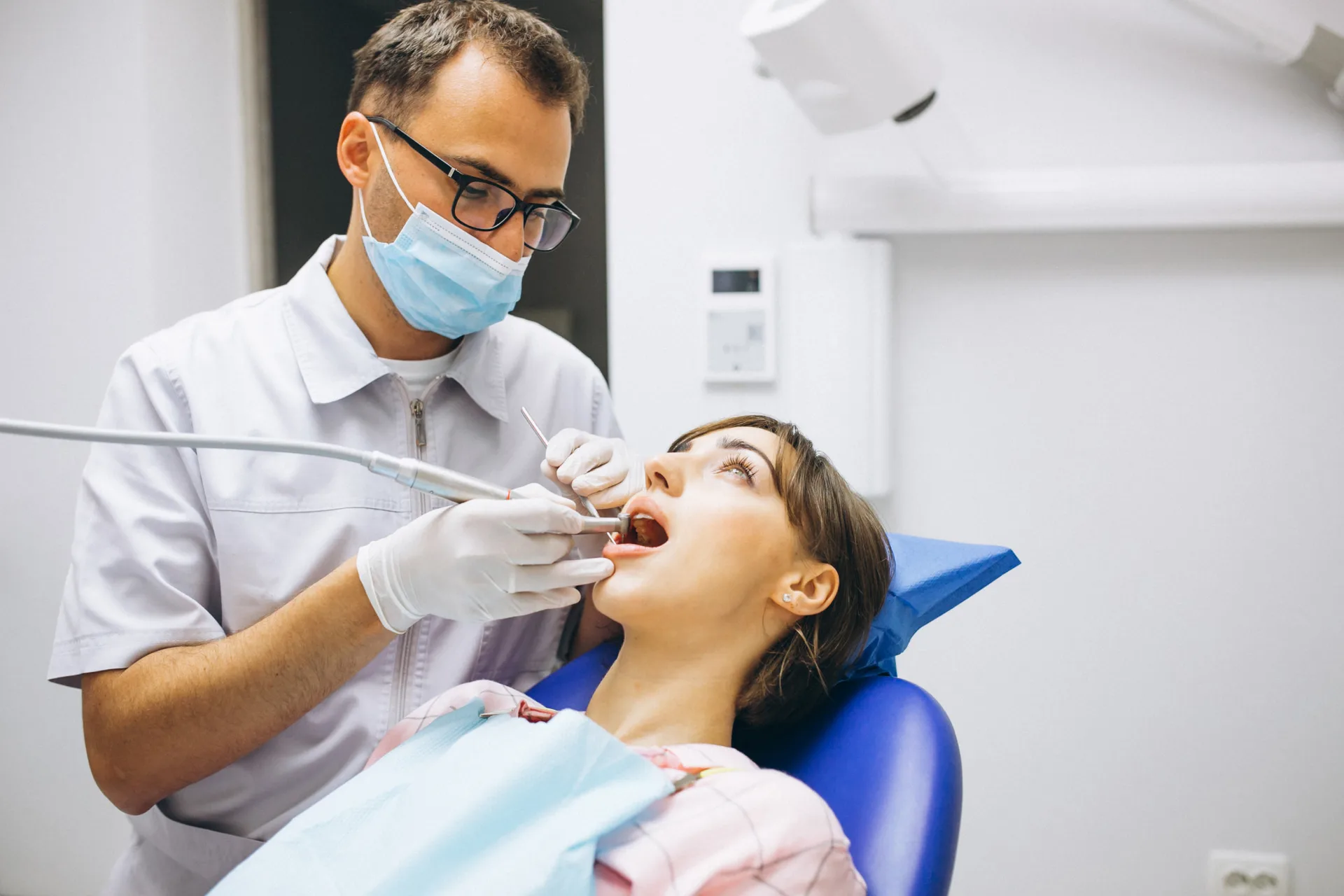
Swelling that is still increasing after day three is the clearest sign to go back to the clinic.
After wisdom tooth surgery, some pain, swelling, and general unpleasantness is expected and normal. The challenge is knowing when those expected symptoms cross the line into something that needs a dentist's attention. Patients who get this wrong in either direction — going back unnecessarily for normal healing, or waiting too long when an infection is developing — both have worse experiences than they need to.
This guide gives you the specific clinical patterns that distinguish normal healing from infection, and the situations that warrant calling Renew Dental Clinic at +91 99710 35300 regardless of the time since surgery.
Understanding what normal healing looks like is the baseline for recognising when something is abnormal.
Days 1–2: Maximum swelling, significant soreness, possible bruising developing on the cheek or neck. Mild to moderate pain managed with ibuprofen and paracetamol. Blood-tinged saliva normal. Nausea possible from the anaesthetic or medications.
Days 2–4: Swelling begins to plateau and reduce from day 2–3 onward. Pain is gradually decreasing. Jaw stiffness (trismus) is common after lower wisdom tooth surgery, limiting how wide the mouth opens. Low-grade temperature up to 37.5°C is not unusual as the body mounts its healing response.
Days 4–7: Progressive improvement in all parameters. Swelling visibly reducing. Pain manageable or minimal. Jaw opening improving. Dissolving stitches may be loosening. Diet expanding as comfort allows.
Week 2: Most patients feel largely normal for straightforward cases. Residual mild asymmetry or stiffness resolving.
The key principle: the trajectory is consistently improving. Each day should feel somewhat better than the last, particularly from day 3 onward.
A few patterns alarm patients unnecessarily:
White or yellowish film in the socket. This is fibrin — a normal wound healing protein that forms a temporary matrix over the wound surface. It looks like pus to patients who have never seen wound healing from the inside, but it's not. If accompanied by increasing pain and foul smell, that changes the picture.
Swelling that doesn't peak and begin reducing until day 2–3. Some patients expect swelling to be maximal on day one. For lower wisdom tooth surgery, swelling often peaks around 48 hours and patients worry it's worsening when it's actually just reaching its expected maximum before it begins declining.
Bruising on the cheek or neck. Blood tracking under the skin from the surgical site produces bruising in the cheek, jaw, and sometimes the neck area. Can look alarming, particularly when it appears a couple of days after surgery. It's harmless and resolves on its own.
Mild jaw stiffness. Trismus — reduced ability to open the mouth — is very common after lower wisdom tooth surgery. It's from swelling in the muscles adjacent to the surgical area. It improves over 1–2 weeks.
These patterns warrant contacting the clinic rather than waiting:
Swelling that is increasing after day 3. The swelling pattern of normal healing is maximal at 48 hours and declining from day 3. If swelling is still increasing on day 4, 5, or later — particularly if accompanied by worsening pain — infection is likely developing. The body is fighting active bacterial invasion rather than resolving the planned surgical trauma.
Fever above 38°C alongside dental pain. A low-grade temperature (up to about 37.5–37.8°C) in the first few days is not alarming — the body's inflammatory response includes some temperature elevation. A proper fever (38°C or above, with chills, feeling systemically unwell) alongside dental pain indicates the infection has moved beyond local and the immune system is mounting a systemic response.
Pus or continuous bad taste and smell from the wound. Some unpleasant taste in the first few days from the wound itself is normal. A persistent, distinctive foul taste that doesn't change with salt water rinsing, or visible pus from the wound site, indicates active infection.
Increasing trismus beyond 5 days. Jaw stiffness is expected. Jaw stiffness that is getting worse rather than better beyond day 5, particularly combined with other symptoms, can indicate a deep space infection spreading into the tissue planes adjacent to the jaw.
Swelling that is hot to the touch, hard, and red. Fluctuant, hot, red swelling — particularly if it feels like a growing lump rather than diffuse facial swelling — suggests an abscess forming. This needs drainage.
Pain that is spreading or becoming localised in a different location. Post-operative pain is generally in or near the surgical site. Pain that spreads to the throat, or difficulty swallowing, or pain in the neck is a warning sign of spreading infection to deeper tissue spaces.
A few scenarios represent genuine emergencies requiring immediate assessment — not a next-day appointment:
Difficulty swallowing or breathing. Dental infections can spread to the submandibular space (below the floor of the mouth) and then to the deep neck spaces. When this happens, the oropharynx can be compromised. Difficulty swallowing or any change in breathing after dental surgery is a medical emergency. Go to a hospital emergency department immediately.
Rapidly increasing facial swelling over a few hours. Spreading cellulitis can progress quickly. Swelling that was manageable in the morning and dramatically increased by evening warrants emergency assessment.
High fever above 39°C with shaking chills. This suggests bacterial entry into the bloodstream (sepsis). Medical emergency.
Dry socket produces severe pain beginning 2–4 days after surgery but differs from infection in important ways.
Dry socket: severe, throbbing pain, bad taste, empty-looking socket, no fever, no significant swelling increase.
Infection: increasing swelling, possible fever, pus or discharge, worsening systemic symptoms.
Both require dental attention. Neither resolves on their own. Dry socket is treated with medicated socket dressing. Infection may require antibiotics and in some cases incision and drainage.
Some patients leave post-wisdom-tooth-surgery with a prescription for antibiotics and some don't. This varies based on the complexity of the surgery, whether there were signs of pre-existing infection, and the patient's medical history.
Important: if you were prescribed antibiotics, take the complete course even if you feel better before finishing it. Stopping antibiotics early when symptoms improve allows the partially suppressed bacterial population to rebound — often with greater antibiotic resistance.
If you weren't prescribed antibiotics and you develop signs of infection, contact the clinic. Antibiotics may be appropriate to prescribe — but the decision needs clinical assessment of what's present, not self-treatment.
Q: I'm on day 5 after surgery and still have some pain — is this normal? A: It depends on the trend. If pain on day 5 is clearly less than day 2–3, the trajectory is normal. If day 5 is more painful than day 3, something may be developing. The direction of change matters as much as the presence of pain.
Q: My surgeon prescribed antibiotics but I read that antibiotics aren't needed for routine extractions — should I take them? A: If your surgeon prescribed them based on their clinical assessment of your specific case, take them. The general trend in dentistry is toward more selective antibiotic use, but there are specific situations — pre-existing infection, immune compromise, complex surgery — where they're clinically appropriate.
Q: I see white stuff in my socket — is this pus? A: Probably not. White fibrin in the socket during normal healing is very commonly mistaken for pus. Fibrin has a smooth, uniform appearance. Pus is thicker, sometimes with a distinctive odour, and is associated with increasing pain and swelling. If unsure, describing it to the clinic and sending a photo if possible helps triage the situation.
Q: How do I prevent infection after wisdom tooth surgery? A: Salt water rinses from day 2 (not before — the first 24 hours, let the clot form without rinsing), consistent oral hygiene on all other teeth throughout recovery, no smoking for at least 72 hours, completing prescribed antibiotics if given, and following the soft diet and activity restrictions. These together significantly reduce infection risk.
For any post-operative concerns after wisdom tooth surgery at Renew Dental Clinic, Sector 47, Noida, call the clinic rather than searching for reassurance online.
📞 +91 99710 35300 A-321, Basement Floor, Next to Mother Dairy Store, Sector 47, Noida, Uttar Pradesh 201303 Monday–Saturday 10:30 AM – 8:00 PM | Sunday 11:00 AM – 2:30 PM
 Copy
Copy
Teeth reshaping removes small amounts of enamel to refine tooth shape, with no injections and...
13 Oct 2026
by Renew Dental Clinic

A dental abscess will not resolve on its own. Learn what home care can and...
12 Oct 2026
by Renew Dental Clinic
Cracked tooth syndrome is widely misdiagnosed because the crack is often invisible. Learn the symptom pattern, causes and how Renew Dental Noida treats it.
15 Oct 2026
by Renew Dental Clinic
Sugar doesn't damage teeth directly — it's what bacteria do with it that causes the...
20 Jul 2026
by Renew Dental Clinic
Noticing your teeth getting shorter or flatter? This guide explains tooth attrition, the progressive wear...
16 Jun 2026
by Renew Dental Clinic
The right food choices after wisdom tooth removal protect the blood clot, speed healing, and...
30 Sept 2026
by Renew Dental Clinic

Recurring mouth ulcers that flare up during stressful periods? This guide explains exactly why stress...
22 Jun 2026
by Renew Dental Clinic
Dry socket is the most painful post-extraction complication and it doesn't get better on its...
28 Sept 2026
by Renew Dental Clinic
White spots on teeth look different from person to person — and the right way...
24 Sept 2026
by Renew Dental Clinic
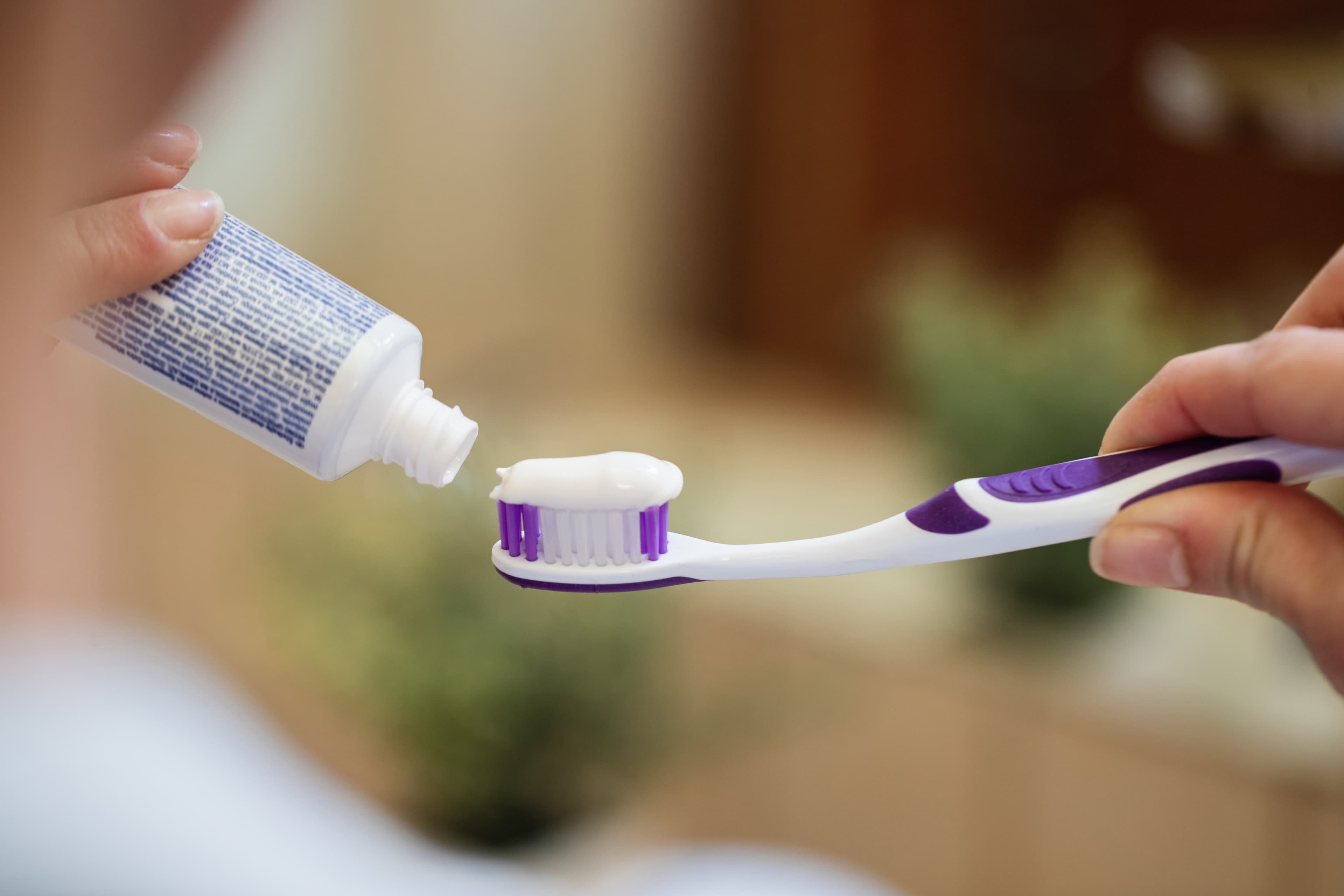
Toothpaste ads show a full brush of foam. Dentists recommend a pea-sized amount. This guide...
17 Aug 2026
by Renew Dental Clinic

What you eat directly affects your dental health. This guide from Renew Dental Clinic Noida...
05 Jun 2026
by Renew Dental Clinic

Persistent bad breath that doesn't respond to brushing and mouthwash has a specific cause —...
18 Aug 2026
by Renew Dental Clinic

Reveal the truth surrounding fluoride treatment, its benefits to dentistry, and popular myths that prevail...
22 Sept 2025
by Renew Dental Clinic

Tooth decay starts silently, but the signs are easy to spot if you know what...
27 Jun 2025
by Renew Dental Clinic
Spotted a dark mark on your tooth and not sure if it's a stain or...
25 Jun 2026
by Renew Dental Clinic
Explore More
Discover how thousands of patients trust Renew Dental Clinic with their smiles.
I had a very good experience at Renew Dental Clinic during my implant and RCT treatment. The doctors and staff were extremely kind, supportive, and professional throughout the entire process. What I appreciated the most was their care and attention towards patient comfort — the treatment was smooth and almost painless.
Excellent and satisfactory services at this clinic.
I got my dental implant crown and RCT crown done at Renew Dental Clinic, and I am extremely satisfied with the treatment. The doctors and the entire team were very professional, caring, and supportive throughout the process. I am really happy with the results and would definitely recommend Renew Dental Clinic to others.
Better experience
Exceptional service and a friendly team at complete dental solutions. They make dental care Comfortable, efficent , and stress- free. highly Recommended !
I had a very pleasant experience in root canal procedure with Renew Dental Clinic. Appointments, sessions and treatment were very smooth. Moreover Dr Suchi and her staff is very professional and cordial.
It was a smooth and painless experience through all my three sittings
Wonderful experience, the staff was extremely accomodating from start to finish.
Excellent work I have a wonderful experience
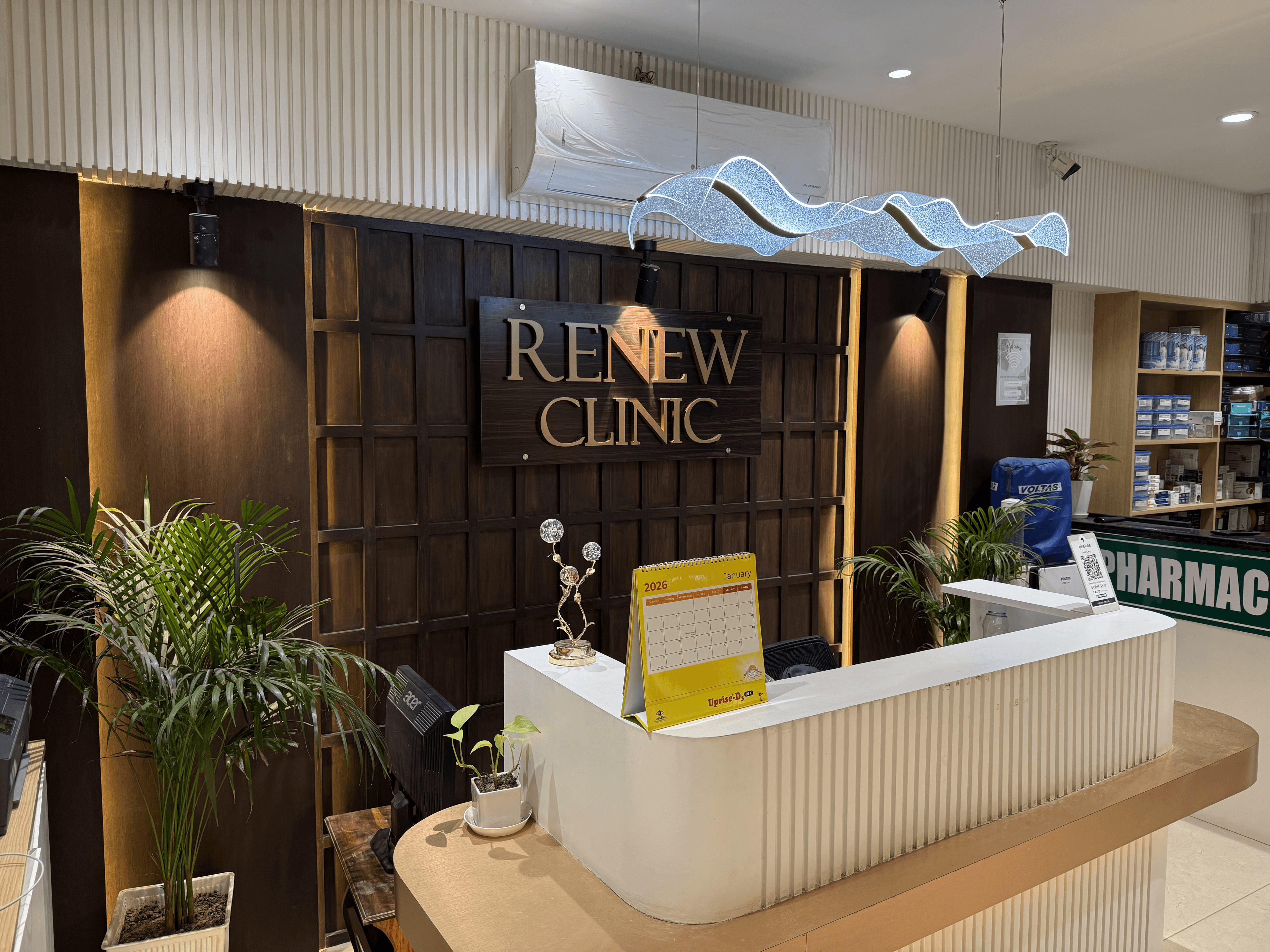
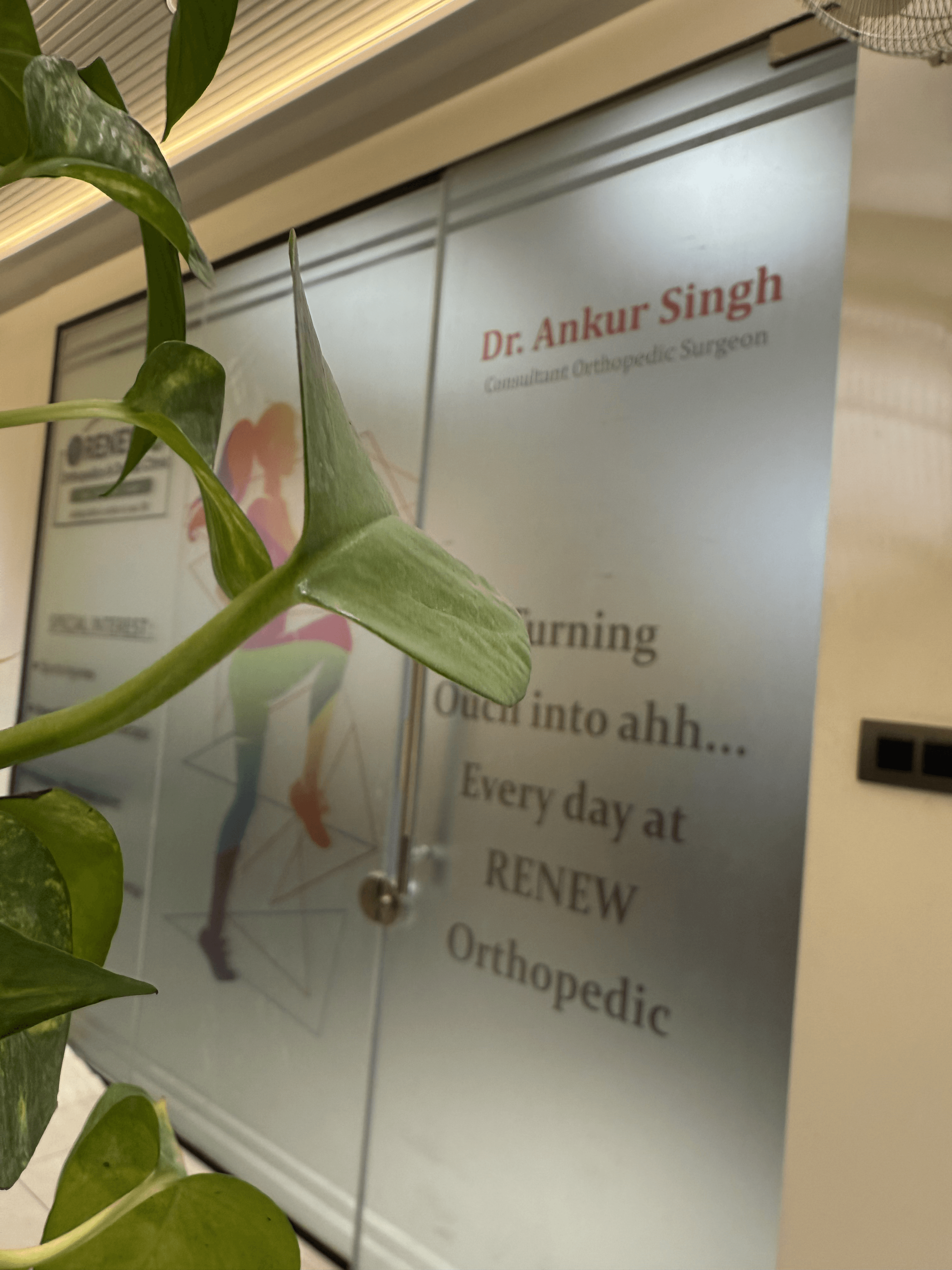
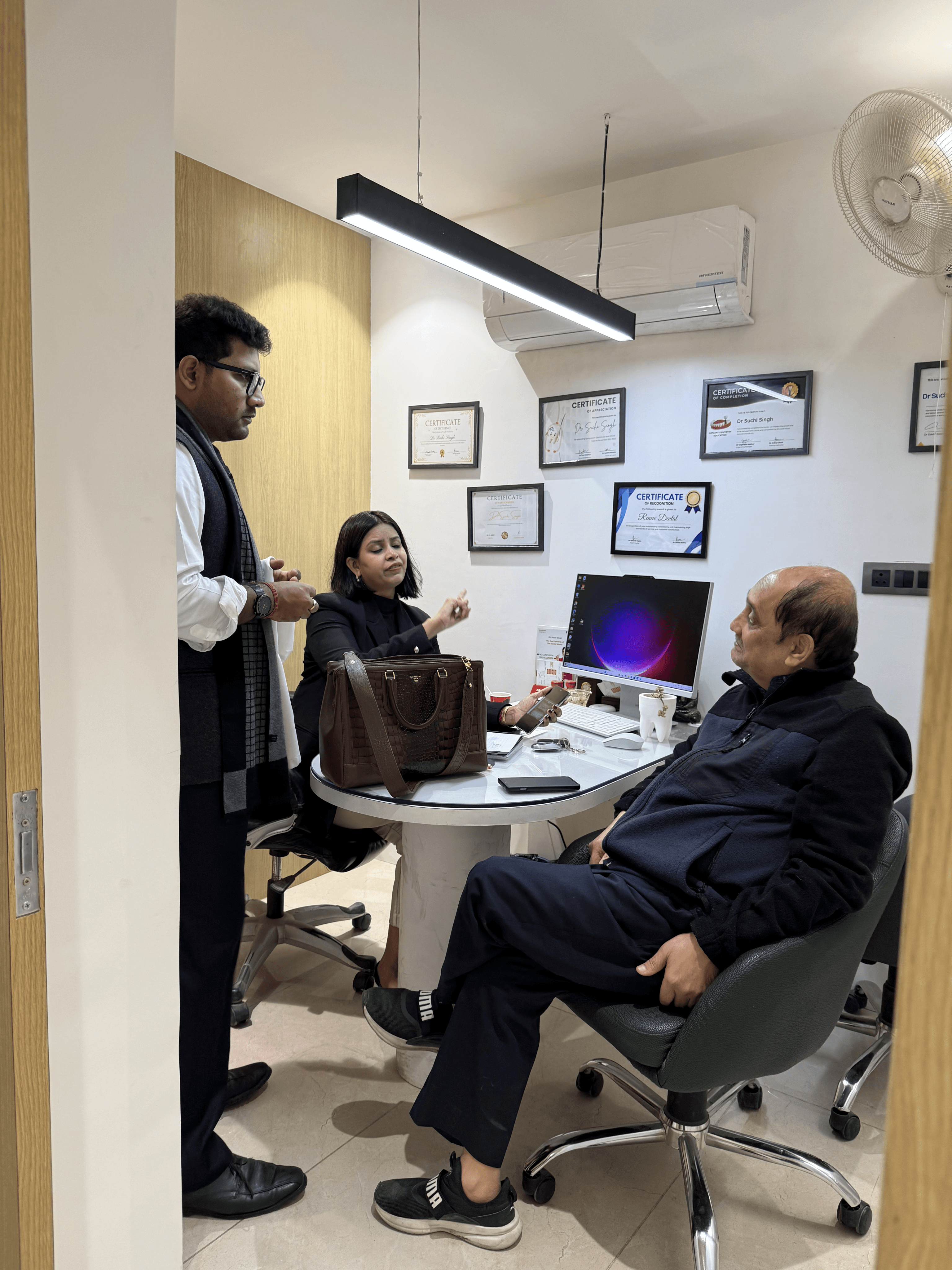
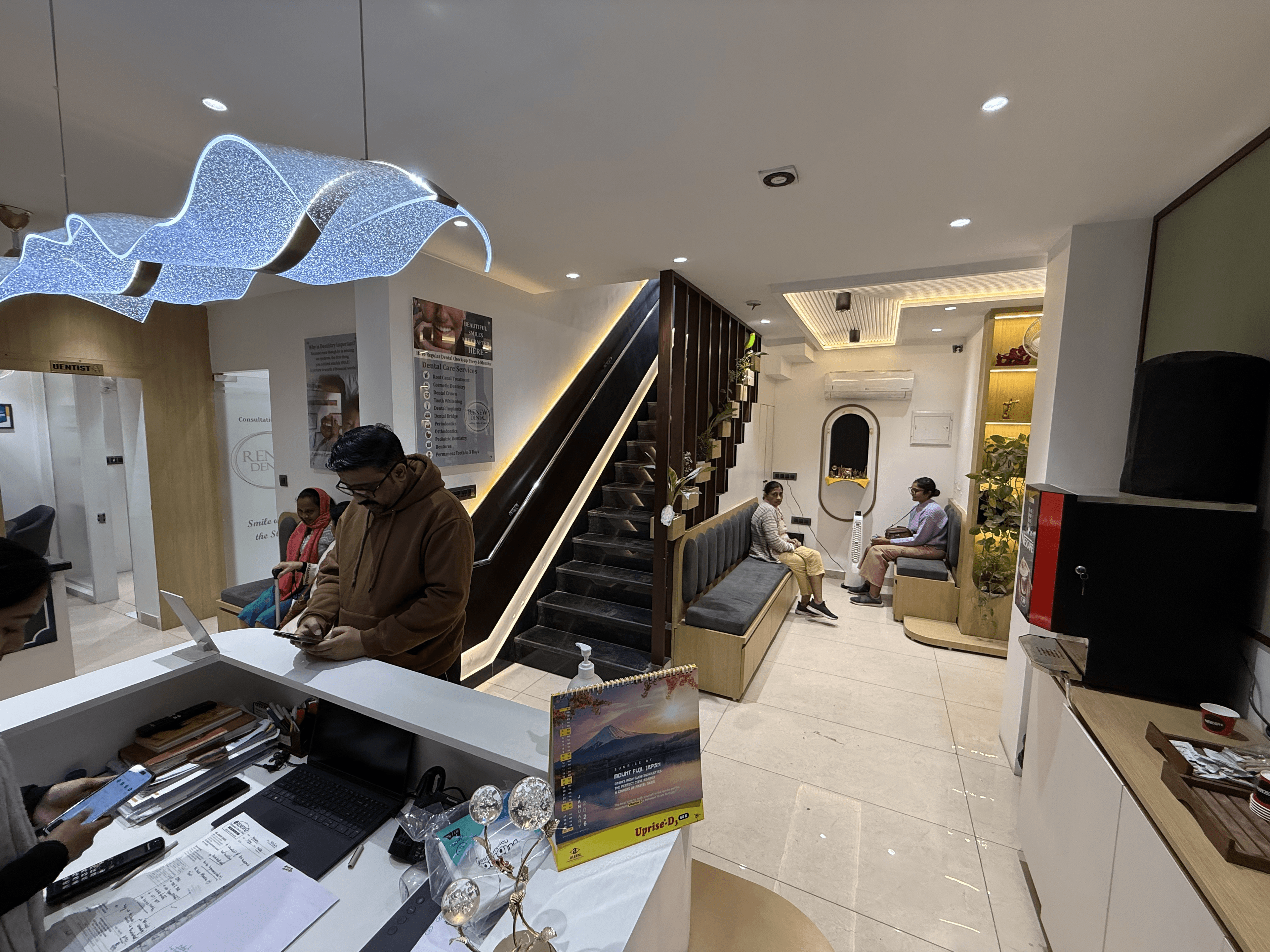
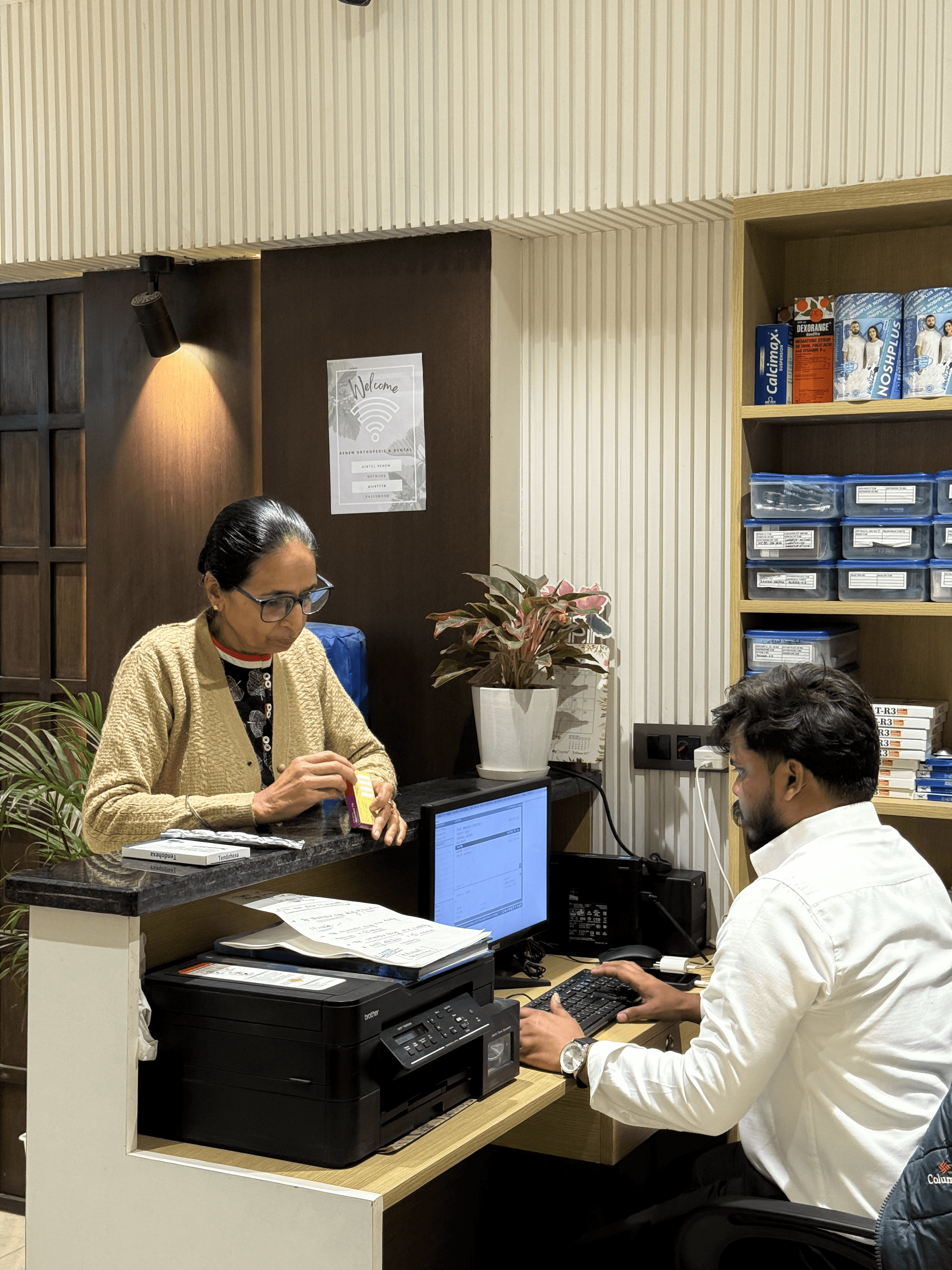
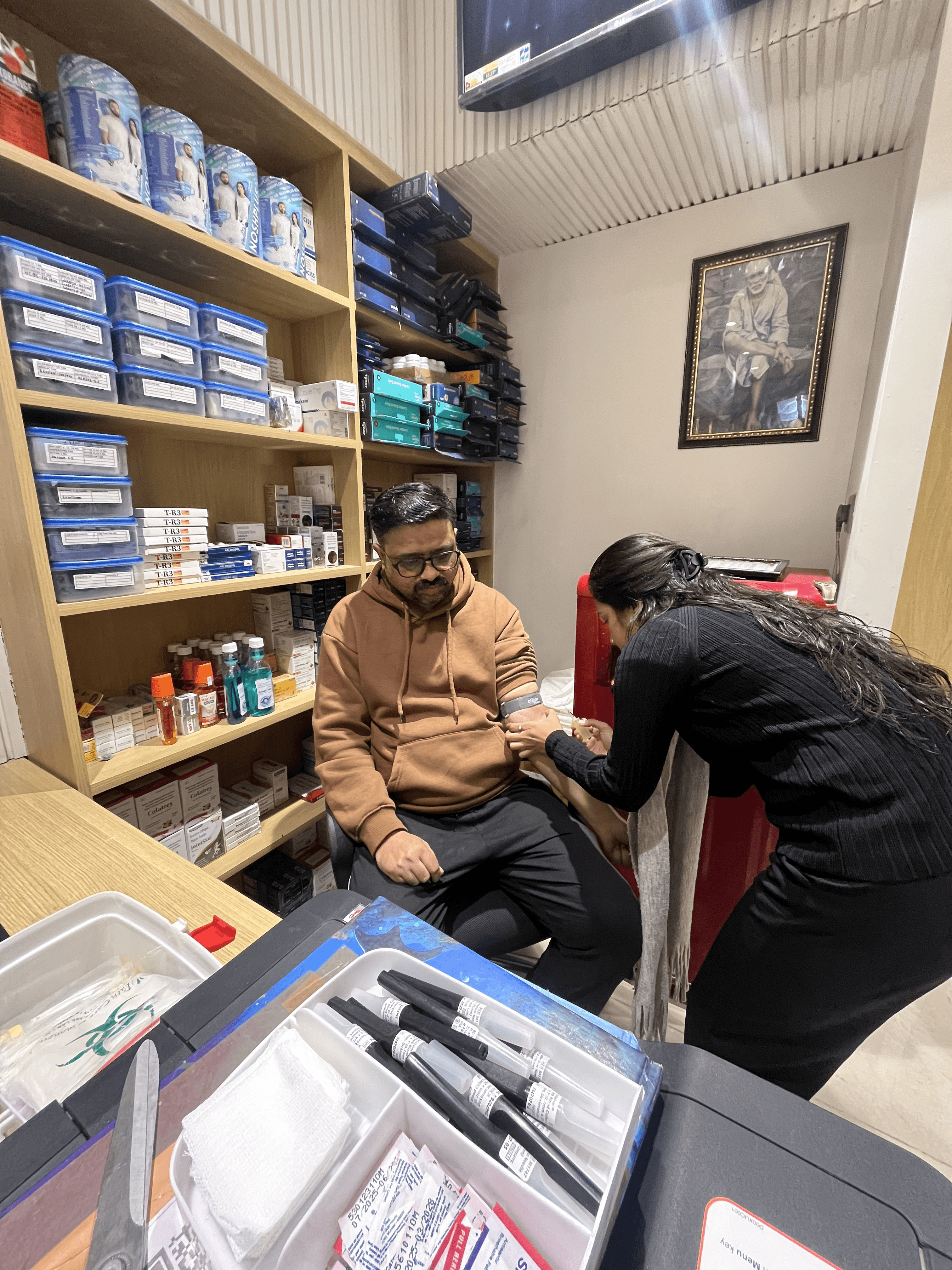
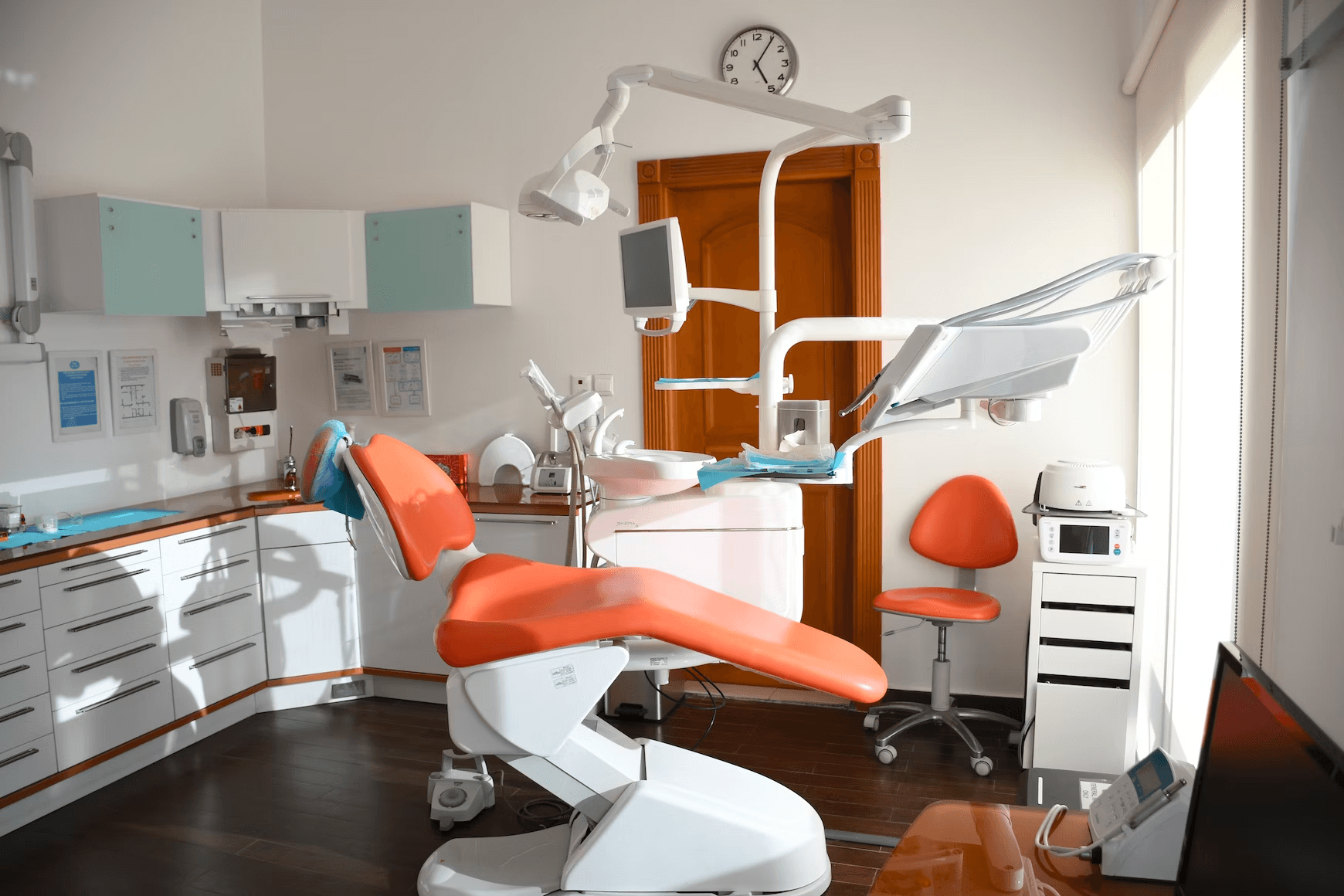
A glimpse into our modern dental clinic, advanced technology, and patient-friendly environment at Renew Dental.
Explore our thoughtfully designed clinic spaces built to provide comfort, cleanliness, and a calming experience for patients of all ages.
Best Dentist in Noida
Renew Dental Clinic located in Noida, Sector 47, is one of the leading dental clinics. Founded by Dr. Suchi Singh who is widely regarded as one of the best dentists in Noida, the clinic is committed to delivering personalised and high-quality dental care. Dr. Suchi Singh focuses on customised treatment plans designed around each patient’s unique needs, ensuring advanced, comfortable and reliable dental care at Renew Dental Clinic.

Your Trusted Dental Experts

Complete Dental Care

Friendly Dental Space

No Hidden Charges


Two trusted dental clinics in Noida — Renew Dental (Sector 47) and Tooth & Truth (Sector 34) — for gentle, modern care.

Renew Orthopedic Clinic, A-321, Basement Floor, Next to Mother Dairy Store, Sector 47, Noida, Uttar Pradesh 201303
 +91 99710 35300
A-98/A, Block A, Sector 34, Noida, Uttar Pradesh 201307
+91 99710 45002© 2026. All rights reserved | Designed and Developed by Zarle Infotech