By Renew Dental ClinicPublished on
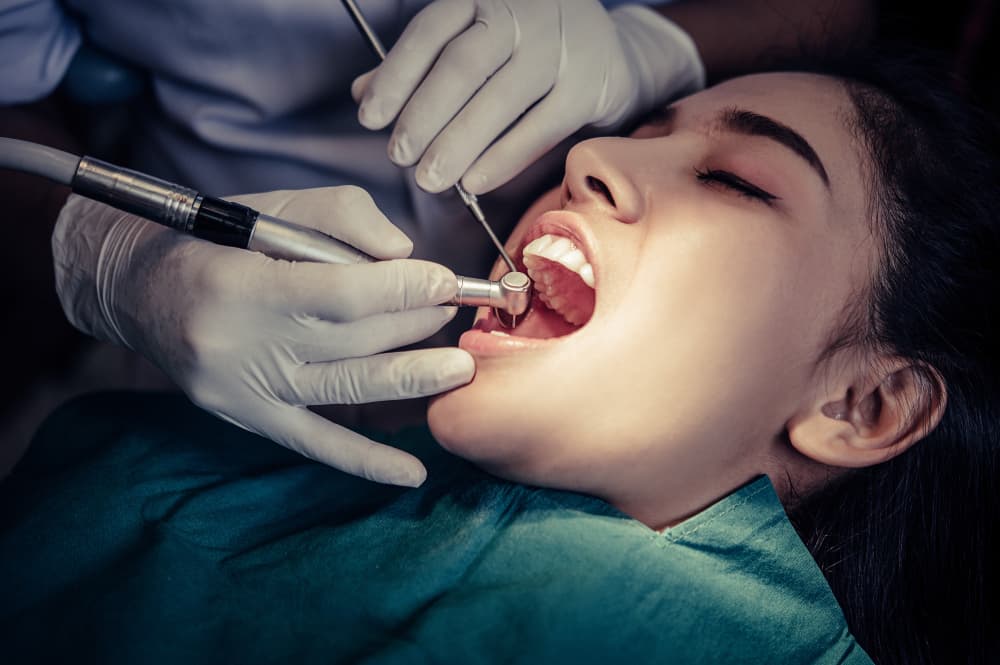
Dentists treat patients' teeth.
One of the questions dentists hear regularly — "Do I definitely need a root canal, or can this just be filled?" — is a genuinely reasonable thing to ask. Root canals take longer, cost more, and involve more appointments than a filling. If a filling can do the job, that's the better outcome.
The honest answer is that yes, the vast majority of cavities can be treated with a filling alone — if they're caught early enough. The "early enough" part is doing a lot of work in that sentence.
The decision comes down to one structural question: has the decay reached the pulp?
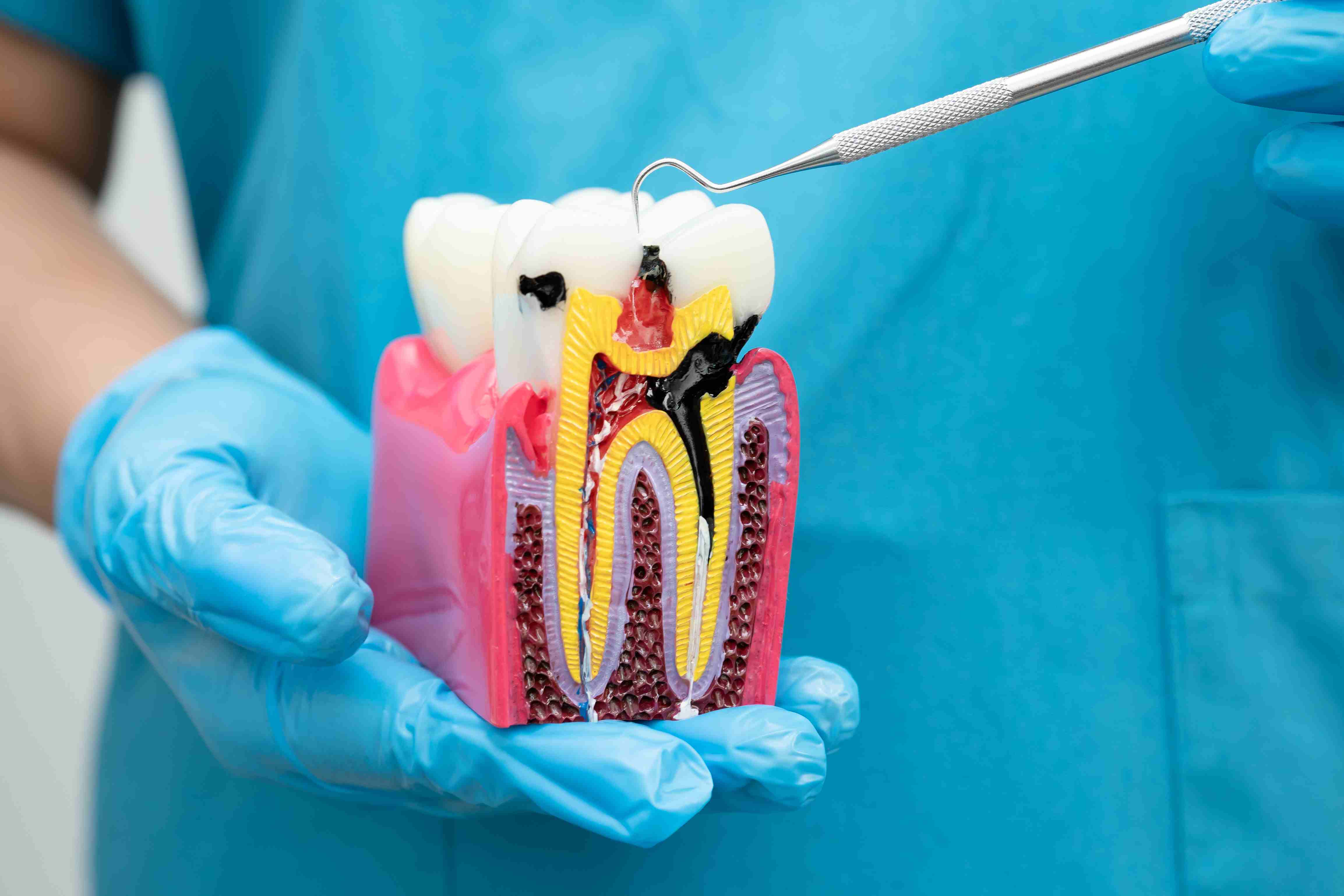
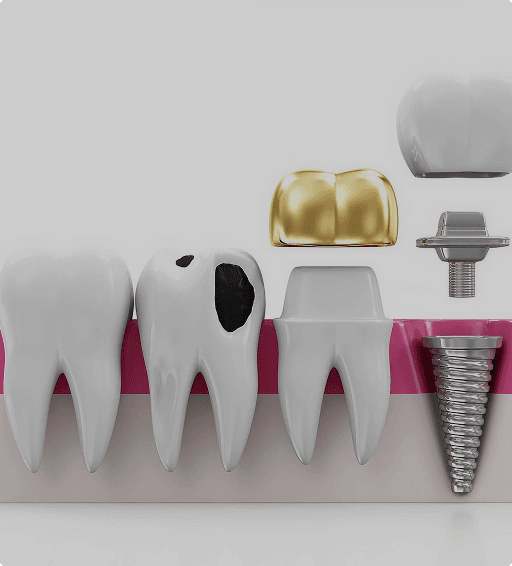
A tooth has three layers. The outermost layer is enamel — hardest tissue in the body, no nerve endings, no sensation. The middle layer is dentine — softer, contains the dentinal tubules that connect to the nerve, produces sensitivity when exposed. The innermost layer is the pulp — the soft tissue at the centre containing the nerve, blood supply, and immune cells.
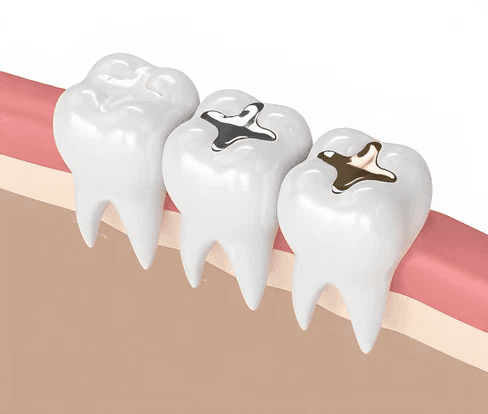
A filling is sufficient for cavities in the enamel and dentine. The decay is removed, the cavity is shaped for a filling, and the filling material is placed. The pulp is never touched. The tooth retains its nerve and blood supply. Recovery is typically a few days of mild sensitivity.
A root canal becomes necessary when decay has reached the pulp. Once bacteria access the pulp chamber, they infect the nerve and blood supply. The pulp tissue becomes inflamed (pulpitis) or dies. The infection can spread through the root canals and exit at the root tips, causing periapical abscess. At this point, a filling placed over the infected tooth doesn't resolve the infection — it seals it in. A root canal removes the infected pulp tissue, disinfects the root canals, and seals them to prevent reinfection.
The line between "filling is sufficient" and "root canal is necessary" is the pulp.
Brief cold sensitivity that resolves in seconds — classic dentinal hypersensitivity. The cavity is in the dentine but hasn't reached the pulp. A filling can usually resolve this.
Cold sensitivity that lingers for 15–30 seconds or more after the stimulus is removed — the nerve is responding abnormally. The cavity may be very close to or touching the pulp. Still might be manageable without root canal, but the risk of needing one later is higher.
Spontaneous pain — occurring without any trigger, especially at night — the pulp is significantly inflamed (irreversible pulpitis). A root canal is almost certainly needed.
Pain on biting — when pain is primarily on biting rather than temperature, a crack or pulpal involvement should be evaluated.
Tooth that was previously sensitive and is now not — without treatment — the pulp may have died. This isn't an improvement; it's a worsening. An infected dead tooth needs root canal treatment.
But symptoms are not the whole picture. A cavity can be very close to the pulp with no symptoms at all — particularly in older adults whose pulp chambers have narrowed with age and whose nerve response is less sensitive. This is why X-rays matter. An X-ray shows the size and depth of the cavity relative to the pulp and gives the dentist much more reliable information than symptoms alone.
When a cavity is deep but hasn't technically reached the pulp, the treatment is a deep filling. This involves:
Removing all the decay carefully — the deepest decayed dentine is removed without touching the pulp. In some cases, a protective liner material (typically calcium hydroxide, MTA, or biodentine) is placed in the deepest part of the preparation to protect and calm the pulp before the filling material goes in.
This works well in the majority of cases. However, a deep filling carries a higher risk of eventual root canal need than a shallow filling — because the pulp, having been in close proximity to active decay for some period, may respond with irreversible inflammation even after the decay is removed. This isn't a complication or an error; it's the biological reality of how close the decay was.
Dr. Suchi Singh discusses this possibility with patients before placing deep fillings — so that if sensitivity develops in the weeks after the filling, you understand what it might mean and know when to call back.
This is the crux of the cavity-to-root-canal progression, and it's worth being direct about it.
A small cavity in the enamel: one appointment, small filling, minimal drilling. Treatment is complete.
The same cavity six months later, having progressed into dentine: larger filling, more drilling, higher chance of post-procedure sensitivity.
A year later, having progressed to a deep dentine cavity: deep filling, possible liner, higher risk of eventual root canal.
Another year, now at the pulp: root canal needed. Multiple appointments. Followed by a crown, because a root-canal-treated molar is brittle without one.
At no point between step one and step four does the cavity announce which stage it's at. It may produce mild sensitivity at the dentine stage. It may produce nothing until the pulp is involved. X-rays at routine check-ups are what catch it at stage one or two rather than stage three or four.
The arithmetic of "avoiding the dentist" is consistently unfavourable. Each stage of delay increases treatment complexity, treatment time, and outcome for the tooth.
Following a deep filling, expect some cold sensitivity for 1–3 weeks as the tooth settles. This is normal.
Contact Renew Dental Clinic at +91 99710 35300 if:
The sensitivity is increasing rather than decreasing after the first week. Spontaneous pain occurs without any trigger. The tooth becomes sensitive to heat rather than just cold. Biting on the tooth becomes painful.
Any of these patterns after a deep filling is a signal that the pulp is not settling as hoped and root canal assessment may be needed.
Q: My dentist said the cavity is "close to the nerve" — does that definitely mean root canal?
A: Not necessarily. "Close to the nerve" means deep dentine involvement — the decay is approaching the pulp but may not have reached it. A deep filling with a protective liner is often sufficient. Your dentist will advise based on the X-ray and clinical findings of that specific tooth.
Q: Can a tooth have a filling and then still need a root canal later?
A: Yes. A deep filling is placed when the pulp seems unaffected. But the pulp may subsequently develop irreversible inflammation (from how close the decay was) and eventually die. This isn't a failure of the filling — it's the biology of a pulp that was under significant stress. It's more common with deeper fillings than shallower ones.
Q: What's the cost difference between a filling and a root canal in Noida?
A: Root canal treatment involves more appointments, more materials, and requires a crown afterward for most back teeth — making it considerably more involved than a filling. The specific costs depend on the tooth, the number of root canals, and the type of crown. We don't quote prices in this guide, but this is discussed specifically at consultation at Renew Dental.
Q: Are there any signs I can look for at home to catch a cavity early?
A: Some — but the most reliable early detection is an X-ray at a routine check-up, because early cavities are often symptom-free. Visible dark spots on a tooth surface, rough areas you can feel with your tongue, or consistent cold sensitivity on a specific tooth are all worth booking a check-up for.
For cavity assessment in Noida — whether you suspect a problem or simply haven't had a check-up recently — Renew Dental Clinic, Sector 47, Noida provides thorough examination and X-ray review.
📞 +91 99710 35300
A-321, Basement Floor, Next to Mother Dairy Store, Sector 47, Noida, Uttar Pradesh 201303
Monday–Saturday 10:30 AM – 8:00 PM | Sunday 11:00 AM – 2:30 PM
 Copy
Copy
Most wisdom tooth stitches dissolve on their own — but not all do, and knowing...
27 Sept 2026
by Renew Dental Clinic
Not all yellow teeth respond to the same treatment. This guide explains what's actually causing...
23 Sept 2026
by Renew Dental Clinic

A toothache at midnight when clinics are closed. This guide covers every home remedy for...
21 Sept 2026
by Renew Dental Clinic

You may associate toothpaste with a boring part of brushing your teeth. However, the reality...
01 Sept 2025
by Renew Dental Clinic

Tooth decay starts silently, but the signs are easy to spot if you know what...
27 Jun 2025
by Renew Dental Clinic

What you eat directly affects your dental health. This guide from Renew Dental Clinic Noida...
05 Jun 2026
by Renew Dental Clinic
What you eat late at night matters less than you think. What really damages teeth...
27 Jul 2026
by Renew Dental Clinic
Spotted a dark mark on your tooth and not sure if it's a stain or...
25 Jun 2026
by Renew Dental Clinic
The choice between root canal and extraction is one of the most common decisions in...
01 Oct 2026
by Renew Dental Clinic
Looking for the best children's dentist in Noida? This parent's guide covers when to start...
19 Jun 2026
by Renew Dental Clinic

Looking for a paediatric dentist in Noida? This guide explains when to bring your child...
26 May 2026
by Renew Dental Clinic

A child's smile is one of life's most valued possessions, and their dental care begins...
10 Nov 2025
by Renew Dental Clinic

Curious about charcoal toothpaste for whitening teeth? Find out what it does, the pros, side...
21 Oct 2025
by Renew Dental Clinic

Tooth erosion from acid is different from cavities — and it's permanent. This guide identifies...
21 Jul 2026
by Renew Dental Clinic
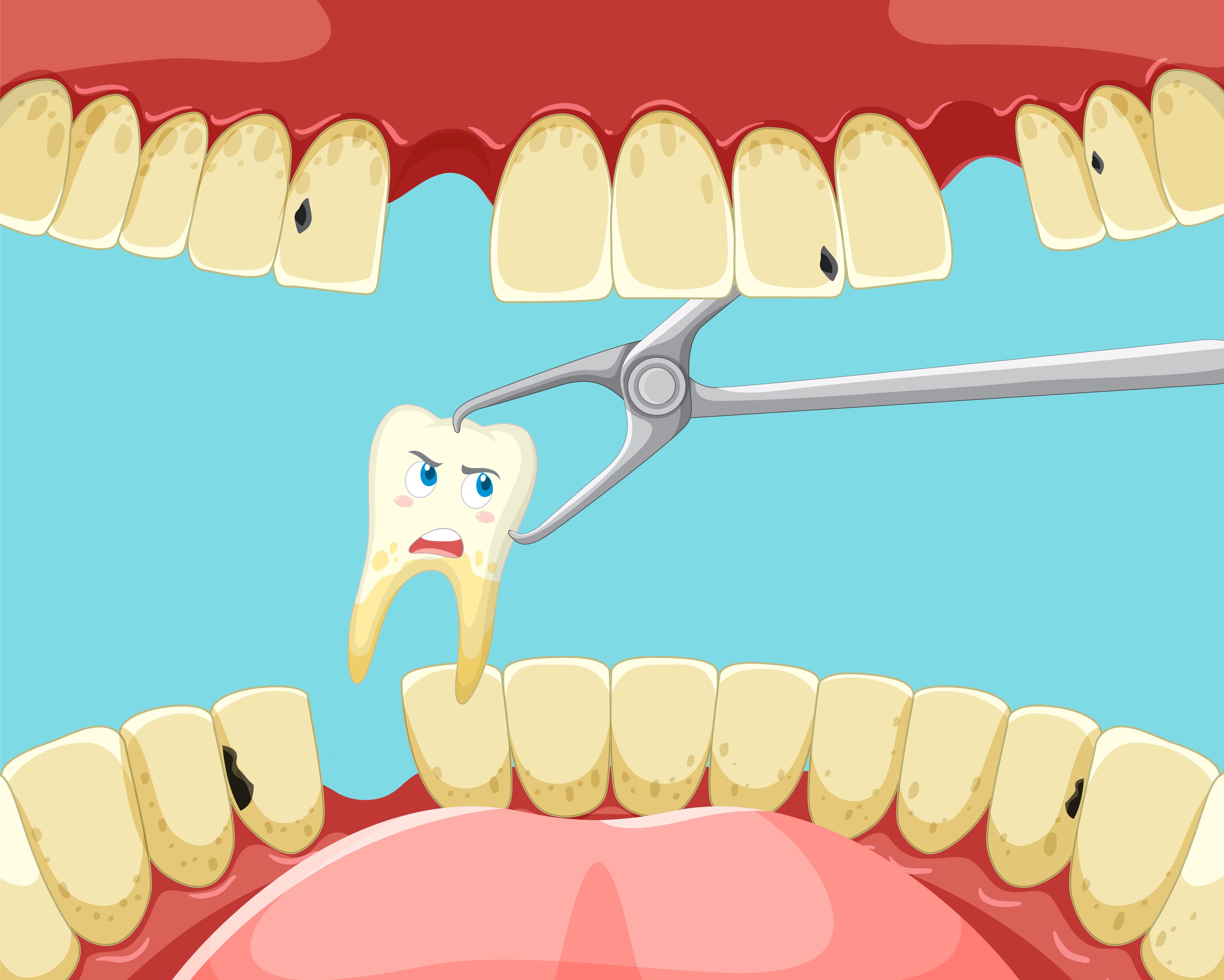
Dental health changes significantly after 60. Dry mouth from medications, root caries, denture care, and...
09 Sept 2026
by Renew Dental Clinic
Explore More
Explore More
Discover how thousands of patients trust Renew Dental Clinic with their smiles.
I brought my mom for her dental care to Dr. Suchi. We highly recommend the doc for such an expertise.
Had an appointment with doctor Ankur Singh
I was highly satisfied with my dental treatment with Dr. Suchi.
Best dental treatment in noida NCR
She is the Best Dentist in Noida, She has a gentle touch as well and I'm glad I discovered this practice. An extra bonus is that the clinic is extremely efficient and well run.
Doctor n her team very much concerned with patient 👍👍👍
Amazing state of art techniques with a very skillfully doctor incharge.
Renew Dental Clinic has, without a doubt, been the best dental experience I have ever had. I came in with a toothache just days before an international trip, anxious about whether everything could be sorted in time. What followed was nothing short of remarkable.
One of the best doctor in town….must visit…….
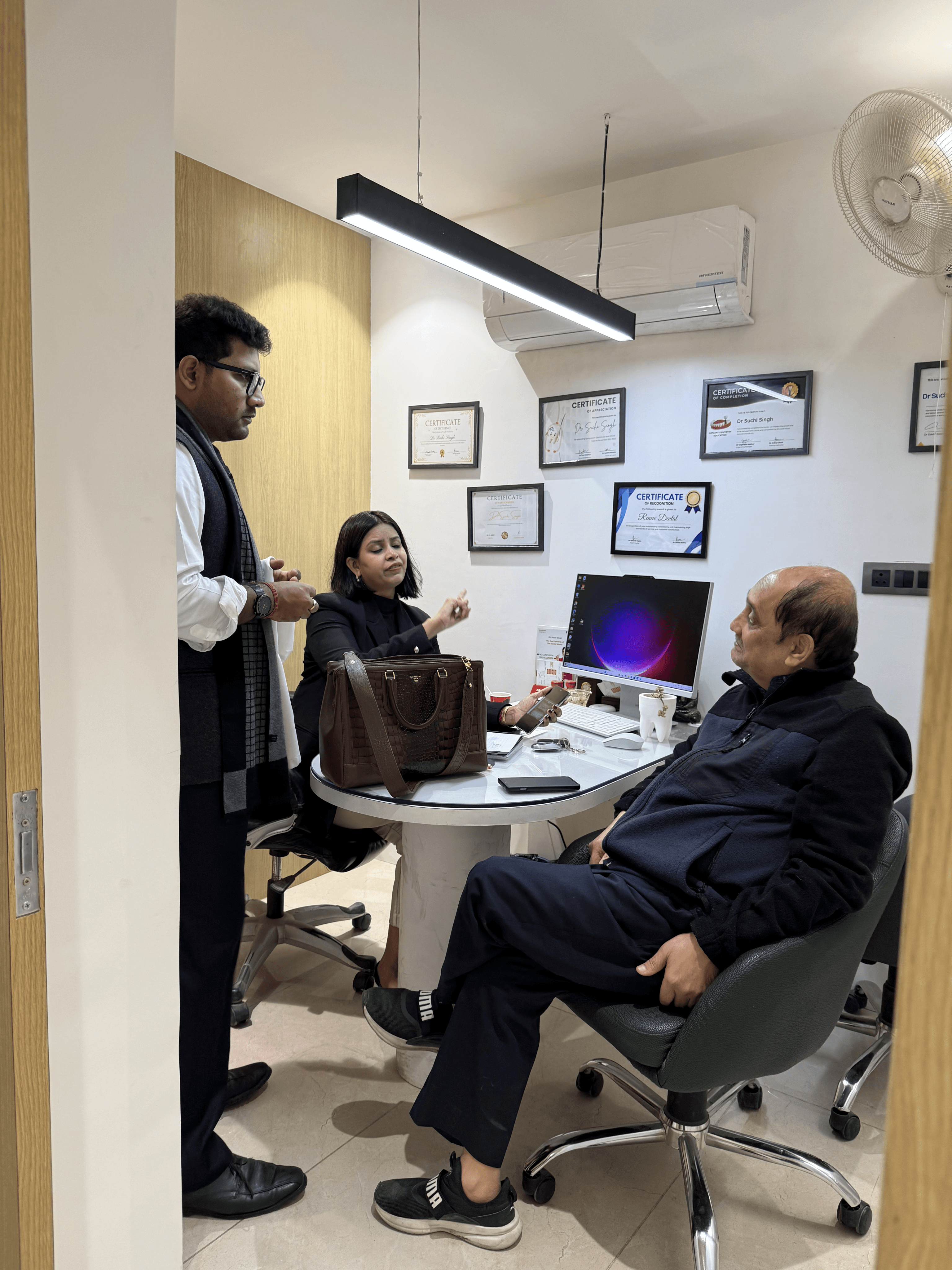
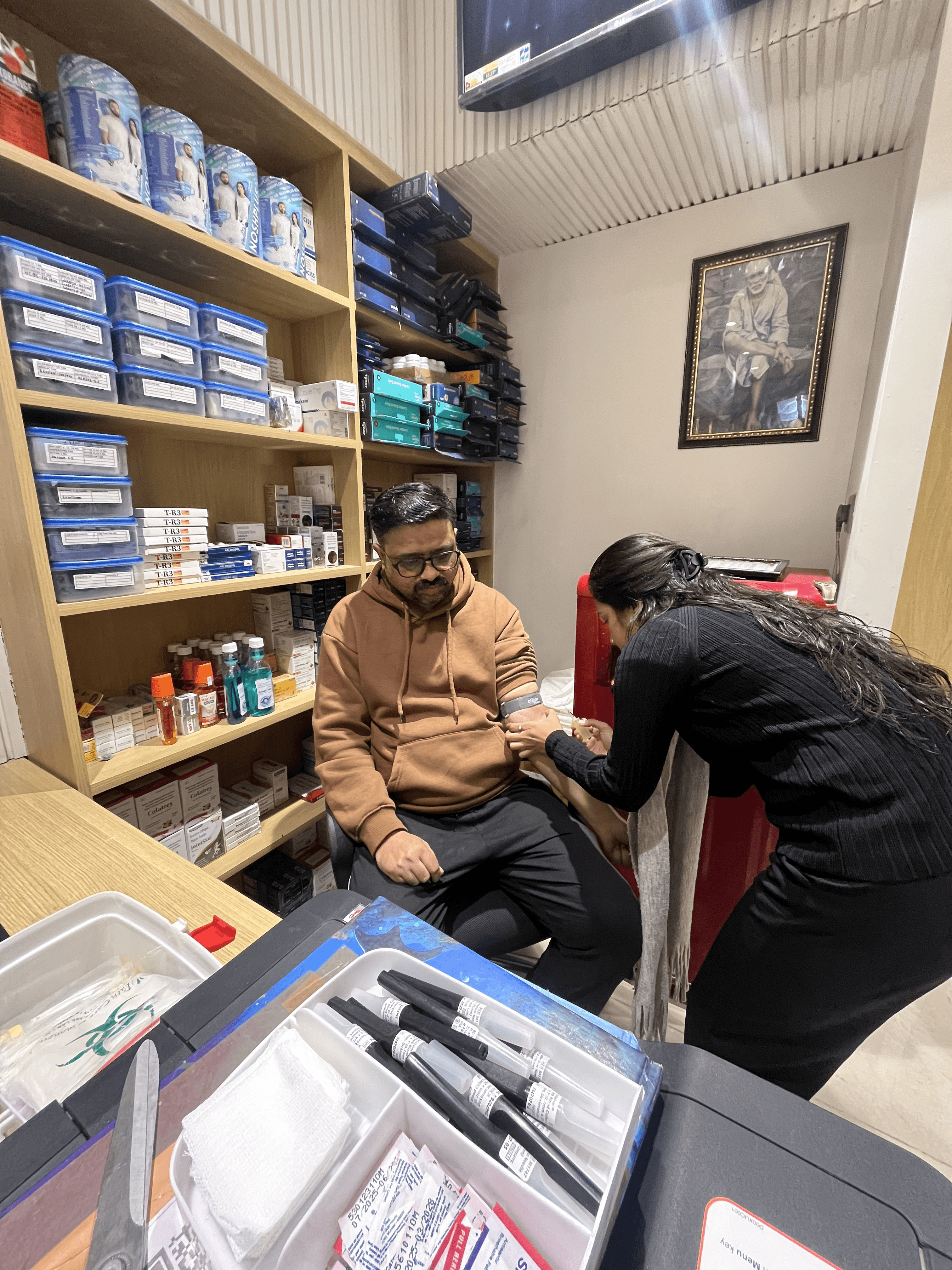
A glimpse into our modern dental clinic, advanced technology, and patient-friendly environment at Renew Dental.
Explore our thoughtfully designed clinic spaces built to provide comfort, cleanliness, and a calming experience for patients of all ages.



Best Dentist in Noida
Renew Dental Clinic located in Noida, Sector 47, is one of the leading dental clinics. Founded by Dr. Suchi Singh who is widely regarded as one of the best dentists in Noida, the clinic is committed to delivering personalised and high-quality dental care. Dr. Suchi Singh focuses on customised treatment plans designed around each patient’s unique needs, ensuring advanced, comfortable and reliable dental care at Renew Dental Clinic.

Your Trusted Dental Experts

Complete Dental Care

Friendly Dental Space

No Hidden Charges
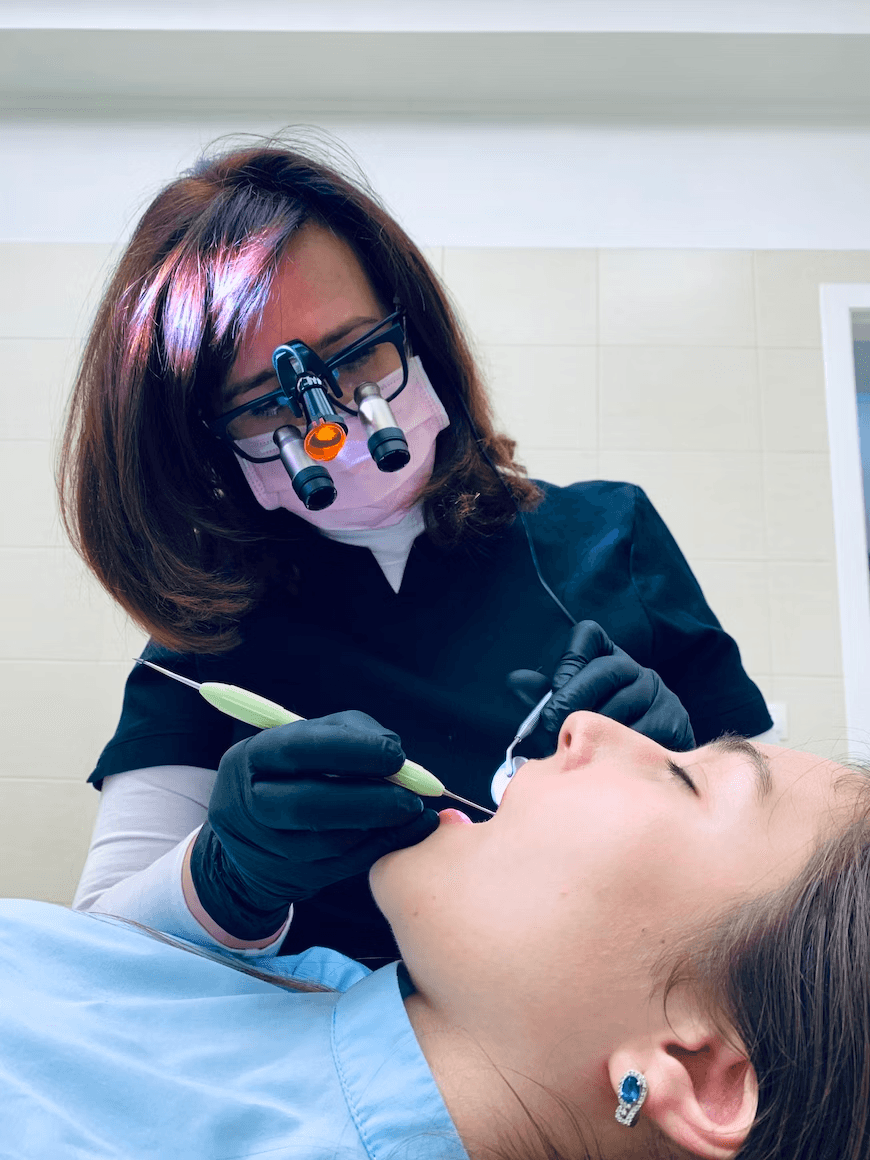
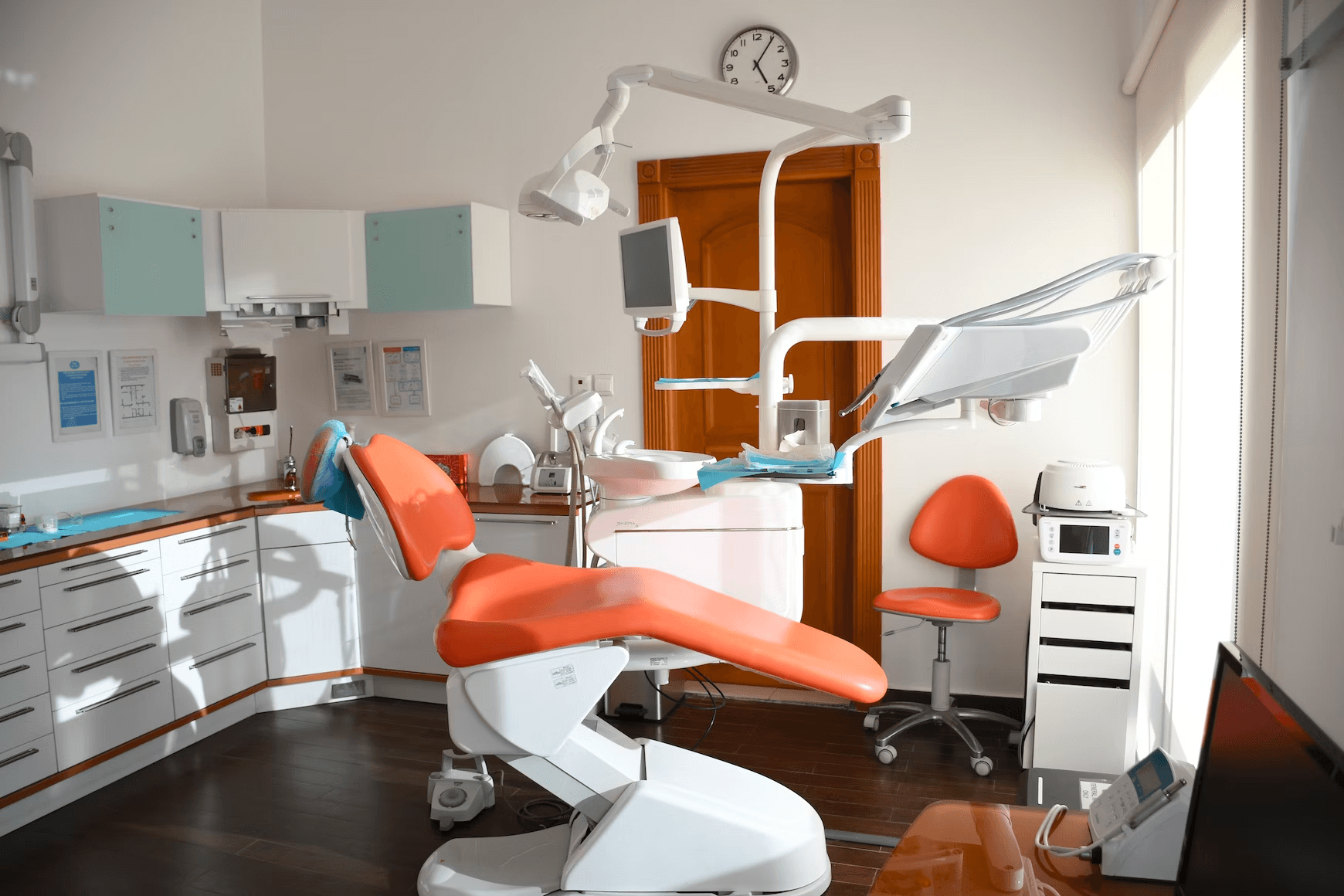


Two trusted dental clinics in Noida — Renew Dental (Sector 47) and Tooth & Truth (Sector 34) — for gentle, modern care.

Renew Orthopedic Clinic, A-321, Basement Floor, Next to Mother Dairy Store, Sector 47, Noida, Uttar Pradesh 201303
 +91 99710 35300
A-98/A, Block A, Sector 34, Noida, Uttar Pradesh 201307
+91 99710 45002© 2026. All rights reserved | Designed and Developed by Zarle Infotech