How Sugar Destroys Your Teeth — The Biology Made Simple
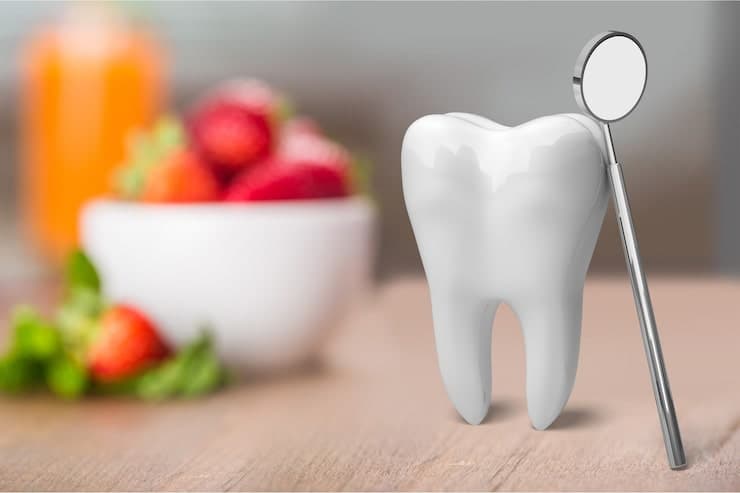
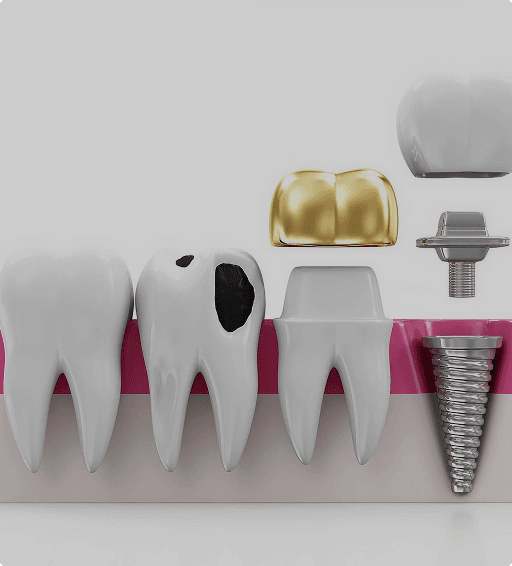
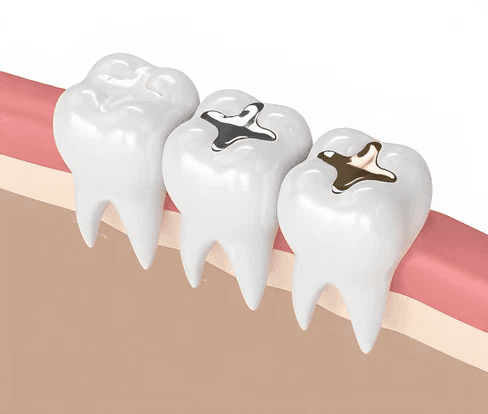
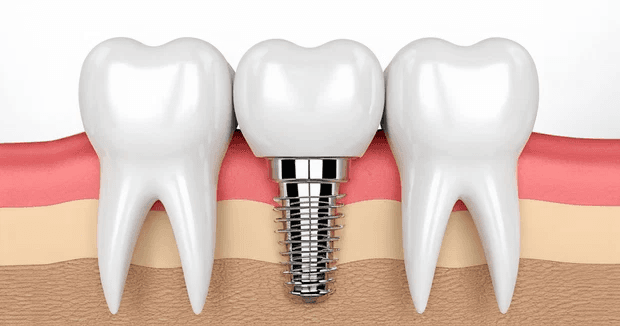
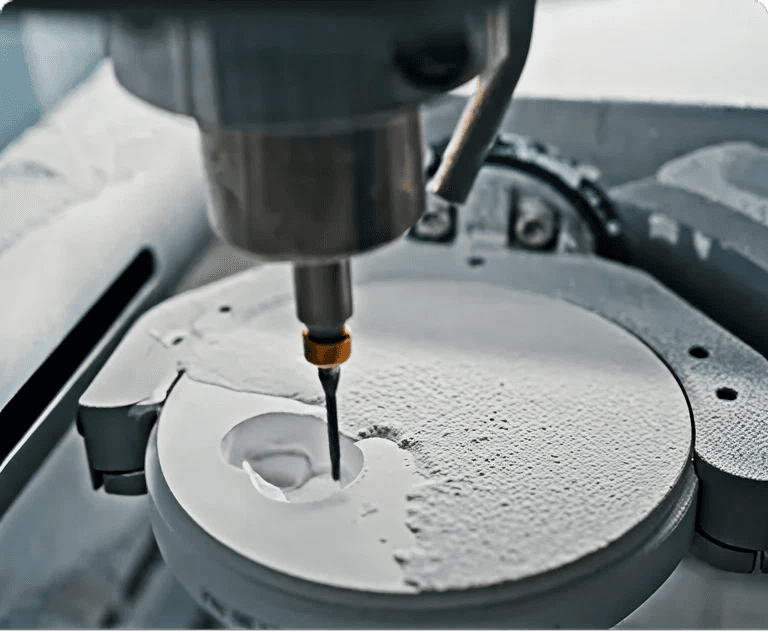
Anatomical model of a healthy tooth
Most people know sugar is bad for teeth. Far fewer understand why — and that gap matters, because the detail changes what you actually do about it.
Here's what's actually happening.
Sugar Doesn't Damage Teeth. Bacteria Do.
The most important clarification in dental biology: sugar doesn't directly dissolve enamel. Sugar is the fuel. Bacteria are the weapon.
Your mouth contains hundreds of bacterial species living in a biofilm called plaque. The most significant cavity-causing bacterium is Streptococcus mutans. It metabolises fermentable carbohydrates — primarily sugars — through a process called glycolysis, and excretes lactic acid as a byproduct.
That acid is what dissolves enamel.
When you eat or drink something sugary, the bacteria in plaque begin producing acid within seconds. The pH in your mouth drops from its normal 6.5 to 7 down below 5.5 — the critical threshold at which enamel begins to dissolve. This is called an acid attack. It lasts approximately 20 to 30 minutes after the last sugary or carbohydrate exposure, after which saliva gradually buffers the acid back to neutral.
In a healthy mouth with infrequent sugar exposure, the saliva manages this. In a mouth exposed to sugar repeatedly throughout the day, the acid attacks accumulate faster than remineralisation can compensate. Over months, enamel mineral content drops. A white spot lesion appears — the earliest visible sign of decay. If the acid attacks continue, the softened enamel eventually breaks down into the cavity that requires a filling.
Frequency Matters More Than Total Amount
This is the piece of information that changes everything in practice.
Drinking a full bottle of cola in 5 minutes creates one acid attack lasting roughly 30 minutes.
Sipping the same bottle slowly over 2 hours maintains an acid attack for almost the entire 2-hour period — the bacteria continuously receive fresh sugar, continuously produce acid, and the mouth never gets the chance to neutralise and remineralise.
The difference in dental damage between these two scenarios is enormous, despite identical sugar consumption.
The implication: the Indian habit of drinking chai throughout the morning — one cup every hour or so, usually with sugar — is more damaging than drinking two or three cups at once. Multiple cups consumed with meals is considerably less damaging than the same amount sipped over a working day.
This is counterintuitive for most patients. They cut the number of spoons of sugar in their chai thinking they're protecting their teeth. That helps. But reducing the frequency of the exposures — concentrating sweet drinks to mealtimes rather than sipping them throughout the day — has a larger measurable effect on cavity risk.
Not All Sugars Behave the Same Way
S. mutans metabolises different sugars at different rates.
Sucrose (table sugar, cane sugar) is the most cariogenic sugar available. It's rapidly fermented and — uniquely among common sugars — is used by bacteria to synthesise extracellular polysaccharides that make plaque stickier and more adherent to tooth surfaces. This is why sucrose is considered the primary dietary driver of dental caries.
Fructose and glucose are also fermentable and cavity-causing, but don't have the plaque-stickiness effect of sucrose.
Lactose (milk sugar) is fermentable but much less cariogenic than sucrose — partly because the calcium in dairy buffers some of the acid, and partly because the bacteria ferment it more slowly.
Xylitol is a sugar alcohol that S. mutans absorbs expecting to extract energy from, but cannot metabolise. This starves the bacteria and, over time, selects against their presence in the mouth. This is why xylitol-containing sugar-free gum has genuine evidence behind it.
Artificial sweeteners (aspartame, stevia) are not fermented by oral bacteria and don't cause acid attacks. From a tooth decay perspective, a diet drink sweetened with aspartame is not problematic for enamel — though its acidity may still affect enamel through a separate erosion mechanism.
Sticky and Slow-Dissolving Sugars Are Worst
The longer a sugar remains in contact with teeth, the longer the bacteria can use it. This is why:
Toffees, caramels, jaggery-based sweets — these stick to tooth surfaces and dissolve slowly over many minutes. Bacteria feast throughout.
Biscuits, crackers, white bread — these get stuck in the fissures of molar teeth and between teeth. They're refined carbohydrates that bacteria convert to sugar rapidly. Patients are often surprised to find these are as cariogenic as obviously sweet foods.
Liquid sugar (cola, juice, chai) — clears from the mouth faster than sticky foods, but the frequency with which people consume them makes cumulative exposure substantial.
Fruit — whole fruit contains sugar but also fibre, which requires chewing (stimulating saliva) and slows sugar release. Much less damaging than fruit juice, which removes the fibre and concentrates the sugar. Eating an orange is very different from drinking 200ml of orange juice in dental terms.
The Saliva Factor
Saliva is the counterforce. It neutralises acid after each attack, delivers calcium and phosphate to remineralise early enamel damage, and contains antibacterial proteins that suppress S. mutans levels.
This explains why patients with dry mouth (xerostomia) — from medications, Sjögren's syndrome, radiation therapy, or chronic dehydration — develop decay at dramatically higher rates than others with identical diets. Their acid-buffering and remineralisation capacity is compromised.
In practice for patients in Noida and across Delhi NCR: the combination of a diet high in chai (sugary, acidic, and consumed frequently), dehydration from heat, and the dry indoor environments of air-conditioned offices creates a consistently high-risk oral environment. Simple water drinking between meals genuinely helps — it dilutes acids, keeps saliva flowing, and rinses sugary residue from tooth surfaces.
What You Can Realistically Change
Reduce frequency, not just quantity. Move sweet drinks and snacks to mealtimes. Between meals, water only.
Don't brush immediately after acidic or sugary foods. Brush before, or wait 30 to 60 minutes after. Brushing on acid-softened enamel accelerates its removal.
Chew sugar-free xylitol gum after meals. Particularly when brushing isn't immediately possible. Stimulates saliva and, if xylitol-containing, actively suppresses cavity-causing bacteria.
Finish meals with dairy. Curd, cheese, or milk after a meal raises the mouth's pH and provides calcium and phosphate for remineralisation. Not a recommendation to overconsume dairy — just the sequencing.
Fluoride is non-negotiable. Fluoride from toothpaste and professional applications creates a more acid-resistant enamel layer (fluorapatite). It doesn't prevent acid attacks — but it reduces the damage from each one.
Drink water, especially in NCR's heat. Adequate hydration maintains saliva flow and the oral defences that depend on it.
Frequently Asked Questions
Does eating jaggery instead of sugar protect teeth?
No. Jaggery is primarily sucrose — the same chemistry as refined sugar. It has marginally more minerals, but the cavity-causing mechanism is identical.
Are fruit juices healthier for teeth than cola?
Often not. Many commercial fruit juices have sugar content comparable to cola, and significant acidity from citric and other fruit acids. Whole fruit is a different matter.
If I brush after every meal, can I eat as much sugar as I want?
No. Brushing removes plaque after meals but doesn't undo the acid attacks that occur during and immediately after eating. The frequency and duration of sugar exposure still matters regardless of brushing frequency.
Is diet cola safe for teeth?
Better than regular cola from a sugar perspective. However, cola — diet or regular — contains phosphoric and carbonic acids that still erode enamel through direct acid contact, independent of the sugar mechanism.
Regular check-ups at Renew Dental Clinic, Sector 47, Noida include dietary assessment alongside clinical examination — identifying where decay is occurring and discussing the specific habits most likely driving it for each individual patient.
To book, call (0120) 498-8333.
Monday–Saturday 10:30 AM – 8:00 PM | Sunday 11:00 AM – 2:30 PM.