By Renew Dental ClinicPublished on

Smiling woman forming a heart shape with her hands in front of her face.
There's a persistent myth that dental treatment during pregnancy is unsafe — that X-rays, anaesthesia, and dental procedures should all be avoided for nine months. This myth has real consequences: women who believe it avoid the dental care they genuinely need, and some develop serious dental problems that are far more dangerous to the pregnancy than the treatment they were avoiding.
The reality is the opposite of the myth. Dental treatment during pregnancy is not only safe — it's recommended by obstetric and dental organisations worldwide. And pregnancy itself creates specific oral health changes that make dental monitoring more important during these nine months than at most other times in a woman's life.
Pregnancy triggers significant hormonal changes — dramatically elevated oestrogen and progesterone — that directly affect gum tissue in ways that create predictable, well-documented oral health challenges.
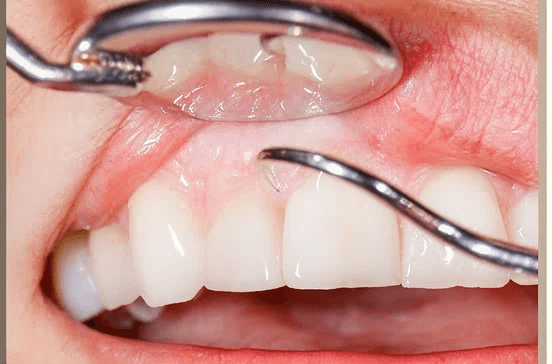
This is the most common oral health change during pregnancy and affects the majority of pregnant women to some degree. Elevated progesterone and oestrogen alter how gum tissue responds to the bacteria in dental plaque. Even with the same amount of plaque that caused no particular problem before pregnancy, the gum tissue becomes dramatically more inflamed — redder, more swollen, and more likely to bleed on gentle contact.
Pregnancy gingivitis typically develops between the second and eighth months, often peaking in the third trimester. It's not caused by poor oral hygiene — it's a genuine physiological change in gum tissue reactivity driven by hormones. But it is made significantly worse by plaque accumulation, which is why oral hygiene matters enormously during pregnancy even though it alone doesn't fully prevent the condition.
The gum changes resolve after delivery in most cases. However, patients who already had some gum disease before becoming pregnant may find the post-pregnancy baseline is different from the pre-pregnancy one — the hormonal amplification can accelerate progression of pre-existing disease.
A more dramatic but less common manifestation. A pregnancy epulis is a localised, benign overgrowth of gum tissue — typically a red, rounded, mushroom-shaped mass that appears between the teeth or at the gumline, often on the upper front teeth. It bleeds easily and dramatically on contact. The name "tumour" sounds alarming, but a pregnancy epulis is entirely benign — it's an exaggerated vascular response to plaque in hormonally sensitised tissue.
Most pregnancy epuli resolve after delivery without intervention. If they don't, or if they're causing significant problems (excessive bleeding, interference with eating, or extreme cosmetic concern), surgical removal can be done — either during pregnancy if necessary or after delivery.
Pregnancy increases cavity risk through several simultaneous mechanisms:
Dietary changes. Many pregnant women experience cravings for sweet or acidic foods. Increased sugar consumption provides more fuel for bacterial acid production, directly increasing cavity risk.
Morning sickness. Women with significant morning sickness are repeatedly exposing their teeth to gastric acid through vomiting. Gastric acid is far more corrosive than dietary acid — it causes rapid enamel erosion, particularly on the inner surfaces of the upper front teeth. After vomiting, rinsing with plain water or a baking soda solution (not brushing immediately) helps dilute and neutralise the acid before the enamel rehardens. The 30-minute rule before brushing is particularly important here.
Altered saliva. Pregnancy changes saliva composition in ways that reduce its protective capacity — reduced pH buffering and altered protein composition make the oral environment less effective at neutralising acids and remineralising early enamel damage.
Fatigue-driven hygiene lapses. First-trimester fatigue and nausea can make thorough brushing genuinely difficult. Some women find the toothbrush gag reflex is exaggerated during pregnancy. Switching to a smaller-headed toothbrush, brushing more slowly, using a bland-flavoured toothpaste, or brushing at a different time of day can help manage this. The key is maintaining the twice-daily brushing habit even if each session is less comfortable than before pregnancy.
Some pregnant women notice their teeth feel slightly looser than normal. This is caused by the same hormones that relax the ligaments of the pelvis in preparation for childbirth — progesterone and relaxin — also affecting the periodontal ligament that holds teeth in their sockets. This mobility is usually mild and temporary, resolving after delivery. It's rarely associated with pain and doesn't indicate that teeth are at risk of being lost unless significant underlying gum disease is also present.
Some pregnant women experience increased dry mouth — partly from increased fluid requirements not being fully met, partly from hormonal effects on salivary gland function, and partly from changes in breathing patterns during pregnancy. Dry mouth during pregnancy carries the usual consequences: increased cavity risk, more bacterial accumulation, and greater vulnerability to gum disease. Staying consistently well hydrated is particularly important.
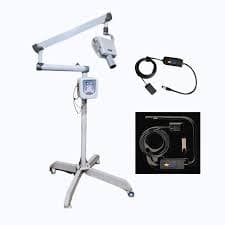
Dental X-rays: Safe during pregnancy when necessary. The radiation dose from a standard dental X-ray is extremely small — a full mouth X-ray series produces approximately 0.005 millisieverts of radiation, compared to the 10 millisieverts received from natural background radiation during a typical pregnancy. Dental X-rays are focused on the mouth, not the abdomen, and modern digital X-ray equipment exposes patients to significantly less radiation than older film-based systems. A lead apron is used as standard precaution.
Elective X-rays that aren't immediately clinically necessary can be deferred to after delivery. X-rays needed for diagnosis or treatment planning are appropriate at any trimester.
Local anaesthesia: Safe throughout pregnancy. Lidocaine with adrenaline (epinephrine) — the standard dental anaesthetic — is classified as safe for use in pregnancy. The amount used for routine dental procedures crosses the placenta in negligibly small quantities and does not harm the foetus. Untreated dental pain or dental infection is considerably more dangerous to the pregnancy than local anaesthesia.
Antibiotics: Some antibiotics are safe during pregnancy (amoxicillin, penicillin, cefalexin, metronidazole with some restrictions); others are contraindicated (tetracyclines, fluoroquinolones). When antibiotic treatment is needed for a dental infection during pregnancy, Dr. Suchi Singh at Renew Dental Clinic selects pregnancy-safe options and coordinates with the obstetric team where needed.
Dental procedures: Routine procedures — fillings, professional cleaning, scaling, extractions — are all safe during pregnancy. The second trimester (weeks 14 to 28) is generally the most comfortable time for dental treatment, as morning sickness has typically settled and the patient can still lie relatively flat without significant discomfort from the gravid uterus.
The risk of NOT treating: Dental infections don't pause for pregnancy. A dental abscess that's left untreated can spread, causing systemic infection that is genuinely dangerous to the pregnancy. The systemic inflammatory burden from untreated severe periodontitis has been associated with adverse pregnancy outcomes (detailed below). Untreated severe dental pain affects sleep, nutrition, and stress levels. The decision to defer necessary dental treatment during pregnancy carries real risks that both patients and some practitioners underestimate.
This is the most significant aspect of the pregnancy-dental health relationship and warrants specific discussion.
Multiple studies have found associations between severe periodontal disease and:
The proposed mechanism: active periodontitis drives systemic inflammation through elevated circulating prostaglandins and cytokines — particularly prostaglandin E2 and TNF-α — which may contribute to the inflammatory cascade involved in premature labour initiation. Some periodontal bacteria have also been detected in amniotic fluid of women who delivered preterm, suggesting possible direct microbial translocation.
The evidence is sufficient for major obstetric and dental organisations to recommend dental care as a component of prenatal care. At the same time, randomised trials of periodontal treatment during pregnancy have produced inconsistent results in reducing preterm birth rates — the picture is not entirely clean. The association between severe gum disease and adverse pregnancy outcomes is real; whether treating gum disease during pregnancy prevents those outcomes is still being studied.
What is clear: severe gum disease during pregnancy is not harmless, managing it is safe, and women who enter pregnancy with significant untreated periodontitis are at elevated risk. Ideally, comprehensive dental assessment and any necessary treatment should occur before conception — treating gum disease during pre-conception planning avoids the question of in-pregnancy timing entirely.
First trimester (weeks 1 to 13):
The period of maximum embryonic vulnerability and significant morning sickness. Emergency dental treatment is appropriate when needed — leaving a dental infection untreated through the first trimester is not appropriate. Elective procedures are better deferred if possible. A dental check-up and professional cleaning, if the patient is well enough to attend, is appropriate and valuable.
Second trimester (weeks 14 to 28):
The optimal window for dental treatment. Morning sickness has typically improved. The uterus is large enough to be palpable but small enough that lying in the dental chair for a typical appointment doesn't cause significant discomfort. Necessary procedures — fillings, scaling, extractions — are performed most comfortably and safely at this stage.
Third trimester (weeks 29 to 40):
Increasingly uncomfortable lying flat, particularly from around 32 weeks as the growing uterus presses on the inferior vena cava. Shorter appointments, positioning the chair less flat, allowing position changes, and scheduling appointments for when the patient typically feels best (often mid-morning) are accommodations at Renew Dental for third-trimester patients. Routine treatment is still appropriate; the patient's comfort determines what's practically manageable. After approximately 36 weeks, elective treatment is often deferred to after delivery.
Given the hormonal changes driving gum inflammation, the increased cavity risk, and the potential systemic consequences of active gum disease, oral hygiene during pregnancy matters more than at most other times.
Brushing: Twice daily, soft bristle, fluoride toothpaste. If nausea makes morning brushing difficult, try a bland flavour, brush at a different time (before bed and mid-morning rather than at fixed times), or rinse with water and brush when nausea allows.
Flossing or interdental cleaning: Daily. The exaggerated gum inflammation of pregnancy gingivitis means bacteria between teeth drive more inflammation — consistent removal matters more than usual.
After vomiting: Rinse with water or a dilute baking soda solution immediately to neutralise gastric acid. Wait 30 minutes before brushing.
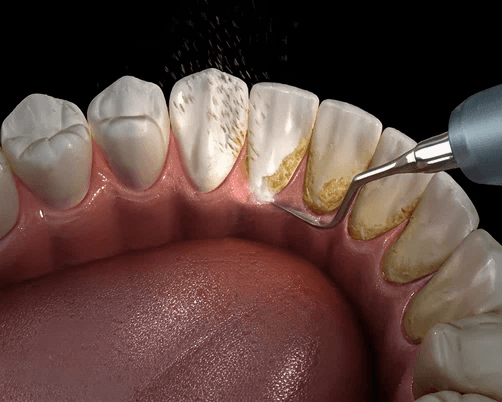
Professional cleaning during pregnancy: Recommended and safe at any trimester. Professional scaling is the most effective intervention for pregnancy gingivitis because it removes the calculus and plaque that the gum tissue is reacting to. Patients who decline professional cleaning because they believe it's unsafe during pregnancy are declining the most helpful available intervention.
The new demands of a newborn make dental care easy to postpone indefinitely. A dental assessment 6 to 8 weeks after delivery helps identify whether pregnancy-related gum changes have persisted, whether any enamel erosion from repeated vomiting needs protective measures, and whether any treatment that was deferred during pregnancy should now be completed.
This appointment also provides an opportunity to discuss the dental care of the new baby — when to start cleaning infant gums, what to watch for as teeth erupt, and how to establish a positive dental relationship from the beginning.
I've heard I shouldn't have X-rays during pregnancy — is this true?
This concern is outdated and overstated. Dental X-rays when necessary are safe during pregnancy. The radiation dose is minimal, focused away from the abdomen, and the clinical benefit of accurate diagnosis outweighs the negligible radiation exposure.
My gums are swollen and bleeding — is this dangerous?
Pregnancy gingivitis is common and not immediately dangerous, but it should be managed — professional cleaning and improved home hygiene are the appropriate response. Left completely unmanaged through all nine months, it can progress to more significant gum disease with longer-lasting consequences.
Can I use mouthwash during pregnancy?
Alcohol-free mouthwash is appropriate. Alcohol-based mouthwashes should be avoided. Short-term chlorhexidine mouthwash for gum disease management is generally considered acceptable during pregnancy — discuss with Dr. Suchi Singh if specific products are a question.
Is it safe to have a filling during pregnancy?
Yes. Standard composite fillings under local anaesthesia are safe during pregnancy. The second trimester is the preferred timing for elective procedures, but necessary fillings can be placed at any trimester.
To book a dental appointment during pregnancy at Renew Dental Clinic, Sector 47, Noida, call (0120) 498-8333.
Monday–Saturday 10:30 AM – 8:00 PM | Sunday 11:00 AM – 2:30 PM.
 Copy
Copy
Skipping dental check-ups to save money is one of the costliest decisions in healthcare. This...
27 Aug 2026
by Renew Dental Clinic
Diabetes worsens gum disease. Gum disease makes diabetes harder to control. This guide explains both...
24 Aug 2026
by Renew Dental Clinic
Post-whitening sensitivity is the most common complaint after teeth whitening. This guide explains why it...
21 Aug 2026
by Renew Dental Clinic

Do you grind your teeth at night? This guide explains what bruxism is, why it...
27 May 2026
by Renew Dental Clinic

A dental abscess will not resolve on its own. Learn what home care can and...
12 Oct 2026
by Renew Dental Clinic

Having your first dental cleaning? Want to know what to expect during the appointment step-by-step,...
03 Oct 2025
by Renew Dental Clinic
Toothache while pregnant? Learn what dental treatment is safe, which pain medicines to take or avoid, and whether seeing a dentist could affect your baby.
23 Oct 2026
by Renew Dental Clinic

Did your antibiotics cause mouth ulcers or sores? This guide explains why it happens, which...
21 May 2026
by Renew Dental Clinic

Learn how to stay safe and maintain oral hygiene during pregnancy. Learn tips about preventing...
27 Oct 2025
by Renew Dental Clinic
The choice between root canal and extraction is one of the most common decisions in...
01 Oct 2026
by Renew Dental Clinic
Nervous about minor oral surgery in Noida? This guide covers what procedures fall under minor...
24 Jun 2026
by Renew Dental Clinic
Booked for wisdom tooth surgery in Noida and not sure what to expect? This guide...
15 Sept 2026
by Renew Dental Clinic
Been told you need a bone graft before an implant? This guide explains what dental...
26 Jun 2026
by Renew Dental Clinic
Thinking about dental implants in Noida? This complete guide covers how implants work, who qualifies,...
14 May 2026
by Renew Dental Clinic

Dilemma between dental implants and bridges? Weigh the cost, longevity, procedure, and advantages to determine which tooth replacement method is superior.
03 Oct 2025
by Renew Dental Clinic
Explore More
Discover how thousands of patients trust Renew Dental Clinic with their smiles.
Wonderful experience
Best Doctor
I am satisfied with my RCT single sitting and painless thanku Doctor Suchi .😊
Excellent service, very clean facility, and highly professional staff. Dr. Ganguly was extremely patient and attentive throughout the entire procedure. He clearly explained the process, its impact, and addressed all my concerns. Highly recommended — a truly satisfactory experience.
Best treatment in Noida
Amazing state of art techniques with a very skillfully doctor incharge.
I had a very good experience at Renew Dental Clinic during my implant and RCT treatment. The doctors and staff were extremely kind, supportive, and professional throughout the entire process. What I appreciated the most was their care and attention towards patient comfort — the treatment was smooth and almost painless.
Highly recommended for anyone seeking top-notch dental care
I got my dental implant crown and RCT crown done at Renew Dental Clinic, and I am extremely satisfied with the treatment. The doctors and the entire team were very professional, caring, and supportive throughout the process. I am really happy with the results and would definitely recommend Renew Dental Clinic to others.
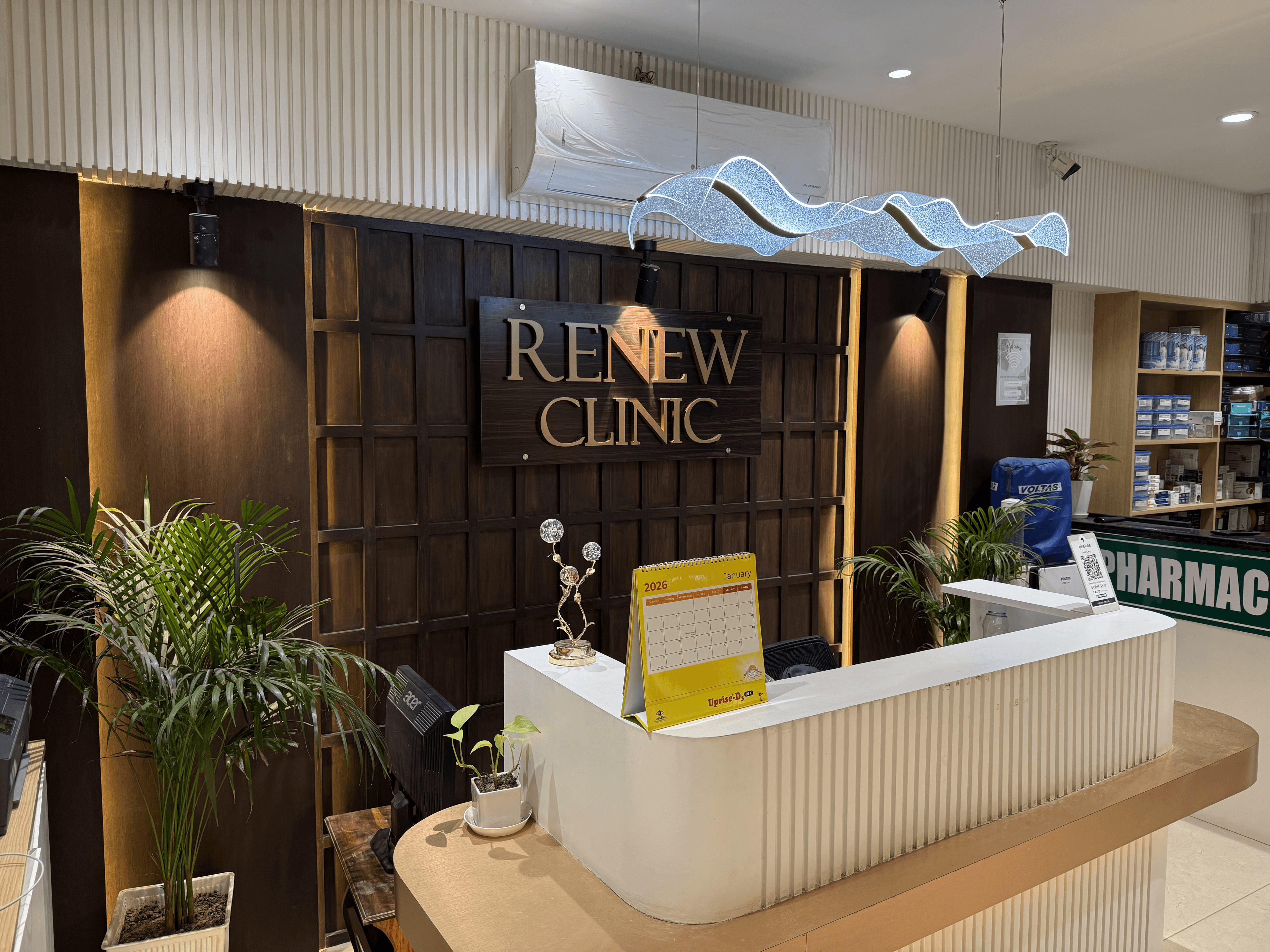
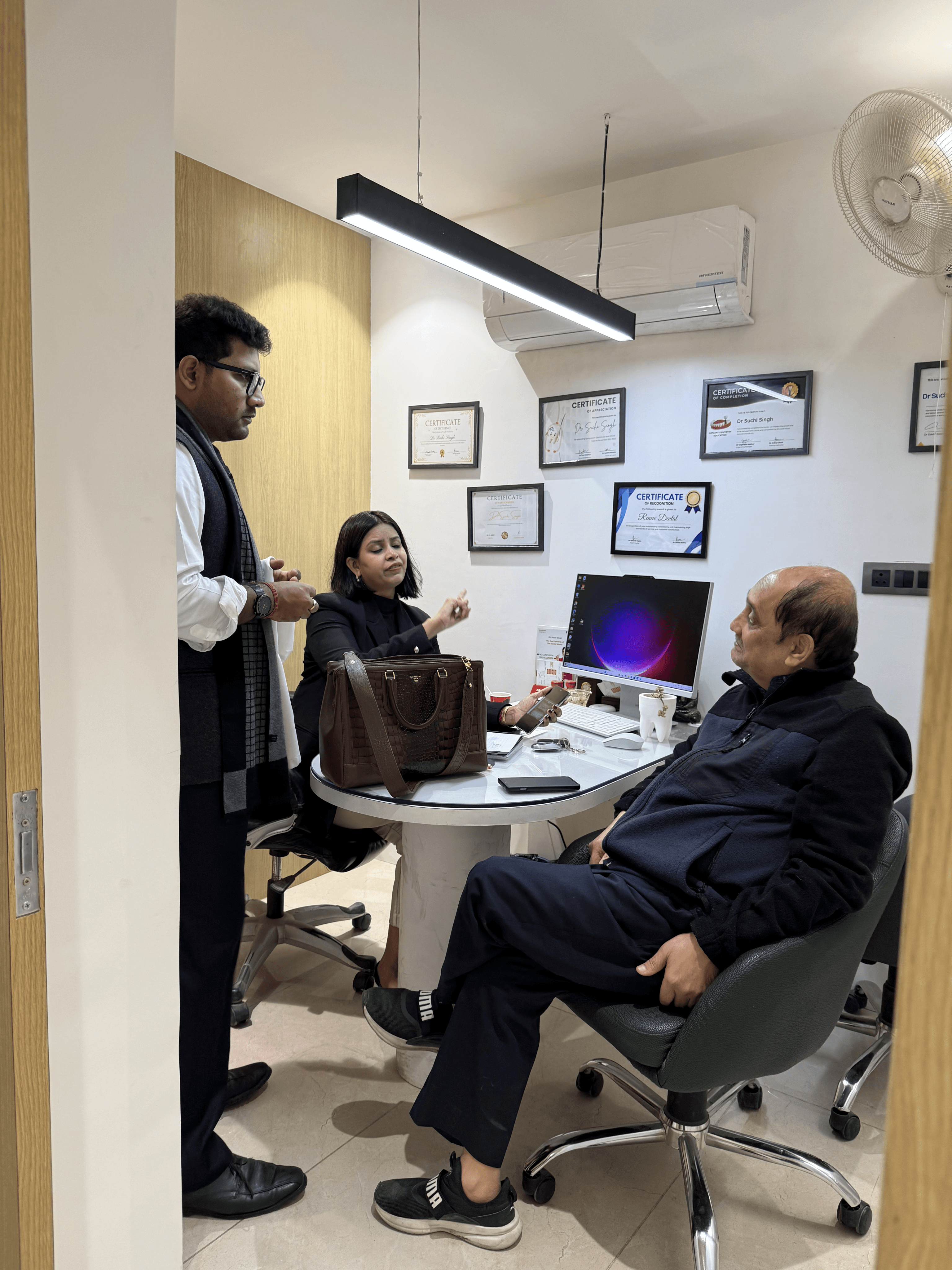
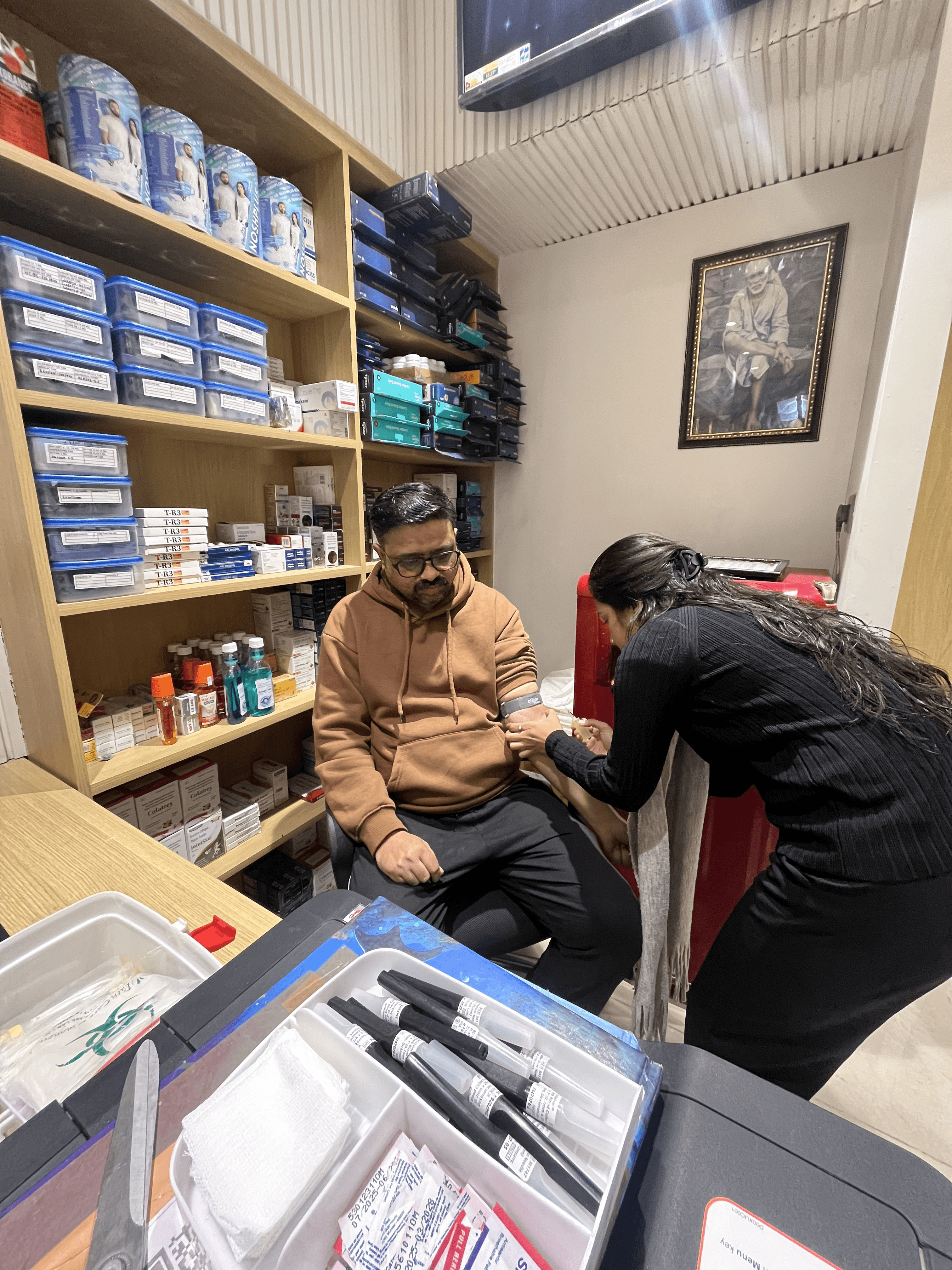
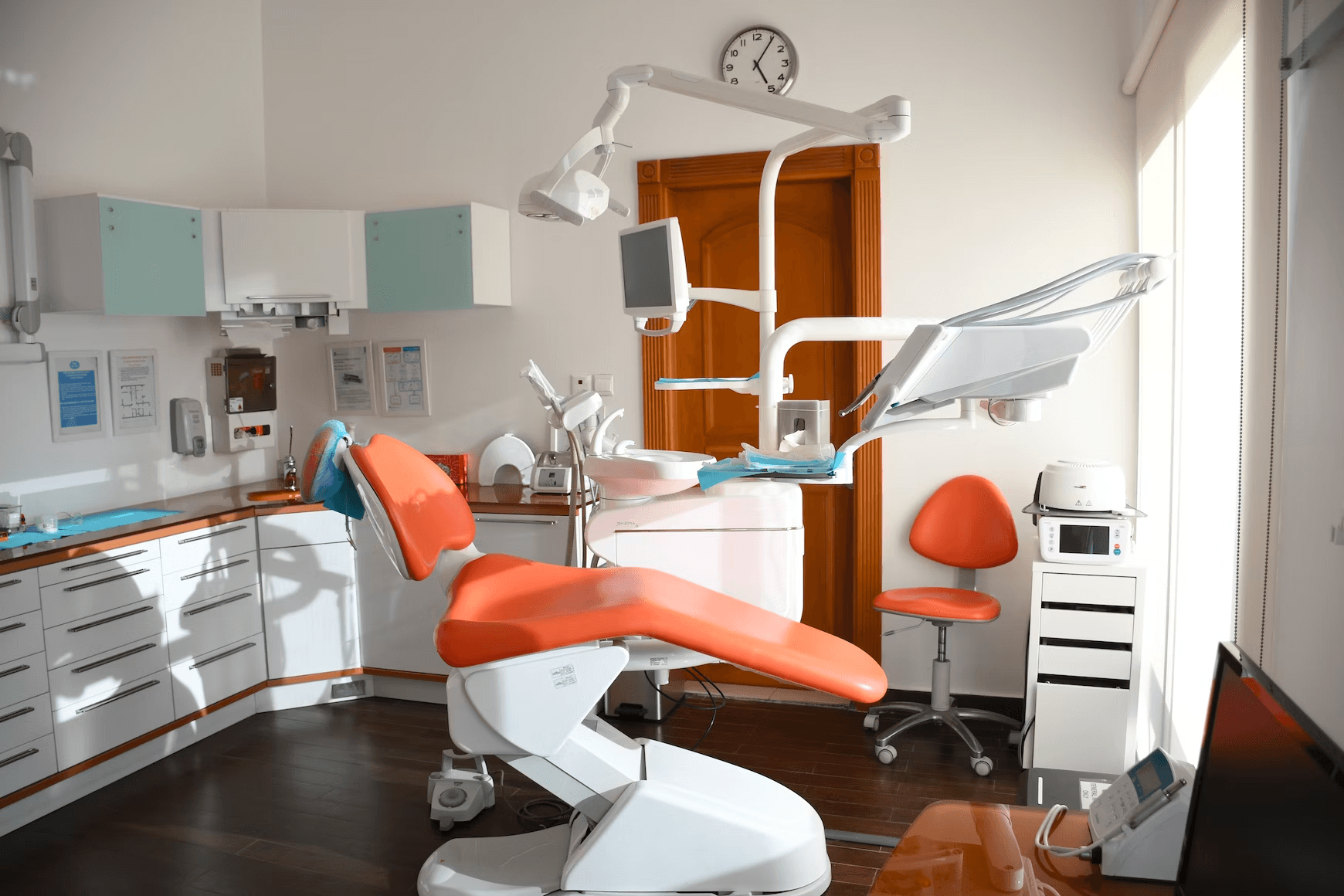
A glimpse into our modern dental clinic, advanced technology, and patient-friendly environment at Renew Dental.
Explore our thoughtfully designed clinic spaces built to provide comfort, cleanliness, and a calming experience for patients of all ages.


Best Dentist in Noida
Renew Dental Clinic located in Noida, Sector 47, is one of the leading dental clinics. Founded by Dr. Suchi Singh who is widely regarded as one of the best dentists in Noida, the clinic is committed to delivering personalised and high-quality dental care. Dr. Suchi Singh focuses on customised treatment plans designed around each patient’s unique needs, ensuring advanced, comfortable and reliable dental care at Renew Dental Clinic.

Your Trusted Dental Experts

Complete Dental Care

Friendly Dental Space

No Hidden Charges
Two trusted dental clinics in Noida — Renew Dental (Sector 47) and Tooth & Truth (Sector 34) — for gentle, modern care.

Renew Orthopedic Clinic, A-321, Basement Floor, Next to Mother Dairy Store, Sector 47, Noida, Uttar Pradesh 201303
 +91 99710 35300
A-98/A, Block A, Sector 34, Noida, Uttar Pradesh 201307
+91 99710 45002© 2026. All rights reserved | Designed and Developed by Zarle Infotech