How to Prevent Tooth Decay Without Expensive Treatments?

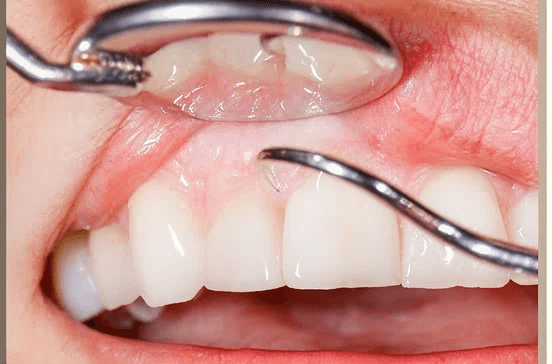
Tooth decay, also known as dental caries or cavities, is the gradual destruction of tooth enamel caused by bacterial activity in the mouth.
Tooth decay doesn't occur overnight, it's a quiet process which begins quietly and ends up being expensive if left to itself. In simple terms, tooth decay (cavities) occurs when filthy bacteria in the mouth digest sugars in foods and produce acids. These acids will wear away the protective layer of the tooth, the enamel, slowly and create cavities or holes.
But the best part is: you don't have to pay a small fortune for costly dental work to have healthy, strong teeth. Prevention is faster, less expensive, and less agonizing than fillings, crowns, or root canals.
The coming pages will show you simple, every-day habits, many costing next to nothing at all, that can naturally keep your teeth well and halt tooth decay for a lifetime.
Understanding How Tooth Decay Begins
To keep your teeth from decaying, you need to know where tooth decay starts. Naturally occurring bacteria, both good and bad, are in our mouths. When you eat foods with sugars or starches, the bad bacteria ingest the sugars and form a sticky film known as plaque. If the plaque is not brushed away, it will turn into tartar and hold more bacteria and acids.
These acids break through the enamel, your hard outside surface on your teeth. If it keeps doing this, it creates small holes which expand in the enamel, making it weaker, this is cavities.
The scary news is you won't even notice pain at all if you have tooth decay. That's why prevention has to take place before damage or pain ever comes into play. Missing enamel is not going to return, but you can certainly avoid further growth and save what's left.
Daily Oral Care Habits That Cost You Nothing More
It doesn't cost an arm and a leg to maintain clean teeth. The best prevention is the least expensive of all, you just require regularity and technique.
1. Brush regularly and correctly.
Brush your teeth for 2 to 3 minutes in the morning and before bed. Gently move the brush in smooth, gentle circular motions, going over all tooth surfaces. Always use a soft-bristle toothbrush to avoid damaging your enamel or gums.
2. Don't miss flossing.
Floss removes teeny-tiny pieces of food stuck between teeth your brush can't. Flossing once daily keeps bacteria from multiplying in hidden places.
3. Mealtime rinse.
Plain water rinse after meals washes away acid and food particles. One of the easiest and cheapest decay-prevention habits.
4. Tongue cleaning.
Bacteria infested on your tongue can cause bad breath and plaque. Scrape the back of your toothbrush or a tongue scraper across it daily.
Natural and Low-Cost Oral Care Measures
Nature offers some simple but effective assistance to a healthy, bacteria-free mouth, no hi-tech gadget or mouthwash to drain your purse.
Saltwater rinse
Natural antibacterial, dries out bacteria and calms down inflammation. Stir half a teaspoon of salt in a warm cup of water and gargle with mouthwash for 30 seconds. Do once a day, especially after meals.
Oil pulling
This traditional Ayurvedic technique is mouth magic. Swish one spoonful of sesame or coconut oil around in your mouth for 10–15 minutes before brushing. It does everything from pulling out poisons to lowering bacteria to help gums.
Fluoride toothpaste or gel
Fluoride hardens acid-proof enamel. Don't throw away extra money on pricey brands, use fluoride toothpaste. It's one of the least expensive, best cavity-preventers.
Soft-bristle toothbrush
If you're prepared to spend big money on a hard-bristle brush simply because you believe it picks cleaner, then you need to go in reverse. Soft bristles are just as gentle on your gums and enamel but no less effective at removing plaque.

It begins when bacteria in dental plaque feed on sugars and starches from food, producing acids that erode the tooth’s outer surface.
Changes in Diet to Naturally Support Protecting Your Teeth
What and how you consume affects your teeth a great deal. Eating properly can naturally protect your teeth from decay.
Reduce acidic and sweet foods.
Candies, colas, fruit beverages, and syrupy sweets are the ideal breeding ground for bacteria. If you can't cut them out of your diet entirely, at least limit the frequency with which you indulge, and rinse your mouth out with water thereafter.
Boost calcium intake.
Milk, curd, cheese, sesame seeds, and almonds are enamel hardening foods. They also bring the pH of the mouth to a state where it is harder for bad bacteria to thrive.
Chew sugar-free gum.
Chewing sugar-free gum after a meal stimulates the production of saliva, which washes away acids and removes food particles. Use gum that contains xylitol, a sweetener that is also known to kill bacteria.
Drink more water.
Water is a great saliva producer, moistens mouth, and neutralizes acid. Drink small quantities of plain water at regular intervals all day long, and particularly after meals.
Habits to be Given Up for Long-Term Prevention
There are some habits that will undo all your oral care. As much as it is essential to brush and floss, it is essential to give them up as well.
Chewing or drinking constantly something sweet puts your teeth in a constant state of acid attack. Let your teeth rest between meals.
Stop making your teeth into tools, ripping packets, opening bottle tops, or biting your nails. They'll wear away your enamel and soften your teeth.
Avoid smoking, tobacco, and alcohol. They dry out your mouth, reduce saliva, and make bacteria multiply faster.
If you are grinding your teeth (especially at night), visit your dentist. Grinding erodes enamel and can ultimately lead to sensitivity or cracking.
Preventative Dental Care at a Low Fee
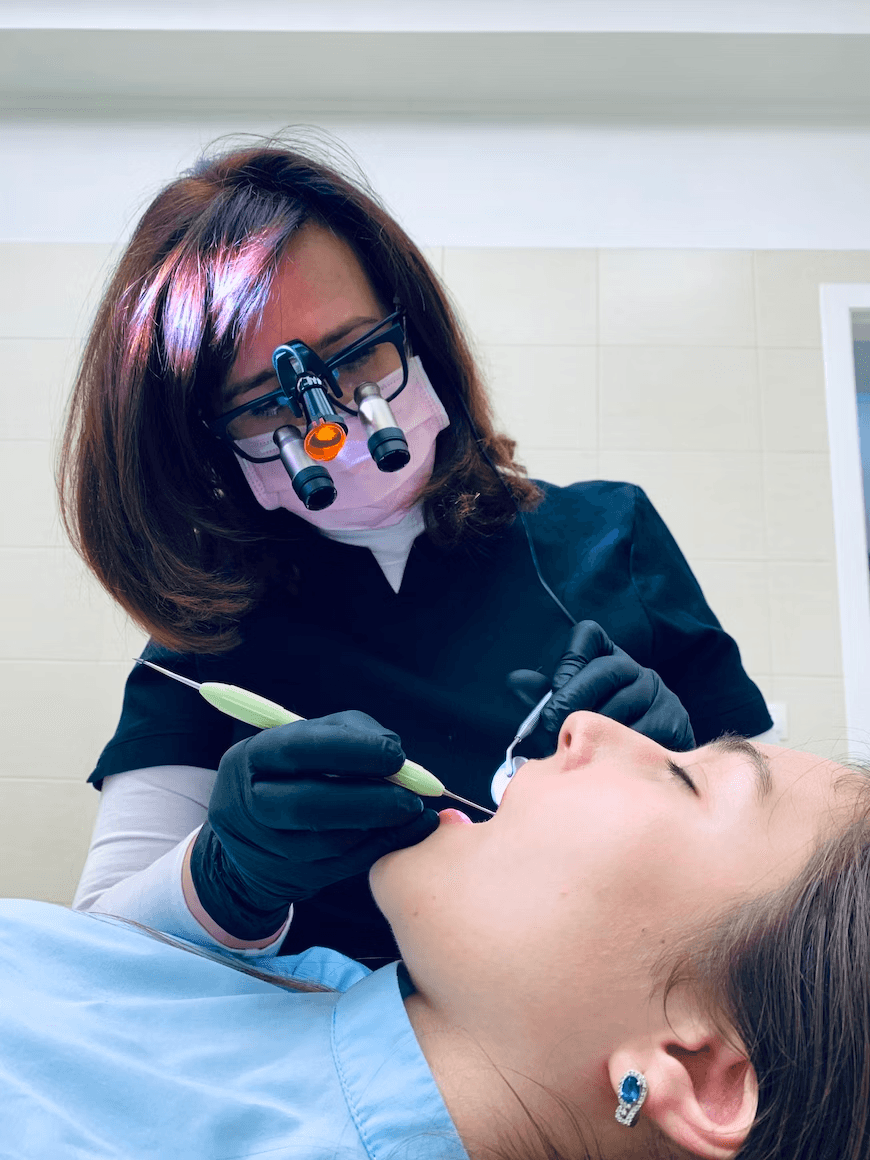
Even with home hygiene, visiting a dentist from time to time will be less trouble in the long run. Preventative dental check-ups are generally inexpensive relative to treatment.
Regular check-ups allow the dentist to catch decay early when it is less severe.
Professional cleaning removes tartar that your brush cannot handle.
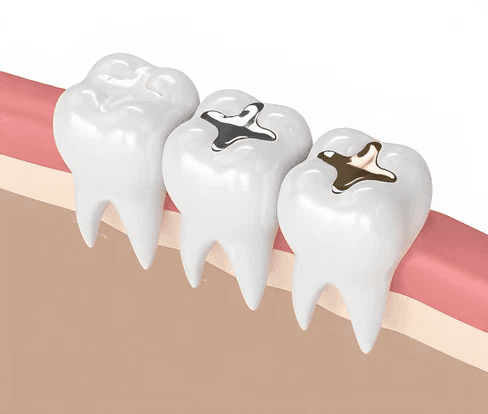
Sealants are worth the investment, too. Sealants are thin coatings applied in layers over the back teeth biting surfaces that shut out bacteria from getting into crevices.
Fluoride varnish treatments will harden enamel, actually, and will cost significantly less than fillings or crowns.
Don't wait to hurt. You don't have to wait to hurt before going to your dentist. Seeing every six months can pay you thousands down the line.

Poor oral hygiene is the leading cause of tooth decay, as inadequate brushing and flossing allow plaque and bacteria to accumulate.
When Tooth Decay Gets Serious
Not taking early warning signs seriously can pay off in a big way later. Keep an eye open for these warning signs:
- Sensitivity of hot, cold, or sweet food in teeth.
- Pits or dark spots on teeth.
- Persistent bad breath or sour taste in your mouth.
If you don't do anything, there isn't too much rot that will make it into the inner tooth structures to create infections, abscesses, or root canals and crowns, and those are painful too and costly.
Early diagnosis and simple everyday maintenance can spare you all that. So don't wait around, if you notice any of those symptoms, have it checked out immediately.
Conclusion
Shiny teeth aren't made by flashy toothpaste, they're maintained by habits in your daily life. Brushing, eating sensibly, drinking plenty of water, and using simple home remedies can work miracles on your teeth more than any costly treatment.
Prevention is not perfection, it's building blocks repeated and repeated. These small habits over time add up to gigantic cost savings and a lifetime smile.
So start today, because the best time to protect your teeth is before they start aching yet.
Frequently Asked Questions
1. Can tooth decay be reversed naturally?
Yes, early tooth decay (demineralization) can be reversed with good dental hygiene and fluoride. When it is a cavity, however, it cannot be reversed, but you can stop it from progressing.
2. Is brushing enough to prevent cavities?
almost. Brushing is required, but floss, rinse, and eat correctly, too. Cavities tend to start between teeth, areas your toothbrush can't reach.
3. Are home remedies acceptable to use every day?
The majority of home remedies such as saltwater rinses or oil pulling are okay to use properly. Just don't replace good brushing and dental visits with them.
4. Do sugar-free prevent decay?
Yes. Sugar-free gum and candy, particularly those with xylitol, decrease bacteria counts and aid in protecting your teeth.
5. How often is too often when it comes to preventing visits to the dentist?
Ideally, every six months. This will allow your dentist to professionally clean your teeth and catch small problems before they develop into large ones.