By Renew Dental ClinicPublished on
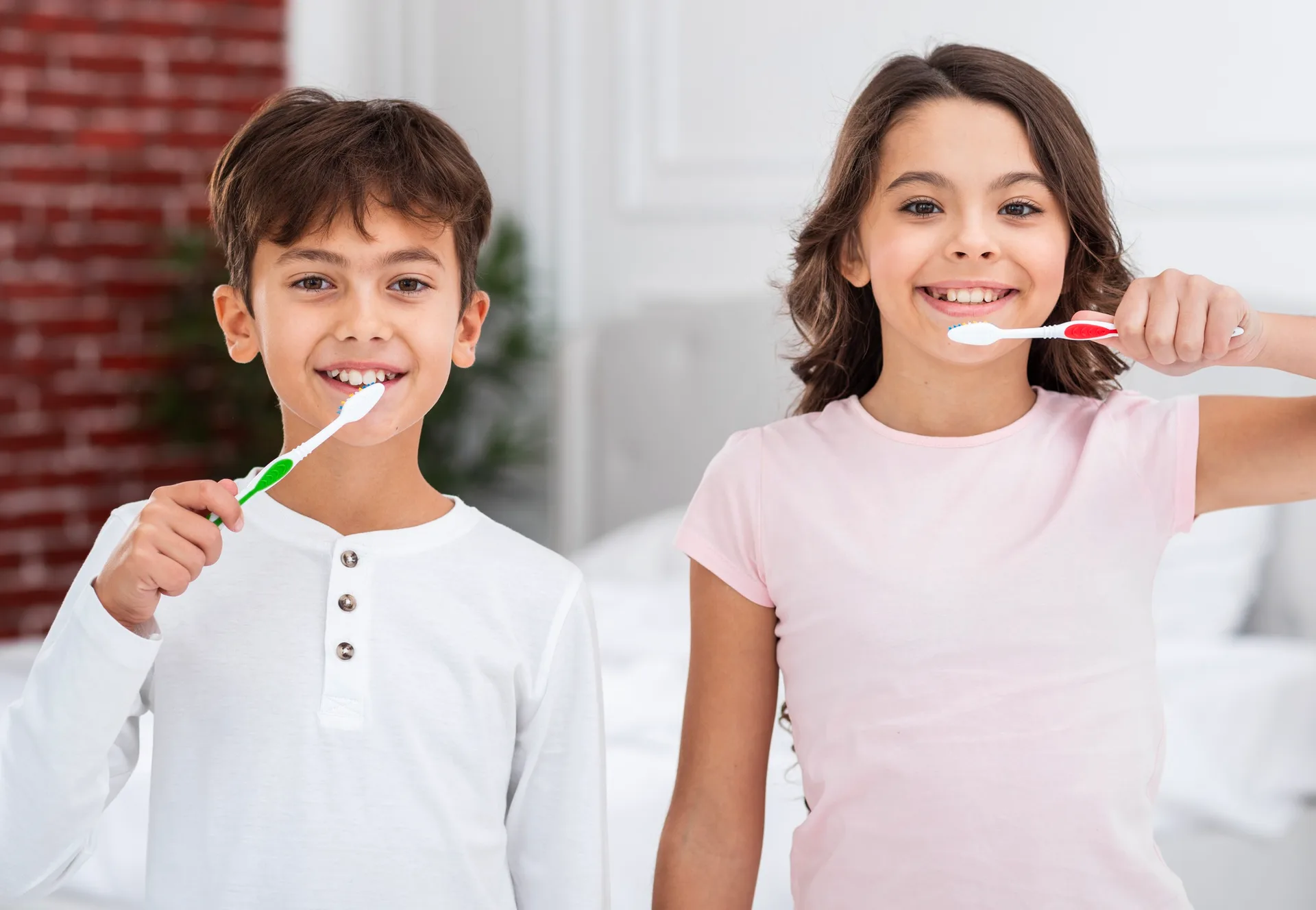
Two kids brushing their teeth, promoting healthy dental habits and the importance of daily oral care from an early age.
Two minutes. Twice a day. You've heard this since childhood. You probably also know, if you're honest, that you're not doing it.
Studies consistently show the average person brushes for about 45 seconds. A randomised trial comparing 45 seconds against 120 seconds found that the longer session removed 26% more plaque. Research from the University of Birmingham found that three minutes removes 55% more plaque than 45 seconds. The gap between what people do and what actually works is significant.
Two minutes isn't an arbitrary recommendation. It's the minimum time needed to systematically cover all tooth surfaces in a normal adult mouth — and most people are spending less than half of it.
A full adult mouth has 28 teeth. Each tooth has five surfaces: outer (facing the cheek), inner (facing the tongue), chewing surface, and two sides. That's theoretically 140 surfaces to clean, though many overlap with adjacent teeth.
In 45 seconds, most people clean the teeth they can see — the front teeth — with a few passes. The back molars, the inner surfaces of the lower front teeth (where calculus builds fastest), and the gumline (where plaque does the most damage) get a fraction of the attention.
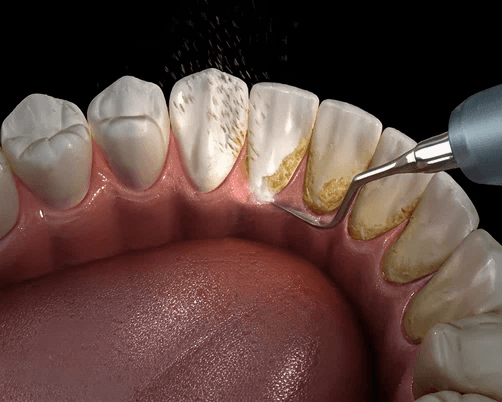
Plaque that isn't removed in 48 to 72 hours mineralises into calculus. Calculus can't be removed at home. A dentist needs to scale it off. The accumulation pattern in patients who consistently under-brush is visible on clinical examination — heavy deposits on the inner surfaces of the lower front teeth, calculus along the gumlines, and often early gum recession in the areas that never quite get cleaned.
The most common reason two minutes fails to work properly isn't the duration — it's the distribution. People brush the same teeth for the full two minutes and rush through (or entirely skip) others.
The solution: divide the mouth into quadrants and assign time deliberately.
Upper right → 30 seconds
Upper left → 30 seconds
Lower left → 30 seconds
Lower right → 30 seconds
Within each 30-second section, brush the outer surface, then the inner surface, then the chewing surface. At the end, spend any remaining time on the gumline — the small crevice where tooth meets gum is where most of the clinically significant plaque accumulates.
For most people, following this method reveals that their previous brushing completely missed certain areas. The inner surfaces of the lower back teeth are particularly neglected — they're hard to see, awkward to reach, and therefore consistently under-cleaned.
The evidence says yes, up to a point.
Three minutes removes measurably more plaque than two. Four minutes adds further benefit. Beyond four minutes, the incremental gain flattens — you're diminishing returns on surfaces that are already clean while potentially spending excessive time on enamel that doesn't benefit.
The practical recommendation remains two minutes because:
If you have braces, implants, crowded teeth, or other factors that make cleaning harder, longer or more thorough sessions — supplemented with interdental brushes or a water flosser — may be appropriate. Dr. Suchi Singh discusses this specifically with patients who have structural factors affecting their cleaning at Renew Dental Clinic in Noida.
Two minutes of vigorous scrubbing is not better than two minutes of gentle brushing. It's worse.
The most consistent finding in patients who brush too hard: wear on the enamel at the cervical area (the tooth-neck where tooth meets gum), recession of the gum tissue on the outer surfaces of the teeth being brushed hardest, and sometimes notches in the tooth surface from years of abrasive horizontal pressure.
Effective plaque removal is about bristle contact with the tooth surface, not force. The pressure needed to disrupt plaque is very light — similar to how you'd hold a pen, not how you'd grip a tool. If your bristles are splaying outward within a few weeks of getting a new brush, you're pressing too hard.
The correct technique at the gumline: hold the toothbrush at 45 degrees to the gum, so the bristles reach just under the gum margin. Use short, circular, or vibrating strokes. Not horizontal scrubbing.
Electric toothbrushes don't automatically clean better — they deliver the correct technique more reliably than most people manage manually.
The built-in timer is the most clinically useful feature of most electric brushes. The two-minute timer (often with 30-second quadrant alerts) enforces the duration and distribution that most manual brushers miss. The pressure sensor on many models prevents the hard-pressing habit that causes gum recession.
For patients who consistently under-brush, over-brush, or can't maintain good manual technique — electric toothbrushes produce better outcomes. For patients who brush correctly for the right duration with manual technique — the difference is minimal.
There's no merit in feeling superior about either choice. What matters is whether the teeth are being adequately cleaned.
Don't rinse with water after brushing.
This is genuinely counterintuitive, but it matters. The fluoride in toothpaste needs contact time with the enamel surface to do its remineralising work. Rinsing immediately after brushing washes it away before it can act.
The correct sequence: brush, spit out the excess, leave the residue. If the taste is uncomfortable, reduce the amount of toothpaste used — a pea-sized amount is all that's needed. Rinsing with mouthwash should happen at a different time from brushing, not immediately after.
If you use a fluoride mouthwash, use it after lunch — separate from the morning and evening brushing. This maximises daily fluoride exposure without any session cancelling out another.
Children under 8 lack the fine motor skills to brush effectively on their own. They can be supervised and encouraged, but a parent should brush their teeth for them or check and complete the brushing for the full two minutes.
Getting children to the two-minute mark is a genuine challenge. Approaches that work: a timer with a visual countdown, brushing alongside the child (children imitate adults), a short song or children's brushing video, or a reward system for consistent brushing. Novelty helps — letting a child choose their toothbrush within appropriate options (soft bristles, appropriate head size) creates ownership.
From approximately age 8 to 10, children can begin brushing independently, but periodic checking of technique remains useful until the early teenage years.
Should I brush before or after breakfast?
Before is generally better from a dental standpoint — you start the day with clean teeth and the fluoride has a chance to act before breakfast acid exposure. If you prefer after, wait 30 to 60 minutes if breakfast included anything acidic.
Is three minutes better than two?
Yes, modestly. But the difference between two and three minutes is smaller than the difference between 45 seconds and two minutes. Get to two minutes consistently before worrying about three.
Can children use an adult electric toothbrush?
There are child-specific electric toothbrush heads with smaller diameter and softer bristles. Using an adult head on a young child's mouth is too large to be effective or comfortable.
To book a check-up at Renew Dental Clinic, Sector 47, Noida, call (0120) 498-8333.
Monday–Saturday 10:30 AM – 8:00 PM | Sunday 11:00 AM – 2:30 PM.
 Copy
Copy
The toothbrush aisle is overwhelming. This guide cuts through it — explaining what bristle type,...
05 Aug 2026
by Renew Dental Clinic
Dental anxiety is extremely common and entirely real. This guide explains where it comes from,...
31 Jul 2026
by Renew Dental Clinic
Most people have never been told what "healthy" actually looks like in their mouth. This...
30 Jul 2026
by Renew Dental Clinic

Oral health is a part of overall well-being, but one often overlooked until it's painful...
21 Aug 2025
by Renew Dental Clinic

Discover ten easy yet powerful daily habits that can help you maintain a healthier, brighter...
03 Jul 2025
by Renew Dental Clinic
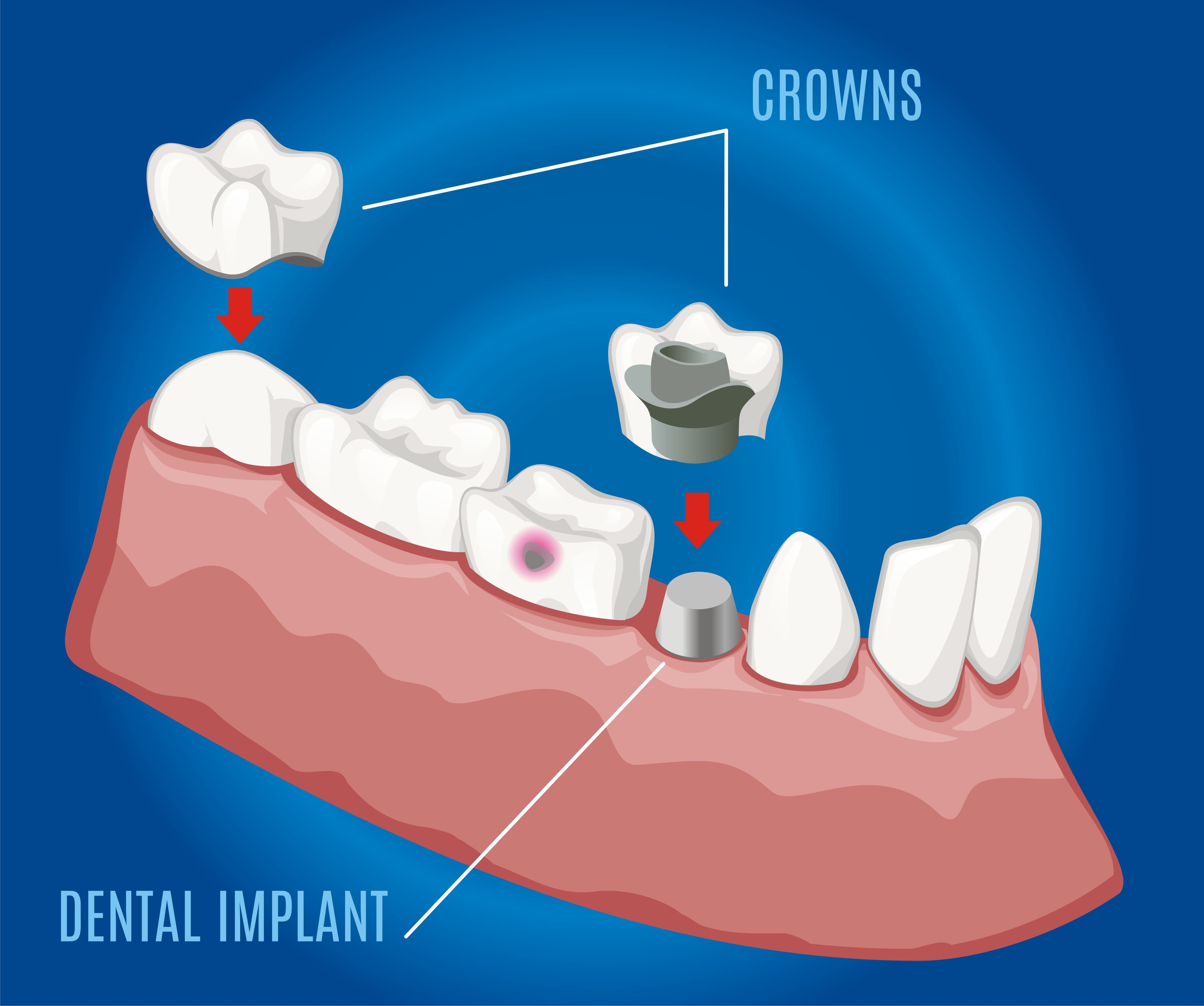
Been told you need a bone graft before an implant? This guide explains what dental...
26 Jun 2026
by Renew Dental Clinic
Water flossers are increasingly popular in India's urban markets. This guide explains what they actually...
10 Aug 2026
by Renew Dental Clinic
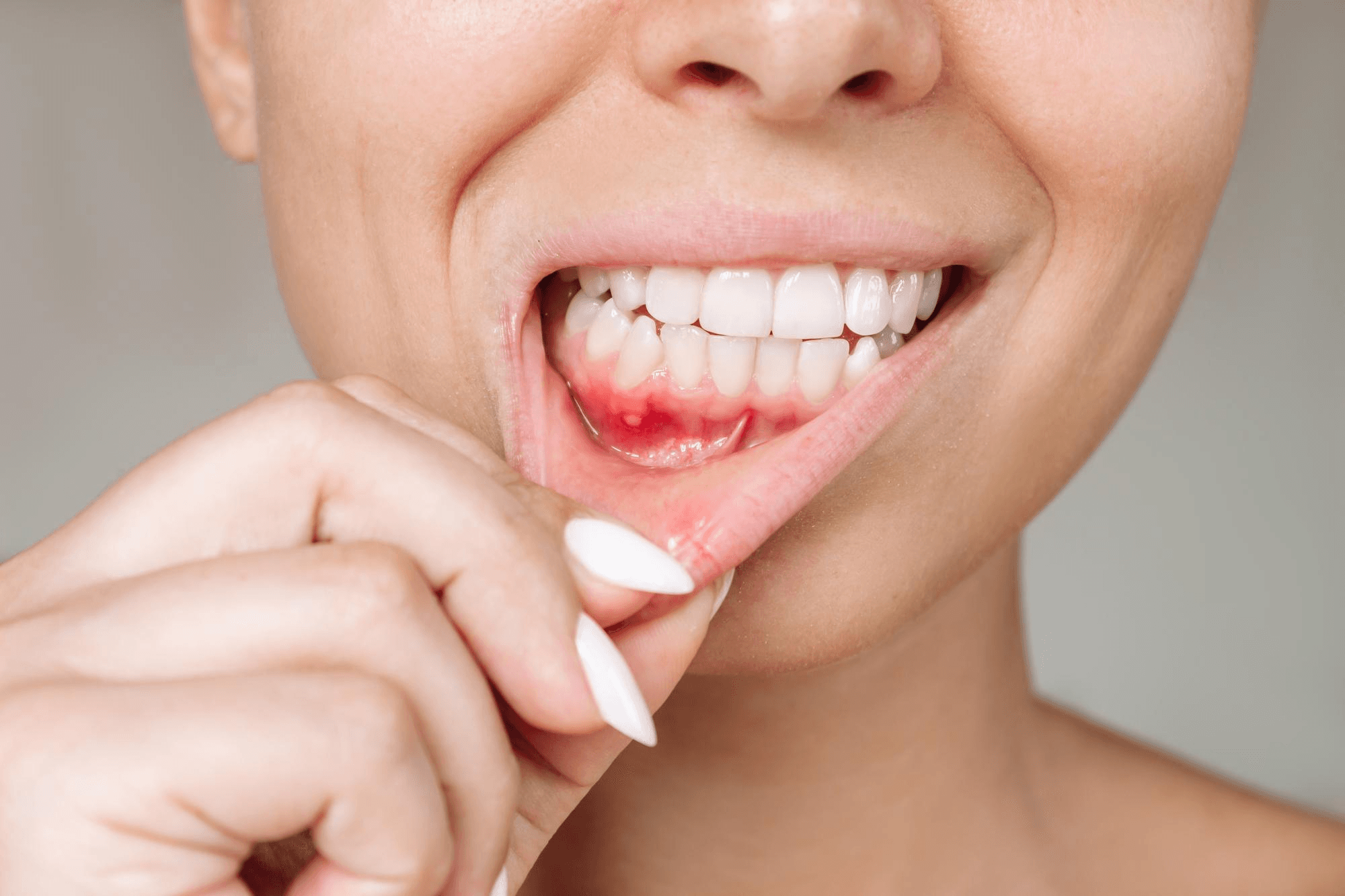
Learn about gum disease, its causes, symptoms, stages, and treatment options to protect your oral health and prevent serious dental problems.
08 May 2026
by Renew Dental Clinic
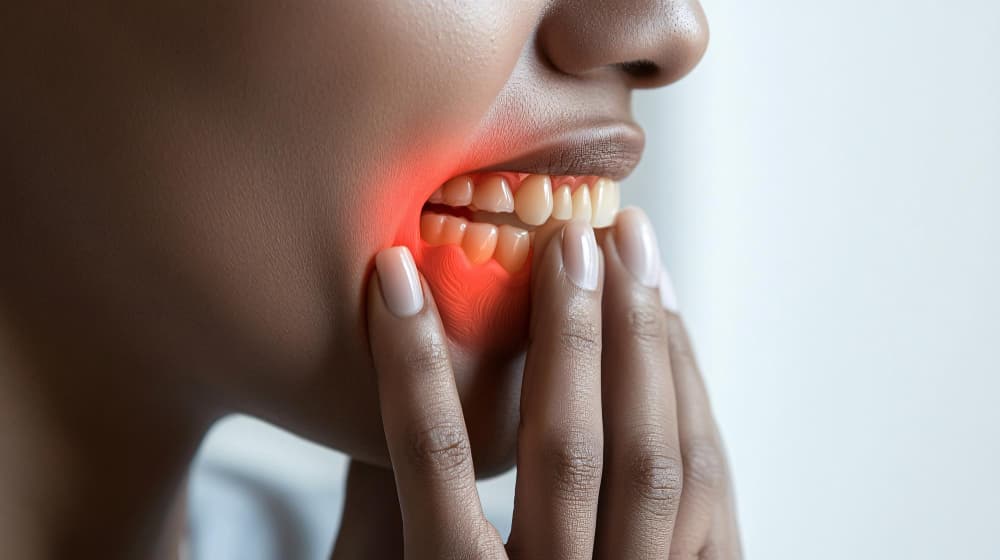
The answer to whether chewing gum is good for teeth is more interesting than yes...
23 Jun 2026
by Renew Dental Clinic
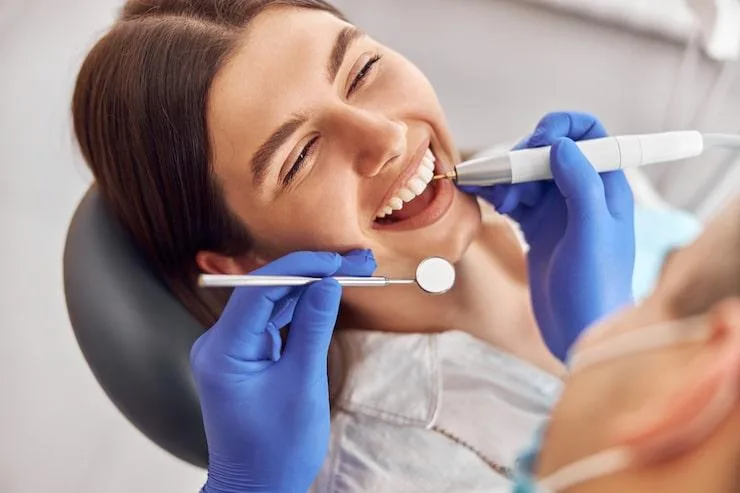
Thinking about dental implants in Noida? This complete guide covers how implants work, who qualifies,...
14 May 2026
by Renew Dental Clinic

Dilemma between dental implants and bridges? Weigh the cost, longevity, procedure, and advantages to determine which tooth replacement method is superior.
03 Oct 2025
by Renew Dental Clinic
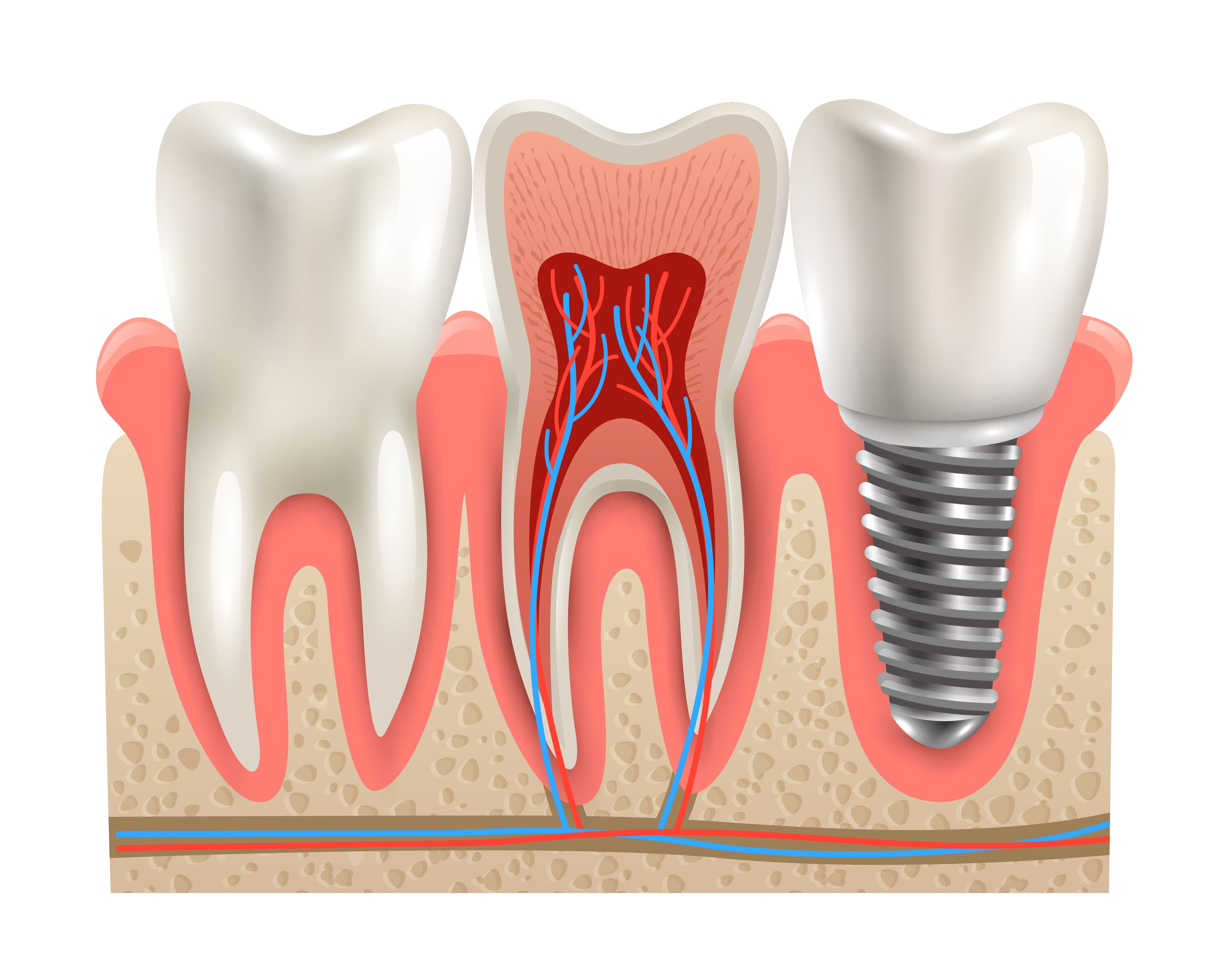
Considering dental implants in Delhi NCR? This first-timer's guide covers everything — how implants work,...
03 Jun 2026
by Renew Dental Clinic

Discover what you can do when you chip a tooth and what fix options like...
21 Oct 2025
by Renew Dental Clinic
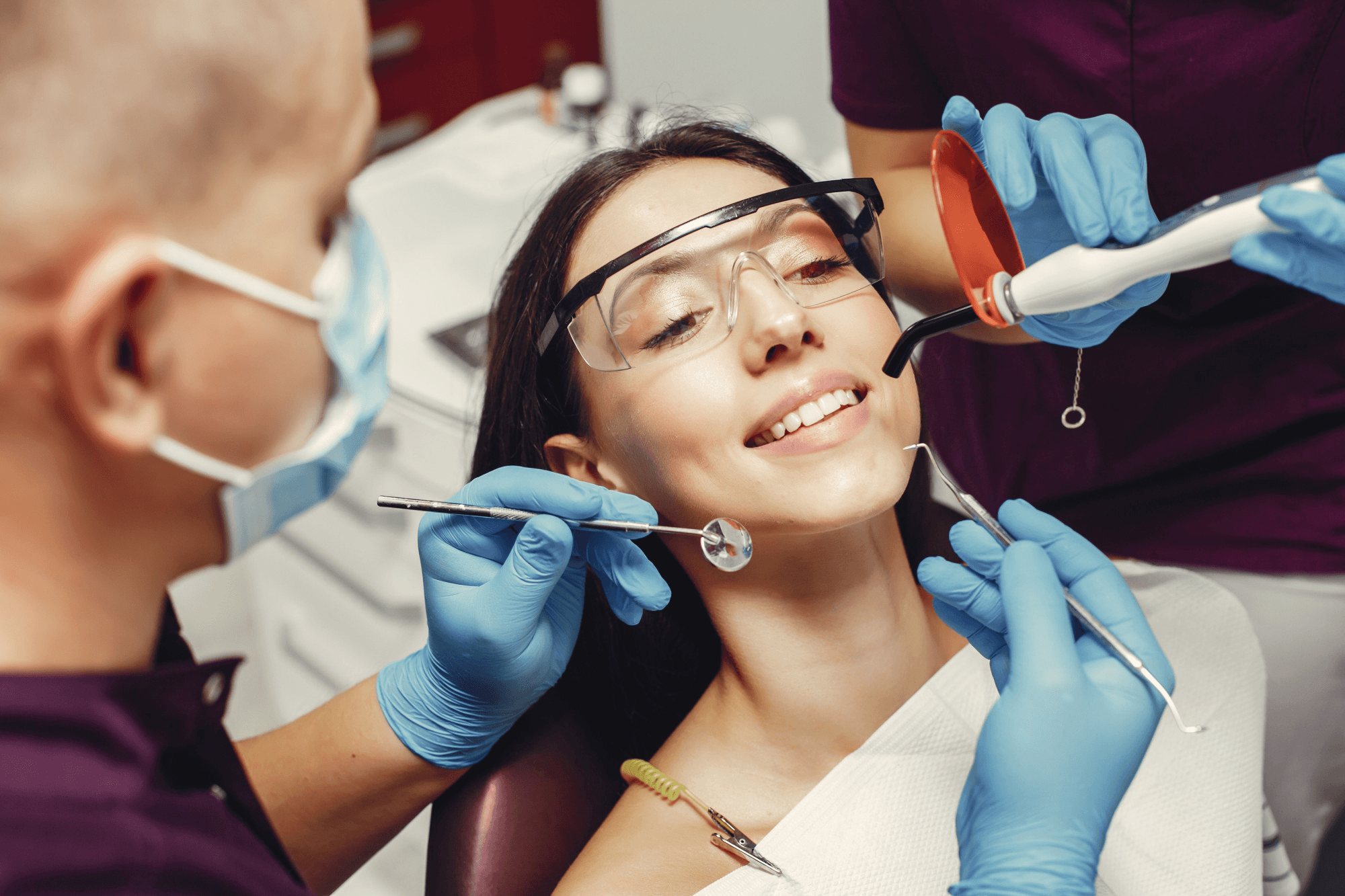
Learn about cosmetic dentistry, popular smile transformation procedures, benefits, and how treatments can improve your dental appearance and confidence.
11 May 2026
by Renew Dental Clinic

Explore the pros, cons, costs, durability, and suitability of teeth whitening and veneers. Learn which cosmetic dental procedure is best for your unique smile.
27 Jun 2025
by Renew Dental Clinic
Explore More
Discover how thousands of patients trust Renew Dental Clinic with their smiles.
I have taken my rct at Renew dental clinic.Dr.suchi is very humble and knowledgeable person .100% satisfied with doc and her treatment.
Very kind, smart, polite and cooperative. She explains everything so well and prepares patients for procedure very nicely. Very confident. Great work
I am satisfied with my RCT single sitting and painless thanku Doctor Suchi .😊
She is the best doctor in Noida
Best doc in Noida
Great Work With Best Treatment
We feel homely at clinic
Wonderful experience, the staff was extremely accomodating from start to finish.
Extremely dedicated and sincere doctor towards her patients
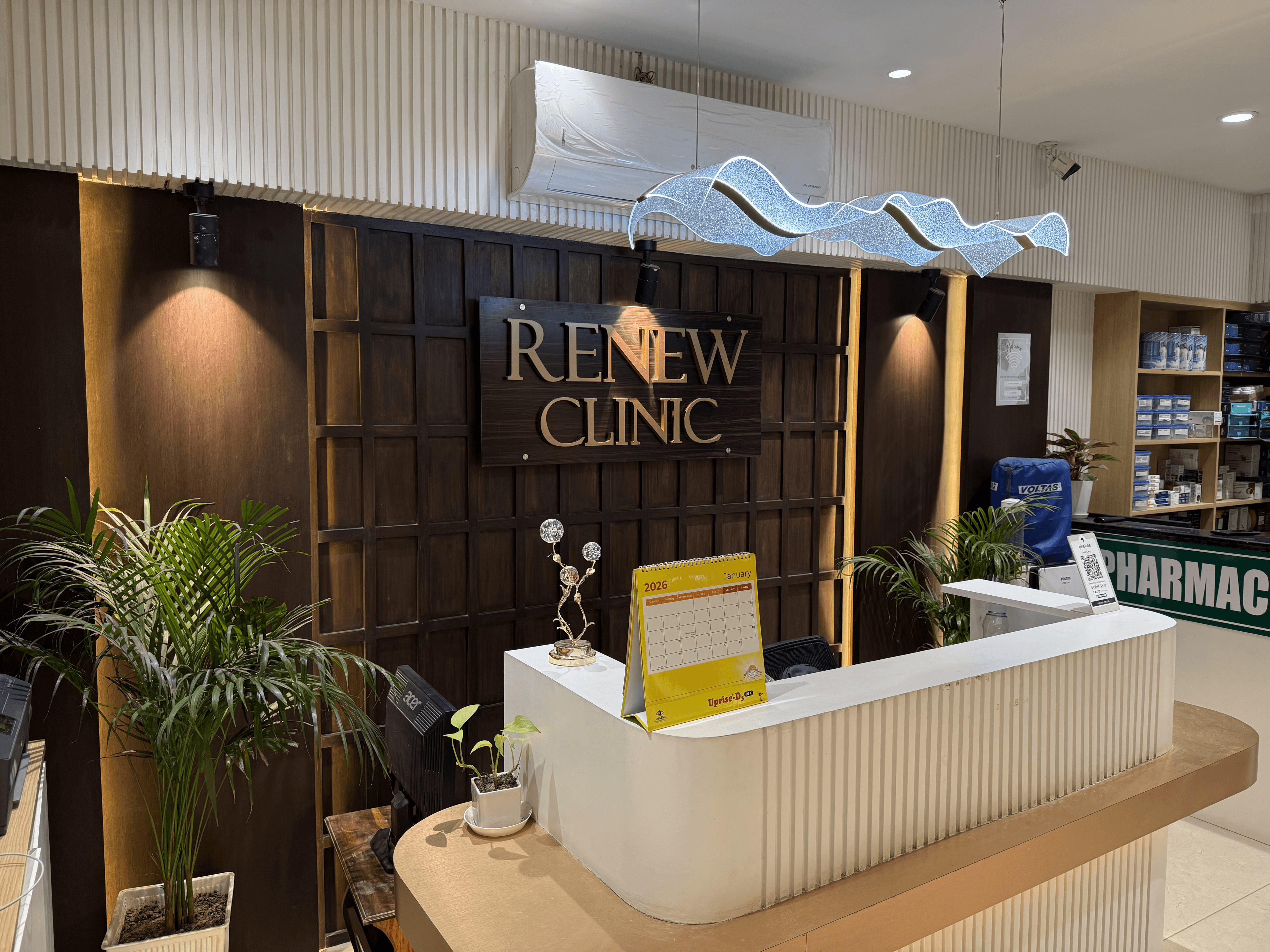
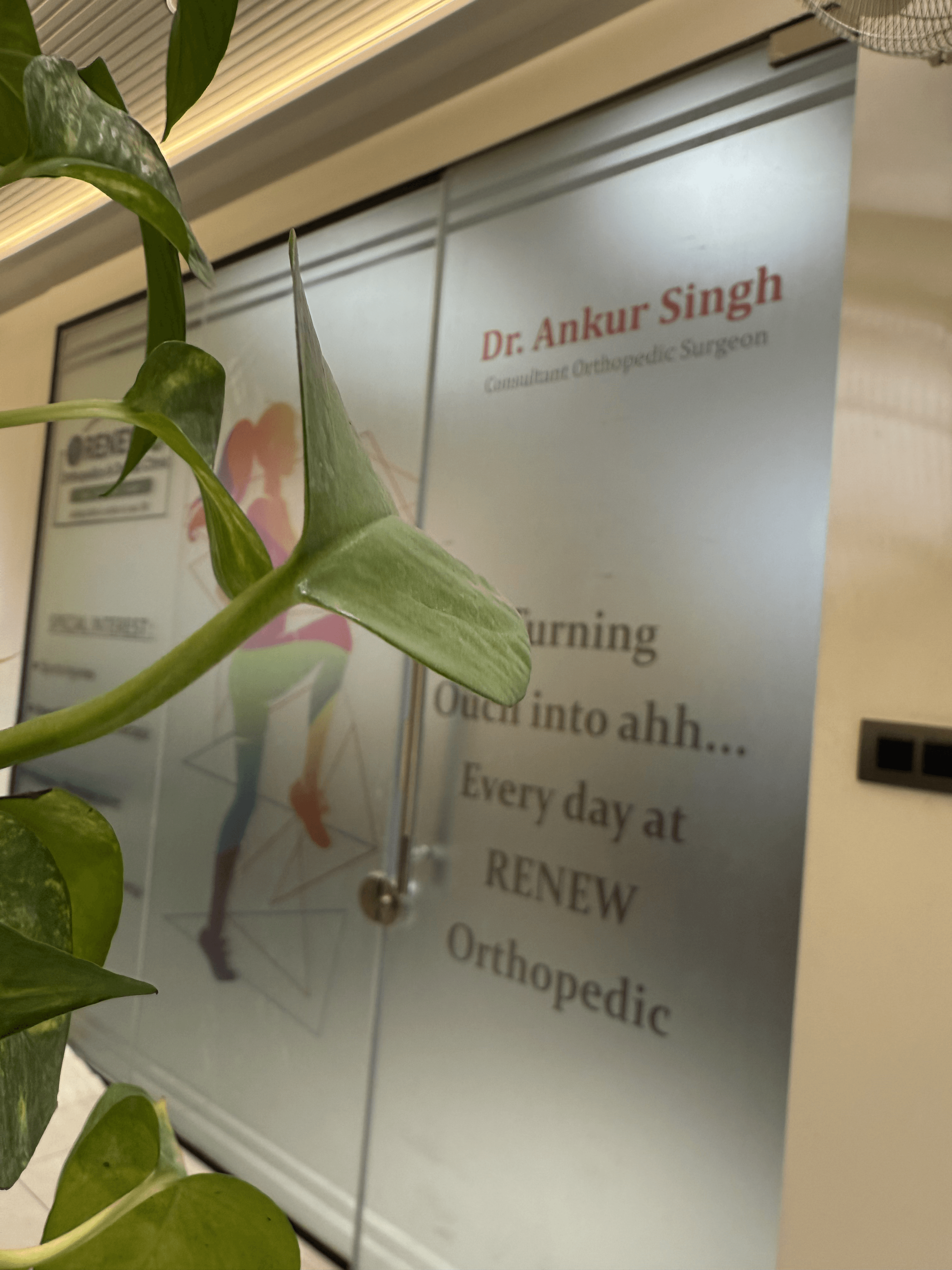
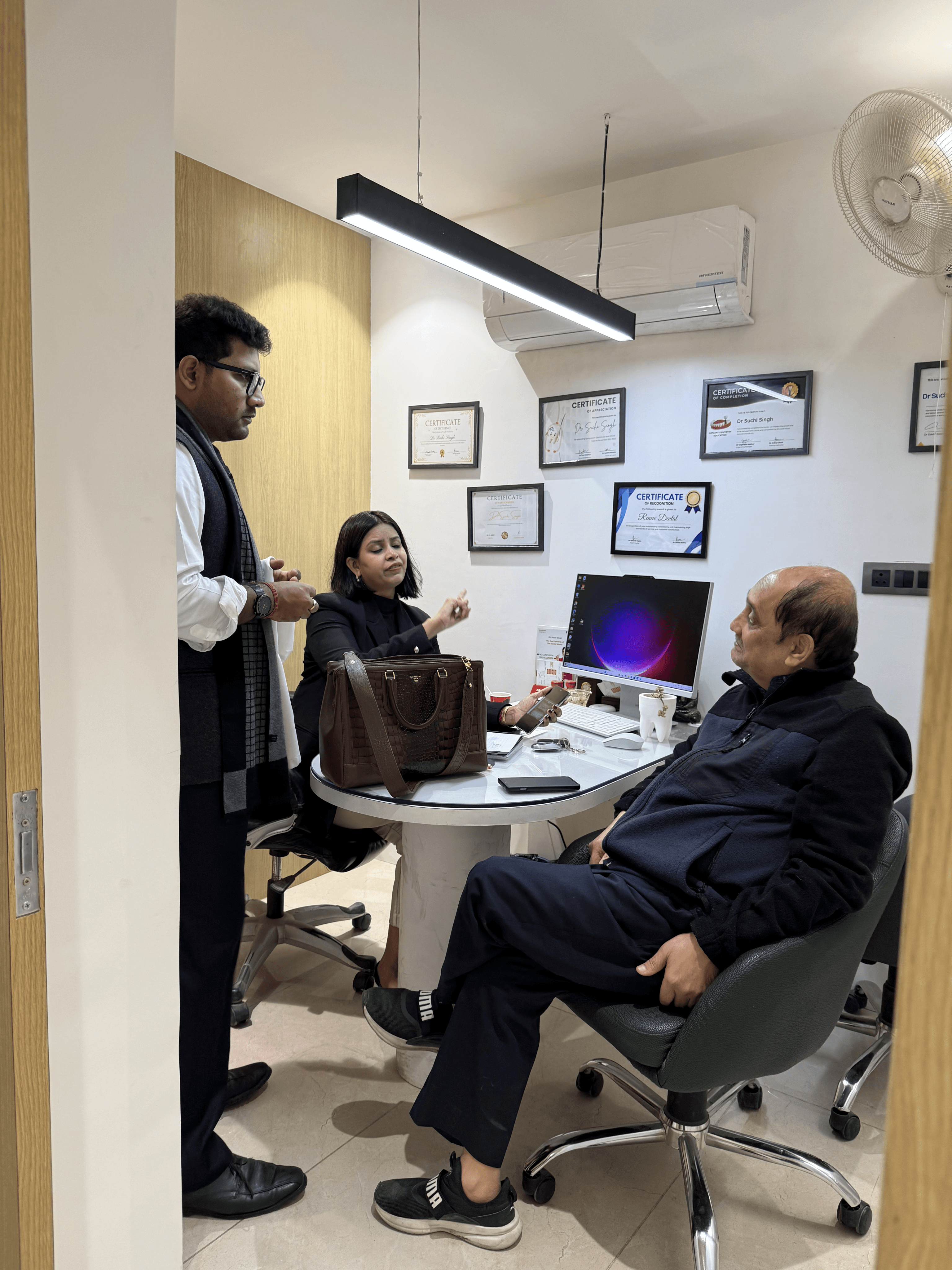
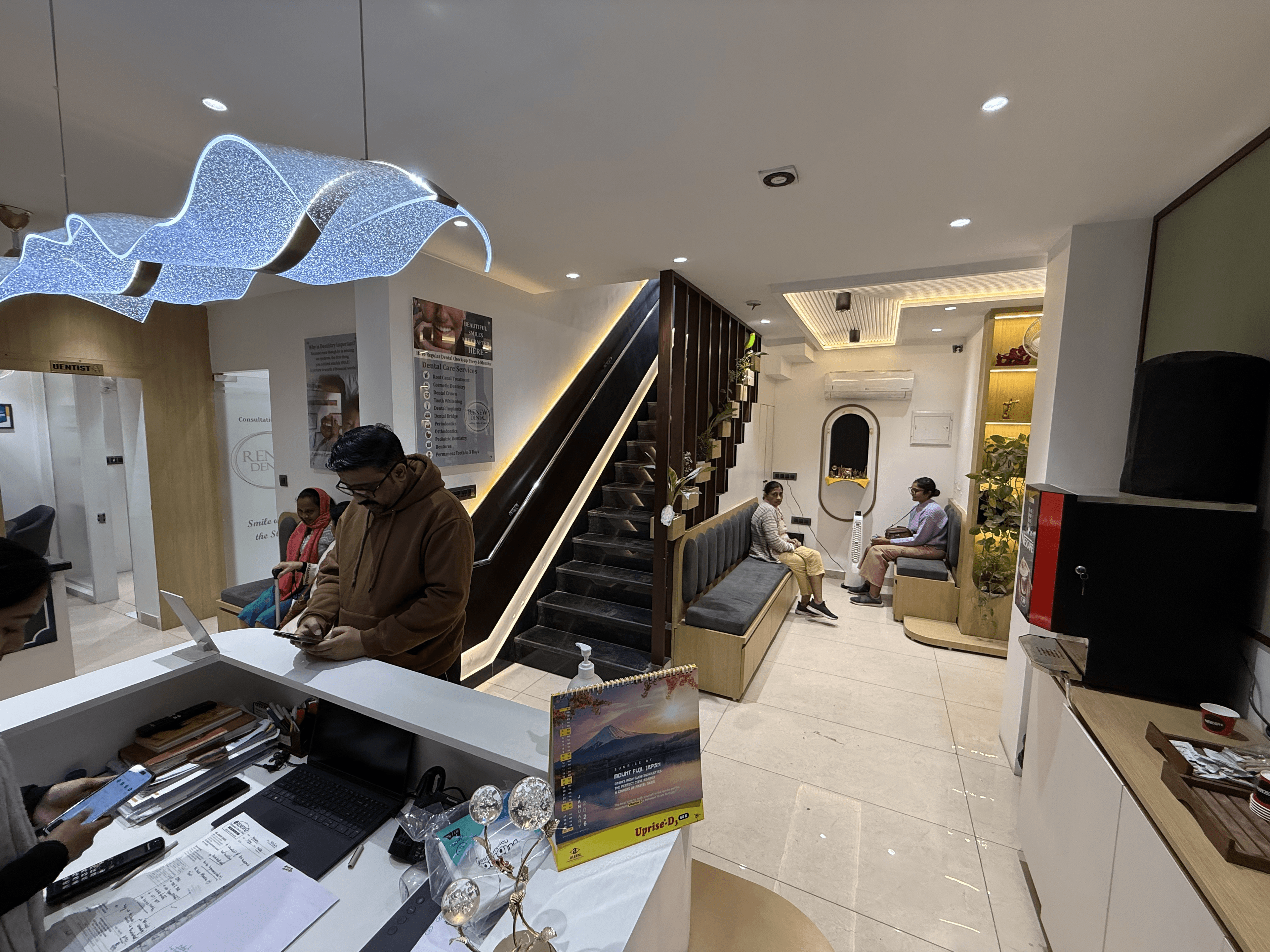
A glimpse into our modern dental clinic, advanced technology, and patient-friendly environment at Renew Dental.
Explore our thoughtfully designed clinic spaces built to provide comfort, cleanliness, and a calming experience for patients of all ages.

Best Dentist in Noida
Renew Dental Clinic located in Noida, Sector 47, is one of the leading dental clinics. Founded by Dr. Suchi Singh who is widely regarded as one of the best dentists in Noida, the clinic is committed to delivering personalised and high-quality dental care. Dr. Suchi Singh focuses on customised treatment plans designed around each patient’s unique needs, ensuring advanced, comfortable and reliable dental care at Renew Dental Clinic.

Your Trusted Dental Experts

Complete Dental Care

Friendly Dental Space

No Hidden Charges

Two trusted dental clinics in Noida — Renew Dental (Sector 47) and Tooth & Truth (Sector 34) — for gentle, modern care.

Renew Orthopedic Clinic, A-321, Basement Floor, Next to Mother Dairy Store, Sector 47, Noida, Uttar Pradesh 201303
 +91 99710 35300
A-98/A, Block A, Sector 34, Noida, Uttar Pradesh 201307
+91 99710 45002© 2026. All rights reserved | Designed and Developed by Zarle Infotech