Hypocalcification of Teeth — Causes, Symptoms, and Treatment Options

Man checking his teeth and looking disturbed.
White or chalky spots on teeth confuse a lot of patients. They often assume it's decay, or that they've done something wrong with their oral hygiene, or that they've been given too much fluoride. In many cases, the real explanation is hypocalcification — a developmental defect in enamel formation that has nothing to do with current brushing habits and occurred years before the affected tooth even erupted.
Understanding what hypocalcification actually is — and what it isn't — matters, because the treatment approach differs considerably from cavity treatment.
What Is Hypocalcification?
Tooth enamel is formed by cells called ameloblasts, and only during tooth development. Once a tooth erupts, those cells are gone. Any defect in enamel formation is permanent — it cannot be corrected by the body after eruption.
Hypocalcification is one such defect. The enamel forms in the correct thickness but with reduced mineral content — specifically, reduced calcium and phosphate incorporation. The result is enamel that's structurally present but weaker and more porous than normal. It appears white, opaque, chalky, or yellowish-brown rather than the translucent, slightly yellowish-white of healthy enamel.
It's distinct from:
Hypoplasia — where enamel is thinner than normal (a quantity defect), not just less mineralised (a quality defect). Hypoplasia often presents as grooves, pits, or areas where enamel is physically missing.
Cavities — which are caused by bacterial acid dissolving enamel from the outside in. Hypocalcification is a developmental defect from within, occurring before the tooth erupted.
Fluorosis — caused by excess fluoride intake during enamel development, producing a specific pattern of white spots, streaking, or brownish mottling. Mild fluorosis and hypocalcification can look similar; the history of fluoride exposure during childhood helps distinguish them.
Why Does It Happen?
Ameloblasts are sensitive cells. Any disruption to their function during the specific period when enamel is forming can impair mineralisation. The timing of the disruption determines which teeth are affected.
1. Systemic illness during early childhood
High fevers, hospitalisation, or significant illness during the first 3 years of life can disrupt enamel formation in the permanent teeth that are developing during that period — typically the first permanent molars and upper central incisors. This is so common it has its own name: Molar-Incisor Hypomineralisation (MIH), affecting these specific teeth in roughly 10 to 15% of children globally.
2. Nutritional deficiency during tooth development
Calcium and vitamin D deficiencies during infancy and early childhood are associated with hypocalcification. This is a factor in populations with limited dietary diversity or sun exposure.
3. Premature birth and low birth weight
Preterm infants have disrupted enamel formation in both primary and permanent teeth due to the physiological stresses of early birth.
4. Antibiotic use in early infancy
Amoxicillin use in the first year of life has been associated with MIH in multiple studies — a finding that surprised researchers but has been replicated enough times to take seriously.
5. Maternal illness or medication during pregnancy
The primary teeth of children begin forming during fetal development. Illness, medication, or vitamin deficiency in the mother during pregnancy can affect primary tooth enamel quality.
In many cases, no specific cause is identified. The enamel defect is the only sign that something disrupted ameloblast function during a window that's long past and unrecoverable.
What Hypocalcification Looks Like
The appearance varies depending on severity:
Mild: White or cream-coloured spots or patches on the tooth surface, typically visible but not associated with any breakdown of the enamel surface.
Moderate: Yellow or brownish discolouration in the affected areas. The enamel may start to feel rougher or more porous.
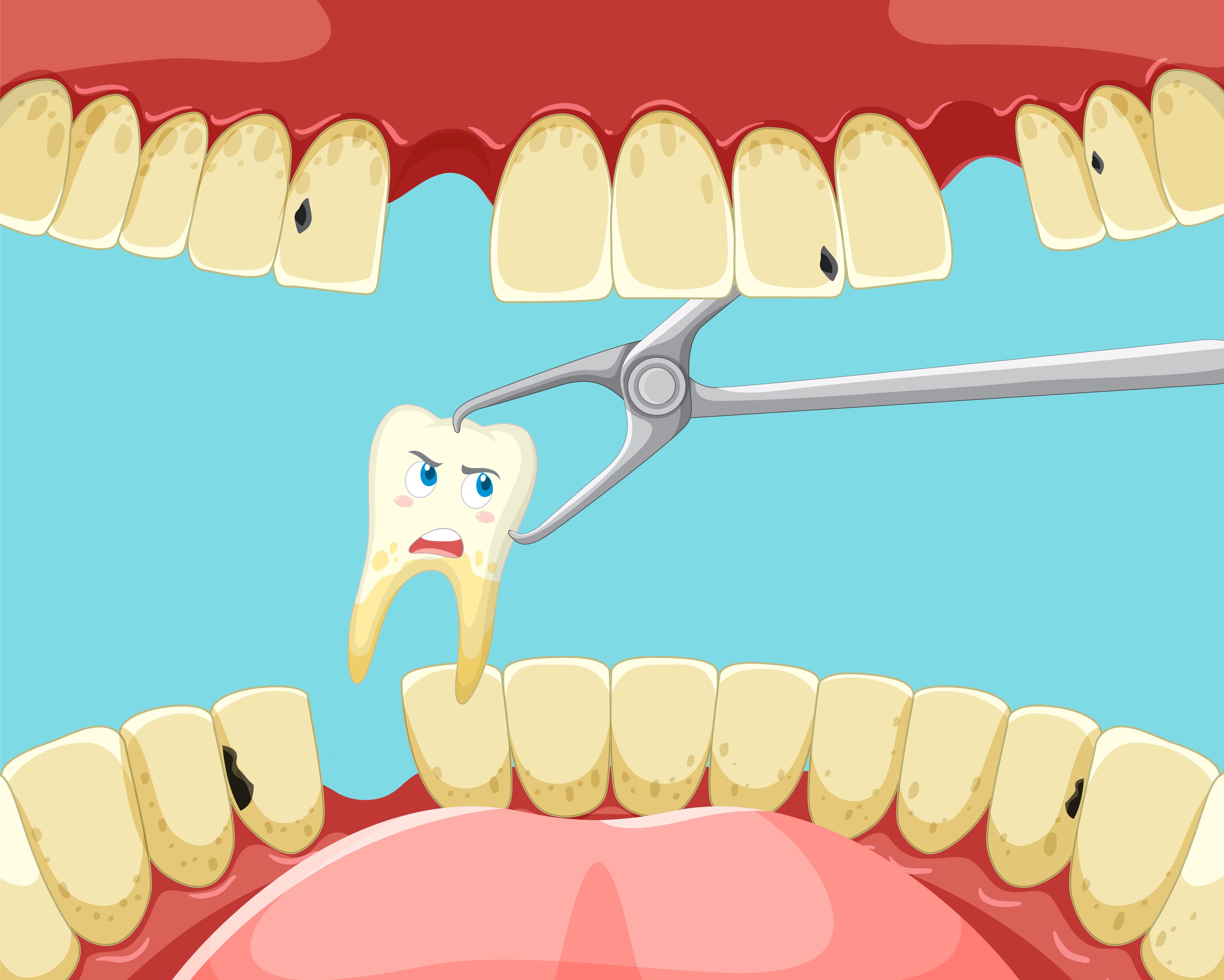
Severe: The enamel in the affected areas breaks down and chips away — sometimes quite rapidly, particularly on molars where chewing forces are concentrated. This can expose the underlying dentine, causing sensitivity, and opens the door to rapid decay in the porous, weakened enamel at the margins of the defect.
MIH specifically affects the first permanent molars — the large back teeth that erupt around age 6 — and often the upper central incisors. Parents frequently notice white or brownish patches on a child's newly erupted first molars and assume decay. The distinction matters for treatment planning.
Is It More Prone to Decay?
Yes, significantly. Hypocalcified enamel is more porous than normal. This has two consequences.
First, bacteria and their acid products penetrate it more readily. Second, it's structurally weaker and more prone to breakdown under chewing forces — particularly on molars. Children with MIH often develop decay in the affected molars even with good oral hygiene, because the enamel simply can't defend itself the way normal enamel can.
This isn't the child's fault. It's a structural vulnerability that requires management, not blame.
Treatment Options
Treatment depends on the severity of the defect, which teeth are affected, and the patient's age.
1. Fluoride application and monitoring (mild defects)
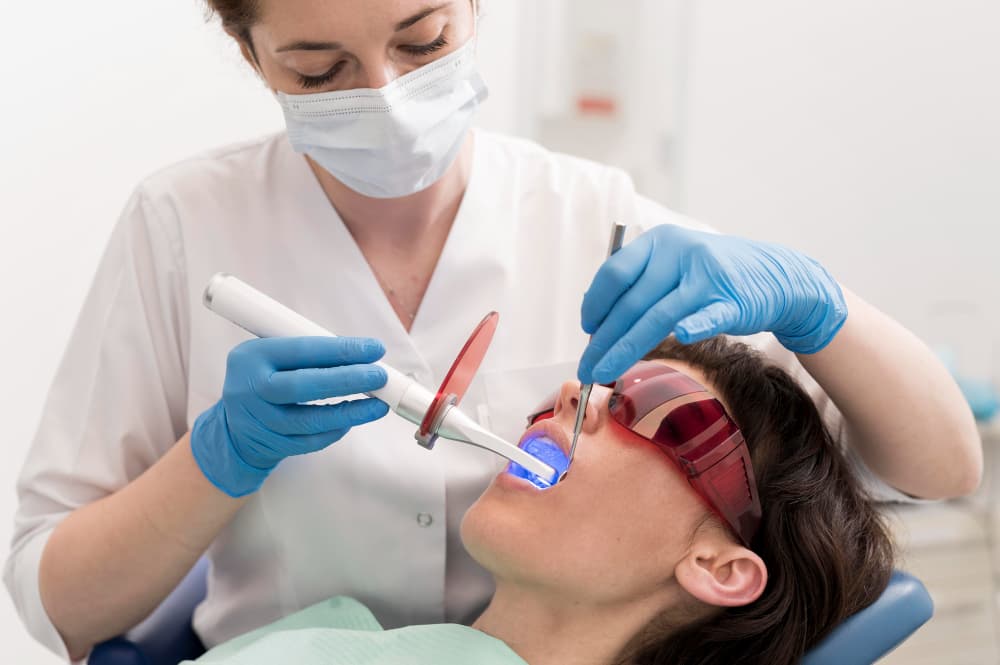
For mild hypocalcification affecting the enamel without surface breakdown, intensive fluoride treatment — professional fluoride varnish at the dental clinic, high-fluoride prescription toothpaste at home — can strengthen the affected enamel and reduce cavity risk. Not a restoration, but a protective measure.
2. Composite resin sealing
For slightly more severe defects without significant breakdown, the affected surface can be etched and sealed with composite resin — sealing off the porous enamel and reducing bacterial penetration. This is more conservative than a full filling.
3. Composite resin restoration (filling)
When hypocalcified enamel has begun to break down or where decay has developed in the defective enamel, a composite filling addresses the structural loss.
4. Dental crown
For severely affected first permanent molars in children, where extensive enamel breakdown has occurred, a stainless steel crown (for children) or a porcelain/zirconia crown (for adults and older teenagers) provides full coverage and protection. This is sometimes the only practical way to preserve a molar with very extensive MIH-related damage.
5. Extraction (last resort)
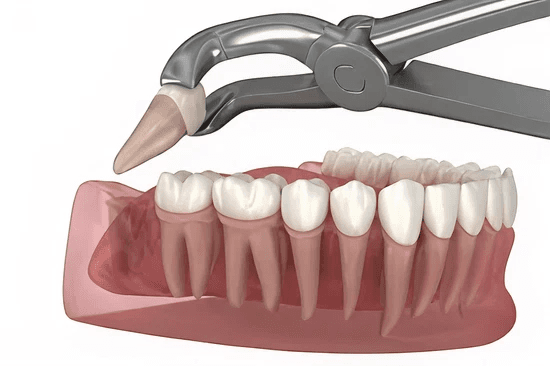
In some cases of very severe MIH affecting first permanent molars — particularly when damage is extensive before the patient presents for treatment — extraction may be considered. This is a complex decision that takes into account whether the second molar and wisdom tooth can compensate for the missing first molar. It's discussed with families honestly before proceeding.
6. Aesthetic treatment for anterior teeth
For hypocalcification affecting the upper front teeth — white or brownish spots visible when smiling — treatment options range from microabrasion (gently removing the discoloured outer layer of enamel if the defect is superficial) to composite bonding to veneers, depending on the extent of the defect.
When Is It Diagnosed?
Ideally, at the time the affected teeth erupt — which for the first permanent molars is around age 6. This is why regular dental check-ups from childhood are valuable. Early diagnosis allows protective treatment before breakdown occurs.
In practice, many patients at Renew Dental Clinic in Noida present with hypocalcification in their 20s or 30s, having lived with white or brownish spots they assumed were cosmetic. Sometimes they're accompanied by sensitivity or early decay in the affected areas; sometimes they've been asymptomatic.
At Renew Dental, Dr. Suchi Singh assesses the severity of enamel defects, distinguishes hypocalcification from early decay or fluorosis, and recommends treatment proportionate to the clinical picture — not the most invasive option by default.
Frequently Asked Questions
1. Can white spots from hypocalcification be whitened?
Standard teeth whitening doesn't address hypocalcification. The spots are structural, not staining. For mild superficial discolouration, microabrasion can sometimes blend them with the surrounding enamel. For more significant defects, composite bonding or veneers are more appropriate.
2. Is hypocalcification hereditary?
It can have a hereditary component, but it's more often related to developmental factors — illness, nutrition, or medication during the enamel-forming period. It's not primarily a genetic condition.
3. My child has white spots on their first molars — is it decay?
Possibly, but possibly not. MIH is common and looks similar to early decay. A dental assessment distinguishes them based on the appearance, texture, and distribution of the spots. The treatment is different for each, so getting the diagnosis right matters.
4. Will it affect permanent teeth if it's on baby teeth?
Defects in primary (baby) teeth don't directly cause defects in permanent teeth. But if primary teeth are lost early due to severe hypocalcification-related decay, there can be space issues for the permanent teeth.
Get Enamel Defects Assessed at Renew Dental, Noida
White or brownish spots, unusual tooth sensitivity, or teeth that seem to chip or break more than expected — these warrant assessment.
Renew Dental Clinic, Sector 47, Noida. To book with Dr. Suchi Singh, call (0120) 498-8333.
Monday–Saturday 10:30 AM – 8:00 PM | Sunday 11:00 AM – 2:30 PM.