The Link Between Heart Health and Dental Care

Gum disease (periodontitis) increases inflammation throughout the body, which can contribute to inflammation in the blood vessels, one of the risk factors for heart disease.
Most people think dental care involves clean teeth and a bright smile, but the connection between oral health and your heart goes much deeper. Over the past couple of years, various scientific studies have identified the strong link between gum disease and cardiovascular problems. This is because both oral health and heart function share some important factors, including bacteria and inflammation.
The purpose of this blog is to explain how oral health affects the heart, how gum disease contributes to heart complications, who stands at a higher risk, what the important warning signs are, and the best prevention strategies available. Such an understanding of the connection can help in safeguarding both your smile and heart health through simple day-to-day routines.
How Oral Health Affects the Heart?
The mouth is the entry for bacteria
Your mouth is a host to millions of bacteria, most of which do not pose any threat. However, when your oral hygiene becomes poor, these harmful bacteria multiply and build up in your gums. Gum disease inflames the soft tissues of your gums, and entry into the bloodstream is very easy for bacteria. Once inside, the bacteria travel with blood vessels and can cause inflammation in a number of parts of the body, such as the heart. This inflammation can affect the blood vessel walls, making them weak and thus more prone to plaque deposition.
Inflammation and Heart Disease
Chronic inflammation is one of the top heart disease risk factors. Inflammation of the gums, periodontal inflammation, also raises the level of inflammatory markers such as CRP, or C-reactive protein. Higher CRP levels are linked to an increased risk of atherosclerosis, a condition wherein the arteries narrow and harden. As arteries narrow, blood flow to the heart reduces, thereby increasing the risk for heart attack, chest pain, or stroke. For this reason, untreated gum disease is considered one of the risk factors for cardiovascular problems.
Gum Disease and Increased Heart Risk
Through various research, it has been established that persons with periodontal disease are more prone to heart attacks and strokes. This is because gum disease continuously releases bacteria and inflammatory chemicals into the bloodstream that pressurize the cardiovascular system. Also, poor oral hygiene will increase problems associated with one's heart condition. It may also weaken the body's natural defenses against infection and increase the vulnerability to other serious health issues.

Bleeding gums, bad breath, and loose teeth aren’t just dental problems, they may indicate active inflammation that can affect heart health.
Bleeding gums, bad breath, and loose teeth aren’t just dental problems, they may indicate active inflammation that can affect heart health.
Dental Problems Commonly Linked with Heart Conditions
Gingivitis
Gingivitis is the initial stage of gum disease characterized by swollen, tender, and bleeding gums.
If untreated, mild gingivitis may advance to chronic inflammation. This could, over time, affect the blood vessels. Low-grade inflammation due to periodontitis may act as a contributing factor to the early development of heart issues. To reduce systemic inflammation, it is quite important that one treats gingivitis.
Periodontitis (Advanced Gum Disease)
Periodontitis is a serious condition in which the gum tissues pull away from the teeth and form pockets. Over time, these pockets deepen and allow accumulation of bacteria that lead to progressive infection and inflammation.
Recent studies have also shown that a person with periodontitis who is not treated will increase his or her chances of having a heart attack due to chronic bacterial dissemination and inflammation. Appropriate diagnosis and professional periodontal treatment avert the possibility of long-term cardiovascular complications.
Dental Infections
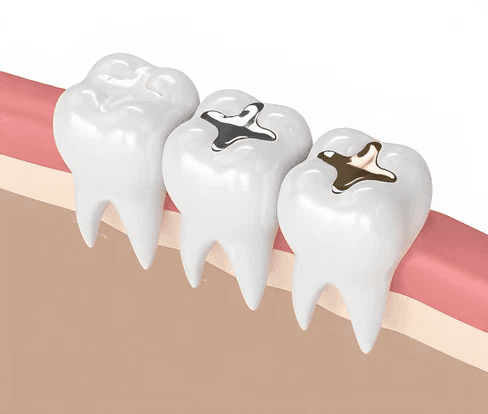
Other than the pain, cavities and abscesses that have not been treated are dangerous to one's health. Such an advanced infection opens a way for the bacteria to enter one's bloodstream and may cause an overall inflammation response able to affect one's heart valves and result in a grave disease called infective endocarditis. Therefore, timely dental treatment is quite essential.

People with diabetes, who are already at higher risk of heart disease, are even more vulnerable to gum infections, making oral care essential.
People with diabetes, who are already at higher risk of heart disease, are even more vulnerable to gum infections, making oral care essential.
Who is at higher risk?
People with Diabetes
Diabetes diminishes the body's response to infection, allowing gum infections to progress. This combination of high blood sugar, gum disease, and inflammation can significantly raise the risk of heart disease. Poorly managed diabetes may have a deleterious effect on oral and heart health.
Smokers
It reduces blood flow to the gums, weakens immunity, and results in increased plaque formation. Smokers are much more prone to periodontitis and are at higher risks of heart attacks and strokes. This shows just how important quitting is due to the combined effects that smoking has on both dental health and the heart.
Subjects with Pre-existing Heart Conditions
Those with heart diseases have to be more careful about oral hygiene. Certain forms of heart disease predispose people to infections, and these include bacterial infections starting in the mouth. Maintenance of dental hygiene helps in preventing complications such as infective endocarditis.
Warning Signs You Should Never Ignore
If you notice the following signs, you may have an underlying gum disease affecting your heart:
- Bleeding gums
- Bad Breath Persisting
- Swollen, tender, or red gums
- Loose or shifting teeth
- Receding gums, or shrinking gums
These signs are not only harmful to your teeth but also may be symptoms of inflammation that affects your cardiovascular system. Early detection and treatment protect both your oral health and your heart.

Studies show a strong association between poor oral health and a higher risk of heart attack and stroke, especially when gum disease is left untreated.
Studies show a strong association between poor oral health and a higher risk of heart attack and stroke, especially when gum disease is left untreated.
How to Protect Your Heart Through Better Dental Care?
Maintain Daily Oral Hygiene
Good oral hygiene reduces the development of bacteria and prevents gum disease. Follow these key habits: Brush your teeth twice a day with fluoride toothpaste. Floss at least once a day. Use antibacterial mouthwash to help reduce injurious bacteria. These simple steps reduce inflammation and bacterial load, hence promote good heart health.
Regular Dental Check-ups
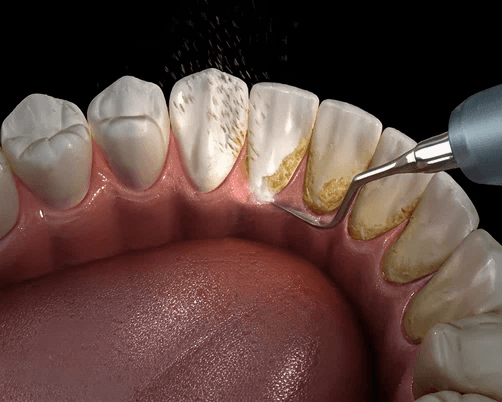
Visiting your dentist every six months allows early detection of gum disease, infections, and plaque buildup. Professional cleaning removes tartar that brushing cannot reach, thus lowering the risks of bacteria entering the bloodstream. This reduces overall inflammation, a benefit to your heart.
Healthy Diet for Teeth and Heart
A proper balance in the diet is quite important for health reasons. Such a balance should include:
- Fiber-rich fruits and vegetables
- Leafy greens
- Omega-3-rich foods include salmon, walnuts, and flaxseeds.
- Nuts and seeds
- Avoid excessive consumption of sugary and acidic foods, which create plaques on teeth and inflame them.
Quitting Smoking
It improves circulation, strengthens immunity, and decreases bacterial growth in the mouth. A few months after quitting, the risk of developing gum disease and heart disease decreases substantially.
Managing Conditions Like Diabetes & High Blood Pressure
Good management of diabetes and blood pressure minimizes the levels of inflammation and plaque formation in arteries, while making gum disease easier to manage and reducing heart complications.

Regular dental cleanings help reduce harmful bacteria in the mouth, lowering the risk of them spreading to the bloodstream.
Regular dental cleanings help reduce harmful bacteria in the mouth, lowering the risk of them spreading to the bloodstream.
When to see a dentist or cardiologist
These include excessive bleeding from the gums, aching of the teeth, continued swelling, and any subsequent infection signs and symptoms. Patients with heart disease, diabetes, or weakened immunity should also see a dentist and cardiologist on a regular basis. Combined evaluations will help in early identification of risks and prevention of serious complications 8.
Conclusion
The connection between your mouth and heart is much stronger than you may think. Poor oral habits promote inflammation, allow bacteria to gain entrance into the bloodstream, and are linked to an increased prevalence of cardiovascular disease. One can protect the heart by paying attention to good dental habits, going for regular check-ups, managing health conditions, and eating a healthy diet. Taking care of one's teeth is not only about averting cavities, but also a very crucial step toward maintaining a healthy heart and living a healthier life.
Frequently Asked Questions
1. Can gum disease really cause heart problems?
Yes, it is. Gum infection heightens inflammation in the bloodstream, which could lead to heart disease and clogged arteries.
2. How does poor oral hygiene affect the heart?
Bacteria in the mouth can enter the bloodstream and increase inflammation, raising the risk of heart attack and stroke.
3. Do heart patients develop dental problems more frequently?
Yes, heart patients either have low immunity or are on medications that can affect the gums and increase the tendency for infections.
4. Can better dental hygiene lower the risk of heart disease?
Of course, regular brushing, flossing, and dental check-ups reduce bacterial load and inflammation, hence are beneficial to heart health.
5. How often should I see a dentist for heart health protection?
At least twice a year or more often if you have gum disease, diabetes, or heart conditions.