By Renew Dental ClinicPublished on
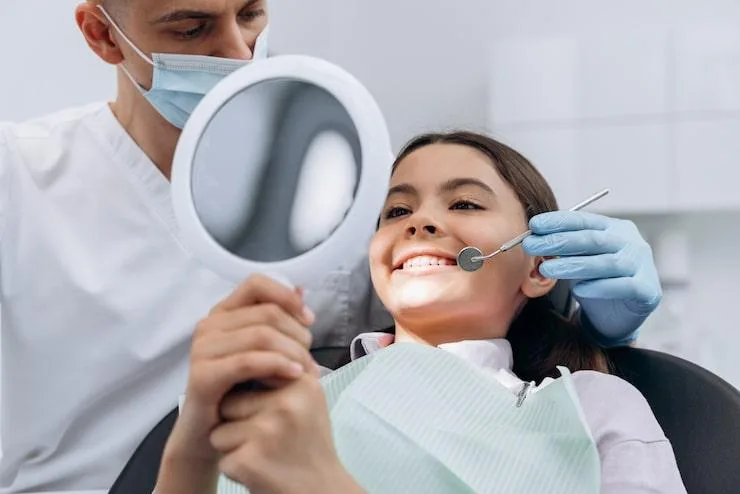
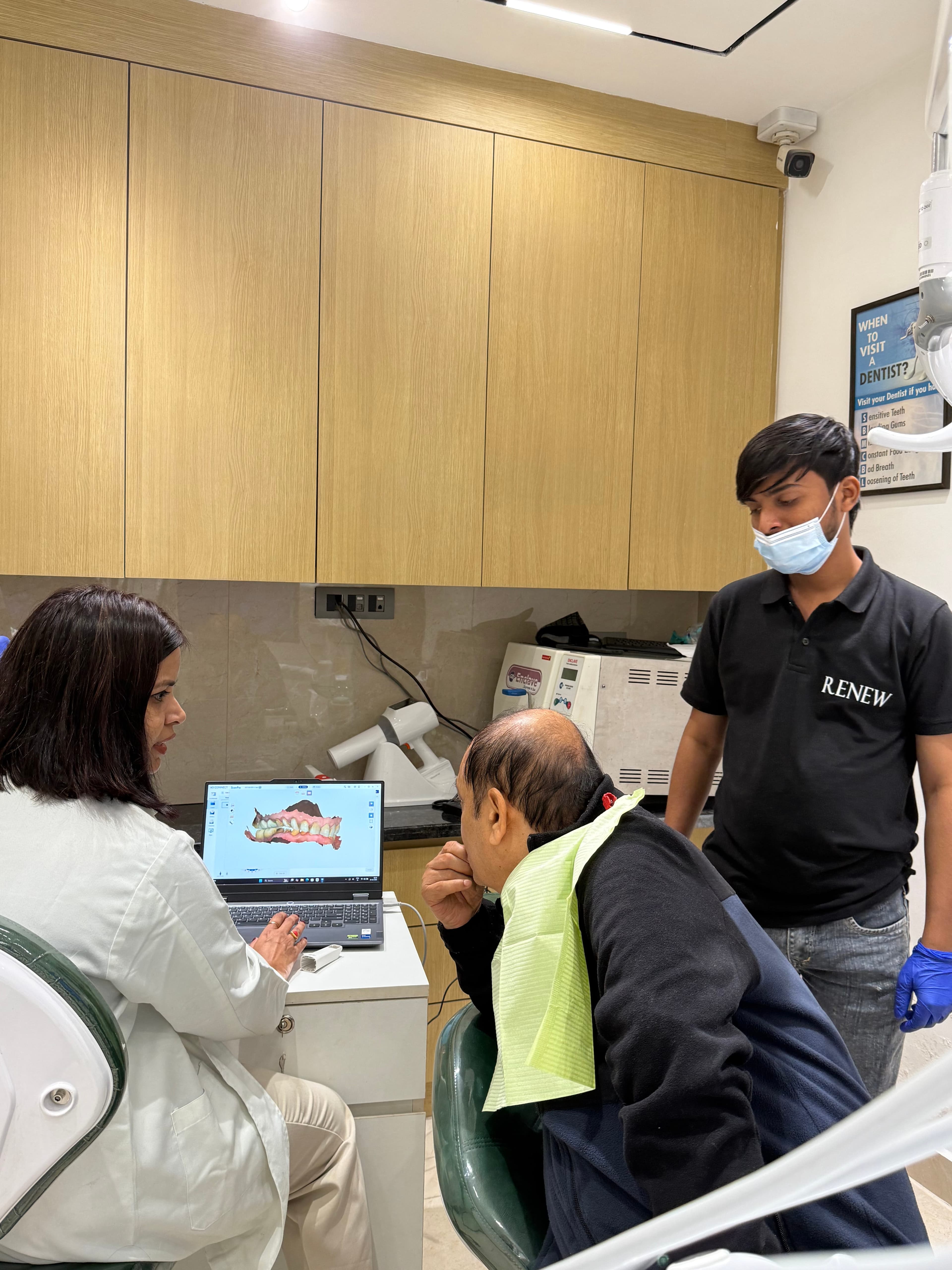
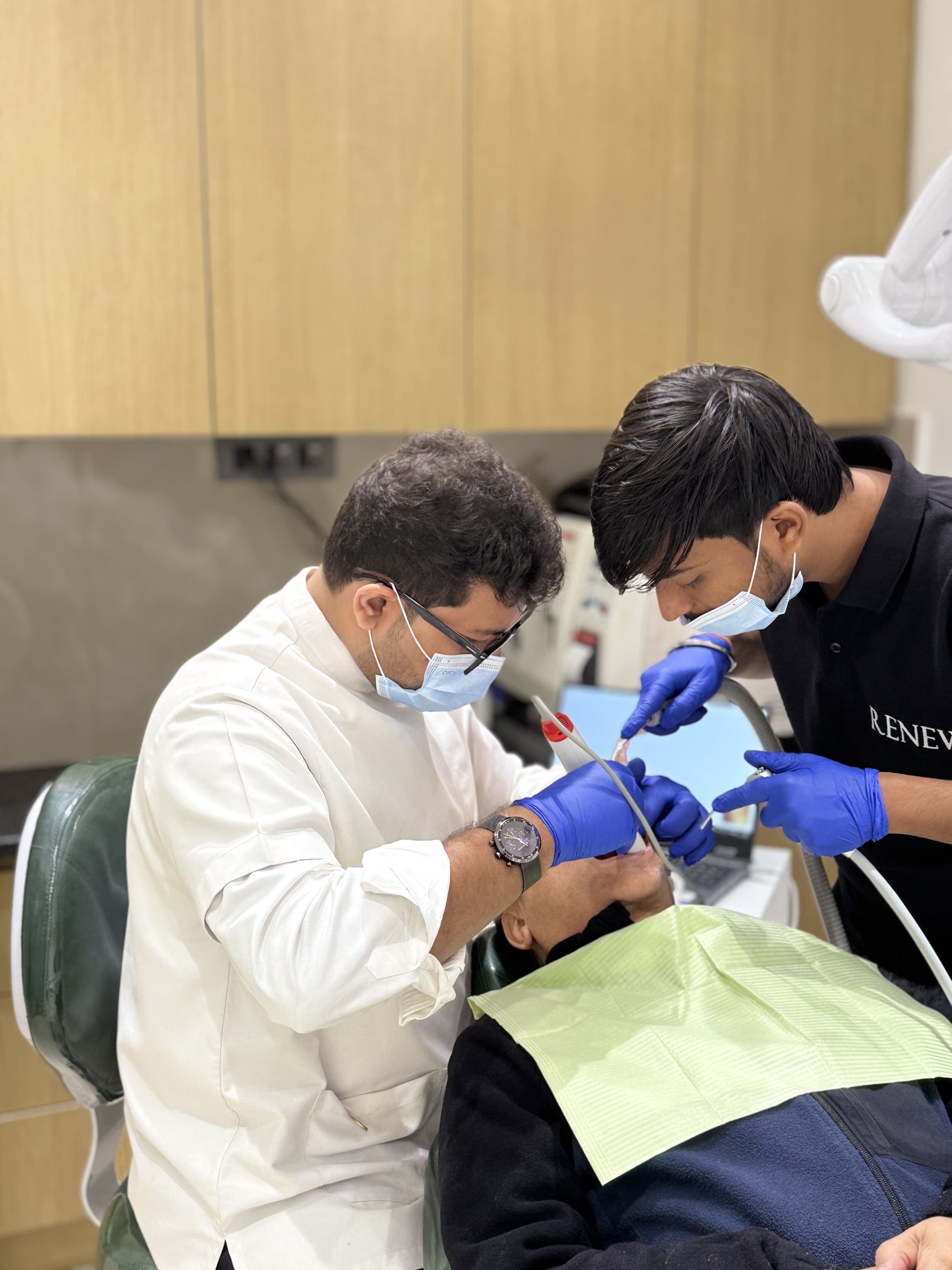
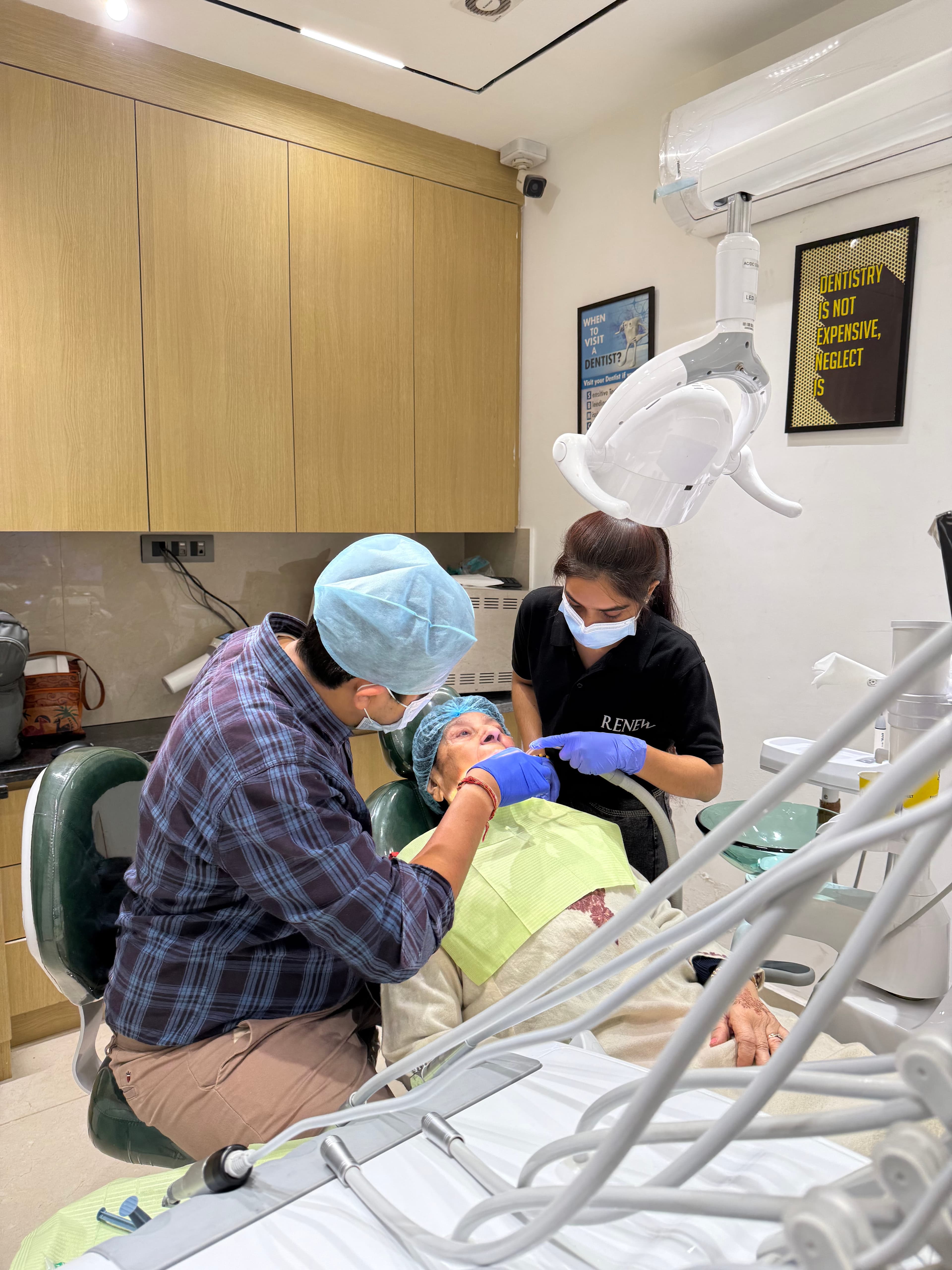
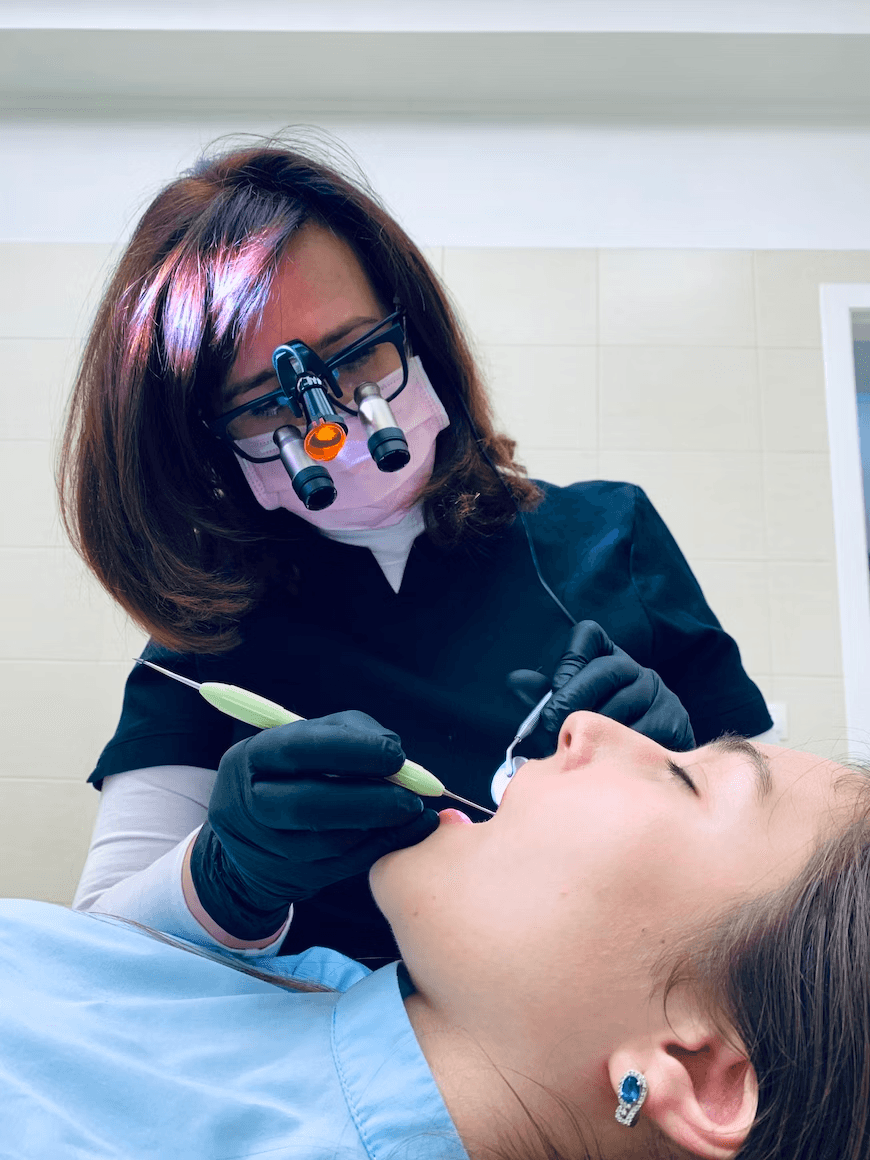
A girl getting her teeth examined by a dentist to maintain her oral health
The logic for skipping dental check-ups seems sound enough. Nothing hurts. Brushing feels fine. The appointment costs time and money. Why pay to hear that everything's normal?
The problem with this reasoning: dental disease is almost entirely asymptomatic until it's advanced. By the time something hurts, what was once a straightforward fix has usually become a significantly more involved treatment. The check-up you skipped to save money has routinely cost patients many times its value in the additional treatment required later.
This isn't a scare tactic. It's arithmetic.
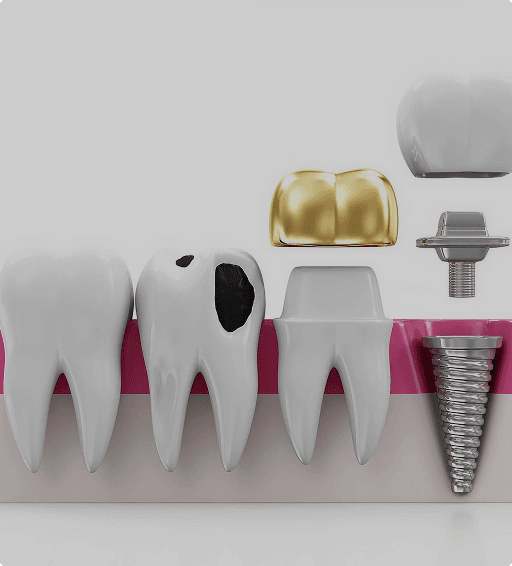
Consider a small cavity — a common situation. At its earliest detectable stage, it's in the enamel layer only. No symptoms. The patient feels nothing. A dentist examining the tooth at a routine check-up sees early discolouration in a fissure, takes an X-ray, and identifies a small lesion.
At this stage: a small composite filling. One appointment, 30 to 45 minutes. Done.
The same patient skips their next two check-ups — a common pattern. Eighteen months pass.
The cavity, left undisturbed, has progressed through the enamel and into the dentine. Still no significant pain in most cases. The patient might notice occasional mild sensitivity to cold. The lesion is now substantially larger.
At this stage: a larger filling. More tooth structure removed. Some risk that the cavity is deep enough to approach the pulp, requiring a protective liner and increasing the chance of post-filling sensitivity.
The patient misses another check-up. Two more years pass.
The cavity reaches the pulp — the nerve and blood vessel tissue at the tooth's centre. Pain begins: spontaneous aching, sensitivity to heat that lingers. Now a root canal is required. Multiple appointments. Followed by a crown, because a root-canal-treated molar without crown protection is at significant fracture risk.
What was a straightforward filling has become a root canal and a crown — in terms of time, discomfort, and treatment complexity, many times more involved than the original filling would have been.
This is not a worst-case scenario. It's a routine one. It plays out in dentistry regularly.
A routine check-up at Renew Dental Clinic, Sector 47, Noida with Dr. Suchi Singh isn't just asking whether anything hurts and looking at the obvious teeth. It's a systematic clinical examination.
Cavity detection. Each tooth is examined visually for early staining, surface changes, and breakdown. Dental X-rays (typically updated every 1 to 2 years) detect cavities between teeth — interproximal decay — that is invisible to visual examination and impossible for the patient to detect themselves. Many significant cavities are caught this way before the patient has any symptoms whatsoever.
Gum health assessment. Periodontal probing — measuring the depth of the crevice between each tooth and the gum — identifies pockets that have deepened beyond the healthy 1 to 3 mm. Pockets of 4 mm or more indicate the beginnings of periodontitis. Caught at 4 to 5 mm, they respond well to professional cleaning. Left to 7 to 8 mm, they require deep scaling under local anaesthetic across multiple appointments. Left longer, they represent bone destruction that's irreversible.
Oral cancer screening. Every check-up includes examination of the soft tissues — tongue, cheeks, floor of mouth, palate, throat. Oral cancer caught at Stage I has a five-year survival rate of roughly 80%. Caught at Stage IV — common in patients who avoid dentists until pain forces them in — it drops to around 20%. Early detection is the variable that most determines outcome, and it depends entirely on regular professional examination.
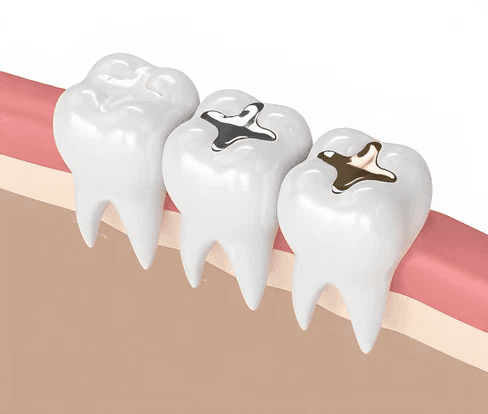
Existing restoration check. Fillings, crowns, bridges, and implants are examined for integrity. A filling with a failing margin — allowing bacterial ingress — that's caught early can be replaced with a new filling. Left undetected, the decay that develops beneath it may eventually require a crown or, if it reaches the pulp, a root canal before a crown.
Bite and tooth wear assessment. Signs of bruxism — flattening of cusps, enamel thinning on biting edges — are identified before the wear becomes severe enough to require complex restorative treatment. A custom night guard, prescribed early, costs far less than the crowns needed when severe grinding has worn multiple teeth.
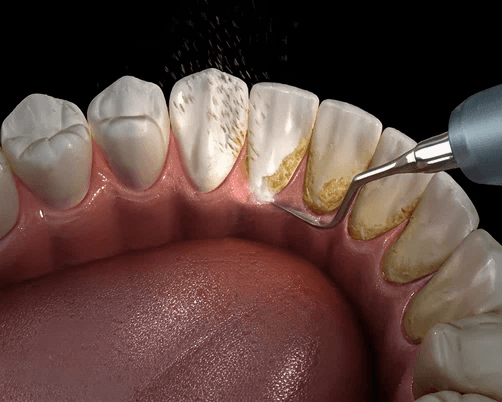
Professional scaling. Calculus (tartar) that has accumulated since the previous visit is removed. Calculus drives the gum inflammation that leads to bone loss. Regular removal every 6 months prevents the accumulation that, left for years, requires deep cleaning procedures and produces irreversible periodontal damage.
The 6-month interval has been criticised as arbitrary — and the criticism isn't entirely wrong. For some patients, 6 months is too frequent; for others, it's not frequent enough.
The evidence base: plaque accumulates from day one after a professional cleaning. In most adults, clinically significant calculus has formed within 3 to 6 months. The bacteria driving gum disease re-establish themselves in periodontal pockets within months of treatment. For early-stage cavities, the lesion progresses at a rate that makes 6-monthly X-ray intervals clinically useful for detection before significant advancement.
For low-risk adults — excellent home hygiene, no history of gum disease, low cavity rate — an annual check-up may be perfectly adequate. For higher-risk patients — active gum disease history, diabetics, smokers, patients with dry mouth, heavy calculus formers — 3 to 4 months is more appropriate.
Six months is the recommended interval for most adults as a population baseline. Whether it's exactly right for you is what Dr. Suchi Singh determines at your assessment.
Dental pain is a late indicator. Most dental disease is substantially established before it causes symptoms significant enough to prompt action.
Gum disease: The first sign a patient typically notices is bleeding on brushing. By then, gingivitis may be well established. Periodontitis — bone loss — begins without any pain. Patients with significant bone loss around multiple teeth may have no awareness of the problem until teeth begin to feel loose. By that point, the damage is permanent.
Tooth decay: A cavity in enamel causes no symptoms. A cavity in dentine causes mild, intermittent cold sensitivity that most patients attribute to something else. A cavity reaching the pulp eventually causes pain — but often not until the nerve is significantly compromised. The progression from no symptoms to significant pain can take years, during which the lesion grows continuously.
Oral lesions: A white patch of early leukoplakia or an early-stage oral cancer causes no pain in its early stages. It may not look particularly alarming either — many patients notice something but assume it's nothing serious and wait. The 3-week rule for any non-healing oral lesion exists because this is the threshold at which the probability of benign versus potentially malignant lesions shifts meaningfully.
"Nothing hurts" is only reassuring if someone has actually checked. It tells you nothing if no examination has taken place.
Here's a straightforward comparison for a patient who attends check-ups regularly versus one who doesn't.
Patient A — Regular check-up attendee:
Patient B — Avoids check-ups:
The mathematics of prevention genuinely favour regular check-ups. The difficulty is that the costs of skipping are deferred — they arrive months or years later, disconnected in time from the original decision.
Diabetic patients: Every 3 to 4 months. The bidirectional diabetes-gum disease relationship means periodontal disease can progress quickly and impact blood glucose control.
Patients with a history of gum disease: Every 3 to 4 months during the maintenance phase. Periodontal bacteria recolonise pockets quickly; 6-monthly cleaning is insufficient for patients with a history of periodontitis.
Smokers: Every 3 to 4 months. Nicotine suppresses the warning sign of gum bleeding, meaning disease can progress significantly between annual or 6-monthly appointments.
Patients on medications causing dry mouth: More frequent check-ups because dry mouth substantially increases cavity risk.
Pregnant women: Once during pregnancy (ideally second trimester), because pregnancy gingivitis is near-universal and professional cleaning is both safe and important.
Children: Every 6 months from the first tooth, because early childhood caries can progress very rapidly in primary teeth, and regular check-ups establish the positive dental relationship that shapes dental behaviour for life.
If it's been a year, two years, or longer since your last check-up, the approach at Renew Dental Clinic is clinical and non-judgmental. What's in the mouth now is the starting point; how you got there isn't particularly relevant.
A comprehensive catch-up appointment involves examination, X-rays if not recently taken, a full assessment of any accumulated issues, and a clear treatment plan that prioritises what needs attention first. Many patients who've been away for years are surprised to find less needs to be done than they feared — and simultaneously surprised by what was quietly developing without symptoms.
Either way, knowing where you are is the starting point for doing better from here.
Do I need X-rays at every check-up?
No. X-rays are typically updated every 1 to 2 years depending on cavity risk. At lower-risk check-ups, clinical examination alone is sufficient.
Is it better to go more often than every 6 months?
For most patients, 6 months provides the right balance of prevention and practical frequency. Quarterly or more frequent visits are appropriate for specific clinical situations, not as a general upgrade.
What if I have anxiety about dental check-ups?
Mention it when booking. Check-ups are the least invasive appointments — examination and cleaning only — and can be paced to accommodate anxious patients. The anxiety is understandable and is accommodated, not dismissed.
To book a check-up at Renew Dental Clinic, Sector 47, Noida, call (0120) 498-8333.
Monday–Saturday 10:30 AM – 8:00 PM | Sunday 11:00 AM – 2:30 PM.
 Copy
Copy
Most people pick the wrong bristle hardness because firm feels more effective. It isn't. This...
01 Sept 2026
by Renew Dental Clinic
Braces make cleaning between teeth harder — and more important. This guide covers every method...
26 Aug 2026
by Renew Dental Clinic

Hormonal changes during pregnancy significantly affect gum health, and untreated dental infections carry real risks....
25 Aug 2026
by Renew Dental Clinic
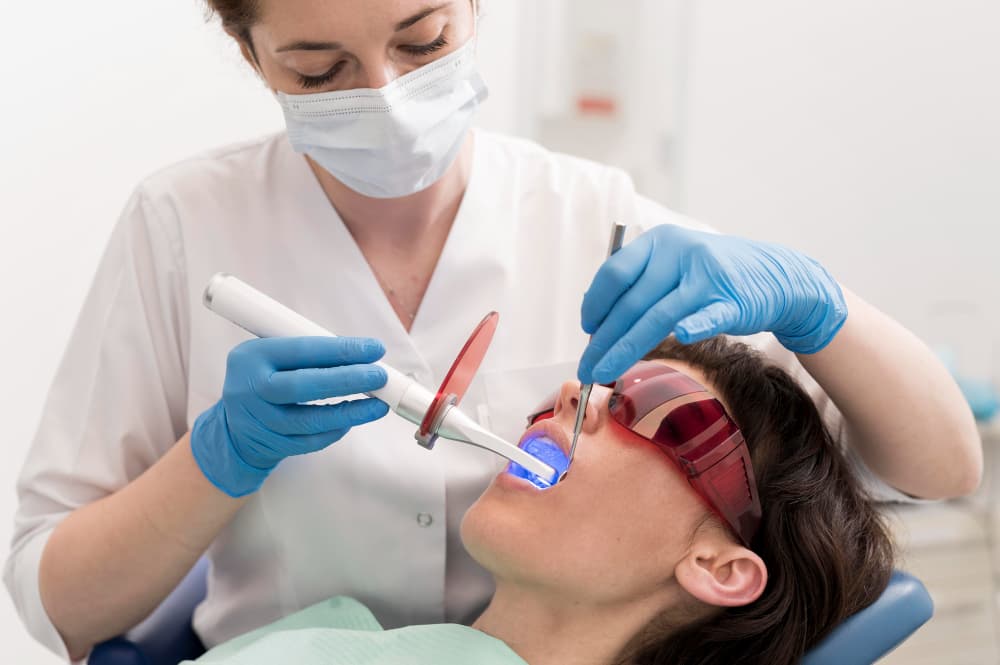
Looking for professional teeth whitening in Noida? This guide covers what's available at Renew Dental...
29 Jun 2026
by Renew Dental Clinic
From baking soda to oil pulling to turmeric — this guide cuts through the noise...
14 Sept 2026
by Renew Dental Clinic

Find out all about dental veneers, such as types, advantages, price, and upkeep suggestions. Find out how veneers can revolutionize your smile and increase confidence.
16 Sept 2025
by Renew Dental Clinic

A child's smile is one of life's most valued possessions, and their dental care begins...
10 Nov 2025
by Renew Dental Clinic

We all know we should go to the dentist periodically, but the only thing ever...
19 Aug 2025
by Renew Dental Clinic
The answer to whether chewing gum is good for teeth is more interesting than yes...
23 Jun 2026
by Renew Dental Clinic

Sensitive teeth stopping you from enjoying hot chai or cold water? This guide explains which...
06 Jul 2026
by Renew Dental Clinic

Find out what preventive dentistry is, why it matters to your oral health, and how...
22 Sept 2025
by Renew Dental Clinic

Persistent bad breath that doesn't respond to brushing and mouthwash has a specific cause —...
18 Aug 2026
by Renew Dental Clinic
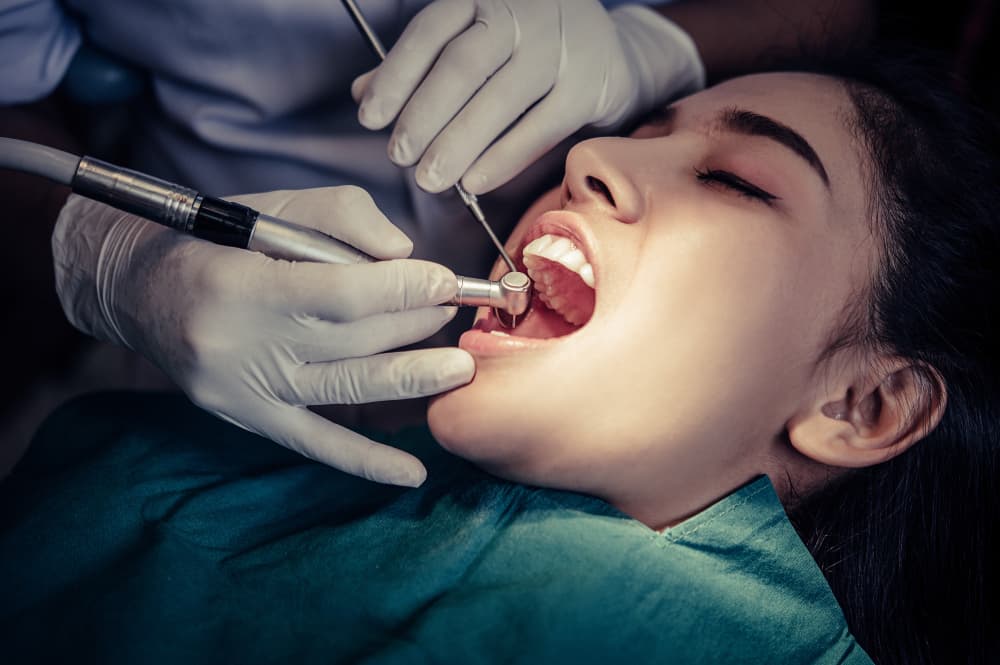
Looking for orthodontic treatment near Greater Noida? This guide covers all braces and aligner options...
10 Jun 2026
by Renew Dental Clinic
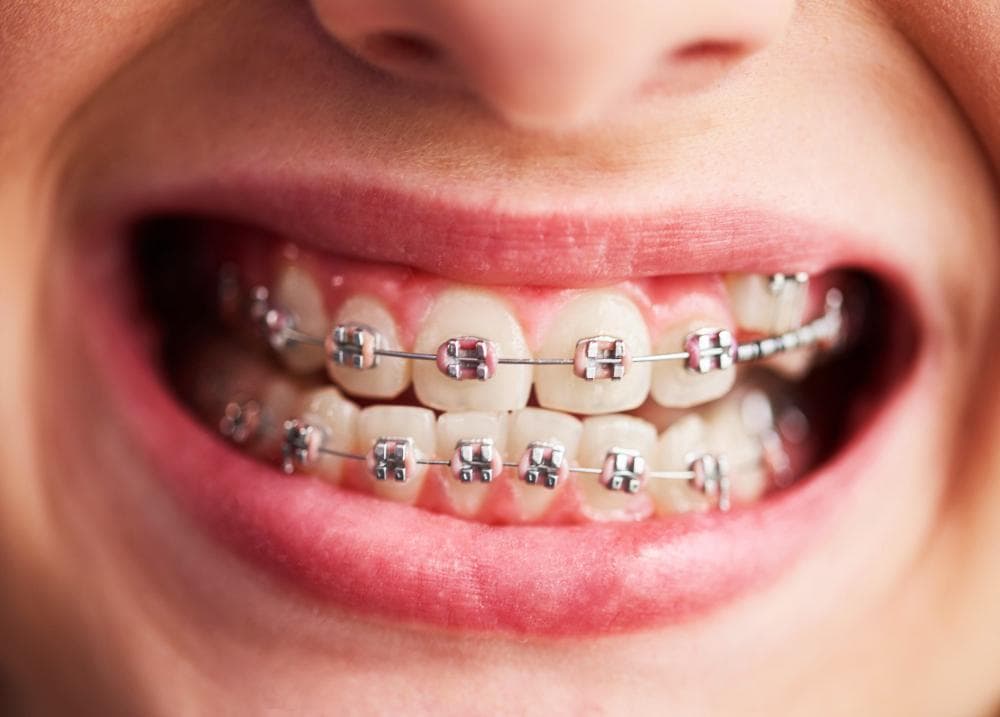
Discover the benefits, types, and treatment process of dental braces on teeth. Learn how braces...
12 May 2026
by Renew Dental Clinic
Choosing between traditional braces and clear aligners in Noida? This practical comparison covers appearance, effectiveness,...
11 Jun 2026
by Renew Dental Clinic
Explore More
Discover how thousands of patients trust Renew Dental Clinic with their smiles.
Experience was impeccable services are Immaculate, satisfaction was 100%. Really admire & distinguished about doctor is her care for the patient regular follow up availability on what's App her response is really appreciable. Professionally sound confident responsible doctor she is. Visited her for root canal treatment went with a pain & distress came back with a smile and sense of relief. I should say if you have any dental related problem, she is the one stop solution for the same. Guys what you guys waiting for just book and appointment and feel relaxed as you are in the safe hands. Thank you, Mam, for such wonderful experience and restoring my smile back. You are an Angel.
I had a great experience at this dental clinic with Dr Suchi and Dr Pooja right from appointment till all my dental issues were resolved.. Got my root canal done very comfortably. Very polite compassionate drs and staff. I have and will recommend them to my friends and family. God bless you.
Best dental clinic I ever seen in Noida, Dr Shuchi is expert in his profession. I recommend her for your dental care.
Great treatment and much hospitality.
Great dental care provided by Dr. Suchi Singh and Dr. Chandrava Ganguli. They are knowledgeable, gentle, and attentive to patients' needs. The clinic staff is courteous and helpful, making the entire experience smooth and pleasant. Highly recommended! 🦷✨ Caring, Supportive Staff, Recommended
I went to Renew Dental and visited Dr. Suchi and team. The staff was very professional and the clinic provides with a very good ambience. The staff was polite and humble.
Excellent explanation, punctual, welcoming staff, High hygiene standards, great team..
Definitely one of the best dental clinic in Noida! Well equipped and very clean - which was quite impressive.
I have never been one to like going to the dentist because of past bad experiences but Dr Suchi and her team extremely change my attitude towards dentist.
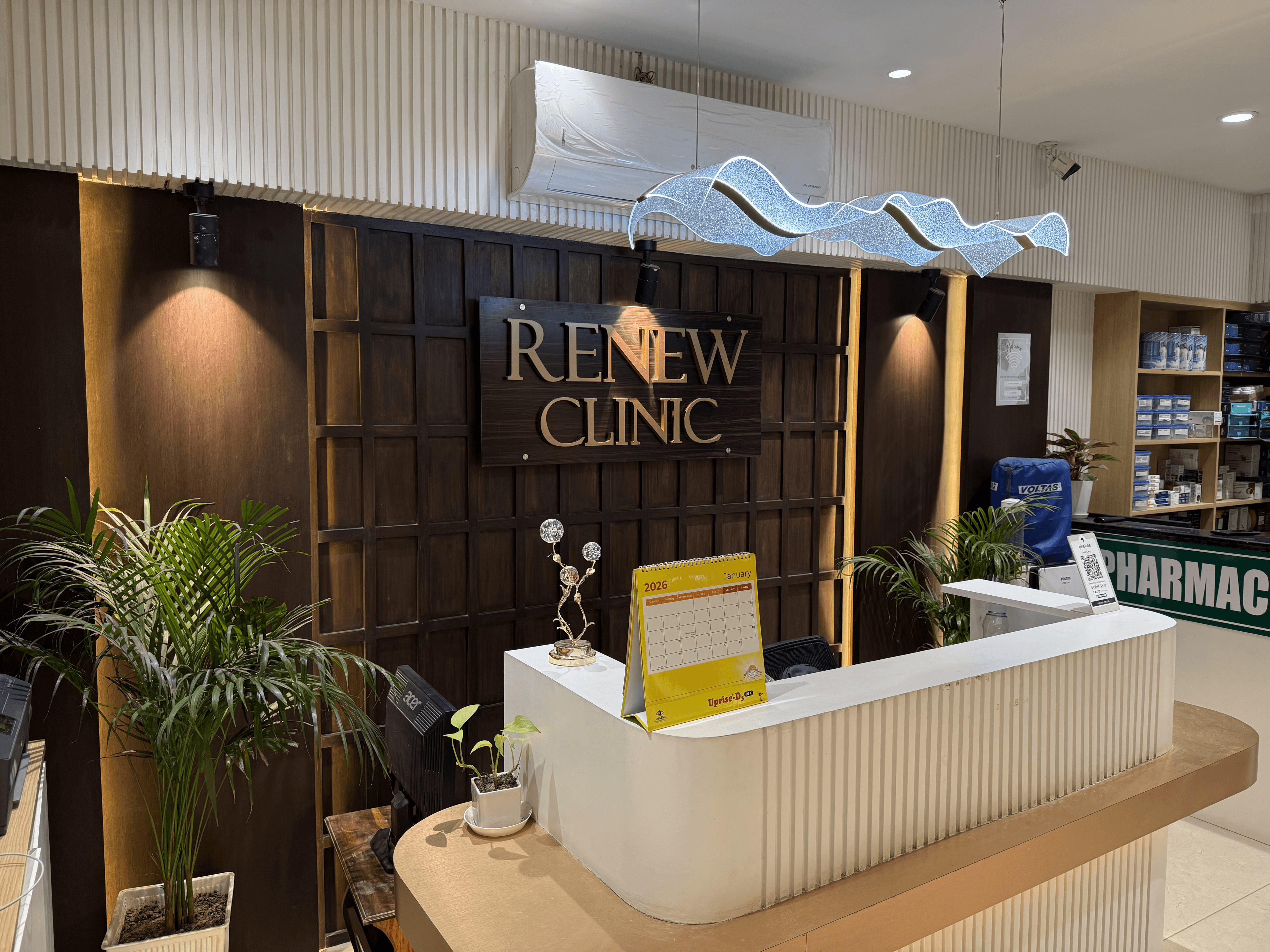
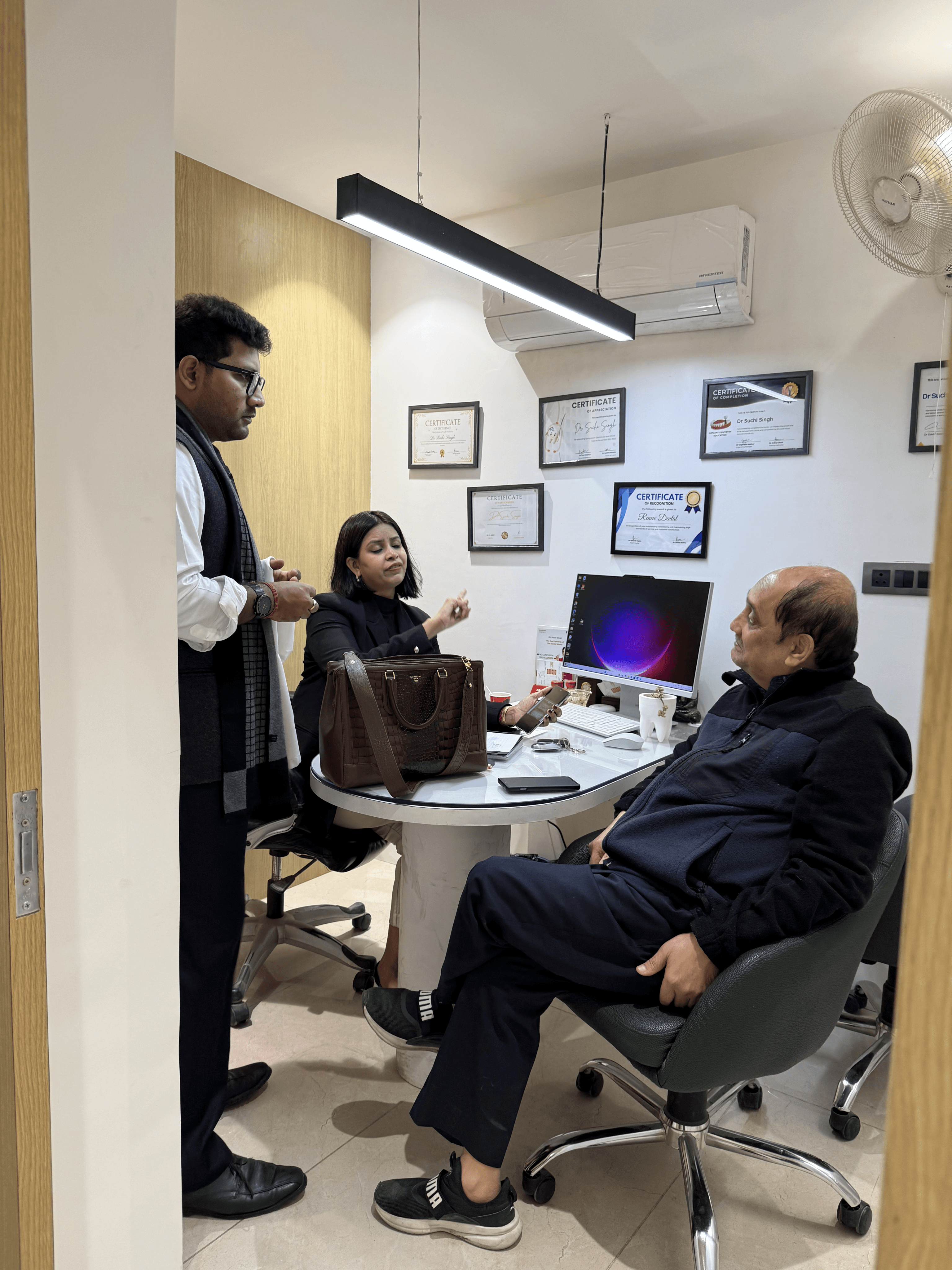
A glimpse into our modern dental clinic, advanced technology, and patient-friendly environment at Renew Dental.
Explore our thoughtfully designed clinic spaces built to provide comfort, cleanliness, and a calming experience for patients of all ages.


Best Dentist in Noida
Renew Dental Clinic located in Noida, Sector 47, is one of the leading dental clinics. Founded by Dr. Suchi Singh who is widely regarded as one of the best dentists in Noida, the clinic is committed to delivering personalised and high-quality dental care. Dr. Suchi Singh focuses on customised treatment plans designed around each patient’s unique needs, ensuring advanced, comfortable and reliable dental care at Renew Dental Clinic.

Your Trusted Dental Experts

Complete Dental Care

Friendly Dental Space

No Hidden Charges

Two trusted dental clinics in Noida — Renew Dental (Sector 47) and Tooth & Truth (Sector 34) — for gentle, modern care.

Renew Orthopedic Clinic, A-321, Basement Floor, Next to Mother Dairy Store, Sector 47, Noida, Uttar Pradesh 201303
 +91 99710 35300
A-98/A, Block A, Sector 34, Noida, Uttar Pradesh 201307
+91 99710 45002© 2026. All rights reserved | Designed and Developed by Zarle Infotech