Preventive Dentistry: The Key to Lifelong Oral Health

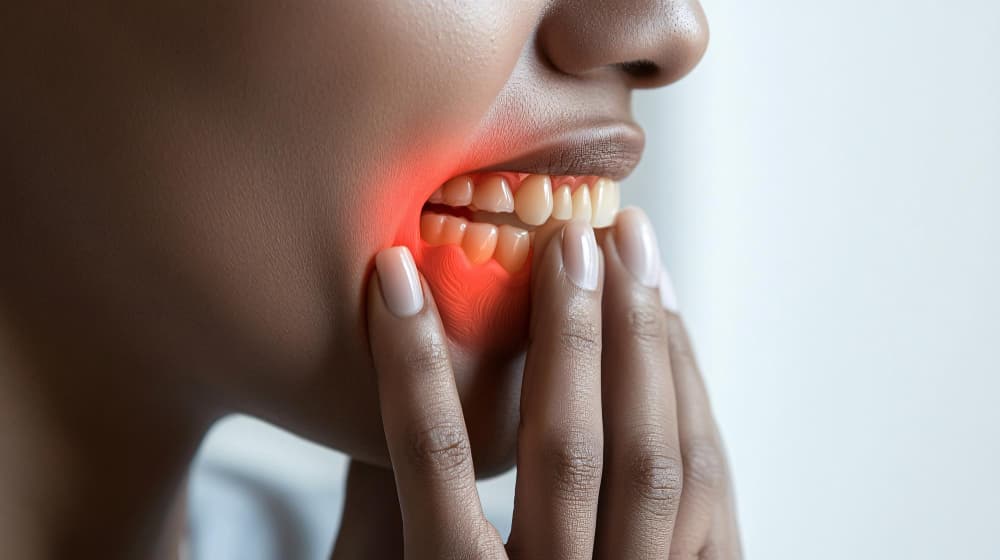
Preventive dentistry focuses on maintaining healthy teeth and gums to avoid future dental problems.
Preventive dentistry is an intelligent method of keeping your gums and teeth in the best state possible before something goes wrong. Rather than waiting for pain, cavities, or other issues to occur, preventive dental care is all about regular check-ups, good oral health, and halting things early on before they spiral out of control. Not only does this care keep your smile beautiful, but it also saves time, money, and pain in the long run.
Everyone visits the dentist only when there is a problem, but in doing so, they are putting themselves through expensive and painful procedures. Preventive dentistry avoids all this by picking up issues early or avoiding them from occurring altogether. This blog informs you what preventive dentistry does, why it is essential, and how you can incorporate simple habits into your life. Regardless of whether you are a kid, an adult, or an older adult, knowing about preventive oral care will make you have a healthier mouth and a happier life.
What is Preventive Dentistry?
Preventive dentistry is the process and treatment that keeps your teeth and gums healthy by preventing dental problems before they occur. It focuses on achieving lifelong oral wellness and preventing expensive and painful procedures resulting from unresolved dental issues.
Preventive care focuses on detecting and treating problems early, so that minor issues like plaque, cavities, or gum disease do not develop into more significant problems that require costly treatments.
Regular Dental Check-ups
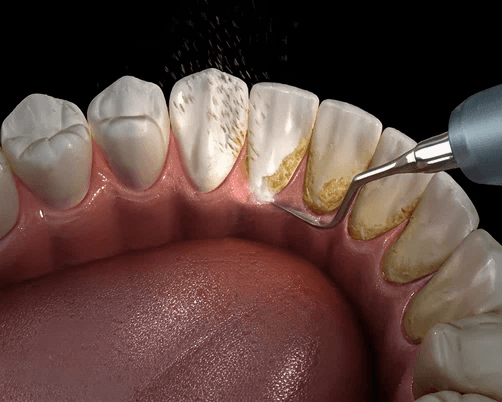
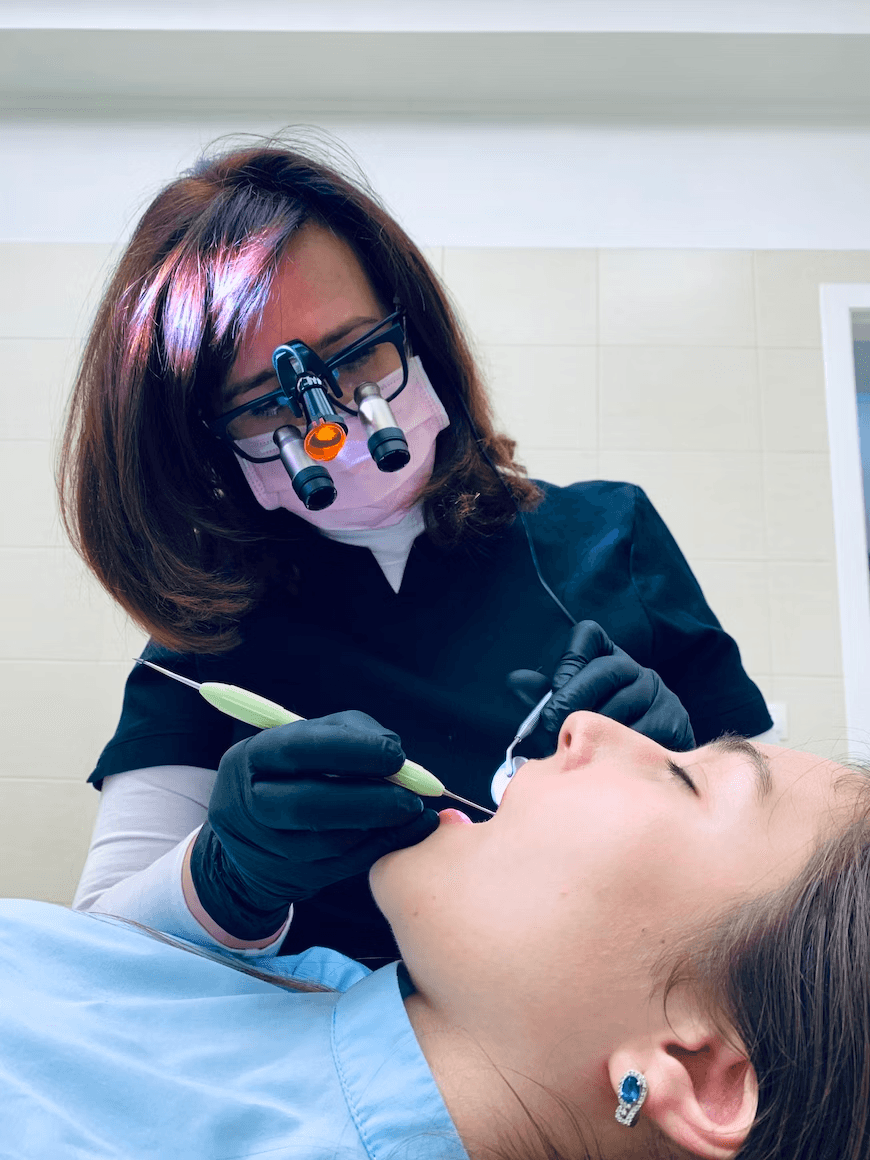
Regular visits to dentists every six months allow routine inspection of cavities, gum disease, oral cancer, and other dental problems. Professional cleaning is also provided by dentists, which removes hard plaque (tartar) that cannot be removed by brushing.
Professional Cleanings
These are professional cleanings where your dentist or hygienist will deeply clean your teeth. Plaque and tartar removal prevents cavities and gum disease, keeping your mouth healthy and clean.
Fluoride Treatments
Fluoride hardens the enamel, which is the exterior of your teeth, and protects it from acid that promotes decay. Most dental offices offer fluoride treatment to assist patients in protecting their teeth, particularly those who are at higher risk of having cavities.
Dental Sealants
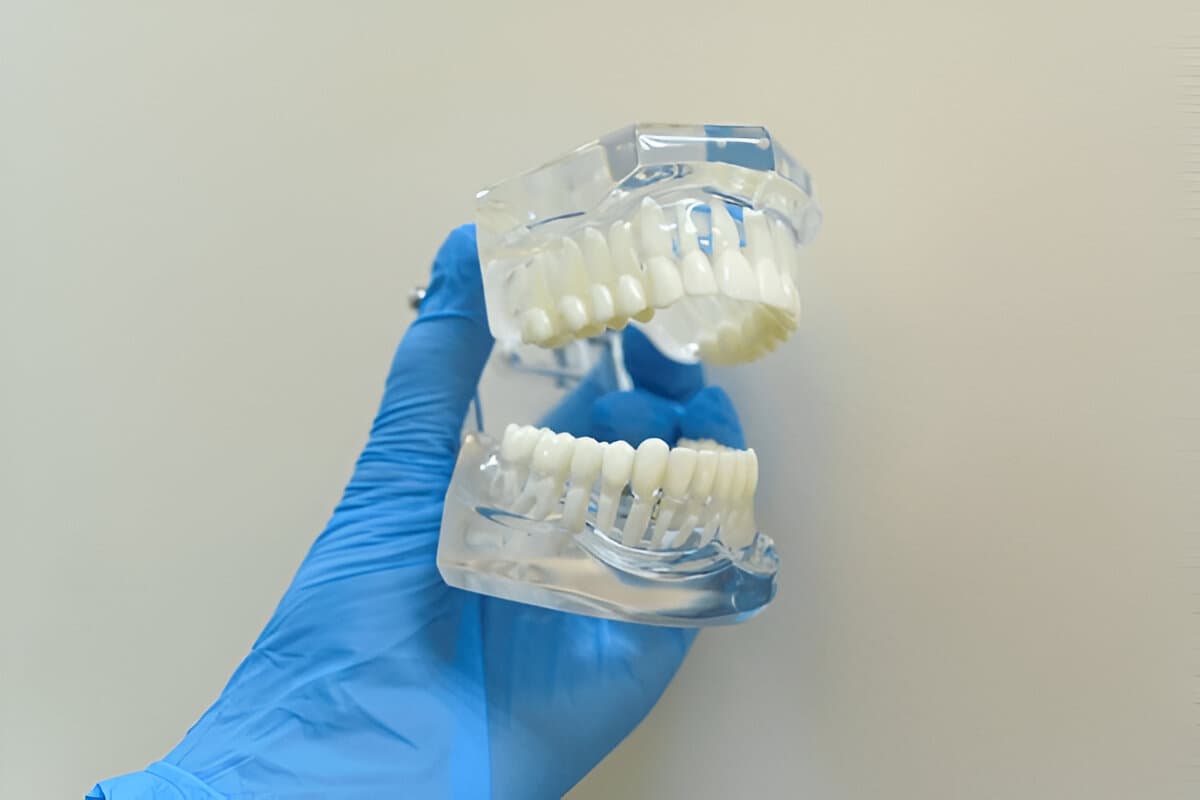
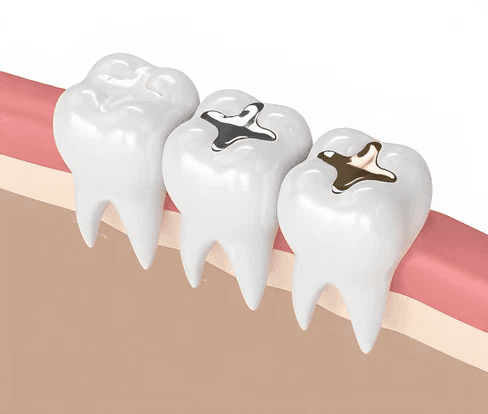
Sealants are thin layers of protective coatings that are put on the premolars and molars' chewing surfaces. Sealants cover pits and grooves where bacteria and food particles collect and hence prevent cavities, particularly in areas that are not accessible.

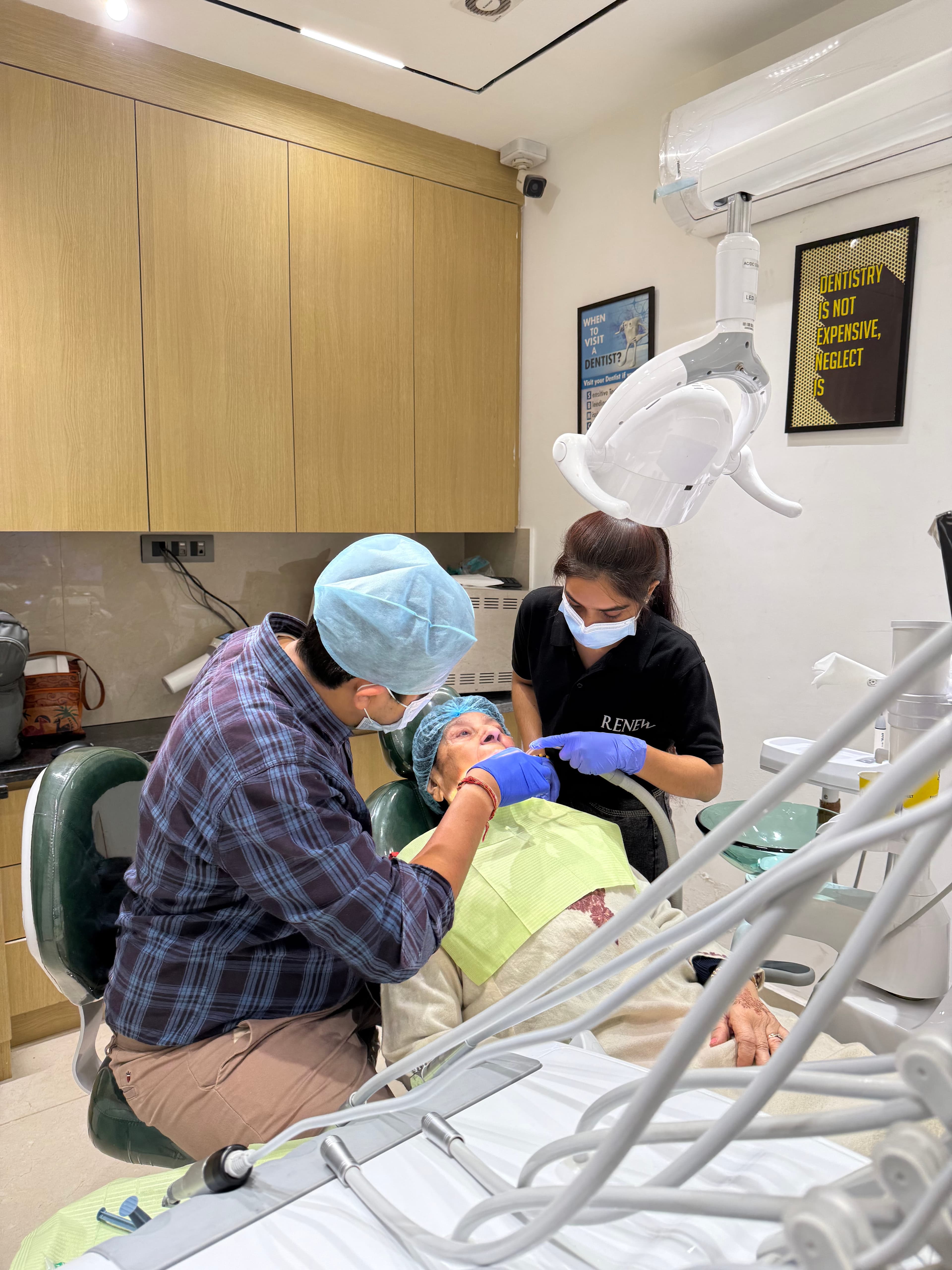
Preventive dentistry reduces the need for costly and invasive dental treatments.
Why is Preventive Dentistry Important?
Cost Savings
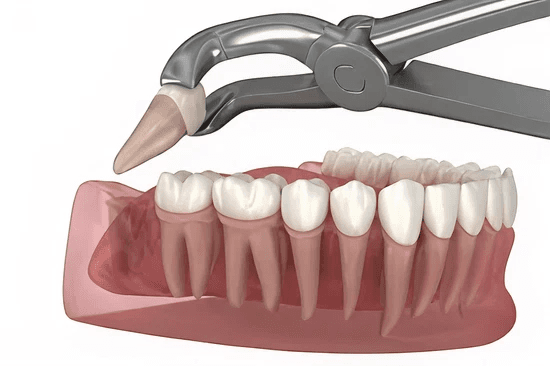
Preventive dentistry is cost-effective. Root canals and extractions are prohibitively costly, yet preventive care keeps these types of procedures from ever being necessary by correcting minor issues before they become major. A small filling is always easier and less expensive than a root canal or implant.
Early Detection
With periodic dental check-ups, your dentist can detect problems early, such as a cavity forming between teeth or a gum infection. It is usually less complex to treat them early and heal more quickly, thereby preventing complications that require extensive treatment.
Overall Health Benefits
Oral health is not only about your teeth; it's linked to your whole body. Inadequate oral hygiene is also linked to other serious diseases, including heart disease, diabetes, and respiratory infections. By maintaining a healthy mouth, preventive dentistry helps improve your overall health, enhancing your quality of life.
Main Preventive Dentistry Procedures
Dental experts recommend once every two months or twice a year. However, depending on your mouth condition, some patients have to visit more regularly. Frequent visits to the dentist help check your dental condition and prevent issues in advance.
What Occurs During Checkups
- Examinations: Dentists thoroughly examine your teeth, gums, and jaw for cavities, gum disease, or any issues.
- Cleanings: Plaque and tartar are removed when a professional cleaning is performed, and the teeth are healthy and smooth.
- Screenings: Oral cancer and other disease tests are performed to identify issues early.
- Brushing: Brush teeth at least two times a day with fluoride toothpaste. The best toothbrushes are soft-bristle toothbrushes to prevent enamel wear and gum irritation. Toothbrushes need to be replaced every three to four months.
- Flossing: Daily flossing stops food bits and plaque accumulated between teeth, preventing cavities and gum disease.
- Mouthwash: Mouthwashing reduces mouth bacteria, keeps the mouth fresher-smelling, and gives a little additional protection against decay.

Avoiding tobacco is part of preventive dentistry to reduce oral cancer risk.
Dental Sealants and Fluoride Treatments
Dental Sealants
These are thin, protective coverings that are put over the pits and grooves on the chewing surface so that plaque and food particles cannot accumulate there. Sealants work exceptionally well on children's molars and adults with deep grooves in their teeth.
Fluoride Treatments
Your dentist may apply fluoride in the form of gels, rinses, or varnishes during your visits to harden your teeth enamel and add additional protection against decay.
Healthy Diet and Lifestyle
A healthy diet high in fruit, vegetables, lean proteins, and whole grains keeps gums and teeth healthy. Avoid sweets and sweet drinks, which cause cavities and plaque.
Lifestyle
Steer clear of tobacco products, which stain teeth and lead to gum disease. Drinking lots of water keeps your mouth moist and washes away food debris and acids.
Preventive Dentistry for Various Age Groups
Early Habits
Forming a habit of brushing and flossing at an early age sets the stage for a lifetime of habits. Periodic dental checkups early in life promote normal tooth development.
Pediatric Dental Care
Children are assisted with fluoride treatment and dental sealants, especially when they are erupting with new teeth and are most vulnerable to tooth decay.
Maintenance of Oral Health
Adults
Adults can't afford to neglect oral care. Good hygiene, regular checks, and the resolution of issues like gum disease or sensitivity ensure a healthy mouth regardless of hectic schedules.
Lifestyle Influences
Healthy nutrition and tobacco abstinence are most important. Stress reduction and proper oral hygiene are essential for maintaining good oral health.
Seniors
With increasing age, mouth dryness, sensitive teeth, and gum problems are common. Proper dental care enables comfortable dentures or implants, promoting overall oral well-being despite such issues.
Regular Check-ups
Older adults benefit from ongoing monitoring, which helps minimize illnesses that may be caused by aging, drug reactions, or other underlying conditions.

X-rays in preventive care help detect hidden dental issues before they worsen.
Preventive Care of Usual Dental Ailments
- Tooth Decay and Cavities: Brushing daily and the application of fluoride prevent the development of holes in your teeth.
- Gum Disease: Dental cleanings and proper hygiene prevent the buildup of plaque, avoiding gum infection and inflammation.
- Bad Breath: Daily oral care helps prevent the accumulation of bacteria that causes bad breath.
- Tooth Sensitivity: Preventive measures mineralize enamel, rendering teeth less sensitive to hot or cold foods.
- Oral Infections: Regular checkups detect early signs of infection before it is too late.
How to Begin with Preventive Dentistry?
- Choose the Right Dentist: Choose a preventive care specialist who can explain procedures clearly.
- Make Dental Appointments: Schedule six-monthly visits and set reminders to ensure regularity.
- Make it a Habit of Healthy Oral Hygiene: Brush at least two times a day, floss once a day, and apply mouthwash to prevent bacterial accumulation.
- Encourage Family Members: Be a good role model and schedule family appointments in advance to create healthy habits.
Conclusion
Preventive dentistry is an easy and inexpensive way of controlling your teeth and gums. Regular visits to the dentist, proper oral hygiene, and healthy routines can help you steer clear of cavities, gum disease, and other oral afflictions before they have time to get started.
Encourage your family, friends, and community to embrace preventive dentistry as a lifelong practice. By doing so, you’re not just protecting your teeth, you’re building habits that promote health, confidence, and happiness throughout life. Consult your dentist for personalized advice and let preventive care be the foundation for a healthier, brighter future.
Frequently Asked Questions
1. What is preventive dentistry, and how does it help?
Preventive dentistry focuses on the mouth and how it is kept healthy with regular care and cavity- and gum-disease-preventive procedures. It prevents problems from arising in the first place, thereby saving time and money.
2. How often do I need preventive dental visits?
You should be seeing the dentist every six months for a check-up, cleaning, and early diagnosis of potential problems. More frequently may be necessary depending on your case.
3. Can preventive dentistry actually save me money?
Yes! Preventive care catches problems early when they can be easily fixed and don't become costly procedures such as root canals or extractions.
4. What are some daily habits that promote preventive dental care?
Regular morning and before-bed brushing of teeth with fluoride toothpaste, flossing, mouthwash, a good diet, and tobacco consumption avoidance are habits that promote healthy gums and teeth.
5. Is preventive dentistry relevant to children and older people as well?
Yes, certainly! It is a great idea to get kids off on the right foot with good dental health, and seniors can also gain from more contemporary treatments for age-related oral diseases.
6. How do I encourage my family to practice preventive dentistry?
Create a habit, set an example, inform them of the benefits, and go for regular dental visits as a family to create habits for a lifetime.