Teeth Whitening Home Remedies — What Actually Works and What Doesn't
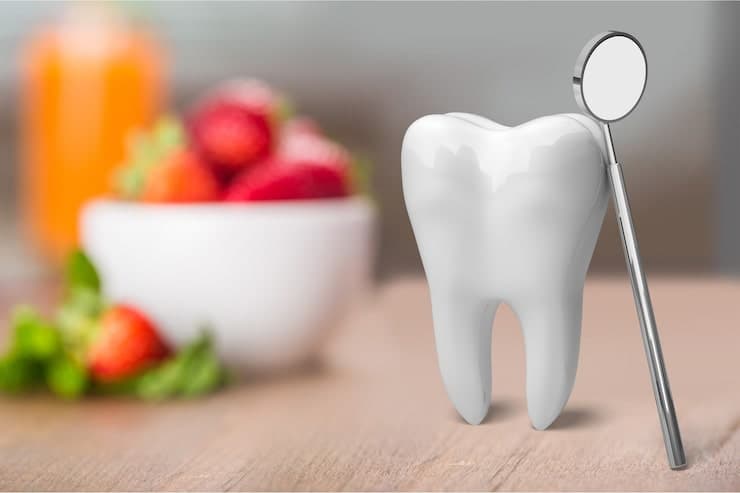
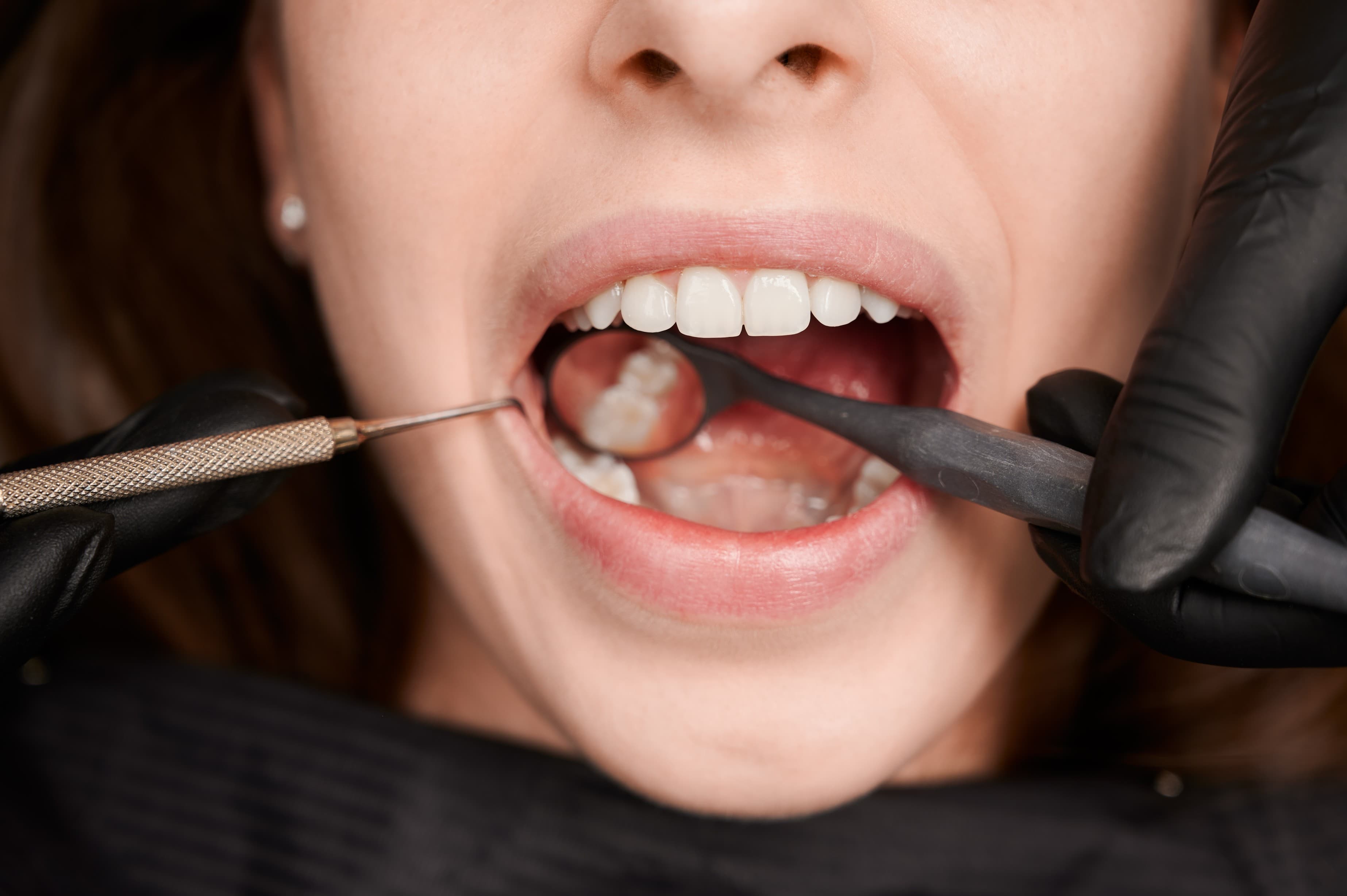
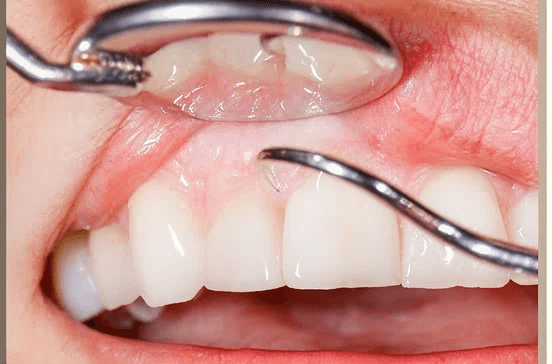
Anatomical model of a healthy tooth
There are probably forty tabs open in someone's browser right now searching this exact question. And most of the results they'll find are some variation of the same list: baking soda, oil pulling, turmeric, lemon juice, activated charcoal, hydrogen peroxide. Maybe a few banana peels thrown in for variety.
Here's the problem with most of that content: it doesn't tell you why some of these work, why some of them are actively harmful, and why others are so minimally effective that they're basically a waste of your time. So let's actually talk about the mechanisms.
Why Teeth Go Yellow in the First Place
Before any remedy makes sense, you need to know what you're trying to fix. Not all yellow or discoloured teeth are the same.
Surface staining sits on or just inside the outer pellicle — a thin protein film that coats enamel. Tea, coffee, tobacco, and certain foods deposit pigment molecules here. This type of staining responds to most removal methods, home or professional.
Intrinsic discolouration is different. It lives inside the enamel or dentine itself — from ageing, old tetracycline antibiotic use, fluorosis, or internal dental trauma. Home remedies don't touch this type. Even professional whitening struggles with some of it. Knowing which one you're dealing with matters before you commit to anything.
In India specifically, the biggest contributor to surface staining is chai. Three to five cups a day for twenty or thirty years means tannin molecules have been binding to enamel surfaces continuously. That's a lot of staining, and it is the type that home and professional methods can meaningfully address. Tobacco — both smoked and smokeless forms like gutka and khaini — produces some of the most stubborn staining available, and it sits deeper in the enamel than simple food staining.
What Actually Works
Baking Soda — Real but Limited
Baking soda (sodium bicarbonate) is one of the few home whitening methods with genuine clinical evidence behind it. Multiple studies, including some published in the Journal of Clinical Dentistry, confirm that baking soda toothpastes reduce surface staining more effectively than regular toothpastes.
The mechanism is physical — baking soda's mildly abrasive particles polish the enamel surface, removing the stained pellicle layer along with it. It also creates a slightly alkaline environment in the mouth, which discourages the acid-producing bacteria that contribute to plaque.
The catch: baking soda only removes surface staining. It doesn't bleach enamel or change the underlying tooth colour. And its abrasivity, while lower than many whitening toothpastes, can cause enamel wear with daily use over months. Used two to three times per week mixed into toothpaste, it's reasonable. Used as a daily replacement for fluoride toothpaste, it's problematic — mostly because you're losing fluoride protection, not because the baking soda itself is catastrophic.
Professional Scaling — Underrated, Genuinely Transformative
This belongs in a home remedies article because the number of people who think they need whitening when they actually just need a clean is higher than you'd expect.
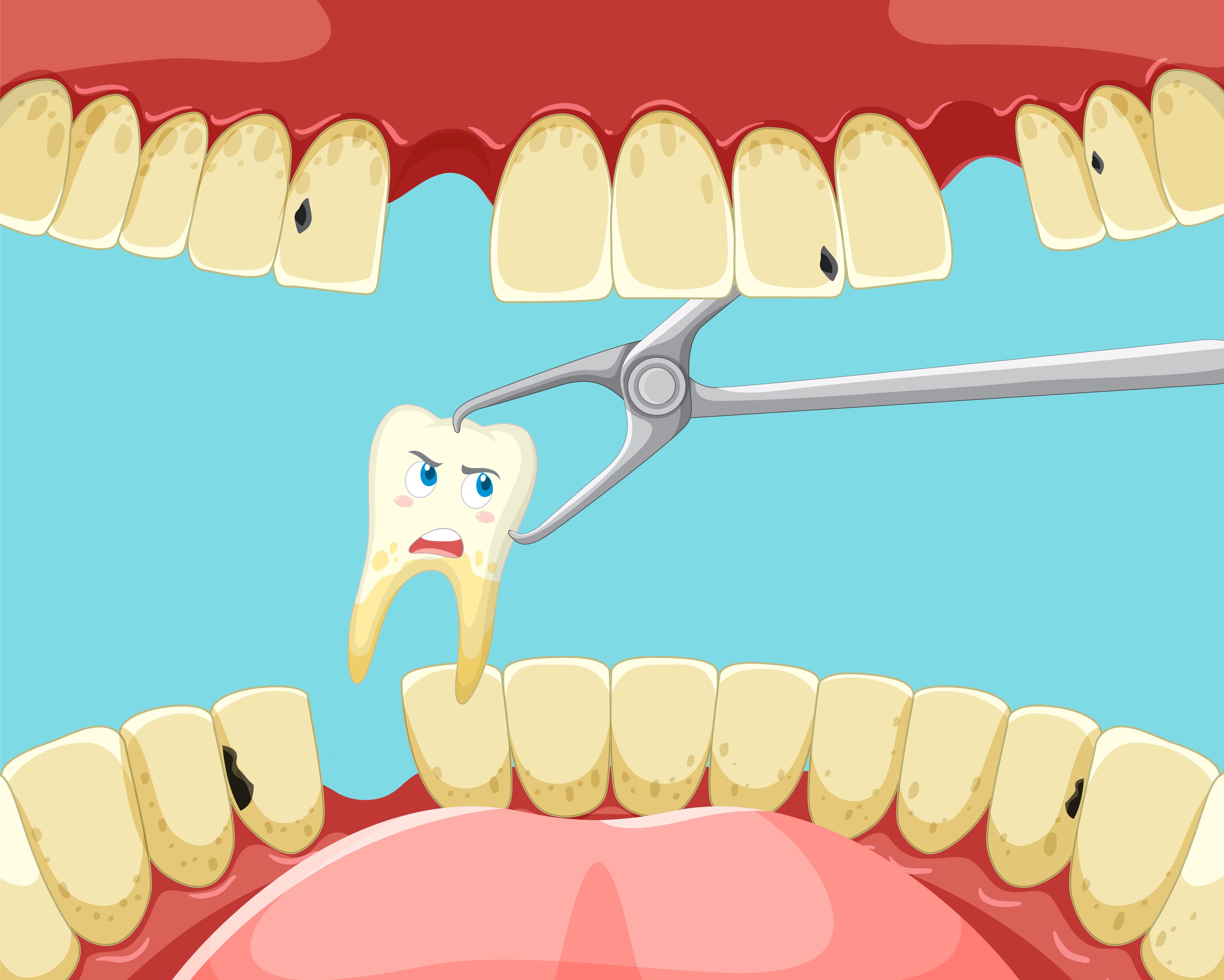
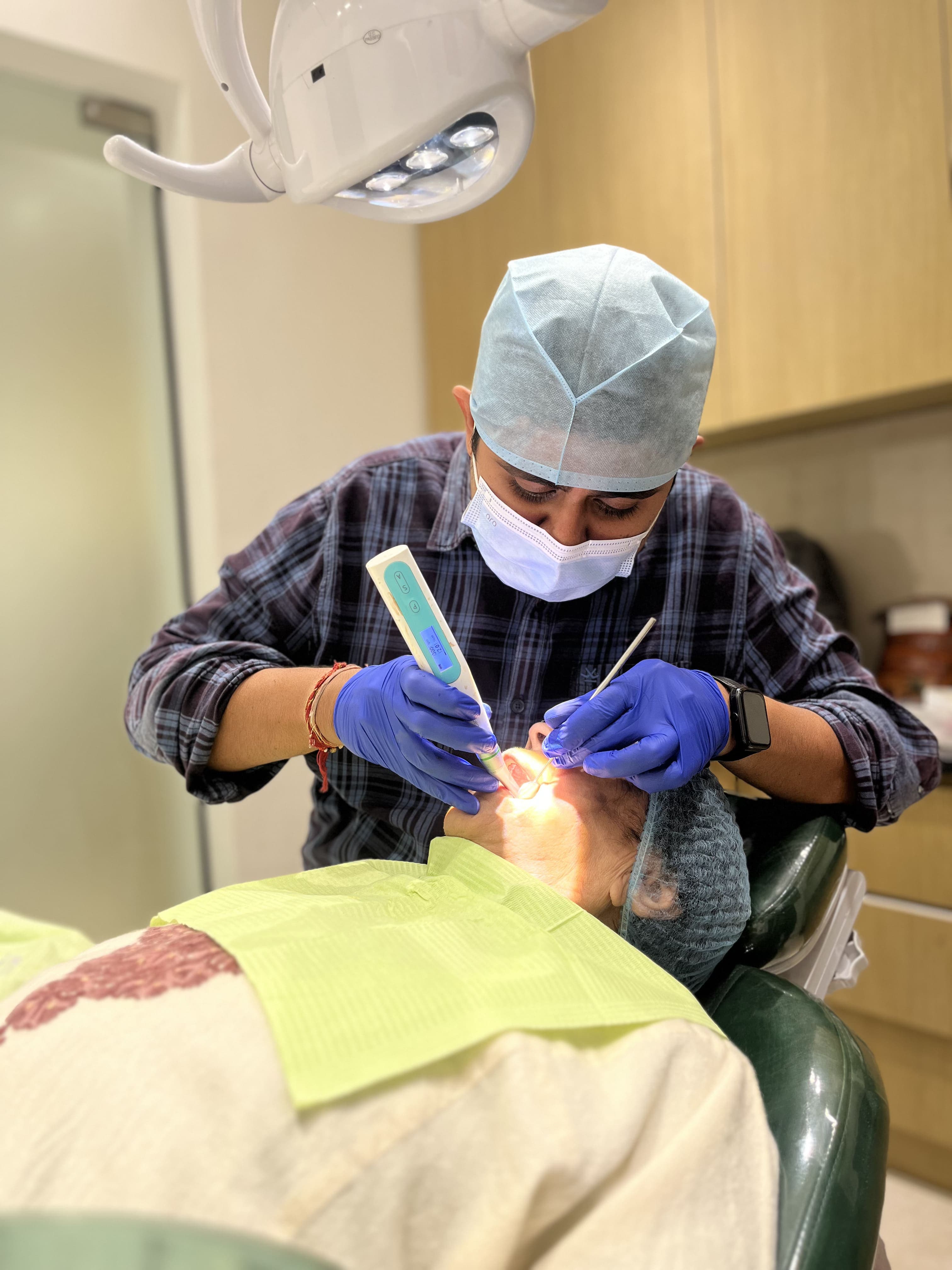
Calculus — hardened plaque — stains to a yellowish or brownish tone. It accumulates at the gumline and between teeth, and it cannot be removed by brushing. Once a professional scale and polish removes it, teeth often look noticeably whiter without any whitening treatment at all. Many patients in Noida who come to Renew Dental Clinic expecting to need whitening leave after a cleaning appointment significantly happier with their teeth's appearance.
If you haven't had your teeth professionally cleaned in over a year, the first step before any home remedy is a scaling appointment. What looks like staining is sometimes just accumulated tartar.
Hydrogen Peroxide — Low Concentration, Carefully Used
Hydrogen peroxide is the active ingredient in professional whitening gels. At the concentrations used professionally (25–35%), it bleaches enamel by oxidising the stain molecules within it.
At home, you're working with drugstore concentrations of 1–3%. This can have some whitening effect — mainly through mild bleaching of surface staining — but the effect is modest compared to professional treatment.
Mixing a 1.5% hydrogen peroxide solution with baking soda and using it occasionally as a mouth rinse has some evidence behind it. What does not have evidence behind it, and is actively harmful, is using concentrated hydrogen peroxide (the kind sold as a cleaning agent, not a dental product) anywhere near your mouth.
Rinsing with Water After Staining Drinks
This sounds embarrassingly simple but is genuinely effective at preventing accumulation. The window between a staining drink touching your teeth and the pigment binding to the pellicle is short — rinsing with water within a few minutes of finishing your chai or coffee removes much of the chromogenic compound before it adheres.
This won't reverse existing staining. It slows new staining from building up. Over months and years, patients who rinse consistently show less accumulation than those who don't.
The Remedies That Are Mostly Harmless But Probably Not Worth Your Time
Oil Pulling
Oil pulling — swishing coconut or sesame oil for 15–20 minutes — is a genuinely ancient Ayurvedic practice that predates modern dentistry by centuries. The evidence for it as a whitening method is weak. What it may do is reduce certain bacterial populations in the mouth and contribute modestly to reducing plaque.
The whiter appearance some people report after consistent oil pulling likely comes from the mechanical swishing action, which is essentially a prolonged rinse, combined with reduced plaque accumulation. Not magic. Not useless. Not the dramatic whitening that's often claimed.
If you enjoy it as part of a morning routine, it won't hurt. Just don't skip your fluoride toothpaste in favour of it.
Turmeric
Turmeric is trusted in Indian households for everything from wound healing to digestion. For teeth whitening, the evidence is essentially absent. Turmeric contains curcumin, which has anti-inflammatory properties in laboratory settings, but its whitening mechanism on teeth is not established in clinical literature.
Ironically, turmeric is intensely pigmented. Heavy or prolonged contact with enamel can actually stain teeth yellow-orange. The occasional turmeric paste used as recommended in traditional practice is fine. Using it as a daily whitening treatment doesn't make sense either clinically or logically.
The Ones You Should Avoid
Lemon Juice and Apple Cider Vinegar
These come up constantly in "natural whitening" content. Both have acidic properties that can temporarily brighten teeth by dissolving the pellicle layer. They can also dissolve enamel, which is the problem.
Lemon juice has a pH around 2–3. Enamel begins to demineralise below pH 5.5. Regular application of lemon juice to teeth creates acid erosion — permanent, progressive enamel thinning that eventually produces the yellowing and sensitivity it was supposed to prevent. The teeth get thinner and the underlying yellow dentine shows through more, not less.
Apple cider vinegar works through exactly the same mechanism. Its acidity dissolves surface staining but dissolves enamel simultaneously. Not recommended.
Activated Charcoal
Activated charcoal became viral through social media because it looks dramatic — black paste, white result. The ADA (American Dental Association) has not given its Seal of Acceptance to any charcoal toothpaste and has raised concerns about abrasivity.
Charcoal's whitening effect is purely mechanical — it scrubs surface staining off. That much is real. But its abrasive particles are large and irregular, and the abrasivity causes enamel wear with repeated use. For patients who already have thin enamel, this makes sensitivity and yellowing worse over time, not better.
Rubbing Lemon Peel or Strawberries
Malic acid in strawberries and the citric acid compounds in lemon peel have mild acid effects. The evidence that these produce meaningful whitening is essentially zero beyond what a normal mechanical clean achieves. The acid risk from prolonged contact with fruits applies here too, albeit less severely than with lemon juice directly.
When Home Remedies Simply Won't Be Enough
If your discolouration is intrinsic — if the yellow is coming from inside the tooth structure because of ageing, genetics, or historical antibiotic use — no home remedy will touch it. If you've been faithfully oil pulling and using baking soda for three months and nothing significant has changed, this is probably why.
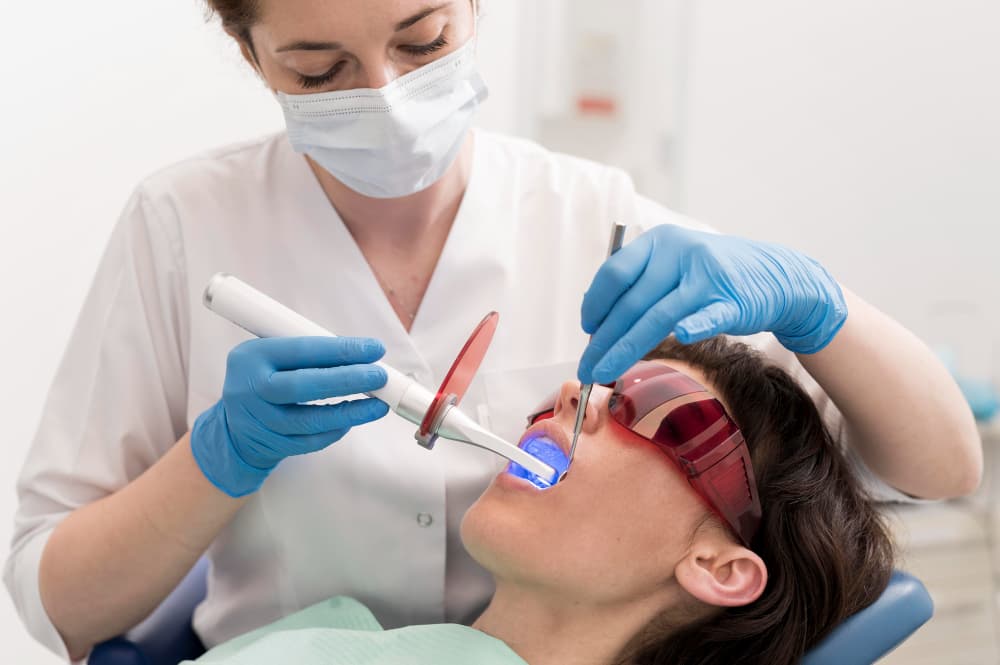
Professional whitening at a clinic uses high-concentration peroxide activated by a laser, which can lighten intrinsic dentine colour to a degree that home products can't approach. At Renew Dental Clinic in Sector 47, Noida, laser whitening produces 4–8 shade improvements in a single 60-minute session — something baking soda isn't going to replicate regardless of how consistently it's used.
Frequently Asked Questions
Q: Can home whitening remedies damage my enamel?
A: Some can. Lemon juice, apple cider vinegar, and excessive baking soda all carry enamel risk. Oil pulling and water rinsing do not. The key is which remedy and how often — most of the genuinely harmful ones are the acidic fruit-based options that are particularly popular in viral content.
Q: How long do home whitening results last?
A: Because home methods primarily remove surface staining rather than bleaching deeper tooth colour, results fade as staining re-accumulates. Rinsing with water after tea and coffee extends any result. Without behaviour change, surface staining returns to its pre-treatment level within a few weeks to months.
Q: My teeth have never been professionally cleaned — should I try home whitening before booking a dentist?
A: Honestly, no. Book the cleaning first. You may be surprised how much of what you think is natural tooth colour is just accumulated tartar and staining. Many people skip straight to whitening when a scale and polish was all that was needed.
Q: Is whitening toothpaste the same as home whitening remedies?
A: Whitening toothpastes work through mild abrasion to remove surface staining — the same basic mechanism as baking soda, but formulated with specific RDA (relative dentin abrasivity) values. They don't bleach enamel. Some contain very low concentrations of hydrogen peroxide that have minimal bleaching effect. They're fine for maintenance; they're not transformative.
Q: What's the safest way to whiten teeth at home?
A: Professional scaling to clear calculus, then baking soda paste used 2–3 times per week, consistent water rinsing after staining drinks, and avoiding acidic "natural" whitening agents. If you want more than surface stain removal, that requires professional bleaching.
For a professional assessment of your teeth and to discuss whether in-office whitening is appropriate for you, contact Renew Dental Clinic, Sector 47, Noida.
📞 +91 99710 35300
A-321, Basement Floor, Next to Mother Dairy Store, Sector 47, Noida, Uttar Pradesh 201303
Monday–Saturday 10:30 AM – 8:00 PM | Sunday 11:00 AM – 2:30 PM