By Renew Dental ClinicPublished on

Woman reacting to unpleasant breath
Most people have occasional bad breath. After garlic, after coffee, first thing in the morning — transient mouth odour that resolves with brushing or eating is a normal physiological variation. Most people manage this adequately and move on.
Halitosis is different. It's chronic, persistent bad breath that doesn't fully resolve with normal oral hygiene, that other people notice consistently, and that the person themselves may or may not be aware of. It affects an estimated 15 to 25% of the global population — though the actual number is difficult to establish because self-reporting is unreliable and sufferers often don't know they have it.
The most important thing to understand about halitosis: it almost always has a specific identifiable cause. It's not a character failing, not simply poor hygiene, and not something to be managed indefinitely with mouthwash while the underlying cause continues unaddressed.
The primary culprits in bad breath are volatile sulfur compounds (VSCs) — hydrogen sulfide, methyl mercaptan, and dimethyl sulfide. These gases are produced when anaerobic bacteria (bacteria that thrive without oxygen) metabolise sulfur-containing proteins from food debris, dead oral cells, and saliva proteins.
The smell threshold for hydrogen sulfide is around 0.5 parts per billion. That's an extraordinarily small concentration. Even a modest shift in oral bacterial ecology can produce detectable breath changes.
These bacteria are normal inhabitants of the mouth. In a healthy oral environment with adequate saliva, consistent cleaning, and no pathological conditions, their VSC production remains low enough to be continuously neutralised. When something tips the balance — reduced saliva, increased bacterial load, deeper pockets for bacteria to colonise undisturbed, or a diet providing more substrate — VSC production rises above the neutralisation threshold and becomes perceptible.
This is the leading dental cause of chronic halitosis. Periodontal pockets — the deepened gum crevices that form when gum disease causes the gum to separate from the tooth — are oxygen-poor, protein-rich environments. The anaerobic bacteria responsible for periodontitis are also among the most potent VSC producers. They operate continuously in these pockets, and standard oral hygiene at home cannot reach them.
Patients with periodontitis often notice their breath doesn't fully clear despite meticulous brushing and tongue cleaning. That's because the source — bacteria in pockets that may be 5, 6, or 7 mm deep — isn't accessible to a toothbrush.
Treatment of gum disease through professional scaling and root planing dramatically reduces the bacterial load in these pockets and the associated VSC production. In clinical studies, treating periodontitis produces among the most consistent improvements in objective halitosis measurements of any intervention available.
After gum disease, the tongue's dorsal surface is the single largest contributor to bad breath. Its textured topography — the papillae, the deep grooves toward the back, the crypts — provides extensive surface area for bacterial colonisation. The posterior third of the tongue is particularly significant: it's the least accessible area, has the deepest crypts, and harbours the highest concentrations of anaerobic bacteria.
A thick white tongue coating is essentially a concentrated reservoir of halitosis-producing bacteria. Studies show that tongue scraping reduces VSC levels by 40 to 75% immediately after use — a more dramatic reduction than any mouthwash achieves. Yet most patients with chronic bad breath either skip tongue cleaning entirely or clean only the accessible front portion.
Effective tongue cleaning requires reaching toward the back of the tongue — as far as comfortable — and using a scraper with adequate surface area to collect the biofilm rather than redistribute it. The gag reflex is real and adapts over days to weeks of regular cleaning.
Saliva's antimicrobial proteins — lactoferrin, lysozyme, secretory IgA — normally suppress anaerobic bacterial populations. When saliva flow is reduced, these populations grow unchecked. VSC production increases proportionally with bacterial load.
Chronic dry mouth from any cause — medications being the most common in adults — creates a persistently elevated halitosis state. Managing the dry mouth — through hydration, saliva substitutes, salivary stimulants, or medication adjustment — is what treats the halitosis. Mouthwash addresses the symptom temporarily while leaving the underlying production mechanism in place.
An active dental abscess produces a characteristic smell — often putrid and distinct from typical bad breath — because the infective process involves protein breakdown and anaerobic bacterial activity in an enclosed space. The smell is not from the mouth surface but from the infected tissue itself.
A draining abscess (one that has opened a channel to drain pus through the gum) may produce persistent bad breath with relatively mild associated pain. The drainage reduces pressure, but the infection continues. Any unexplained, persistent bad breath — particularly with a localised quality or associated with a specific area of the mouth — warrants dental examination to exclude an active infection.
Large, open cavities accumulate food debris and bacteria in a deep, poorly oxygenated space. The bacterial activity within deep cavities produces VSCs and breakdown products. Patients with multiple large untreated cavities often have associated breath issues. Treatment of the decay — fillings, root canals where needed — eliminates these bacterial reservoirs.
When mucus from the sinuses drips onto the back of the tongue and throat continuously, it provides a sustained protein substrate for the anaerobic bacteria that inhabit these surfaces. Patients with chronic sinusitis, allergic rhinitis, or structural nasal problems often have associated bad breath that persists despite excellent dental hygiene.
This form of halitosis is not dental in origin — the cause is in the upper respiratory tract. Dental treatment won't resolve it. ENT assessment and management of the underlying sinus condition is the appropriate path. The clinical signal: bad breath that's noticeably worse when nasal symptoms are worse (during allergy season, during sinus infections).
Tonsil stones are calcified deposits forming in the crypts of the palatine tonsils. They contain concentrated debris — food particles, dead cells, bacteria — and produce strong sulfur-containing odours. Some patients can see them as white or yellowish specks on the tonsils; others are unaware of them.
Management ranges from mechanical removal to tonsillectomy in severe, recurrent cases. This is medical rather than dental in origin.
A small but important proportion of chronic bad breath originates from outside the oral cavity.
GERD: Stomach acid regurgitating into the oesophagus and throat brings acidic, protein-laden content near the oral cavity.
Liver disease: Advanced liver disease produces a characteristic sweet-musty breath (fetor hepaticus) from the liver's reduced ability to process certain sulfur compounds, which are then excreted through the lungs.
Kidney disease: Advanced renal impairment produces an ammonia-like breath odour from urea compounds excreted through respiration.
Uncontrolled diabetes: Diabetic ketoacidosis produces a distinctively sweet, fruity breath from acetone — a ketone produced when the body metabolises fat instead of glucose.
These systemic causes produce distinctive breath qualities — often described as different from typical mouth odour — and are almost always accompanied by other signs of the underlying condition.
An uncomfortable truth about halitosis: the person who has it is often the last to know.
The olfactory system habituates to constant smells — including one's own breath. Self-assessment by sniffing the cupped hand is unreliable. Licking the back of the wrist and smelling it after a few seconds is more reliable but still imperfect.
Tongue coating visual assessment is more practical — a thick white coating, particularly toward the back of the tongue, is a consistent correlate of elevated VSC production.
Asking a trusted person directly is uncomfortable but genuinely informative. Dentists can use objective measures — organoleptic scoring (grading breath on exhalation) and portable sulfide monitors — to quantify VSC levels and identify the source.
At Renew Dental Clinic in Sector 47, Noida, halitosis assessment is part of comprehensive dental examination. Dr. Suchi Singh evaluates the tongue, periodontal status, presence of decay, salivary flow, and oral lesions — building a picture of which factors are contributing before recommending treatment.
The treatment follows the cause.
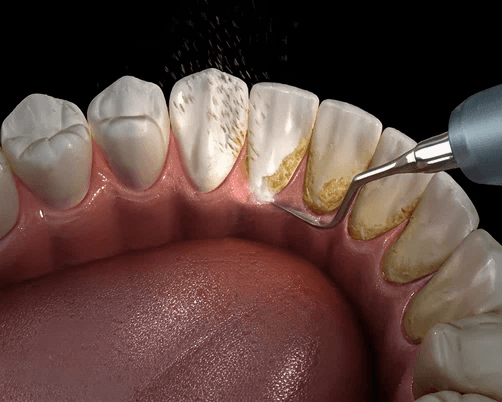
Gum disease: Scaling and root planing removes the bacterial reservoir from periodontal pockets. Followed by ongoing 3 to 4-monthly maintenance appointments to prevent recolonisation.
Tongue coating: Daily tongue scraping — beginning at the posterior dorsum and working forward. This is not a one-time fix; it's an ongoing part of the oral hygiene routine.
Dry mouth: Addressing the cause where possible. Consistent hydration throughout the day. Xylitol-containing lozenges or gum to stimulate saliva. Alcohol-free mouthwash rather than alcohol-containing products.
Dental infections or large cavities: Treatment of the specific lesion.
Post-nasal drip or sinus disease: Referral to ENT. Saline nasal irrigation helps manage chronic rhinitis symptoms.
Systemic causes: The dental assessment identifies that the cause is not oral and guides appropriate medical referral.
Mouthwash alone: Provides 20 to 45 minutes of VSC masking. The smell returns because the source is undisturbed.
Breath mints and gum: Flavour masking without affecting VSC levels at all.
Excessive brushing: Multiple daily brushings don't substitute for treating underlying periodontal disease or tongue coating.
These approaches manage the symptom while the cause continues. Used alongside proper treatment, mouthwash can be a useful adjunct — used as the only intervention, it achieves nothing lasting.
Certain foods directly increase VSC production during digestion and exhalation:
Garlic and onion: Contain sulfur compounds absorbed into the bloodstream and excreted through the lungs — the smell persists for hours after consumption regardless of oral hygiene.
High-protein diets: More protein substrate for VSC-producing bacteria.
Coffee: Coats the tongue and reduces salivary flow temporarily, both increasing bacterial activity.
Alcohol: Reduces saliva and contributes its own metabolite odour (acetaldehyde).
Dietary modification alone doesn't resolve halitosis but can reduce its intensity while the underlying causes are addressed.
Can a healthy person still have halitosis?
Yes. Healthy people with no gum disease can have significant tongue coating and associated breath issues. Diet, hydration, and mouth breathing all affect VSC production independently of gum disease status.
Will my dentist be able to smell it?
Yes. Dentists are trained to notice breath quality clinically. If you're concerned about halitosis but haven't mentioned it, bring it up at your next appointment — it's a clinical finding worth assessing.
Is mouthwash harmful if used daily?
Alcohol-based mouthwash used daily long-term may contribute to oral dryness, which paradoxically worsens halitosis from a dry-mouth origin. Alcohol-free antibacterial mouthwash is more appropriate for regular use.
How quickly does halitosis resolve after treating gum disease?
Patients typically notice improvement within 1 to 2 weeks of professional scaling. Full resolution — as the pocket depths reduce and the bacterial environment stabilises — takes 4 to 8 weeks of combined professional treatment and improved home hygiene.
To book a halitosis assessment at Renew Dental Clinic, Sector 47, Noida, call (0120) 498-8333.
Monday–Saturday 10:30 AM – 8:00 PM | Sunday 11:00 AM – 2:30 PM.
 Copy
Copy
Bleeding gums that don't respond to better brushing may have a nutritional cause. Several vitamin...
20 Aug 2026
by Renew Dental Clinic
Toothpaste ads show a full brush of foam. Dentists recommend a pea-sized amount. This guide...
17 Aug 2026
by Renew Dental Clinic
The mouth isn't isolated from the rest of the body — it's connected to it...
14 Aug 2026
by Renew Dental Clinic

Laser gum treatment is becoming more common at dental clinics in Noida. This guide explains...
17 Sept 2026
by Renew Dental Clinic
Had a tooth removed in Noida? This practical day-by-day guide covers exactly what to eat...
17 Jun 2026
by Renew Dental Clinic
Most wisdom tooth stitches dissolve on their own — but not all do, and knowing...
27 Sept 2026
by Renew Dental Clinic
Gum disease starts silently — often years before it causes pain or visible damage. This...
13 Aug 2026
by Renew Dental Clinic

Sensitive teeth stopping you from enjoying hot chai or cold water? This guide explains which...
06 Jul 2026
by Renew Dental Clinic

Bad breath, also known as halitosis, is a very common condition that affects people of...
06 Nov 2025
by Renew Dental Clinic
White or brown spots on your teeth that appeared without any obvious cause? This guide...
01 Jul 2026
by Renew Dental Clinic

Learn affordable handy tips on how to prevent tooth decay at home. Learn daily habits,...
21 Oct 2025
by Renew Dental Clinic
Not every cavity needs a root canal — but many patients aren't sure where the...
23 Sept 2026
by Renew Dental Clinic

Dilemma between dental implants and bridges? Weigh the cost, longevity, procedure, and advantages to determine which tooth replacement method is superior.
03 Oct 2025
by Renew Dental Clinic

Thinking about dental implants in Noida? This complete guide covers how implants work, who qualifies,...
14 May 2026
by Renew Dental Clinic
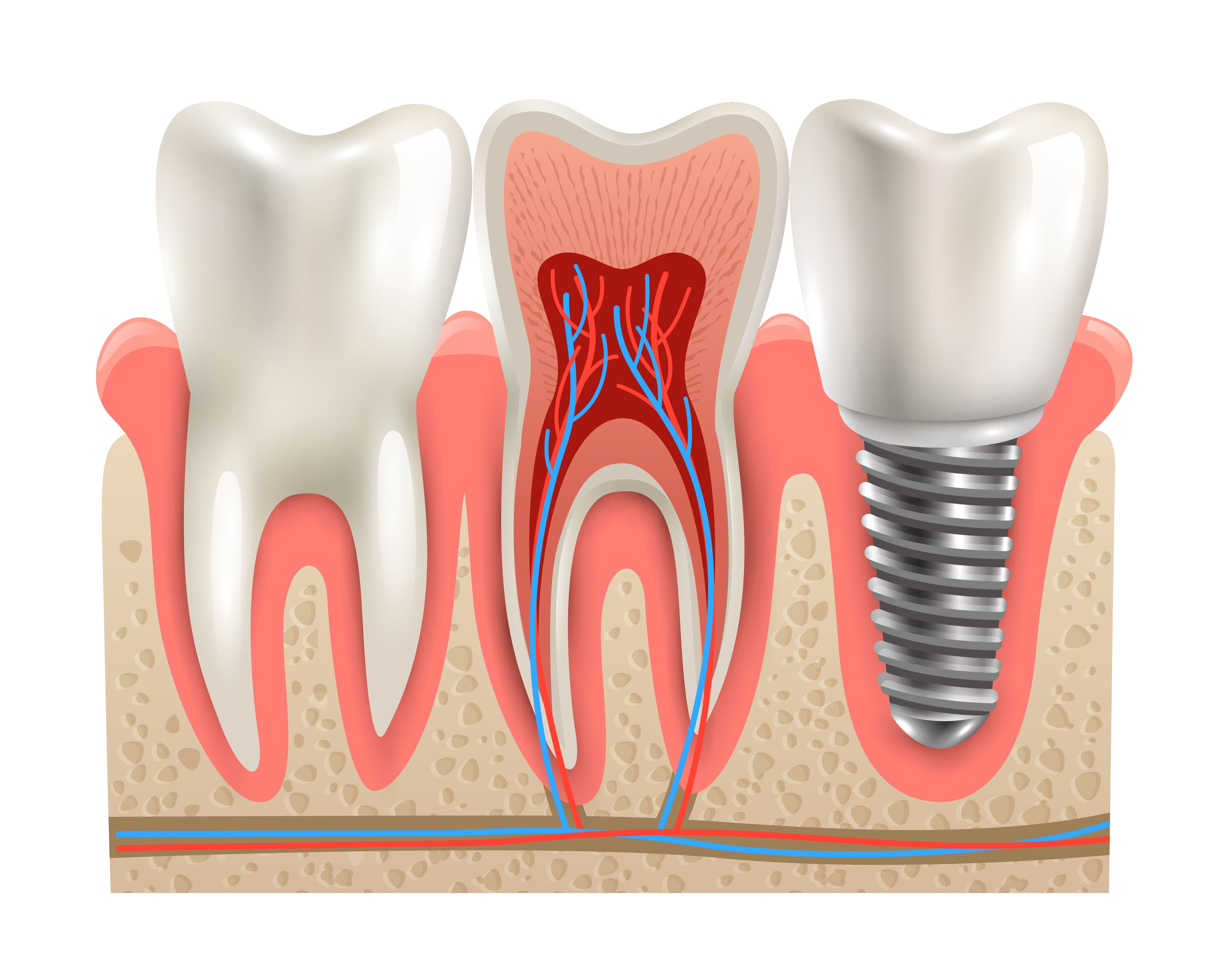
Considering dental implants in Delhi NCR? This first-timer's guide covers everything — how implants work,...
03 Jun 2026
by Renew Dental Clinic
Explore More
Explore More
Discover how thousands of patients trust Renew Dental Clinic with their smiles.
Excellent explanation, punctual, welcoming staff, High hygiene standards, great team..
Awesome experience
Feel Positive vibes once I visited Renew Dental Clinic. It was more comfortable once meet Dr. Suchi. Post treatment no complications. RCT and other treatments were painless and results were satisfactory. All clinic employees were very friendly.
Better experience
Best dental treatment
This clinic is perfect and it works very well😁😁
She is the best doctor in Noida
I had a very positive experience at this dental clinic. The support staff were extremely helpful, polite, and well-organized, making the entire process smooth from appointment booking to follow-up. The doctors were not only highly professional but also very kind and patient in explaining the treatment procedures, which made me feel comfortable and well-informed.
Doctor n her team very much concerned with patient 👍👍👍
A glimpse into our modern dental clinic, advanced technology, and patient-friendly environment at Renew Dental.
Explore our thoughtfully designed clinic spaces built to provide comfort, cleanliness, and a calming experience for patients of all ages.





Best Dentist in Noida
Renew Dental Clinic located in Noida, Sector 47, is one of the leading dental clinics. Founded by Dr. Suchi Singh who is widely regarded as one of the best dentists in Noida, the clinic is committed to delivering personalised and high-quality dental care. Dr. Suchi Singh focuses on customised treatment plans designed around each patient’s unique needs, ensuring advanced, comfortable and reliable dental care at Renew Dental Clinic.

Your Trusted Dental Experts

Complete Dental Care

Friendly Dental Space

No Hidden Charges



Two trusted dental clinics in Noida — Renew Dental (Sector 47) and Tooth & Truth (Sector 34) — for gentle, modern care.

Renew Orthopedic Clinic, A-321, Basement Floor, Next to Mother Dairy Store, Sector 47, Noida, Uttar Pradesh 201303
 +91 99710 35300
A-98/A, Block A, Sector 34, Noida, Uttar Pradesh 201307
+91 99710 45002© 2026. All rights reserved | Designed and Developed by Zarle Infotech