By Renew Dental ClinicPublished on
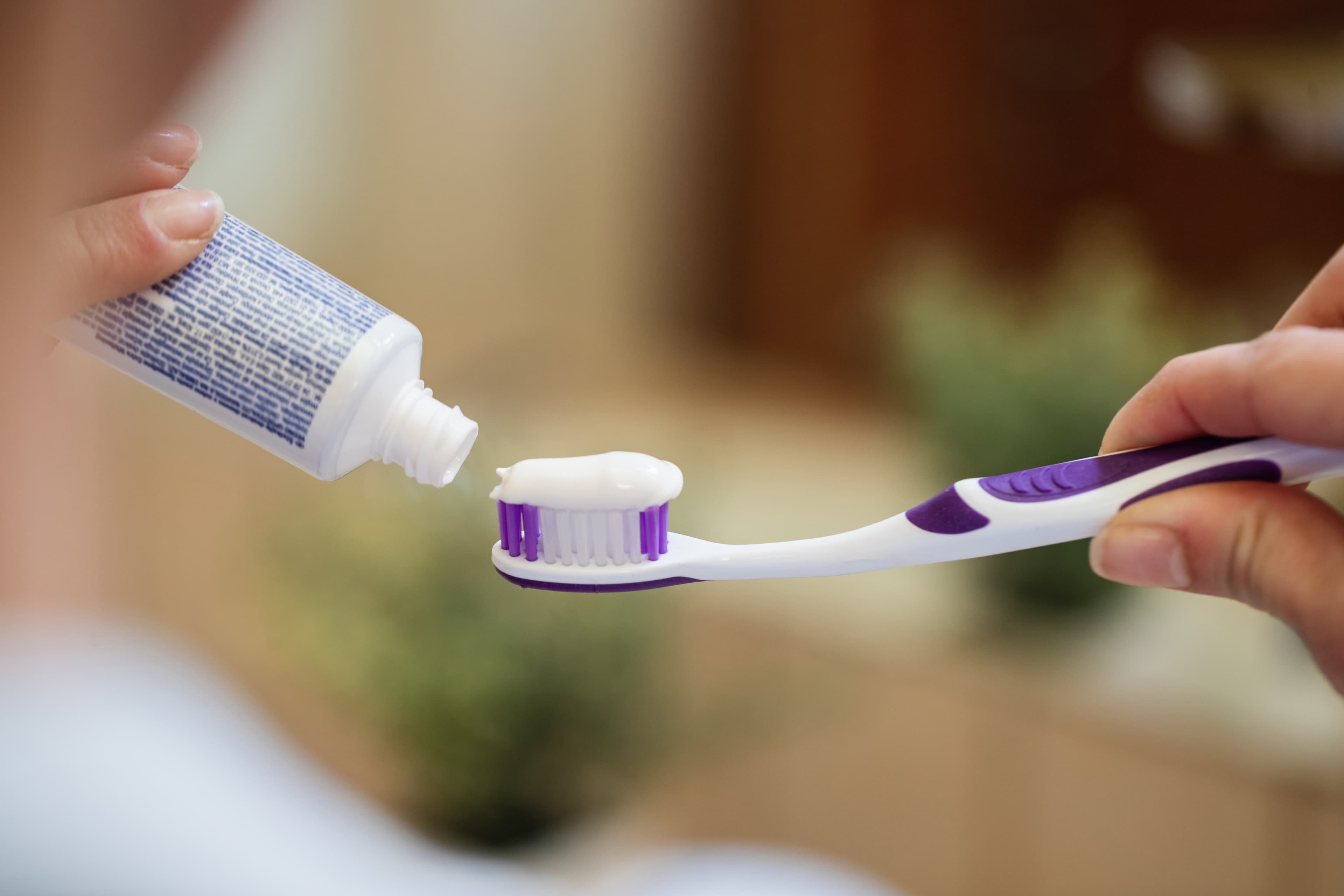
A woman applying toothpaste onto her toothbrush.
Walk into any pharmacy in Noida and look at the toothbrush selection. The options split along bristle hardness: soft, medium, and firm. Most people instinctively reach for medium or firm because "soft" sounds insufficient — like it won't clean properly.
This intuition is wrong. Dental recommendations have consistently pointed toward soft bristles for the majority of patients for decades, not from excessive caution, but because the evidence for the damage caused by firmer bristles is extensive and consistent.
Plaque — the bacterial biofilm that brushing is designed to remove — is soft. It doesn't require hard pressure or stiff bristles to disrupt. What it requires is consistent mechanical contact with the tooth surface and gumline. Soft bristles make that contact effectively. Medium and hard bristles make that contact while simultaneously abrading enamel and traumatising gum tissue in ways that accumulate into real clinical problems over years.
The classification of toothbrush bristles — soft, medium, firm — refers to the stiffness of the nylon filaments in the bristle head. Stiffer filaments resist flexing under pressure; softer filaments flex more readily.
This mechanical difference has two relevant clinical effects:
At the tooth surface: Stiffer bristles apply more concentrated force per bristle to the enamel. Over time — across thousands of brushing sessions — this concentrated force contributes to cervical abrasion: the wearing away of tooth substance at the cervical area, the tooth-neck where the crown meets the root. This wear is visible as a notch or groove at the gumline, often described as a V-shaped notch that feels like a rough groove when the tongue explores it.
Cervical abrasion from hard bristles is permanent. It contributes to sensitivity (as dentine is exposed), aesthetic concern (darker root surface visible), and root caries risk (root dentine has no enamel protection and decays more readily than crown surfaces).
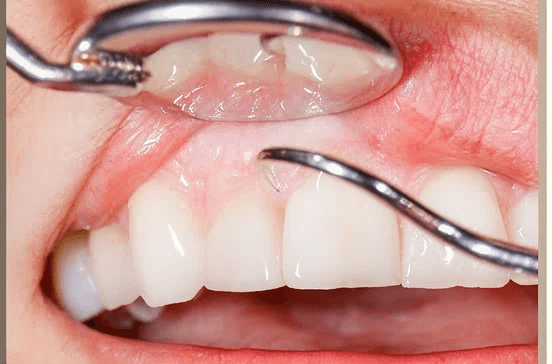
At the gumline: Firm bristles applied with horizontal scrubbing technique — the most common brushing technique error — physically traumatise the gum tissue. The gum responds by receding — pulling back from the tooth. Gum recession is, for practical purposes, irreversible without surgery. Once the gumline has moved apically, it does not return on its own.
The characteristic appearance: recession concentrated on the outer surfaces of the teeth the patient reaches most easily (often canines and premolars on the dominant side), with healthy-looking (pink, not inflamed) but progressively lower gum tissue.
Several studies have confirmed the association between firmer bristles and gum recession.
A study in the Journal of Clinical Periodontology found that patients using medium or hard bristles showed significantly more gingival recession than those using soft bristles over the same period. Research published in the Brazilian Oral Research journal similarly found that firm-bristle toothbrush users had more evidence of cervical abrasion.
Importantly, the amount of pressure applied during brushing amplifies the bristle hardness effect. A patient brushing very lightly with a medium brush may cause less damage than a patient pressing moderately with a soft brush. But in practice, people rarely monitor their brushing pressure — and the combination of medium or hard bristles with any significant pressure consistently produces more damage than soft bristles across the range of real-world brushing pressures.
The visual check: look at your current toothbrush's bristles. If they're significantly splayed outward within 4 to 6 weeks of use, you're brushing with too much pressure — and the bristle hardness you choose will amplify this. Soft bristles with the same pressure splay less dramatically.
The recommendation from virtually every major dental organisation — including the Indian Dental Association, the American Dental Association, and the British Dental Association — is soft bristles for the general adult population.
This applies to:
The counterintuitive principle: soft bristles flex against the gumline more effectively than firm bristles, allowing them to reach slightly beneath the gum margin where the most important cleaning occurs. Stiff bristles resist flexing and may actually reach the sulcus less efficiently despite feeling more forceful.
Medium bristles are not universally harmful. For a very small proportion of adults — those with robust enamel, no gum recession history, very light brushing technique, and particularly heavy tartar accumulation — medium bristles may be appropriate.
This is a narrow clinical indication, not a broad recommendation. If a dentist has specifically told you that medium is appropriate for your situation — with knowledge of your gum and enamel condition — that advice is based on clinical information. If you're choosing medium independently, the probability that soft is the better choice is high.
The honest practical assessment: most patients who use medium bristles would see better outcomes with soft. The switch is low-cost, low-effort, and clinically well-supported.
Firm or hard bristles are not recommended for routine dental hygiene in adults. Their primary role is in specialised cleaning contexts — cleaning dentures (which require firm bristles), cleaning equipment, or specific professional uses. On natural teeth and healthy gum tissue, the abrading force of hard bristles consistently outweighs any cleaning benefit.
If you're currently using hard bristles, switching to soft is one of the most straightforward changes you can make to stop ongoing damage. The damage already done — recession, cervical abrasion notches — won't reverse. Further damage from continuing to use hard bristles is preventable.
Bristle hardness and brushing pressure interact. Soft bristles with very heavy pressure can still cause damage; medium bristles with very light pressure may not cause significant harm. The aim is soft bristles with appropriate pressure — and understanding what appropriate pressure looks and feels like.
The pen grip: Hold the toothbrush the same way you'd hold a pen in a relaxed hand — not gripped firmly, but held lightly enough to control it. This typically corresponds to the appropriate pressure level for brushing.
The bristle check: After 4 to 6 weeks of use, the bristles of a soft toothbrush used correctly should show slight splaying from normal use but should not be significantly bent outward. Heavy splaying indicates excessive pressure.
The pressure sensor: Many electric toothbrushes include a pressure sensor that alerts when the user is pressing too hard. For patients with a history of gum recession or cervical abrasion, an electric brush with a pressure sensor addresses the technique problem directly and reliably.
Children's toothbrushes are always soft — this is standard across all brands. The smaller head size and softer bristles appropriate for children's enamel (which is thinner than adult enamel) make paediatric brushes straightforwardly the right choice for children under 12.
Children often apply more pressure than adults when brushing independently — they press down without the feedback loop that adults develop over years of brushing. Parental supervision of technique remains important through middle childhood.
For teenagers who have begun using adult toothbrushes: soft-bristled adult brushes are appropriate. Teenagers tend to mirror adult behaviours in their product choices, which sometimes means reaching for firm brushes because they associate firmness with thoroughness. Discussing bristle choice with adolescent patients at Renew Dental Clinic is a routine part of hygiene advice.
| Soft | Medium | Hard | |
|---|---|---|---|
| Recommended for most adults | Yes | No (occasional exception) | No |
| Gum recession risk | Low | Moderate | High |
| Cervical abrasion risk | Low | Moderate | High |
| Cleaning effectiveness (correct technique) | Equal | Equal | Equal |
| Appropriate for children | Paediatric soft only | No | No |
| Appropriate for denture cleaning | No | No | Yes |
The cleaning effectiveness row is the important one. Soft, medium, and hard bristles all clean teeth equally well when technique is correct. The differences are in the side effects — the tissue and enamel damage — not in cleaning performance.
My gums bleed when I brush softly — doesn't that mean I should brush harder?
No. Bleeding gums indicate inflammation from plaque accumulation, not insufficient cleaning force. The solution is better technique at the gumline with soft bristles and daily flossing — not harder pressure. Pressing harder with a firm brush on already-inflamed gum tissue worsens both the bleeding and any recession that results.
I've used medium bristles for years — should I switch?
If your gums are healthy, there's no recession, and your enamel shows no cervical abrasion, the case for switching is preventive rather than urgent. If you have any recession, any sensitivity at the gumline, or visible notching at the base of any teeth, switching to soft immediately and permanently is appropriate.
Can I use the same toothbrush for my teeth and tongue cleaning?
You can clean the tongue with the back of the brush head if it has a tongue-cleaning surface. A dedicated tongue scraper is more effective. Using the bristle side of a toothbrush on the tongue is less effective than a scraper and isn't the intended use of the bristle head.
For personalised toothbrush recommendations based on your specific dental situation at Renew Dental Clinic, Sector 47, Noida, call (0120) 498-8333.
Monday–Saturday 10:30 AM – 8:00 PM | Sunday 11:00 AM – 2:30 PM.
 Copy
Copy
Copper tongue cleaners are recommended everywhere in Ayurveda. Plastic and stainless steel ones are cheaper...
03 Sept 2026
by Renew Dental Clinic
Most people who floss aren't doing it correctly. This guide covers the proper technique for...
31 Aug 2026
by Renew Dental Clinic
Skipping dental check-ups to save money is one of the costliest decisions in healthcare. This...
27 Aug 2026
by Renew Dental Clinic
A gap between your front teeth has multiple treatment options in Noida — and which...
20 Sept 2026
by Renew Dental Clinic

Getting your wisdom teeth removed seems to sound scary, but with proper preparation and post-treatment care, it can be a trouble-free and tensionless process.
21 Oct 2025
by Renew Dental Clinic
Choosing between traditional braces and clear aligners in Noida? This practical comparison covers appearance, effectiveness,...
11 Jun 2026
by Renew Dental Clinic
Need a dental crown in Noida? This complete patient guide explains every type of dental...
18 Jun 2026
by Renew Dental Clinic
Dental crowns are a long-term investment, not a permanent one. Learn lifespans by material, signs...
16 Oct 2026
by Renew Dental Clinic

If you’ve ever had a damaged, cracked, or root canal-treated tooth, your dentist probably suggested...
21 Oct 2025
by Renew Dental Clinic
Think scaling is just about cleaner teeth? This guide explains what dental scaling actually does,...
15 Jun 2026
by Renew Dental Clinic
Gums bleeding when you brush or floss? This guide explains the real causes of gum...
09 Jul 2026
by Renew Dental Clinic
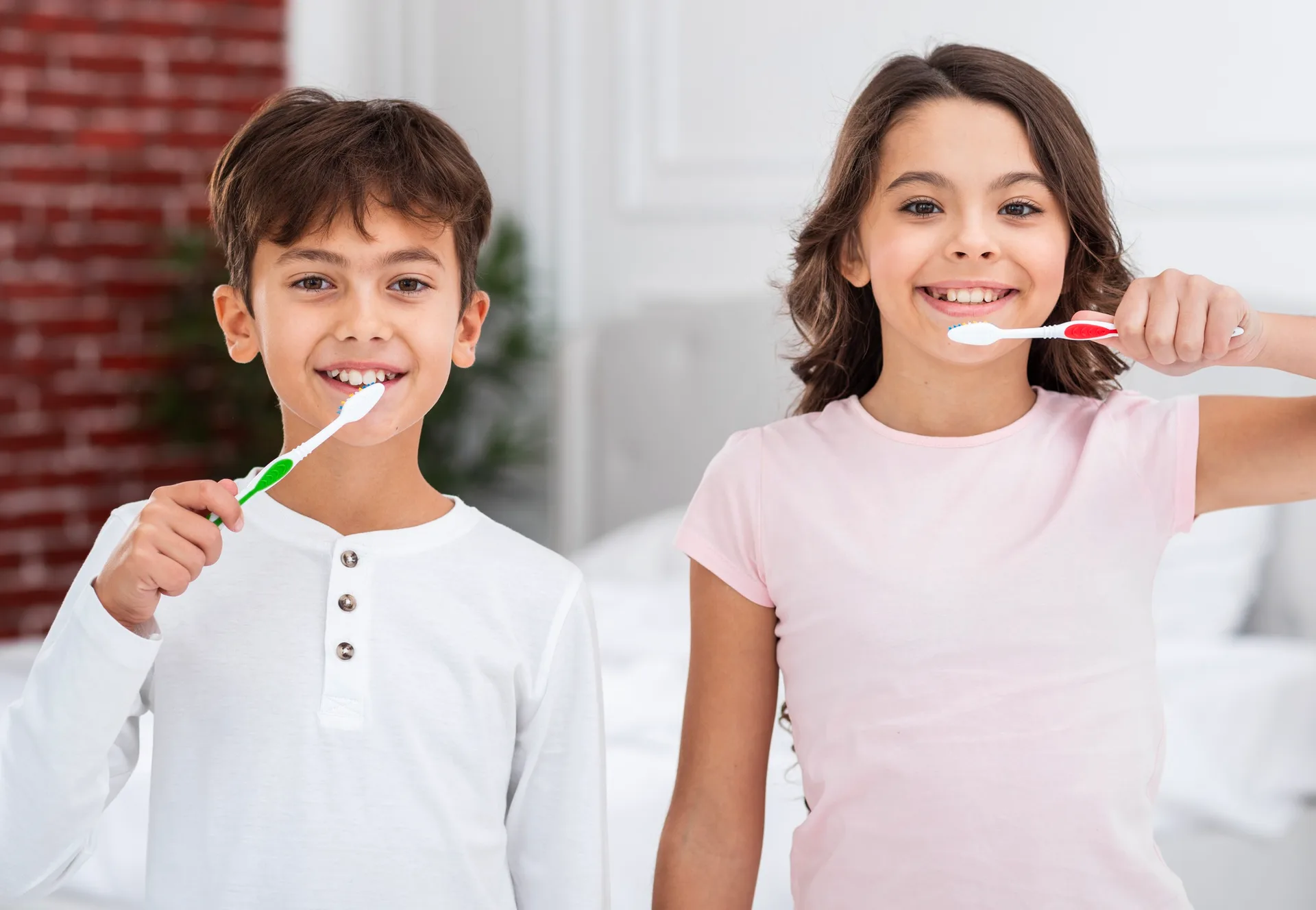
Two minutes sounds simple. Most people brush for 45 seconds. Here's what the research says...
03 Aug 2026
by Renew Dental Clinic
Explore More
Explore More
Discover how thousands of patients trust Renew Dental Clinic with their smiles.
Definitely one of the best dental clinic in Noida! Well equipped and very clean - which was quite impressive.
Very polite and experienced doctors. They made sure we understood the entire procedure very throughly. Overall a great experience!
Awesome experience
Amazing experience with Dr. Suchi... The staff is also very cordial... Overall a must visit for any type of dental issue...
One of the best doctor in town….must visit…….
I am very happy with my treatment. It was 8-9 months long process and not for once I felt any difficulty in terms of service and hospitality.
मैं और मेरे परिवार के सभी सदस्य दंत चिकित्सा के लिए जाते रहते हैं।
Best doc in Noida
Have been a long standing customer of Dr Suchi's dental services. Her knowledge, attention to detail and empathy is one of the best
A glimpse into our modern dental clinic, advanced technology, and patient-friendly environment at Renew Dental.
Explore our thoughtfully designed clinic spaces built to provide comfort, cleanliness, and a calming experience for patients of all ages.



Best Dentist in Noida
Renew Dental Clinic located in Noida, Sector 47, is one of the leading dental clinics. Founded by Dr. Suchi Singh who is widely regarded as one of the best dentists in Noida, the clinic is committed to delivering personalised and high-quality dental care. Dr. Suchi Singh focuses on customised treatment plans designed around each patient’s unique needs, ensuring advanced, comfortable and reliable dental care at Renew Dental Clinic.

Your Trusted Dental Experts

Complete Dental Care

Friendly Dental Space

No Hidden Charges

Two trusted dental clinics in Noida — Renew Dental (Sector 47) and Tooth & Truth (Sector 34) — for gentle, modern care.

Renew Orthopedic Clinic, A-321, Basement Floor, Next to Mother Dairy Store, Sector 47, Noida, Uttar Pradesh 201303
 +91 99710 35300
A-98/A, Block A, Sector 34, Noida, Uttar Pradesh 201307
+91 99710 45002© 2026. All rights reserved | Designed and Developed by Zarle Infotech