Common Dental Myths Debunked — What Most Indians Believe That Isn't True
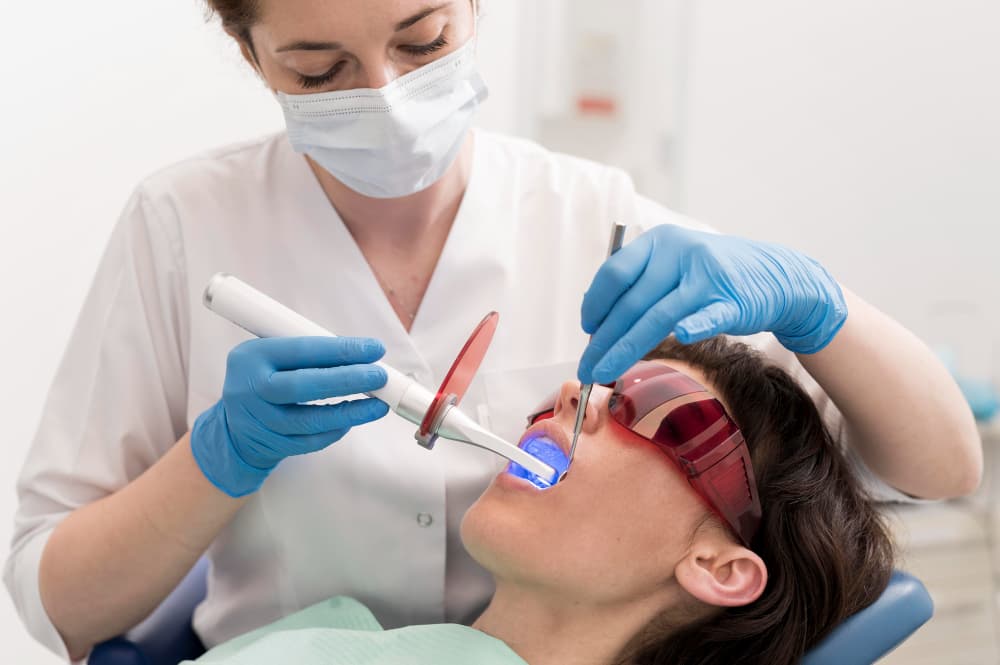
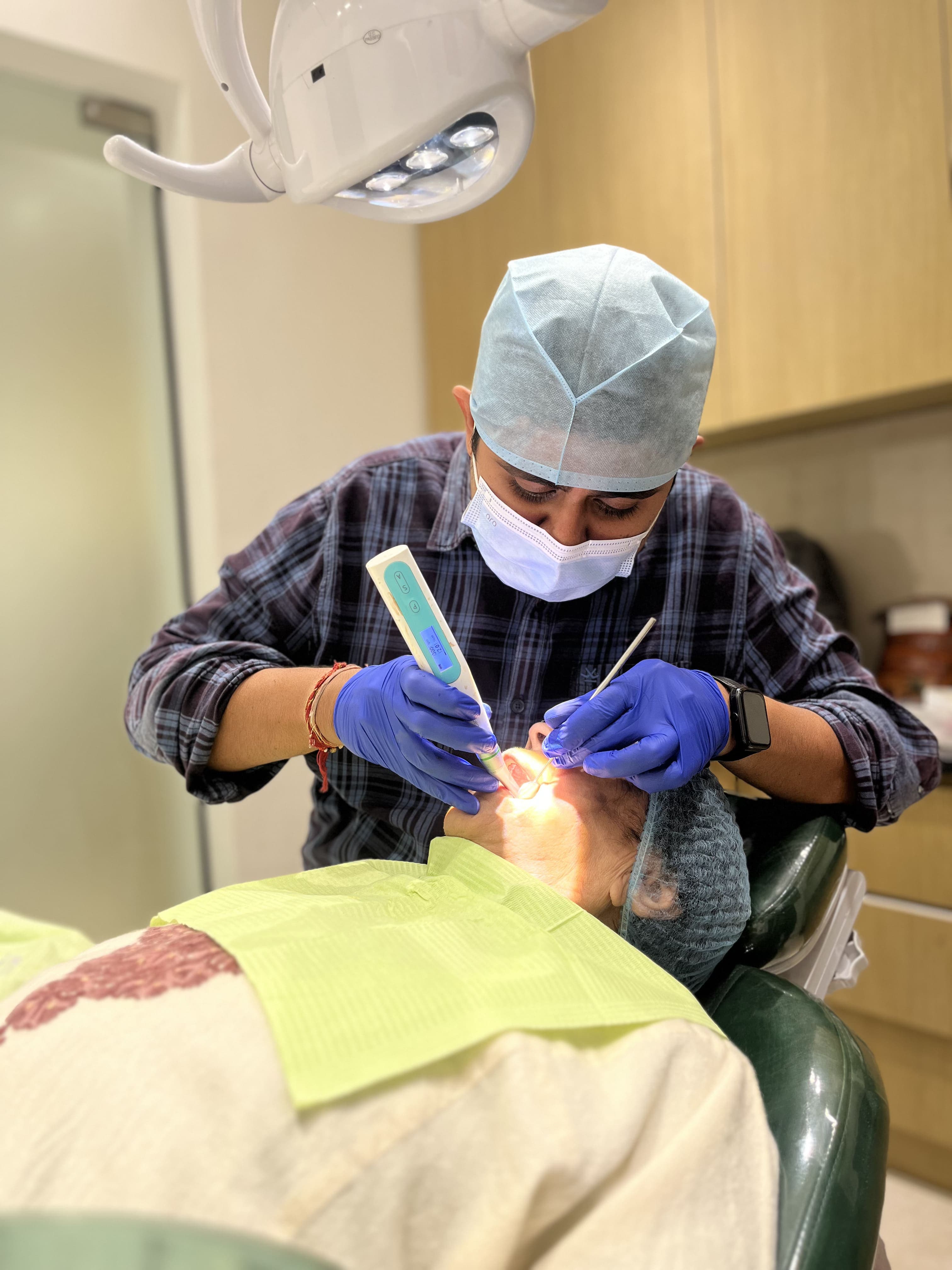
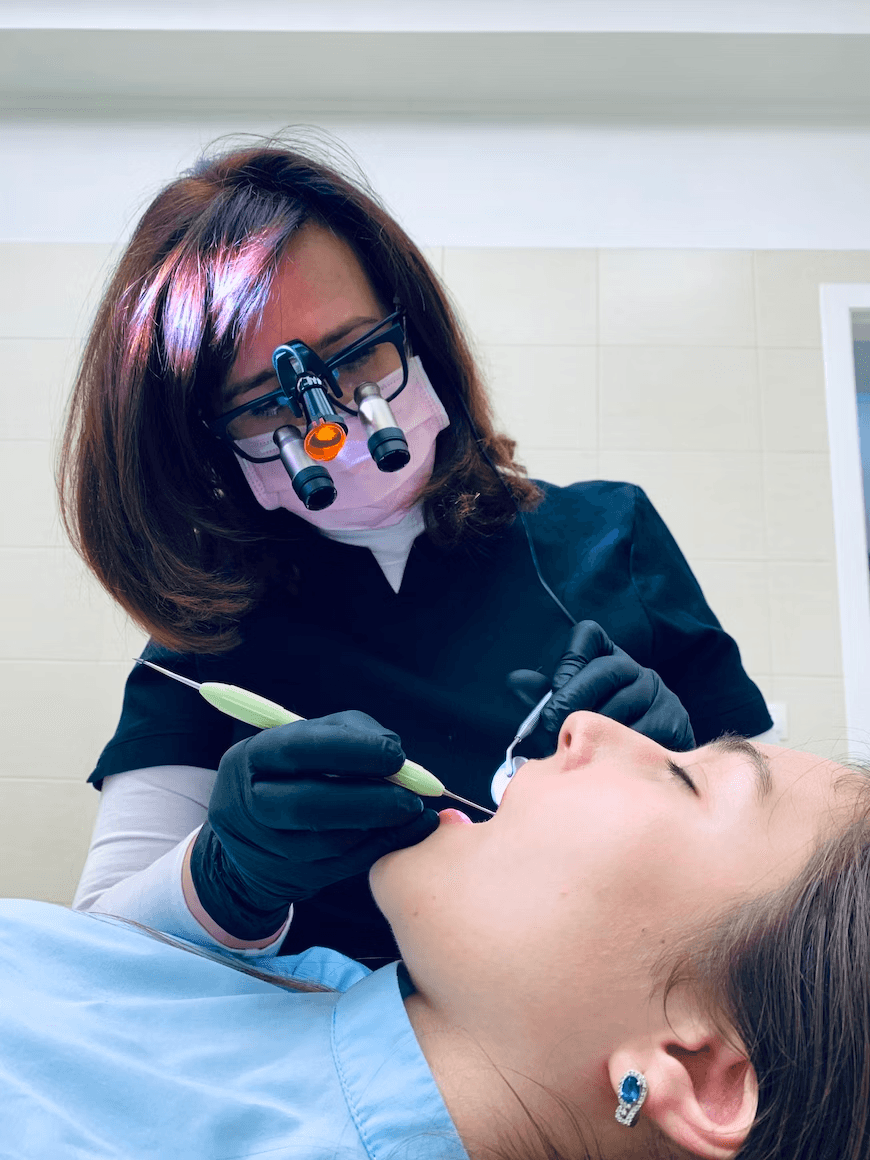
Female patient having a procedure done at the dentist.
There are a remarkable number of widely held beliefs about dental health in India that are either partially wrong, entirely wrong, or just barely right in a way that encourages the wrong behaviour. Some are harmless misunderstandings. Some actively delay treatment that would have been straightforward if sought earlier.
Here are the ones that come up most consistently at Renew Dental Clinic in Sector 47, Noida — addressed directly.
Myth 1: "If My Tooth Doesn't Hurt, Nothing Is Wrong"
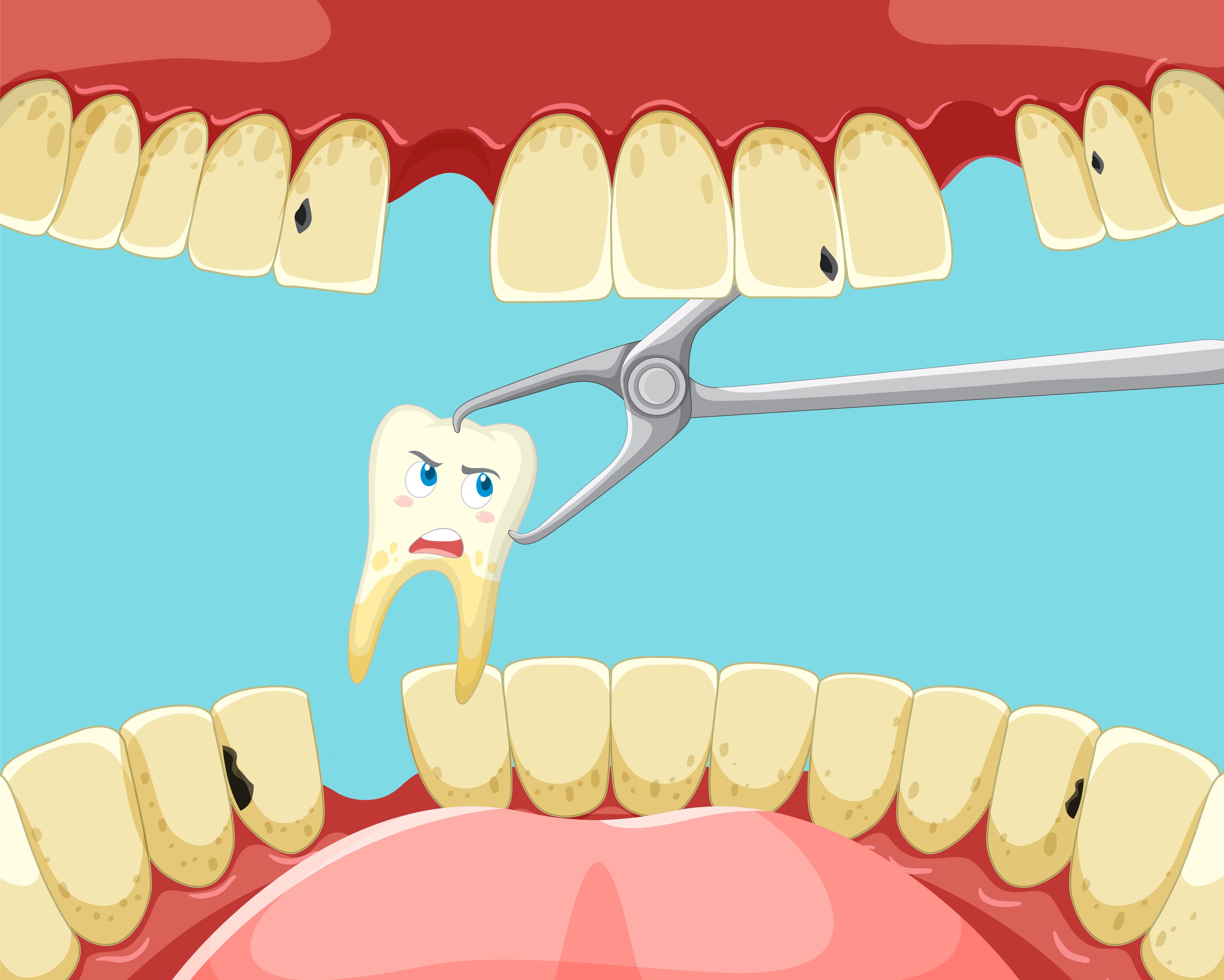
This is possibly the most consequential dental myth in existence. It underlies most of the significant dental neglect that results in people arriving at the clinic needing root canals, extractions, and complex treatment for problems that would have been simple fillings a year or two earlier.
What's actually true: Dental disease is largely silent until it's advanced. A cavity growing through enamel and into dentine causes no pain in most cases. Gum disease destroying bone around teeth causes no pain — typically none at all — until the bone loss is substantial. Early-stage oral cancer causes no pain. The pain from a dental problem is a late signal, not an early one.
This is not a design flaw. It's just biology. But the practical implication is the opposite of what most people conclude from "nothing hurts." Pain-free doesn't mean disease-free. It means the disease hasn't reached the nerve yet.
The only way to know what's actually happening in the mouth is a professional examination with X-rays, which detect what no amount of tongue-probing at home can identify.
Myth 2: "Scaling Loosens Teeth and Damages Enamel"
This myth is extremely common in India and prevents many patients from getting professional cleaning appointments that their gum health genuinely requires.
What's actually true: Scaling removes calculus (tartar) — the hardened bacterial deposit that adheres to the tooth surface and below the gumline. Calculus cannot be removed by brushing, regardless of the bristle type or the toothbrush. Only professional instruments (an ultrasonic scaler and hand curettes) remove it.
The instruments used in scaling are calibrated to disrupt and remove calculus deposits without damaging the enamel surface beneath. The enamel is not being scratched away — the calculus is being removed from it.
The sensation after scaling — that teeth feel "loose" or "different" — comes from two sources. First, the calculus between teeth acted as a rigid spacer that the tongue noticed. Removing it means teeth feel more separate, which patients interpret as looseness. They're not loose; the artificial spacer is just gone. Second, if calculus was covering the gumline, its removal exposes the natural gum margin, which again feels different from what the patient was used to.
Teeth don't loosen from scaling. They sometimes loosen from the advanced gum disease that develops when scaling is avoided for years.
Myth 3: "Milk Teeth Don't Need Treatment Because They'll Fall Out Anyway"
This one comes from parents who feel that investing in treatment for a decaying milk (primary) tooth is unnecessary because a permanent tooth will replace it.
What's actually true: There are two important reasons this reasoning fails.
First, milk teeth are not replaced for years. The front teeth come out between ages 6 and 8 — which means a decaying upper front tooth in a 3-year-old can cause pain, infection, and significant problems for 3 to 5 years before it falls out naturally. A child in dental pain eats poorly, sleeps poorly, and may develop anxiety around dental care that persists into adulthood.
Second, milk teeth are space holders. They maintain the gap that the permanent tooth will erupt into. A milk molar lost prematurely to decay leaves a space that adjacent teeth drift into over months and years, potentially blocking the path of the permanent tooth. The result can be significant orthodontic problems caused entirely by the untreated cavity.
Treating milk teeth matters. The fact that they're temporary doesn't change the fact that they're serving real functions for real years of a child's life.
Myth 4: "Brushing Harder Cleans Better"
The intuition that more force equals better cleaning is reasonable in many contexts. In tooth brushing, it's wrong.
What's actually true: Plaque is a soft biofilm. It doesn't require significant force to disrupt — it requires consistent, correctly positioned mechanical contact. A soft brush moved gently along the gumline with the correct angle and short strokes removes plaque as effectively as a firm brush applied with heavy pressure.
What heavy pressure with firm bristles does that light pressure doesn't: it abrades enamel at the cervical area (the tooth-neck where enamel is thinnest), it traumatises gum tissue, and over years it causes gum recession that is permanent without surgical intervention.
The characteristic appearance of a heavy-pressure brusher: V-shaped notches at the gumline of specific teeth, gum recession concentrated on the outer surfaces of the easiest-to-reach teeth, and sensitivity from exposed root dentine.
Softer touch, soft bristles, systematic technique. More effective; far less damaging.
Myth 5: "Sugar-Free Products Are Safe for Teeth"
This is partially right in a way that creates a misleading conclusion.
What's actually true: Sugar-free products don't feed the bacteria that produce cavity-causing acid — which is the mechanism by which sugar causes decay. So sugar-free gum, sugar-free candies, and diet drinks don't cause cavities through bacterial acid production the way sucrose-containing products do.
The problem is acidity. Many "sugar-free" products — particularly diet carbonated drinks, artificially sweetened fruit drinks, and sugar-free sports drinks — are highly acidic. The acid directly dissolves enamel through erosion, independent of bacterial activity. Diet cola has a pH of approximately 2.5 to 3. It doesn't feed bacteria, but it erodes enamel directly.
Sugar-free doesn't mean acid-free. And acid erosion is a significant and growing dental problem, particularly in urban Indian populations where cold drinks are consumed frequently.
Myth 6: "Bleeding Gums Mean I'm Brushing Too Hard"
This explanation is so common that patients have usually told themselves the story before they even arrive at the clinic.
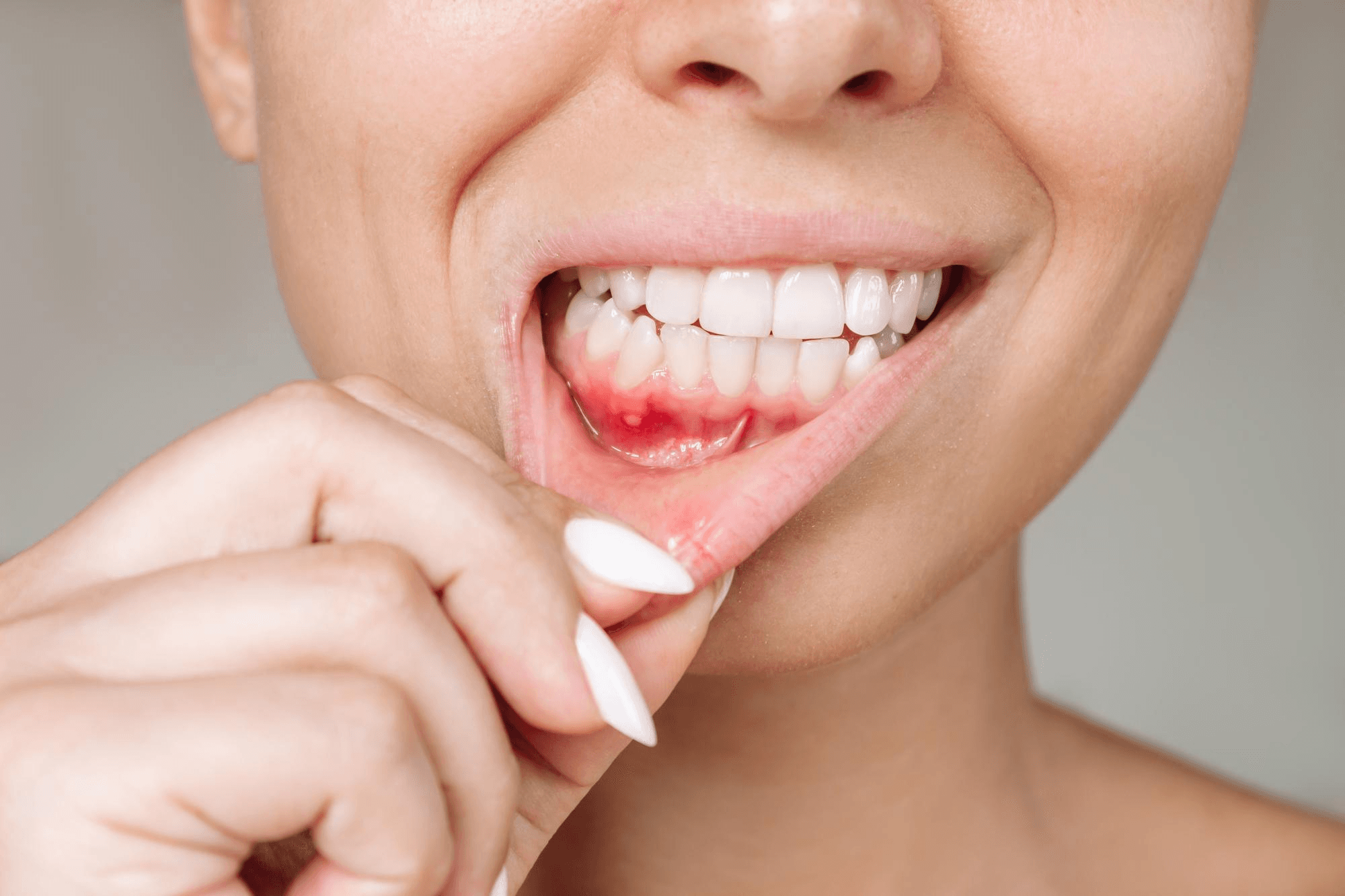
What's actually true: Healthy gum tissue doesn't bleed from brushing, regardless of how hard or how soft the brushing is. Bleeding gums are inflamed gums — the blood vessels in the inflamed tissue are fragile and rupture on contact.
Brushing too hard on healthy gums causes gum recession. Brushing with any technique on inflamed gums causes bleeding. These are different conditions. The presence of bleeding means gum inflammation is present; the question is what's causing it.
In most cases: plaque and calculus accumulation at the gumline driving bacterial infection of the gum tissue. The solution isn't to brush more gently — it's to clean more thoroughly (correct gumline technique, daily flossing) and get a professional clean to remove the calculus that home care can't.
Myth 7: "Charcoal Toothpaste Is Better for Whitening"
Charcoal toothpaste has been aggressively marketed across India's urban market as a premium natural whitening option.
What's actually true: The American Dental Association has not given its seal of acceptance to any charcoal-based toothpaste and has specifically raised concerns about the abrasivity of activated charcoal particles on enamel. The evidence for charcoal toothpaste providing superior whitening to standard formulations is weak. The evidence for its abrasivity potentially causing enamel damage with regular use is more concerning.
The "whitening" effect of charcoal toothpaste — where it exists — comes from mechanical abrasion removing surface staining deposits. This is the same mechanism as any abrasive whitening toothpaste, and charcoal's abrasivity may be higher than safer alternatives. Additionally, the fine black particles in charcoal toothpaste can settle into the crevices of the gum tissue at the gumline, causing discolouration in that specific area that is difficult to remove.
Standard whitening toothpastes with a measured RDA (relative dentin abrasivity) value and, for actual colour improvement, professional laser whitening are the evidence-based approaches.
Myth 8: "Pregnant Women Should Avoid the Dentist"
Covered in detail in the pregnancy dental care blog in this series, but worth including here because it's one of the most consequential dental myths — it causes real harm through the dental complications that develop during the period of avoided care.
What's actually true: Dental treatment during pregnancy is safe. Local anaesthesia (lidocaine) is safe throughout pregnancy. Professional cleaning is safe at any trimester. X-rays when clinically necessary are safe. The risk of untreated dental infection during pregnancy — the alternative to treatment — is greater than the negligible risks of standard dental procedures.
Pregnancy gingivitis (gum inflammation from hormonal changes) is near-universal during pregnancy and requires professional cleaning to manage effectively. The idea that this should wait until after delivery means 6 to 9 months of progressive gum disease.
Myth 9: "Wisdom Teeth Always Need to Be Removed"
What's actually true: Not all wisdom teeth need removal. Wisdom teeth that have fully erupted into a functional position, are properly aligned, and are cleanable are not automatically candidates for removal.
Removal is appropriate when wisdom teeth are impacted (stuck in bone or partially erupted), are causing recurrent infection, are positioned in a way that's causing damage to the adjacent tooth, have developed a cyst around them, or have cavities that aren't restorable.
A significant proportion of patients are told to remove their wisdom teeth by various practitioners without adequate imaging-based assessment of whether removal is actually necessary. At Renew Dental Clinic, the assessment for wisdom tooth removal involves a panoramic X-ray (OPG), clinical examination of eruption status and hygiene accessibility, and an honest recommendation based on the specific clinical picture — not a blanket policy.
Myth 10: "Once a Root Canal Is Done, the Tooth Is Fixed Forever"
What's actually true: A root canal removes the nerve and blood supply from the tooth and seals the canals. It treats the infection. What it doesn't do is restore the tooth's structural integrity.
A root-canal-treated molar is significantly more brittle than a living tooth — without the pulp, the tooth no longer receives internal moisture or sensory feedback from stresses applied to it. Under normal chewing forces, an unprotected root-canal-treated back tooth has a high probability of fracturing, often in a way that makes the tooth unrestorable.
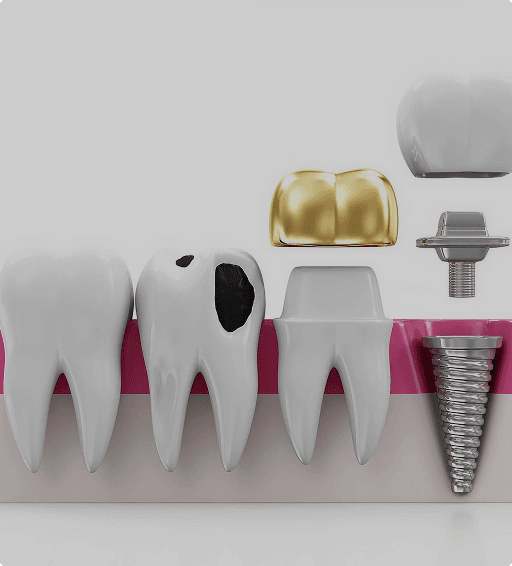
This is why a crown is considered an essential part of completing root canal treatment in most back teeth. The crown protects the brittle tooth from the fracture forces of normal chewing.
Patients who've had root canals without crowns sometimes discover years later that the tooth has cracked irreparably — a situation that requires extraction, after which the options are an implant, a bridge, or a gap. All of which are significantly more involved than the crown that should have been placed at the time.
Root canal + crown = the complete treatment. Root canal alone is incomplete.
A Final Note
Many of these myths cause real harm — not through any individual dramatic event, but through the accumulation of delayed appointments, avoided treatment, and decisions made on inaccurate assumptions. The consistent thread across them is that dental disease, dental treatment, and dental biology are more nuanced than the simplified stories that circulate.
At Renew Dental Clinic, Sector 47, Noida, Dr. Suchi Singh's approach includes explaining what's actually happening and why — not just telling patients what to do, but giving them the understanding to make informed decisions about their own oral health.
To book a consultation or check-up, call (0120) 498-8333.
Monday–Saturday 10:30 AM – 8:00 PM | Sunday 11:00 AM – 2:30 PM.