By Renew Dental ClinicPublished on
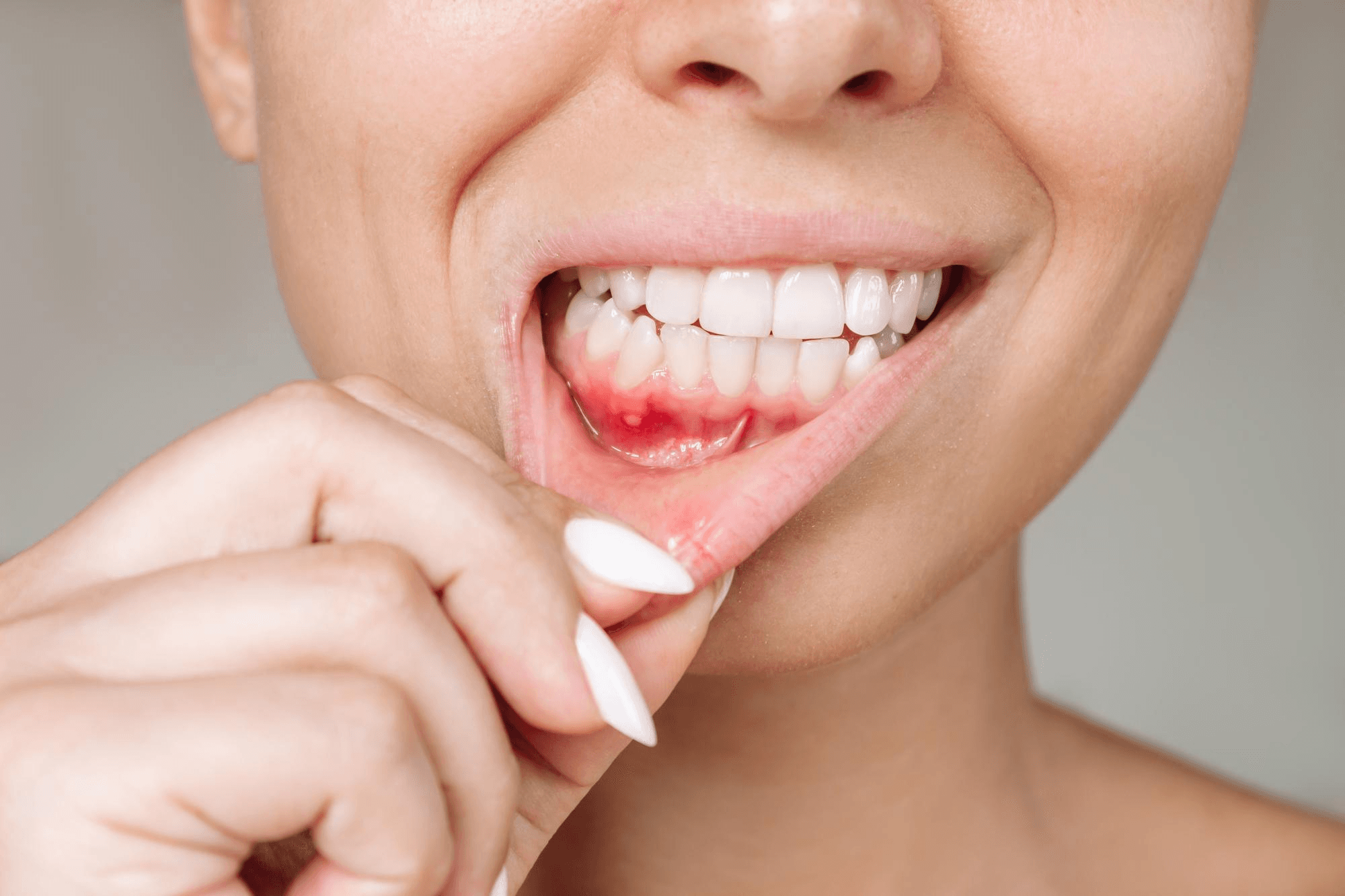
A woman brushing her teeth as part of her daily oral hygiene routine to maintain healthy gums and teeth.
Gum disease is the leading cause of tooth loss in adults worldwide. What makes it particularly dangerous is how silently it progresses. In its early stages, it causes little to no pain.
By the time most people notice a problem, significant damage has already occurred.
This article explains what gum disease is, how it develops, what you can do to prevent it, and when you must seek professional help.
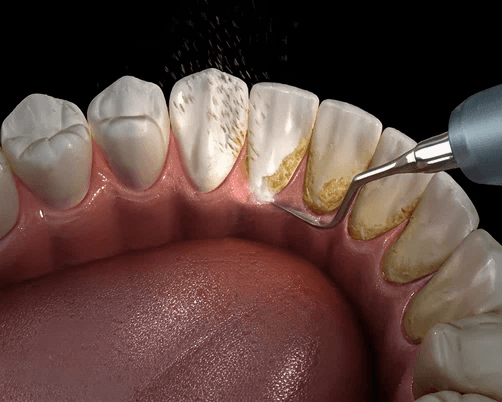
Gum disease, also known as periodontal disease, is an infection of the tissues that surround and support the teeth. It is caused by the build-up of plaque, a sticky film of bacteria that forms on the teeth and along the gum line.
If plaque is not removed by brushing and flossing, it hardens into tartar. Tartar can only be removed by a dental professional. Over time, the bacteria in plaque and tartar trigger an inflammatory response in the gums, leading to the stages of gum disease.
Gingivitis is the earliest and only reversible stage of gum disease. At this stage, the gums become inflamed due to bacterial plaque accumulation.
Common signs of gingivitis include:
Gingivitis does not cause bone or tissue loss. With proper professional cleaning and improved home care, it can be fully reversed.
When gingivitis is left untreated, it progresses to periodontitis. At this stage, the inflammation spreads deeper, affecting the bone and connective tissue that hold the teeth in place.
Signs of periodontitis include:
Periodontitis is not reversible. The bone and tissue that are lost cannot fully regenerate. However, with professional treatment, the progression can be halted and managed effectively.
While gum disease can affect anyone, certain factors increase the risk significantly.
Several systemic conditions are closely linked with gum disease:
The good news is that gum disease is largely preventable. A combination of consistent home care and regular professional cleaning is highly effective.
The following habits form the foundation of gum disease prevention:

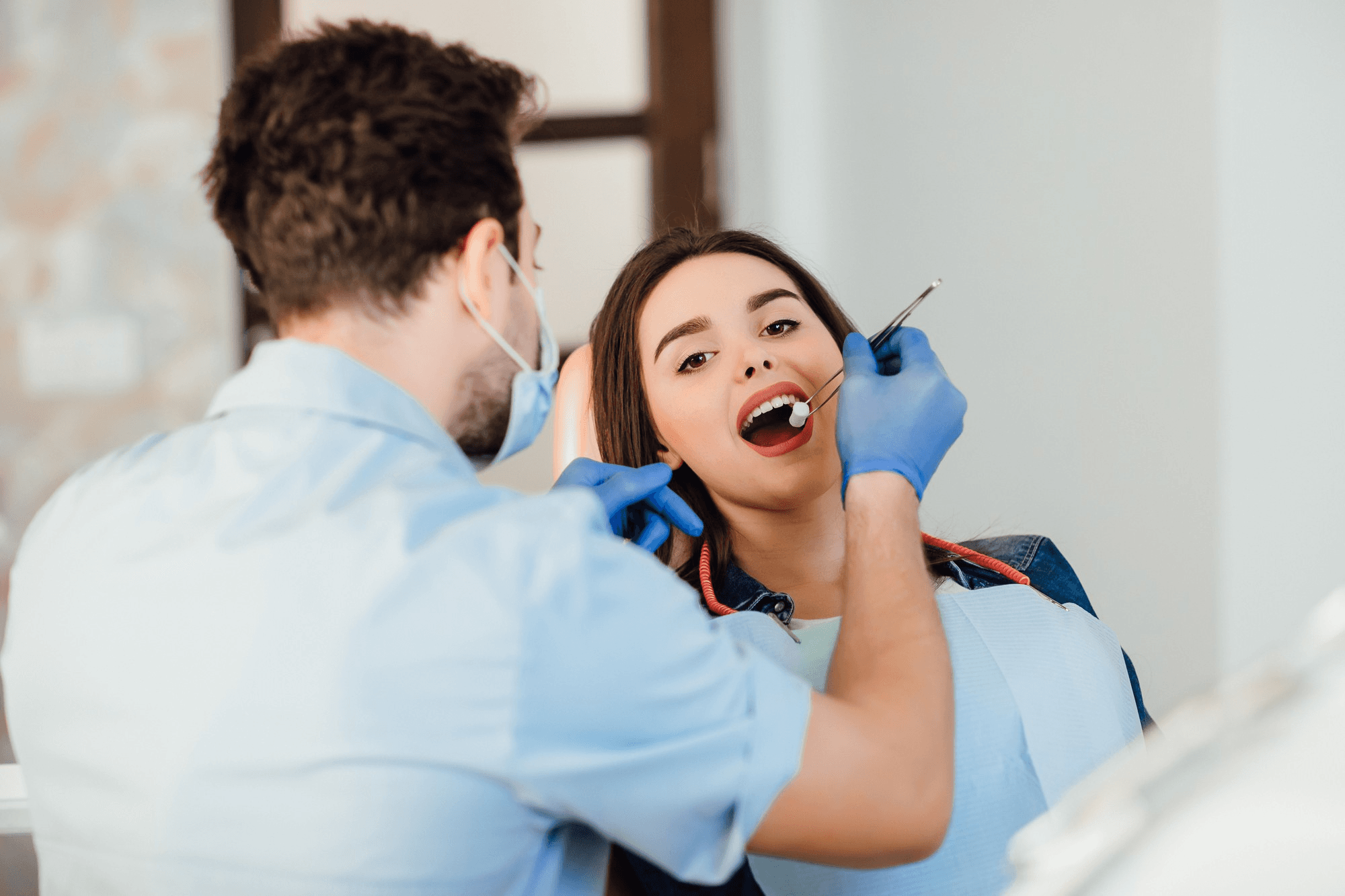
A woman sitting at a dental clinic during a consultation or oral health checkup with a dentist.
Home care alone is insufficient for complete prevention. Professional dental visits are essential because:
The standard recommendation is to visit the dentist every six months. Those with active gum disease or a history of periodontitis may need to come in every three to four months.
The treatment approach depends on the severity and stage of the disease.
For advanced periodontitis, surgery may be required:
The goal of all treatment is to eliminate infection, reduce pocket depth, and stop the progression of the disease.
The mouth is not separate from the rest of the body. Research has shown that the bacteria involved in gum disease can travel through the bloodstream and affect other organs.
The following conditions have been linked to periodontal disease:
Periodontal bacteria have been found in arterial plaques and are associated with an increased risk of cardiovascular events.
Gum disease and diabetes have a bidirectional relationship. Each condition worsens the other if left unmanaged.
Inhaling oral bacteria can lead to pneumonia and worsen chronic obstructive pulmonary disease (COPD).
Pregnant women with gum disease face a higher risk of premature birth and low birth weight.
Taking care of your gums is not just about your smile. It is about protecting your overall health.
Concerned About Your Gum Health? Do not wait until the pain starts.
Book a gum health assessment at Renew Dental Clinic, Noida. Visit www.renewdental.in or call us today.
Dr. Suchi Singh and our specialist team are ready to help.
Gingivitis, the early stage, can be fully reversed with professional cleaning and improved home care. Periodontitis, the advanced stage, cannot be cured, but it can be controlled and managed with ongoing professional treatment.
In its early stages, gum disease is often painless, which is why it is frequently missed. Pain or discomfort usually appears only when the disease has progressed to an advanced stage.
Yes. Children can develop gingivitis. It is most commonly seen in children with poor brushing habits or who consume high amounts of sugar. Early dental visits and good oral hygiene habits reduce this risk significantly.
This depends on the severity of the condition. Gingivitis can resolve within a few weeks of professional cleaning and improved home care. Periodontitis may require several appointments over months, followed by regular maintenance visits.
Gum tissue does not naturally regenerate once lost. However, gum graft surgery can restore the tissue in cases of significant recession. The priority is always to stop further recession through proper treatment and home care.
Stress itself does not directly cause gum disease. However, chronic stress weakens the immune system, making it harder for the body to fight the bacteria responsible for gum infection. Stress-related habits like grinding teeth or poor diet also contribute to the risk.
 Copy
Copy
Learn about cosmetic dentistry, popular smile transformation procedures, benefits, and how treatments can improve your dental appearance and confidence.
11 May 2026
by Renew Dental Clinic

Discover essential oral hygiene habits every adult should follow to maintain healthy teeth, fresh breath, and overall dental health.
08 May 2026
by Renew Dental Clinic

Learn about the most common dental problems that beset seniors, including gum disease, dry mouth,...
18 Nov 2025
by Renew Dental Clinic
Noticing your teeth turning yellow despite brushing regularly? This guide explains every cause of tooth...
12 Jun 2026
by Renew Dental Clinic
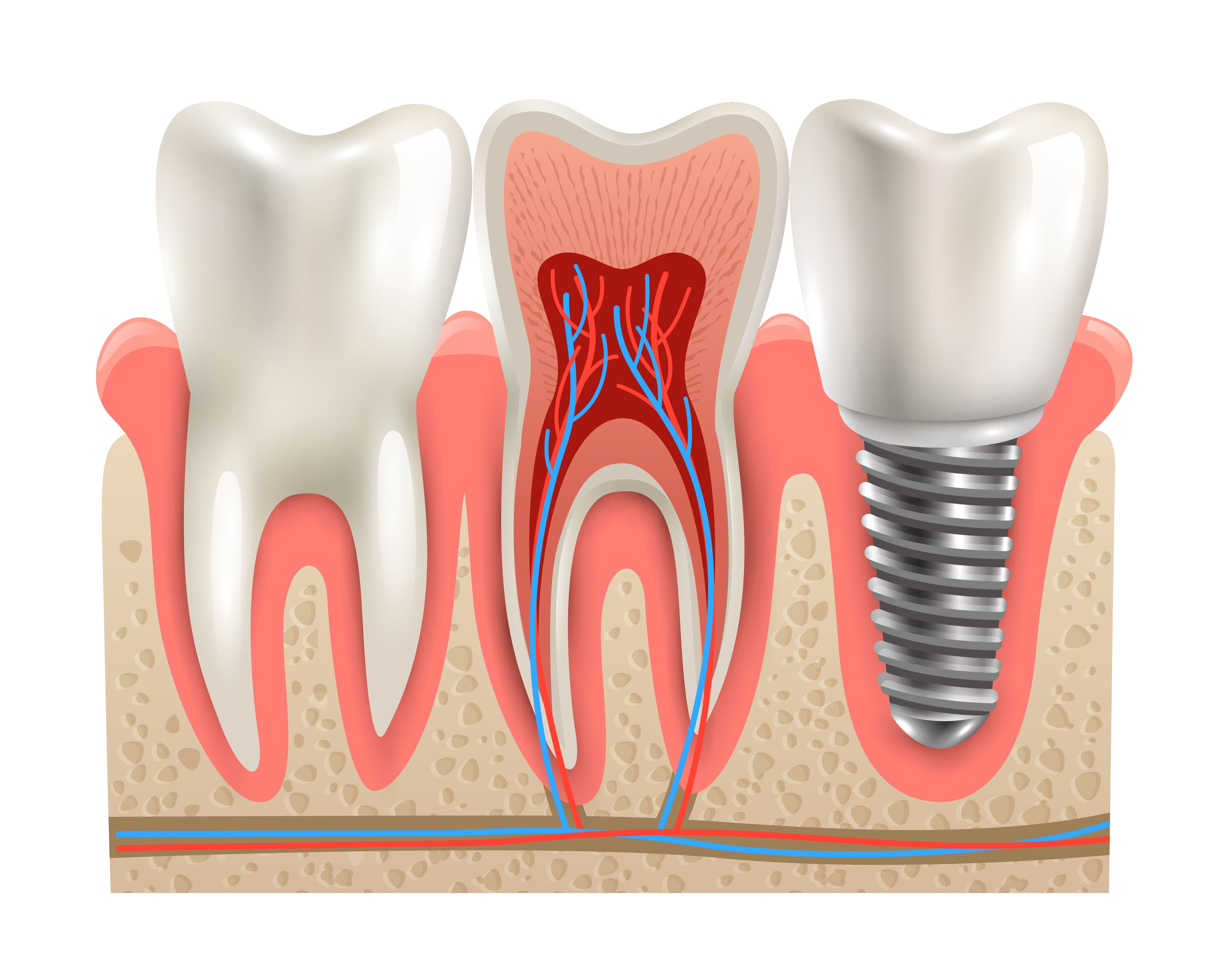
Considering dental implants in Delhi NCR? This first-timer's guide covers everything — how implants work,...
03 Jun 2026
by Renew Dental Clinic

Learn affordable handy tips on how to prevent tooth decay at home. Learn daily habits,...
21 Oct 2025
by Renew Dental Clinic

Want to know if scaling and polishing are actually necessary for teeth or not? Know...
27 Oct 2025
by Renew Dental Clinic

Teeth looking longer than they used to? Gum recession is one of the most commonly...
19 Aug 2026
by Renew Dental Clinic

Two minutes sounds simple. Most people brush for 45 seconds. Here's what the research says...
03 Aug 2026
by Renew Dental Clinic

A child's smile is one of life's most valued possessions, and their dental care begins...
10 Nov 2025
by Renew Dental Clinic

Discover the benefits of dental sealants for kids and adults. Understand how this protective procedure...
22 Sept 2025
by Renew Dental Clinic

Looking for a paediatric dentist in Noida? This guide explains when to bring your child...
26 May 2026
by Renew Dental Clinic
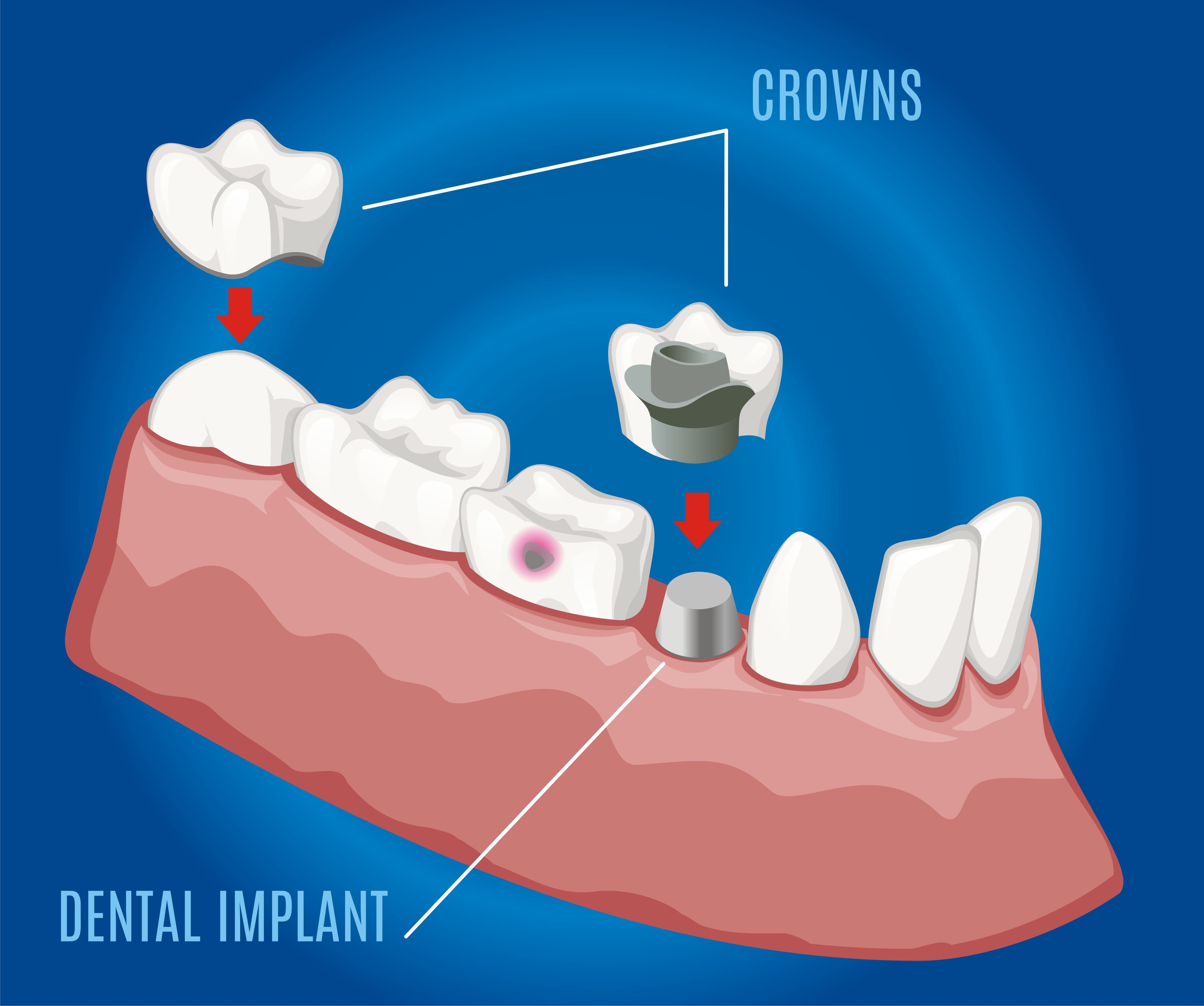
Been told you need a bone graft before an implant? This guide explains what dental...
26 Jun 2026
by Renew Dental Clinic

Dilemma between dental implants and bridges? Weigh the cost, longevity, procedure, and advantages to determine which tooth replacement method is superior.
03 Oct 2025
by Renew Dental Clinic

Thinking about dental implants in Noida? This complete guide covers how implants work, who qualifies,...
14 May 2026
by Renew Dental Clinic
Explore More
Explore More
Discover how thousands of patients trust Renew Dental Clinic with their smiles.
Best dentist in Noida and nearby region. Don't look anywhere else for your dental issues and visit Dr Suchi Singh at the earliest. The staff, the locality, the space and the services are more than what you can expect.
I have always been scared of visiting a dentist but Dr. Suchi makes the treatment so comfortable that I never felt pain. She is the only doctor I have met who believes in healing the problems and is not in to making money from patients. She suggests the best treatment possible. Getting a treatment from her is like visiting a family doctor who would suggest the best solution. I can definitely say she is the reason for the happy smile (teeth) for my family. Thank You Doc
Excellent work I have a wonderful experience
I saw Best result. I recommend all of you. You should be visit at least once.
Best Doctor
"Highly recommended.."
Definitely one of the best dental clinic in Noida! Well equipped and very clean - which was quite impressive.
Very nice Dr & very good supportive team ...Aaj mai 12 saal se jada ho gya yhi pr treatment karva rha hua apne dant ka bahut hi badhiya response Mila mujhe jitna bhi taarif kru km hai ..dant ke treatment ke liye bahut hi badhiya clinic hai koi bhi problem ho dant me a to z acha treatment hota hai mera bhi dant ka implant karvana tha to bahut hi badhiya suggestion Mila mujhe but kuch personal reasons ke vjh se mai avi nhi Krva paya hu but jldi hi karvavunga again thanks Dr maim and team
I done my RCT here and awesome experience that was very good work by doctors
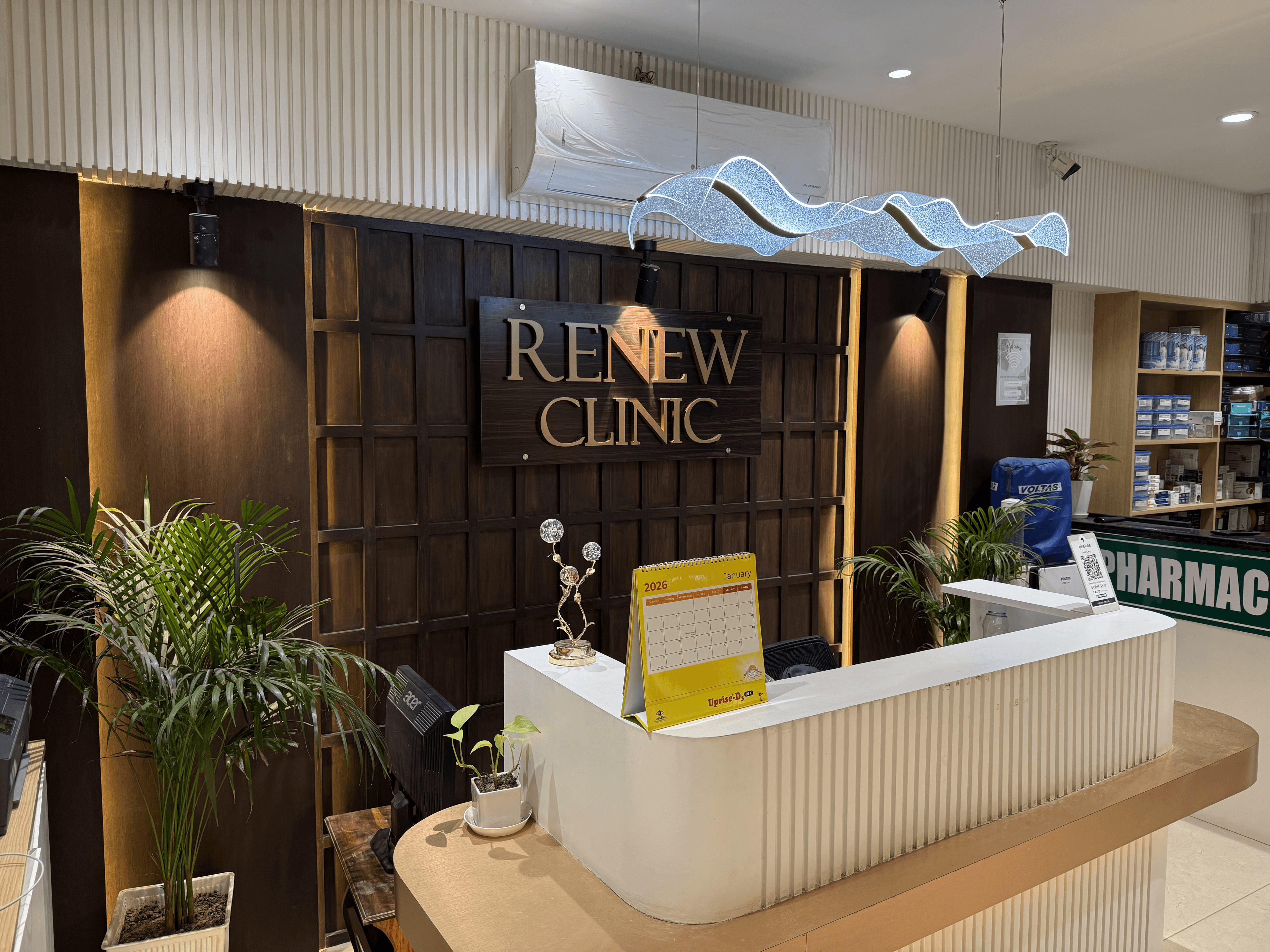
A glimpse into our modern dental clinic, advanced technology, and patient-friendly environment at Renew Dental.
Explore our thoughtfully designed clinic spaces built to provide comfort, cleanliness, and a calming experience for patients of all ages.


Best Dentist in Noida
Renew Dental Clinic located in Noida, Sector 47, is one of the leading dental clinics. Founded by Dr. Suchi Singh who is widely regarded as one of the best dentists in Noida, the clinic is committed to delivering personalised and high-quality dental care. Dr. Suchi Singh focuses on customised treatment plans designed around each patient’s unique needs, ensuring advanced, comfortable and reliable dental care at Renew Dental Clinic.

Your Trusted Dental Experts

Complete Dental Care

Friendly Dental Space

No Hidden Charges

Two trusted dental clinics in Noida — Renew Dental (Sector 47) and Tooth & Truth (Sector 34) — for gentle, modern care.

Renew Orthopedic Clinic, A-321, Basement Floor, Next to Mother Dairy Store, Sector 47, Noida, Uttar Pradesh 201303
 +91 99710 35300
A-98/A, Block A, Sector 34, Noida, Uttar Pradesh 201307
+91 99710 45002© 2026. All rights reserved | Designed and Developed by Zarle Infotech