By Renew Dental ClinicPublished on
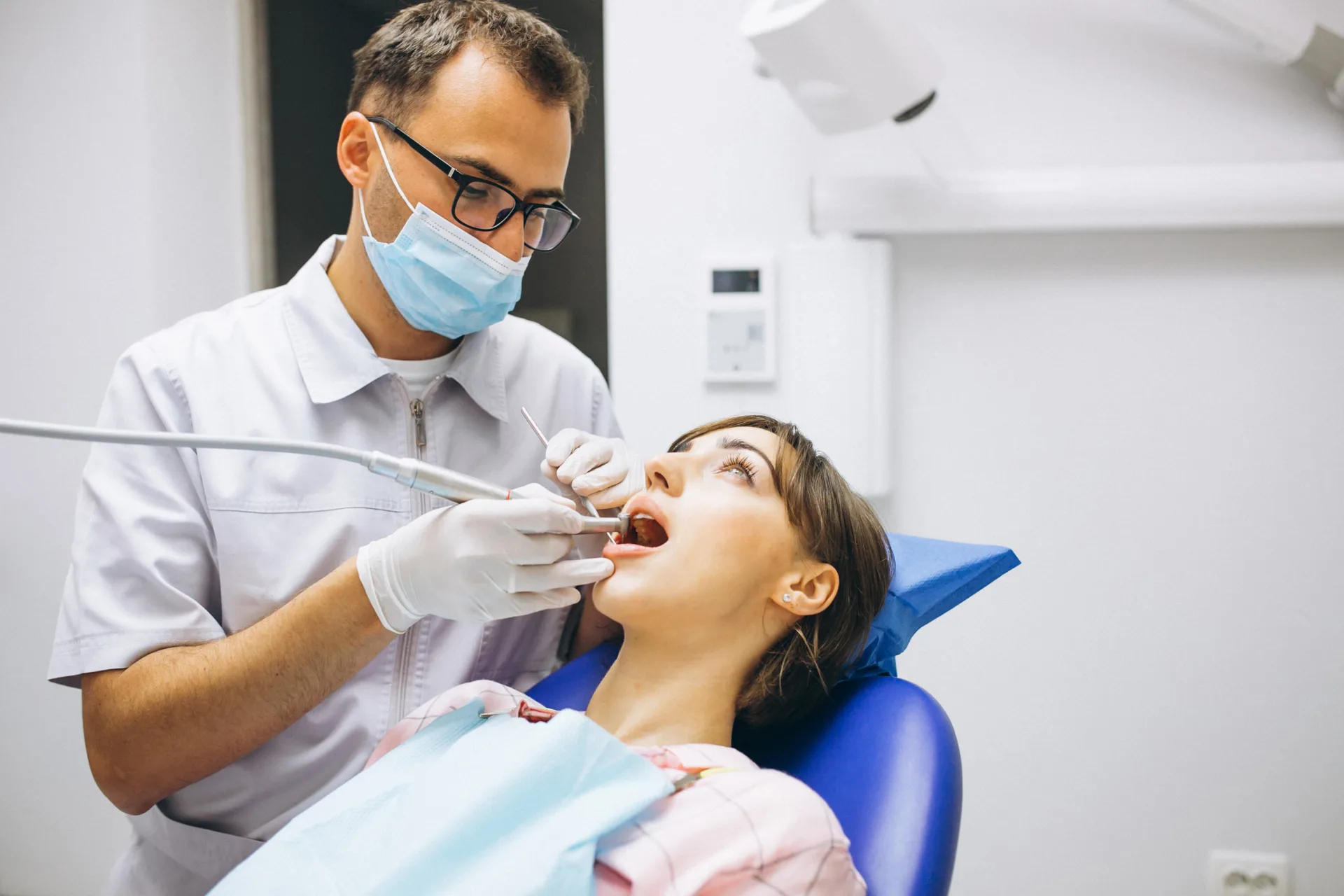
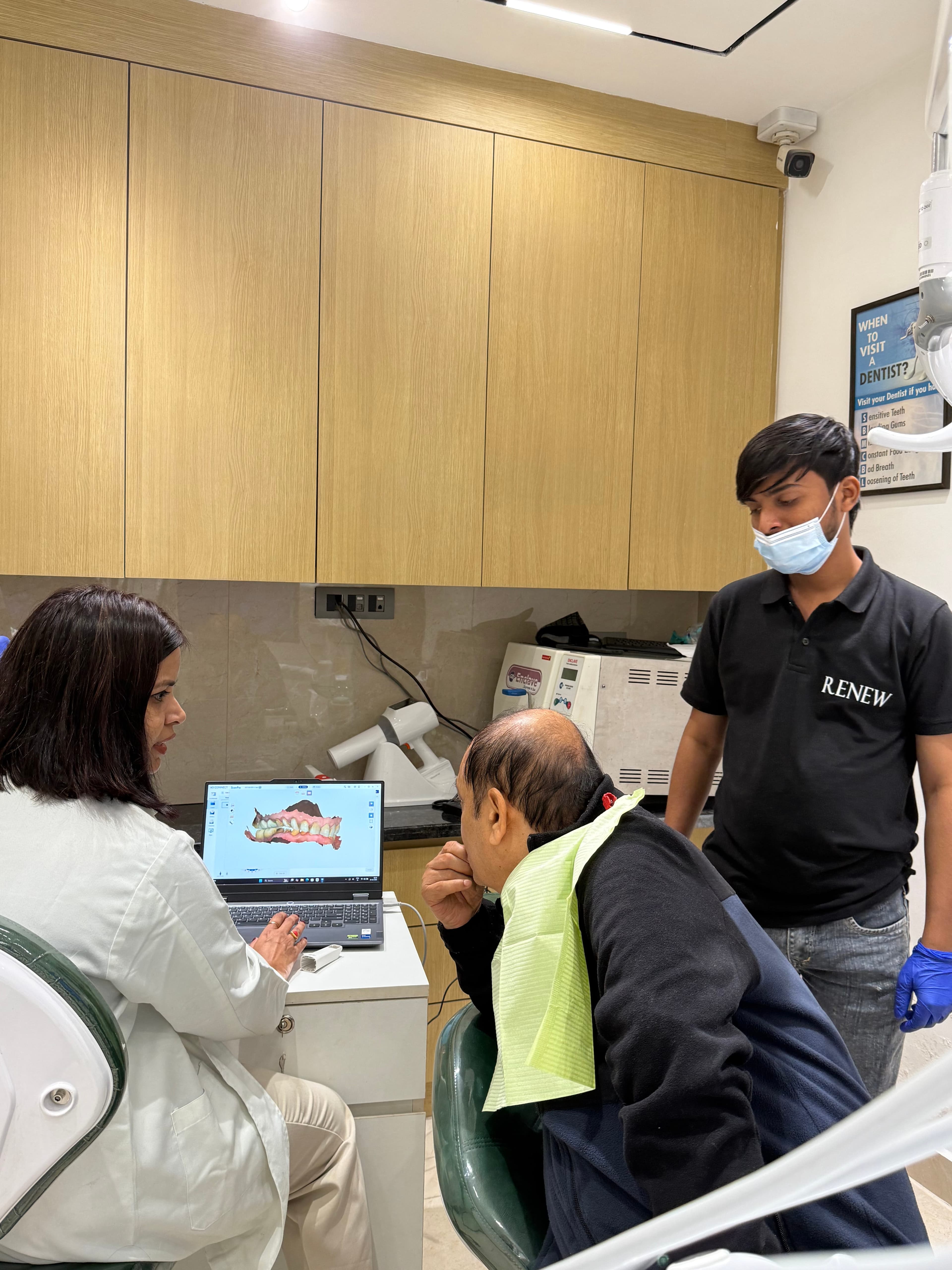
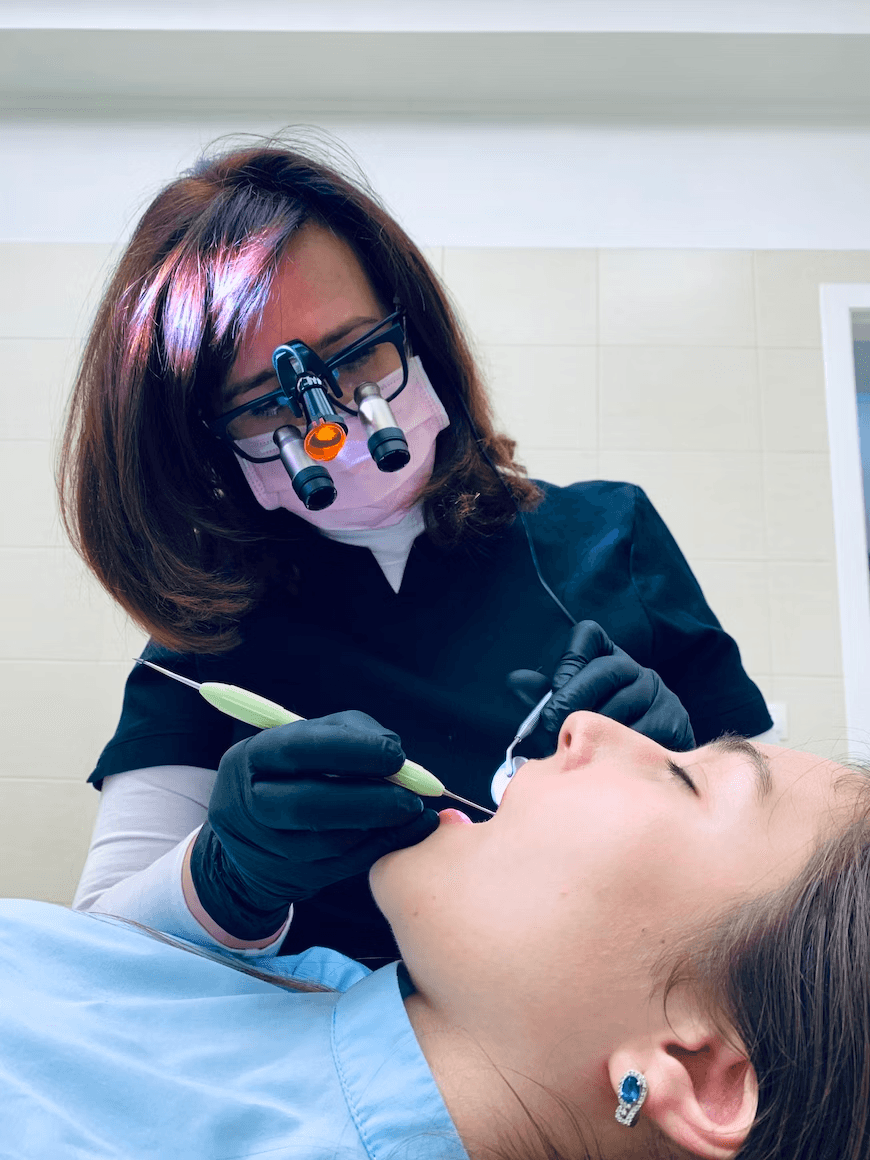
Patient sitting in a dental chair during a routine dental check-up to maintain oral health.
For a long time, dentistry and medicine were treated as largely separate domains. The mouth was the dentist's territory; the rest of the body belonged to the physician. This separation was always somewhat artificial — the mouth is part of the body, connected to it by blood vessels, nerves, and the continuous mucosal tissue that lines the entire digestive system.
Research over the past few decades has built a reasonably solid picture of how oral health connects to systemic health. Some of these connections are direct and mechanistic. Others are associations whose exact mechanisms are still being worked out. Here's an honest summary of what's established, what's likely, and what's more speculative.
Before getting into specific conditions, it helps to understand the mechanisms by which the oral environment affects the rest of the body.
Bacteremia: Every time you brush your teeth, blood vessels in the inflamed gum tissue (if gingivitis is present) are disrupted, and bacteria from the oral cavity enter the bloodstream briefly. In healthy people with healthy immune systems, this transient bacteremia is managed without consequence. In people with significant gum disease, the disruption is more frequent, the bacterial load higher, and the inflammatory burden more substantial.
Systemic inflammation: Periodontitis drives chronic systemic inflammation. The bacteria in periodontal pockets produce inflammatory mediators (cytokines, prostaglandins, interleukins) that enter the systemic circulation. Chronic systemic inflammation is a contributing factor in cardiovascular disease, metabolic disorders, and several other conditions.
Aspiration: Oral bacteria can be inhaled into the airways, particularly in people with poor oral hygiene, reduced swallowing function, or who are hospitalised. This is the mechanism linking oral health to respiratory infections.
Bidirectional relationships: Some of the connections run both ways. Diabetes worsens gum disease, but gum disease also makes blood glucose harder to control. The mouth isn't just a passive victim of systemic disease — it actively participates in the feedback.
This is the most studied and most discussed oral-systemic connection, and it's the one with the most robust evidence base.
People with periodontal disease have a higher risk of heart disease and stroke than those without. Multiple large studies have found this association, adjusted for shared risk factors like smoking, age, and socioeconomic status.
The specific bacteria most associated with periodontal disease — Porphyromonas gingivalis, Treponema denticola, Fusobacterium nucleatum — have been found in atherosclerotic plaques in coronary arteries. These bacteria appear capable of adhering to arterial endothelium and contributing to plaque formation directly.
The inflammatory pathway is also relevant. The elevated systemic inflammatory mediators from active periodontitis contribute to the same inflammatory cascades involved in atherosclerosis.
What this means practically: The association doesn't prove that treating gum disease prevents heart attacks. The research on this is ongoing and the causal direction isn't fully established. What is established is that the association is real, significant, and independent of shared risk factors. Treating gum disease for its own sake is worthwhile; the cardiovascular protection, if any, is a further reason.
The relationship between diabetes and periodontal disease is probably the best-evidenced bidirectional oral-systemic connection.
Diabetes worsens gum disease: Hyperglycaemia (elevated blood glucose) impairs neutrophil function — the immune cells that are the first line of defence against periodontal bacteria. This makes the gum tissue less able to fight off bacterial invasion. Diabetic patients develop more severe periodontitis at equivalent levels of plaque accumulation compared to non-diabetics.
Gum disease makes diabetes harder to control: Active periodontitis raises systemic inflammation and inflammatory mediators that interfere with insulin signalling. The same inflammatory cytokines associated with periodontitis (particularly TNF-alpha and IL-6) are implicated in insulin resistance. Studies have found that treating periodontitis can lead to modest but measurable improvements in HbA1c (glycated haemoglobin — the measure of blood glucose control over time).
The practical implication for patients with diabetes: dental check-ups every 3 to 4 months rather than the standard 6 months, rigorous gum monitoring, and coordination between the treating dentist and physician. At Renew Dental Clinic, patients with diabetes are assessed with this more frequent schedule in mind.
Pregnancy gingivitis is almost universal — the hormonal changes of pregnancy amplify the gum tissue's inflammatory response to plaque dramatically. But the concern extends beyond discomfort.
Studies have found associations between severe periodontal disease and adverse pregnancy outcomes: preterm birth, low birth weight, and pre-eclampsia. The proposed mechanism is that systemic inflammatory mediators from severe periodontitis may trigger or contribute to the mechanisms of preterm labour.
The evidence here is more contested than the diabetes connection — not all studies have found the same associations, and the causal direction isn't clearly established. But the association is consistent enough that dental care during pregnancy — which is safe and recommended — is increasingly considered part of comprehensive prenatal care.
Safe dental treatment during pregnancy: routine check-ups, professional cleaning, fillings. Elective procedures are generally deferred to after delivery. Emergency treatment when necessary is appropriate throughout pregnancy. The concern that dental treatment is dangerous during pregnancy is not evidence-based — the risk of untreated dental infection is greater than the risk of standard dental treatment.
The link between oral health and respiratory disease is mechanistically straightforward in two ways.
Hospital-acquired pneumonia: In hospitalised patients — particularly those on ventilators — aspiration of oral bacteria is a significant cause of pneumonia. Oral bacteria from patients with poor oral hygiene colonise the respiratory tract and cause infection. Studies in ICU settings consistently show that improving oral hygiene in ventilated patients reduces rates of ventilator-associated pneumonia. This has made oral hygiene a standard component of ICU care in many countries.
COPD: People with chronic obstructive pulmonary disease tend to have worse periodontal disease. Whether the oral bacteria exacerbate COPD through colonisation, or whether the shared risk factors (smoking predominantly) explain the association, is less clear.
Research over the past decade has identified Porphyromonas gingivalis — a key periodontal bacterium — in the brains of Alzheimer's patients in postmortem studies. The bacterium's gingipain toxins have been found to damage brain tissue in mouse models.
A 2019 study in Science Advances found P. gingivalis DNA in the cortex samples of Alzheimer's patients and showed that brain infection with P. gingivalis in mice produced amyloid plaques similar to those in Alzheimer's disease.
This is preliminary and does not establish that gum disease causes Alzheimer's. But it's compelling enough that several pharmaceutical companies have invested in gingipain inhibitors as potential Alzheimer's treatments. The research is ongoing, and the connection — while not confirmed — is scientifically credible enough to take seriously.
People with chronic kidney disease show higher rates of periodontal disease, and those with severe gum disease show higher rates of kidney function decline in longitudinal studies. The shared inflammatory pathway is the proposed mechanism.
The message from the oral-systemic connection research is not that dental check-ups prevent heart attacks or diabetes. The research hasn't established that level of causation.
The message is: oral health is not separate from overall health. The chronic infection and inflammation of untreated gum disease affect the whole body, not just the mouth. And the barriers to managing gum disease — regular check-ups, professional cleaning, good home hygiene — are not proportionate to the cumulative health risk of leaving it untreated.
For patients managing diabetes, cardiovascular disease, pregnancy, or other systemic conditions, oral health should be part of the care conversation, not a separate domain.
Should I tell my cardiologist about my gum disease?
Yes. And your dentist about your cardiovascular medications. Both healthcare providers benefit from knowing the full picture.
Is dental treatment safe if I have a heart condition?
Generally yes, with appropriate precautions. Patients with certain heart conditions (history of infective endocarditis, some valve conditions) may need antibiotic prophylaxis before certain dental procedures. This is discussed with Dr. Suchi Singh and coordinated with the cardiologist.
Can improving oral hygiene actually improve my diabetes control?
Studies suggest modest improvements in HbA1c from treating periodontitis. The effect size is modest but real, and combined with other diabetes management, it's worth pursuing.
To book a dental check-up at Renew Dental Clinic, Sector 47, Noida, call (0120) 498-8333.
Monday–Saturday 10:30 AM – 8:00 PM | Sunday 11:00 AM – 2:30 PM.
 Copy
Copy
Persistent bad breath that doesn't respond to brushing and mouthwash has a specific cause —...
18 Aug 2026
by Renew Dental Clinic
Gum disease starts silently — often years before it causes pain or visible damage. This...
13 Aug 2026
by Renew Dental Clinic

Morning breath is universal — but the severity varies enormously and for specific reasons. This...
12 Aug 2026
by Renew Dental Clinic

If you’ve ever had a damaged, cracked, or root canal-treated tooth, your dentist probably suggested...
21 Oct 2025
by Renew Dental Clinic

Searching for trusted dental care in Greater Noida or Delhi NCR? Discover why families across...
19 May 2026
by Renew Dental Clinic

A child's smile is one of life's most valued possessions, and their dental care begins...
10 Nov 2025
by Renew Dental Clinic
Discover the benefits, types, and treatment process of dental braces on teeth. Learn how braces...
12 May 2026
by Renew Dental Clinic
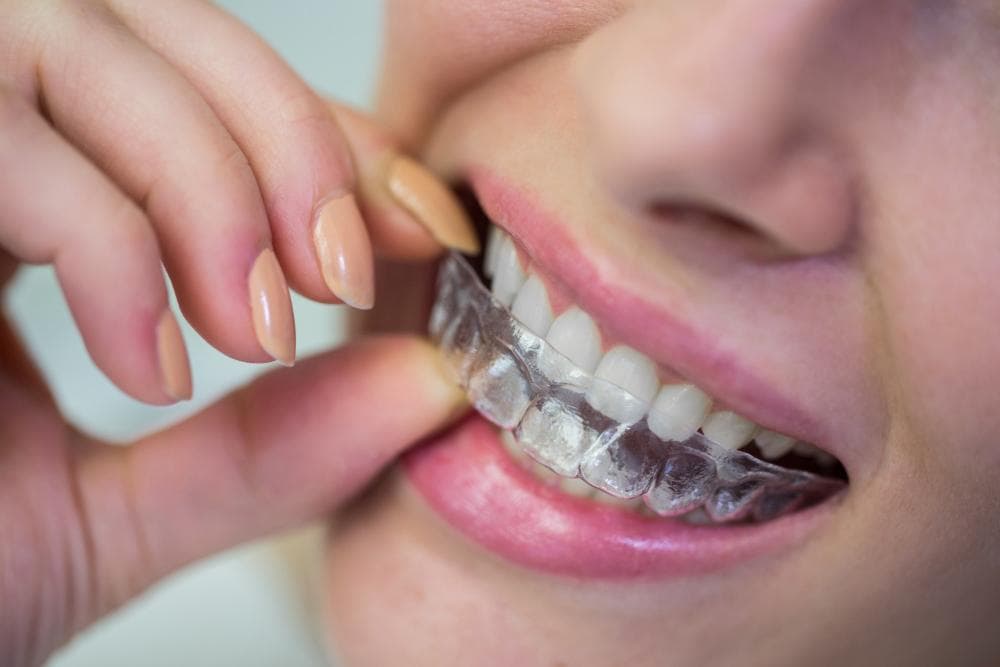
Wondering whether clear aligners are better than braces? Discover the differences, benefits, treatment time, comfort, and which option suits you best at Renew Dental Noida.
13 May 2026
by Renew Dental Clinic

Compare Invisalign with traditional braces to find a treatment option that fits your lifestyle, comfort...
18 Nov 2025
by Renew Dental Clinic
From baking soda to oil pulling to turmeric — this guide cuts through the noise...
14 Sept 2026
by Renew Dental Clinic

Curious about charcoal toothpaste for whitening teeth? Find out what it does, the pros, side...
21 Oct 2025
by Renew Dental Clinic
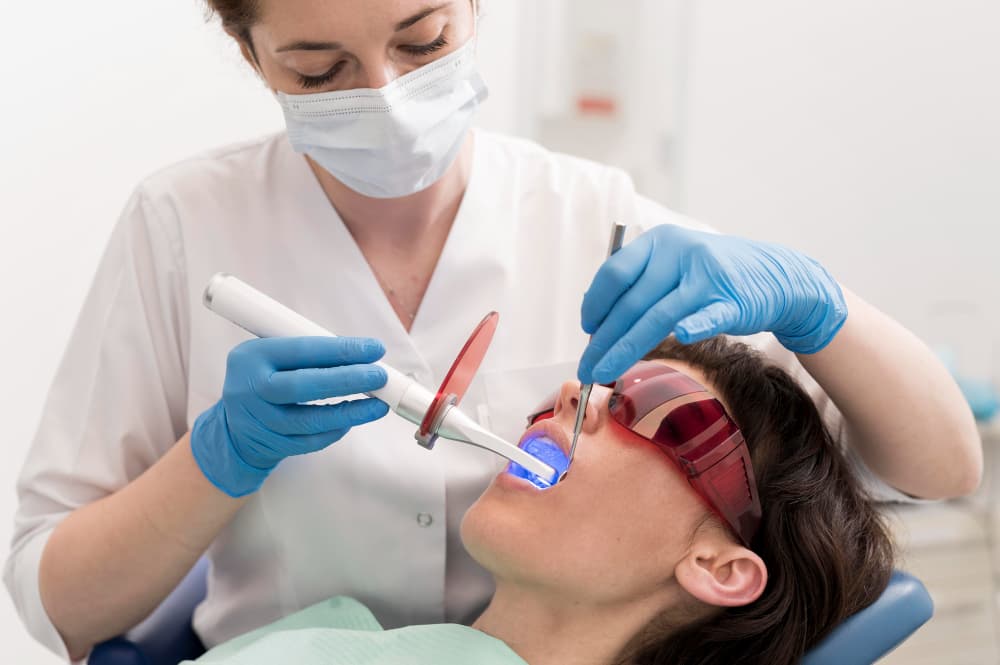
Confused between teeth whitening options in Noida? This guide compares professional laser whitening, in-office bleaching,...
01 Jun 2026
by Renew Dental Clinic
Explore More
Discover how thousands of patients trust Renew Dental Clinic with their smiles.
Best dentist I have visited here, the doctor listed here is a very experienced doctor and the staff here is very nice and caring.
Had a really good experience at the clinic with Dr Suchi and Dr Chandrava Ganguli
I am satisfied with my RCT single sitting and painless thanku Doctor Suchi .😊
Excellent service, very clean facility, and highly professional staff. Dr. Ganguly was extremely patient and attentive throughout the entire procedure. He clearly explained the process, its impact, and addressed all my concerns. Highly recommended — a truly satisfactory experience.
I had visited in clinic for treatment very good experience doctors & polite behaviour
Best dental treatment in noida NCR
Best dental clinic in Noida
Excellent dental care and friendly doctor. The doctor is very professional and gentle. Highly recommended! Professional, Caring, Recommended, Positive Experience
I have taken my rct at Renew dental clinic.Dr.suchi is very humble and knowledgeable person .100% satisfied with doc and her treatment.
A glimpse into our modern dental clinic, advanced technology, and patient-friendly environment at Renew Dental.
Explore our thoughtfully designed clinic spaces built to provide comfort, cleanliness, and a calming experience for patients of all ages.

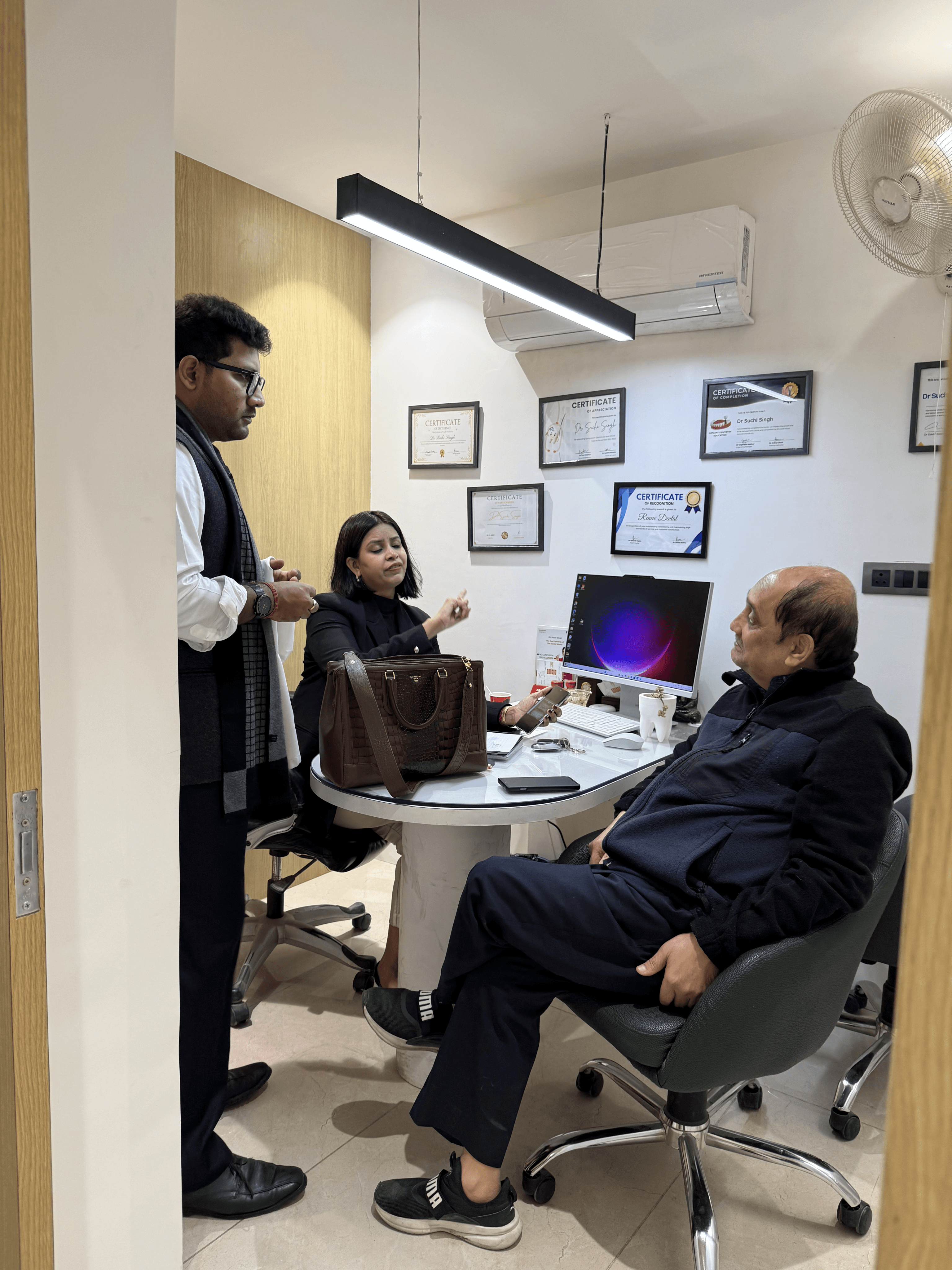


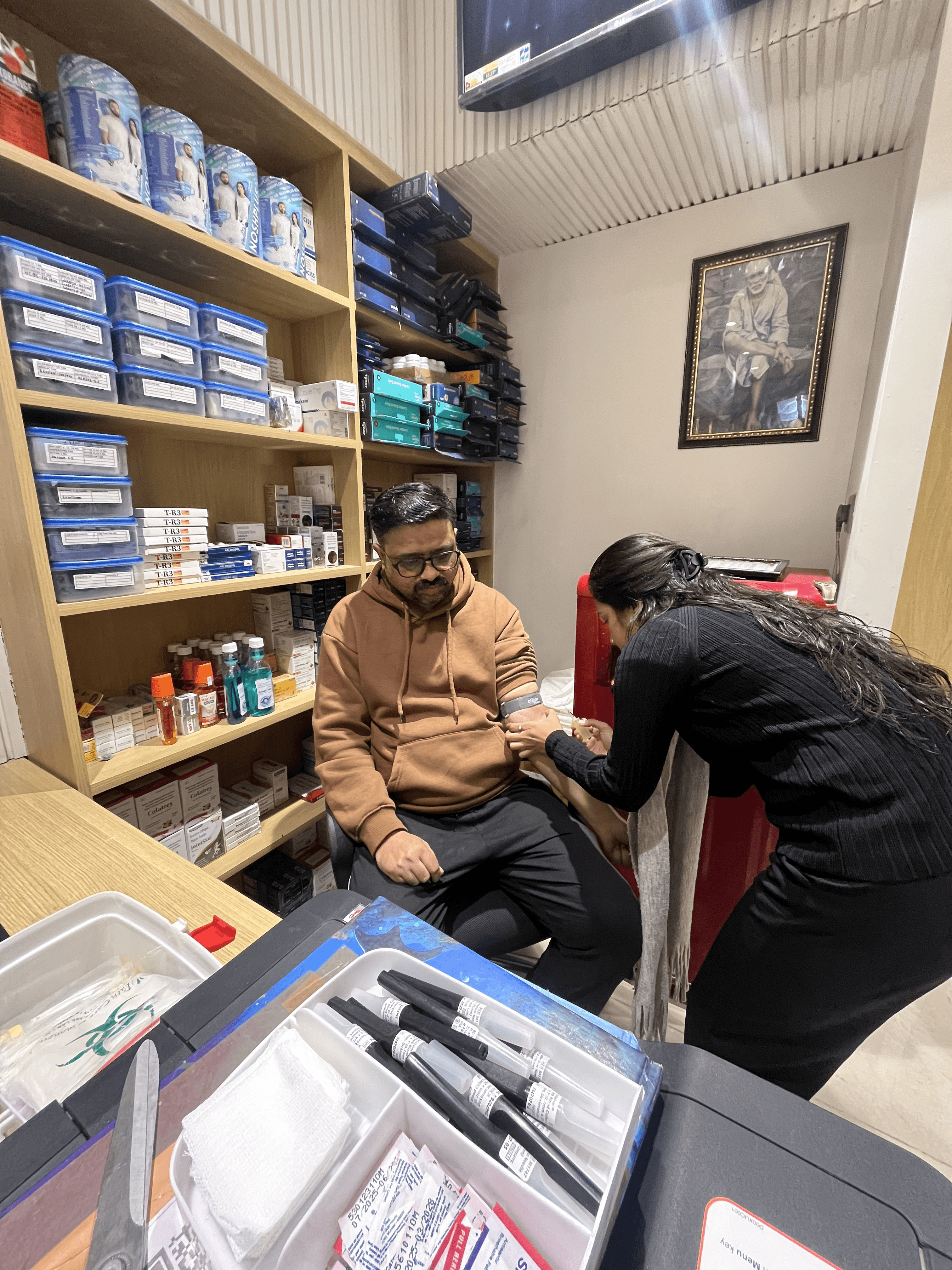
Best Dentist in Noida
Renew Dental Clinic located in Noida, Sector 47, is one of the leading dental clinics. Founded by Dr. Suchi Singh who is widely regarded as one of the best dentists in Noida, the clinic is committed to delivering personalised and high-quality dental care. Dr. Suchi Singh focuses on customised treatment plans designed around each patient’s unique needs, ensuring advanced, comfortable and reliable dental care at Renew Dental Clinic.

Your Trusted Dental Experts

Complete Dental Care

Friendly Dental Space

No Hidden Charges


Two trusted dental clinics in Noida — Renew Dental (Sector 47) and Tooth & Truth (Sector 34) — for gentle, modern care.

Renew Orthopedic Clinic, A-321, Basement Floor, Next to Mother Dairy Store, Sector 47, Noida, Uttar Pradesh 201303
 +91 99710 35300
A-98/A, Block A, Sector 34, Noida, Uttar Pradesh 201307
+91 99710 45002© 2026. All rights reserved | Designed and Developed by Zarle Infotech