Root Canal Treatment Step-by-Step Guide

Root canal treatment is a dental procedure used to save a tooth that is severely decayed, infected, or damaged.
When people hear the words "root canal," they groan, but the reality is, a root canal treatment (RCT) is also one of the most painless and successful methods of repairing a natural tooth that's badly decayed or infected.
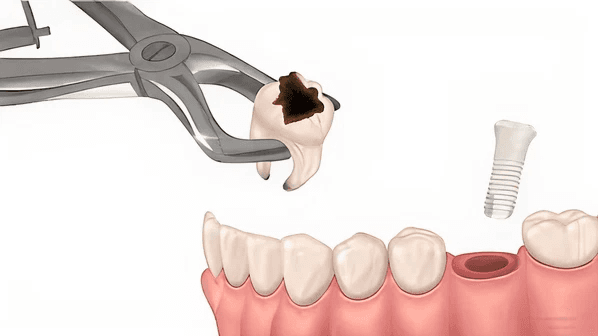
As opposed to extraction, in which the whole tooth is removed, root canal is more cleaning, sterilizing, and sealing the inside of the tooth so that you get to keep your own tooth structure. It's giving a tooth a second chance when it would have otherwise been lost.
In this guide, you’ll understand exactly how root canal treatment is done step by step, what to expect during and after the procedure, how long it takes, its cost, and why it’s worth it for your oral health.
When Is a Root Canal Needed?
Root canal treatment becomes necessary when the pulp, the soft inner tissue that contains nerves and blood vessels, becomes infected or inflamed.
This is usually caused by:
- General decay having spread to the pulp chamber
- Cracks or fractures that expose the nerve
- Trauma or trauma to the tooth
- Re-infection after previous dental therapy
- Un-restored caries that have developed over time
You will need a root canal if you experience:
- Pain recurring toothache (particularly on chewing or at night)
- Swollen gums around the area of the affected tooth
- Sensitivity to heat or cold in spite of removal of cause.
- Discoloration or darkening of the tooth
- Pimple-like swelling on the gums (dental abscess)
These symptoms, if left unattended, would progress to infection spread, bone loss, or even complete loss of the tooth, hence such an early diagnosis and treatment.
Pre-Treatment Evaluation
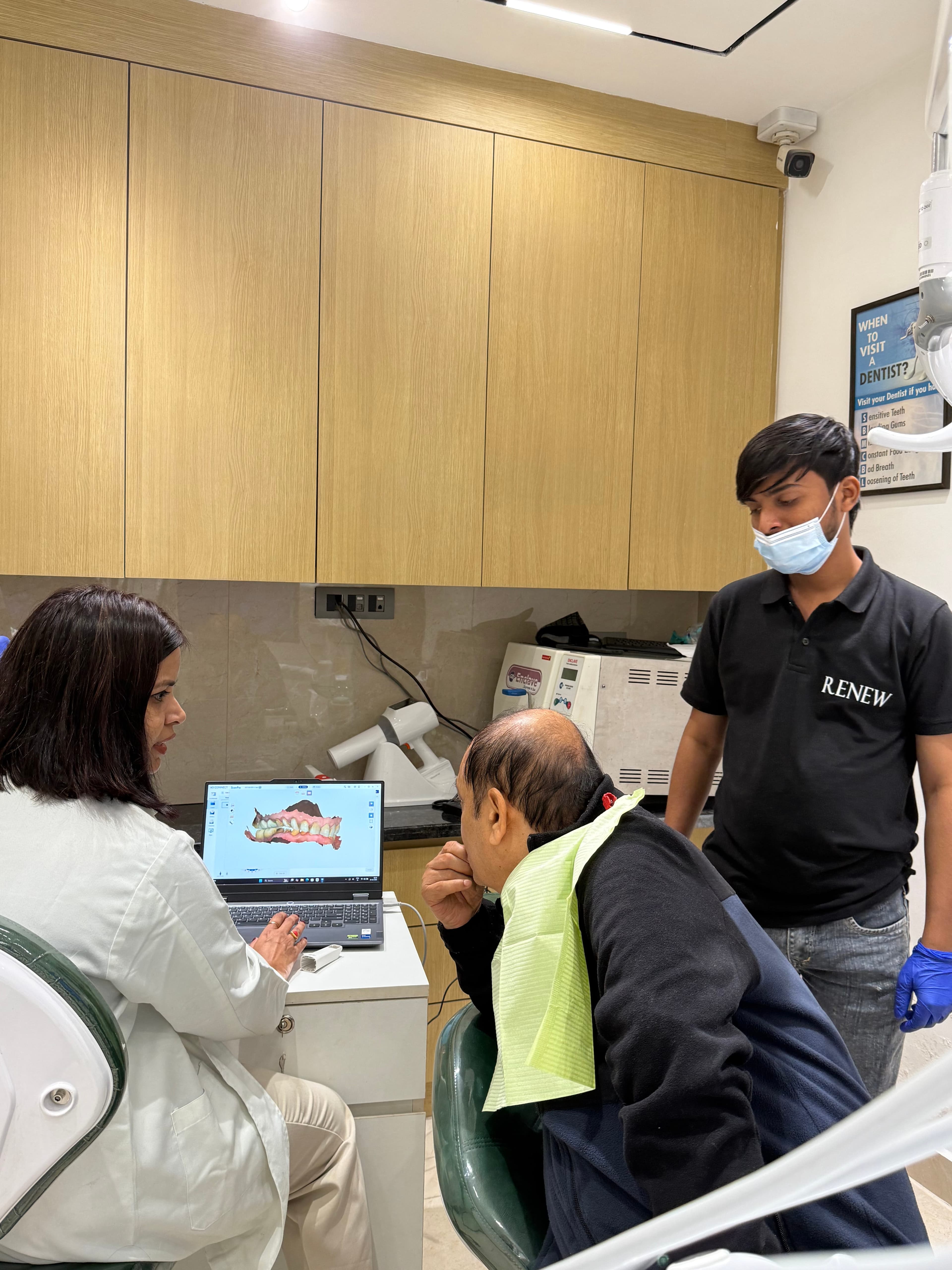
Your dentist will initially perform a thorough clinical and radiographic evaluation to assess the extent of infection before proceeding to perform the procedure.
X-rays help to uncover the shape of the root, the level of infection, and bone loss.
If there is swelling or pus, you may be administered some painkillers or antibiotics for a couple of days before treatment.
Your dentist will also provide you with an estimate of cost, number of visits, and local anesthetic used.
It renders your treatment painless, safe, and custom-designed to your dental issue.

Modern root canal treatments are virtually painless, thanks to local anesthesia and advanced dental technology. The discomfort is usually no greater than that of a regular dental filling.
Step-by-Step Root Canal Procedure
Let us break the process of the root canal into steps where it logically makes sense to do so:
Step 1, Local Anesthesia & Tooth Isolation
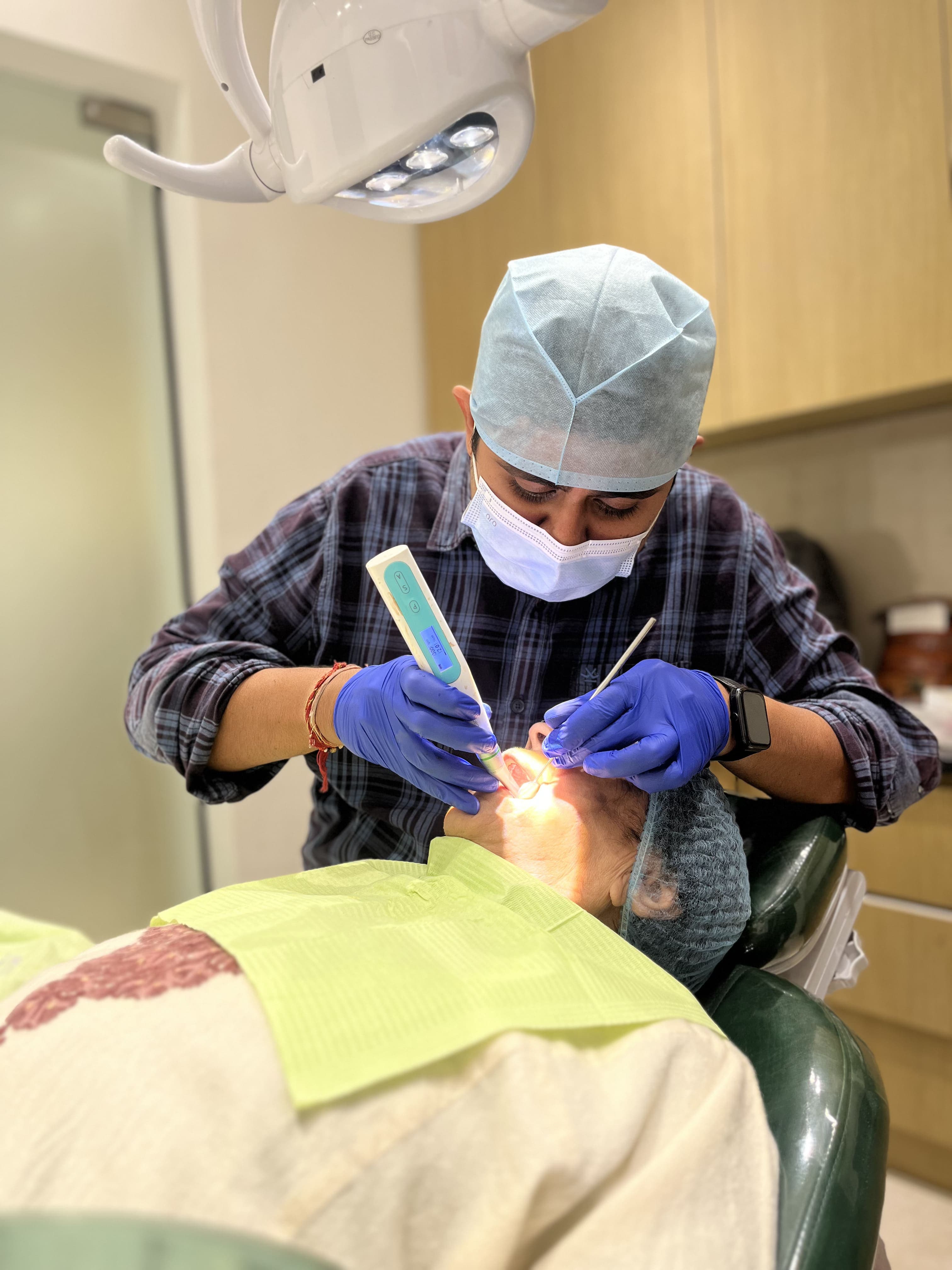
Numbing the area where the infected tooth lies is how the process begins by using a local anesthesia. Within minutes, the area becomes pain-insensitive.
A thin piece of rubber called a rubber dam is then drawn over the tooth to keep it in a dry, clean condition while the procedure is performed. This creates a sterile, bacteria-free field during the procedure.
Step 2, Access Opening
Once numbed, your dentist creates a small window on the rear of the tooth to reach the contaminated pulp chamber. It is accomplished with delicate dental instruments with the goal of eliminating as little tooth as possible.
Step 3, Cleaning & Shaping of Canals
This is the most crucial step. The dentist extracts the dead or contaminated pulp tissue with thin root canal files.
Every canal is irrigated and disinfected in order to destroy bacteria, waste products, and any remaining infection.
The canals are then shaped properly to prepare them for filling. It is similar to cleaning and sterilizing a tunnel in preparation for closing it for good.
Step 4, Sealing the Canals (Obturation)
When the canals are clean and dry beyond reversal, a rubbery-like biocompatible material called gutta-percha is packed into the canals.
It closes the canals securely so that there is no possibility of bacterial invasion at all.
A temporary or a permanent filling is placed at the crown to close the already prepared cavity.
Step 5, Crown Fitting (Final Step)
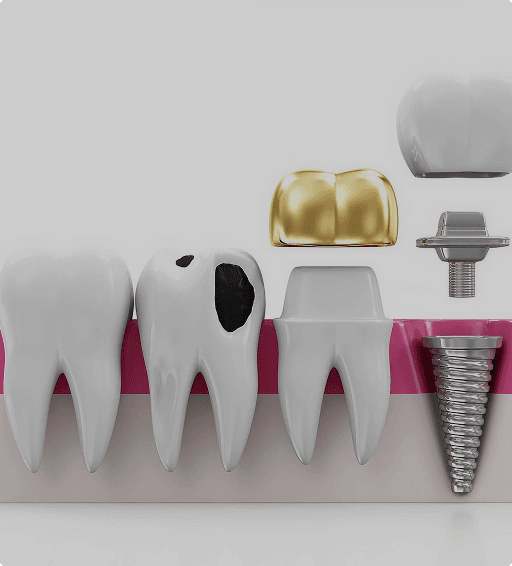
In most cases, treated tooth is left vulnerable as its inner pulp has been removed. For the sake of protection against cracking or weakening, your dentist recommends the use of a crown.
Crowns are made from a variety of materials, metal, ceramic, or zirconia, based on your budget and preference.
Occasionally the crown will be cemented on the same day; on other occasions, a return visit in a couple of days will be necessary.
Your tooth now works and looks like a natural tooth after crowning.

During the treatment, the dentist removes the infected pulp, cleans and disinfects the inner chambers (root canals), and then fills and seals them with a biocompatible material called gutta-percha.
During the treatment, the dentist removes the infected pulp, cleans and disinfects the inner chambers (root canals), and then fills and seals them with a biocompatible material called gutta-percha.
Does Root Canal Hurt? Pain Myths vs Reality
The root canal treatment's biggest myth is that it hurts, but that's a long way from reality.
Thanks to modern dental technology and advanced local anesthesia, RCTs today are virtually painless.
During the procedure, you’ll feel only mild pressure but no pain at all.
A little soreness or pain for a day or two is to be expected after treatment, as your tooth heals and settles. Over-the-counter painkillers or anti-inflammatory tablets soon sort this out.
Your dentist may also prescribe an antibiotic in the case of heavy infection or swelling.
So yes, the root canal horror stories are old wives' tales!
Time Required & Number of Visits
Root canal treatment may be done in a single visit, assuming infection is not severe and rotary instruments are at hand.
A number of cases, specifically those for multi-rooted teeth, re-infection, or severe swelling, will require two or three visits.
Each visit will be 45 minutes to an hour depending on the tooth's complexity.
Front teeth tend to have one root and are less time-consuming to treat compared to molars (back teeth), which have a lot of roots and take more time.
Possible Complications & Success Rate
As with any dental treatment, RCT does have some possible complications, but few if performed by a good dentist.
Possible complications are:
- Failing to clean canals properly (especially in difficult roots)
- Fracture of the tooth before a crown is put on
- Re-infection due to leakage or inadequate sealing
But with good technique and post-operative care, success rates for root canal treatments are more than 95%.
The key long-term success issue is the placement of a crown after the procedure, it places the tooth back together and seals the tooth.

Root canal treatment has a high success rate, with most treated teeth lasting a lifetime when properly restored and maintained with good oral hygiene.
Root canal treatment has a high success rate, with most treated teeth lasting a lifetime when properly restored and maintained with good oral hygiene.
Aftercare & Recovery Tips
After your root canal, you're not done yet, aftercare is the secret to a pain-free recovery and lasting effect.
Here's what you need to do:
- Don't bite or chew on the treated tooth until you get your permanent crown.
- Practice good oral hygiene, brush gently and floss near the area.
- Take pain killer or antibiotics as prescribed to manage any discomfort.
- Avoid tough or sticky food, which will cause the temporary filling to break.
- Schedule crown fitting and check-up appointments.
In a couple of days from now, your tooth will be new again, painless, infection-free, and without discomfort.
Conclusion
Root canal treatment need not be feared, it must be savored. It is safe, efficient, and long-term tooth-saving therapy that otherwise would lead to losing a tooth.
Modern RCTs are quick, essentially painless, and extremely effective if properly done and capped.
Remember that the sooner a tooth is treated, the better it will perform, and the less chance you'll have to develop pricey or complex dental problems down the road. Then, if you've got a nasty infection or toothache, don't wait around, see your dentist and save your natural tooth while you've still got time to do that.
Frequently Asked Questions
1. Why do I know I really need a root canal?
If you experience a chronic toothache, pain around a tooth, sensitivity to hot or cold beverages and foods, or tooth discoloration, you may need a root canal. The only absolute way of knowing whether the pulp is infected or inflamed is by an X-ray and a dental exam.
2. Is root canal treatment better than extraction?
Yes, doing your own tooth by RCT is usually better than pulling it out. It preserves your bite, prevents bone loss, and sidesteps the expense of expensive substitutes such as bridges or implants.
3. Is the procedure painful?
No. Root canals now are performed under local anesthetic, so you will not hurt, only feel pressure. Any pain in your back teeth following the procedure will cease in a few days.
4. For how long do root canals usually last?
Simple ones are done in one visit, but complicated or infected teeth take two or three visits. Your dentist will determine based on the X-rays and level of infection.
5. Can I go back to work the same day following RCT?
Yes. Most patients can go back to normal activity immediately after treatment. You can probably skip meals until numbness wears off, though, no down time necessary.
6. Do I always need a crown after a root canal?
Yes, in general. Without the pulp, the tooth is slightly weaker and will crack more easily. A crown will keep it from doing that and will reassemble everything so it can work again, much stronger.".