By Renew Dental ClinicPublished on

Child appearing tired and low on energy due to vitamin deficiency.
When gums bleed or remain inflamed despite genuinely good oral hygiene, the explanation is sometimes nutritional rather than — or in addition to — bacterial. Several specific vitamin and mineral deficiencies directly impair gum tissue integrity, immune response, and healing. The resulting gum symptoms can look like gum disease driven by plaque, but they have a different primary driver and need a different approach.
In India, where dietary patterns vary considerably across regions and populations, and where deficiencies of vitamin C, D, iron, and B12 are genuinely common, nutritional factors are a clinically relevant component of oral health. Understanding which deficiencies affect the gums, how they present, and what corrects them is useful — particularly for patients whose gum symptoms don't respond to improved cleaning as expected.
The connection between vitamin C and gum health is one of the oldest established nutritional-dental relationships in medicine. It predates the germ theory of disease — sailors dying of scurvy had bleeding, rotting gums before anyone understood bacteria.
Vitamin C (ascorbic acid) is essential for the synthesis of collagen — the structural protein that gives gum tissue its firmness, connective tissue its tensile strength, and the periodontal ligament (which anchors the tooth root in the socket) its mechanical integrity. Without adequate vitamin C, collagen synthesis fails. Existing collagen degrades faster than it can be replaced. The gum tissue becomes structurally weak, fragile, and prone to haemorrhage.
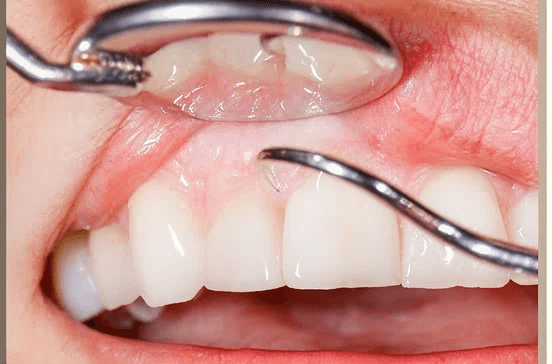
In severe deficiency — scurvy — the gum manifestations are dramatic: swollen, spongy, dark-purple gums that bleed profusely from minimal contact. Existing gingivitis is dramatically exacerbated. Gum disease accelerates. Teeth become loose as the periodontal ligament degrades. In extreme cases, teeth fall out.
Modern scurvy in this severe form is rare but not absent — it's still seen in patients with very restricted diets, in the elderly with inadequate nutrition, and occasionally in children with extreme food selectivity.
What's considerably more common is subclinical vitamin C deficiency — not severe enough to produce textbook scurvy, but enough to meaningfully impair gum tissue quality. This presents as:
In the Indian dietary context, this matters. Cooking destroys vitamin C (it's heat-sensitive), making raw fruits and vegetables the most reliable sources. A diet that consistently includes fresh guava, amla, citrus, capsicum, or green leafy vegetables provides adequate vitamin C. A diet that doesn't include these regularly may fall short — particularly in households where most vegetables are heavily cooked.
Guava is one of the most concentrated vitamin C sources available in India — a single medium guava provides more than the daily recommended intake. Amla is exceptional, though its tartness means it's often consumed in small quantities or in processed forms that reduce the vitamin C content.
Testing and treatment: Serum ascorbic acid levels confirm deficiency through a blood test. Dietary improvement is the primary intervention. A vitamin C supplement (500 to 1000 mg daily) corrects deficiency reliably and is inexpensive. Gum tissue improvement from correcting deficiency typically becomes noticeable within 2 to 4 weeks.
Vitamin D's role in calcium absorption and bone density is well known. Its relevance to gum health is less commonly discussed but significant and increasingly well evidenced.
Vitamin D functions as an immunomodulator — it regulates the immune response to infection, including the immune response to periodontal bacteria. Studies consistently find that patients with lower serum vitamin D levels have higher rates and greater severity of periodontal disease. The mechanism works through multiple pathways: reduced production of antimicrobial peptides (defensins and cathelicidins) that normally suppress oral bacteria; altered inflammatory response in the gum tissue; and reduced alveolar bone density, which is the bone supporting the teeth.
Vitamin D deficiency is extraordinarily common in North India. This is paradoxical for a region with abundant sunlight — the reality is that the combination of desk-bound urban work, indoor environments during peak sun hours (particularly in Noida and Delhi NCR's offices), and cultural practices of covering skin mean that many urban adults have inadequate sun exposure for adequate vitamin D synthesis. Studies in Indian urban populations consistently find deficiency rates of 70% or more.
The practical dental consequence: patients with vitamin D deficiency tend to have more aggressive gum disease at equivalent levels of plaque accumulation compared to those with adequate vitamin D. They heal more slowly after periodontal treatment. Their bone response to chronic infection is less protective.
Testing and treatment: Serum 25-hydroxyvitamin D (25-OH-D) is the standard test. Adequate sun exposure (20 to 30 minutes of midday sun on the forearms and face, several times weekly) is the ideal source. Supplementation with 1000 to 2000 IU daily of vitamin D3 is commonly recommended for deficient individuals; higher doses under medical supervision for severely deficient patients.
Vitamin K is essential for blood clotting. It's required for the production of clotting factors II, VII, IX, and X in the liver. Without adequate vitamin K, the blood clotting cascade is impaired and bleeding is prolonged and more pronounced than normal.
In the dental context, vitamin K deficiency presents as gum bleeding that's more substantial and slower to stop than would be expected from the degree of gum inflammation. Normal gingivitis produces brief bleeding on brushing — a few drops that stop quickly. Vitamin K-deficient patients may bleed more freely and for longer, making the degree of bleeding seem inconsistent with the visible gum inflammation.
This is distinct from anticoagulant medications (warfarin, aspirin, newer anticoagulants) that work through similar mechanisms — vitamin K deficiency produces the same coagulation impairment from nutritional rather than pharmacological cause.
Vitamin K deficiency is less common than vitamin C or D deficiency in the general Indian population, but it occurs in patients on long-term antibiotics (which disrupt the gut bacteria that produce some vitamin K), those with fat malabsorption conditions (since vitamin K is fat-soluble), and those with very low vegetable intake — particularly low intake of green leafy vegetables, which are the primary dietary source.
Testing and treatment: Prothrombin time (PT) and international normalised ratio (INR) blood tests assess clotting function. Dietary improvement with green leafy vegetables (palak, methi, sarson, coriander) is the primary intervention. Vitamin K1 supplementation is available if diet alone is insufficient.
Iron deficiency — one of the most common nutritional deficiencies globally and extremely prevalent in India, particularly in women of reproductive age — affects oral health through several distinct mechanisms.
Glossitis: Iron deficiency causes atrophic glossitis — the tongue becomes smooth, shiny, and often sore as the papillae (taste buds and surface texture) degenerate. The tongue may appear red and raw. This is uncomfortable and can affect eating and tasting food.
Recurrent aphthous ulcers: Iron deficiency is independently associated with recurrent mouth ulcers. The mechanism involves impaired mucosal immune response in deficiency states. Patients with frequent, recurrent aphthous ulcers who don't respond well to standard management benefit from iron status assessment — and often find that correcting the deficiency substantially reduces ulcer frequency.
Angular cheilitis: Cracks and soreness at the corners of the mouth are sometimes associated with iron deficiency (as well as riboflavin and B12 deficiency). The Candida organisms that colonise these lesions proliferate more readily in nutritionally compromised tissue.
Gum pallor: In significant iron deficiency anaemia, gum tissue may appear paler than normal — the reduced haemoglobin content of blood is reflected in tissue colour throughout the body, including the gums.
India has a very high prevalence of iron deficiency anaemia — estimated at roughly 50% of women and 25% of men in some surveys. Dietary iron from plant sources (non-haem iron from lentils, leafy vegetables, whole grains) is less bioavailable than animal-source iron (haem iron from meat and fish), and is absorbed even less efficiently when tea and coffee — which contain tannins that inhibit iron absorption — are consumed with meals, as they commonly are in the Indian diet.
Testing and treatment: Serum ferritin (stored iron) is the most sensitive early marker of iron deficiency. Serum iron and full blood count with haemoglobin provide the complete picture. Dietary improvement — iron-rich foods (rajma, chhole, green leafy vegetables, meat, fish, tofu) eaten away from tea and coffee, and with vitamin C to enhance non-haem iron absorption — is first-line. Iron supplements correct deficiency reliably but should be taken under medical guidance to avoid gastrointestinal side effects and to monitor progress.
Vitamin B12 and folate deficiencies both affect cell division and the maintenance of the oral mucosal lining. Cells in the oral mucosa turn over rapidly — they need adequate B12 and folate to divide correctly.
Recurrent aphthous ulcers: Both B12 and folate deficiency are independently associated with recurrent mouth ulcers. Studies find that correcting these deficiencies reduces ulcer frequency in deficient patients — for patients with frequent, recurring ulcers, assessing B12 and folate status is clinically relevant.
Glossitis: B12 deficiency causes atrophic glossitis with a characteristic pattern — the edges and tip of the tongue appear red, smooth, and sore. This is called Hunter's glossitis or Moeller's glossitis in B12 deficiency, and is diagnostic when present.
Angular cheilitis: As with iron deficiency, B12 and riboflavin deficiencies can produce corner-of-mouth soreness.
B12 deficiency is particularly common in vegetarians and vegans, since B12 is found almost exclusively in animal products. In India's large vegetarian population — particularly in strict vegetarians who don't consume dairy or eggs consistently — B12 deficiency is a clinically significant and substantially underdiagnosed problem. Patients on long-term metformin (for diabetes) or proton pump inhibitors (for acid reflux) are also at elevated risk of B12 depletion, as both medications reduce B12 absorption.
Folate deficiency occurs with inadequate vegetable intake, during pregnancy (where requirements increase substantially), and with certain medications including methotrexate and some anticonvulsants.
Testing and treatment: Serum vitamin B12 and serum folate levels confirm deficiency. B12 supplementation — oral or injectable depending on the cause of deficiency — corrects the deficiency reliably. For strict vegetarians, B12 supplementation or fortified foods are essentially mandatory for long-term adequacy.
Not every patient with bleeding gums needs a nutritional work-up. When gum disease is clearly present — calculus visible, pockets deeper than 3 mm — treating the gum disease is the starting point.
At Renew Dental Clinic in Noida, Dr. Suchi Singh includes dietary history in the patient assessment where relevant, and where nutritional deficiency is suspected, coordinates with the patient's GP for appropriate blood testing and supplementation.
If I take all these vitamins as supplements, will my gum disease get better?
Supplementation corrects deficiency where deficiency exists. It doesn't substitute for treating the primary cause of gum disease — plaque and calculus. Supplements work alongside professional dental treatment, not instead of it.
How quickly do gums improve when a deficiency is corrected?
Vitamin C correction can produce noticeable gum improvement within 2 to 4 weeks. Iron and B12 correction takes longer — several months for full tissue normalisation. Vitamin D's effect on gum disease unfolds over a similar timeframe.
Can I test my own vitamin levels without seeing a doctor?
Home finger-prick tests for some vitamins are available. For clinical decision-making, laboratory blood tests through a GP are more reliable and assess the full picture including haemoglobin and ferritin for iron.
My gums bleed even though I brush well — could this be a vitamin deficiency?
Possibly. Bleeding gums with genuinely good oral hygiene and no significant plaque accumulation visible warrants assessment of both periodontal status and nutritional factors. Discuss this at your next dental check-up.
To book a comprehensive oral health assessment at Renew Dental Clinic, Sector 47, Noida, call (0120) 498-8333.
Monday–Saturday 10:30 AM – 8:00 PM | Sunday 11:00 AM – 2:30 PM.
 Copy
Copy
Diabetes worsens gum disease. Gum disease makes diabetes harder to control. This guide explains both...
24 Aug 2026
by Renew Dental Clinic

Teeth looking longer than they used to? Gum recession is one of the most commonly...
19 Aug 2026
by Renew Dental Clinic

Persistent bad breath that doesn't respond to brushing and mouthwash has a specific cause —...
18 Aug 2026
by Renew Dental Clinic
Learn whether root canal treatment is painful, how the procedure works, and what to expect before, during, and after treatment.
11 May 2026
by Renew Dental Clinic
Gums bleeding when you brush or floss? This guide explains the real causes of gum...
09 Jul 2026
by Renew Dental Clinic

Tooth decay starts silently, but the signs are easy to spot if you know what...
27 Jun 2025
by Renew Dental Clinic
Most people who floss aren't doing it correctly. This guide covers the proper technique for...
31 Aug 2026
by Renew Dental Clinic

Bad breath, also known as halitosis, is a very common condition that affects people of...
06 Nov 2025
by Renew Dental Clinic
Think scaling is just about cleaner teeth? This guide explains what dental scaling actually does,...
15 Jun 2026
by Renew Dental Clinic
The choice between root canal and extraction is one of the most common decisions in...
01 Oct 2026
by Renew Dental Clinic

The fear around root canals is almost always worse than the procedure itself. This guide...
04 Oct 2026
by Renew Dental Clinic
Not every cavity needs a root canal — but many patients aren't sure where the...
23 Sept 2026
by Renew Dental Clinic
An impacted wisdom tooth doesn't always hurt — which is why so many people ignore...
05 Oct 2026
by Renew Dental Clinic
Dry socket is the most painful post-extraction complication and it doesn't get better on its...
28 Sept 2026
by Renew Dental Clinic
Had a tooth removed in Noida? This practical day-by-day guide covers exactly what to eat...
17 Jun 2026
by Renew Dental Clinic
Discover how thousands of patients trust Renew Dental Clinic with their smiles.
I had a very good experience at Renew Dental Clinic during my implant and RCT treatment. The doctors and staff were extremely kind, supportive, and professional throughout the entire process. What I appreciated the most was their care and attention towards patient comfort — the treatment was smooth and almost painless.
My family members and I have been visiting Dr. Suchi Singh for all our dental concerns for a few years now, and my recent visit prompted me to write this review in the hope that others can benefit from it too.
Best dental clinic..
It was a very good experience, doctor was very polite and professional
Very nice Dr & very good supportive team ...Aaj mai 12 saal se jada ho gya yhi pr treatment karva rha hua apne dant ka bahut hi badhiya response Mila mujhe jitna bhi taarif kru km hai ..dant ke treatment ke liye bahut hi badhiya clinic hai koi bhi problem ho dant me a to z acha treatment hota hai mera bhi dant ka implant karvana tha to bahut hi badhiya suggestion Mila mujhe but kuch personal reasons ke vjh se mai avi nhi Krva paya hu but jldi hi karvavunga again thanks Dr maim and team
I was highly satisfied with my dental treatment with Dr. Suchi.
Had a really good experience at the clinic with Dr Suchi and Dr Chandrava Ganguli
If you haven’t found the right dentist in Noida go and see Dr Suchi Singh. She does outstanding dental work and is very kind. Highly recommend.
Best dental clinic in Noida
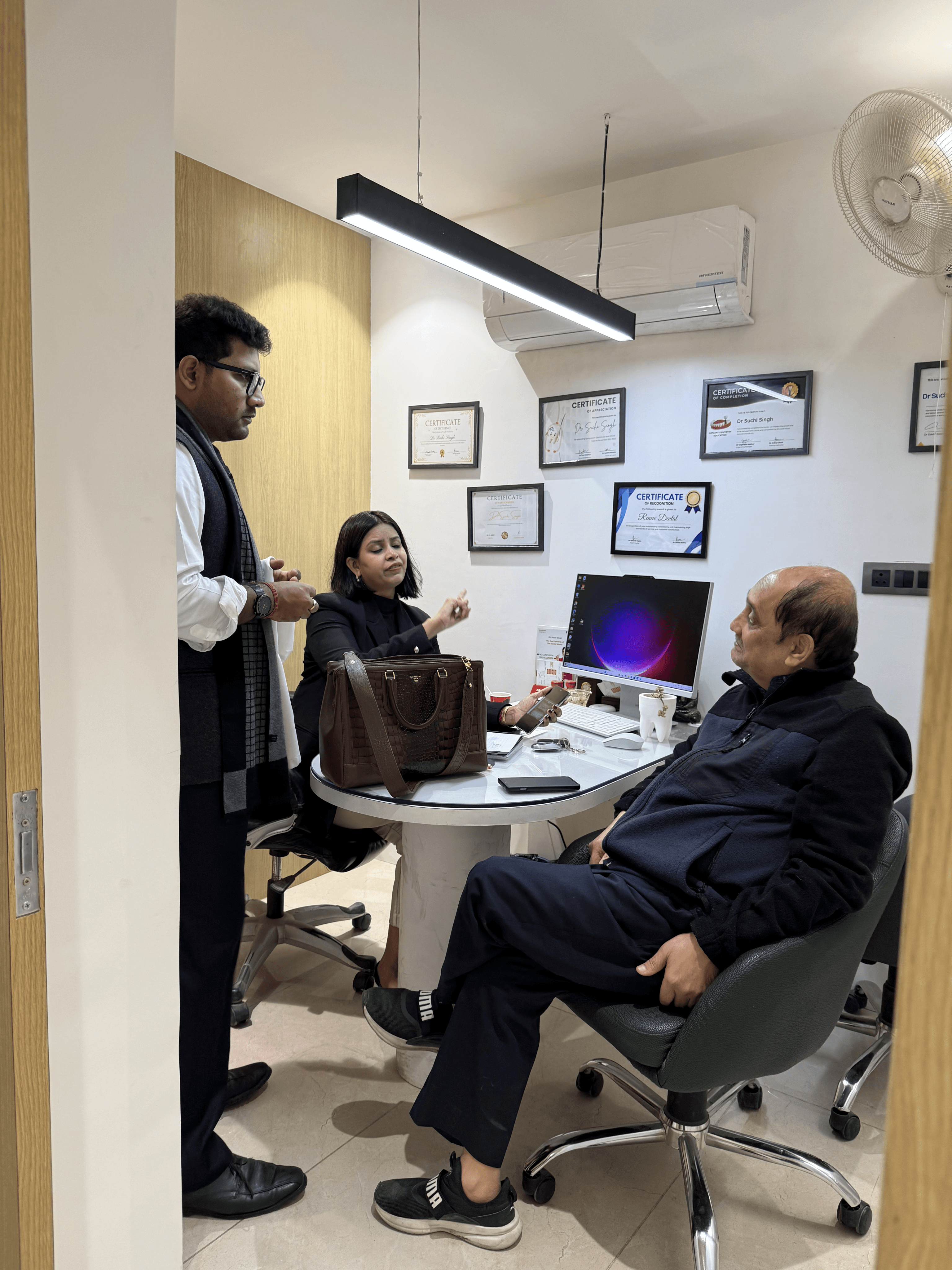
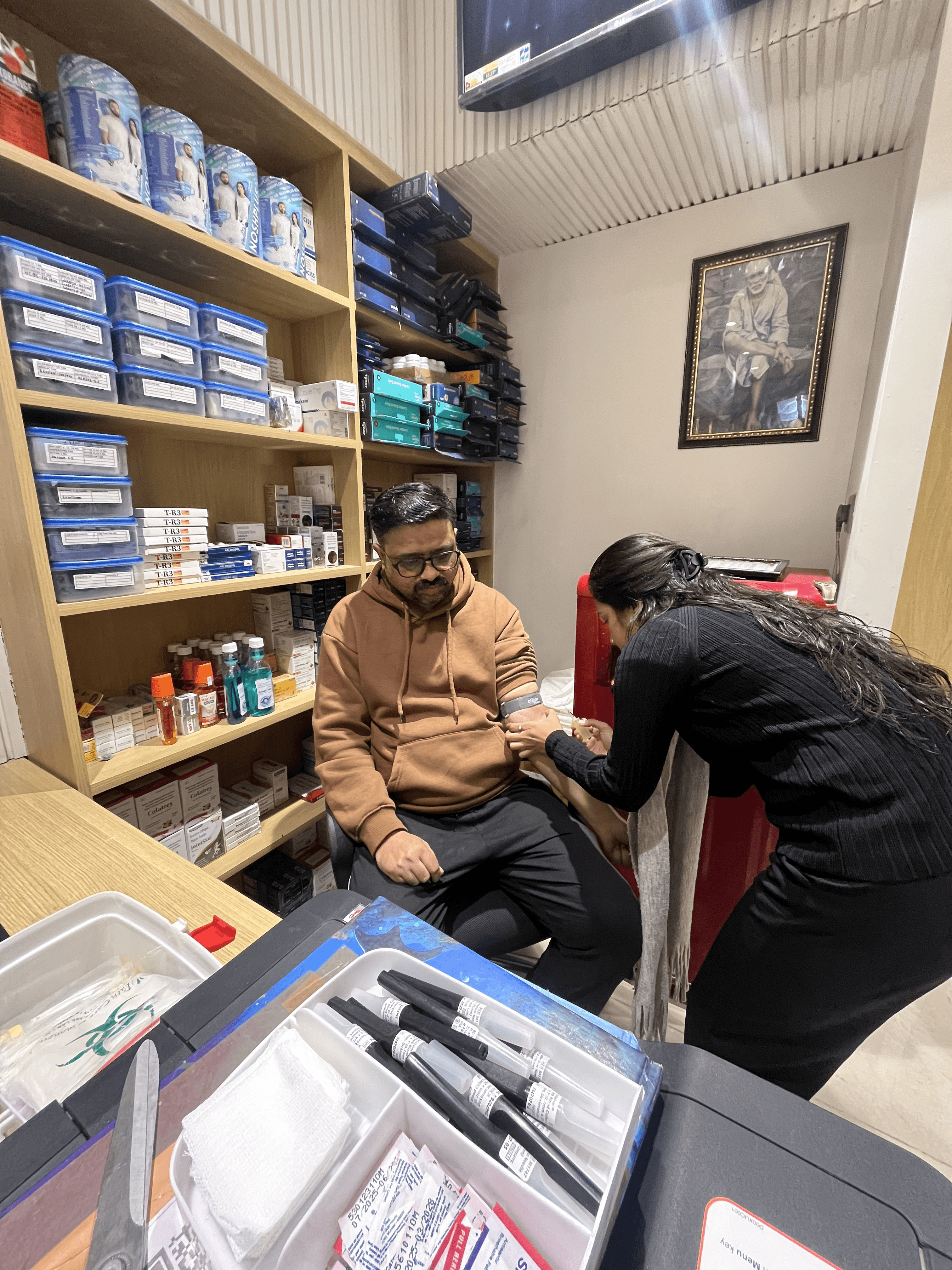
A glimpse into our modern dental clinic, advanced technology, and patient-friendly environment at Renew Dental.
Explore our thoughtfully designed clinic spaces built to provide comfort, cleanliness, and a calming experience for patients of all ages.



Best Dentist in Noida
Renew Dental Clinic located in Noida, Sector 47, is one of the leading dental clinics. Founded by Dr. Suchi Singh who is widely regarded as one of the best dentists in Noida, the clinic is committed to delivering personalised and high-quality dental care. Dr. Suchi Singh focuses on customised treatment plans designed around each patient’s unique needs, ensuring advanced, comfortable and reliable dental care at Renew Dental Clinic.

Your Trusted Dental Experts

Complete Dental Care

Friendly Dental Space

No Hidden Charges
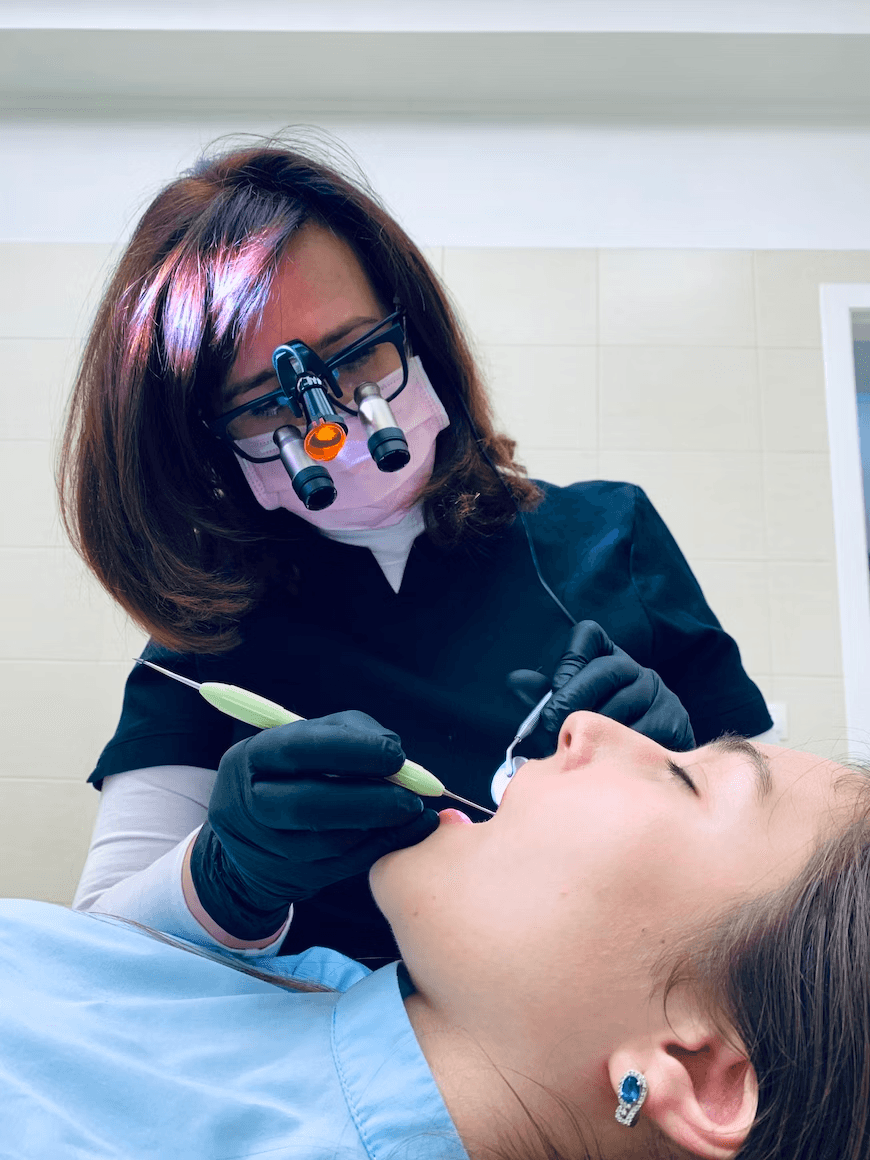



Two trusted dental clinics in Noida — Renew Dental (Sector 47) and Tooth & Truth (Sector 34) — for gentle, modern care.

Renew Orthopedic Clinic, A-321, Basement Floor, Next to Mother Dairy Store, Sector 47, Noida, Uttar Pradesh 201303
 +91 99710 35300
A-98/A, Block A, Sector 34, Noida, Uttar Pradesh 201307
+91 99710 45002© 2026. All rights reserved | Designed and Developed by Zarle Infotech