By Renew Dental ClinicPublished on
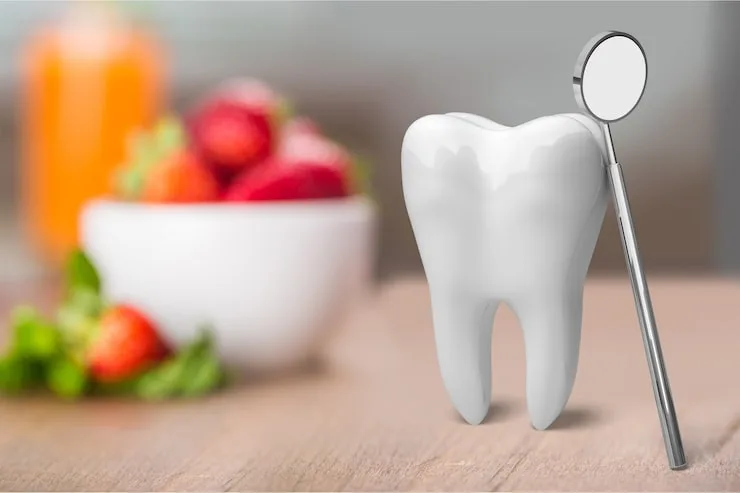
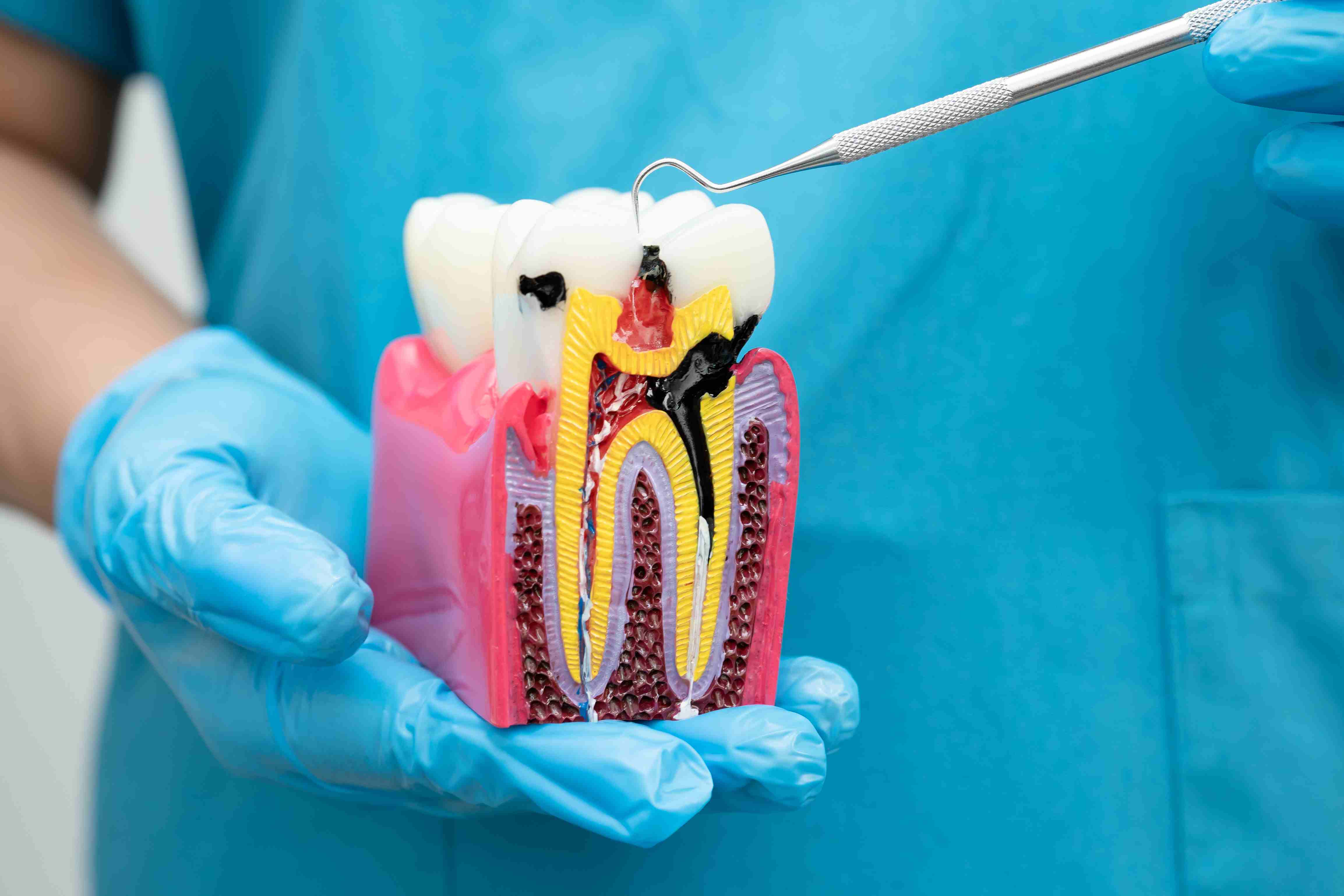
Anatomical model of a healthy tooth
Your toothbrush goes in your mouth twice a day. What's on it when it gets there depends partly on where you keep it.
Most people don't think about toothbrush storage. The brush goes back in the holder after use, or stays on the counter, or lives in a cup. It works until the bristles wear out. But the condition of the bristles and the cleanliness of the brush are two different things, and the second one matters more than people realise.
After brushing, a toothbrush has plaque, bacteria, toothpaste residue, food particles, and saliva on it. Rinsing under water removes most of this. What rinsing doesn't do is sterilise the bristles or eliminate the bacteria that have embedded themselves between them.
A toothbrush sitting in a closed, moist container gives those bacteria exactly what they need to proliferate — warmth, moisture, and an undisturbed environment. A toothbrush stored upright in open air dries between uses, which is significantly less hospitable to bacterial growth.
The bacteria on a stored toothbrush in normal circumstances are largely the same oral bacteria that came from your mouth in the first place. Reintroducing your own oral bacteria isn't generally dangerous — it's roughly what you do every time you swallow. The concern is specific situations: illness (where pathogens on the brush could reinfect), shared environments (where bacteria from other people's brushes could transfer), and prolonged poor storage conditions (where mould develops).
This is the most important rule, and it contradicts how most people store their brushes. A toothbrush stored with bristles pointing upward in a holder allows water to drain away from the bristle base. The bristles air-dry between uses. Bacteria prefer moisture; a dry toothbrush is a less welcoming environment.
This is the counterintuitive one that most people get wrong. Toothbrush caps and travel covers trap moisture. A wet toothbrush in a closed cover is an ideal environment for mould and bacterial growth. Covers exist for travel — they protect the brush in transit. Once you arrive, the cover should come off and the brush should dry in the open air.
Storing multiple family members' toothbrushes in the same cup with bristles touching allows cross-contamination of oral bacteria. If someone in the household has an infection — strep throat, a cold sore, a gastrointestinal illness — the bacteria or virus on their brush can transfer to adjacent brushes. Store each brush separately, or at minimum ensure the bristle ends aren't in contact.
Toilet flushing disperses a spray of water droplets that can travel up to 2 metres. These droplets carry gut bacteria and viruses. Toothbrushes stored immediately next to the toilet — or in an open cup anywhere in a small bathroom without closing the toilet lid before flushing — are exposed to this spray. The risk from any single incident is small, but it accumulates over years of daily exposure.
Closing the toilet lid before flushing eliminates the aerosol. Keeping brushes in a closed cabinet (opened only after the bristles have dried adequately) or at distance from the toilet reduces exposure further.
Hold the brush under running water for 10 to 15 seconds, agitating the bristles to dislodge toothpaste residue and food particles. Run water from the tip down through the bristle base. Shake off excess water and store upright.
Toothpaste residue left in the bristle base degrades and creates conditions that promote bacterial growth. A thorough rinse after each use extends the hygienic life of the brush.
Beyond the standard three-to-four month replacement interval, certain situations warrant immediate replacement regardless of how new the brush is.
After a significant illness. Strep throat, COVID, flu, mouth infections — pathogens can survive on bristles. The risk of reinfection from your own brush is debated (the ADA considers it low for most common illnesses), but for oral infections specifically — where the pathogen is particularly concentrated on the brush — replacement after recovery is sensible.
If the brush has a persistent odour after rinsing. A clean, well-stored brush shouldn't smell. Persistent odour indicates mould or significant bacterial growth that rinsing isn't resolving.
If it's been stored badly — a travel cup for weeks, a closed bathroom cabinet while still wet, touching other family members' brushes during a household illness. When in doubt, replace. Toothbrushes are inexpensive relative to the inconvenience of using a contaminated one.
If a child's brush shows any concern. Children who gnaw on their brushes or store them inconsistently benefit from more frequent replacement — every six to eight weeks rather than three to four months.
Several products and methods are marketed for toothbrush sanitisation — UV sanitisers, antibacterial rinses, soaking in mouthwash. The ADA does not recommend any specific sanitiser and notes that no sanitisation method restores worn bristles.
What rinsing with water followed by air-drying achieves is adequate for normal circumstances. Running the brush through a dishwasher is not recommended — the heat distorts bristles. Soaking in antibacterial mouthwash after each use may reduce bacterial counts somewhat but isn't necessary for healthy adults using a normally stored brush.
For immunocompromised patients — those on chemotherapy, with HIV, or taking immunosuppressants — the oral environment is higher risk and toothbrush hygiene practices may warrant more thorough attention. Discuss with Dr. Suchi Singh at Renew Dental Clinic and your treating physician what's appropriate for your specific situation.
Travel is where covers have their place. A brush in a travel bag without protection collects whatever is in the bag. The cover protects it in transit.
On arrival: remove the cover and let the brush air dry. If the bathroom situation allows, store upright in a cup. If it doesn't — many hotel bathrooms have limited space and the brush holder is right next to the toilet — keeping the brush in the cover overnight with the cover slightly open (so it can breathe partially) is a compromise.
Pack a spare brush on longer trips. Replacing a travel brush when you return home after an extended trip, particularly if storage conditions were suboptimal, is a low-cost sensible measure.
Can I keep my toothbrush in the shower?
The shower is consistently moist and warm — not an ideal storage environment. If the brush is stored with bristles up in a shower caddy and has a chance to dry between uses (not enclosed), it's passable. Regularly soaked brushes in enclosed shower caddies develop mould more quickly.
Is it safe to store a toothbrush in the medicine cabinet?
Yes, if the cabinet has adequate ventilation and the brush is fully dry before going in. The problem arises when a wet brush goes straight into a closed, poorly ventilated cabinet.
Should I disinfect my toothbrush after someone else uses it by mistake?
Replace it. Sanitisation reduces bacterial load but doesn't eliminate the risk of pathogen transfer from a shared brush.
To book a check-up at Renew Dental Clinic, Sector 47, Noida, call (0120) 498-8333.
Monday–Saturday 10:30 AM – 8:00 PM | Sunday 11:00 AM – 2:30 PM.
 Copy
Copy
Seen the coloured stripes on the bottom of your toothpaste tube and wondered what they...
11 Aug 2026
by Renew Dental Clinic
Most people brush the same way they have since childhood — which is usually wrong....
06 Aug 2026
by Renew Dental Clinic
The toothbrush aisle is overwhelming. This guide cuts through it — explaining what bristle type,...
05 Aug 2026
by Renew Dental Clinic
Dealing with a sudden sharp zing from a sensitive tooth? This guide covers what to...
14 Jul 2026
by Renew Dental Clinic
White spots on teeth aren't all the same — they come from very different causes...
14 Sept 2026
by Renew Dental Clinic

Learn the causes of dry mouth, its treatment using natural and medical methods, its symptoms,...
10 Nov 2025
by Renew Dental Clinic

When you have persistent tooth pain or sensitivity that just will not seem to go...
10 Nov 2025
by Renew Dental Clinic
The fear around root canals is almost always worse than the procedure itself. This guide...
04 Oct 2026
by Renew Dental Clinic

Curious about the root canal treatment? Learn the step-by-step process, benefits, recovery, and FAQs to know the popular dental procedure.
03 Oct 2025
by Renew Dental Clinic

Discover ten easy yet powerful daily habits that can help you maintain a healthier, brighter...
03 Jul 2025
by Renew Dental Clinic
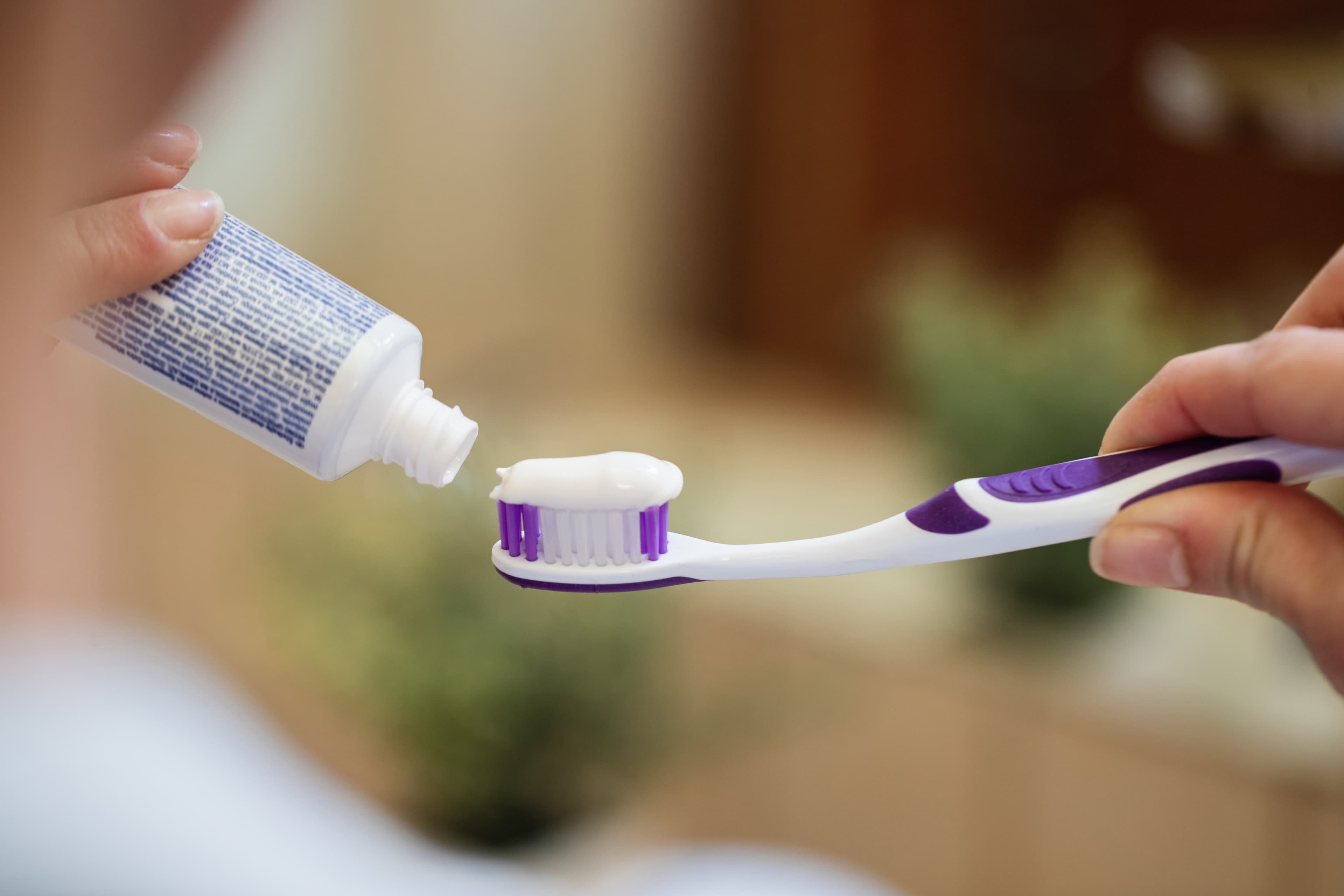
Toothpaste ads show a full brush of foam. Dentists recommend a pea-sized amount. This guide...
17 Aug 2026
by Renew Dental Clinic

Healthy teeth are not necessarily achieved by brushing twice a day or flossing gums periodically;...
26 Aug 2025
by Renew Dental Clinic
Explore More
Discover how thousands of patients trust Renew Dental Clinic with their smiles.
Excellent.....
Environment is good, hygienic. But I went there for an RCT, and they performed a cleaning on my front teeth, which had no stains. They charged me 2,000 for cleaning normal deposits, in addition to the consultation fee, without informing me of the charges beforehand. This feels misleading and lacks transparency.
Great treatment and much hospitality.
Best dental treatment ....
If you haven’t found the right dentist in Noida go and see Dr Suchi Singh. She does outstanding dental work and is very kind. Highly recommend.
I got my RCT and crown treatment done at Renew Dental Clinic, along with gum cleaning and a few fillings also, MAJORLY MY SMILE DESIGNING of my front two teeth. I’m really happy with my overall experience. Dr. Chandrava, Dr. Suchi, and the entire team were very caring, supportive, and professional throughout my treatment. They made me feel comfortable and took great care of me. I’m very satisfied with the treatment and would definitely recommend Renew Dental Clinic to others. 😊
Excellent place for solution of all your dental problems.
Suchi was a fabulous dentist and she fixed the teeth in an hour or so, pretty great and I plan to visit her again. Thanks again!
I have done my rct with dr suchi and my experience is wonderfull
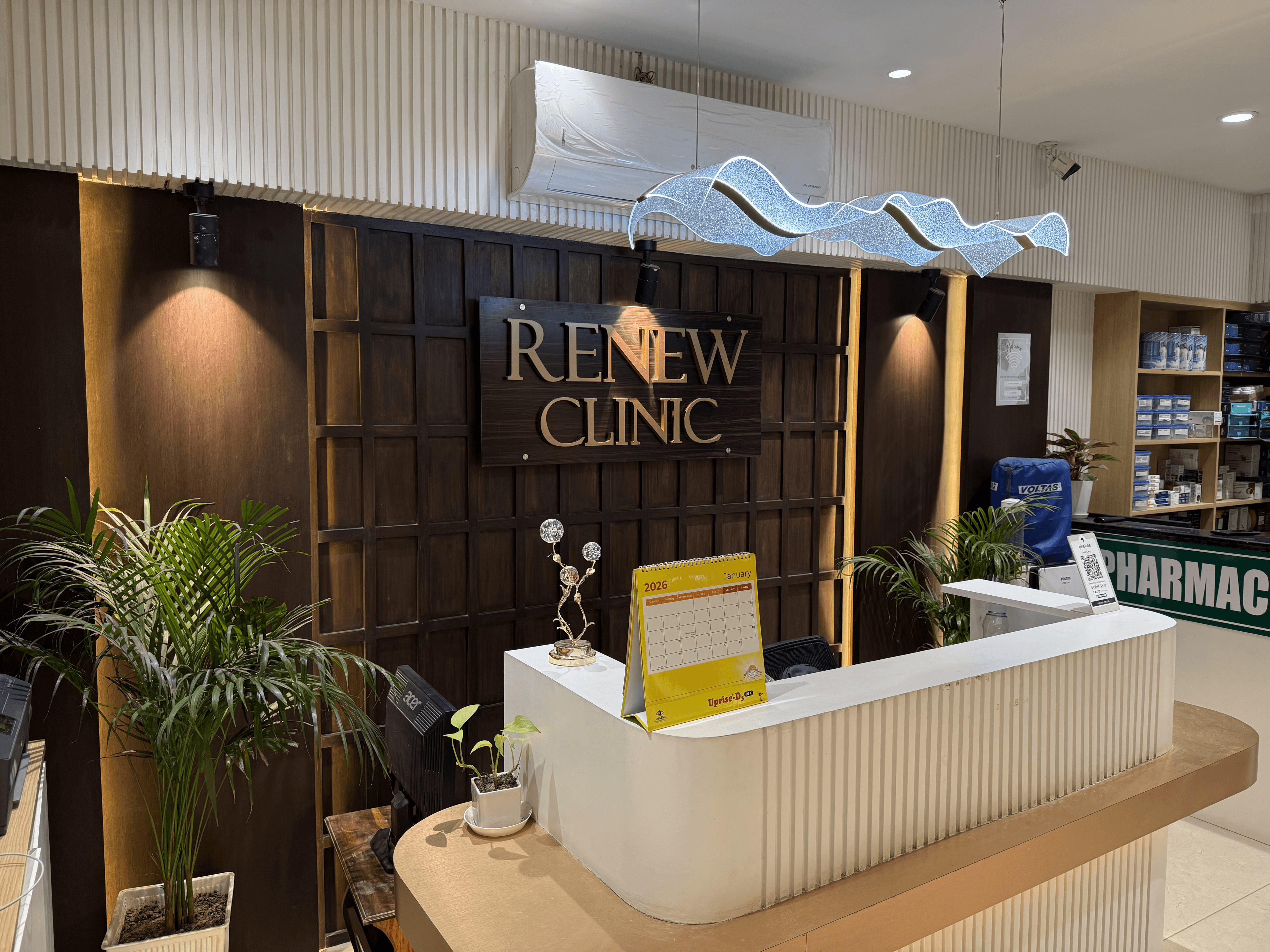
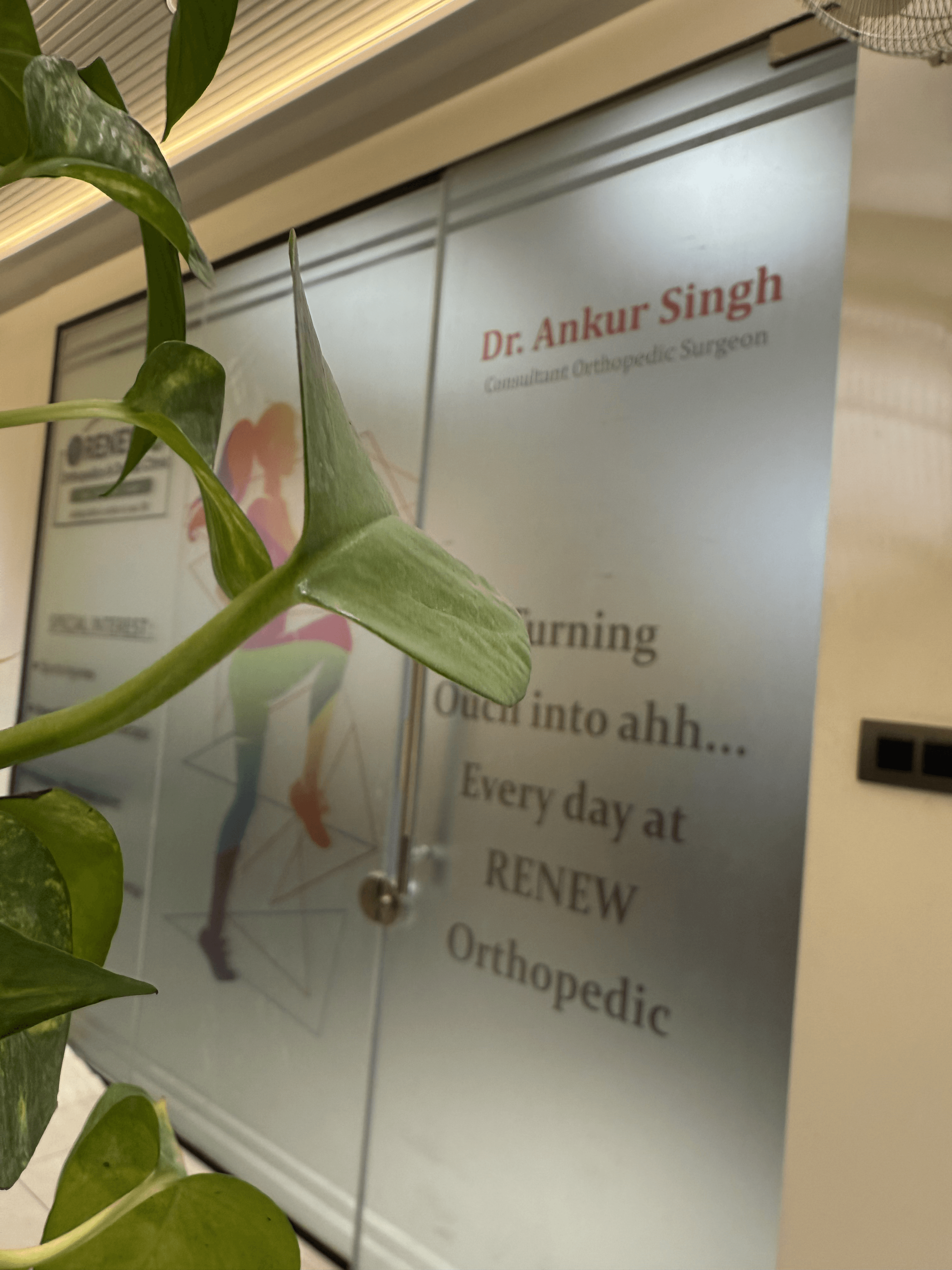
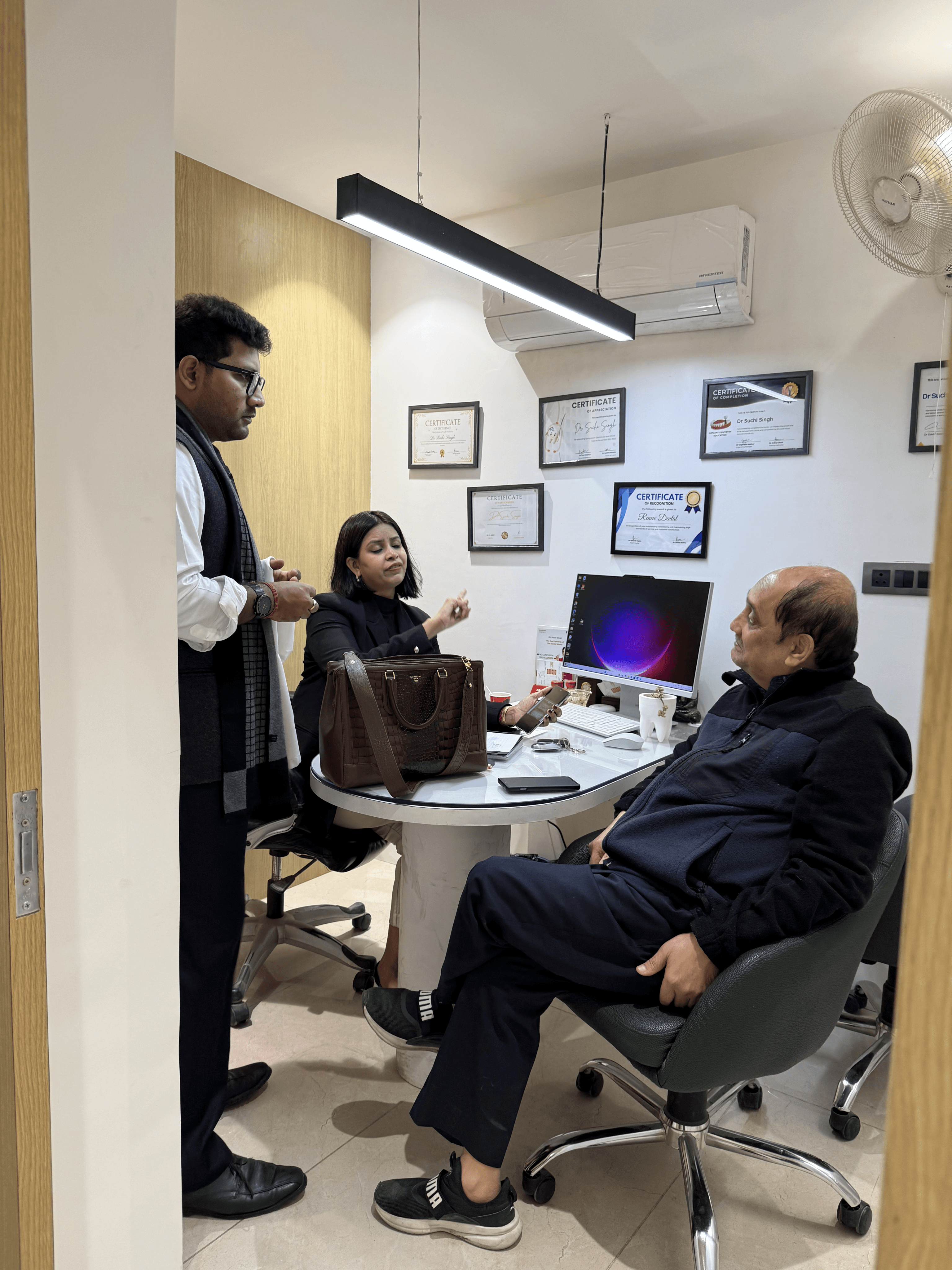
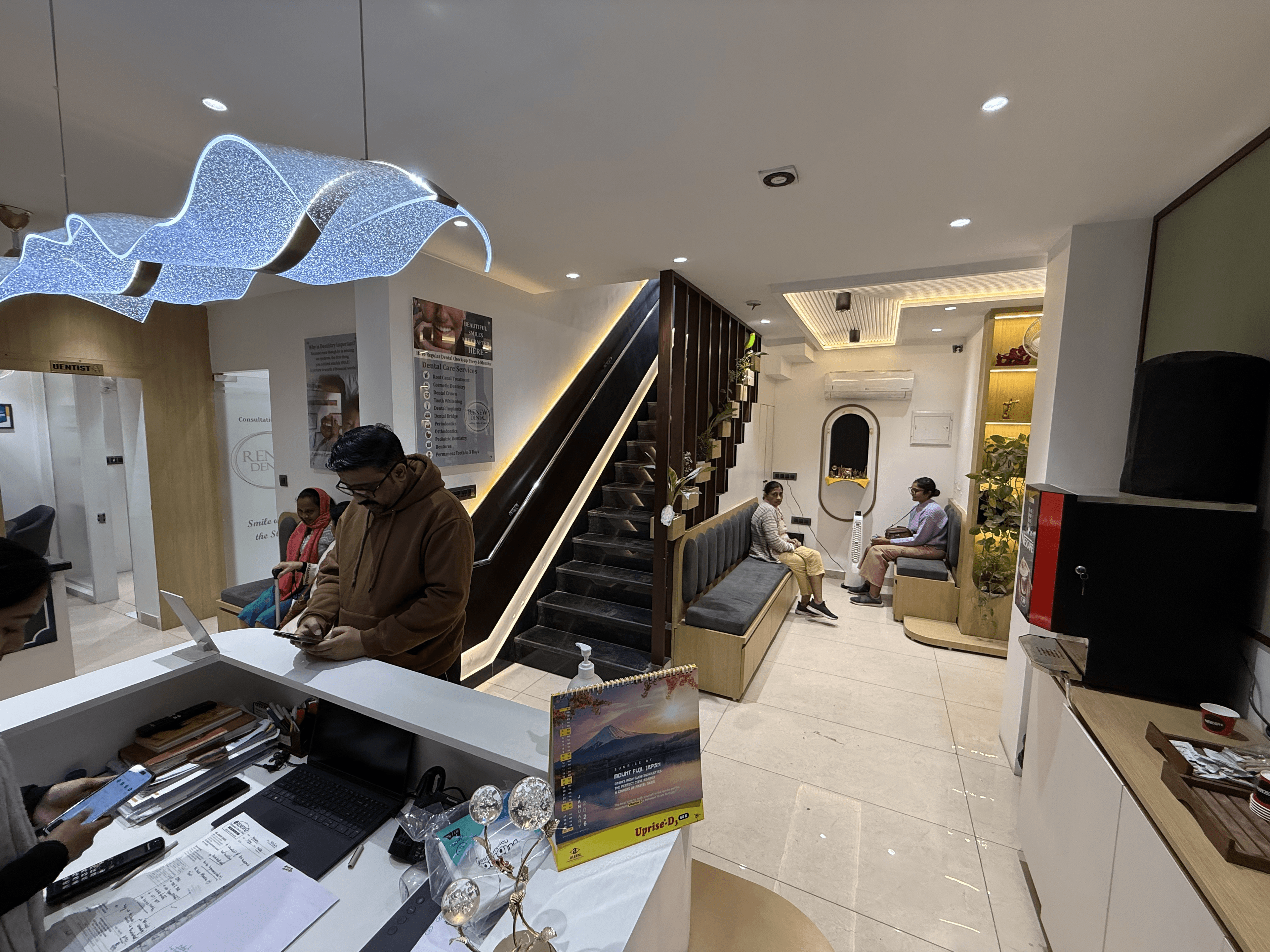
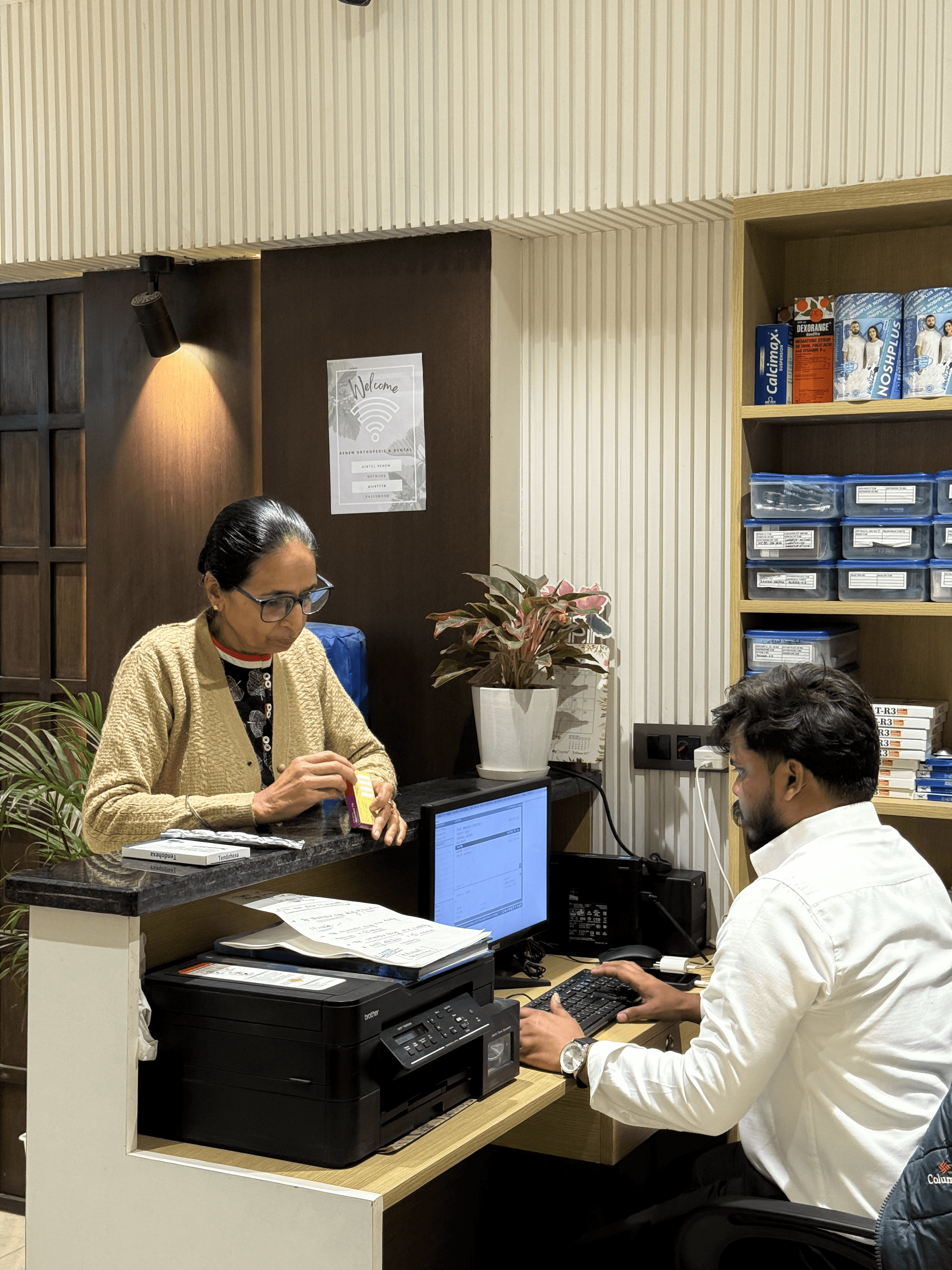
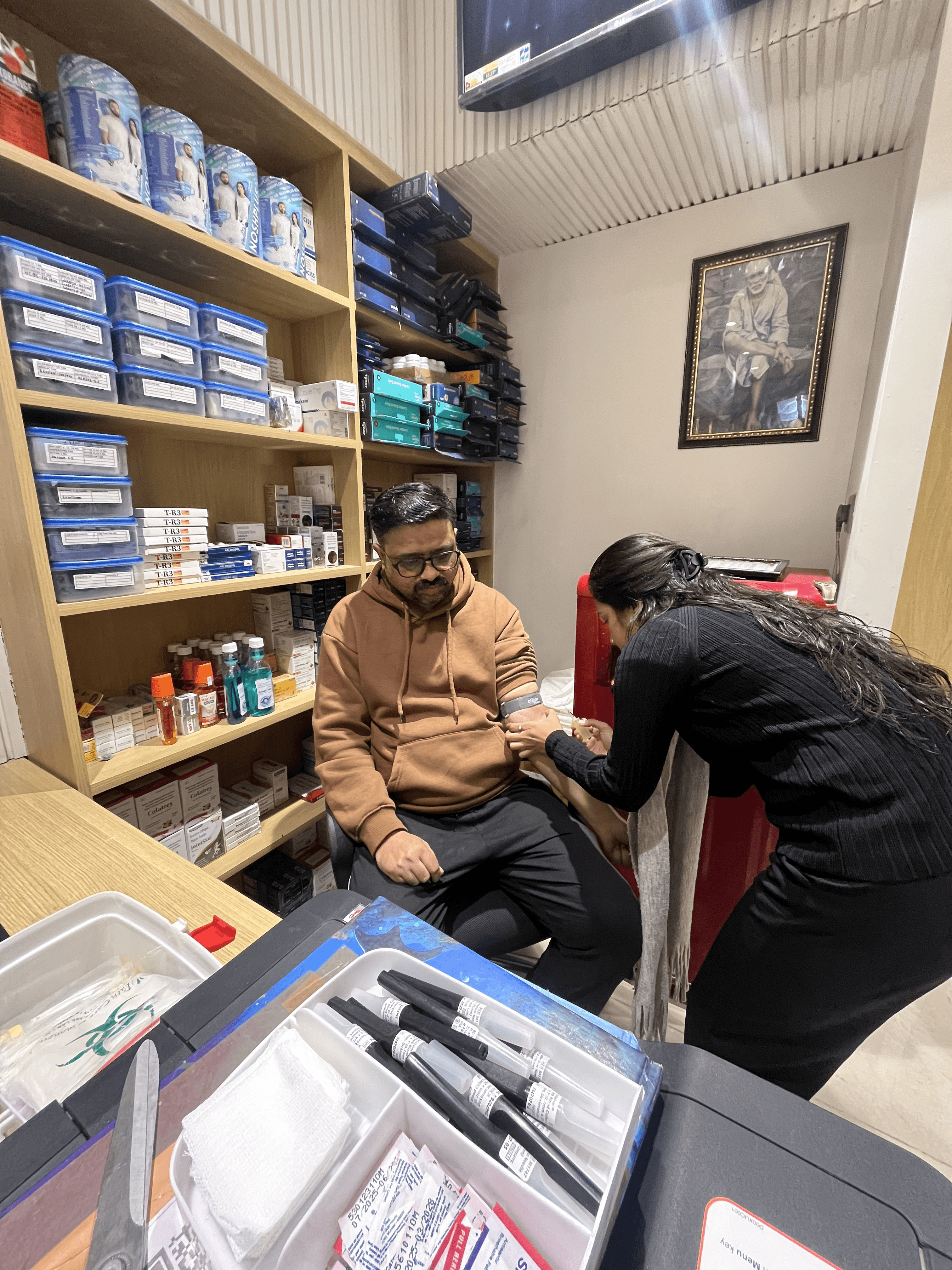
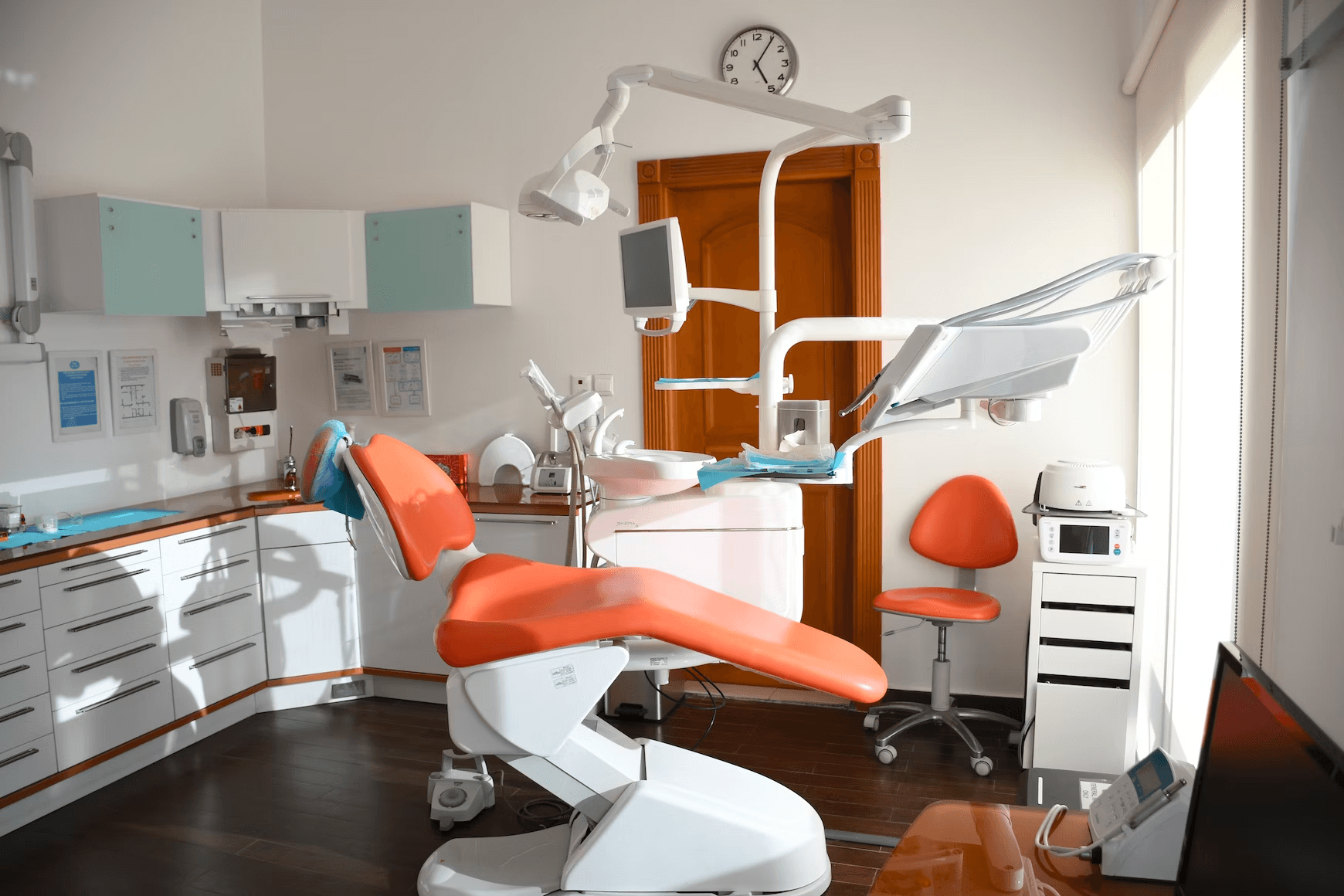
A glimpse into our modern dental clinic, advanced technology, and patient-friendly environment at Renew Dental.
Explore our thoughtfully designed clinic spaces built to provide comfort, cleanliness, and a calming experience for patients of all ages.
Best Dentist in Noida
Renew Dental Clinic located in Noida, Sector 47, is one of the leading dental clinics. Founded by Dr. Suchi Singh who is widely regarded as one of the best dentists in Noida, the clinic is committed to delivering personalised and high-quality dental care. Dr. Suchi Singh focuses on customised treatment plans designed around each patient’s unique needs, ensuring advanced, comfortable and reliable dental care at Renew Dental Clinic.

Your Trusted Dental Experts

Complete Dental Care

Friendly Dental Space

No Hidden Charges
Two trusted dental clinics in Noida — Renew Dental (Sector 47) and Tooth & Truth (Sector 34) — for gentle, modern care.

Renew Orthopedic Clinic, A-321, Basement Floor, Next to Mother Dairy Store, Sector 47, Noida, Uttar Pradesh 201303
 +91 99710 35300
A-98/A, Block A, Sector 34, Noida, Uttar Pradesh 201307
+91 99710 45002© 2026. All rights reserved | Designed and Developed by Zarle Infotech