How to Restore Tooth Enamel Naturally - Tips That Actually Work
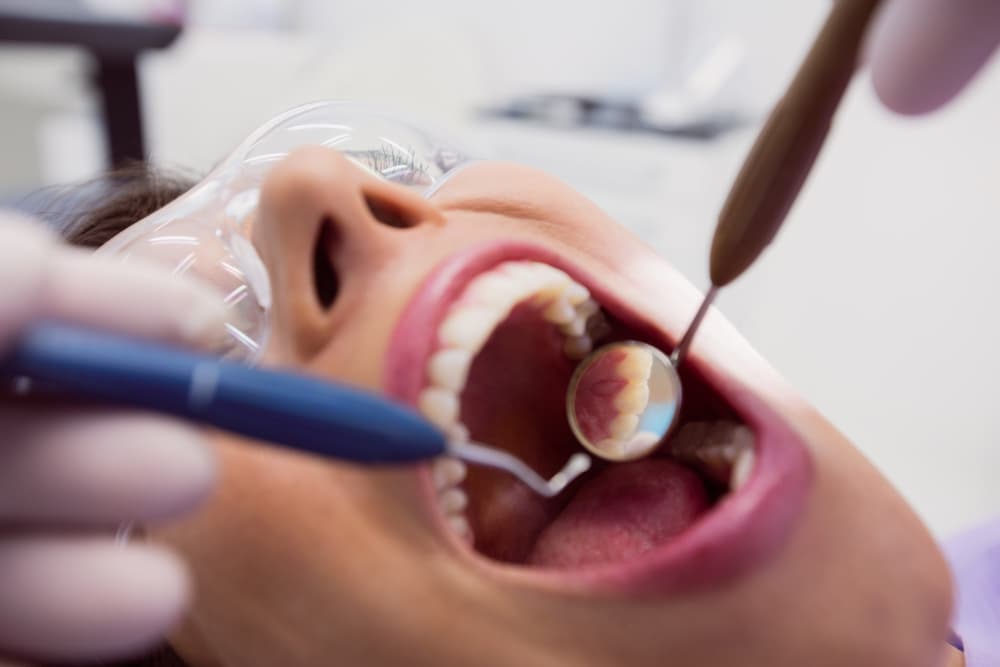
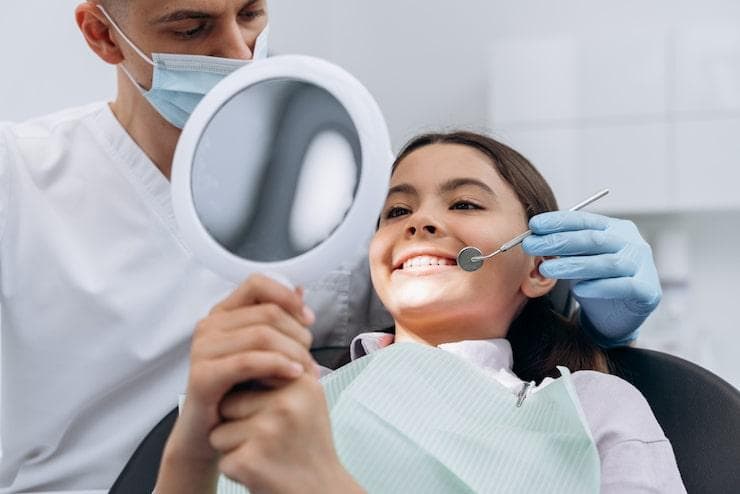
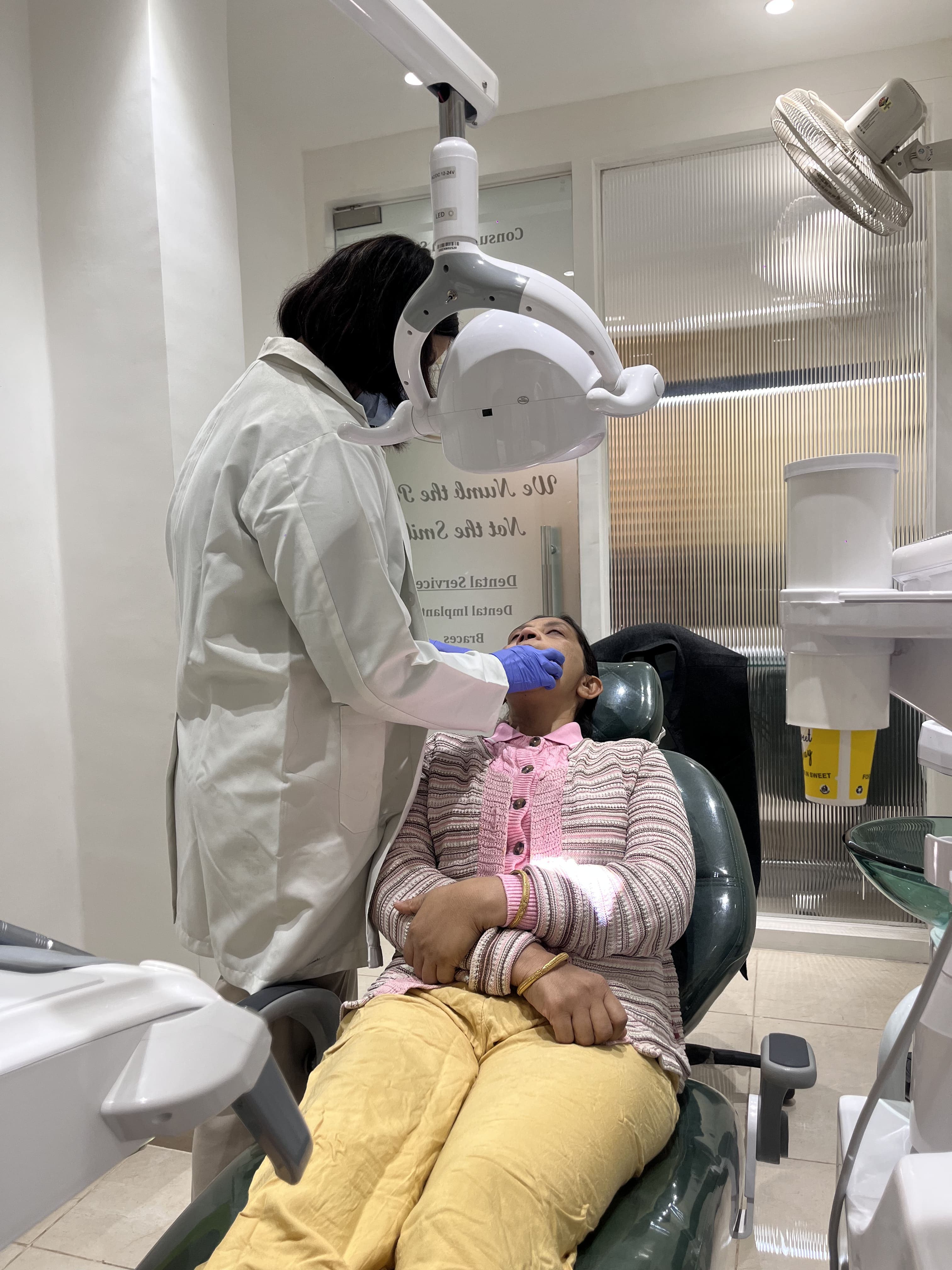
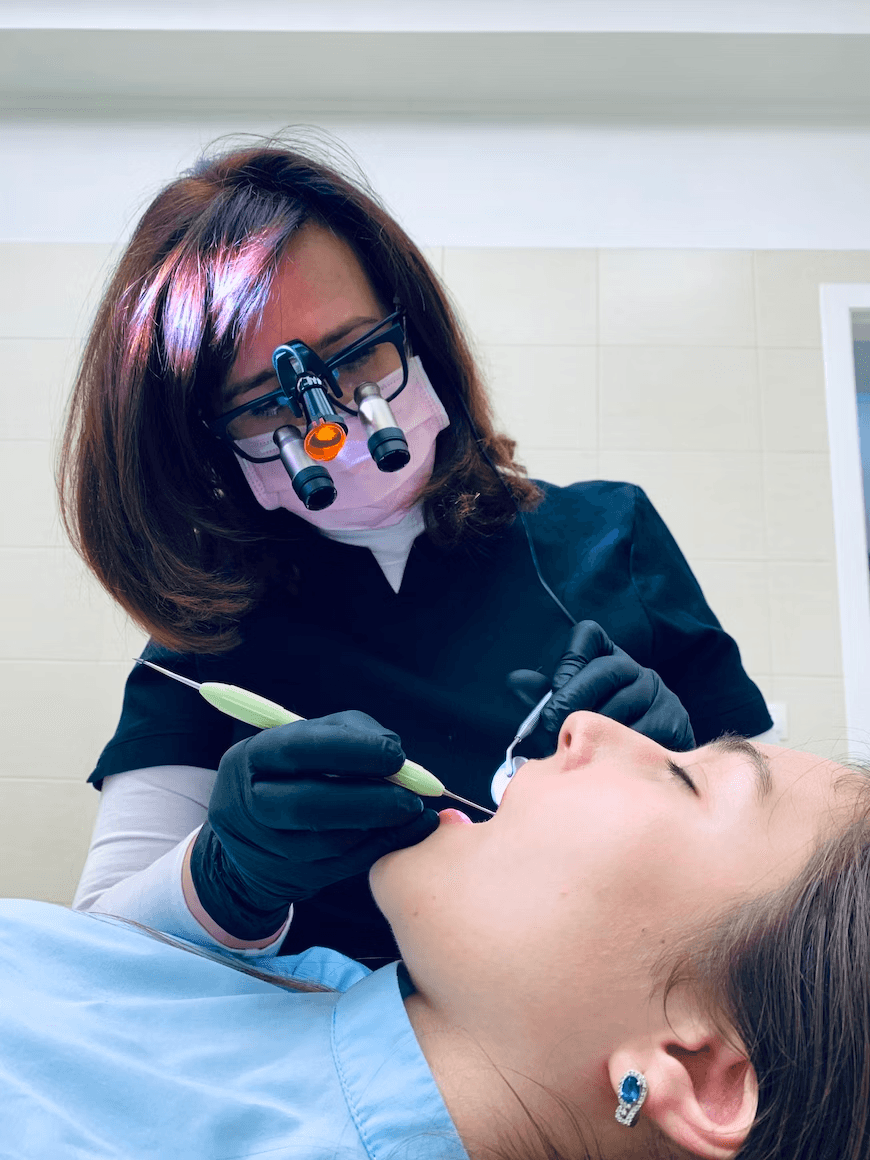
avatar Dentist examining a female patient with tools.
Patients searching for ways to restore tooth enamel deserve an honest answer — not just a reassuring list of tips. The honest answer has two parts: what remineralisation can do, and what it cannot do. Understanding both changes everything about how you approach this topic.
The facts: Enamel that has been completely lost cannot grow back. It is not like bone, which can regenerate. The cells that produce enamel (ameloblasts) are only active during tooth development. Once gone, they don't return.
The good news: Enamel that has been weakened — but not physically lost — can be significantly strengthened and even partially repaired through a process called remineralisation. And that describes most of what happens in the early stages of enamel damage. Caught early enough, the damage can be reversed. Caught later, it can at least be halted and managed.
This guide explains both what naturally works and what doesn't, and when patients in Noida, Greater Noida, and across Delhi NCR need to visit Renew Dental Clinic for professional intervention.
Understanding Demineralisation and Remineralisation
Your mouth is in a constant cycle of two opposing processes.
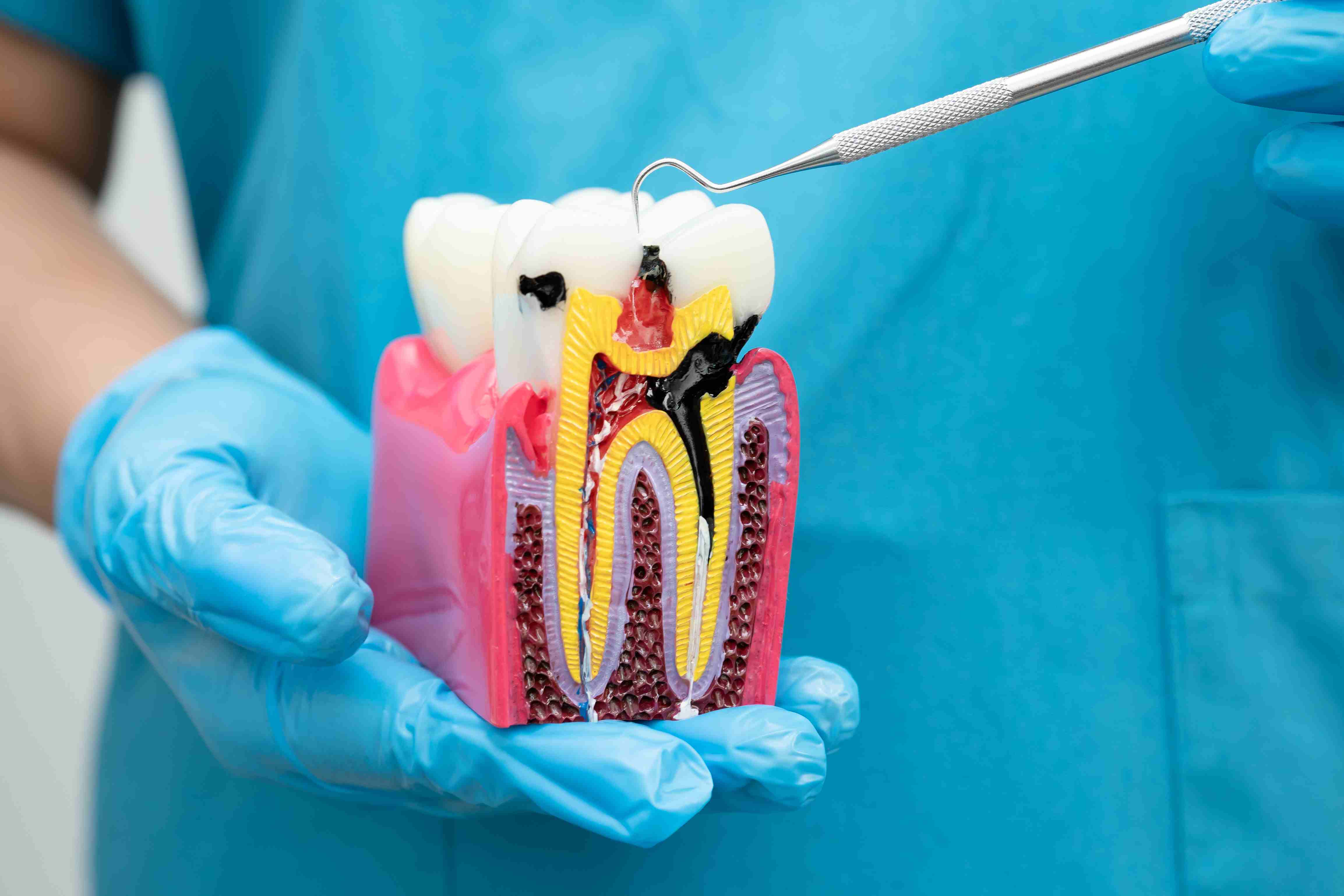
Demineralisation happens when acids — produced by bacteria metabolising sugars, or from dietary acid sources — dissolve the mineral crystals in enamel, leaching out calcium and phosphate ions. This weakens the enamel surface. In the very early stages, the outer enamel layer may remain intact while the subsurface has already started losing mineral content.
Remineralisation is the repair process. Saliva is rich in calcium, phosphate, and proteins that can redeposit minerals back into weakened enamel. Fluoride dramatically accelerates this process by combining with calcium and phosphate to form fluorapatite — a mineral that's more acid-resistant than the original hydroxyapatite enamel.
The early stage of enamel damage — white spot lesions, areas that look chalky or opaque — can be reversed if caught and managed before the enamel surface physically breaks down. Once a cavity forms (an actual physical hole), remineralisation alone cannot repair it. At that point, a filling is required.
The practical implication: regular dental check-ups at Renew Dental Clinic in Noida allow you to catch enamel weakening before it crosses the point of no return.
What Actually Works — Evidence-Based Remineralisation Strategies
1. Fluoride — The Most Proven Remineralising Agent
Fluoride is the single most effective and best-evidenced tool for supporting enamel remineralisation. It works by:
- Binding with calcium and phosphate ions already present on the tooth surface
- Creating fluorapatite, which is more resistant to acid than natural enamel
- Inhibiting the acid-producing activity of bacteria in dental plaque
Practical steps:
Use fluoride toothpaste twice daily. Brush for two minutes with fluoride toothpaste (1000-1450 ppm for adults). Critically, do not rinse with water immediately after brushing. Spitting the excess out and leaving the residue on your teeth allows the fluoride to continue working. This simple habit change significantly increases the protective effect of brushing.
Consider a fluoride mouthwash. Used at a different time from brushing — not immediately after — an alcohol-free fluoride mouthwash adds daily fluoride application.
Professional fluoride treatments at Renew Dental. High-concentration fluoride varnish applied by Dr. Suchi Singh at check-up appointments provides a protective benefit that standard toothpaste cannot match. For patients with known enamel weakness or high cavity risk, this is recommended at every check-up or more frequently.
Prescription-strength fluoride toothpaste. For patients with significant enamel concerns, Dr. Suchi Singh may prescribe a high-fluoride toothpaste (5000 ppm fluoride) for home use. This is substantially more effective than over-the-counter options and is the professional standard of care for at-risk patients.
2. Maximise Saliva Flow — Your Body's Natural Remineraliser
Saliva is the mouth's primary defence mechanism. It
- Buffers acid, raising the pH of the mouth toward neutral after acid exposure
- Delivers calcium and phosphate ions to the enamel surface
- Contains proteins that protect enamel from acid dissolution
- Physically washes food particles and bacteria off tooth surfaces
Strategies to support good saliva flow
Stay well hydrated. Drink water consistently throughout the day, especially in the hot North Indian climate, where dehydration is common. A dry mouth significantly increases enamel erosion risk.
Chew sugar-free gum. Chewing (particularly gum containing xylitol) stimulates saliva production. Increased saliva flow after meals accelerates the neutralisation of acids produced during eating and speeds up the remineralisation cycle. Sugar-free gum with xylitol also has direct antibacterial effects on cavity-causing bacteria.
Finish meals with dairy. Curd, paneer, cheese, or milk after a meal provides calcium and phosphate directly to the saliva, and their alkaline pH helps neutralise acid from the meal. This is a particularly practical habit in an Indian dietary context.
Avoid alcohol-based mouthwashes. Alcohol dries out the mouth significantly. Switch to an alcohol-free alternative.
Address dry mouth. If dry mouth is persistent — from medications, a medical condition, or mouth breathing — it needs to be managed. Discuss this with Dr. Suchi Singh at your check-up.
3. Reduce the Frequency of Acid Attacks — Not Just the Amount
This is perhaps the most misunderstood aspect of dietary management for enamel health. The total quantity of sugar or acid consumed matters less than how often the mouth is exposed to it.
Every time you eat or drink something acidic or sugary, the bacteria in your mouth produce acid for approximately 20 to 30 minutes. During this time, the enamel surface is under attack. Then saliva gradually neutralises the acid, and remineralisation can begin.
If you sip a cola slowly over two hours, the mouth is in a constant state of acid attack for the entire period. If you drink the same amount in five minutes, the attack lasts 25 to 30 minutes total. Frequency of exposure — not total volume — is what drives enamel damage.
Practical changes that make a real difference:
- Eat and drink acidic or sugary items as part of a meal, not as constant throughout-the-day snacking
- Avoid sipping carbonated drinks, fruit juices, or tea repeatedly throughout the day
- After eating or drinking something acidic, rinse with plain water to help neutralise and dilute the acid
- Avoid late-night snacking or drinking anything other than water after brushing
4. Choose the Right Foods
Diet has a direct impact on how well your enamel remineralises.
Foods that support remineralisation:
- Dairy products — milk, curd, paneer, cheese — rich in calcium and phosphate, and their alkaline pH helps buffer mouth acidity
- Leafy green vegetables — rich in calcium and in vitamins that support gum and oral tissue health
- Eggs — contain phosphorus, important for enamel mineral structure
- Fish with soft bones — calcium-rich
- Nuts and seeds — calcium and phosphate sources
- Fibre-rich fruits and vegetables — stimulate saliva flow when chewed
Foods that accelerate enamel damage:
- Carbonated drinks — including diet versions (phosphoric and citric acid are highly erosive)
- Citrus fruits and juices held in the mouth or consumed frequently throughout the day
- Sports and energy drinks — among the most erosive beverages available
- Vinegary or pickled foods consumed with high frequency
- Lemon water (highly erosive despite its health reputation)
5. Hydroxyapatite Toothpastes — A Newer Option
Nano-hydroxyapatite (n-HAp) is a synthetic form of the mineral that makes up enamel. Toothpastes containing nano-hydroxyapatite can fill microscopic surface defects and replenish mineral content in weakened enamel. Research supports their effectiveness for remineralisation, and they're particularly useful for patients who prefer a fluoride-free option for specific reasons.
However, for most patients, fluoride toothpaste remains the better-evidenced and more accessible primary recommendation. Some premium toothpastes now combine fluoride with hydroxyapatite for a dual-mechanism approach.
Speak to Dr. Suchi Singh about which toothpaste type is appropriate for your specific enamel health situation.
6. CPP-ACP (Casein Phosphopeptide-Amorphous Calcium Phosphate)
Available in some dental products, CPP-ACP delivers calcium and phosphate in a highly bioavailable form directly to the tooth surface. Clinical studies show it's particularly effective for remineralising early white spot lesions — the earliest visible sign of enamel damage.
Products containing CPP-ACP are used in some professional settings as a topical treatment applied after cleaning. They're also available as a cream that patients can apply at home. Ask at Renew Dental whether this is appropriate for your situation.
What Doesn't Work — Common Myths About Enamel Restoration
Oil Pulling
Oil pulling (swishing coconut or sesame oil in the mouth) is an ancient Ayurvedic practice with some evidence for reducing harmful oral bacteria. It does not, however, remineralise enamel or restore lost tooth structure. It may have a supporting role as part of overall oral hygiene, but it's not an enamel repair tool.
Lemon or Baking Soda Mixtures
DIY remedies involving acidic ingredients like lemon juice or highly abrasive materials like baking soda used in excess can actually worsen enamel damage rather than reversing it. Lemon is particularly corrosive to enamel. Use with extreme caution, and consult your dentist before applying any home remedy directly to teeth.
Charcoal Toothpaste
Activated charcoal toothpastes are abrasive and lack fluoride. They do not remineralise enamel, and their abrasiveness can actually accelerate enamel wear. They're not recommended by dental professionals for regular use.
When You Need Professional Intervention
Natural remineralisation strategies work for early enamel weakening. If any of the following are present, clinical intervention is needed:
- Visible cavities — physical holes in enamel require fillings; remineralisation cannot close a cavity
- Significant tooth sensitivity — particularly to cold, air, or sweet — suggests significant enamel thinning, exposing dentine
- Visible yellowing or transparency at tooth edges — enamel thinning revealing the dentine layer beneath
- Chipping or cracking of the biting edges — thinned enamel is brittle
- White spots that haven't resolved with 3 to 4 months of consistent fluoride use
At Renew Dental Clinic in Noida, Dr. Suchi Singh assesses enamel health clinically, identifies early lesions before they progress, and provides professional fluoride applications alongside dietary counselling to halt further damage. Where enamel loss is more significant, composite bonding, veneers, or crowns restore the missing structure.
Frequently Asked Questions
How long does remineralisation take?
Early white spot lesions can show measurable improvement within 12 weeks of consistent fluoride use and dietary modification. More significant improvement takes 3 to 6 months of consistent effort.
Can children's enamel remineralise?
Yes. Fluoride is particularly beneficial for developing enamel in children. The professional fluoride applications available at Renew Dental for children are an important part of paediatric preventive care.
Does drinking water remineralise teeth?
Water helps by maintaining saliva flow and washing away acids after eating. Fluoridated water provides a direct remineralising benefit. Both effects are meaningful, though water alone isn't sufficient for significant remineralisation.
How do I know if my enamel is damaged?
Sensitivity to cold, visible whitish spots, yellowing, or chipping are common signs. A clinical examination at Renew Dental is the only reliable way to assess enamel status accurately.
Protect and Strengthen Your Enamel at Renew Dental, Noida
If you're concerned about enamel erosion, early white spots, increasing sensitivity, or simply want to protect your teeth against further damage, the starting point is a thorough clinical assessment.
At Renew Dental Clinic, Sector 47, Noida, Dr. Suchi Singh assesses enamel health, identifies any early damage, and provides a personalised plan — including professional fluoride applications and specific home care guidance — to strengthen what you have and prevent further loss.
To book a consultation, call (0120) 498-8333.
Open Monday–Saturday, 10:30 AM – 8:00 PM | Sunday, 11:00 AM – 2:30 PM.