Dental Scaling and Cleaning in Noida - Why It Matters More Than You Think
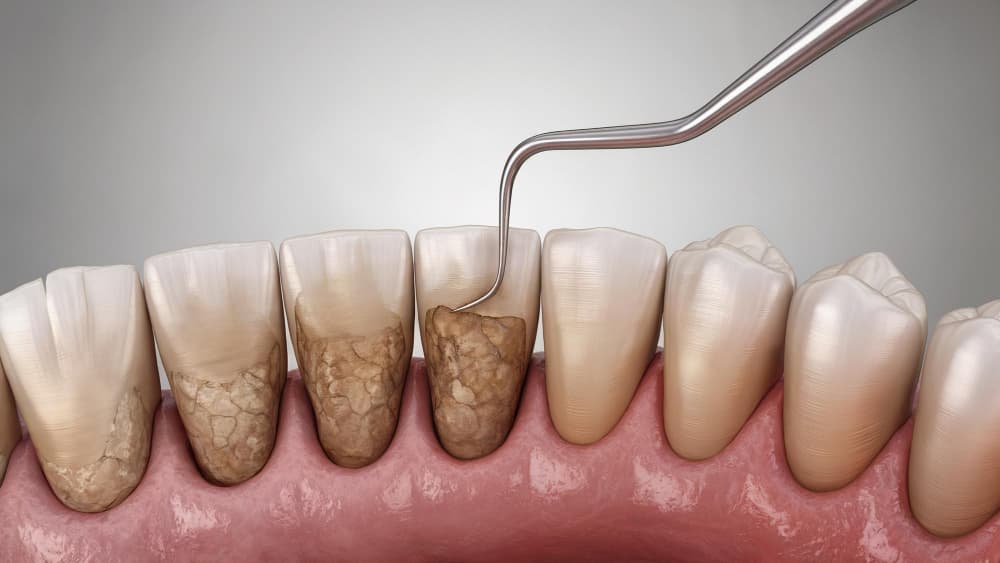
Dental cleaning and scaling
Ask most people why they get their teeth cleaned professionally, and the answer is usually about appearance — to remove staining, to get a polished feeling. That's part of it. But the clinical reason dental scaling matters goes far deeper than aesthetics.
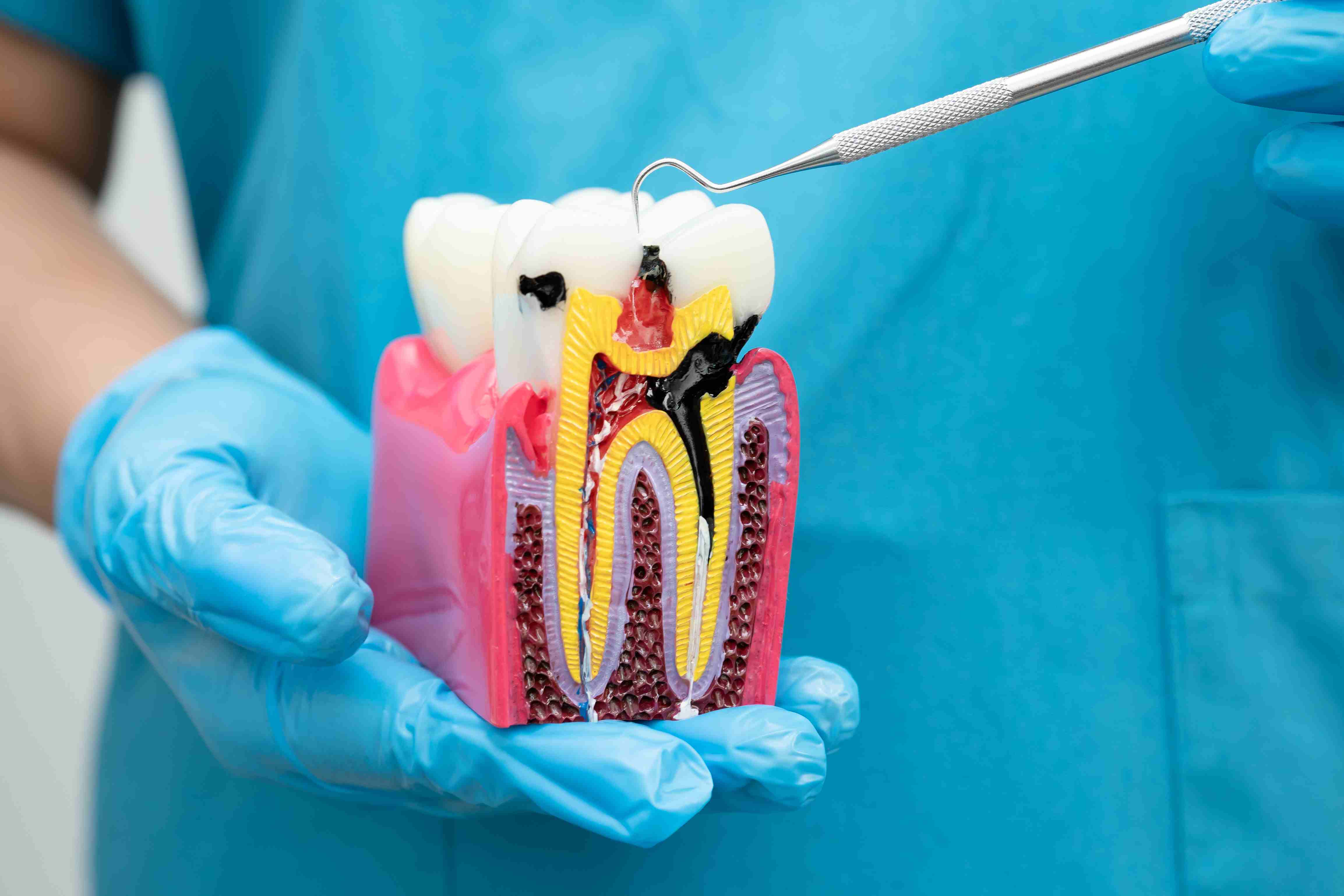
Calculus (tartar) — the hardened deposit that builds up on teeth despite daily brushing — harbours bacteria that actively destroy gum tissue and the bone supporting the teeth. It cannot be removed by a toothbrush regardless of technique or pressure. Only professional instruments at a dental clinic can remove it. And once it accumulates long enough, the damage it causes is irreversible.
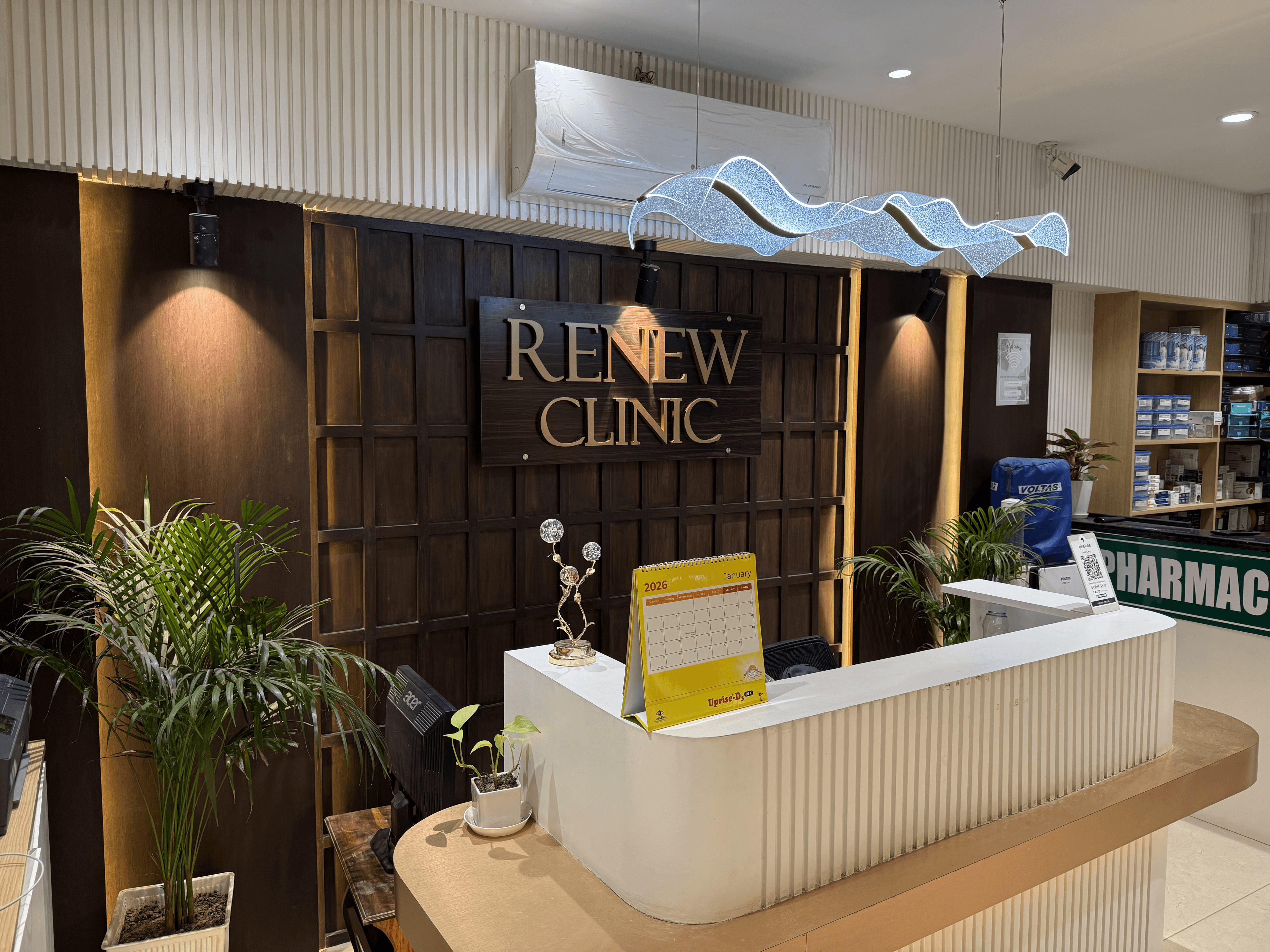
At Renew Dental Clinic in Sector 47, Noida, scaling and professional cleaning are among the most-performed treatments — and among the most valuable, precisely because they prevent conditions that would otherwise require far more complex and expensive intervention.
What Is Dental Plaque and Why Does It Matter?
Before understanding scaling, it helps to understand what's being removed.
Dental plaque is a sticky, colourless biofilm that forms continuously on tooth surfaces. It's made up of bacteria — primarily Streptococcus mutans and Porphyromonas gingivalis — along with water, proteins from saliva, and food debris. Plaque forms within hours of brushing and, if not removed, begins to organise and mature.
The bacteria in plaque produce two types of damage
-
Acid production — bacteria metabolise sugars from food and produce lactic acid, which dissolves enamel and creates cavities.
-
Inflammatory response — the body recognises the bacteria in plaque as a threat and mounts an immune response in the gum tissue. This inflammation is the early stage of gum disease (gingivitis), which, if unchecked, progresses to periodontitis.
When plaque is not consistently removed — either through inadequate home brushing or through areas that brushing can't reach — it mineralises.
What Is Calculus (Tartar)?
When plaque remains on a tooth surface for approximately 48 to 72 hours, minerals from saliva (calcium and phosphate) begin to incorporate into it, gradually hardening it into calculus — commonly called tartar.
Calculus is:
- Hard — it cannot be removed by a toothbrush, no matter how firm or how much effort is applied
- Porous — its rough surface harbours even more bacteria than plaque, making it a permanent reservoir of infection
- Progressive — once formed, it continues to accumulate on itself and expand if not professionally removed
Calculus forms in two locations with different clinical significance
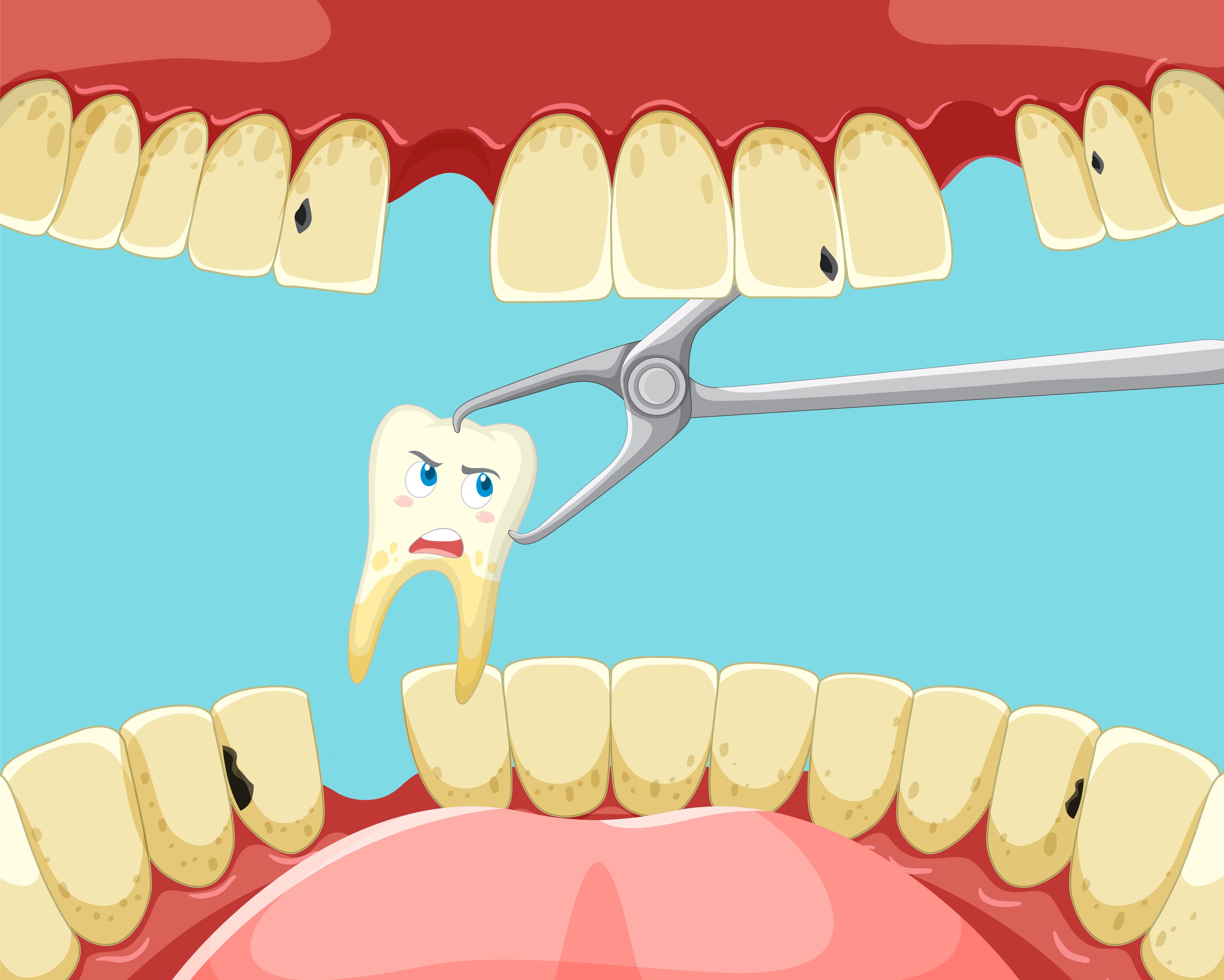
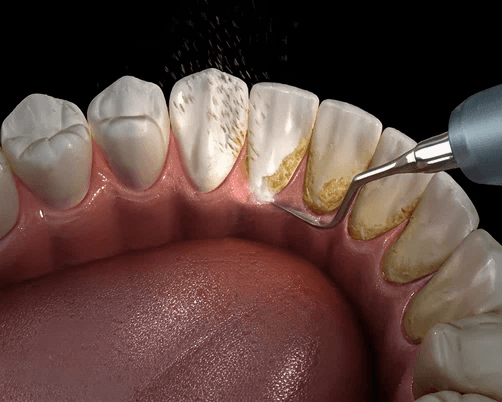
Supragingival calculus — above the gumline. Visible as a yellow, cream, or brown deposit on the tooth surface. This is what patients can sometimes see on the back of their lower front teeth. It causes cosmetic concerns and contributes to gum inflammation.
Subgingival calculus — below the gumline, within the gum pocket. This is darker (stained by blood components), more tightly attached to the root surface, and clinically more dangerous. It directly contacts the deeper gum and bone tissue and is the primary driver of periodontitis (advanced gum disease with bone loss). Patients cannot see or feel this calculus — only a dentist probing beneath the gum can detect it.
What Professional Scaling Removes
Professional dental scaling removes both supragingival and subgingival calculus using
Ultrasonic scalers — instruments that vibrate at ultrasonic frequency and use a water spray to break up and flush out calculus deposits. Effective for large deposits and subgingival areas.
Hand scalers and curettes — precision instruments that allow the dentist to feel the tooth root surface and manually remove finer deposits and smooth the root surface.
At Renew Dental Clinic in Noida, the combination of both is used depending on the nature and extent of deposits for each patient.
Why Calculus Causes Gum Disease — The Clinical Chain of Events
Understanding this chain explains why skipping professional cleaning has cumulative consequences.
- Calculus accumulates on the tooth surface, including below the gumline
- The bacteria on the calculus surface produce toxins that the gum tissue's immune system responds to
- The gum becomes inflamed — red, swollen, bleeding on brushing (gingivitis)
- If deposits continue, the inflammation extends deeper — the body attempts to destroy the perceived threat by resorbing the bone supporting the teeth (periodontitis)
- As bone is lost, the gum pocket deepens — allowing calculus to penetrate even further below the gumline
- Eventually, teeth become mobile and, in severe untreated cases, require extraction
The key point: bone that is lost to periodontitis cannot be regenerated by professional cleaning alone. It can only be halted. Prevention is the only way to preserve bone fully — which is why regular scaling before periodontitis develops is the most important thing most adults can do for their long-term dental health.
What Professional Polishing Does
Following scaling, a professional polish is applied using a polishing paste and a rotating rubber cup or brush. This:
- Smooths the tooth surface — rough areas from calculus removal or natural surface irregularities trap plaque more readily
- Removes surface staining from tea, coffee, tobacco, and dietary sources — improving the appearance and natural whiteness of the teeth
- Creates a surface that is temporarily less adherent to new plaque formation
Polishing provides the "clean" sensation patients notice after a scale and clean appointment — but it's the scaling that provides the clinical benefit.
Scaling and Root Planing — Deep Cleaning for Periodontitis
For patients who already have deeper gum pockets and subgingival calculus extending significantly below the gumline, standard scaling is not sufficient. Scaling and root planing — sometimes called "deep cleaning" — is required.
This involves:
- Local anaesthesia to the affected areas (the deeper cleaning can cause discomfort without numbing)
- Removing calculus and bacterial deposits from the root surface below the gumline
- Smoothing (planing) the root surface so the gum tissue can reattach more securely
- Disrupting the bacterial biofilm established within deeper pockets
Scaling and root planing is typically done in quadrants (one quarter of the mouth at a time) across multiple appointments. It can halt periodontitis progression and allow gum tissue to heal, but it cannot replace bone already lost.
At Renew Dental Clinic, patients with active periodontitis receive a full assessment of pocket depths, bone levels (via X-rays), and a structured treatment plan that includes scaling and root planing followed by regular maintenance appointments.
How Often Do You Need Professional Scaling?
The standard recommendation for most adults with healthy gums is every 6 months.
However, frequency should be adjusted based on individual risk
- Higher frequency (every 3 to 4 months): Patients with a history of periodontitis, moderate to heavy calculus formation, dry mouth, diabetes, or who smoke
- Standard 6-month interval: Adults with generally good gum health and moderate calculus accumulation
- Annual (once a year): Some adults with very low calculus formation and consistently excellent home hygiene — only appropriate after an assessment confirms this
The interval isn't arbitrary — it's based on the research-supported finding that this is the period within which bacterial biofilm and calculus accumulation reach clinically significant levels in most patients. Waiting longer allows deposits to establish and expand.
What You Can Expect at a Scaling Appointment at Renew Dental, Noida
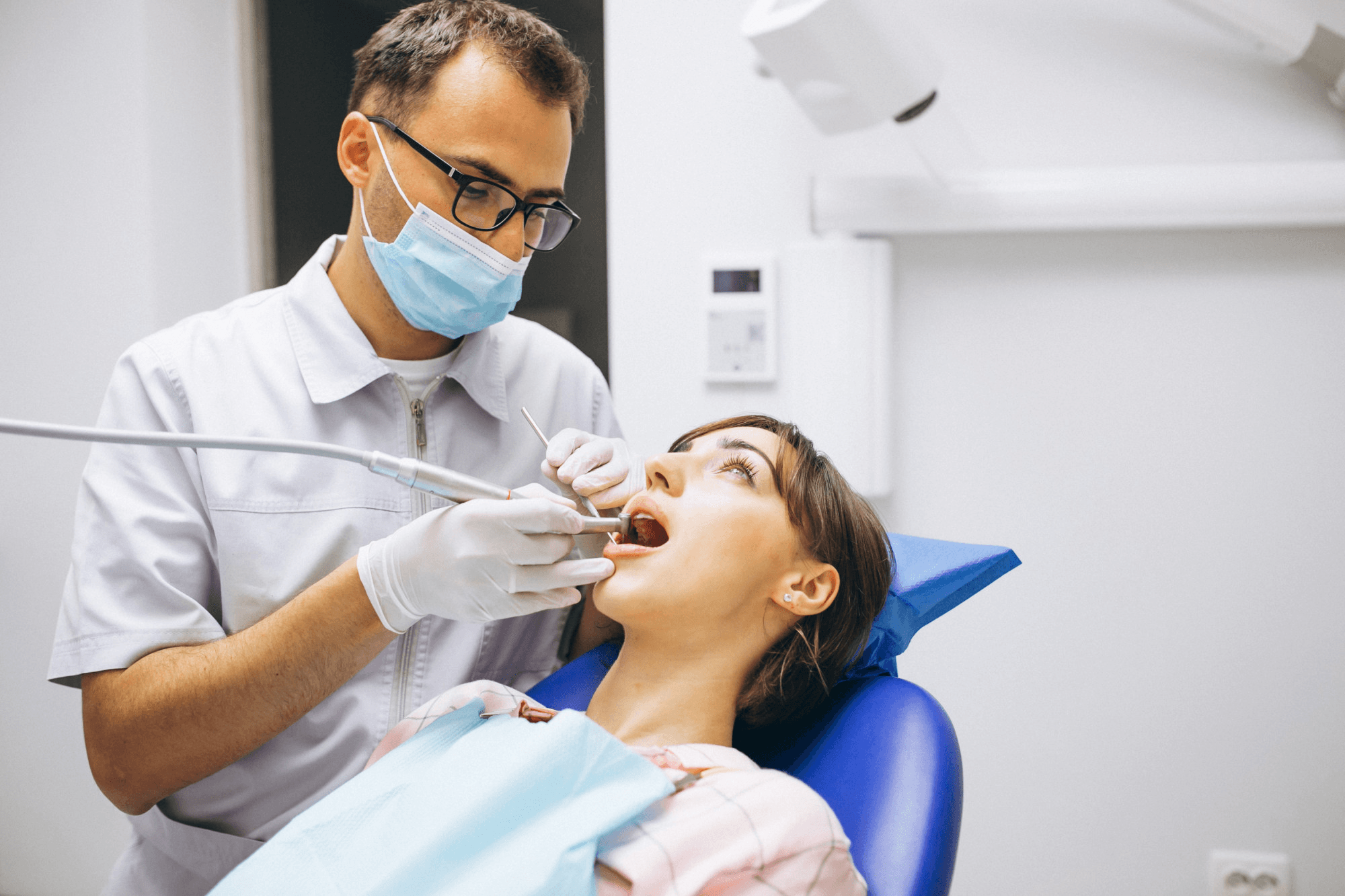
A scaling appointment at Renew Dental typically takes 45 to 60 minutes for a full mouth clean.
The process:
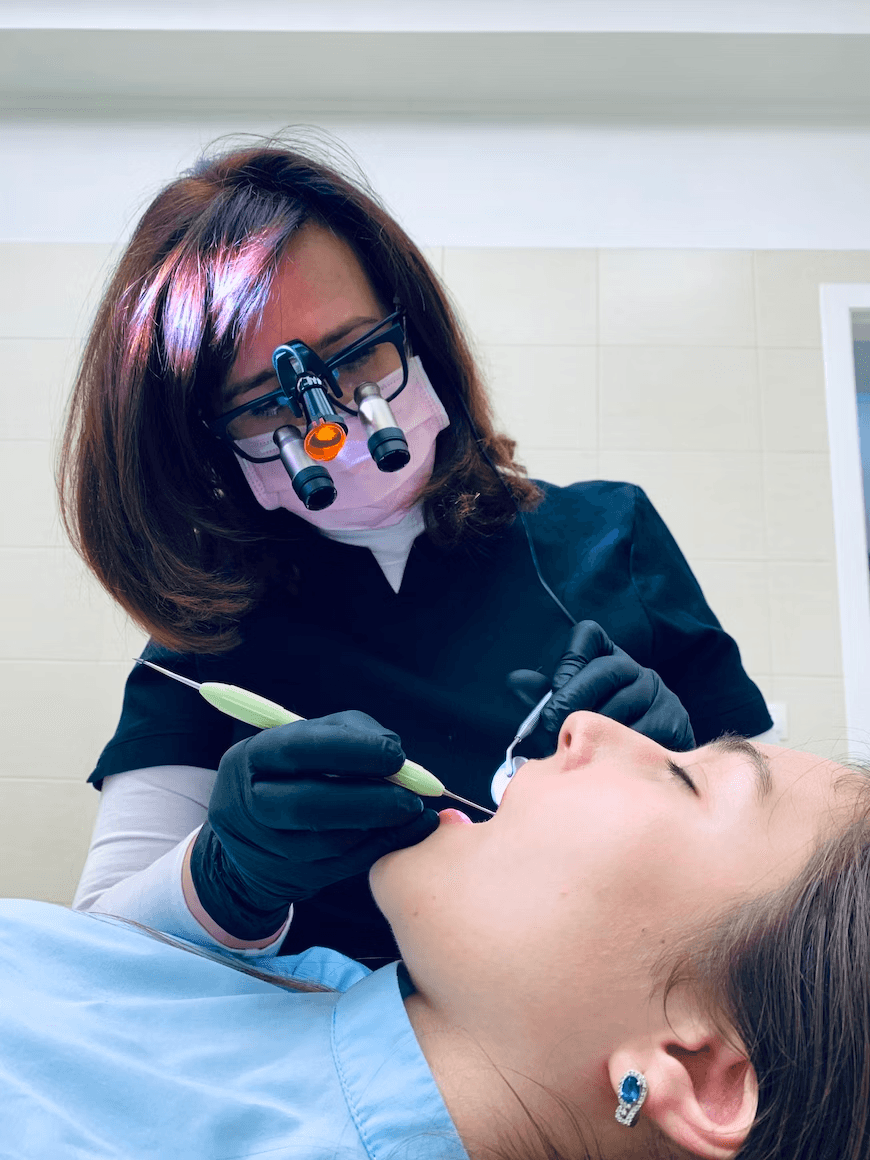
- Examination — Dr. Suchi Singh or the treating dentist checks gum health, pocket depths, and calculus extent before beginning
- Scaling — ultrasonic and hand instruments remove supragingival and accessible subgingival deposits
- Root planing (where needed) — deeper deposits addressed for patients with periodontitis
- Polishing — removes surface staining, smooths the tooth surface
- Irrigation — antimicrobial rinse applied to the gum pockets in some cases
- Review of home hygiene — technique guidance on brushing and flossing tailored to the individual patient
Most patients find scaling comfortable, particularly for routine deposits. In areas with heavy calculus or subgingival involvement, some brief discomfort is possible — local anaesthesia is available for sensitive areas.
Sensitivity After Scaling — Is It Normal?
Yes. Some patients notice increased sensitivity to cold for a few days after scaling — particularly if deposits were significant.
The reason: calculus, despite being harmful, inadvertently insulates the tooth surface. When thick deposits are removed, the exposed enamel is temporarily more sensitive until saliva and fluoride remineralise the surface.
This resolves naturally within a few days. Using a toothpaste for sensitive teeth during this period helps.
The Connection Between Gum Health and Overall Health
This is worth addressing because many patients are surprised to learn it.
Research has established links between periodontal disease and several systemic conditions
- Cardiovascular disease — bacteria from infected gums enter the bloodstream and are associated with atherosclerosis, heart attacks, and stroke
- Diabetes — periodontal disease and diabetes have a bidirectional relationship; each worsens the other
- Pregnancy complications — severe periodontitis is associated with preterm birth and low birth weight
- Respiratory disease — bacteria from the mouth can be aspirated into the lungs
This doesn't mean gum disease causes heart attacks — the relationship is more complex. But it does mean that gum health is genuinely part of overall health — not just a cosmetic dental issue.
Regular scaling at Renew Dental Clinic in Noida is, in a real sense, a health investment that extends beyond the mouth.
Frequently Asked Questions
Does scaling damage the teeth?
No. Calculus removal does not damage the enamel. The instruments are designed to disrupt and remove deposits without scratching the tooth surface. Some patients worry that scaling "removes" part of the tooth — it does not.
Why do my gums bleed when scaled?
Bleeding during scaling is almost always caused by gum inflammation from the bacterial deposits — not by the scaling itself. Once deposits are removed and inflammation resolves, bleeding improves over the following weeks with good home hygiene.
Can I eat immediately after scaling?
Yes. Avoid very hot or very cold foods for the first 24 hours if sensitivity is a concern. Otherwise, normal eating continues.
Will scaling whiten my teeth?
Scaling and polishing remove surface deposits and staining, which can noticeably brighten the teeth — though this is different from whitening. Patients who want more significant colour change can discuss whitening treatment at the same appointment.
Book Your Scaling Appointment at Renew Dental Clinic, Noida
Whether you're due for a routine clean or suspect your gums need attention, the starting point is an appointment at Renew Dental Clinic in Sector 47, Noida.
To book, call (0120) 498-8333.
Open Monday–Saturday, 10:30 AM – 8:00 PM | Sunday, 11:00 AM – 2:30 PM.