By Renew Dental ClinicPublished on
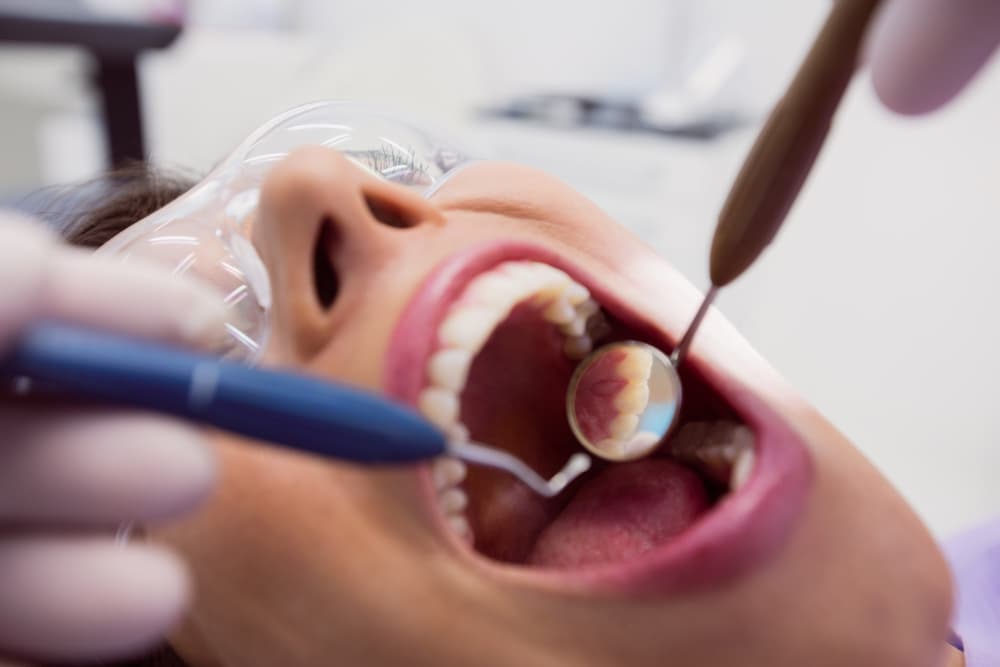
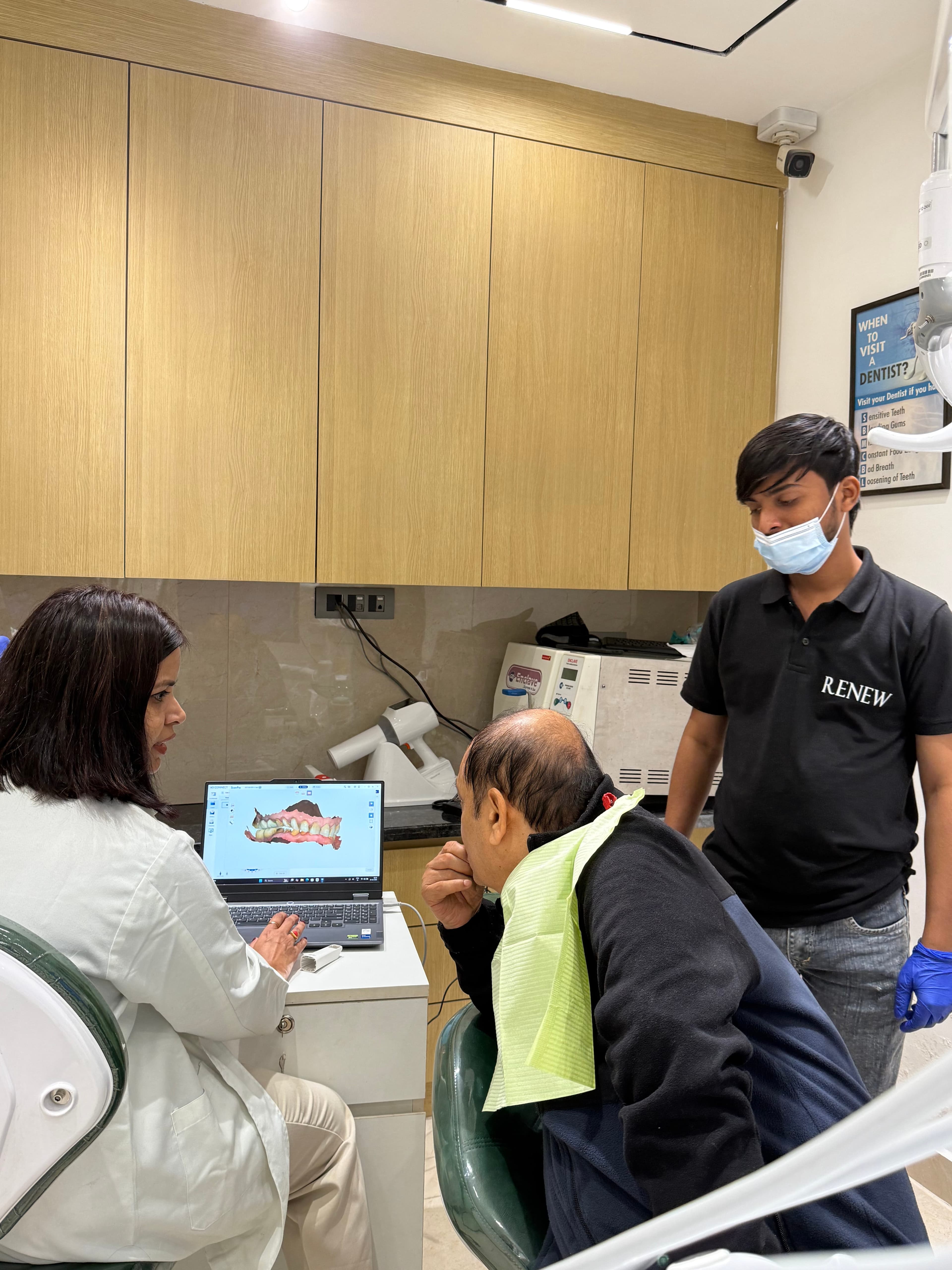
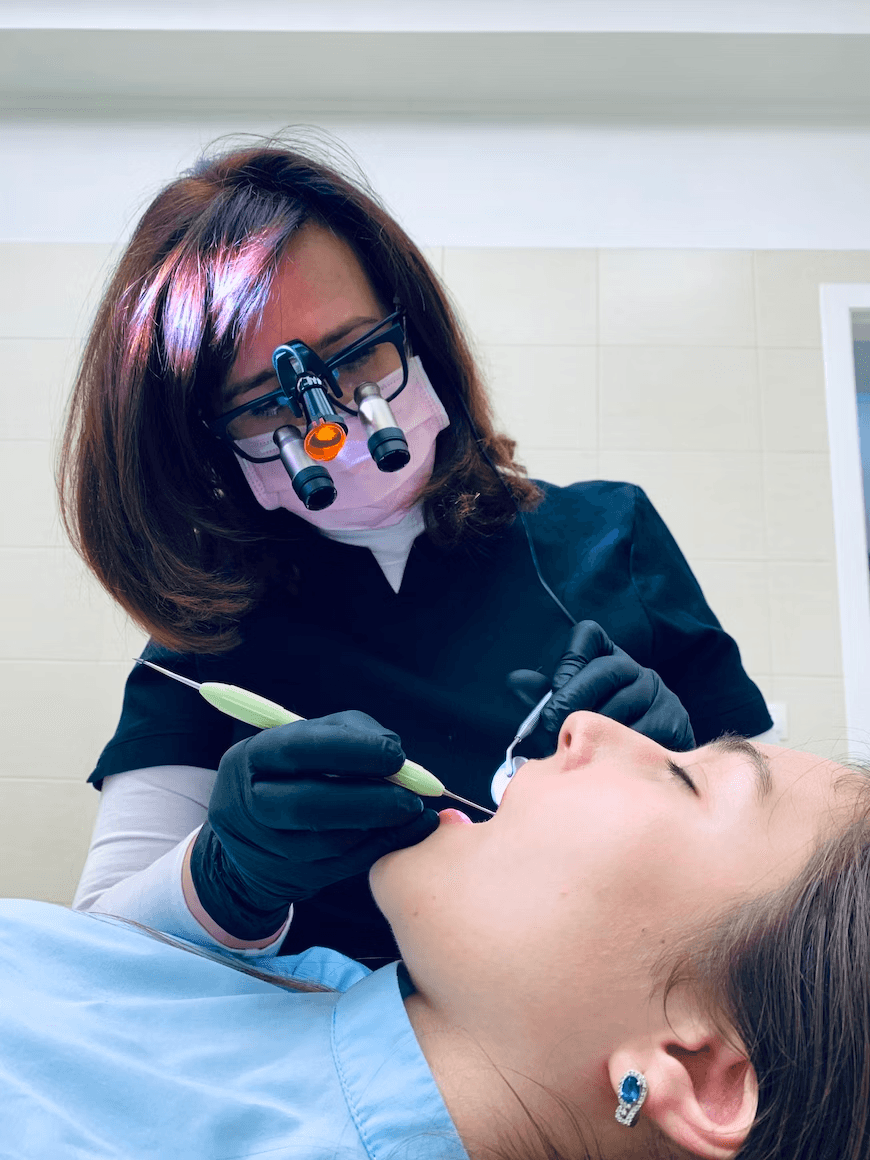
Dentist examining a female patient with tools.
Between 50 and 80% of adults feel some level of anxiety about dental visits. About 5 to 10% have fear severe enough to affect their ability to attend at all — avoiding the dentist until pain forces them in, by which point treatment is far more involved than it would have been earlier.
If you're in either category, this guide is direct: dental anxiety is real, understandable, and something that can be worked with. The worst outcome is avoiding dental care for years and arriving with a mouth full of problems that could have been simple to treat if caught earlier.
Most dental anxiety has identifiable roots, and identifying yours is the first practical step.
A previous bad experience. This is the most common source. A painful procedure in childhood, a dentist who didn't explain what was happening, a feeling of being out of control in the chair — these experiences become the reference point for all subsequent dental encounters. The brain remembers aversive experiences disproportionately well.
Fear of pain. Often based on expectations rather than recent experience. Dentistry has changed dramatically in the past two decades. Local anaesthesia delivery is gentler, more reliable, and better applied than it used to be. Most modern procedures cause no pain during treatment, and post-procedure soreness is typically manageable. The dentistry in a horror story told by a parent or grandparent is not the dentistry being practised today.
Fear of needles. A very common specific trigger. The injection of local anaesthetic is often the peak anxiety moment for many patients. It helps to know that topical anaesthetic gel is applied before the injection to numb the gum surface, and that a slow, careful injection creates far less sensation than feared. Many patients are surprised to find it much milder than expected.
Loss of control. You're reclined in a chair, unable to speak, with instruments in your mouth and a face close to yours. For people who are generally uncomfortable with vulnerability or helplessness, this setup is inherently stressful regardless of what's actually happening.
Fear of embarrassment. Many people avoid the dentist partly because they're ashamed of the state of their teeth — how they look, how long it's been since their last visit. They anticipate judgment. This is worth naming directly: no good dentist judges the state of the teeth. The information is clinical, not moral. There's no version of this where you're going to be lectured or made to feel bad.
Generalised anxiety. For some patients, dental anxiety isn't specifically about dentistry — it's part of broader anxiety that attaches to healthcare situations, enclosed spaces, or loss of control generally.
Tell the dental clinic about your anxiety when you book. Not as an afterthought but upfront. "I'm quite nervous about dental appointments" is information the clinic needs to arrange the right kind of appointment for you. At Renew Dental Clinic, this means Dr. Suchi Singh is aware before you sit down, the appointment is paced accordingly, and the approach is adapted to your situation.
Choose your timing carefully. Anxiety peaks when you've been thinking about something for too long. Don't book an appointment far in advance if the anticipatory anxiety is worse than the appointment itself. Book for early in the week rather than Friday — if the anxiety is building toward an appointment, having it over on Monday is better than waiting until Friday with growing dread.
Avoid caffeine before the appointment. Caffeine amplifies anxiety physiologically — it raises heart rate and increases the physiological arousal that anxiety runs on. A cup of chai before a dental appointment when you're already anxious isn't helping.
Practice controlled breathing. This sounds generic, but the physiology is real. Slow, deep breathing activates the parasympathetic nervous system and physically reduces the heart rate and cortisol response that anxiety produces. Breathe in for 4 counts, hold for 2, out for 6. Do this for several minutes before entering the clinic. It's not a placebo — it changes the physical state your body is in.
Bring headphones and music. Many patients find that having their own audio during a procedure — music, a podcast, an audiobook — significantly reduces the distress of the sounds of dental treatment. The drill is still audible but it's not the primary audio input. Ask if this is okay when you arrive; at Renew Dental, it typically is.
Bring someone with you. Having a trusted person in the waiting room — or occasionally the treatment room, if appropriate for the procedure — reduces anxiety measurably. You're not alone.
The most important thing to establish before any treatment begins is a signal. Agree with Dr. Suchi Singh on a hand signal — typically raising your left hand — that means "stop immediately, I need a moment." This signal should be honoured instantly, without question.
This one mechanism addresses the biggest driver of dental anxiety: the feeling that you're not in control and can't stop what's happening. The signal gives you control. The awareness that you could stop it at any moment makes continuing it far less distressing.
Ask for explanation before each step. "What are you about to do?" is always a reasonable question. A good dentist explains before acting. Knowing what's about to happen — "I'm going to put some numbing gel on the gum, you'll feel a bit of pressure" — is dramatically better than being surprised.
Focus on breathing during procedures. When instruments are in your mouth, you obviously can't speak, but you can breathe consciously. Some patients find counting breaths helpful — it gives the anxious mind something specific to track.
Don't tense your body. Tension amplifies discomfort. Consciously relax your hands, shoulders, and legs during treatment. Some patients hold the armrests so tightly that their forearms ache afterward.
Request shorter appointments. For very anxious patients, it's better to spread treatment over multiple shorter sessions than to do everything in one long appointment. This is a completely reasonable request. Dr. Suchi Singh plans treatment accordingly for anxious patients.
Each dental appointment that goes better than you feared updates the brain's reference point for dental visits. The anticipatory anxiety for the next appointment is usually lower than for the previous one.
This is the evidence-based principle behind desensitisation — gradual exposure to a feared stimulus in a safe, controlled way reduces the fear response over time. You don't need a psychologist's office for this to work. You just need to have appointments that consistently don't go as badly as you feared.
Explicitly noticing what went well afterward helps. "The injection was much less uncomfortable than I expected." "The drilling felt like vibration, not pain." "I was in control." This conscious acknowledgment helps form a more accurate reference memory for next time.
At Renew Dental Clinic in Sector 47, Noida, anxious patients are not an inconvenience or a problem to be managed. They're a real part of the patient population.
Specific things Dr. Suchi Singh does differently with anxious patients:
Explains before acting. Nothing happens without prior description. Every instrument, every step, every sensation — described in advance.
Paces the appointment to the patient. A nervous patient gets more time, more breaks, and a slower rhythm.
Uses topical anaesthetic before every injection. The gel is applied and allowed to work for at least a minute before the injection. This meaningfully reduces the sensation.
Doesn't continue if the patient is distressed. The hand signal is genuinely honoured. Treatment continues only when the patient is ready.
Doesn't judge. Whatever state the teeth are in, whatever the reason for the gap since the last visit — the clinical information is what matters. There's no lecture.
If your anxiety is severe enough that a consultation alone is difficult, contact the clinic to discuss how the first visit can be structured — sometimes a purely conversational first appointment with no instruments at all is the right starting point.
For patients with dental phobia — a fear severe enough that even planned appointments can't be attended — there are clinical options beyond the standard anxious patient approach:
Relative analgesia (nitrous oxide / laughing gas): A mixture of nitrous oxide and oxygen inhaled through a nose mask throughout the procedure. Produces relaxation and mild euphoria without unconsciousness. The patient is awake and can respond but feels significantly less anxious. Wears off within minutes of removing the mask.
Oral sedation: Anti-anxiety medication (typically a benzodiazepine) taken before the appointment. Reduces anxiety significantly without sedating completely. Requires someone to accompany the patient.
IV sedation: Administered intravenously, producing deep relaxation and partial or complete amnesia for the procedure. Requires a specialist sedation setting.
At Renew Dental, anxious patients are discussed individually to determine the most appropriate approach. Severe dental phobia that hasn't responded to standard anxiety management is something to raise directly.
Will the dentist judge me for not coming for years?
No. What happened before today isn't clinically relevant beyond understanding the patient's history. What matters is where you are now.
What if I have a panic attack in the chair?
Use the hand signal. Treatment stops. You breathe, you take time, and you continue only when ready. At Renew Dental, this is normal and accommodated.
Is dental anxiety more common than I think?
Much more common. Studies suggest 50 to 80% of adults have some level of dental anxiety. You're not unusual, and you're not weak. You're in the majority.
At Renew Dental Clinic, Sector 47, Noida, patients with dental anxiety are welcome and are accommodated thoughtfully. The first step is the hardest — picking up the phone and booking.
Call (0120) 498-8333.
Monday–Saturday 10:30 AM – 8:00 PM | Sunday 11:00 AM – 2:30 PM.
 Copy
Copy
Most people change their toothbrush when they remember to buy a new one. The right...
04 Aug 2026
by Renew Dental Clinic
Most people have never been told what "healthy" actually looks like in their mouth. This...
30 Jul 2026
by Renew Dental Clinic

Some dental symptoms can wait for a routine appointment. These can't. This guide identifies the...
29 Jul 2026
by Renew Dental Clinic
A toothache at midnight. A long weekend ahead. This guide covers every common home remedy...
08 Sept 2026
by Renew Dental Clinic

Jaw pain, clicking or trouble opening your mouth? Learn what causes TMJ problems in Noida, how Renew Dental diagnoses them and what treatment can achieve.
07 Oct 2026
by Renew Dental Clinic

Most people brush the same way they have since childhood — which is usually wrong....
06 Aug 2026
by Renew Dental Clinic

Find out what preventive dentistry is, why it matters to your oral health, and how...
22 Sept 2025
by Renew Dental Clinic
Looking for a reliable family dentist in Noida Sector 47? Renew Dental Clinic offers complete...
28 May 2026
by Renew Dental Clinic
The answer to whether chewing gum is good for teeth is more interesting than yes...
23 Jun 2026
by Renew Dental Clinic

The stages of tooth decay—starting from enamel damage to deep infection—highlight the importance of early diagnosis and timely dental care.
08 Jul 2025
by Renew Dental Clinic

A gummy smile isn't one problem but several that look alike. Learn what drives excess...
19 Oct 2026
by Renew Dental Clinic

Persistent bad breath that doesn't respond to brushing and mouthwash has a specific cause —...
18 Aug 2026
by Renew Dental Clinic
Not all yellow teeth respond to the same treatment. This guide explains what's actually causing...
23 Sept 2026
by Renew Dental Clinic
Looking for professional teeth whitening in Noida? This guide covers what's available at Renew Dental...
29 Jun 2026
by Renew Dental Clinic

Curious about laser teeth whitening in Noida? This guide explains how the procedure works, who...
15 May 2026
by Renew Dental Clinic
Explore More
Explore More
Discover how thousands of patients trust Renew Dental Clinic with their smiles.
She is the best doctor in Noida
I had an excellent experience with dr. Suchi regarding my dental treatment..
Good experience
I had an outstanding experience at this dental clinic in Sector 47, Noida. I opted for Basel/Cortical implants, and the entire treatment was started and completed in just 5 days, beginning on 2nd January. The efficiency and expertise of the doctor truly amazed me - highly competent, reassuring, and deeply committed to patient care.
My family members and I have been visiting Dr. Suchi Singh for all our dental concerns for a few years now, and my recent visit prompted me to write this review in the hope that others can benefit from it too.
She is the Best Dentist in Noida, She has a gentle touch as well and I'm glad I discovered this practice. An extra bonus is that the clinic is extremely efficient and well run.
Very nice and senenior doctor.
It was a very good experience, doctor was very polite and professional
I am very thankful to dr Suchi and her entire team for doing my RTC so seamlessly, completed in 3 sittings, no painkillers were required post treatment.. she is my family doctor n highly recommended for her professionalism. 😇
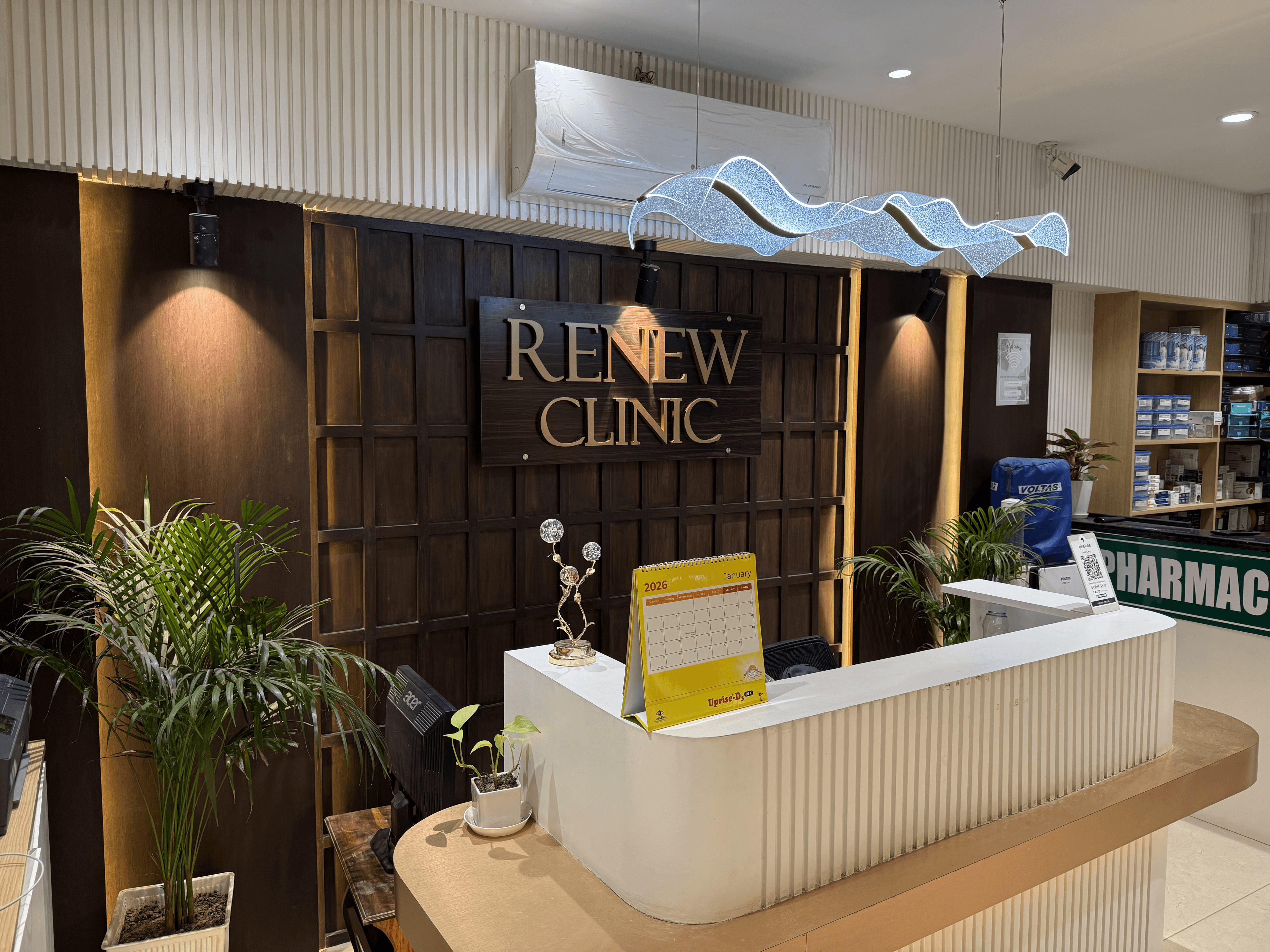
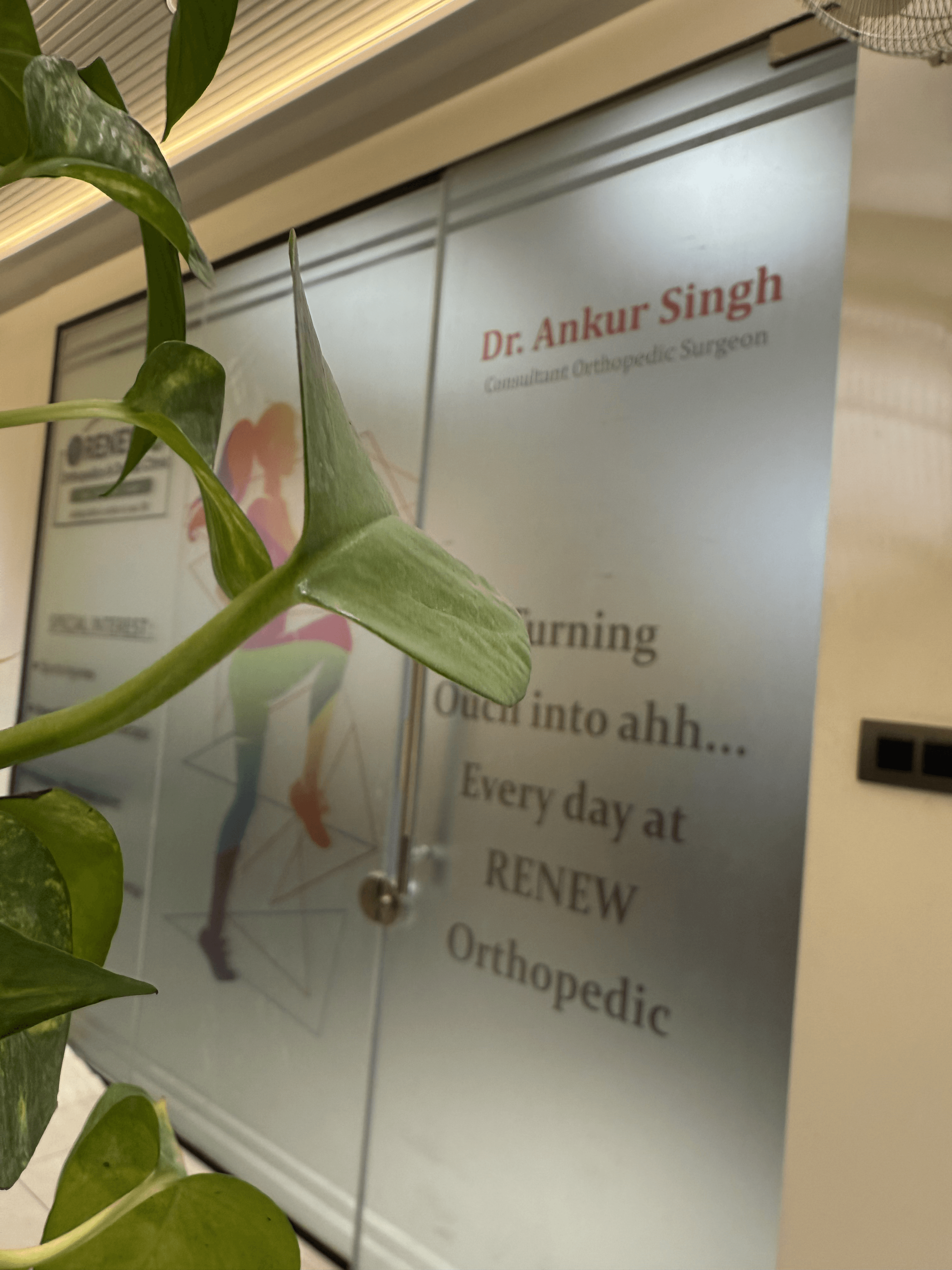
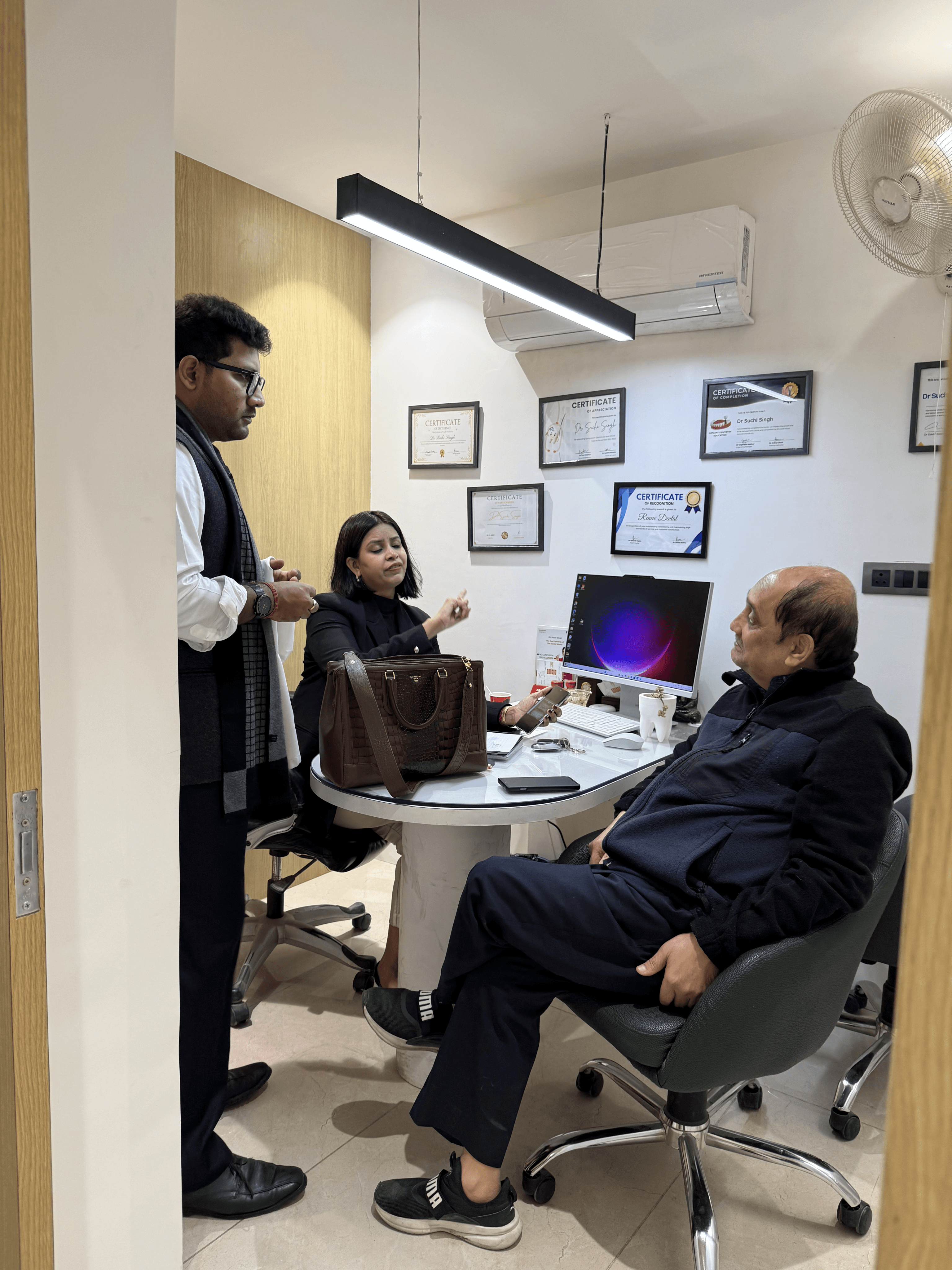
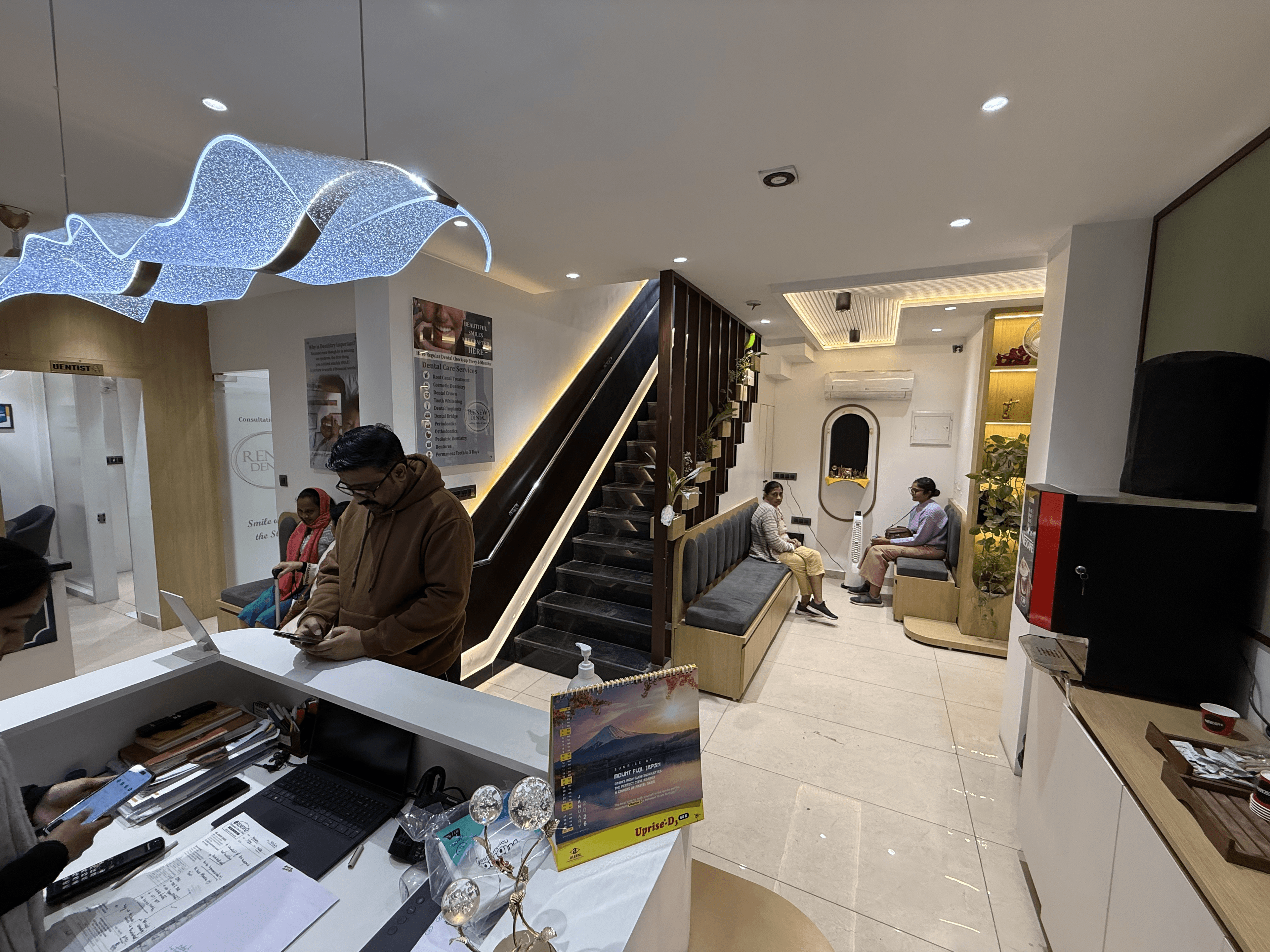
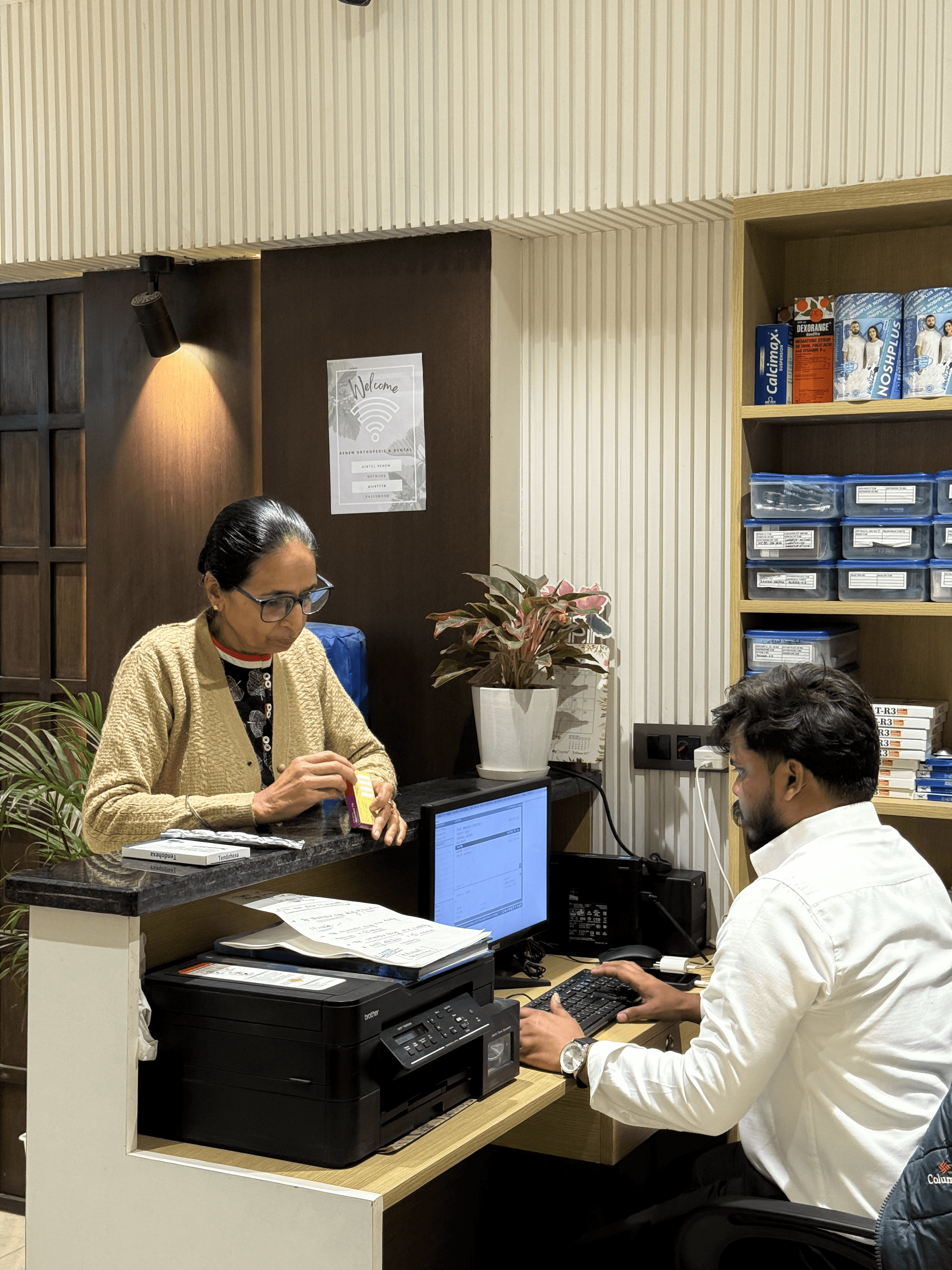
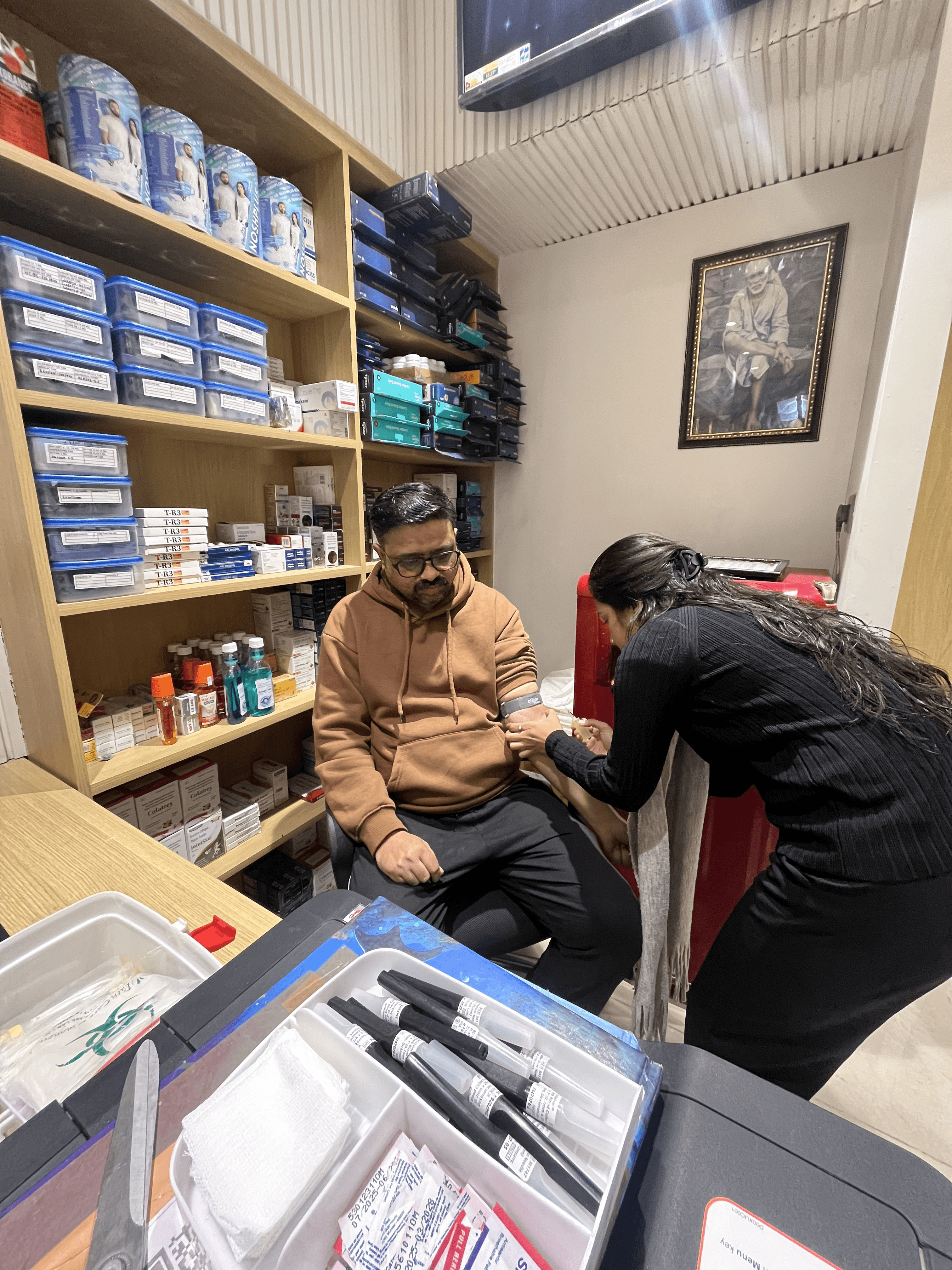
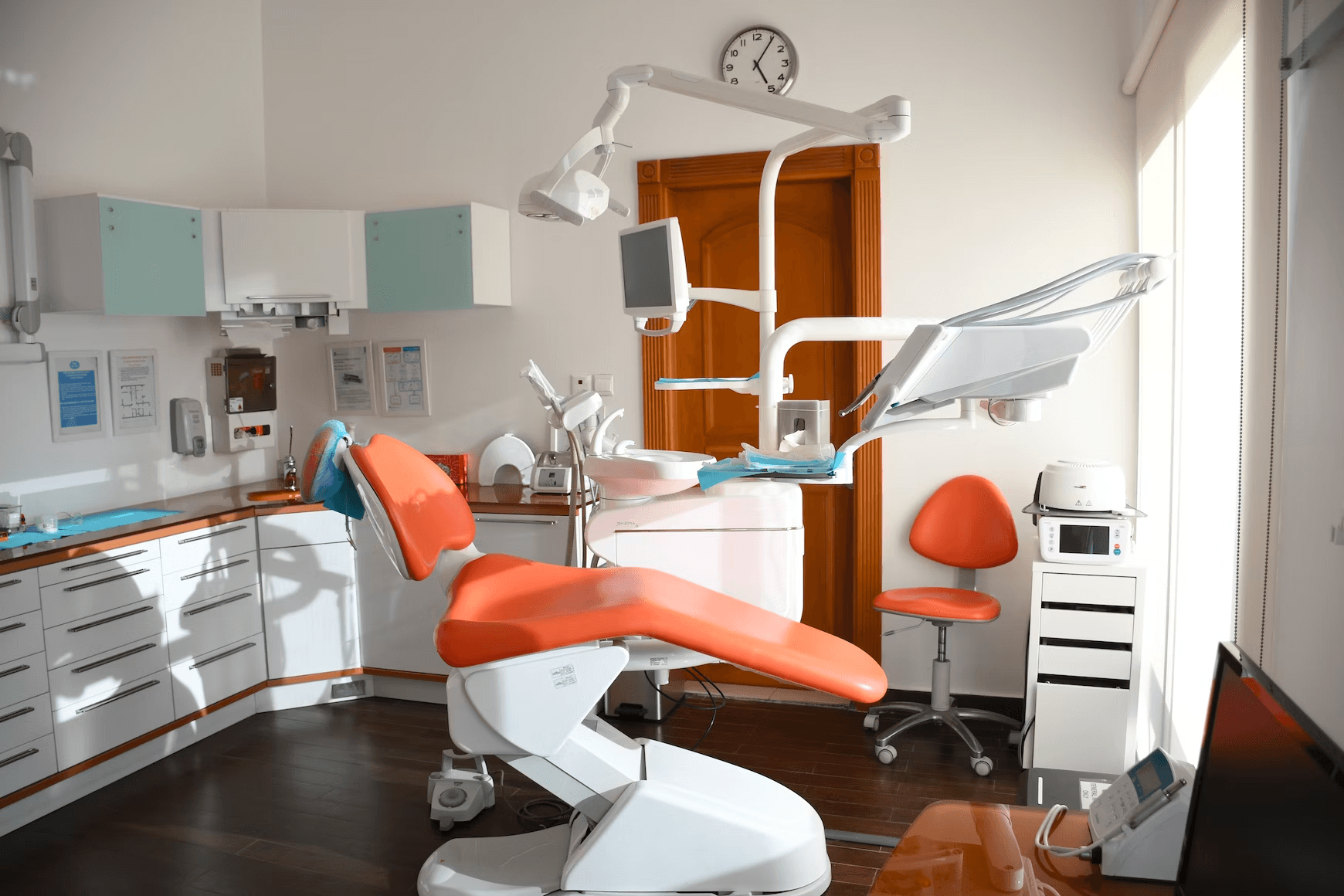
A glimpse into our modern dental clinic, advanced technology, and patient-friendly environment at Renew Dental.
Explore our thoughtfully designed clinic spaces built to provide comfort, cleanliness, and a calming experience for patients of all ages.
Best Dentist in Noida
Renew Dental Clinic located in Noida, Sector 47, is one of the leading dental clinics. Founded by Dr. Suchi Singh who is widely regarded as one of the best dentists in Noida, the clinic is committed to delivering personalised and high-quality dental care. Dr. Suchi Singh focuses on customised treatment plans designed around each patient’s unique needs, ensuring advanced, comfortable and reliable dental care at Renew Dental Clinic.

Your Trusted Dental Experts

Complete Dental Care

Friendly Dental Space

No Hidden Charges

Two trusted dental clinics in Noida — Renew Dental (Sector 47) and Tooth & Truth (Sector 34) — for gentle, modern care.

Renew Orthopedic Clinic, A-321, Basement Floor, Next to Mother Dairy Store, Sector 47, Noida, Uttar Pradesh 201303
 +91 99710 35300
A-98/A, Block A, Sector 34, Noida, Uttar Pradesh 201307
+91 99710 45002© 2026. All rights reserved | Designed and Developed by Zarle Infotech