By Renew Dental ClinicPublished on
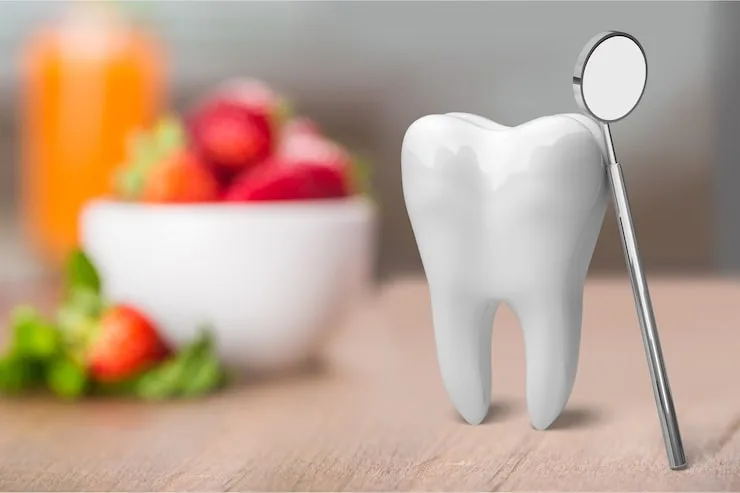
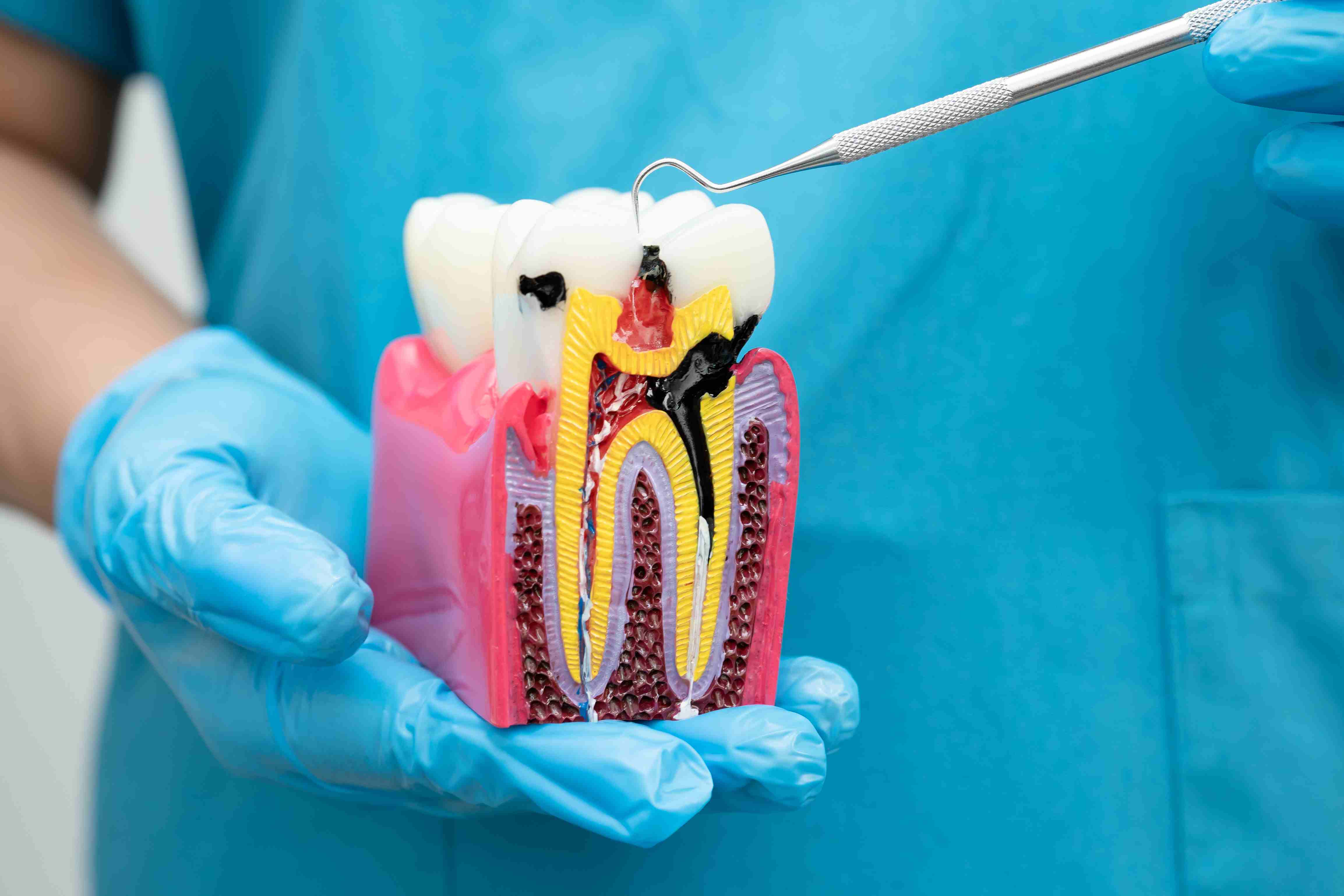
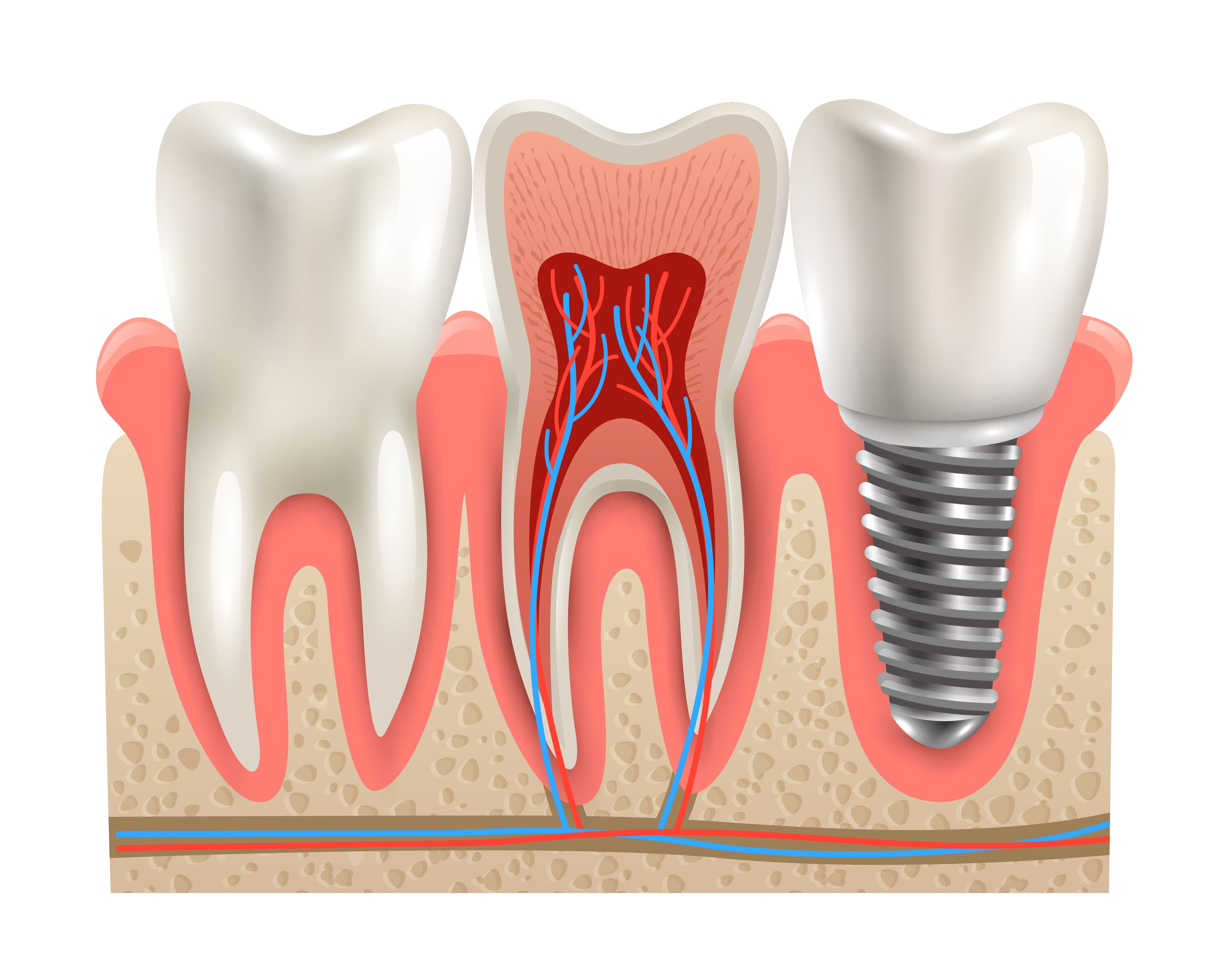
Anatomical model of a healthy tooth
If you can't remember when you last replaced your toothbrush, it's probably been too long.
Most people replace their toothbrush when they think about it — which, in practice, means somewhere between six months and never. The dentist-recommended interval is every three to four months. The gap between these two realities has real oral health consequences, and not all of them are obvious.
Toothbrush bristles are nylon filaments designed to flex against tooth surfaces and gumlines. With twice-daily use for two minutes per session, those bristles make roughly 3,600 to 4,800 minutes of contact with teeth over four months. That's a significant amount of use for any flexible material.
Over this time, bristles splay outward, lose their spring, and can no longer return to their original upright position. Once the bristles have lost their shape, they can't make consistent contact with the tooth surface and gumline the way new bristles do. A splayed toothbrush doesn't clean less dramatically — the decline is gradual — but a study comparing new versus three-month-old toothbrushes found the older brush left measurably more plaque behind.
The three-month benchmark exists because this is approximately when most brushes show visible degradation under typical use. Some brushes have colour-indicator bristles (the coloured section fades to indicate replacement time) — these can be useful cues, though they don't account for technique variation.
Three months is an average. The actual replacement signal is the condition of the brush, not the calendar.
Splayed or bent bristles. This is the clearest visual sign. Hold the brush up and look down at the bristle ends. They should be roughly upright, with minimal spreading. If the outer bristles are bending away from the centre — the "used" look — the brush is past its effective lifespan.
Bristles that don't spring back. Press a finger into the bristle head and release. New bristles return to position. Old ones stay partly flattened. If they don't spring back, they're not making proper contact with tooth surfaces during brushing.
A persistent smell. A clean toothbrush rinsed after each use shouldn't smell. If your brush has developed a persistent odour even after rinsing, bacteria and mould have established themselves in the bristle base. That's what you're introducing to your mouth at each brush.
You've been ill with a significant infection. Bacteria and viruses can survive on toothbrush bristles after illness. For a common cold, reinfection from a toothbrush is unlikely — but for strep throat, oral infections, or COVID, replacing the brush after recovery is a reasonable precaution. The risk of reinfection is low but real enough that the cost of a new brush is worth it.
The brush has been stored badly. Dropped in the toilet (it happens), left uncovered in an unclean environment for extended periods, or wedged against another brush so the bristles are constantly bent — all good reasons to replace.
You can't remember when you last replaced it. If no memory is available, it's been too long.
A worn-out toothbrush doesn't suddenly stop cleaning. The decline is gradual — you won't notice the day it crosses from adequate to ineffective. What accumulates:
Plaque that wasn't removed as efficiently. Plaque that remains undisturbed for 48 to 72 hours mineralises into calculus. Calculus is the foundation of gum disease. Patients who consistently use worn brushes tend to show more calculus accumulation in the harder-to-reach areas that new bristles would have reached but worn ones don't.
Frayed bristles also have a mechanical abrasion effect. They're less predictable in how they contact the tooth surface — sometimes they scrape at the enamel or gum margin more aggressively than intended. Long-term use of very worn brushes has been associated with gum recession patterns in some patients.
Electric toothbrush heads have shorter bristles than manual brushes and experience both the mechanical brushing motion and the vibration or rotation of the motor. The combination wears bristles faster.
Manufacturers typically recommend replacing electric brush heads every two to three months rather than three to four. This is not just marketing — the shorter bristles degrade faster from the combined mechanical load. Check the specific recommendation for your model.
The cost of electric brush heads is a common deterrent to timely replacement. Stocking up when they're on sale, or setting an automatic reminder to order replacements, removes the barrier of remembering to buy them.
Storage affects how long a brush remains effective and hygienic.
Store upright, open to air. A toothbrush stored upright in a holder dries between uses. Bacteria prefer moist environments — a brush that dries out between sessions is less hospitable to bacterial growth. A brush stored lying flat, or with the bristles facing downward, pools water in the bristle base.
Don't use toothbrush covers for daily storage at home. Covers trap moisture, which creates an ideal environment for mould and bacterial growth. Covers are for travel — use them for transit, then remove the cover when you arrive and let the brush dry in the open.
Don't store multiple brushes with bristles touching. Contact between bristle heads allows bacterial and viral transfer between household members. Brushes should be stored separately, preferably in individual holders, with bristle ends that don't touch.
Don't store in a closed cabinet immediately after use. Some bathroom cabinets are too dark and humid for a wet toothbrush to dry adequately. Store in the open air until dry.
Keep away from the toilet. Toilet flushing disperses aerosol particles that can travel up to 2 metres. Keeping brushes in a closed bathroom cabinet or away from the immediate toilet area reduces (though doesn't eliminate) this contamination risk.
Children tend to chew on their toothbrushes — particularly toddlers and younger children who haven't fully separated brushing from oral exploration. This accelerates bristle degradation significantly.
A child's toothbrush may need replacing every six to eight weeks rather than every three to four months. Check the bristles regularly. If they're spreading, replace the brush regardless of how recently it was bought.
Children's toothbrushes are inexpensive and the cost of more frequent replacement is small. An effective toothbrush that cleans well is worth the nominal cost of replacing it on time.
The gap between knowing the three-to-four month rule and actually following it is largely a systems problem. Strategies that work:
Link it to dental check-ups. At Renew Dental Clinic, patients typically receive a new toothbrush at each check-up — two appointments a year means two new brushes, which is once every six months. This is slightly past the ideal three-to-four month interval, but considerably better than the "when I remember" approach.
Buy in multipacks. Having replacement brushes already at home removes the barrier of having to make a specific trip to buy one.
Set a calendar reminder. Three months from today. When it pops up, replace the brush. This sounds tediously organised, but it works.
Use the seasons as a cue. New season, new toothbrush. Spring, summer, monsoon, winter — four seasons, four brushes per year.
Should I replace my toothbrush if someone else used it by mistake?
Yes, immediately. Oral bacteria and viruses can transmit through shared brushes.
Is an expensive toothbrush worth keeping longer?
No. The quality of cleaning depends on the condition of the bristles, not the original price of the brush. A premium toothbrush with worn bristles cleans worse than a basic brush with intact bristles.
Can I sanitise my toothbrush to extend its life?
You can rinse it thoroughly and allow it to air dry, which reduces bacterial load. Antibacterial rinse does help. But no sanitisation method restores worn bristles — the replacement interval is about mechanical effectiveness, not just hygiene.
To book a check-up at Renew Dental Clinic, Sector 47, Noida, call (0120) 498-8333.
Monday–Saturday 10:30 AM – 8:00 PM | Sunday 11:00 AM – 2:30 PM.
 Copy
Copy
Most people brush the same way they have since childhood — which is usually wrong....
06 Aug 2026
by Renew Dental Clinic
Two minutes sounds simple. Most people brush for 45 seconds. Here's what the research says...
03 Aug 2026
by Renew Dental Clinic
Dental anxiety is extremely common and entirely real. This guide explains where it comes from,...
31 Jul 2026
by Renew Dental Clinic
Post-whitening sensitivity is the most common complaint after teeth whitening. This guide explains why it...
21 Aug 2026
by Renew Dental Clinic
White spots on teeth look different from person to person — and the right way...
24 Sept 2026
by Renew Dental Clinic
Recommended a crown instead of a filling? Learn how your dentist decides, the structural threshold...
22 Oct 2026
by Renew Dental Clinic

Dilemma between dental implants and bridges? Weigh the cost, longevity, procedure, and advantages to determine which tooth replacement method is superior.
03 Oct 2025
by Renew Dental Clinic
Considering dental implants in Delhi NCR? This first-timer's guide covers everything — how implants work,...
03 Jun 2026
by Renew Dental Clinic
Thinking about dental implants in Noida? This complete guide covers how implants work, who qualifies,...
14 May 2026
by Renew Dental Clinic
The fear around root canals is almost always worse than the procedure itself. This guide...
04 Oct 2026
by Renew Dental Clinic
Not every cavity needs a root canal — but many patients aren't sure where the...
23 Sept 2026
by Renew Dental Clinic

When people hear the words "root canal," they groan, but the reality is, a root...
21 Oct 2025
by Renew Dental Clinic
Explore More
Explore More
Discover how thousands of patients trust Renew Dental Clinic with their smiles.
Outstanding
Dr.Suchi Singh is definitely the best dentist in Noida! She saved my smile after an unfortunate accident that knocked my front teeth out. Now my teeth, truthfully, look better than they ever did before
I am getting my dental treatment done from here and my experience has been excellent. Dr. Suchi is professionally very competent and provides excellent treatment in a very soothing and comforting environment. She explains the problems fully and provides the best possible options. My RCT was done in one sitting only. The crown provided is also very snug and comfortable fitting. Her team is also very competent and helpful. They do necessary follow up keep a good liaison. Over all a great experience. Thank you Dr. Suchi and team.
Best dentist in Noida and nearby region. Don't look anywhere else for your dental issues and visit Dr Suchi Singh at the earliest. The staff, the locality, the space and the services are more than what you can expect.
Excellent doc. The entire team is very comforting .
Highly recommended for anyone seeking top-notch dental care
Best dental treatment at noida with affordable price ,highly satisfied and recommended all to must visit to Dr suchi for dental treatment 😊
The services that I receive from her is excellent. She is friendly and ensure that I am properly informed about my treatment plan. I would highly recommend her.
My experience here is very good..I recommend PPL to visit this clinic for their dental problems
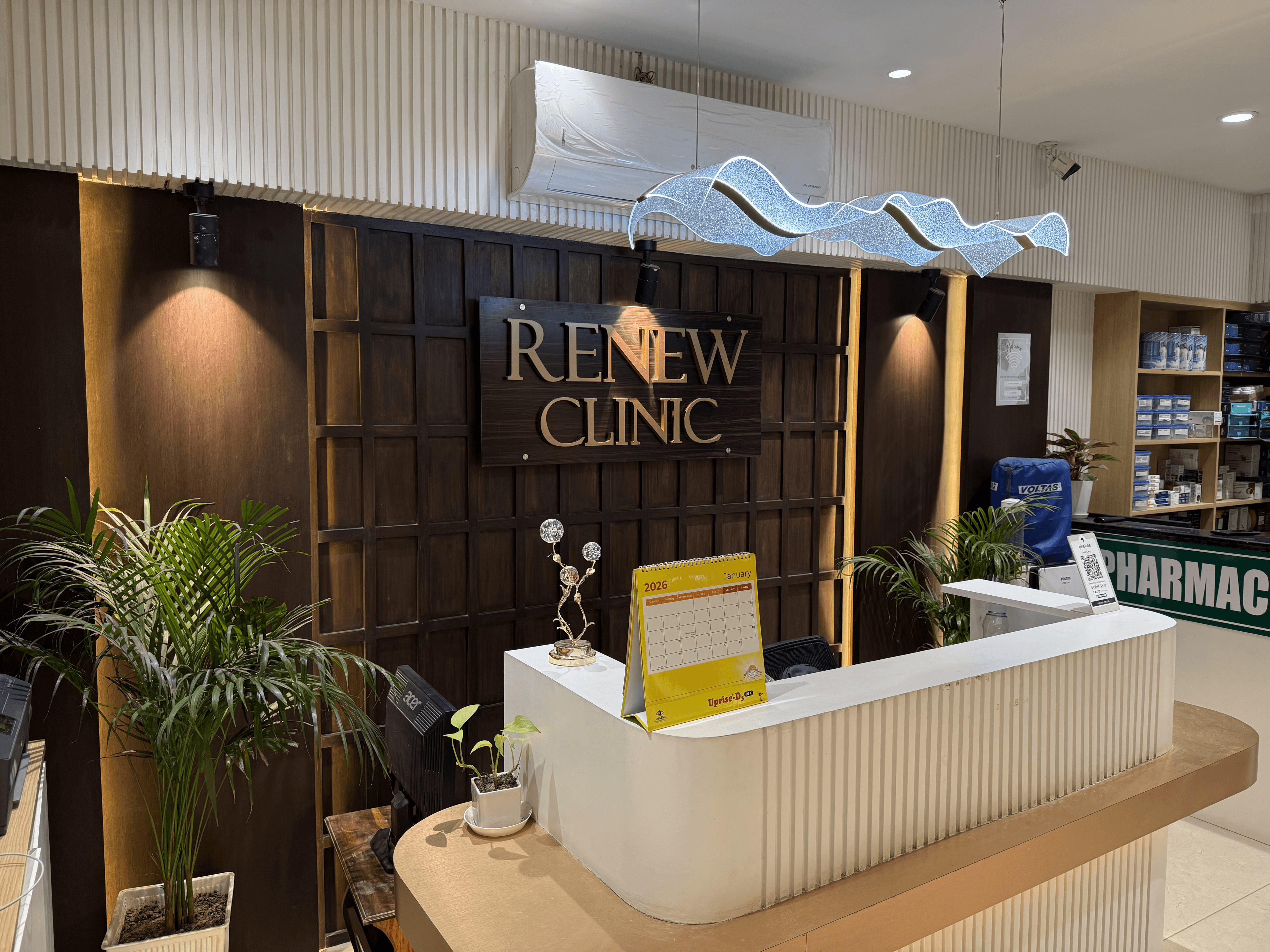
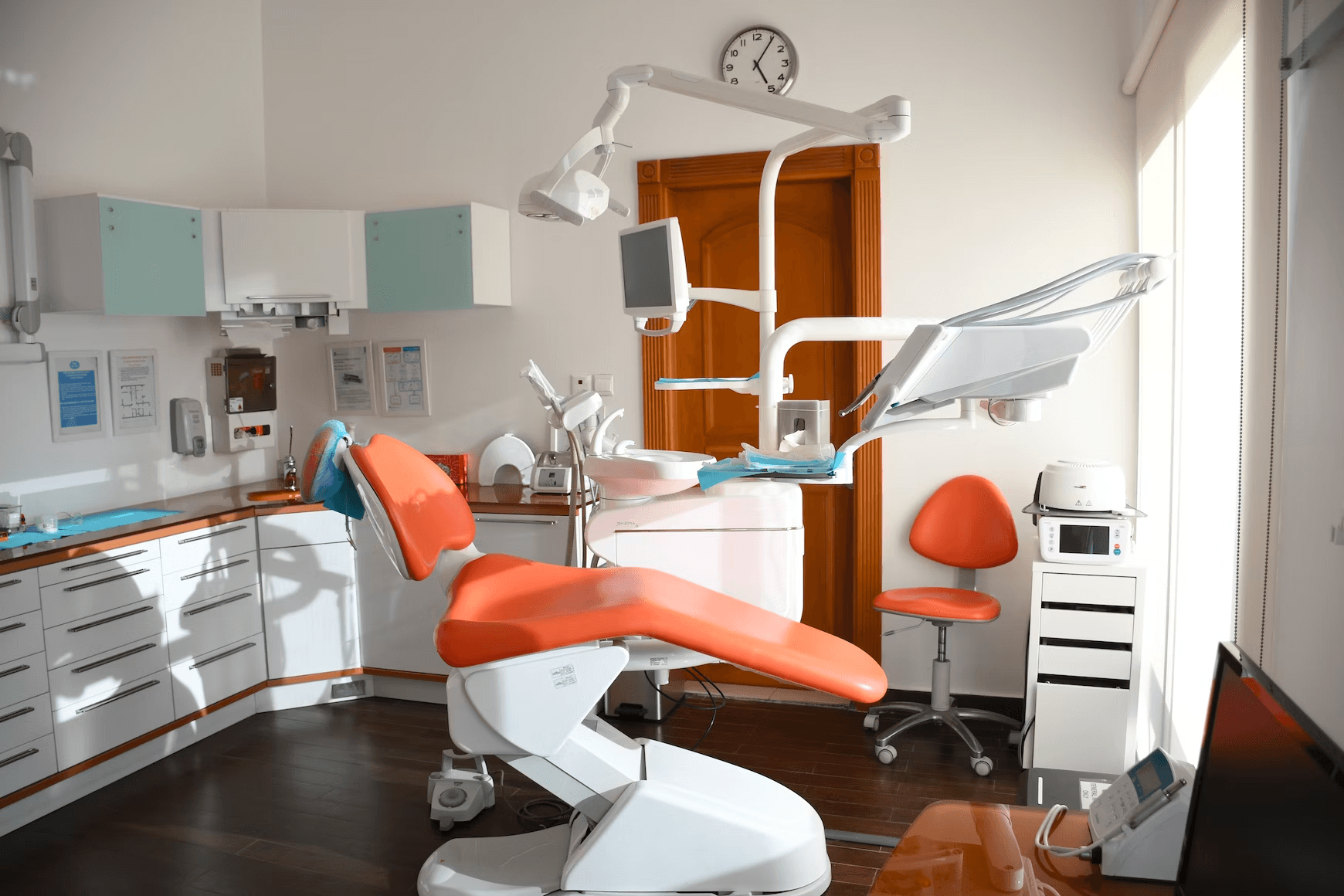
A glimpse into our modern dental clinic, advanced technology, and patient-friendly environment at Renew Dental.
Explore our thoughtfully designed clinic spaces built to provide comfort, cleanliness, and a calming experience for patients of all ages.

Best Dentist in Noida
Renew Dental Clinic located in Noida, Sector 47, is one of the leading dental clinics. Founded by Dr. Suchi Singh who is widely regarded as one of the best dentists in Noida, the clinic is committed to delivering personalised and high-quality dental care. Dr. Suchi Singh focuses on customised treatment plans designed around each patient’s unique needs, ensuring advanced, comfortable and reliable dental care at Renew Dental Clinic.

Your Trusted Dental Experts

Complete Dental Care

Friendly Dental Space

No Hidden Charges

Two trusted dental clinics in Noida — Renew Dental (Sector 47) and Tooth & Truth (Sector 34) — for gentle, modern care.

Renew Orthopedic Clinic, A-321, Basement Floor, Next to Mother Dairy Store, Sector 47, Noida, Uttar Pradesh 201303
 +91 99710 35300
A-98/A, Block A, Sector 34, Noida, Uttar Pradesh 201307
+91 99710 45002© 2026. All rights reserved | Designed and Developed by Zarle Infotech