Teeth Grinding While Sleeping - Causes, Risks, And Treatment Options
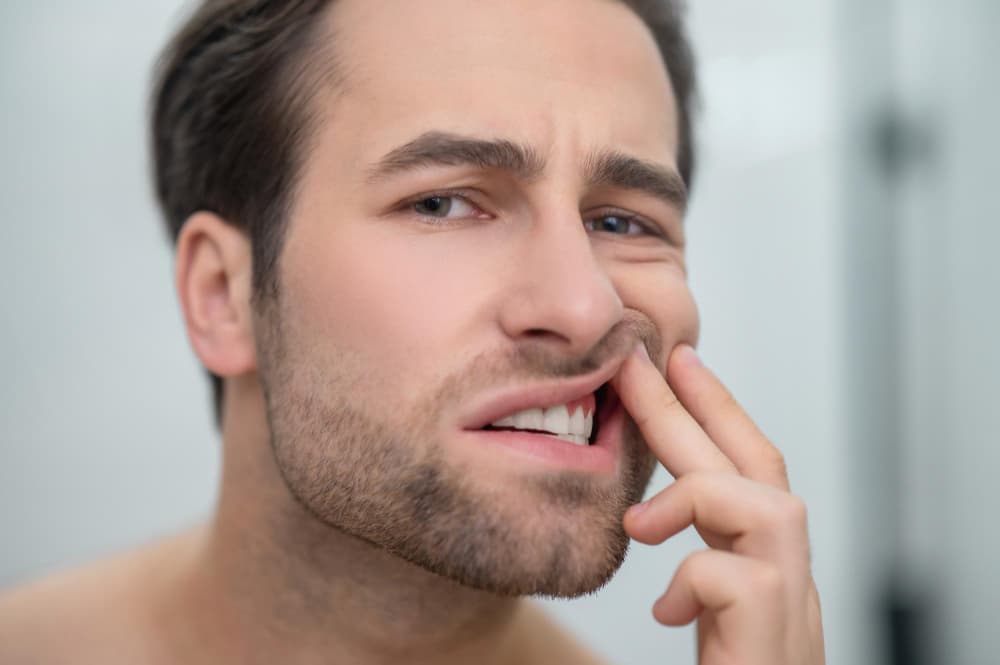
Man checking his teeth and looking disturbed.
Most people who grind their teeth at night have no idea they're doing it. There's no conscious memory of it in the morning. No alarm goes off. No signal tells them something potentially damaging is happening to their teeth for hours every night.
The first indication is often someone else in the room — a partner, a parent — who hears the grinding sound and raises the alarm. Or it's a dentist, looking at teeth that are wearing more quickly than they should, who asks the question.
Teeth grinding during sleep is called bruxism. It's estimated to affect around 8 to 10% of the general population, and considerably more during periods of high stress. Left unmanaged, it causes real, irreversible damage. Managed correctly, it can be controlled effectively.
This guide covers everything patients in Noida, Greater Noida, and across Delhi NCR need to know about bruxism — why it happens, what it does to teeth and jaw joints over time, and what treatment actually looks like.
What Is Bruxism?
Bruxism is the involuntary, repetitive grinding, clenching, or gnashing of the teeth. It can occur during the day (awake bruxism) or during sleep (sleep bruxism) — and the two are actually different conditions driven by different mechanisms, though they can coexist in the same person.
Sleep bruxism is classified as a sleep-related movement disorder. It occurs during lighter stages of sleep and is often associated with other sleep disorders, particularly obstructive sleep apnea. The person is unconscious during the episode and typically has no awareness of it.
Awake bruxism tends to involve clenching rather than grinding, and is more closely linked to emotional states — stress, concentration, anxiety, or frustration. Many people clench their jaw when under pressure without realising it.
In both forms, the forces generated can be significantly higher than those produced during normal chewing. The jaw muscles are capable of generating considerable force when working without the protective feedback that food provides during a normal bite.
Why Do People Grind Their Teeth at Night?
The exact cause of sleep bruxism isn't fully understood, but several contributing factors have been consistently identified.
Stress and Anxiety
This is the most commonly cited trigger — and the most intuitive. People under significant stress or anxiety, particularly in the periods before sleep, often have higher levels of sleep bruxism. The connection between emotional state and jaw muscle activity during sleep appears real, though not everyone who experiences stress develops bruxism.
Professional pressure, relationship difficulties, financial strain — all of these have been associated with increased bruxism activity. Many patients at Renew Dental Clinic in Noida who've noticed increased grinding report that it correlates with specific stressful periods in their lives.
Sleep Disorders — Particularly Sleep Apnea
There is a well-documented overlap between sleep bruxism and obstructive sleep apnea (OSA). Some research suggests that bruxism in OSA patients may actually be a protective reflex — the jaw tension helps maintain airway patency when the upper airway is at risk of collapsing.
Patients who snore, wake unrefreshed, experience morning headaches, or have been told they stop breathing during sleep should be evaluated for sleep apnea. Treating the sleep apnea often reduces associated bruxism.
Medications
Certain medications are associated with increased bruxism:
- SSRIs and SNRIs (antidepressants) — among the most commonly linked. This is a well-recognised side effect of medications like sertraline, fluoxetine, and venlafaxine
- Stimulant medications — used for attention disorders
- Recreational stimulants — caffeine, nicotine, alcohol, and certain substances are associated with worsening nocturnal bruxism
Discussing medication-related bruxism with your prescribing doctor is worthwhile — in some cases, dose adjustment or switching to an alternative medication reduces the grinding.
Genetics
Sleep bruxism has a hereditary component. Studies show that a significant percentage of sleep bruxism patients have a first-degree relative with the same condition. If you grind your teeth, there's a reasonable chance your parents or siblings do too.
Bite Misalignment
While historically blamed heavily as a cause of bruxism, bite problems (malocclusion) are now considered a contributing factor in some patients rather than a primary cause. Misaligned teeth can contribute to muscular tension patterns that worsen bruxism, but correcting the bite rarely eliminates grinding entirely if other factors are present.
Personality Type
Higher-achieving, competitive, or perfectionistic personality types appear slightly more prone to bruxism. The connection is likely mediated through stress and arousal levels rather than being a direct causal relationship.
What Damage Does Teeth Grinding Cause?
This is where bruxism moves from an interesting medical curiosity to a serious dental concern. The forces generated during grinding are far higher than those produced during normal eating. Applied repeatedly over months and years, those forces cause measurable, irreversible damage.
Tooth Wear
The most visible consequence. The biting surfaces of teeth — particularly the upper and lower front teeth, and the chewing surfaces of the back teeth — gradually flatten. Sharp cusps become smooth. Vertical tooth height reduces.
In severe or long-standing cases, patients lose significant amounts of tooth structure — to the point where teeth are noticeably shorter, the face develops a "collapsed" appearance, and function is impaired. Restoring severely worn teeth is among the most complex and involved procedures in restorative dentistry.
Tooth Fractures
Thinned and stressed enamel fractures under the excessive load. Cracks in enamel can propagate into the dentine and, in severe cases, into the root — at which point the tooth may be unrestorable.
Patients with bruxism often notice chipped edges on front teeth or cracked cusps on molars.
Tooth Sensitivity
As enamel wears away, the dentine layer beneath is exposed. Dentine is connected to the nerve via fluid-filled channels (dentinal tubules), which transmit pain signals when stimulated by temperature, sweet foods, or touch. Bruxism-related enamel wear is therefore often accompanied by increasing sensitivity — particularly to cold.
Jaw Pain and TMJ Problems
The temporomandibular joint (TMJ) connects the lower jaw to the skull and allows the complex movements of chewing and speaking. Chronic grinding places enormous stress on this joint — the muscles around it, the cartilage disc within it, and the bone structures of the joint itself.
TMJ problems associated with bruxism include:
- Morning jaw pain or soreness
- Clicking or popping sounds when opening or closing the mouth
- Difficulty opening the mouth fully
- Deviation of the jaw when opening
- Facial pain that radiates toward the ear, temple, or neck
In severe cases, TMJ dysfunction becomes a chronic pain condition that requires specific management.
Headaches
Morning headaches — particularly across the temples and at the sides of the head — are a very common symptom of sleep bruxism. The sustained, overnight contraction of the jaw muscles (particularly the temporalis muscle, which covers much of the side of the skull) causes the same type of tension headache as prolonged muscle strain anywhere in the body.
Many bruxism patients who've had chronic morning headaches for years don't connect the dots until a dentist asks the right questions.
Effects on Restorations
Bruxism damages dental work just as it damages natural teeth. Porcelain crowns crack. Veneers fracture. Composite fillings wear faster than expected. Implant crowns are at risk. Patients with bruxism who have significant dental restorations need to manage the grinding to protect the investment those restorations represent.
How Is Bruxism Diagnosed?
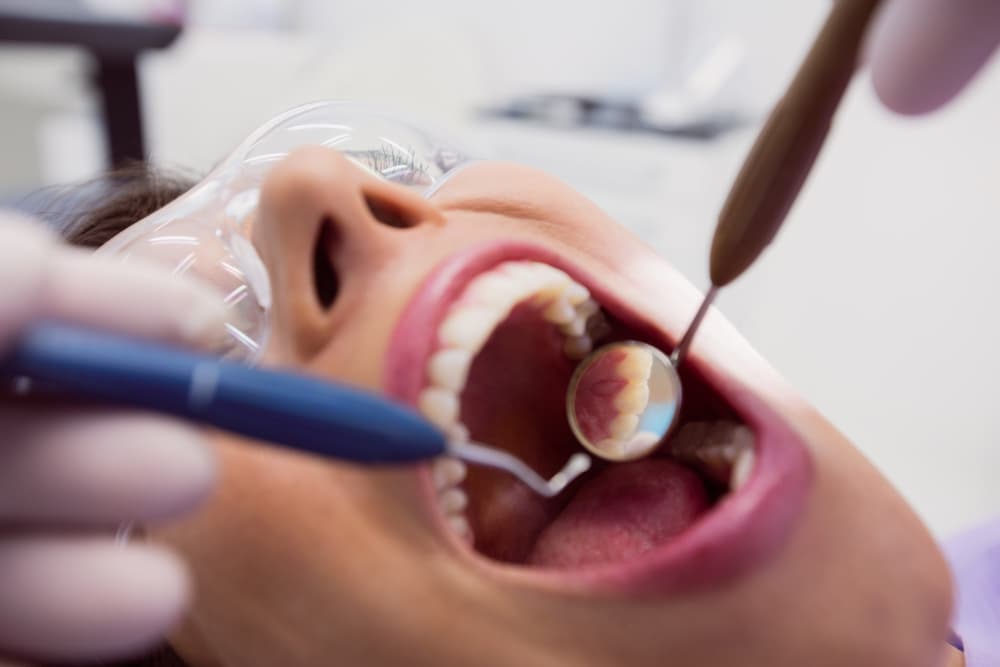
Bruxism is diagnosed through clinical examination and patient history. At Renew Dental Clinic in Noida, Dr. Suchi Singh looks for:
- Characteristic patterns of tooth wear on the biting surfaces
- Flattened or chipped enamel edges
- Scalloping of the tongue (from being pushed against teeth by muscular tension)
- Muscle tenderness around the jaw and temples
- TMJ examination findings
- Patient report of symptoms — morning headaches, jaw soreness, partner's observation of grinding sounds
In some cases, a referral for a sleep study may be recommended if sleep apnea is suspected as a contributing factor.
Treatment for Bruxism — What Actually Works
There is no single treatment that eliminates bruxism permanently, but the damage it causes can be prevented and managed effectively.
Custom Night Guard (Occlusal Splint)
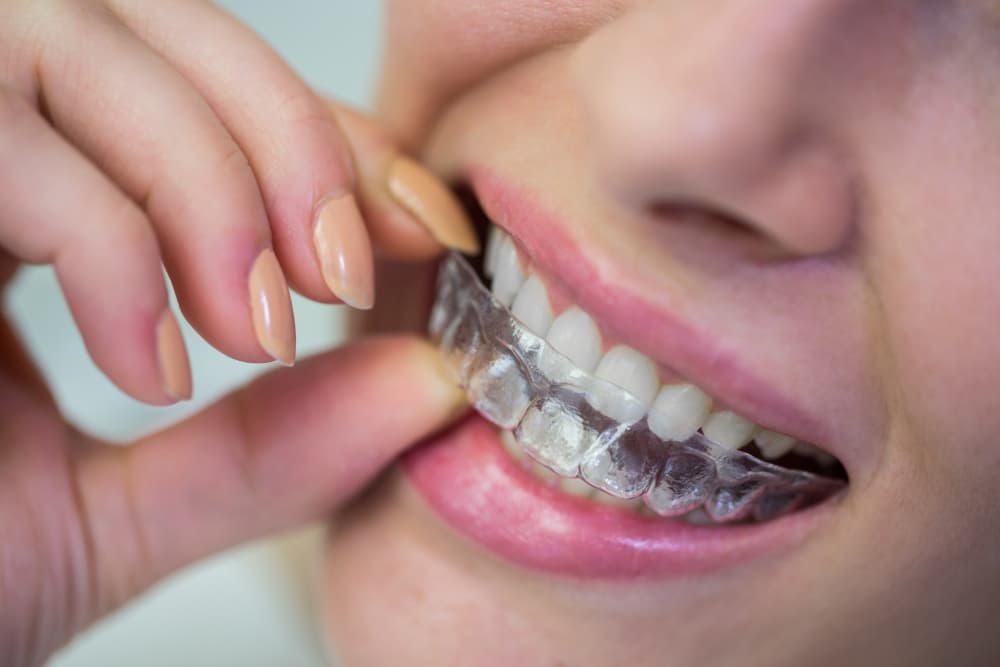
This is the primary treatment for sleep bruxism. A custom-fitted night guard is an acrylic appliance worn over the upper or lower teeth during sleep. It doesn't stop grinding — but it creates a barrier between the upper and lower teeth, absorbing and distributing the grinding forces rather than allowing them to act directly on tooth enamel.
The key word is custom-fitted. Pharmacy-bought boil-and-bite guards are loose-fitting, often uncomfortable, and don't distribute force correctly. A properly fabricated night guard from Renew Dental Clinic in Noida is made from precise dental impressions and fits exactly, protecting teeth while remaining comfortable enough to sleep in.
Night guards also protect dental restorations — crowns, veneers, and implant crowns — from the force of grinding.
Stress Management
For bruxism driven by stress and anxiety, addressing the underlying emotional state reduces grinding activity. Strategies include:
- Regular physical exercise (a well-evidenced stress reducer)
- Mindfulness practice or meditation
- Reducing caffeine — particularly in the afternoon and evening
- Establishing a calming pre-sleep routine
- Cognitive behavioural therapy (CBT) for anxiety that is significantly affecting quality of life
These are not alternatives to a night guard — they're complementary measures that reduce the severity of grinding the guard has to protect against.
Addressing Sleep Apnea
In patients where sleep apnea is identified as a contributing factor, treating the sleep apnea often reduces associated bruxism. A dental mandibular advancement device — fabricated by Dr. Suchi Singh at Renew Dental — can treat mild to moderate sleep apnea without CPAP, and may simultaneously reduce bruxism.
Physiotherapy for Jaw Muscles
Physiotherapy targeting the jaw muscles and TMJ can reduce muscular tension, improve joint mechanics, and reduce the severity of associated headaches and jaw pain. This is particularly helpful when TMJ dysfunction is an established part of the clinical picture.
Botulinum Toxin Injection (Botox for Bruxism)
In severe cases where other measures are insufficient, injections of botulinum toxin into the masseter muscles (the main jaw-closing muscles) temporarily reduce their contractile strength, which reduces grinding force. This is a more specialist intervention, typically discussed when conservative measures have been inadequate.
Restorative Rehabilitation
For patients with significant tooth wear from long-standing bruxism, restorative rehabilitation — rebuilding the lost tooth structure with composite, crowns, or onlays — restores both function and appearance. This is always combined with ongoing bruxism management to protect the restoration work.
Frequently Asked Questions
How do I know if I grind my teeth?
Common signs: morning jaw soreness, headaches across the temples, a partner reporting grinding sounds, and teeth that appear shorter, flatter, or chipped without explanation. A dental examination can confirm it.
Can children grind their teeth?
Yes. Bruxism is common in children, particularly during periods of stress or when new teeth are erupting. It often resolves on its own. If it persists or is causing obvious wear, consult your dentist.
Will a night guard stop the grinding?
No — but it prevents the grinding from damaging your teeth, which is the clinical priority.
How long do I need to wear a night guard?
Most patients wear a night guard indefinitely during sleep, as bruxism tends to recur when the guard is not worn.
Can stress reduction alone solve bruxism?
For mild stress-related bruxism, sometimes yes. For most patients, a night guard is still advisable to protect teeth during the reduction period and as a long-term backup.
Protect Your Teeth from Grinding at Renew Dental, Noida
If you suspect you're grinding your teeth, or if you've noticed jaw pain, morning headaches, or teeth that seem to be wearing faster than they should, a dental assessment is the right starting point.
At Renew Dental Clinic, Sector 47, Noida, Dr. Suchi Singh assesses bruxism, quantifies the damage present, and designs a management plan — including a custom-fitted night guard where needed — to protect your teeth going forward.
To book a consultation, call (0120) 498-8333.
Open Monday–Saturday, 10:30 AM – 8:00 PM | Sunday, 11:00 AM – 2:30 PM.