Alcohol and Oral Health — What Drinking Does to Your Teeth and Gums
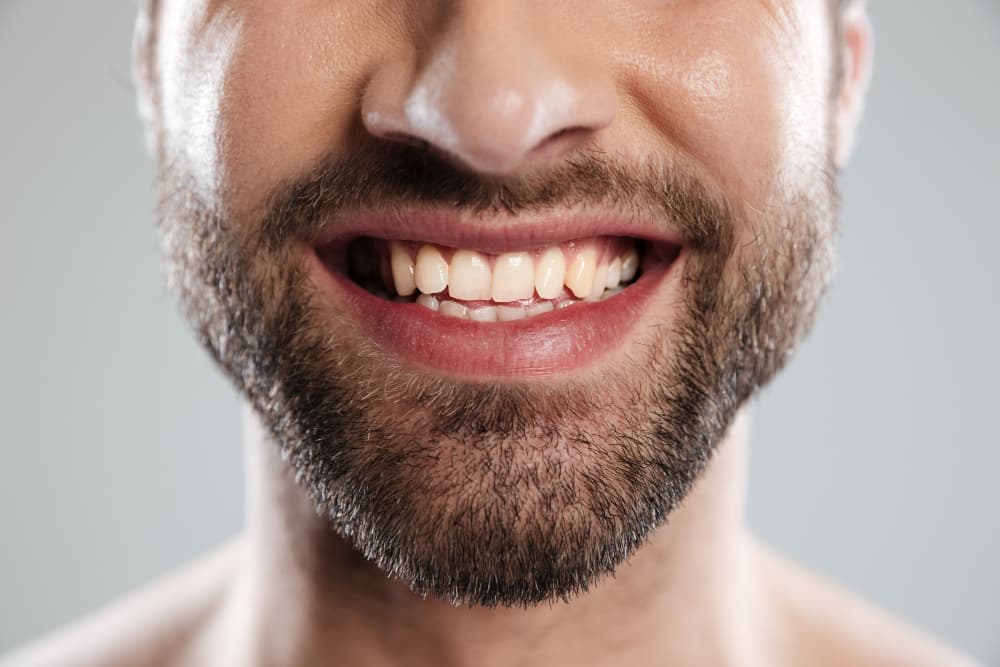
Smiling man's face.
The connection between alcohol and liver health is widely discussed. The connection between alcohol and dental health — considerably less so. For patients who drink regularly, understanding the oral consequences is useful, because some of them are reversible, some are manageable, and at least one warrants regular professional monitoring.
Dry Mouth — The Primary Mechanism
Alcohol is a diuretic. It increases urine output and reduces fluid retention throughout the body, including in the salivary glands. Regular alcohol consumption reduces saliva flow, and this is the root cause of most of alcohol's dental consequences.
Saliva, as discussed elsewhere, is the mouth's primary defence system. It buffers acid, remineralises enamel, suppresses bacterial growth, and washes away food debris. Less of it means all of these processes are compromised.
Patients who drink regularly often have chronically drier mouths than non-drinkers. They also commonly report significant morning dry mouth — drinking before sleep is particularly effective at suppressing overnight salivary flow during the hours when the mouth is already at its most vulnerable.
The practical consequence: higher cavity rates, more rapid enamel erosion from dietary acids, more gum inflammation, and worse morning breath than equivalent-hygiene non-drinkers.
Alcohol Is Acidic — Direct Enamel Erosion
Beyond the dry mouth effect, many alcoholic beverages are directly acidic and cause erosion through the same mechanism as other acidic drinks.
Wine — particularly white wine and sparkling wine — has a pH of approximately 3 to 3.5. Red wine is slightly less acidic but still well below the 5.5 threshold at which enamel dissolves. Wine drinkers who sip slowly over a meal, swirling the wine across their teeth, are delivering sustained acid exposure throughout the drinking period.
Beer has a pH of 4 to 5 — less erosive than wine but still acidic.
Cocktails — particularly those with mixers — are often highly acidic. Lime juice in a margarita or mojito, cola in a whisky and coke, lemon in a gin and tonic — these add significant acid exposure to what's already a drying, acidic base.
Spirits (whisky, vodka, rum) are less directly acidic than wine, but mixed drinks usually bring the pH down significantly.
The pattern of erosion in regular drinkers often appears on the inner surfaces of the upper front teeth — the surface that wine washes over during drinking.
Gum Disease Risk
Alcohol interferes with the immune system in ways that affect gum tissue resistance. Studies show that heavy drinkers have higher rates of periodontitis than non-drinkers, even after adjusting for other factors like smoking.
The mechanisms include:
- Alcohol suppresses certain immune cell functions, reducing the effectiveness of the body's response to periodontal bacteria
- Nutritional deficiencies that commonly accompany heavy drinking — particularly vitamin C, zinc, and B vitamins — directly impair gum tissue integrity and healing
- Dry mouth allows more bacterial accumulation at the gumline
The combination of these factors means that regular heavy drinking creates a similar (though less severe) gum vulnerability as tobacco — a suppressed immune response to oral bacteria alongside impaired tissue healing.
Alcohol and Oral Cancer
This is the conversation most dentists have reluctantly, because it's not what patients expect when they sit down for a check-up. But the evidence is clear: alcohol is an independent risk factor for oral cancer.
The International Agency for Research on Cancer (IARC) classifies alcohol as a Group 1 carcinogen. Regular drinking — even without tobacco — increases oral cancer risk. The combination of alcohol and tobacco multiplies the risk considerably beyond either alone, which is why people who smoke and drink heavily face a dramatically elevated risk compared to those who do one or neither.
The mechanism isn't entirely understood, but alcohol appears to act as a solvent that increases the permeability of oral mucosa to other carcinogens, and its own metabolite (acetaldehyde) is directly mutagenic.
This doesn't mean that an occasional drink causes oral cancer. Risk is dose-dependent — it increases with the amount and frequency of drinking. But it does mean that patients who drink regularly should have their oral mucosa examined at every dental check-up, and any suspicious lesion investigated promptly.
Alcohol and Sleep — Indirect Oral Consequences
Sleep-related dry mouth is a problem for many patients, and alcohol makes it considerably worse. Alcohol reduces REM sleep and causes more disrupted, shallower sleep — which increases the likelihood of mouth breathing during the night. Mouth breathing dries the oral mucosa dramatically. Patients who drink before bed often wake to a significantly more unpleasant degree of morning dryness than they'd experience without the alcohol.
For patients who already have dry mouth from other causes — medications, Sjögren's syndrome — evening alcohol use can push the overnight dryness to a point of real discomfort and meaningful additional dental risk.
The Dental Consequences of Party Drinking vs Daily Drinking
The pattern of drinking matters as much as the quantity.
Infrequent heavy drinking (weekend or party drinking) creates intense but episodic acid exposure. Recovery time between episodes allows saliva to remineralise and the oral environment to stabilise. Still not harmless, but the cumulative dental impact is lower than the same total alcohol consumed daily.
Daily moderate drinking creates a consistent state of slight salivary suppression, mild acidic exposure, and reduced immune vigilance around the gum tissue. This produces more measurable long-term dental damage than occasional heavy episodes.
Daily drinking of acidic beverages — wine with dinner every night, cocktails — creates cumulative erosion that adds up significantly over years. This is the pattern most commonly seen in dental erosion associated with alcohol.
Practical Measures for People Who Drink
Nobody needs a dentist to tell them not to drink. These are realistic damage-reduction strategies.
Stay well hydrated between drinks. Water between alcoholic drinks maintains salivary flow and dilutes the acid contact time on teeth.
Rinse with water after drinking — don't brush immediately. Rinse the mouth with plain water after finishing alcohol to dilute acids. Wait 30 to 60 minutes before brushing, particularly if drinking wine, to avoid brushing on acid-softened enamel.
Choose less acidic drinks where possible. Spirits with water or soda are less erosive than wine or cocktails with citrus mixers.
Don't sip slowly over hours. Concentrated drinking over shorter periods gives the mouth more recovery time than sustained slow sipping that maintains acid exposure continuously.
Attend regular dental check-ups. Every 6 months for most adults. Every 4 months for patients who drink regularly and have other risk factors.
Never smoke and drink together. The combination of risks is substantially worse than either alone.
Frequently Asked Questions
Does red wine protect teeth with antioxidants?
The polyphenols in red wine have been studied for various health properties. They do have some antibacterial effects in laboratory conditions. This doesn't meaningfully offset the direct acid erosion and dry-mouth effects of the wine itself.
Is beer safer for teeth than wine?
Somewhat less acidic, but still acidic. The difference in erosion risk is real but not substantial enough to make beer a "safe" dental choice if consumed regularly.
Can I tell if my enamel is eroding from alcohol?
Sometimes. Early erosion is asymptomatic. Increasing sensitivity to cold, teeth that look slightly more yellow than before (dentine showing through), or a more transparent edge on front teeth are signs. A dental check-up with comparison to baseline records is the reliable way to assess it.
To book a check-up at Renew Dental Clinic, Sector 47, Noida, call (0120) 498-8333.
Monday–Saturday 10:30 AM – 8:00 PM | Sunday 11:00 AM – 2:30 PM.