Does Getting a Cavity Filled Hurt? Honest Answers from Renew Dental Noida

Young child touching their cheek in discomfort, showing signs of tooth pain caused by cavities, infection or poor dental hygiene.
The fear of pain is the single most common reason people delay dental treatment. And dental fillings sit at the centre of that fear. Patients imagine drilling, needles, and discomfort — and they postpone the appointment for weeks, months, or even years. In the meantime, the cavity grows.
Here is the honest, factual answer: ** With modern anaesthesia and good technique, getting a cavity filled does not hurt during the procedure.** What patients experience is pressure, vibration, and the mild sting of the injection — not pain.
This guide explains exactly what happens at every stage of a filling appointment, what you will and won't feel, and how Renew Dental Clinic in Sector 47, Noida ensures every filling is as comfortable as possible.
Why People Fear Dental Fillings
Much of dental fear is inherited. Patients who grew up hearing their parents describe painful dental experiences carry that story into adulthood — even though dentistry has changed dramatically.
The drill technology used 30 to 40 years ago was louder, slower, and less precise than modern instruments. Anaesthesia delivery was more variable. And the culture around dental visits — not explaining to patients what was happening — left people feeling out of control and anxious.
Modern dentistry at a clinic like Renew Dental is genuinely different. Procedures are explained before they happen. Anaesthesia is thorough. Instruments are faster and quieter. And the outcome — a painless, complete filling — is predictable in a way it simply wasn't for previous generations.
The Three Stages of Getting a Filling — And What You Feel at Each
Stage 1 — The Anaesthetic
This is the stage most patients are most anxious about.
Before the anaesthetic injection, a topical anaesthetic gel is applied to the gum in the area where the injection will be given. This numbs the surface tissue so the injection itself causes minimal sensation.
The local anaesthetic injection — most commonly lidocaine — is then given slowly into the gum tissue surrounding the tooth. With topical anaesthetic applied first and the injection administered slowly, most patients experience:
- A mild pressure sensation
- In some cases, a brief, mild sting lasting a few seconds
That's it. The moment most patients fear takes about 10 seconds and is, in the experience of most patients at Renew Dental Clinic in Noida, significantly less uncomfortable than they anticipated.
Within 2 to 5 minutes, the anaesthetic takes full effect. The tooth and surrounding gum tissue become completely numb. You cannot feel temperature, sharp sensation, or pain in that area.
What if the anaesthetic doesn't work well enough?
Occasionally — particularly with teeth that are actively infected or inflamed — anaesthetic may not take full effect immediately. If this happens, Dr. Suchi Singh will pause and administer additional anaesthetic before proceeding. The principle is straightforward: no treatment proceeds until you are completely comfortable. You are always in control — if you feel anything during the procedure, you raise your hand and treatment stops immediately.
Stage 2 — The Filling Procedure
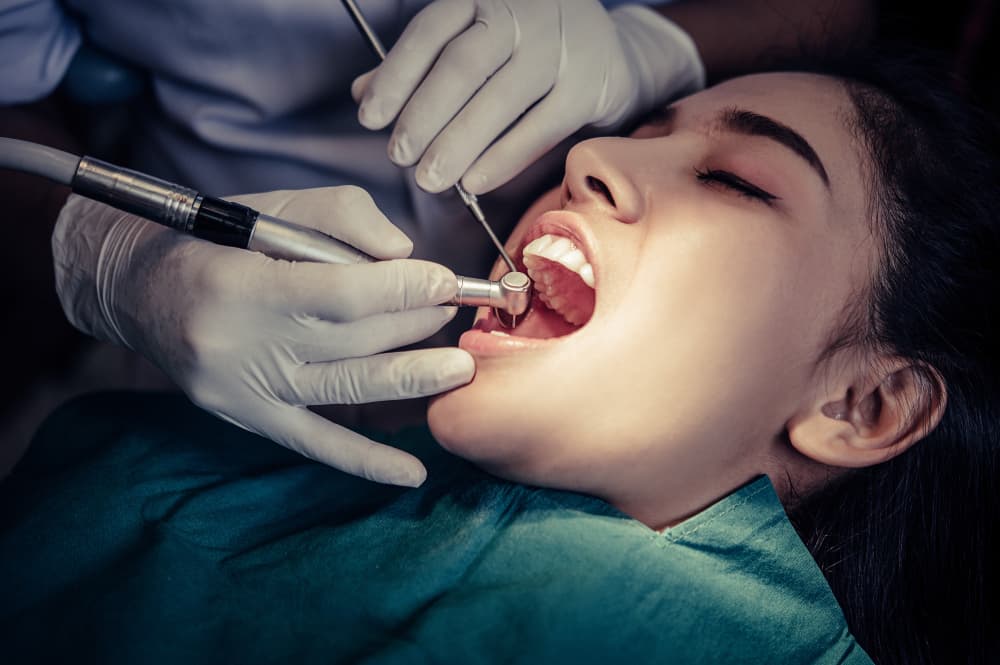
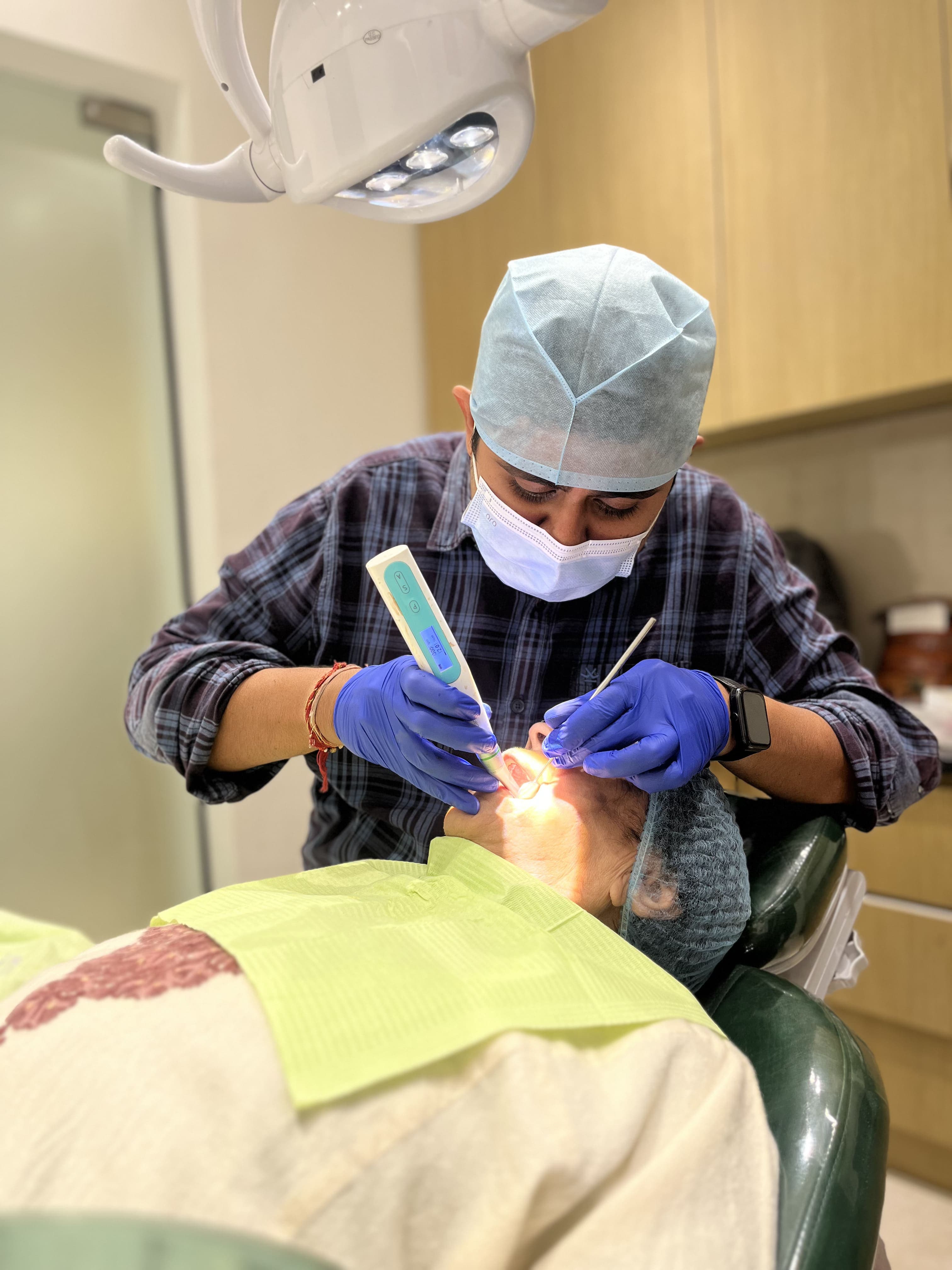
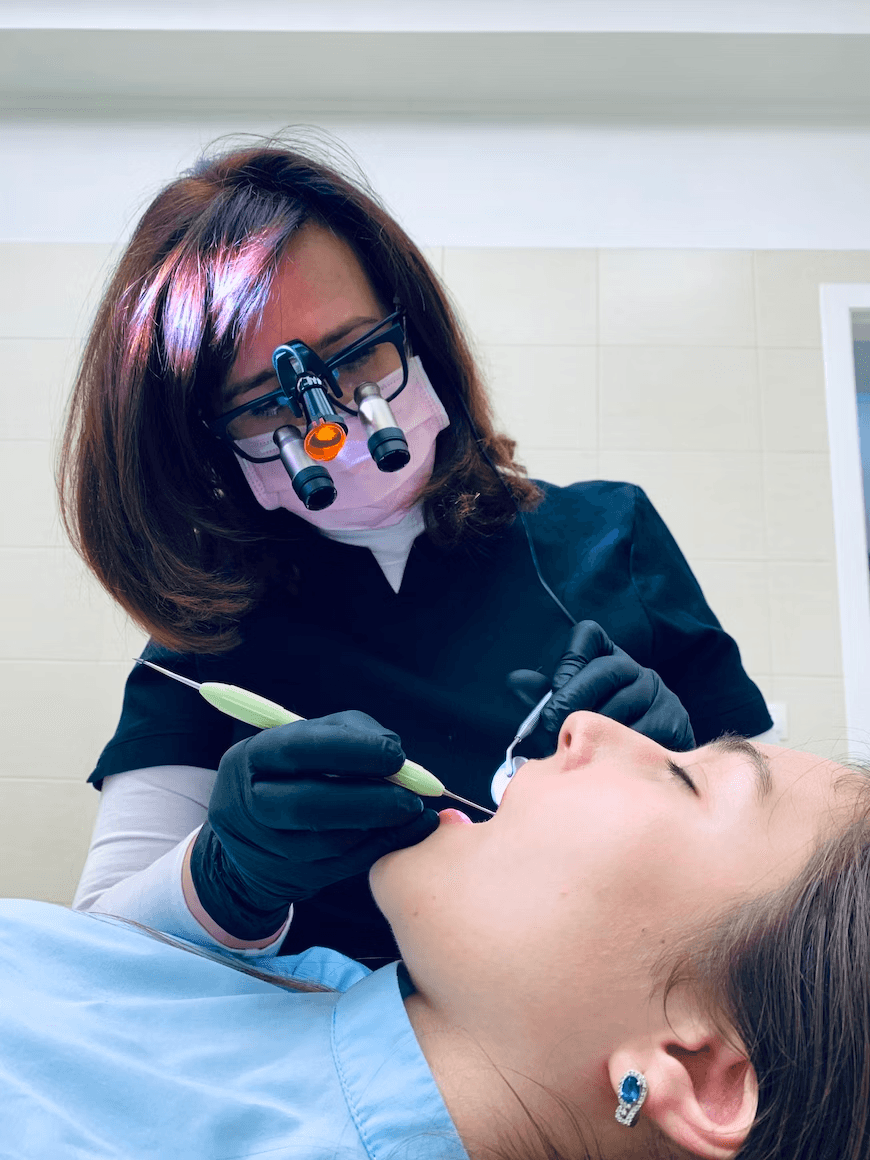
Once the area is numb, the decay is removed, and the filling is placed. During this stage, you will feel:
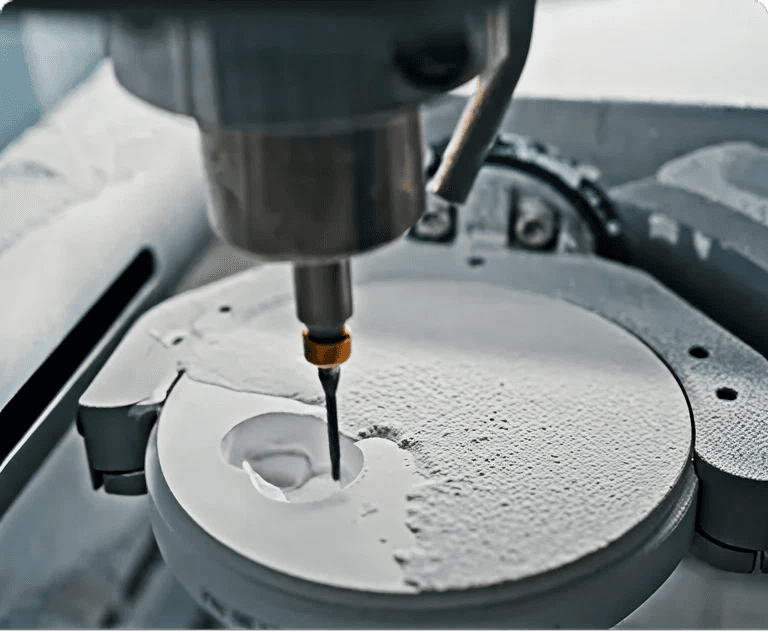
Pressure — the sensation of the drill and instruments working on the tooth. This is not pain — it's the physical force of the instrument against the tooth. With proper anaesthesia, the nerve signals for pain are completely blocked, but the nerve signals for pressure (which travel on different pathways) remain partially active.
Vibration — particularly from the high-speed handpiece. This is a physical sensation transmitted through the jaw and sometimes experienced as a mild hum or resonance.
Occasional cold spray — water cooling is used during drilling to prevent heat buildup. You may feel a brief cold on the gum or cheek.
Smell — drilling produces a very faint odour from the removed tooth material. This is entirely normal and harmless.
What you will not feel: sharp pain, burning, or acute discomfort. If you do at any point — raise your hand and the procedure stops.
Most patients find that once the anaesthetic is working and the procedure begins, the experience is far less distressing than the waiting room build-up suggested it would be.
Stage 3 — Immediately After the Procedure
When the filling is complete, the anaesthetic is still fully active. Your mouth — and possibly part of your lip or cheek — will remain numb for 2 to 4 hours after the appointment.
During this time:
- Avoid eating until the anaesthetic has completely worn off. It's easy to bite the inside of the cheek or tongue without realising it
- Avoid very hot drinks — you can't accurately judge temperature while numb
- The filled tooth may feel slightly different when you bite — this is normal as you adjust to the new restoration
What to Expect After the Anaesthetic Wears Off
This is the stage where some patients do experience discomfort — and where realistic expectations matter.
Once the anaesthetic wears off, most patients notice
Mild sensitivity to cold or to biting. This is normal for several days after a filling. The tooth has been worked on — the nerve is mildly irritated by the procedure itself, not by anything going wrong.
A slightly "off" bite — a sensation that the filled tooth is hitting slightly higher than the others when the teeth come together. This is common and is easily adjusted at the clinic. Call Renew Dental Clinic on (0120) 498-8333 and come in — the adjustment takes 5 minutes and is free.
Tenderness in the gum — the gum tissue around the injection site may be mildly sore for a day or two.
Sensitivity when eating — mild discomfort when consuming very hot or cold foods for the first 3 to 5 days.
All of this is expected and resolves on its own within a week in the vast majority of cases. Over-the-counter pain relief (ibuprofen or paracetamol) manages any discomfort comfortably.
When Post-Filling Discomfort Means Something Needs Attention
Most post-filling discomfort is mild and temporary. However, contact Renew Dental if
- Pain is severe or throbbing rather than mild and occasional
- Sensitivity is getting worse rather than better after the first few days
- Pain persists beyond 2 weeks without improvement
- The bite feels significantly off — one tooth hitting noticeably harder than others when the teeth come together
- Spontaneous pain occurs without any stimulus (not triggered by eating or temperature)
The last point is particularly important. Spontaneous, unprompted pain after a filling — especially in a deep cavity — may indicate that the decay was closer to the nerve than initially apparent and that the pulp is inflamed. This is a clinical condition (reversible or irreversible pulpitis) that may require a root canal. It's not a complication of the filling itself but rather a sign that the underlying cavity was more advanced than it appeared.
Dr. Suchi Singh discusses this possibility with patients who have deep cavities before proceeding with a filling, so they understand what signs to watch for.
Deep Cavities — Does a Deep Filling Hurt More?
A deep cavity — one where the decay is close to the pulp (inner nerve tissue) — can produce more post-filling sensitivity than a shallow cavity, because the residual nerve response from the filling procedure is closer to the nerve supply.
Deep fillings at Renew Dental are managed with:
- A protective liner (calcium hydroxide or similar) placed between the deepest part of the cavity and the filling material, to cushion and protect the nerve
- Thorough anaesthesia during the procedure to ensure no discomfort
- Clear communication to the patient about what to watch for afterward
Even in deep cavities, the filling procedure itself is painless under proper anaesthesia. The difference is in the recovery period, which may involve more sensitivity over the first week.
Managing Dental Anxiety at Renew Dental Clinic
For some patients, the issue isn't really about pain — it's anxiety. The thought of being in the chair, the sounds and sensations, the feeling of not being in control.
Dr. Suchi Singh and the team at Renew Dental understand this. Anxious patients are always treated with:
- Full explanation before anything happens — you're told what is about to occur before it occurs, always
- Consistent checking in — "Are you comfortable?" is asked regularly throughout
- Your control — raise your hand at any moment, and everything stops
- No rushing — the pace of treatment accommodates the patient, not the appointment schedule
If you have significant dental anxiety, mention it when booking. The team can arrange a longer appointment, discuss what helps you specifically, and ensure the experience is as manageable as possible.
The Real Cost of Avoiding a Filling
This is worth addressing directly because dental anxiety-driven avoidance has real clinical consequences.
A small cavity treated with a simple filling is a 30-minute appointment and resolves the problem completely.
The same cavity, left for 12 to 18 months, may reach the dentine and become moderately sensitive. It now requires a larger filling — more tooth removed, more time in the chair.
Left for another year or two, the decay may reach the pulp. Now a root canal is required — a longer, more involved procedure — followed by a crown. The total treatment time, number of appointments, and discomfort during recovery are all significantly greater than if the small cavity had been treated initially.
The irony of avoiding a filling to avoid discomfort is that the avoidance produces a more uncomfortable outcome.
Frequently Asked Questions
Do children experience more pain during fillings than adults?
No. Local anaesthesia works the same way in children. At Renew Dental, paediatric patients are treated with particular patience and explanation so the experience is genuinely comfortable and not anxiety-provoking for future visits.
What if I'm needle-phobic?
Topical anaesthetic gel applied first significantly reduces the sensation of the injection. Let Dr. Suchi Singh know you're needle-phobic — the injection can be given particularly slowly and with as much preparatory explanation as you need.
Can I drive myself home after a filling?
Yes. Local anaesthesia used for a routine filling does not impair your ability to drive.
How long does a filling take?
A standard single-tooth composite filling typically takes 30 to 45 minutes. Larger or multiple fillings take longer.
Is sensitivity after a filling normal?
Yes — mild sensitivity to cold for up to a week or two is expected and normal. Severe or prolonged sensitivity warrants a follow-up appointment.
Book Your Filling Appointment at Renew Dental Clinic, Noida
Don't let fear of pain keep you from genuinely straightforward treatment. Patients who've had fillings at Renew Dental Clinic in Sector 47, Noida consistently say the same thing afterward: it was far more comfortable than they expected.
To book an appointment, call (0120) 498-8333.
Open Monday–Saturday, 10:30 AM – 8:00 PM | Sunday, 11:00 AM – 2:30 PM.