By Renew Dental ClinicPublished on
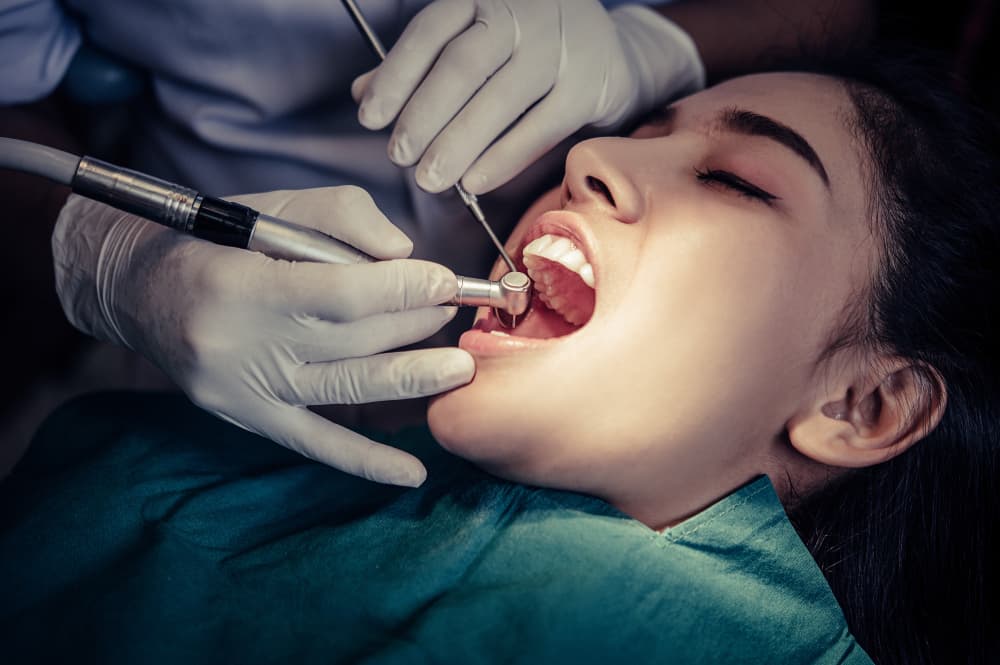
Dentists treat patients' teeth.
The question comes up almost every time a patient books a whitening appointment: "Will my teeth be sensitive afterward?"
The answer: probably, for a day or two, at mild to moderate intensity. For most patients, post-whitening sensitivity is temporary, manageable, and not a reason to avoid whitening if the procedure is appropriate for their teeth. Understanding why it happens, which patients are more susceptible, and how to manage it effectively makes the experience considerably better than going in without preparation.
Teeth whitening uses hydrogen peroxide or carbamide peroxide to oxidise the stain molecules embedded in enamel and dentine. The peroxide penetrates through the enamel — even though enamel appears solid, it's a crystalline matrix with spaces between crystals — and reaches the dentine layer beneath, where many organic stain compounds accumulate.
This peroxide penetration has two direct consequences relevant to sensitivity.
First: The peroxide temporarily increases the permeability of the dentinal tubules — the microscopic channels running through dentine that connect the outer tooth surface to the nerve. These tubules are the reason temperature changes, sweet foods, and air exposure can produce sharp pain in sensitive teeth: stimuli travel through the fluid in these channels and activate the nerve. When whitening opens these channels wider or temporarily disrupts the fluid dynamics within them, the nerve becomes more reactive to stimuli it would normally handle without producing pain.
Second: Whitening temporarily dehydrates enamel as the peroxide reacts and water is drawn out of the enamel matrix. Dehydrated enamel is more translucent — which is why teeth look immediately whiter right after whitening, as the colour contrast is enhanced. It's also more reactive: the dehydration affects the fluid pressure in the dentinal tubules, contributing to short-term heightened sensitivity that often improves dramatically within 24 hours as the enamel rehydrates.
Both effects are reversible. Within 24 to 72 hours, tubular permeability returns to normal, the enamel rehydrates, and sensitivity resolves for most patients.
Not everyone who undergoes whitening develops meaningful sensitivity. Individual variation is real and significant.
More likely to experience significant sensitivity:
Less likely to develop significant sensitivity:
Zingers — brief, sharp, spontaneous sensations that arrive without obvious stimulus, usually within the first 12 to 24 hours. These are the most alarming because they occur without doing anything obvious to provoke them. They feel sharp but resolve within seconds. They're the classic sign of whitening-induced sensitivity and are almost universally temporary.
Generalised cold sensitivity — teeth that feel more reactive than normal to cold water, cold air, or cold food. This is the most common ongoing form and typically resolves within 24 to 48 hours.
General oral awareness — a background sense of mild discomfort or heightened awareness in the mouth without a specific focal point. Less dramatic than zingers but can persist for the first day or two.
For most patients: 24 to 48 hours. The intensity peaks in the first 12 to 24 hours and decreases progressively.
For patients with pre-existing sensitivity or those receiving higher-concentration treatment: up to 72 hours.
If sensitivity is ongoing at the same level or worsening beyond 72 hours, this is outside the normal range and warrants contact with Renew Dental Clinic.
The most effective single intervention is done before whitening, not after: using a desensitising toothpaste for two weeks before the procedure.
Potassium nitrate (the active ingredient in Sensodyne and similar products) accumulates around the nerve over 2 to 4 weeks and raises its firing threshold. After two weeks of consistent twice-daily use, the nerve is measurably less reactive to the same stimuli — including the stimulation from whitening peroxide. This pre-treatment reduces post-whitening sensitivity significantly for most patients.
At Renew Dental Clinic, Sector 47, Noida, Dr. Suchi Singh discusses pre-treatment preparation with patients booking whitening appointments — including the desensitising toothpaste protocol and whether the patient is an appropriate candidate for whitening based on their dental history.
Patients with significant pre-existing sensitivity, large areas of exposed root surface, or very thin enamel may be advised to delay whitening until the sensitivity is managed or may be directed toward lower-concentration take-home options rather than in-office laser treatment.
Dr. Suchi Singh applies a protective barrier to the gums before any whitening gel is placed — this is standard protocol at Renew Dental. The gel is applied carefully to tooth surfaces only.
Where significant sensitivity arises during treatment, cycles can be shortened, the procedure paused, or a desensitising fluoride gel applied mid-treatment to reduce sensitivity before continuing. The patient is always in control — if the sensitivity during the procedure is beyond manageable, the session is adapted accordingly.
A desensitising gel is commonly applied at the end of the whitening session. This contains high-concentration potassium nitrate, fluoride, or amorphous calcium phosphate (ACP) — compounds that calm the nerve, begin rehydrating the enamel, and reduce the post-whitening sensitivity window.
Apply sensitive toothpaste directly to the teeth — not as a rinse but left in contact. After brushing and spitting, smear a small additional amount onto the most sensitive teeth with a fingertip and leave it. This concentrates the desensitising ingredient where it's most needed and extends contact time beyond the brushing session.
Avoid cold drinks, ice, and cold food for 24 hours where possible. Room temperature or warm is considerably more comfortable during this period.
Use over-the-counter pain relief if needed — ibuprofen or paracetamol at standard doses manages the discomfort comfortably for most patients.
In the first 48 hours after whitening, two things are happening simultaneously.
Sensitivity: Cold, acidic, and very hot foods are more likely to provoke sensitivity when enamel is temporarily more reactive.
Staining risk: The enamel's pores are more open after whitening — the same mechanism that allowed peroxide to penetrate makes it easier for stain molecules to re-enter. The first 48 hours are when whitening results are most easily undermined by tea, coffee, red wine, or tobacco.
The recommendation: pale-coloured, room-temperature foods and drinks for 48 hours. Water, mild dal, curd rice, white rice, soft chapati, plain milk, white fish. Avoid: tea, coffee, turmeric-heavy dishes, red wine, cola, dark juices, tobacco.
After 48 hours, enamel has largely rehydrated and pore openness reduces. A return to normal diet is appropriate — though rinsing with water after staining beverages and attending regular cleaning appointments at Renew Dental will extend the whitening result considerably.
For patients with known sensitivity, take-home whitening trays offer a practical advantage: lower concentration (typically 10 to 16% carbamide peroxide versus 25 to 35% hydrogen peroxide in-office) applied over 2 to 3 weeks produces results comparable to in-office whitening with sensitivity that's typically milder and more manageable.
The gradual exposure allows enamel to recover between each application session. Sensitivity can be monitored day by day, and if a particular session produces more sensitivity than expected, the next application can be delayed a day. This flexibility makes take-home trays genuinely better for patients who are sensitive to whitening.
Custom trays from Renew Dental — made from precise impressions of the patient's teeth — fit considerably more accurately than pharmacy trays, which means the gel contacts tooth surfaces rather than leaking onto gum tissue.
Most sensitivity after whitening is bilateral and generalised — affecting multiple teeth, particularly the front teeth. When something else is happening, it usually presents differently.
Pain focused on one specific tooth: Not typical post-whitening sensitivity. A specific tooth that hurts significantly more than others after whitening may have a pre-existing issue — a crack, a cavity near the pulp, or a restoration with a compromised margin. The whitening may have revealed sensitivity that was always present but not symptomatic until the peroxide applied additional stimulation. This tooth-specific pain warrants assessment.
Pain persisting beyond 72 hours without improvement: Post-whitening sensitivity improves progressively. Sensitivity not reducing after 3 days needs a clinical review.
Spontaneous throbbing pain not triggered by cold: A different quality from whitening sensitivity. Throbbing pain — particularly at night or at rest — suggests pulpitis (nerve inflammation) that may require root canal assessment rather than being simply a whitening consequence.
Significant gum soreness or tissue change: Some gum sensitivity in the first day if the protective barrier shifted slightly is possible. Significant or worsening gum pain, blanching of gum tissue, or unusual gum appearance needs prompt review.
Can I take pain relief before whitening to reduce sensitivity?
Taking ibuprofen an hour before the whitening appointment is a reasonable pre-emptive measure for patients anticipating significant sensitivity. Discuss this with Dr. Suchi Singh at the consultation.
I had no sensitivity last time I whitened — will I have it this time?
Possibly not, if the same protocol is used. If sensitivity was previously minimal, a similar approach this time is likely to produce a similar experience — particularly with the same pre-treatment preparation.
Can whitening damage my teeth permanently?
Professional whitening with appropriate concentrations and gum protection does not permanently damage enamel or the nerve. The temporary sensitivity reflects reversible enamel physiology changes.
How soon after whitening can I have another session?
For in-office laser whitening: typically 4 to 6 months. For take-home trays: follow Dr. Suchi Singh's specific guidance based on concentration and results. More frequent whitening without adequate intervals doesn't achieve better results and increases sensitivity risk.
My teeth look very white right after whitening but then seem to fade — is this normal?
Yes. The immediate post-whitening brightness is partly from enamel dehydration making it more translucent. As enamel rehydrates over 24 to 48 hours, the shade settles to a slightly less dramatic but more accurate representation of the true whitening result.
To book a whitening consultation at Renew Dental Clinic, Sector 47, Noida, call (0120) 498-8333.
Monday–Saturday 10:30 AM – 8:00 PM | Sunday 11:00 AM – 2:30 PM.
 Copy
Copy
Hormonal changes during pregnancy significantly affect gum health, and untreated dental infections carry real risks....
25 Aug 2026
by Renew Dental Clinic

Bleeding gums that don't respond to better brushing may have a nutritional cause. Several vitamin...
20 Aug 2026
by Renew Dental Clinic
Teeth looking longer than they used to? Gum recession is one of the most commonly...
19 Aug 2026
by Renew Dental Clinic
Laser gum treatment is becoming more common at dental clinics in Noida. This guide explains...
17 Sept 2026
by Renew Dental Clinic

Learn how to stay safe and maintain oral hygiene during pregnancy. Learn tips about preventing...
27 Oct 2025
by Renew Dental Clinic

Tooth decay starts silently, but the signs are easy to spot if you know what...
27 Jun 2025
by Renew Dental Clinic
From baking soda to oil pulling to turmeric — this guide cuts through the noise...
14 Sept 2026
by Renew Dental Clinic

Want a long-lasting white smile? Discover five simple steps to keep white teeth after tooth whitening, from diet adjustment to oral health and dentist-approved tips.
03 Oct 2025
by Renew Dental Clinic

Curious about charcoal toothpaste for whitening teeth? Find out what it does, the pros, side...
21 Oct 2025
by Renew Dental Clinic
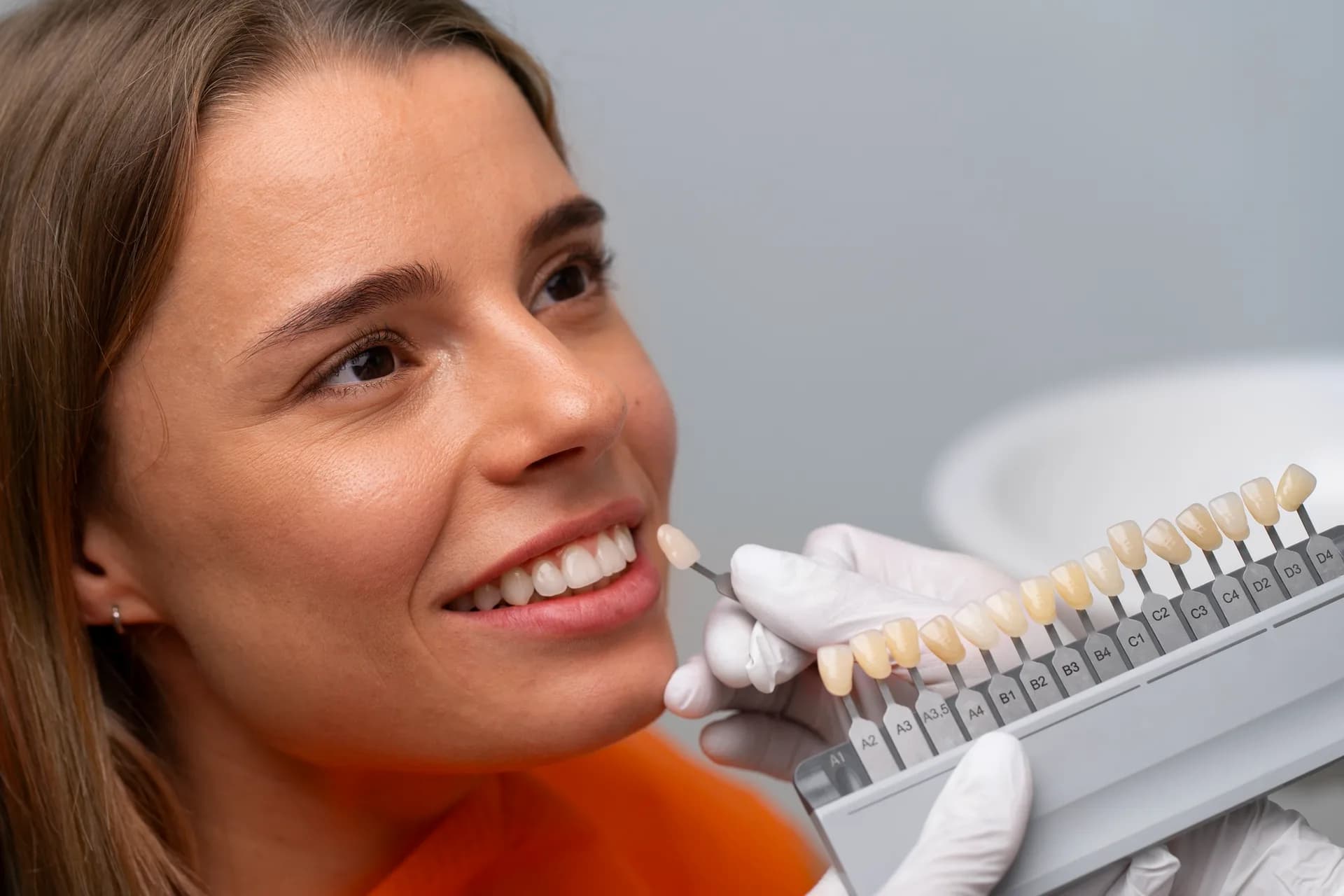
Recommended a crown instead of a filling? Learn how your dentist decides, the structural threshold...
22 Oct 2026
by Renew Dental Clinic

Dilemma between dental implants and bridges? Weigh the cost, longevity, procedure, and advantages to determine which tooth replacement method is superior.
03 Oct 2025
by Renew Dental Clinic
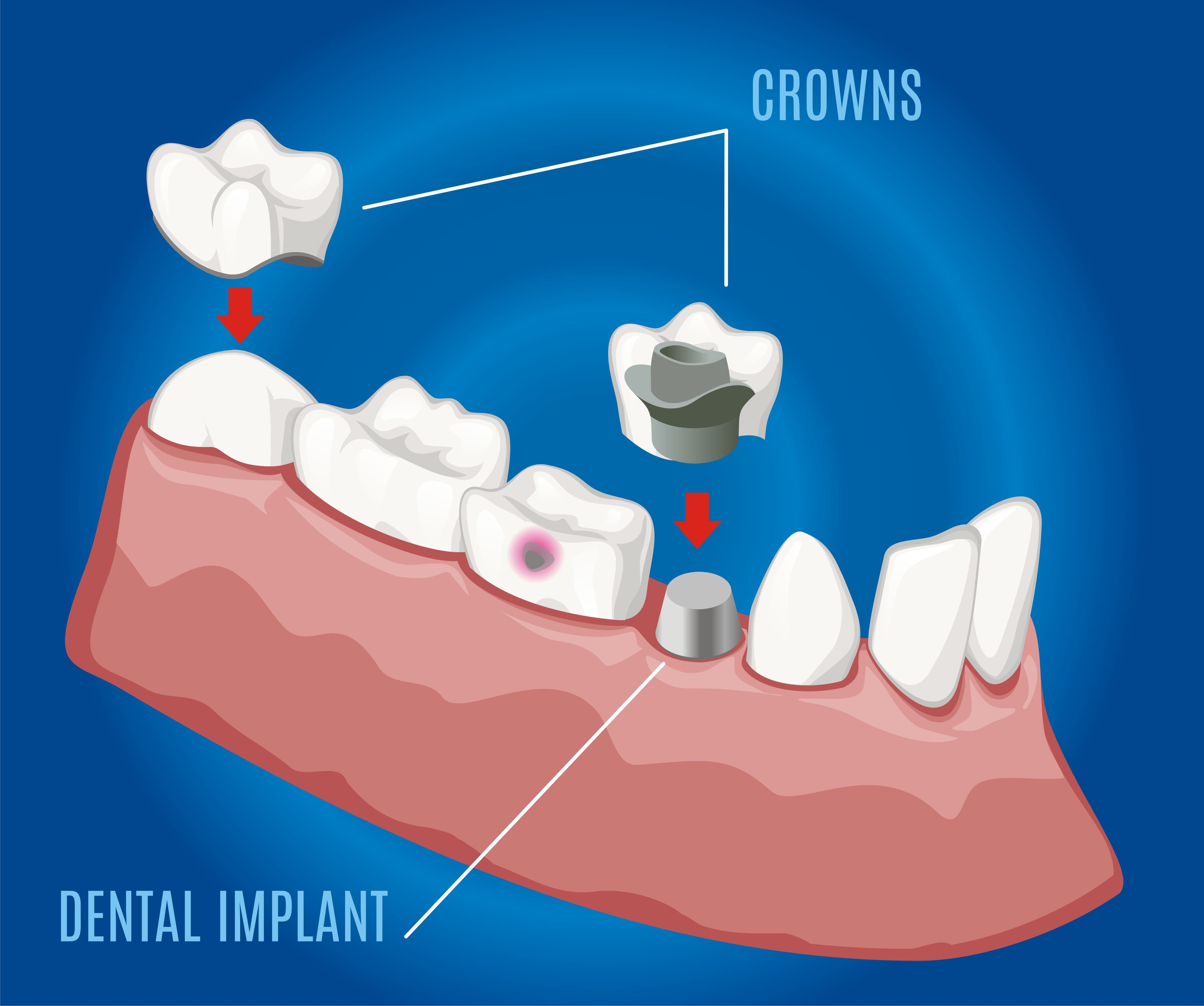
Need a dental crown in Noida? This complete patient guide explains every type of dental...
18 Jun 2026
by Renew Dental Clinic
Oil pulling has a loyal following and bold claims. This guide from Renew Dental Clinic...
30 Jun 2026
by Renew Dental Clinic
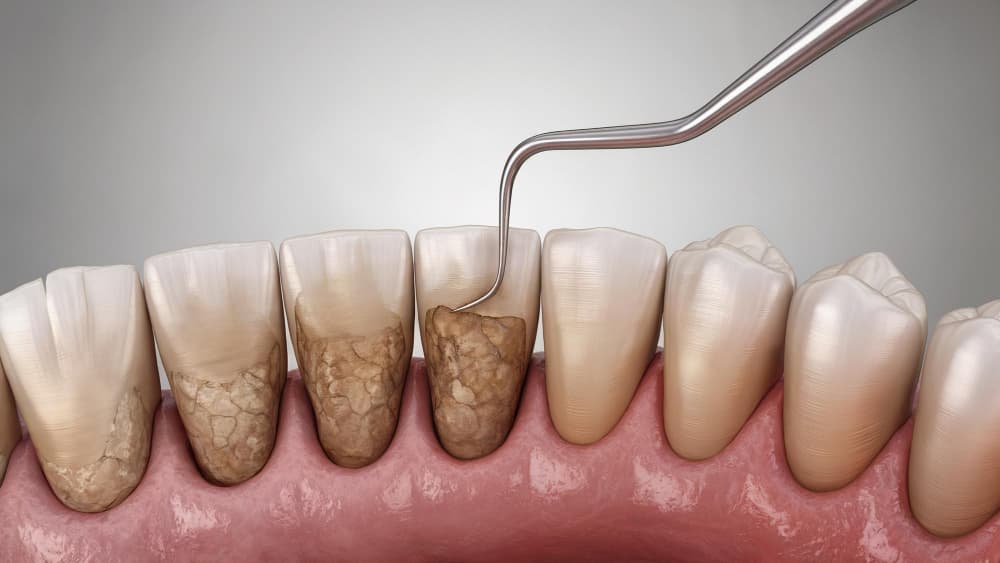
Think scaling is just about cleaner teeth? This guide explains what dental scaling actually does,...
15 Jun 2026
by Renew Dental Clinic
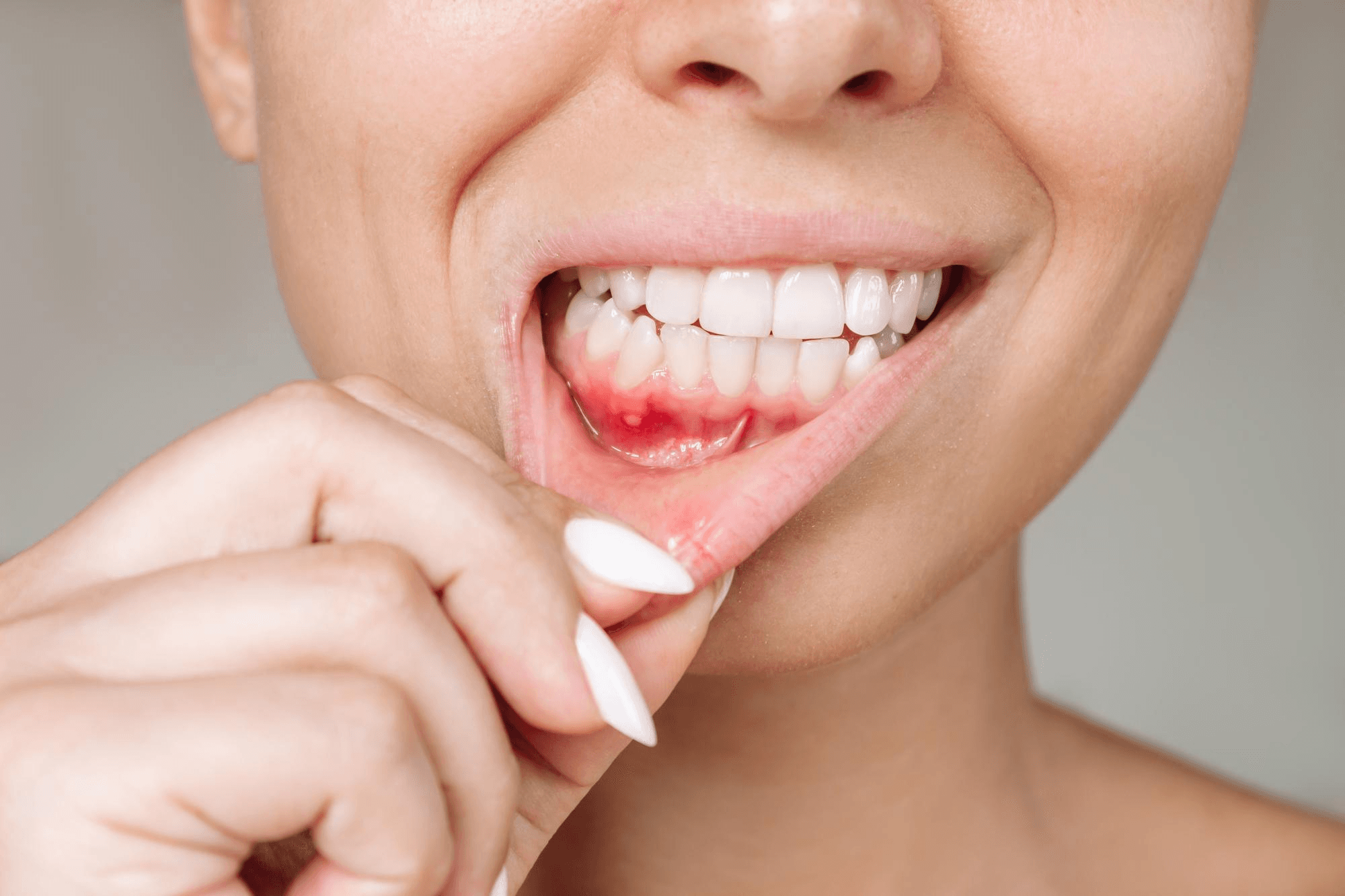
Learn about gum disease, its causes, symptoms, stages, and treatment options to protect your oral health and prevent serious dental problems.
08 May 2026
by Renew Dental Clinic
Explore More
Discover how thousands of patients trust Renew Dental Clinic with their smiles.
I am extremely satisfied with the treatment given by Dr. Suchi. Renew dental clinic offers excellent treatment with a professional and friendly team, ensuring a comfortable and positive experience for patients. I highly recommend anyone seeking quality dental services.
Best dental clinic in Noida
I was highly satisfied with my dental treatment with Dr. Suchi.
Exellant work doneby Dr suchi in a phase manner. Strongly Recommend others to consult for the genuine and reasonable treatment
Excellent dental care and friendly doctor. The doctor is very professional and gentle. Highly recommended! Professional, Caring, Recommended, Positive Experience
I am getting my dental treatment done from here and my experience has been excellent. Dr. Suchi is professionally very competent and provides excellent treatment in a very soothing and comforting environment. She explains the problems fully and provides the best possible options. My RCT was done in one sitting only. The crown provided is also very snug and comfortable fitting. Her team is also very competent and helpful. They do necessary follow up keep a good liaison. Over all a great experience. Thank you Dr. Suchi and team.
My family members and I have been visiting Dr. Suchi Singh for all our dental concerns for a few years now, and my recent visit prompted me to write this review in the hope that others can benefit from it too.
Awesomely excellent services…amazing
Best dental treatment in noida
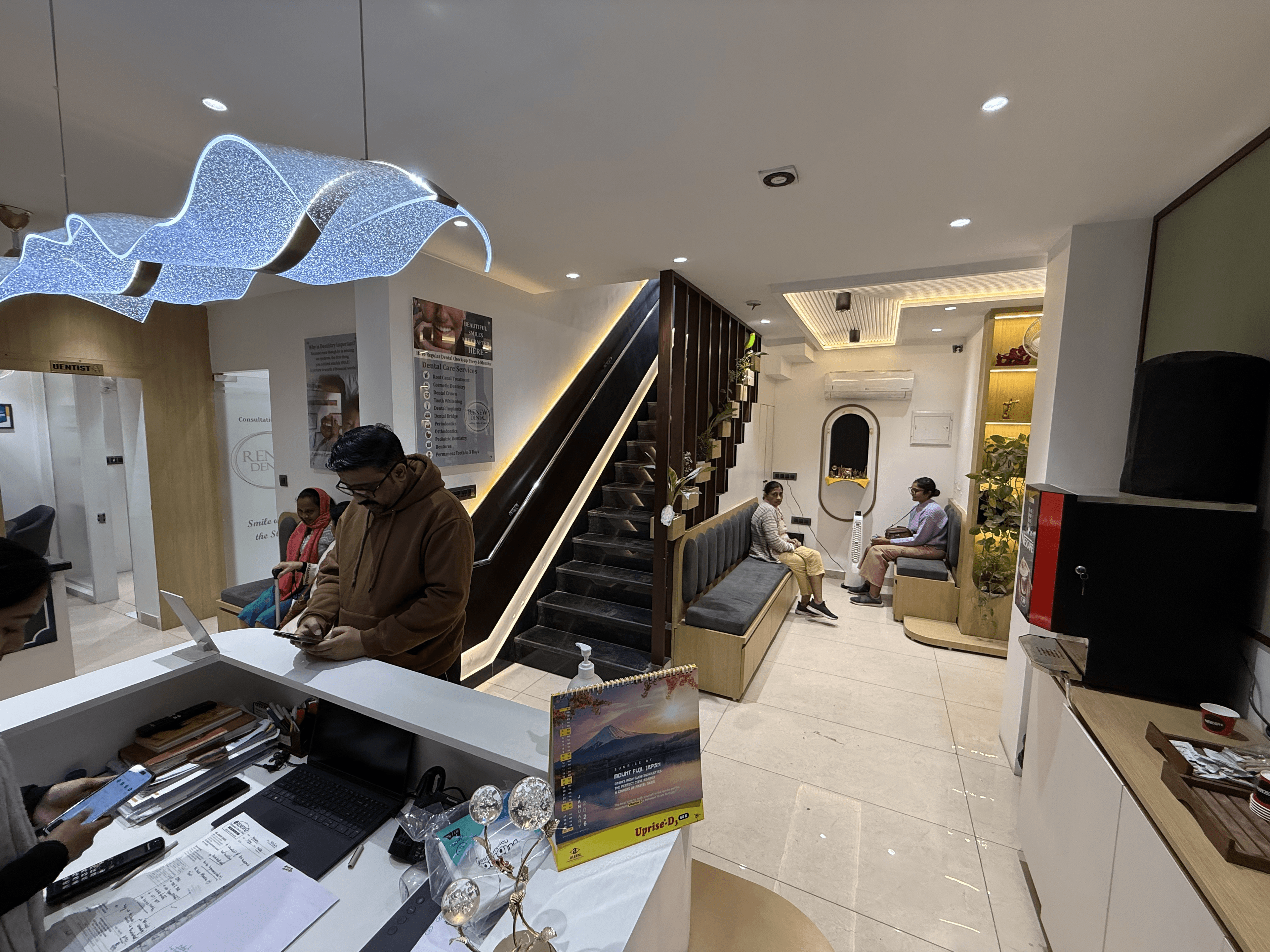
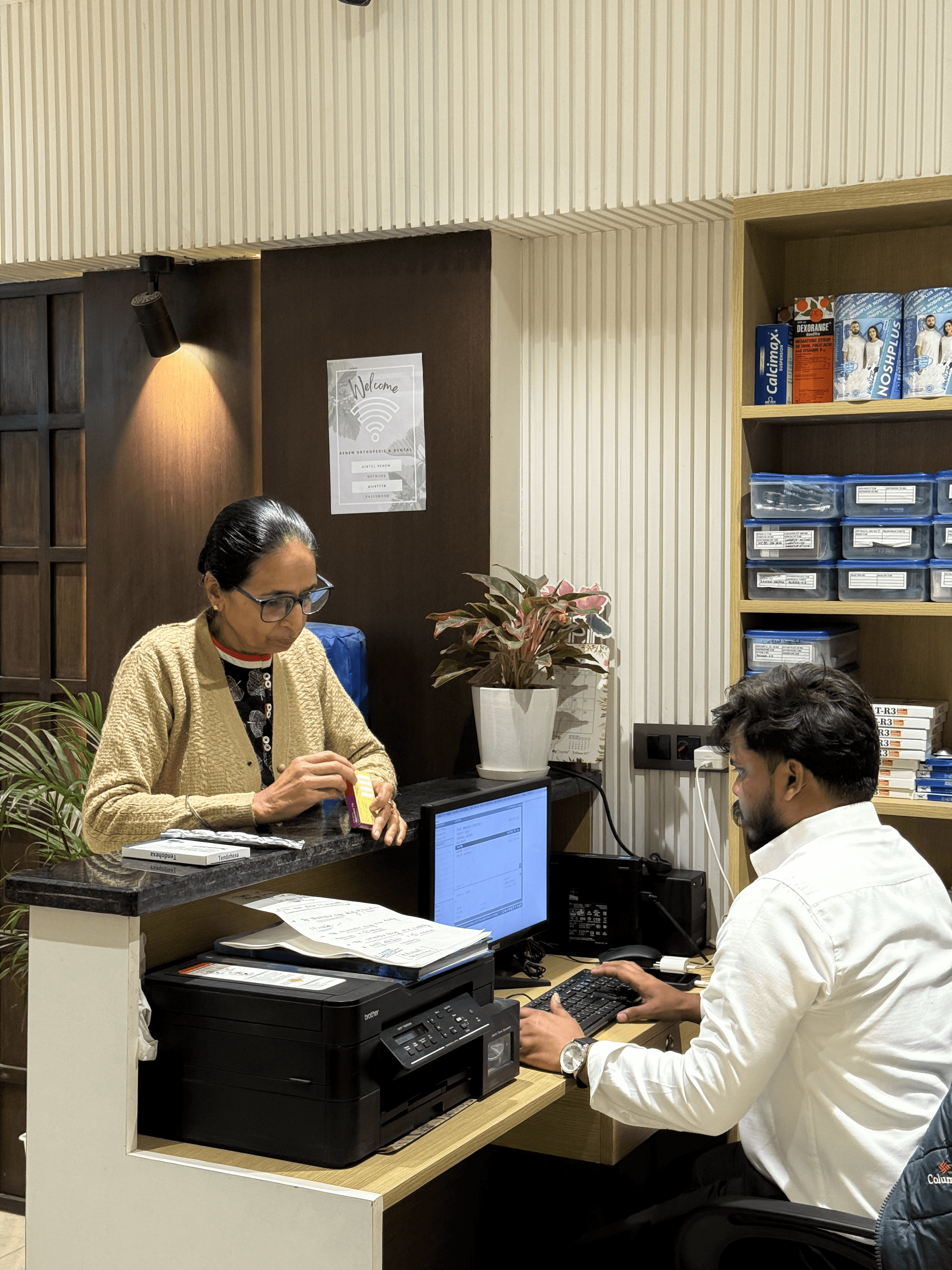
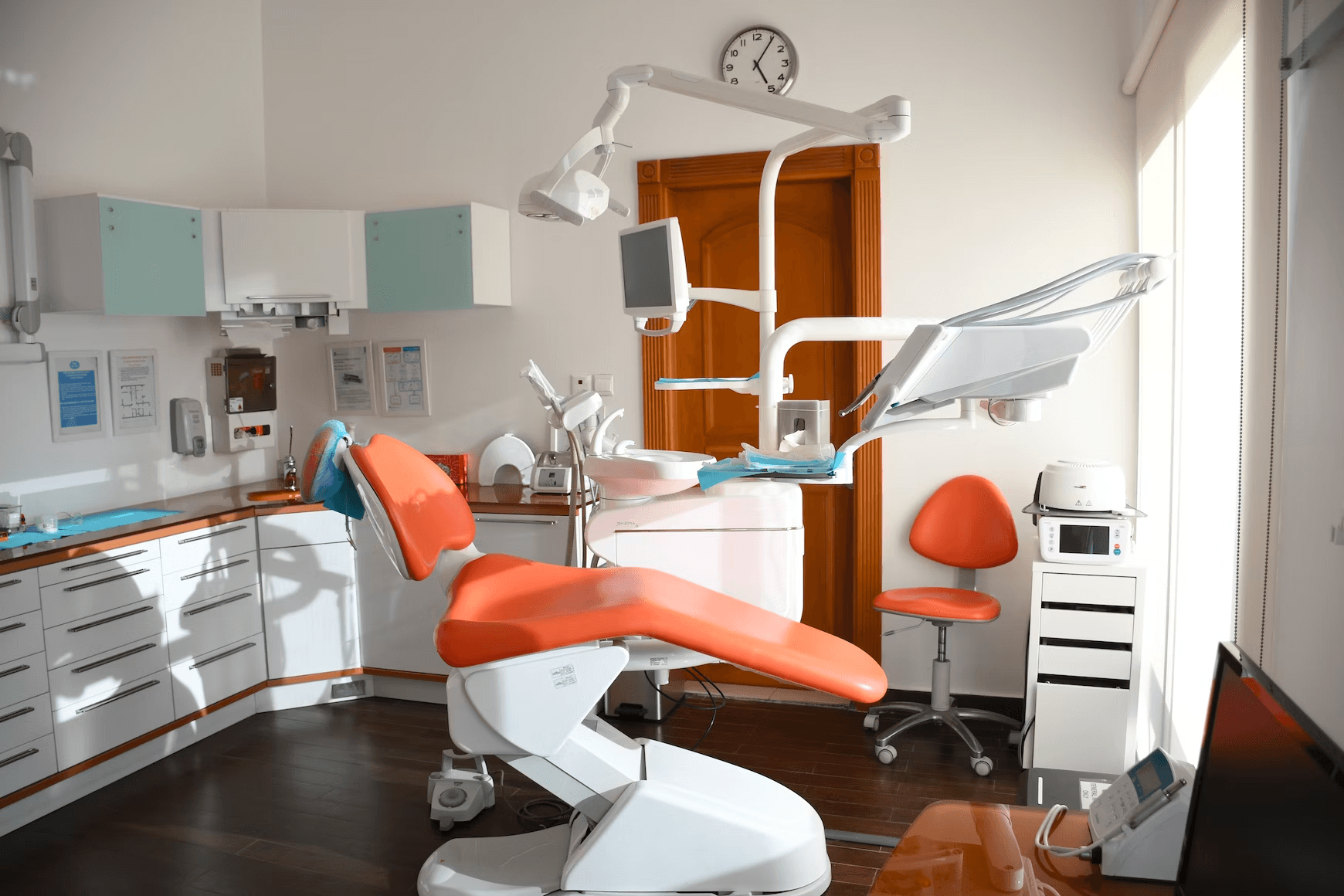
A glimpse into our modern dental clinic, advanced technology, and patient-friendly environment at Renew Dental.
Explore our thoughtfully designed clinic spaces built to provide comfort, cleanliness, and a calming experience for patients of all ages.
Best Dentist in Noida
Renew Dental Clinic located in Noida, Sector 47, is one of the leading dental clinics. Founded by Dr. Suchi Singh who is widely regarded as one of the best dentists in Noida, the clinic is committed to delivering personalised and high-quality dental care. Dr. Suchi Singh focuses on customised treatment plans designed around each patient’s unique needs, ensuring advanced, comfortable and reliable dental care at Renew Dental Clinic.

Your Trusted Dental Experts

Complete Dental Care

Friendly Dental Space

No Hidden Charges
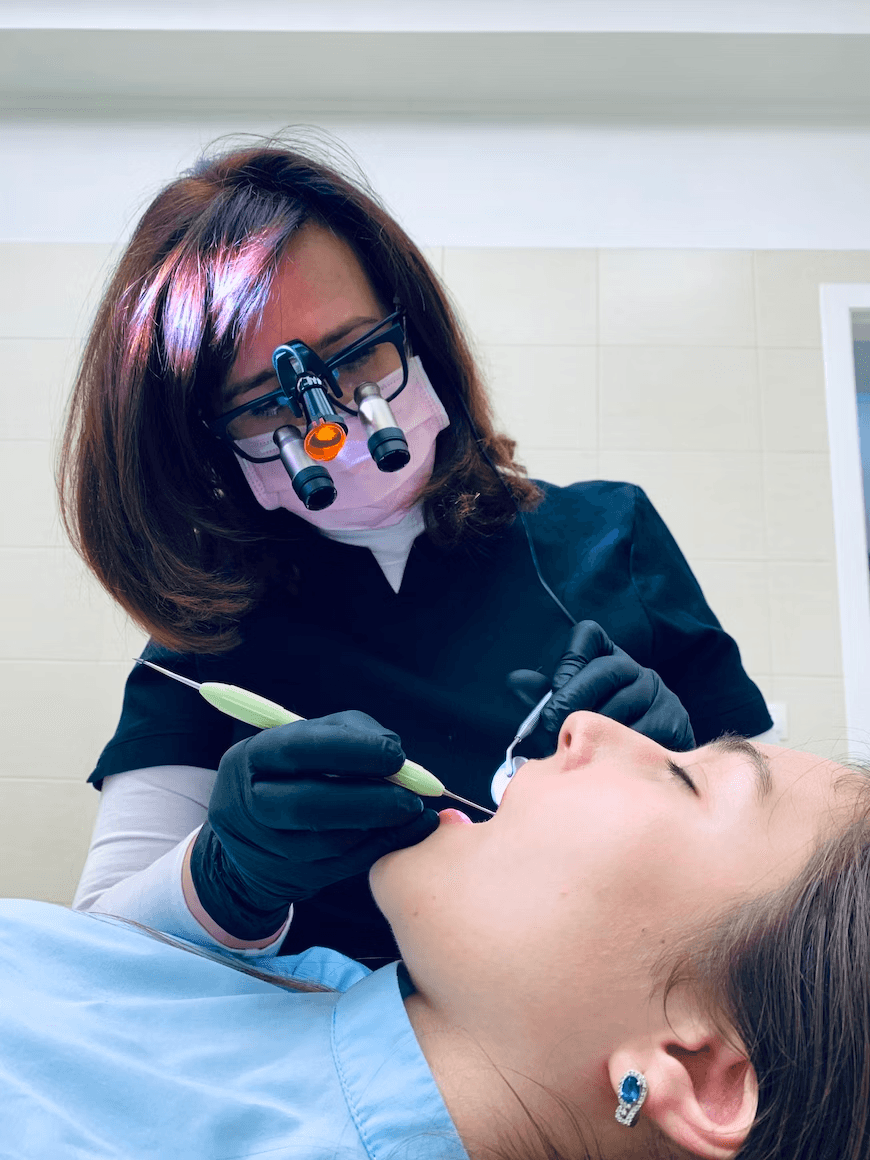


Two trusted dental clinics in Noida — Renew Dental (Sector 47) and Tooth & Truth (Sector 34) — for gentle, modern care.

Renew Orthopedic Clinic, A-321, Basement Floor, Next to Mother Dairy Store, Sector 47, Noida, Uttar Pradesh 201303
 +91 99710 35300
A-98/A, Block A, Sector 34, Noida, Uttar Pradesh 201307
+91 99710 45002© 2026. All rights reserved | Designed and Developed by Zarle Infotech