By Renew Dental ClinicPublished on
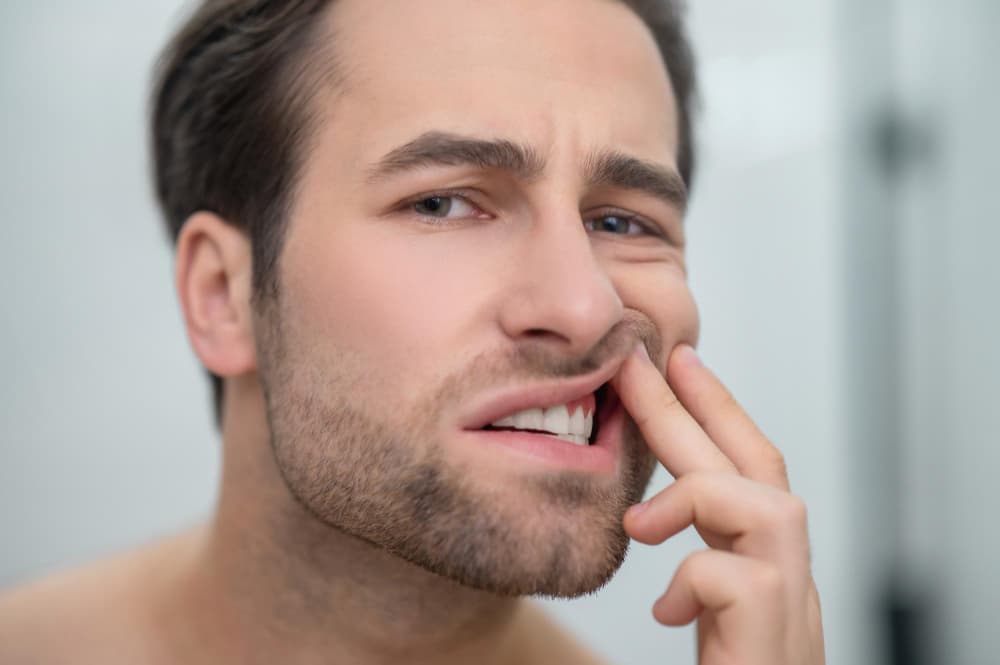
Man checking his gums and looking disturbed.
Teeth that look longer than they used to. A dark line at the base of certain teeth. Cold sensitivity that's been slowly worsening over months. These are the quiet signatures of gum recession — a condition that affects a significant proportion of adults and that most people haven't been told about in any useful detail.
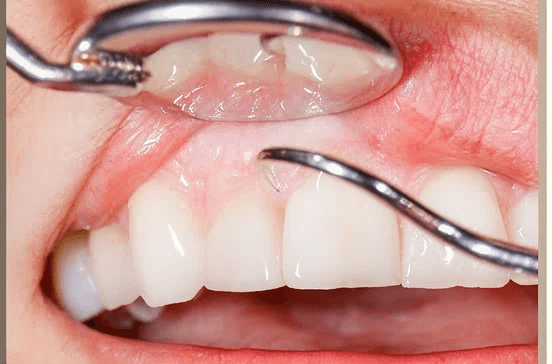
Gum recession is the process by which the gum tissue progressively pulls away from the tooth, exposing the root surface beneath. It's gradual. It's largely painless in its early stages. By the time a patient notices it clearly in a mirror, a meaningful amount of tissue has already been lost.
The most important thing to say upfront: gum that has receded does not grow back on its own. That's not catastrophising — it's biology. The tissue is gone and won't return without clinical intervention. Catching recession early and addressing its causes is the entire game.
The gum tissue (gingiva) normally covers the root of the tooth up to the cementoenamel junction (CEJ) — the point where the enamel-covered crown meets the root. In a healthy mouth, this junction sits just at or slightly below the gumline, so no root surface is visible.
When the gum recedes — pulls back toward the root tip — the root surface becomes exposed. Root dentine is structurally different from enamel: softer, yellower in appearance, and lacking enamel's mineral density. Exposed root surfaces are more susceptible to sensitivity, root caries (root cavities), and further mechanical damage from brushing.
Recession is measured in millimetres from the CEJ to the current gumline. Even 1 to 2 mm of recession is clinically significant because there's no natural limit on how far it can progress if the cause isn't addressed.
Several distinct causes produce gum recession, and knowing which one is driving it determines what treatment will help.
The most common cause of significant gum recession in adults. In periodontitis, the immune response to bacterial infection in the gum pockets destroys the periodontal ligament and alveolar bone supporting the teeth. As the bone recedes, the gum tissue follows — gum tissue can only remain attached where bone supports it beneath.
Recession from periodontitis tends to be generalised — affecting multiple teeth, often around the same areas where calculus accumulation is heaviest. It's associated with other periodontal signs: bleeding on probing, deep pockets, and in advanced cases, loose teeth.
The bacterial infection drives both the bone loss and the consequent gum recession. Treating the infection through professional scaling and root planing halts progression. The recession that has already occurred doesn't reverse, but further loss is stopped.
The second most common cause — entirely mechanical, no infection involved. Brushing too hard, using medium or firm bristles, or using a horizontal scrubbing technique that concentrates force at the gumline causes direct physical trauma to the gum tissue.
The recession from brushing trauma has a characteristic distribution: most severe on the outer (buccal) surfaces of teeth being brushed most vigorously — often concentrated on the canines and premolars, the teeth most accessible to the dominant hand. The gum looks healthy (pink, stippled, not inflamed), the pockets are shallow (no active disease), and yet the gumline is lower than it should be.
Fixing this requires changing technique — soft-bristled brush immediately, reduced pressure, circular or vibratory strokes rather than horizontal scrubbing. The damage already done doesn't self-repair, but stopping the cause halts further progression.
Some people are born with naturally thin, delicate gum tissue that's inherently more susceptible to recession from mechanical forces and inflammation. Patients with thin gingival biotypes tend to have thin bone over the outer root surfaces as well, which compounds the susceptibility.
This is genetic — it's not something the patient has done wrong. But it means they need to be more careful with brushing technique, more attentive to gum disease prevention, and benefit from closer monitoring at dental check-ups.
Bruxism places lateral forces on the teeth and the gum-tooth junction. Repeated flexing of the tooth under lateral load can stress the gum attachment. In combination with other factors — thin gum phenotype or mild gum disease — bruxism accelerates recession.
Patients who grind often show recession alongside other signs: flattened tooth surfaces, notches in the tooth at the gumline (abfraction lesions), and jaw muscle tenderness. A night guard from Renew Dental Clinic addresses the bruxism; it doesn't directly reverse recession but stops the mechanical driver.
A tooth positioned outside the natural arch — tilted outward, displaced toward the cheek — often has very thin overlying bone and a thin gum covering. This predisposes to recession even with normal brushing forces. Orthodontic correction of the position can sometimes improve the bone and gum situation, though this needs careful planning.
Partial dentures with metal clasps that deteriorate in fit, poorly fitting retainers, or ill-fitting night guards that chronically press on gum tissue can contribute to recession at specific sites. Any appliance causing ongoing gum contact pressure should be assessed and adjusted.
The immediate consequences are sensitivity and aesthetics. The longer-term consequences are more serious.
Root caries. Exposed root dentine is significantly more susceptible to decay than enamel — root surfaces can develop cavities even with adequate oral hygiene and appropriate diet. As more root surface is exposed, the vulnerable area grows.
Notching and abfraction. The exposed root surface at the gumline is the point of maximum stress from brushing. Over years, this produces a characteristic V-shaped notch in the root surface — an abfraction lesion. These notches become sensitive and may require composite resin restoration.
Loss of attached gingiva. The gum has two components: attached gingiva (firm, pink tissue attached to the bone) and alveolar mucosa (redder, more mobile tissue further from the teeth). Recession reduces the band of attached gingiva. When this band becomes very narrow, maintaining adequate oral hygiene in that area becomes more difficult and remaining tissue is more vulnerable.
Progression. Recession doesn't stabilise spontaneously. Without addressing the cause, it continues.
No. This is the question almost every patient asks, and the honest answer is that lost gum tissue does not spontaneously regenerate. What's available is surgical restoration — procedures that move tissue from another site to cover the exposed root surface.
The most commonly used surgical technique. A small amount of connective tissue (taken from beneath the surface layer of the palate) is placed at the recession site and covered with the existing gum tissue. The grafted tissue integrates and provides durable root coverage.
Success rates are high — root coverage of 70 to 100% is achieved in most cases when the procedure is correctly indicated and performed. The resulting gum tissue is functionally and aesthetically similar to the original. Recovery takes approximately 2 to 3 weeks during which eating is limited to soft foods, and the palatal donor site heals within 2 to 4 weeks.
A thin layer of tissue taken directly from the palate and placed at the recession site. Used primarily when there isn't adequate existing gum tissue to cover a connective tissue graft, or when increasing the width of attached gingiva is the primary goal even if complete root coverage isn't achievable.
A newer, minimally invasive approach where existing gum tissue is loosened through a small incision (pinhole) and repositioned upward to cover the exposed root. No tissue is taken from the palate. Generally less uncomfortable postoperatively and produces good results for appropriate cases. Not suitable for all recession patterns.
Not every recession requires surgery. Mild, stable recession with adequate attached gingiva and no symptoms may be managed conservatively — monitoring, cause management, and protective composite resin on sensitive areas.
Soft-bristle toothbrush used gently. The single most impactful change for brushing-induced recession. If bristles are splaying within weeks of getting a new brush, pressure is too high.
Correct brushing technique. 45-degree angle to the gum, short circular or vibratory strokes. Not horizontal scrubbing.
Regular professional cleaning. Removing calculus before it drives gum disease prevents the bone loss and recession that follows.
Night guard for bruxism. If grinding is identified as a contributing factor, a custom night guard from Renew Dental protects the gum-tooth junction from the mechanical forces of grinding overnight.
Regular monitoring. At Renew Dental Clinic, recession is measured in millimetres at specific reference points and tracked at each check-up. Photographs provide visual documentation. This means any progression is caught with precision rather than noticed when it's already substantial.
I have recession on one tooth specifically — what does that mean?
Localised single-tooth recession often indicates a specific local cause — brushing trauma concentrated on that area, a thin gum phenotype over a tooth positioned slightly outside the arch, or a localised area of gum disease. Assessment at Renew Dental determines which.
Can recession come back after a gum graft?
If the cause isn't addressed, yes. Gum grafting followed by continued aggressive brushing will recede again. Surgery and cause management go together.
My gums have looked the same for years — is that stable recession?
Possibly. But "same for years" assessed visually is less reliable than measured recession at specific reference points over time. A professional measurement establishes an objective baseline that future visits can compare against.
Does gum recession mean I'll lose teeth?
Not necessarily and not automatically. Recession from brushing trauma without underlying bone loss doesn't threaten tooth stability. Recession from periodontitis — where bone is being lost — does threaten stability if the disease isn't managed. Assessment determines which situation applies.
To book a gum assessment at Renew Dental Clinic, Sector 47, Noida, call (0120) 498-8333.
Monday–Saturday 10:30 AM – 8:00 PM | Sunday 11:00 AM – 2:30 PM.
 Copy
Copy
Post-whitening sensitivity is the most common complaint after teeth whitening. This guide explains why it...
21 Aug 2026
by Renew Dental Clinic

Persistent bad breath that doesn't respond to brushing and mouthwash has a specific cause —...
18 Aug 2026
by Renew Dental Clinic
Toothpaste ads show a full brush of foam. Dentists recommend a pea-sized amount. This guide...
17 Aug 2026
by Renew Dental Clinic

Healthy teeth are not necessarily achieved by brushing twice a day or flossing gums periodically;...
26 Aug 2025
by Renew Dental Clinic
Looking for a paediatric dentist in Noida? This guide explains when to bring your child...
26 May 2026
by Renew Dental Clinic

Discover the benefits of dental sealants for kids and adults. Understand how this protective procedure...
22 Sept 2025
by Renew Dental Clinic

Most people brush the same way they have since childhood — which is usually wrong....
06 Aug 2026
by Renew Dental Clinic

Having a healthy mouth for life is not just about having a bright smile; it...
03 Sept 2025
by Renew Dental Clinic

Most people brush their teeth but skip the tongue. This guide explains what lives on...
16 Jul 2026
by Renew Dental Clinic
Recommended a crown instead of a filling? Learn how your dentist decides, the structural threshold...
22 Oct 2026
by Renew Dental Clinic
Spotted a dark mark on your tooth and not sure if it's a stain or...
25 Jun 2026
by Renew Dental Clinic
Can tooth enamel be restored? This guide separates fact from fiction — explaining what remineralisation...
29 May 2026
by Renew Dental Clinic
Looking for orthodontic treatment near Greater Noida? This guide covers all braces and aligner options...
10 Jun 2026
by Renew Dental Clinic
Discover the benefits, types, and treatment process of dental braces on teeth. Learn how braces...
12 May 2026
by Renew Dental Clinic
Choosing between traditional braces and clear aligners in Noida? This practical comparison covers appearance, effectiveness,...
11 Jun 2026
by Renew Dental Clinic
Explore More
Explore More
Discover how thousands of patients trust Renew Dental Clinic with their smiles.
Best dentist I have visited here, the doctor listed here is a very experienced doctor and the staff here is very nice and caring.
I brought my mom for her dental care to Dr. Suchi. We highly recommend the doc for such an expertise.
Wonderful experience
I had visited in clinic for treatment very good experience doctors & polite behaviour
I visited Renew Orthopedic Clinic for my wisdom tooth extraction. It was totally comfortable and painless. Thanks Dr. Suchi maam and entire staff for treating me so well.
Exceptional service and a friendly team at complete dental solutions. They make dental care Comfortable, efficent , and stress- free. highly Recommended !
"Highly recommended.."
Excellent explanation, punctual, welcoming staff, High hygiene standards, great team..
Best dental clinic..
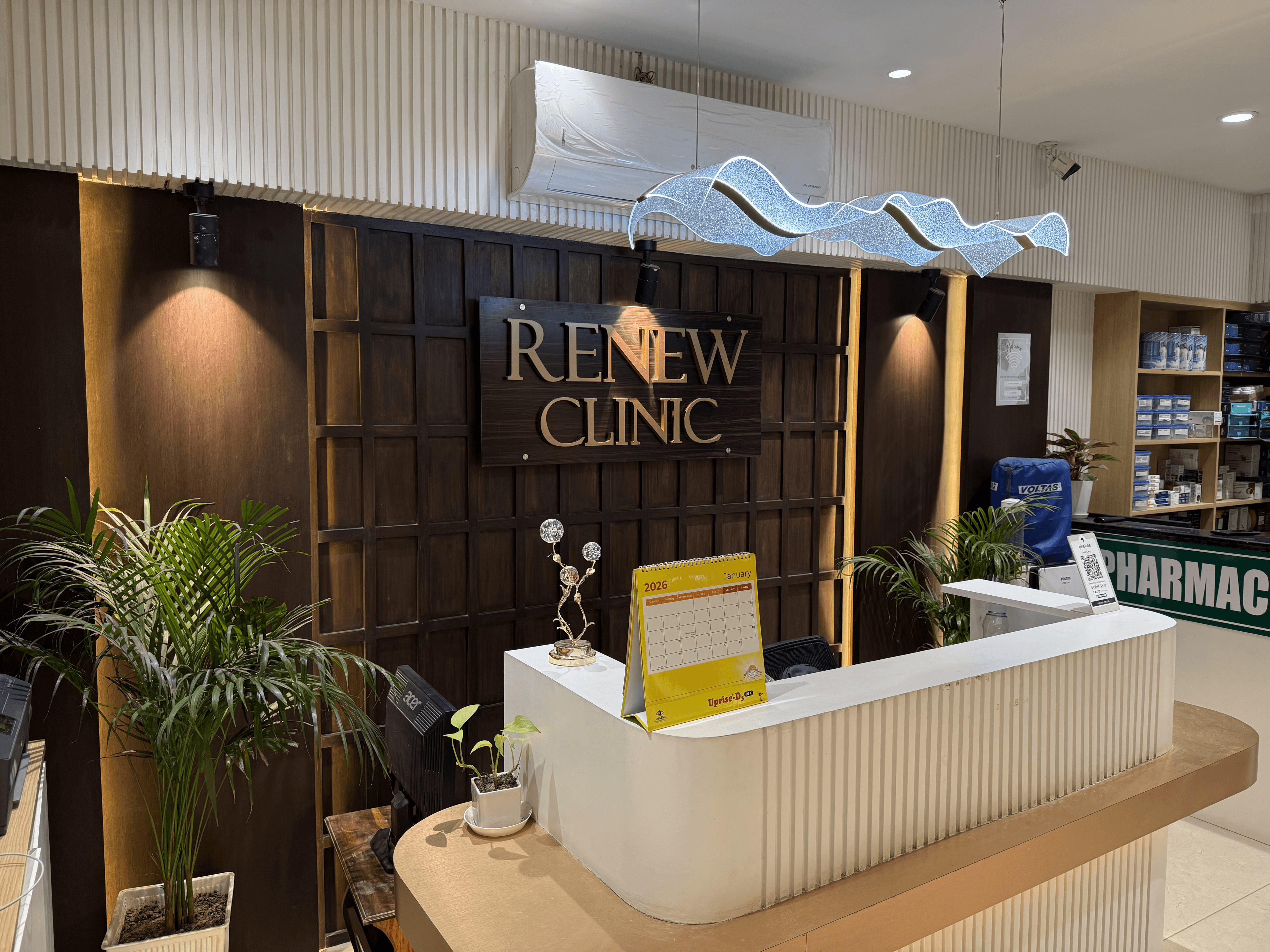
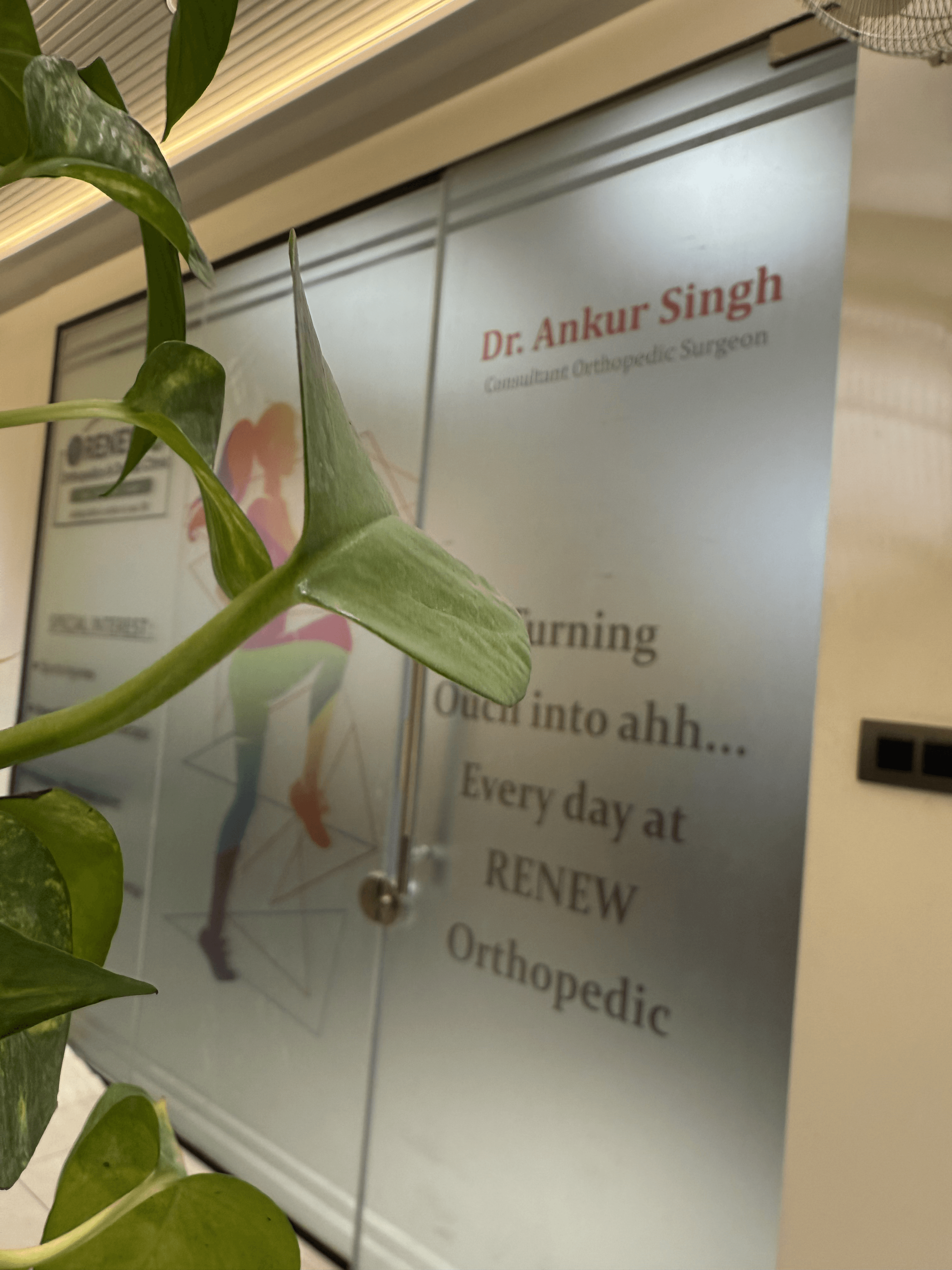
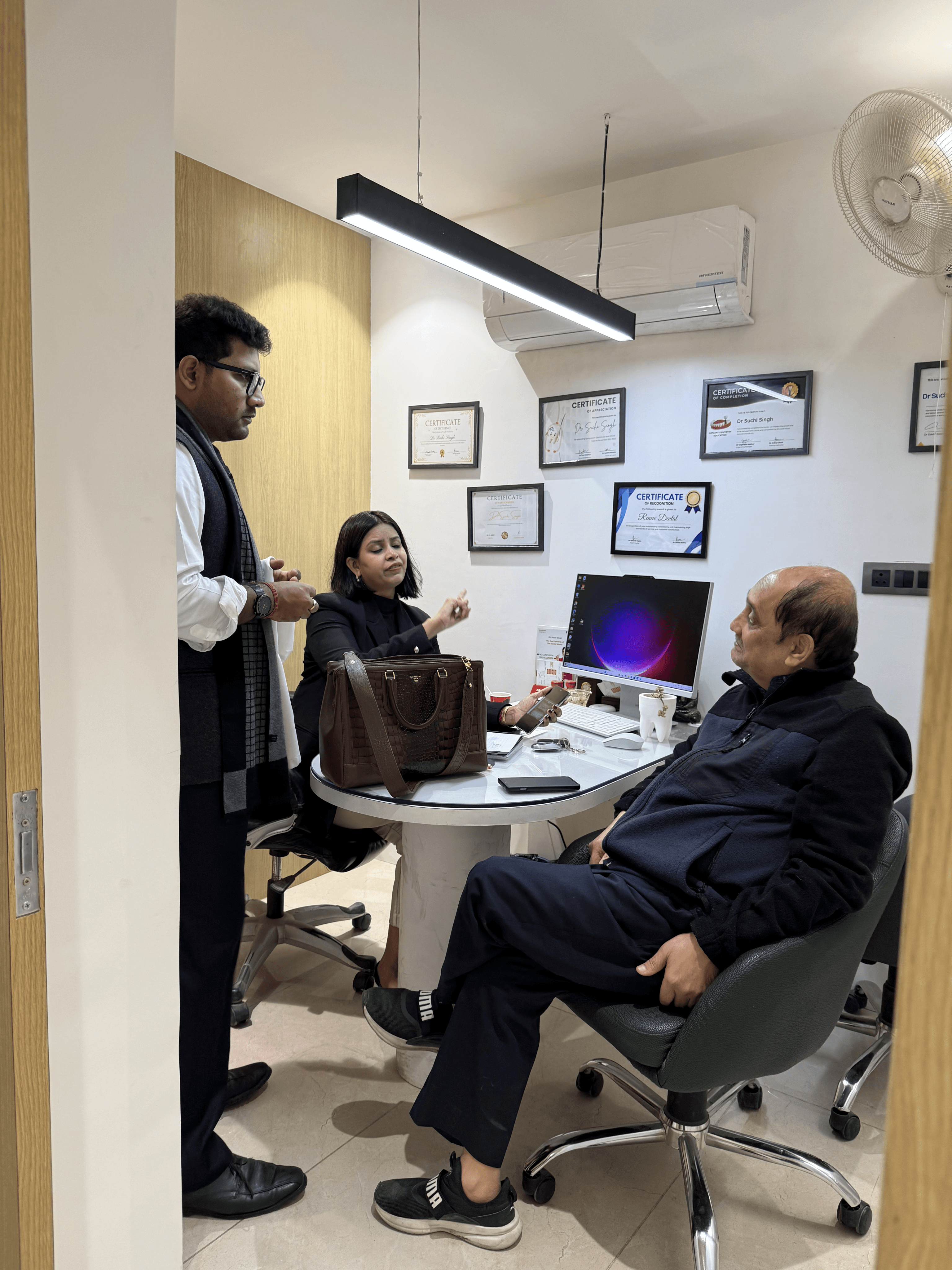
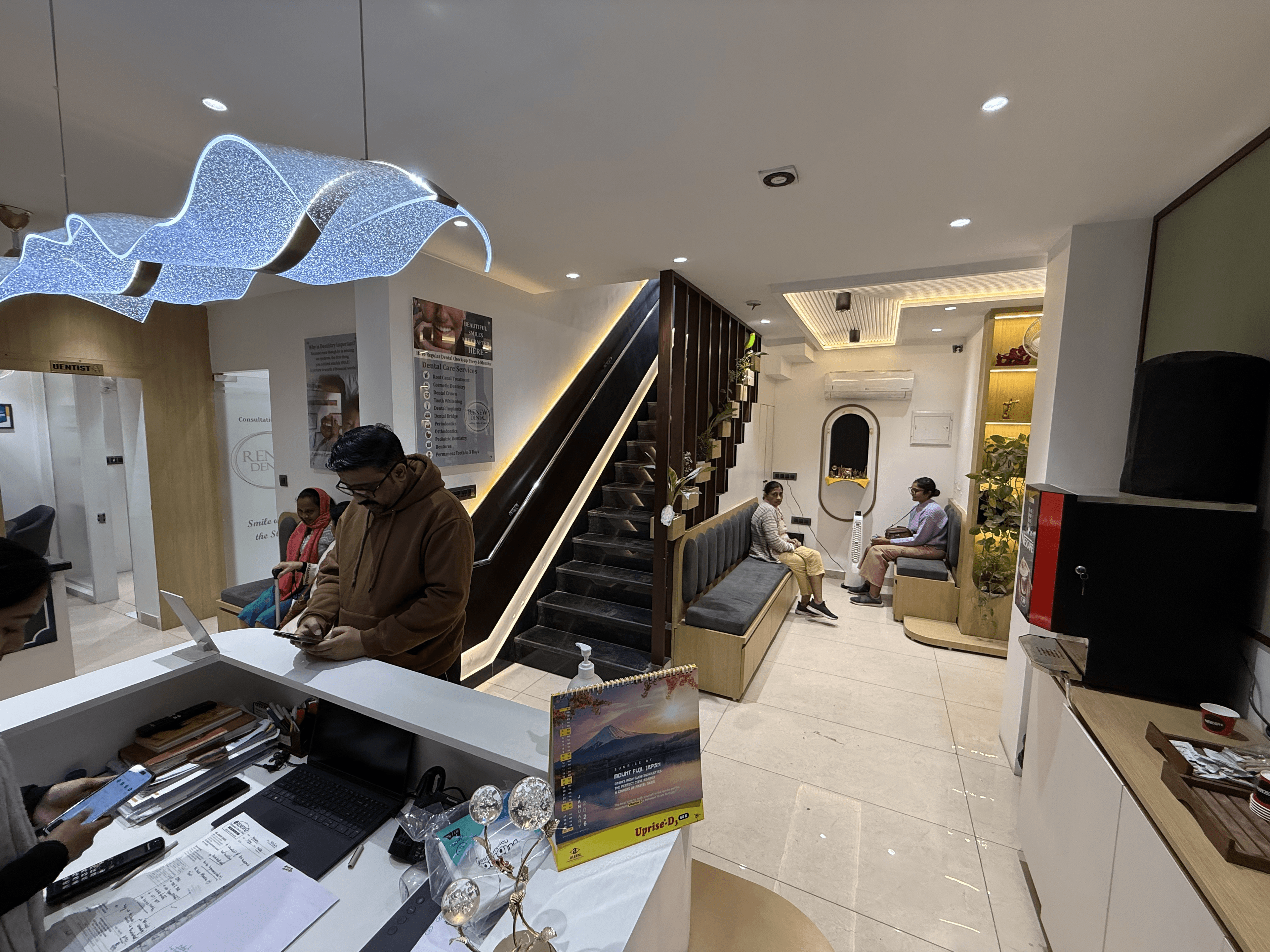
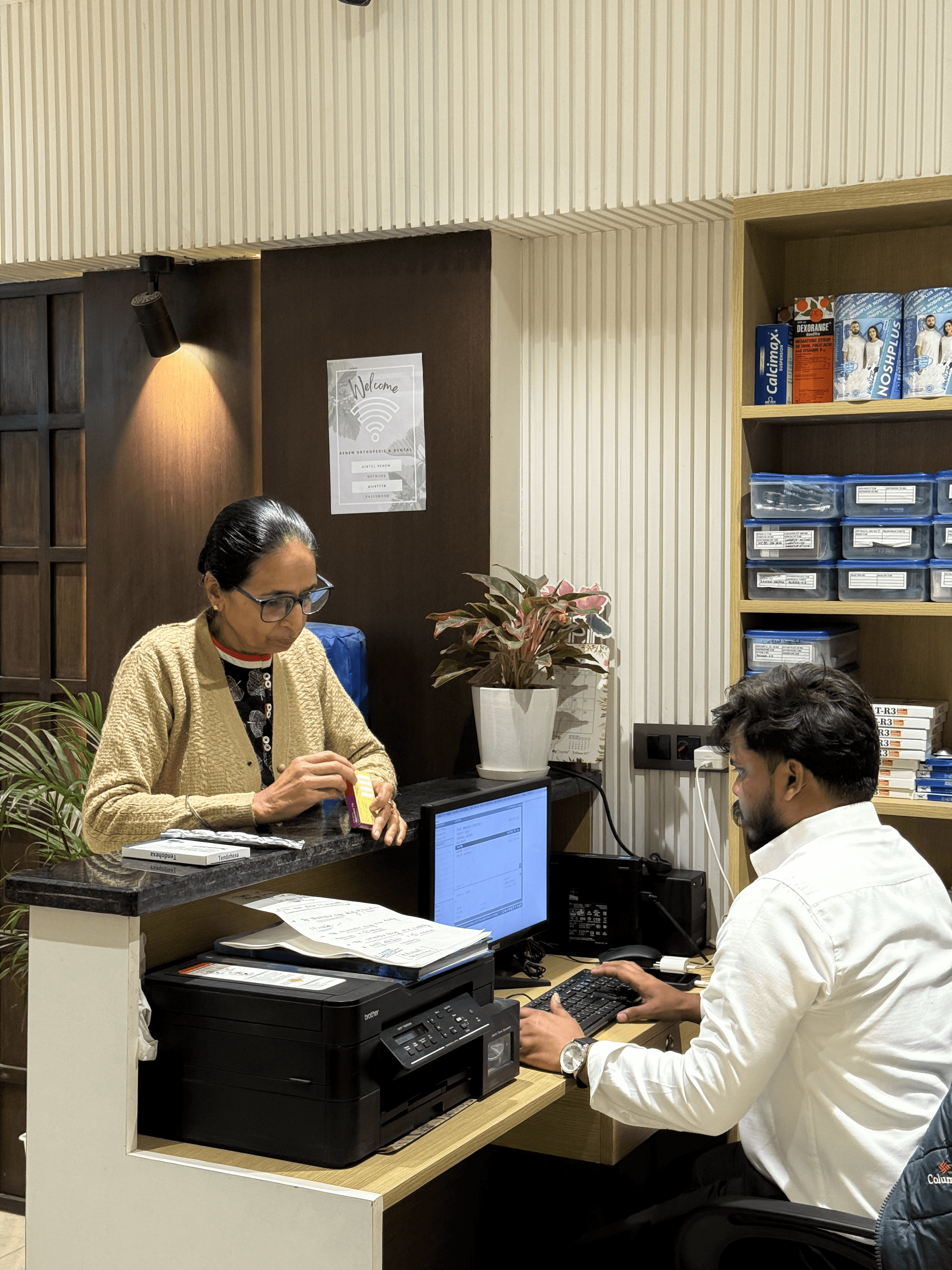
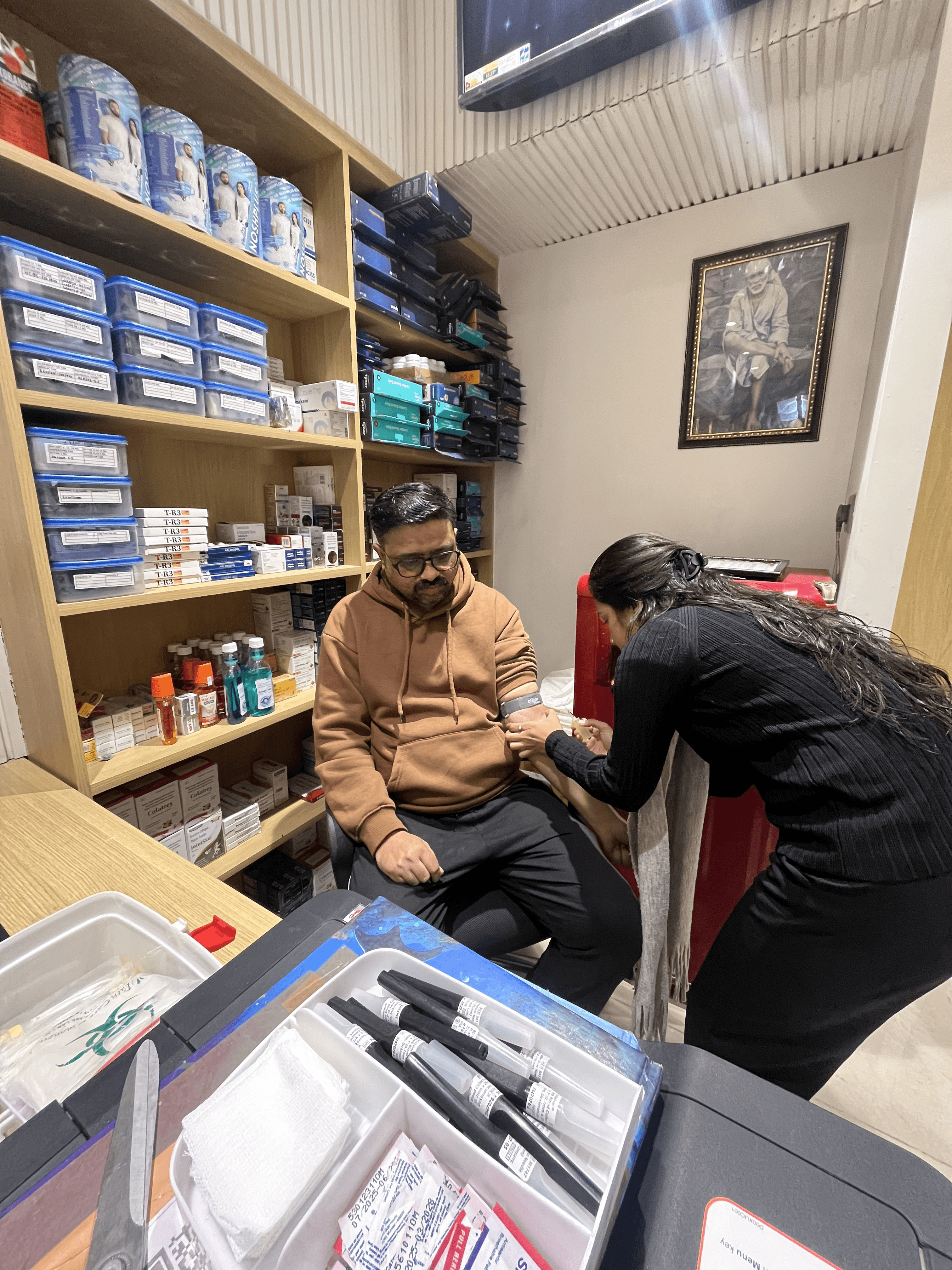
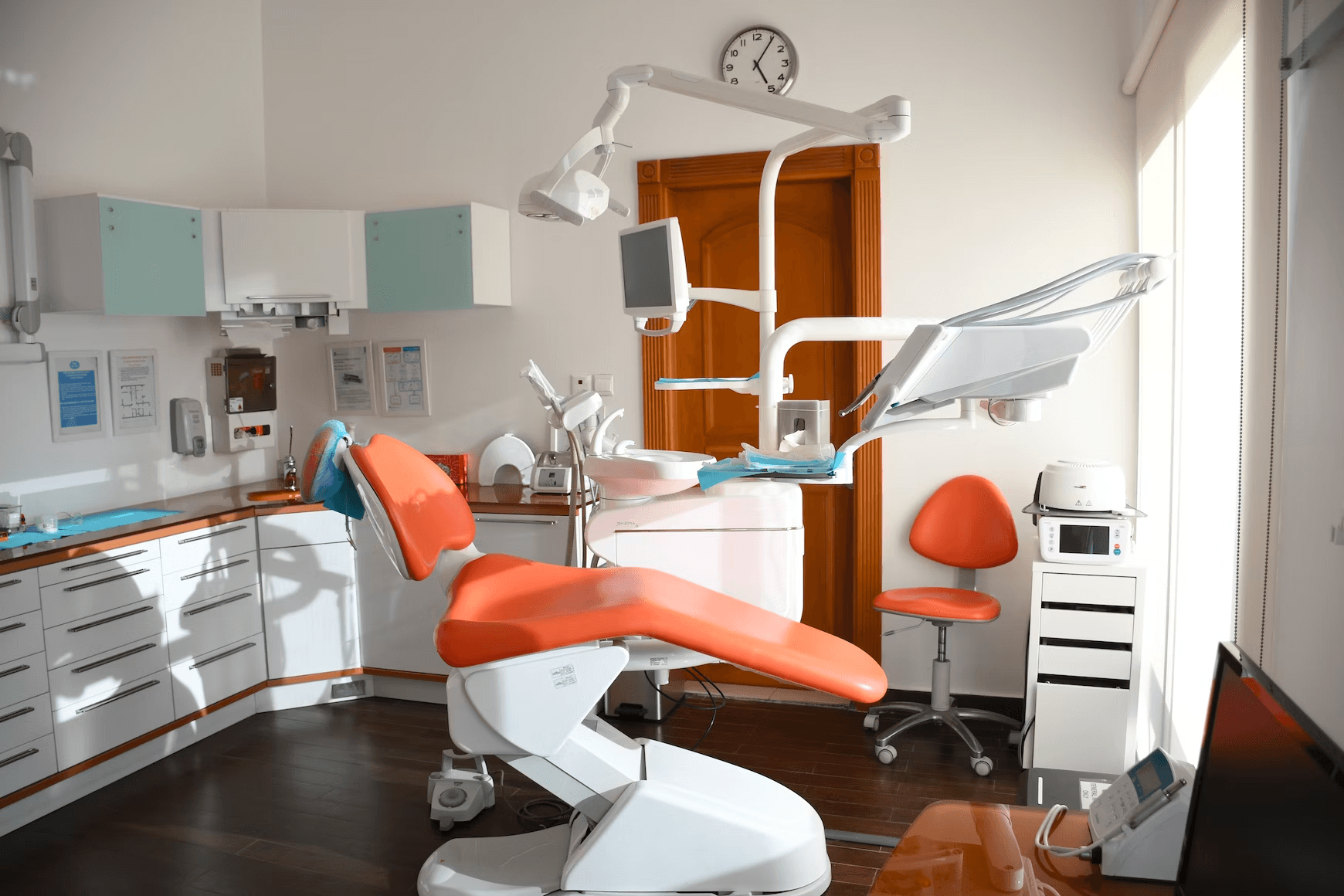
A glimpse into our modern dental clinic, advanced technology, and patient-friendly environment at Renew Dental.
Explore our thoughtfully designed clinic spaces built to provide comfort, cleanliness, and a calming experience for patients of all ages.
Best Dentist in Noida
Renew Dental Clinic located in Noida, Sector 47, is one of the leading dental clinics. Founded by Dr. Suchi Singh who is widely regarded as one of the best dentists in Noida, the clinic is committed to delivering personalised and high-quality dental care. Dr. Suchi Singh focuses on customised treatment plans designed around each patient’s unique needs, ensuring advanced, comfortable and reliable dental care at Renew Dental Clinic.

Your Trusted Dental Experts

Complete Dental Care

Friendly Dental Space

No Hidden Charges
Two trusted dental clinics in Noida — Renew Dental (Sector 47) and Tooth & Truth (Sector 34) — for gentle, modern care.

Renew Orthopedic Clinic, A-321, Basement Floor, Next to Mother Dairy Store, Sector 47, Noida, Uttar Pradesh 201303
 +91 99710 35300
A-98/A, Block A, Sector 34, Noida, Uttar Pradesh 201307
+91 99710 45002© 2026. All rights reserved | Designed and Developed by Zarle Infotech