Oral Health Tips for Pregnant Women: Safe Dental Care During Pregnancy

Hormonal changes during pregnancy can increase the risk of gum disease and tooth sensitivity, making it essential for expectant mothers to maintain excellent oral hygiene.
Pregnancy causes your body to transform in incredible ways, and so does your mouth. Hormonal changes can make gums sensitive, increase the risk of tooth decay, and even lead to bleeding or inflammation. While most pregnant women focus on diet and prenatal appointments, dental care throughout pregnancy often takes a back seat. Healthy gums and teeth, however, are not just about having a gorgeous smile; it's also required for your baby's health.
In this article, we’ll explore why dental care is important during pregnancy, what treatments are safe, and how to manage common dental issues safely. You’ll also find practical oral hygiene and diet tips to keep your mouth healthy throughout all three trimesters.
Why Oral Health Matters During Pregnancy?
Pregnancy hormones progesterone and estrogen have the effect of making gums more sensitive to plaque, which can cause bleeding and inflammation. The condition, also referred to as pregnancy gingivitis, occurs in almost 60–70% of pregnant women. If left untreated, it can progress to periodontitis, a more aggressive form of gum disease that has also been associated with preterm birth, low birth weight, and complications during pregnancy.
Weak oral hygiene also leads to your mouth containing more lethal bacteria. These bacteria are sure to find their way into your blood and infect the placenta; hence, maternal and fetal well-being is very important in having a healthy mouth.
Common Dental Problems During Pregnancy
There are numerous such oral changes in pregnant women because of the hormonal change and morning sickness. It is through this that you can practice preventive care beforehand.
1. Pregnancy Gingivitis
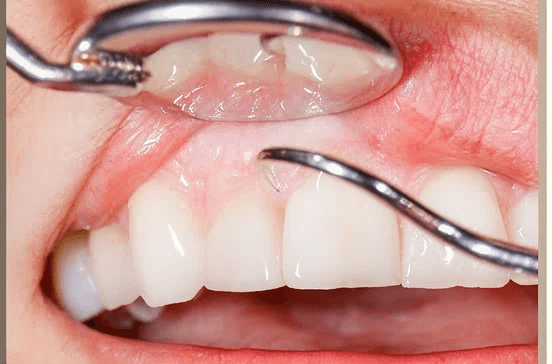
The gums become red, swollen, and bleeding during the second trimester. The heightened blood flow within the gum tissues and plaque causes the gums to become easily irritated. Brushing gently and cleaning it frequently keeps it away.
2. Tooth Decay
Morning sickness and vomiting keep the teeth in constant contact with acid, which demineralizes the enamel and leads to cavity formation. Acidic conditions enhance the proliferation of bacteria, and decay is likely to occur if not managed appropriately.
3. Pregnancy Tumors (Pyogenic Granuloma)
Pregnancy tumors are small, painless lumps on the gums that some women get. They tend to occur in sore gum tissue and even vanish after delivery. While they are harmless, food may be painful to eat, and brushing can be painful with them.
4. Dry Mouth and Bad Breath
Hormonal change and dryness may decrease saliva secretion, leading to dry mouth and halitosis. Swishing water and alcohol-free mouthwash regularly can counteract the effect.

Regular dental checkups during pregnancy are both safe and highly recommended, especially during the second trimester.
Regular dental checkups during pregnancy are both safe and highly recommended, especially during the second trimester.
Is Pregnancy Dental Care Safe?
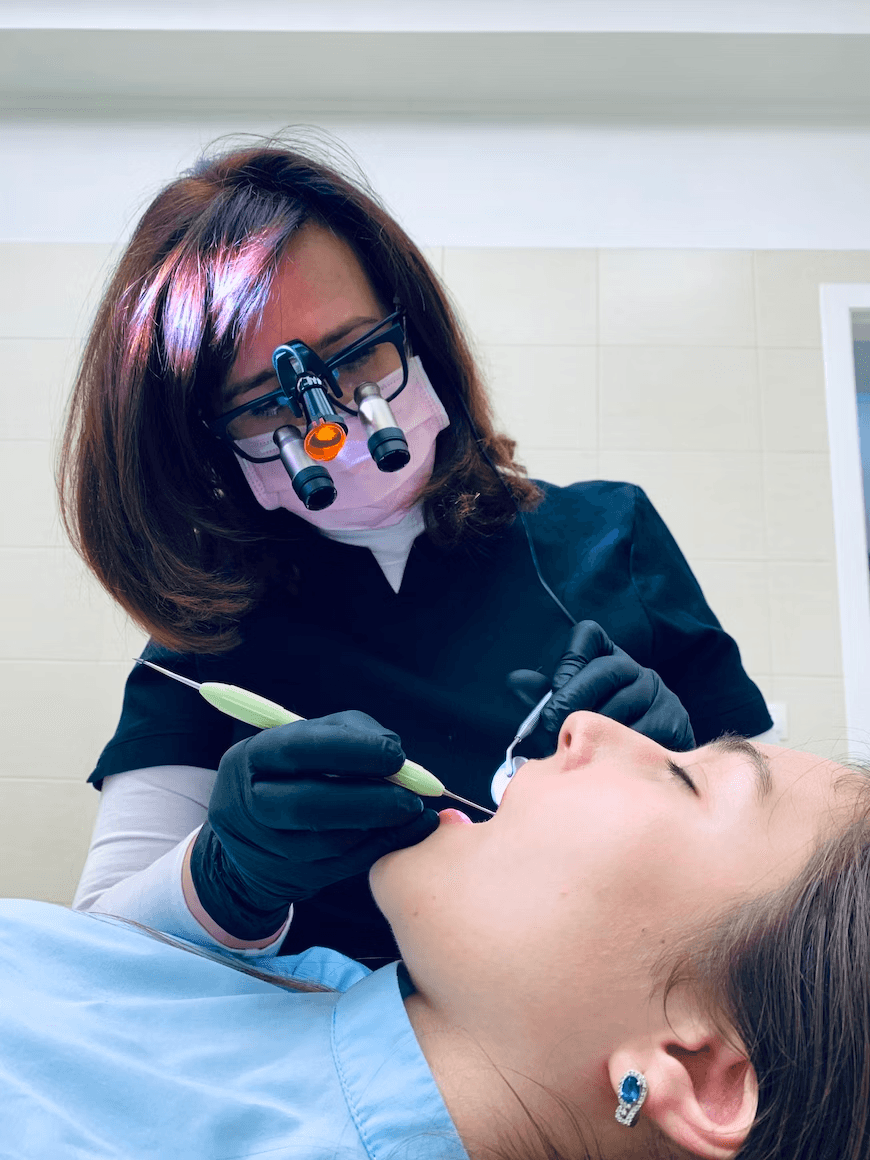
The majority of pregnant women are afraid to go to the dentist because they feel that procedures or X-rays will harm the baby. But the majority of routine dental care is safe and even advisable during pregnancy.
Dental Procedures by Trimester
First Trimester: It’s best to avoid elective dental treatments during the first 12 weeks since this is the most sensitive period of fetal development. Emergency treatments like infection or pain relief, however, should not be delayed.
Second Trimester: This is the safest time for most dental procedures, including cleanings, fillings, and scaling. You’re more comfortable, and the baby’s major organs have already developed.
Third Trimester: Reclining for extended periods of time is uncomfortable, but dental care is still acceptable. Short appointments are ideal.
Dental X-rays
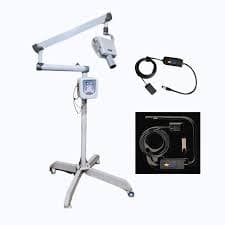
More recent dental X-rays expose the patient to very small amounts of radiation and are safe during pregnancy if proper shielding is applied. A lead apron and thyroid collar shield the mother and child. X-rays are only done if absolutely necessary, i.e., to ascertain infection or tooth fracture.
Always Inform Your Dentist
Inform your dentist ahead of time that you are pregnant and in which trimester. This allows them to select drugs, anesthesia, and treatment appropriate for you and the baby.
Precautions for Day-to-Day Oral Hygiene During Pregnancy
Having a daily oral hygiene routine is your best protection against pregnancy dental complications.
Brush teeth twice daily with fluoride toothpaste and a soft brush. Fluoride strengthens enamel and prevents cavities. Be gentle along the gumline so not to aggravate it, especially if gums are sore.
Floss daily to remove food particles and plaque in between teeth that your brush cannot reach. This simple exercise greatly reduces inflammation and bleeding.
If you are vomiting or have morning sickness, rinse your mouth with a baking soda solution mouthwash (1 teaspoon of baking soda to water in a glass). This will neutralize the stomach acid and help defend against enamel. Don't brush teeth after vomiting, as acid-softened enamel is susceptible to erosion.
Use alcohol-free, pregnancy-friendly mouthwash to freshen breath, lower bacteria levels, and not dry out your mouth.

Pregnant women should brush twice daily with fluoride toothpaste and floss gently to prevent gum bleeding and plaque buildup.
Pregnant women should brush twice daily with fluoride toothpaste and floss gently to prevent gum bleeding and plaque buildup.
Diet and Lifestyle Advice to Avoid Tooth Protection
What you eat during pregnancy influences your overall health as well as your oral health. To remain healthy in the gums and teeth:
- Avoid sweets and acidic beverages such as sodas, sweets, and fruit juices. These raise the risk of decay.
- Select calcium foods such as cheese, milk, and yogurt to support healthy bones and teeth for you and your baby.
- Chew raw fruits, vegetables, and nuts rather than processed food.
- Keep your mouth wet throughout the day by swallowing water to keep your mouth moist and prevent dry mouth, which slows down your teeth's natural defense systems.
- Avoid alcohol and smoking, not just because they're bad for your baby, but also because they lead to gum disease and tooth discoloration.
When to See a Dentist During Pregnancy
Routine dental visits are safe and strongly advised while pregnant. The second trimester (weeks 14-27) is best for elective treatment and professional cleaning.
You shouldn't postpone your visit if you have:
- Recurrent toothache or tooth sensitivity
- Gums that bleed or are swollen
- Visible swelling, pus, or abscess
- Loose teeth or persistent bad breath
If these are not disturbing you, an infection will start, which would endanger you and your baby. Routine preventive visits during pregnancy can catch gum disease's early warning signs and shield your mouth.
Conclusion
Pregnancy is a wonderful experience, and oral health has a significant part to play in it. Healthy teeth and gums mean a healthier pregnancy and child. Proper hygiene, good nutrition, and regular checkups can help avoid most of the dental problems in pregnant women.
Remember, scaling, cleaning, and oral hygiene daily are all safe during pregnancy when performed by an experienced dentist. Let not myths discourage you from getting the care that you need. A healthy smile is a healthy step towards a healthy birth and a healthy, glowing smile.
Frequently Asked Questions
1. Is scaling and polishing safe during pregnancy?
Yes, scaling and polishing are harmless and even advisable if you do have bleeding gums or tartar. They cause no harm to the baby at all, but maintain the health of the gums and avoid infection.
2. Am I allowed to take painkillers for a toothache during pregnancy?
Don't take a self-medication route. Paracetamol (acetaminophen) is generally okay, but first consult your gynecologist or dentist, and then take any drug.
3. When should I get my dental treatment?
The second trimester is the best time to get most of the dental work done because it is the most stable and comfortable time for both the baby and the mother.
4. Should pregnant women's bleeding gums be treated?
Yes. Bleeding gums signal inflammation or gingivitis and must be professionally cleaned and treated. Neglecting to do so invites gum disease.
5. Are dental X-rays safe during pregnancy?
Yes, if absolutely unavoidable. More recent dental X-rays release very low doses of radiation, and with a lead apron and thyroid collar, there is no danger to the baby. Non-emergency X-rays can be delayed, but emergent studies are safe and, at times, needed for correct diagnosis.