Is Scaling and Polishing Necessary for Teeth

Scaling and polishing are essential dental procedures for maintaining optimal oral hygiene, as they remove plaque and tartar that regular brushing and flossing cannot.
Oral hygiene extends well beyond morning and night brushing and flossing. Despite optimal home care, some stains and deposits stick around on your teeth no matter what. That is when scaling and polishing enter the picture, two routine dental cleanings that keep gums healthy and teeth brilliantly white. Yet too many steer clear of them out of fear of sensitivity or damage to the teeth.
This article puts all of these myths to rest and sets the whys of scaling and polishing, how to do it, how frequently you should get it done, and what to expect afterward.
What Are Scaling and Polishing in Dentistry?
Dental scaling is a professional dental cleaning in which hardened plaque (tartar or calculus) is professionally removed from teeth, both above and below the gumline. Polishing, however, smooths out the tooth surface after scaling so that new plaque finds it more difficult to stick.
Tartar can't be brushed or flossed away. It develops when plaque, a sticky substance composed of bacteria, is hardened by minerals in your saliva. It can lead to gum inflammation, bad breath, and eventual tooth loss if not addressed.
Although it is a routine preventive treatment, there are people who shun scaling because of myths that it "weakens" teeth or makes them sensitive for life. Unlike the myths, facts are very contrary; scaling and polishing do really help guard your gums, lead to better oral health, and make your teeth cleaner for a longer period.
What Happens During Scaling and Polishing?
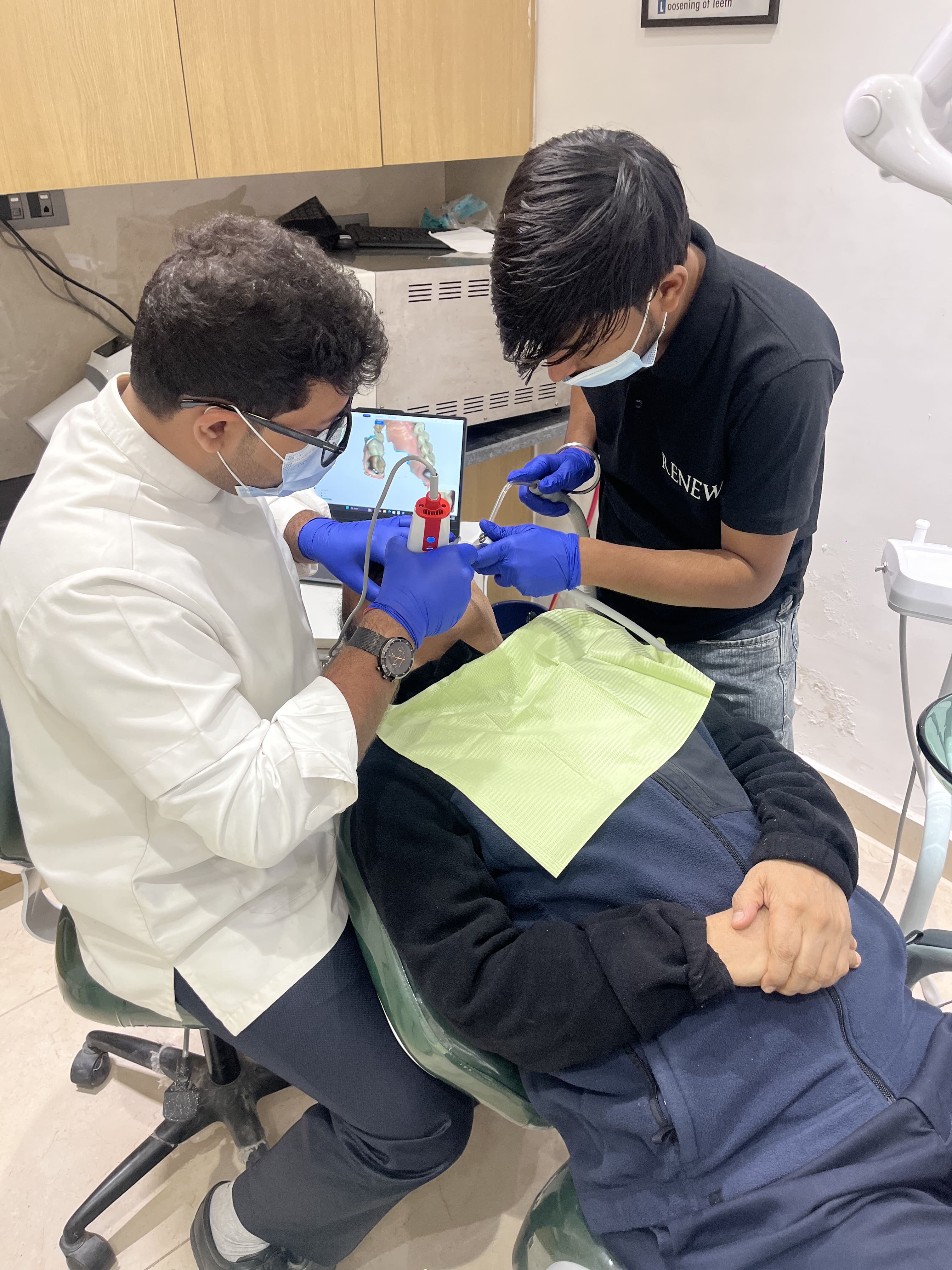
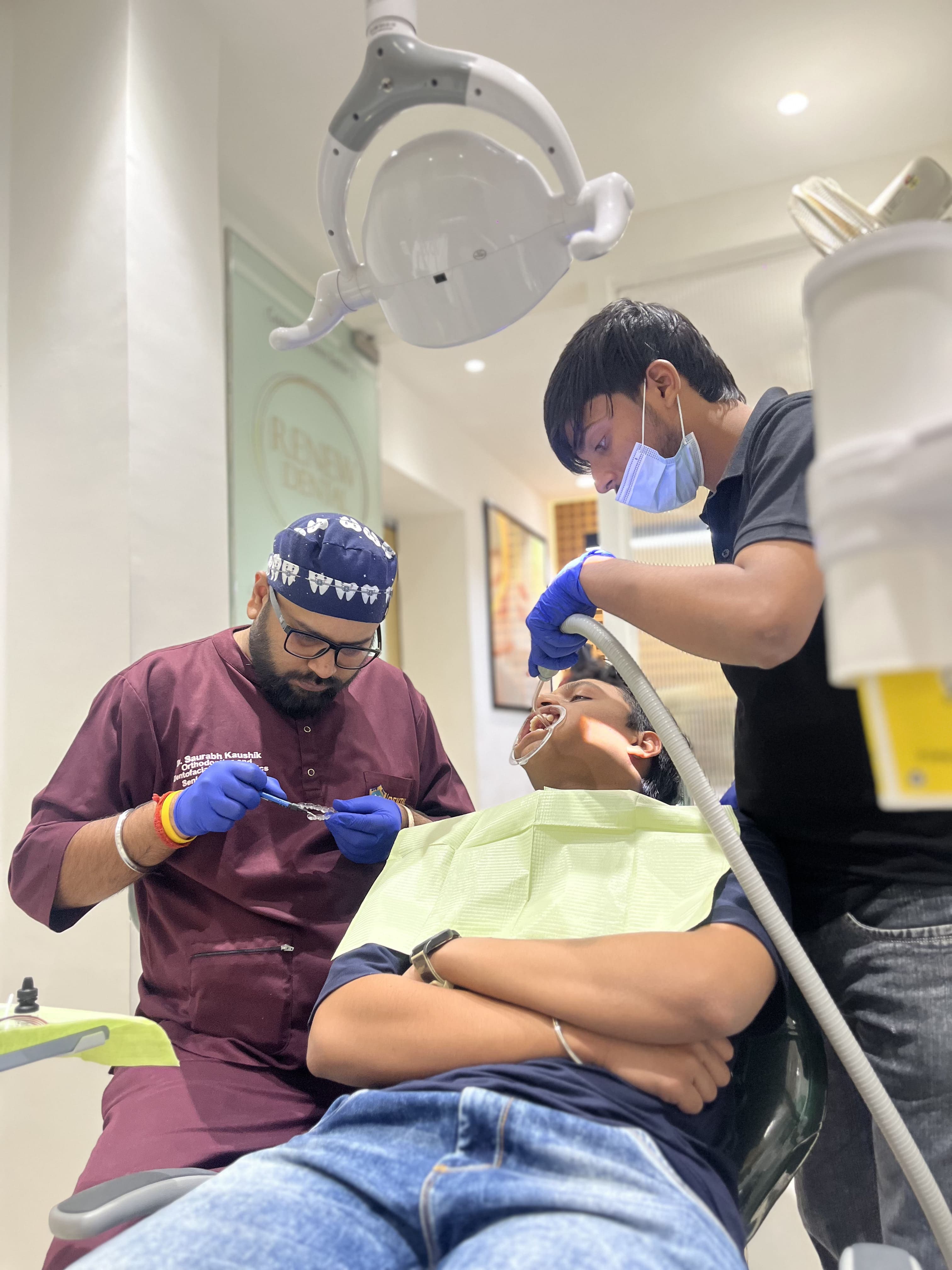
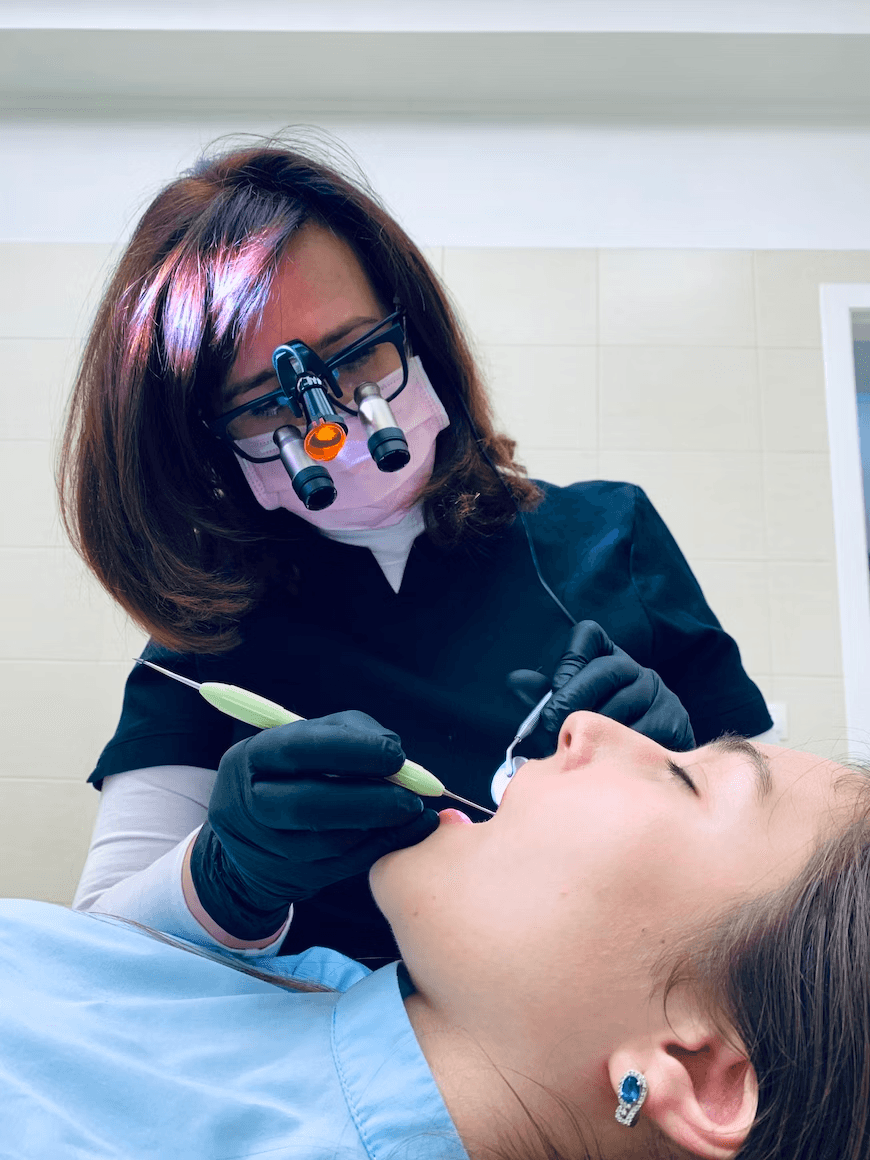
During your visit to the dentist, the dentist will first check your mouth for the amount of plaque and tartar deposits. They then go ahead with the scaling procedure using either a manual scaler or an ultrasonic scaler.
Manual scaling entails the use of manual devices to remove tartar on the tooth surface and below the gum line.
Ultrasonic scaling employs high-frequency vibration and ultrasonic fine water spray to safely remove hardened deposits effectively.
The teeth are then polished by the dentist, which is performed using a rubber cup and polishing paste to remove the enamel surface. This makes your teeth not only shiny and clean-looking but also prevents future plaque build-up.
It's quick, painless, and safe. A typical standard session takes 20 to 45 minutes, depending on tartar accumulation.

Dental scaling removes hardened deposits of plaque and tartar (calculus) from tooth surfaces and below the gumline, preventing gum inflammation and bacterial buildup.
How Often Should You Have Scaling and Polishing?
It is the norm to scale and polish 6-12 months, or as needed, depending on oral health.
A few people do require more frequent cleanings, which include:
- Smokers: as smoking promotes tartar and staining formation.
- Diabetic patients are more prone to gum infection.
- Brace and prosthetic dental appliance wearers are more likely to retain plaque.
- Gum disease sufferers: who will require ongoing care.
Your dentist will recommend a proper schedule following an examination of your teeth and gums. Following regular cleanings prevents future painful and expensive dental problems.
Advantages of Scaling and Polishing
Scaling and polishing have several oral health, cosmetic, and hygiene advantages. Some of the most important ones are:
1. Prevents Gum Disease
Tartar removal removes plaque-causing bacteria, leading to gum infections, bleeding, and inflammation. Scaling daily maintains your tooth-supporting structures healthy and strong.
2. Freshens Breath
Halitosis or bad breath usually occurs due to plaque, tartar, or food particles between teeth. Cleaning removes such odor-causing material and leaves your mouth fresh and clean.
3. Reduces Tooth Decay Risk
As tartar accumulates, it reacts with acids produced by bacteria that create cavities. Scaling off the film, which covers enamel and wards off decay.
4. Reveals Smile Aesthetics
Polishing is not bleaching but eliminates surface stains from coffee, tea, or tobacco. Visible, cleaner, smoother, whiter-looking teeth are the outcome.
5. Encourages Overall Health
They have also been associated with heart disease, complications of diabetes, and lung infection. A healthy mouth is good for overall well-being.
Possible Risks or Side Effects
Scaling and polishing are safe for nearly anyone. Temporary effects may result, though:
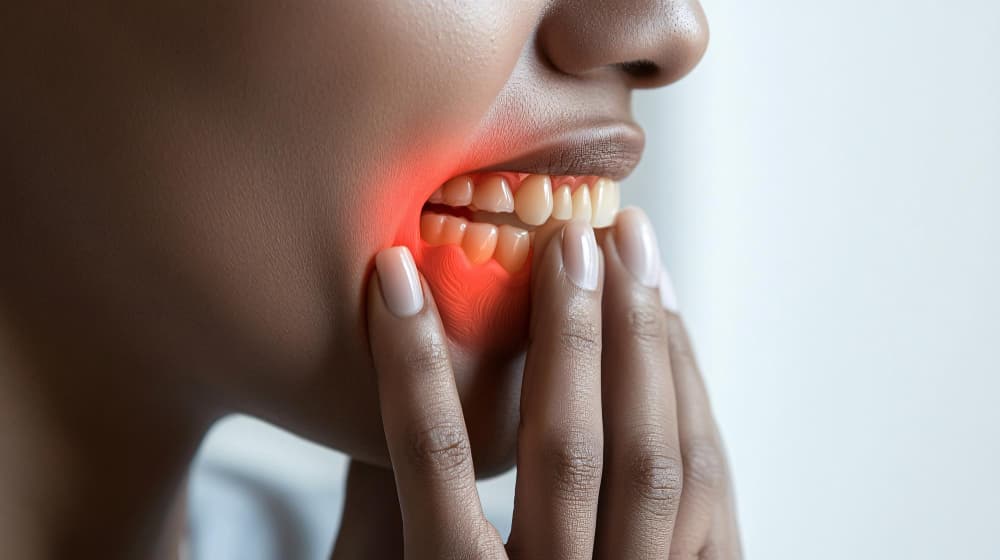
- Mild gum soreness or sensitivity for one or two days
- Light bleeding on treatment (especially if gums are inflamed)
- Mild discomfort on removal of embedded tartar deposits
These are temporary reactions and disappear soon. Dentists may delay scaling if you have acute gum infections, mouth ulcers, or some systemic diseases until the inflammation subsides.
The secret is to have the procedure completed by an experienced and skilled dentist using proper sterilized instruments and a sensitive technique.

Polishing smoothens the surface of the teeth after scaling, reducing the likelihood of new plaque formation, while also helping remove surface stains caused by coffee, tea, or smoking.
Who Should Not Postpone Scaling?
If you observe any of the following warning signs, an early dental cleaning session is indicated:
- Yellow or brown tartar at the gumline
- Persistent bad breath even after brushing
- Gums bleeding while brushing or flossing
- Swollen or receding gums
- Wobbly or loose teeth
Postponing scaling in this instance will cause permanent harm to the gums, bone loss, and even the loss of a tooth. Regular cleanings prevent these complications from happening.
Instructions for Home Oral Care Following the Procedure
Your teeth and gums will be clean and smooth following scaling and polishing. To keep it so and avoid too much tartar accumulation:
- Do not eat or drink anything for 30 minutes after treatment.
- Brush lightly with a soft-bristle toothbrush twice a day.
- Enamel hardening with fluoride toothpaste.
- Rinse with antibacterial mouthwash daily.
- Avoid smoking, tea, coffee, and colored food for at least 24 hours.
- You will get daily flossing out of debris and will also avoid the formation of plaque.
Good oral hygiene and frequent dental checkups will provide you with long-term freshness and healthy gums.
Conclusion
Is scaling and polishing absolutely necessary? Yes, it is. If tartar or plaque is present, then not having the treatment done can result in gum disease, tooth decay, and bad breath. Short of causing damage, scaling is likely to be one of the best prophylactic treatments that can be performed on you for a lifetime of perfect oral health.
Let's call it an investment worth a few bucks to avoid enormous dental issues later on. Six- to twelve-monthly cleanings on a regular basis, along with good home care, are the keys to healthy gums, fresh breath, and denture-free smiles.
Frequently Asked Questions
1. Is scaling of teeth painful?
No, scaling does not hurt. You may feel vibration or pressure, but not pain. If your gums are painful, your dentist will administer a local anesthetic so you will be comfortable.
2. Does scaling loosen teeth?
Not at all. Scaling gets rid of tartar that kills gums and bone. If you experience a tooth becoming loose after scaling, it was loose to begin with due to gum disease; scaling simply revealed the actual condition.
3. Will scaling make my teeth whiter?
Scaling will not make your teeth whiter but will get rid of the stains and deposits, making your teeth cleaner-looking, smoother, and brighter.
4. How long does it take?
A standard session lasts 20-45 minutes, and deep cleaning takes longer or is divided into visits based on the tartar.
5. Is scaling safe during pregnancy?
Yes, scaling is safe and even advised if you bleed or inflame your gums. Only elective cosmetic procedures must be delayed until after giving birth.