How to Fix a Chipped Tooth: Best Fixing Options & Price List 2025

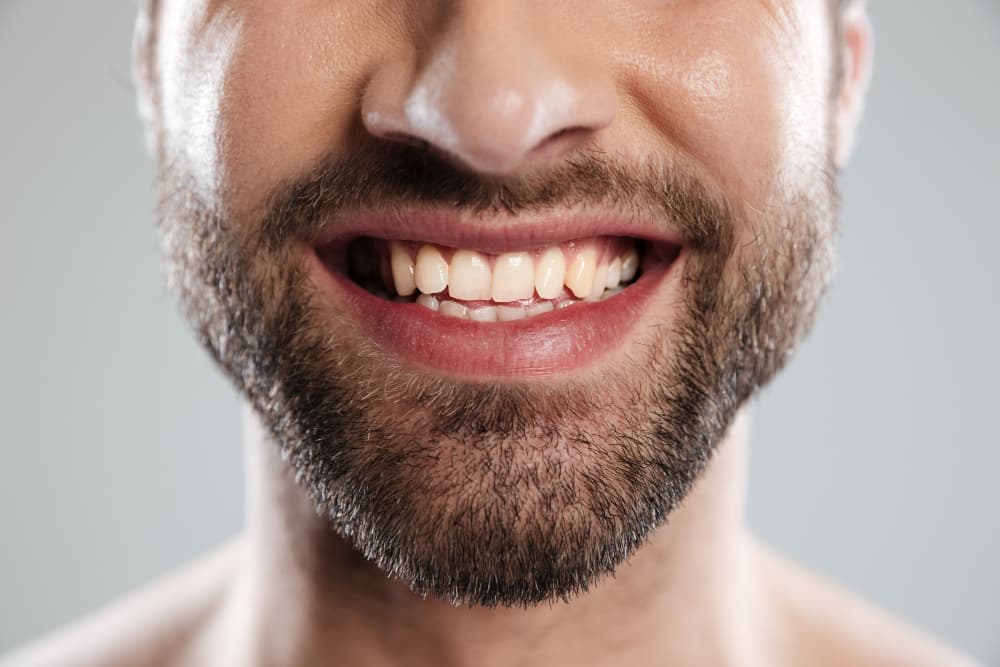
A chipped tooth occurs when a small part of the tooth breaks off, often due to biting hard objects, accidents, sports injuries, or tooth decay weakening the enamel.
You're munching on your go-to snack and suddenly, crunch! You bite down on something hard that sure isn't a snack. You stick your finger in your mouth, and there it is: a chipped tooth. It occurs more often than you can even imagine. From biting down on hard candy or ice to surprise sports trauma, chipped teeth occur to anyone, at any age.
A chipped tooth is actually a crack or break in your enamel, the hard outer layer of your tooth. Depending on its size and how deep it goes, it could look like nothing more than a cosmetic imperfection or become something that must be fixed right away.
To disregard even the tiniest chip is not an option. A fractured tooth can expose sensitive layers underneath and lead to pain, infection, or more fracturing. The good news is dentistry has a host of solutions for cracked teeth, anything from fast band-aids to long-lasting restorations, available to fit every budget.
When You Should See a Dentist Urgently?
Not every chipped tooth is an emergency, but there are certain cases where it is. Do not wait to go see a dentist if your chip is painful, bleeding, or deep.
You need to go see a dentist immediately if:
- There's sensitivity or pain, especially with eating and drinking.
- There's bleeding or nerve exposure, or there is deep crack or break.
- The chip is jagged and keeps cutting your tongue or cheek.
- You see swelling, pus, or a foul taste in your mouth, all signs of potential infection.
Even if the damage looks minor, it is better to have it checked out. A small chip can hide a more extensive crack that with time can worsen. The earlier it is repaired, the less likelihood of incurring expensive treatments later.
Treatment Options Based on Severity
There is no one solution for a chipped tooth. The appropriate solution depends upon how badly damaged the tooth is, where it is occurring, and your general state of teeth. Let's review the most typical solutions, from simplest to most high-tech.
1. Small Chips: Dental Bonding
If your tooth has a small chip or jagged edge, the simplest, most affordable solution is dental bonding.
Your dentist cements a tooth-colored composite resin onto the broken area, shapes it to match the natural form of your tooth, and hardens it with a special light. It's quick, painless, and typically completed in one visit.
Bonding works well for small cosmetic fixes, like small chips on front teeth. The look is smooth and natural, though bonding isn't as long-lasting as 5-7 years before touch-up might be required.
2. Cosmetic Aesthetic Chip on Front Teeth: Veneers
If the chip is located on a front tooth and more visible, veneers would be an appropriate solution. Veneers are very thin, individually customized shells that cover the front of your teeth to make them look more aesthetically pleasing and well-shaped.
You can have porcelain veneers (more durable, more natural appearance) or composite veneers (faster, less costly). Your dentist typically recommends veneers when there is a cosmetic look problem, especially if multiple front teeth are cracked or crooked.
Porcelain veneers will last 10–15 years when well maintained, so it is a long-term investment.
3. More Severe Visible Damage: Dental Crown
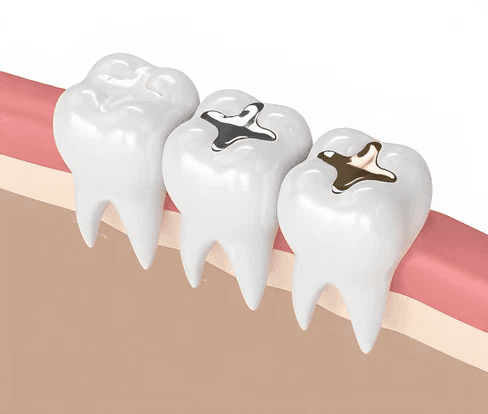
If the chip is large or alters the tooth's shape, your dentist might need to fit a dental crown. A crown covers the entire tooth like a cap, returning it to its normal shape, strength, and function.
There are different varieties:
- Metal crowns – tough but not very cosmetic, usually for back teeth.
- Ceramic or porcelain crowns – appear invisible when placed beside well-lookin' teeth.
- Zirconia crowns – give strength and excellent looks.
Treatment is done by recontouring the tooth, taking an impression, and cementing in a crown in one or two visits. A properly constructed crown will last 10–20 years, depending on the health of the mouth and the type of material used.
4. Advanced Crack with Nerve Involvement: Root Canal and Crown
If the chip is deep enough to expose the pulp or nerve, you’ll likely need a root canal before getting a crown. This might sound scary, but root canals today are nearly painless and highly effective.
During the procedure, your dentist removes the infected or exposed nerve tissue, disinfects the area, and seals it. Then, a crown is placed to protect the remaining structure.
This two-step process not only saves your original tooth but also guards against infection and subsequent decay. With ongoing care, a root canal tooth will endure for decades.
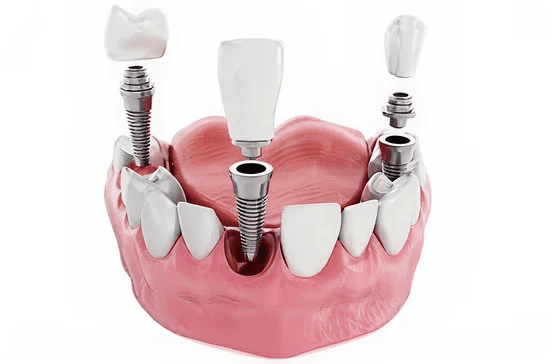
5. Tooth Cannot Be Preserved: Extraction and Implant or Bridge
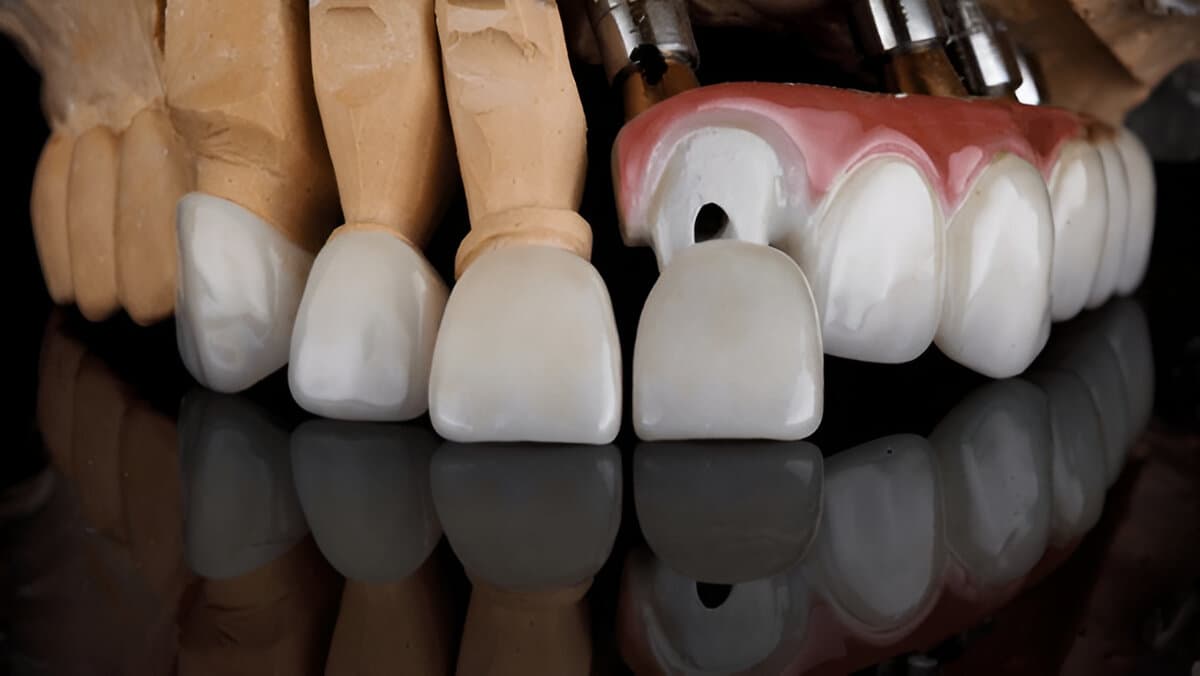
Sometimes the tooth is damaged so severely that it cannot be saved. If this is the case, your dentist can suggest extraction with an implant or a bridge.
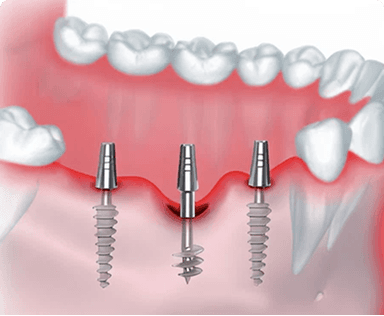
An implant is a titanium post placed in the jaw and a cemented-on crown on top of that, one look and feel exactly like a natural tooth. Bridges, on the other hand, are held up by the adjacent teeth.
More expensive initially, but lasting 20+ years, implants preserve bone structure and do not affect neighboring teeth.

Even minor chips should be evaluated by a dentist, as they can expose the inner layers of the tooth to bacteria, increasing the risk of infection or further damage.
Cost Comparison: What to Expect
Dental procedure fees would vary depending on location, material, and level of treatment involved. Here is an estimated figure of what you will be required to pay in 2025:
- Dental Bonding: ₹1,500 – ₹4,000 per tooth (the most affordable in the pack).
- Composite Veneers: ₹5,000 – ₹10,000 per tooth.
- Porcelain Veneers: ₹10,000 – ₹25,000 per tooth.
- Dental Crown: ₹8,000 – ₹25,000 depending upon material (metal, ceramic, or zirconia).
- Root Canal and Crown: ₹10,000 – ₹30,000 both combined.
- Dental Implant: ₹25,000 – ₹60,000 and more based on the experience of the doctor and the brand.
Prices depend on the amount of damage, position of teeth, doctor's experience, material type, and whether some extra treatments (such as X-rays or anesthesia) are bundled in.
Although implants and crowns are more expensive upfront, they will last longer and save on future dental cost, thus being cheaper in the long term.
Home Remedies for Now Until Your Dentist Visit
If you cannot visit a dentist right away, some temporary safe procedures can be done at home to stabilize the tooth and reduce pain:
- Cover rough edges with dental wax or sugar-free chewing gum to prevent tongue or cheek cutting.
- Rinse with warm saltwater to reduce bacteria and infection.
- Take small amounts of pain medication like paracetamol if in pain.
Don't try DIY repair such as applying super glue or filing down the tooth. These can severely harm the tooth or release poisons. And don't wait for help, chips can turn into a worse problem if not taken care of.
Prevention Tips to Keep Your Tooth from Chipping Again
Once you've fixed a chipped tooth, you want to prevent it from happening again. Small habits you adopt in your daily life can make big differences.
If you're very physically active, wear a mouthguard during the activity to protect yourself from unintentional blows. If you grind your teeth at night, use a night guard to remove the anxiety that results in cracks. Bite nothing hard like ice, pens, or bottle caps, don't, it's one of the primary reasons why individuals have chipped teeth. Prioritize getting erosion of the enamel addressed early because weakened enamel makes your teeth susceptible to cracks and breaks.
Don't skip regular dental check-ups, these catch small problems before they become large, costly ones.

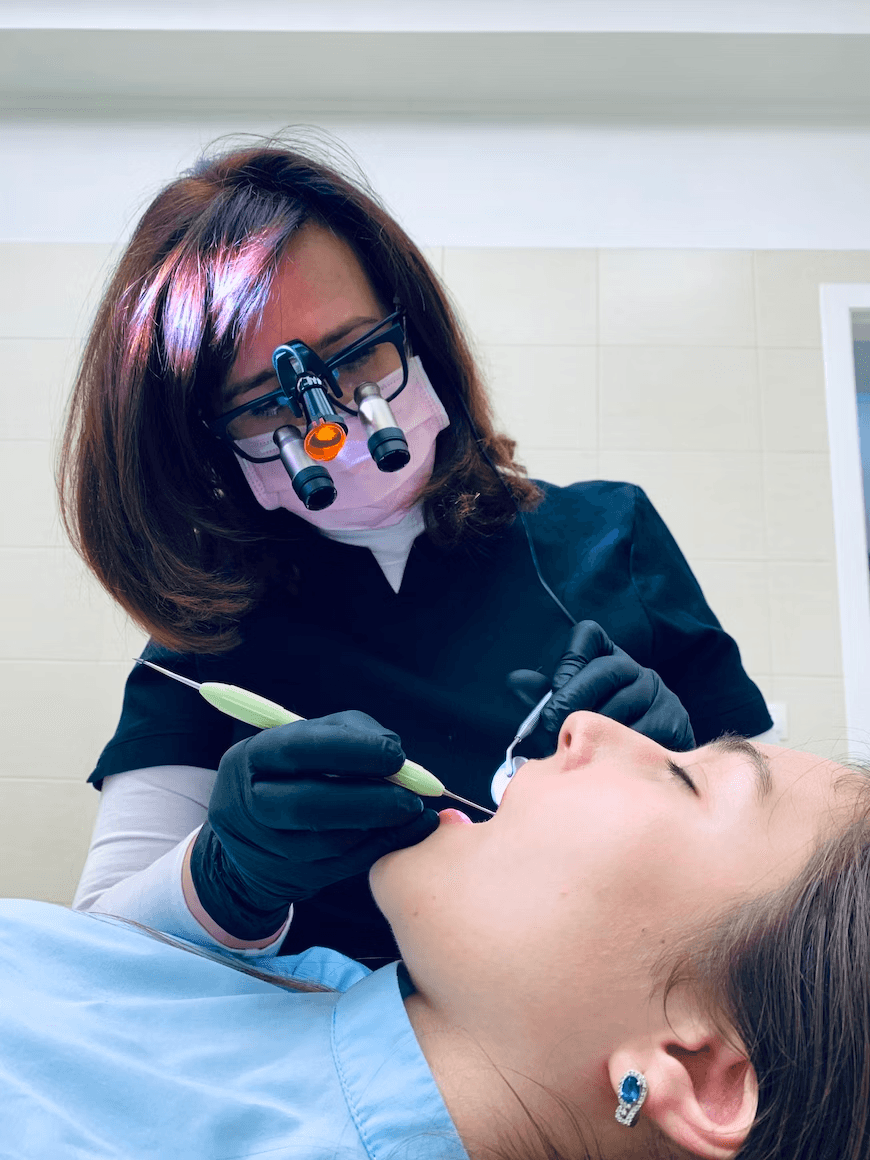
Dental bonding is the most common solution for minor chips, where a tooth-colored composite resin is shaped and hardened with UV light to restore the tooth’s appearance and function.
Conclusion
A broken tooth may seem harmless at first, but it is better to act fast before more significant, and costly, problems arise in the future. Whether it is a simple bonding treatment or a complete implant, there are now dentistry solutions for every budget and need.
The trick is not to wait. The sooner you get it repaired, the cheaper and faster it is. Your smile is one of your greatest possessions, protect it, do not wait.
Healthy teeth are not a fad, they're confidence, comfort, and future health. So if you've chipped a tooth, take that as your cue to act now and smile larger again in no time!
Frequently Asked Questions
1. Is a chipped tooth an emergency?
No. Tiny chips that are not sensitive or painful can typically wait a couple of days to be repaired. If bleeding, edginess at the chip, or pain on eating or drinking, better to see the dentist immediately. Even small chips need to be checked so no more cracks are occurring.
2. Will a chipped tooth heal itself?
No, sorry. Chipped enamel doesn't grow back on its own. Minor chips, however, can usually be fixed merely by having them smoothed and polished out with a dental bonding or polishing procedure. Otherwise, they may wear more or rot after a while.
3. Dental bonding of chipped teeth how long?
Dental bonding typically lasts 5 to 7 years, depending on diet and oral hygiene. Don't bite down on hard objects, or use your teeth as tools, and your bonding will be even longer. Check-ups enable your dentist to re-polish or touch-up the area as needed.
4. Is a veneer an adequate substitute for chipped teeth in place of crowns?
It depends on the severity of the damage. Veneers are okay for cosmetic repair of anterior teeth with a high amount of structure intact. Crowns are better if there is tremendous structural damage or cracking. Your dentist will recommend one over the other based on looks and longevity.
5. Is having a chipped tooth repaired painful?
Most chipped teeth are not painful to fix. Drilling and bonding or veneer is a minor and painless procedure requiring little or no anesthetic at all. Local anesthetic renders you pain-free in case of more severe cracks requiring a root canal. A bit of discomfort afterwards is normal and will soon pass.