5 Most Common Dental Issues and Prevention

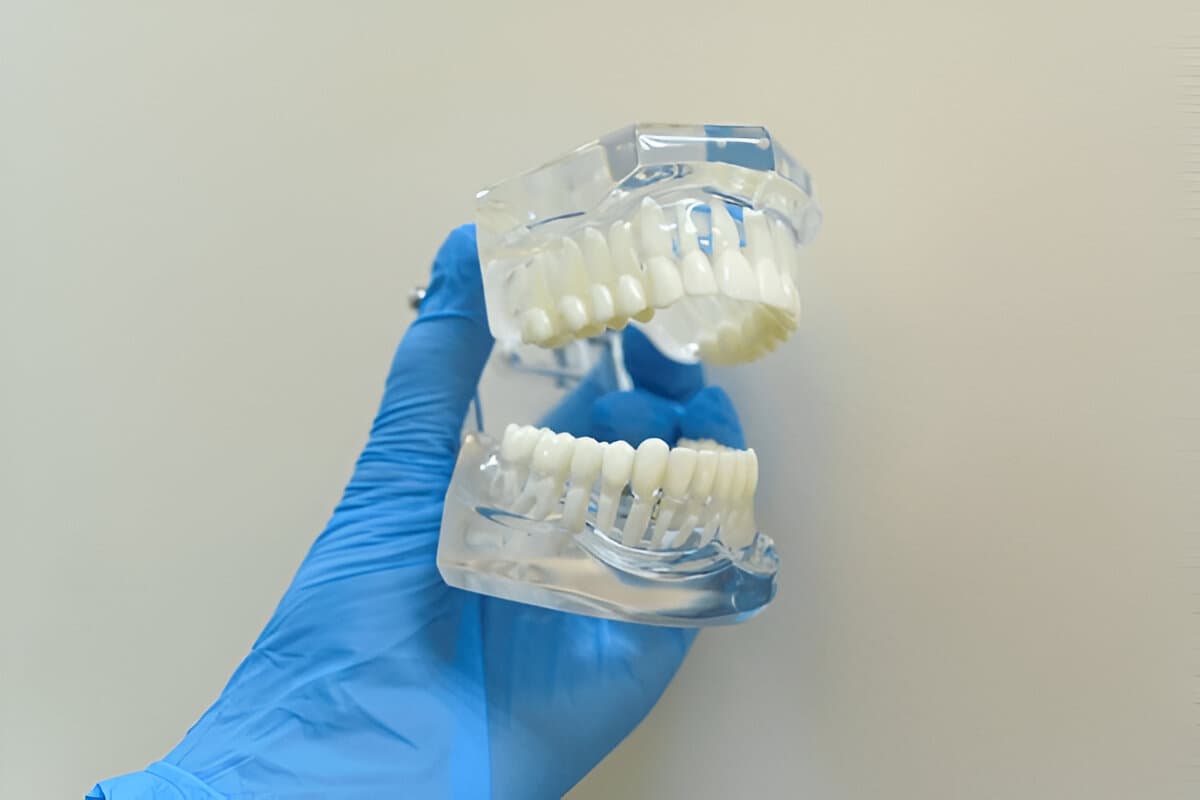
Healthy teeth are usually slightly off-white or light yellow because of the dentin layer beneath the enamel.
Oral health is a part of overall well-being, but one often overlooked until it's painful or runs out of hand. The majority of people battle with common oral health issues like cavities, gum infections, or bad breath, but the good news is that most can be avoided through regular maintenance. A healthy grin not only maintains your sparkling whites but also your overall well-being.
Prevention is better than cure. Small, daily precautions in taking care of your teeth can save you a great deal of time, money, and pain in the long run. In this blog entry, we will enumerate the top 5 most frequent dental conditions, their causes, and easy ways of avoiding them to maintain a healthy and pain-free mouth.
Why Dental Issues Should Not Be Ignored?
Your mouth health directly connects to your general health. Poor mouth health will make bacteria in the mouth get into the bloodstream and even affect your heart, lungs, and even your digestive tract. Periodontal disease has been linked to diseases like heart disease, diabetes, and lung infections in studies.
Failure to notice initial symptoms of mouth problems, such as toothache, sensitivity, bleeding gums, or persistent bad breath, could let minor problems escalate into serious ones. A relatively small cavity, for example, if not addressed, will become infected or lead to the loss of a tooth.
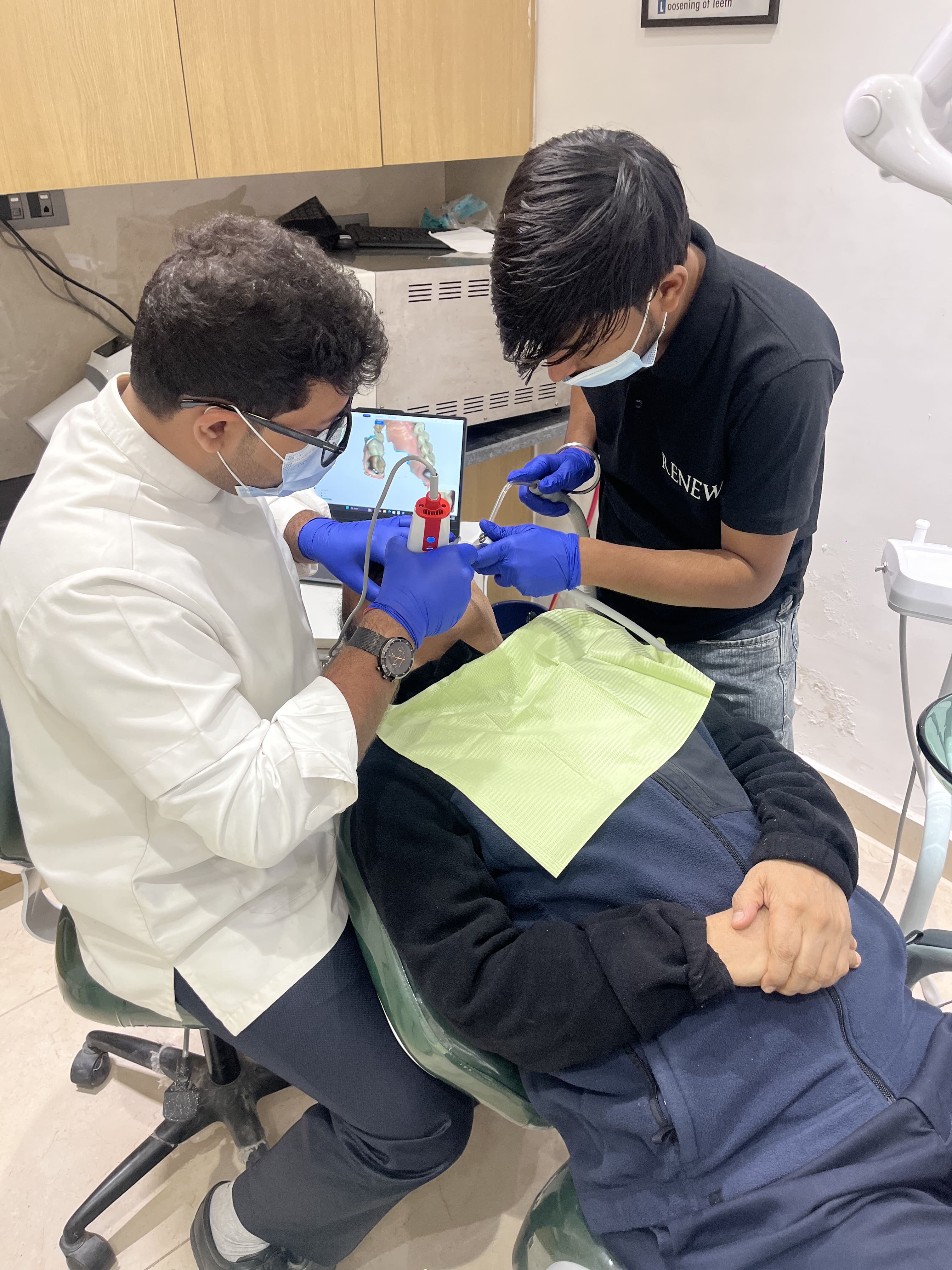
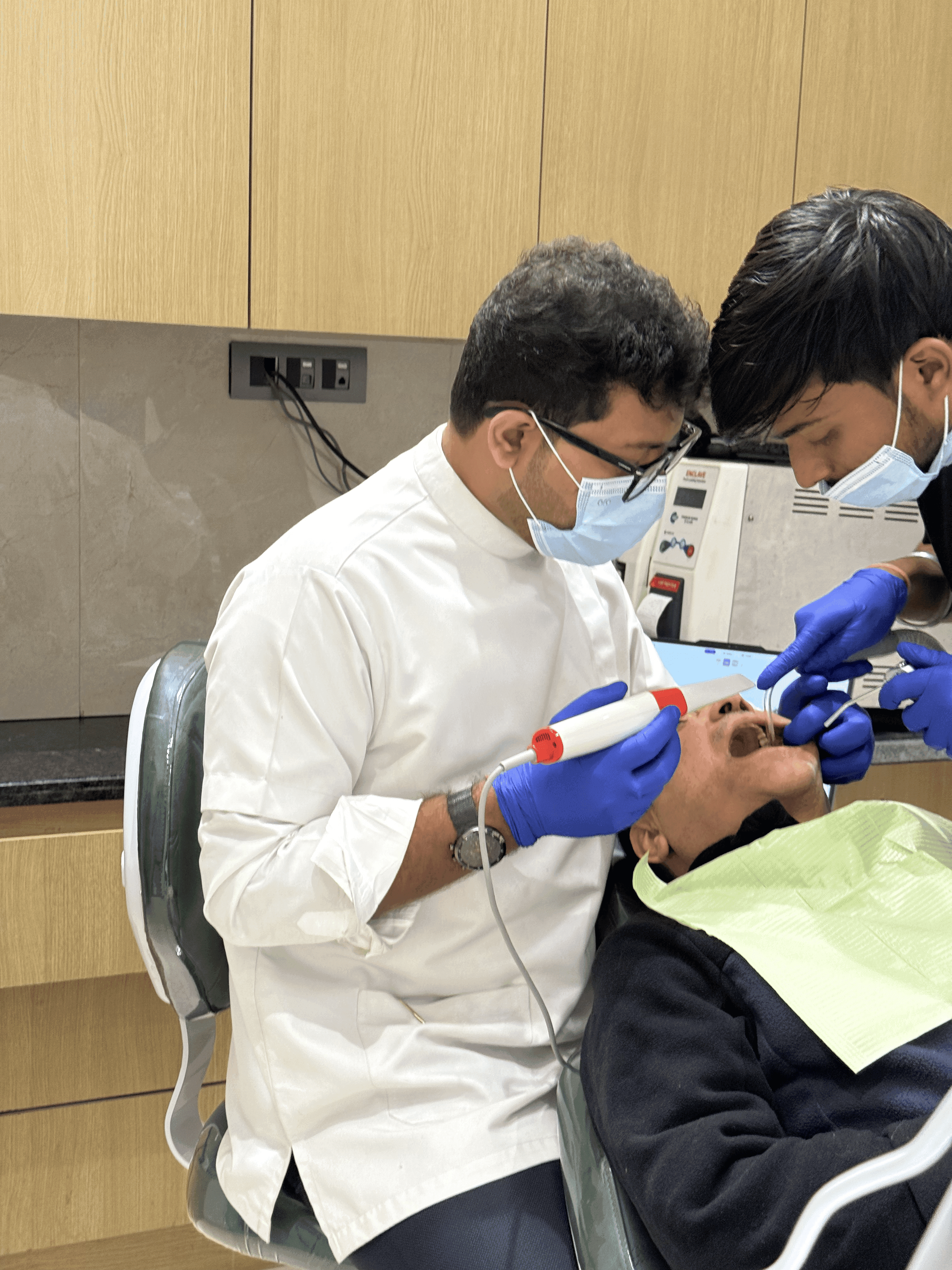
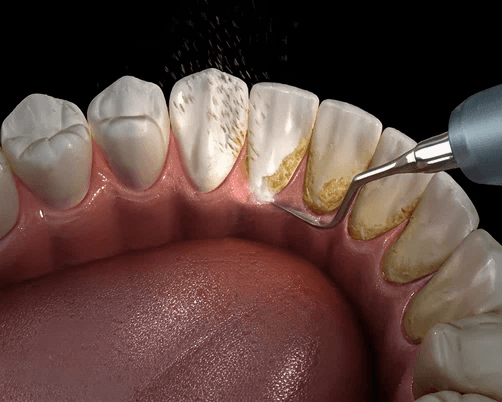
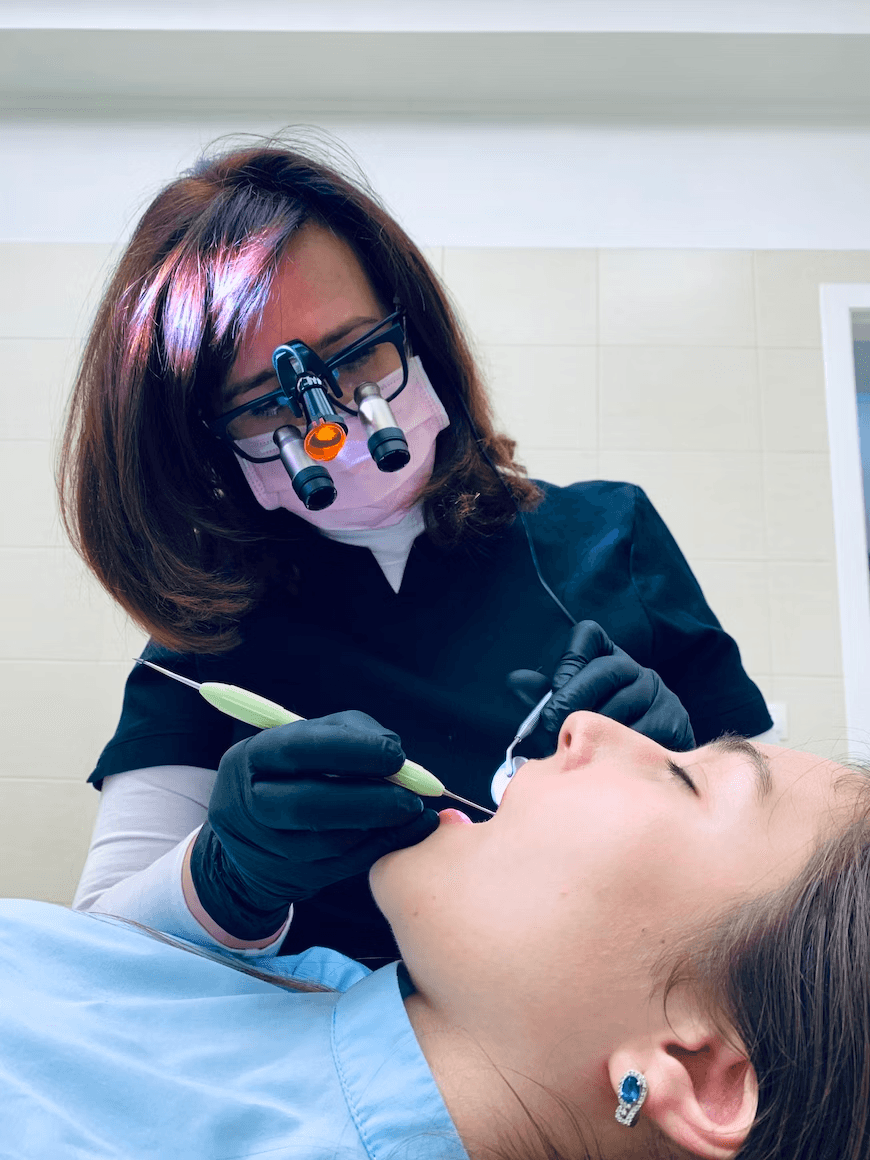
Prevention is a significant part of frequent dental check-ups. Dentists can identify early warning signals, clean off plaque and tartar, and give advice tailored to your needs. Visits to the dentist every six months are one of the easiest ways of maintaining your smile in fine fettle and also avoiding expensive treatment in the future.
5 Most Common Dental Problems and How to Avoid Them

Using toothpaste specially designed for sensitive teeth, avoiding overly acidic foods and drinks, and practicing gentle brushing techniques can help reduce discomfort.
1. Tooth Decay (Cavities)
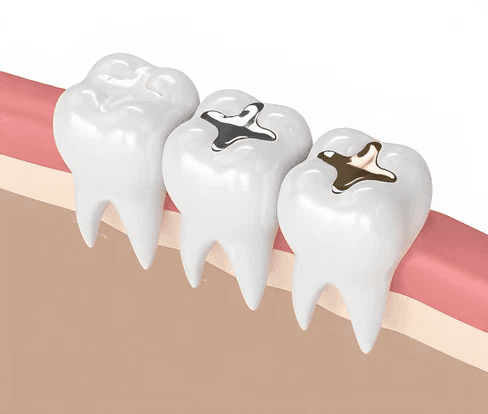
Dental caries, or cavities, is the most widespread dental illness in the world. Cavities result when plaque, a sticky biofilm of bacteria, builds up on teeth and lets out acids that break down the enamel. Sweets and sour foods, failing to brush teeth regularly, and failing to floss increase the odds.
Prevention Tips:
- Brush teeth with fluoride toothpaste twice daily.
- Floss every day to remove food particles between teeth.
- Refrain from sugary snacks and sour beverages such as soda.
- See your dentist regularly for check-ups and cleaning.
Adhering to these oral hygiene tips can go a long way in cutting down your risk of cavities and maintaining strong teeth.
2. Gum Disease (Gingivitis & Periodontitis)
Periodontal disease starts with gingivitis, red, inflamed gums that bleed on contact. If not treated, it progresses to periodontitis, gums pulling away from the teeth, and bone loss. The leading causes are poor oral hygiene, plaque and tartar buildup, and cigarette smoking.
Prevention Strategies:
- Brush and floss daily to avoid plaque.
- Regular dental cleaning at least once every six months.
- Avoid the use of tobacco products, which damage gum tissue.
- Follow a balanced diet to ensure gum health.
These tips for healthy gums will keep gum disease at bay and your smile looking its best for the next several years.
3. Tooth Sensitivity
Teeth sensitivity provides you with a stinging pain upon eating or drinking something hot, cold, sweet, or sour. It is caused when the protective enamel of the tooth gets worn away or the gums pull back, leaving the inner layer of the tooth naked. Brushing teeth with excessive force, excessive intake of sour foods, and bruxism are the common causes.
Prevention Strategies:
- Apply toothpaste specific to sensitive teeth.
- Avoid highly acidic foods and drinks.
- Wear a mouthguard if you experience grinding your teeth at night.
- Brush gently with a soft-bristle toothbrush.
Taking proper care of sensitive teeth, you can reduce sensitivity and prevent further loss of enamel.
4. Bad Breath (Halitosis)
Bad breath typically results from improper oral hygiene, food trapped between the teeth, mouth dryness, or gum disease. Garlic, onions, and coffee are a few foods that cause temporary bad breath.
Prevention Tips:
- Rinse the tongue and teeth twice daily.
- Use plenty of water to lubricate your mouth.
- Chew sugar-free gum to activate saliva.
- Attend to underlying dental conditions such as cavities or gum disease.
These tips on fresh breath will not only improve your oral health but also enhance your confidence.
5. Tooth Erosion & Enamel Wear
Tooth erosion, with acids dissolving the enamel and making teeth sensitive and prone to wear, happens with acidic foods and drinks consumed often, snacking, acid reflux, and grinding.
Prevention Tips:
- Rinse your mouth with water after eating acidic foods.
- Drink soda or citrus juice through a straw, minimizing contact with teeth.
- Use a mouthguard to prevent damage to your teeth.
- Brush using a fluoride toothpaste for enhanced protection of the enamel.
By adding these enamel protective habits, you can postpone erosion and have healthy teeth.

Cavities are caused by bacteria in dental plaque, producing acids that eat away at tooth enamel. Eating too many sugary snacks and drinks increases the risk of tooth decay.
Prevention Programs that Treat All Dental Ailments
Even though every dental condition has its prevention, some habits steer clear of all oral ailments:
- Brush twice a day using fluoride toothpaste.
- Floss once a day to eliminate concealed plaque.
- Drink water regularly, especially after eating.
- Eat a tooth-safe diet rich in calcium and vitamins.
- Get your dentist to clean and examine your teeth at least twice a year.
By adhering to a regular oral care routine, you will be smiling brightly and healthily for life.
Conclusion
All but a few of the dental problems can be avoided through regular check-ups and good habits. Knowledge of the causes of conditions like cavities, gum disease, tooth sensitivity, bad breath, and enamel wear will help you take the steps necessary to protect your gums and teeth.
Daily brushing, flossing, drinking lots of water, and regular visits to your dentist are simple habits to get into that can make a big difference. Take care of your smile today and encourage your family and friends to do the same. Share this blog with your friends to pass on the word and encourage them to enjoy a lifetime of healthy, happy smiles.
Frequently Asked Questions
1. What are the most prevalent dental conditions that people experience?
The five most prevalent dental conditions include tooth decay (cavities), gum disease (gingivitis and periodontitis), tooth sensitivity, bad breath (halitosis), and erosion of the enamel. All these conditions are usually a result of poor dental hygiene, sugar intake, and avoidance of regular dental check-ups.
2. How can I naturally prevent cavities in my home?
You can avoid cavities by brushing your teeth twice daily with fluoride toothpaste, flossing daily to remove food particles, reducing your intake of sugary and acidic foods, drinking plenty of water, and having a balanced diet with calcium and vitamins.
3. What are the early warning signs of gum disease?
Early warning signs of gum disease are red, inflamed, or bleeding gums, ongoing bad breath, and a tender gumline. Gingivitis, if not treated, advances to periodontitis, which causes tooth loss.
4. How do I prevent tooth sensitivity from worsening?
Tooth sensitivity can be alleviated by using sensitive toothpaste, not consuming acidic beverages and foods, brushing teeth gently with a soft-bristled toothbrush, and wearing a mouthguard if grinding occurs at night.
5. Why does bad breath persist after brushing?
Bad breath that lasts can be due to food trapped between teeth, dry mouth, gum disease, or untreated cavities. Brushing the tongue, drinking water, chewing sugarless gum, and visiting your dentist regularly can help.
6. How frequently should I visit the dentist for check-ups?
Dentists recommend scheduling a check-up and professional cleaning at least every six months. Regular visits help detect cavities, gum disease, and enamel erosion early, saving you from painful and costly treatments in the future.