By Renew Dental HospitalPublished on
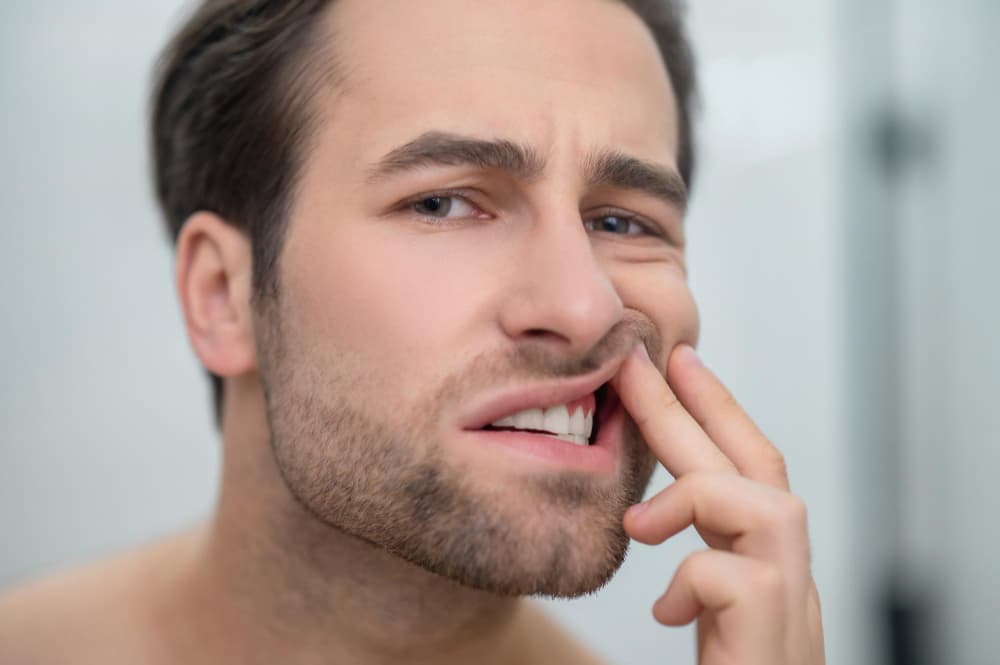
Most people who grind their teeth do it in their sleep, so worn or chipped teeth are often the first sign.
Most people with bruxism don't know they have it. The grinding and clenching happens during sleep — completely outside of conscious awareness — and the damage accumulates over years before something becomes obvious enough to notice. By the time teeth are visibly flatter, by the time morning jaw pain is severe, by the time sensitivity develops on teeth that were previously fine, the enamel loss and joint strain are already established.
This is why bruxism is worth understanding before the symptoms are pronounced. The signs are there in the early stages; they just require knowing what to look for.
Bruxism refers to repetitive jaw muscle activity involving the grinding or clenching of teeth. Two patterns:
Grinding (bruxism in the traditional sense): the jaw moves side to side while the teeth are in contact, wearing the biting surfaces through friction. The noise is audible — often the sleeping partner hears it before the person grinding is aware.
Clenching: the jaw is clamped shut with the teeth in hard contact, without lateral movement. No noise. Produces different damage — more compression on the temporomandibular joint and more tension in the jaw muscles than grinding, with less immediate visible tooth wear.
Most patients have some combination of both, but the clinical picture varies. The dentist can often tell from examination patterns which is predominant — flat, polished biting surfaces indicate active grinding; cracked marginal ridges and significant muscle tenderness with less wear indicate predominant clenching.
Awake bruxism — clenching during the day — is distinct from sleep bruxism and more common in people who clench their jaw under concentration or stress. Many people who work in Noida's IT sector or corporate offices discover they clench throughout their working day when made aware of it; they're holding the jaw in a hard contact position while focusing on screens, driving, or handling stressful situations.
The correlation between bruxism and psychological stress, poor sleep quality, and anxiety is well-established. Elevated cortisol and sympathetic nervous system activation drive jaw muscle hyperactivation — the clenching mechanism appears to be a physical outlet for psychological arousal that hasn't been discharged through movement.
This matches the profile of a significant portion of the patient population in urban Noida: high-pressure professional environments, long screen hours, late nights, disrupted sleep, high ambient life stress. The increase in bruxism presentations post-2020 — when pandemic-related stress, home-working, and sleep disruption all converged — was noticeable across Delhi NCR dental practices.
Caffeine intake (chai, coffee) amplifies jaw muscle activity and is worth considering as a modifiable factor in bruxism management.
Tooth wear. The most visible sign. Grinding wears the incisal edges (tips) of front teeth flat and wears the cusp tips of back teeth down. In significant long-term bruxism, the original shape of the teeth is progressively obliterated. Front teeth that look unusually short, bite surfaces of molars that look flat and polished rather than cusped — these are what a dentist looks for.
Mild enamel wear craze lines (fine surface cracks in enamel visible in certain light angles) are often the earliest detectable sign of bruxism at check-up before significant height reduction has occurred.
Morning jaw soreness or headache. Waking with a sore jaw, facial tension, or a tension headache in the temples is characteristic of overnight bruxism. The muscles have been working for hours and are fatigued and inflamed. The soreness typically improves through the morning as the muscles recover with movement and normal jaw use.
Partner reporting grinding sounds. The noise of tooth-on-tooth grinding during sleep is often loud enough to disturb a sleeping partner. This is often how sleep bruxism is first identified.
Increased tooth sensitivity. As enamel wears thin from grinding, the dentine beneath becomes closer to the surface and more responsive to temperature. Sensitivity to cold on multiple teeth — not one specific tooth — that doesn't have an obvious cause like recession or cavities is a flag for enamel thinning from bruxism.
Tooth fractures and chipping without clear cause. Cusp fractures that happen while eating normal food — not biting something exceptionally hard — often indicate the cusp was already stressed from grinding. A tooth that cracked "just from eating rice" likely had pre-existing grinding-related fatigue in that cusp.
Cheek biting marks. A whitish, slightly ridged line along the inside of the cheek at the height where upper and lower teeth meet — called the linea alba — is a normal finding in most adults. But significant cheek biting, tongue scalloping (marks on the sides of the tongue from the teeth), and inner cheek soreness suggest heavy clenching.
Masseter hypertrophy. The masseter — the thick jaw muscle you can feel when you clench — can enlarge over years of heavy use from bruxism, creating a slightly squared, more prominent jaw shape. This is the aesthetic side effect of chronic clenching that some patients first notice before the dental consequences become apparent.
Without intervention, the progression is predictable:
Early: craze lines in enamel, mild flattening of cusps, mild morning soreness.
Moderate: noticeable reduction in tooth height, flattened incisal edges on front teeth, increased cold sensitivity, TMJ clicking and mild soreness.
Significant: severe enamel loss exposing dentine on biting surfaces (dentine is yellowish and softer — worn teeth often appear darker at the centre of the bite surface), tooth fractures, cracked tooth syndrome, significantly reduced vertical dimension of the bite (the lower face appears shorter as teeth have worn down), chronic TMJ dysfunction.
At the severe end, restoring bruxism-affected teeth is complex — multiple crowns or full-arch rehabilitation may be needed to restore lost height and function. This is not a realistic outcome in a short timeframe but it is where prolonged unmanaged bruxism eventually leads.
Custom night guard (occlusal splint): The primary treatment at Renew Dental Clinic in Sector 47, Noida. A hard acrylic appliance custom-fabricated from precise impressions of your teeth, worn during sleep. It provides a flat, stable surface for the teeth to contact during grinding — distributing forces more evenly, protecting enamel from the tooth-on-tooth abrasion, reducing peak forces on the TMJ, and allowing the muscles to move in a less harmful pattern.
Critical clarification: a night guard doesn't stop bruxism. The clenching and grinding continue. What it does is intercept the damage — the teeth grind on acrylic rather than on each other. This is why the guard itself wears over time and needs eventual replacement. Its wearing is evidence that it's working.
Stress management: For bruxism that's clearly stress-driven and worsening during high-stress periods, addressing sleep quality, physical exercise, mindfulness, and caffeine reduction can reduce severity. This is rarely sufficient alone but reduces the load the guard needs to manage.
Botulinum toxin (Botox) to the masseter: For patients with severe clenching and significant masseter hypertrophy, injections reduce the muscle's maximum contractile force. Effect lasts 3–6 months and needs repeating. Appropriate for selected patients who haven't responded to night guard alone or who have aesthetic concerns about jaw prominence.
Restorative treatment: for patients who have lost significant tooth structure to bruxism, reconstruction with composite, onlays, or crowns restores the lost shape and function. This is done after bruxism is being managed — restoring teeth without addressing the bruxism means the same damage recurs.
Q: I clench my jaw during the day at work — is a night guard still useful? A: Yes, for the overnight clenching component. Daytime clenching also needs to be addressed — awareness (a reminder to consciously relax the jaw and separate the teeth during work) and stress management are the daytime interventions. The night guard handles the sleep component.
Q: Is bruxism genetic or is it environmental? A: Both. There's a genetic predisposition to bruxism — it runs in families and some people are inherently more prone to jaw muscle hyperactivity. The severity is significantly modulated by stress, sleep quality, caffeine, alcohol, and medications. So genetics loads the gun; lifestyle and stress pull the trigger.
Q: How do I know if my child grinds their teeth? A: Children commonly grind during sleep, often audibly. Mild childhood bruxism is common and often resolves as the child grows. In children with baby teeth, the grinding rarely produces concerning wear because baby teeth are replaced. For children with permanent teeth in the mixed dentition, significant grinding warrants dental monitoring. Night guards for young children need careful fitting; Renew Dental can advise on age-appropriate management.
Q: Will my teeth grow back if I stop grinding? A: No. Enamel doesn't regenerate. Worn enamel is permanently gone. The goal of treatment is to stop further loss — not to reverse what's already occurred. Restoration of lost structure, where it's significant, requires dental procedures.
For bruxism assessment and custom night guard at Renew Dental Clinic, Sector 47, Noida:
📞 +91 99710 35300 A-321, Basement Floor, Next to Mother Dairy Store, Sector 47, Noida, Uttar Pradesh 201303 Monday–Saturday 10:30 AM – 8:00 PM | Sunday 11:00 AM – 2:30 PM
 Copy
Recommended a crown instead of a filling? Learn how your dentist decides, the structural threshold...
22 Oct 2026
by Renew Dental Clinic

A gummy smile isn't one problem but several that look alike. Learn what drives excess...
19 Oct 2026
by Renew Dental Clinic
Dental crowns are a long-term investment, not a permanent one. Learn lifespans by material, signs...
16 Oct 2026
by Renew Dental Clinic

Discover how diabetes can impact your gums and teeth. Learn about the relationship between blood...
27 Oct 2025
by Renew Dental Clinic

Tooth decay starts silently, but the signs are easy to spot if you know what...
27 Jun 2025
by Renew Dental Clinic
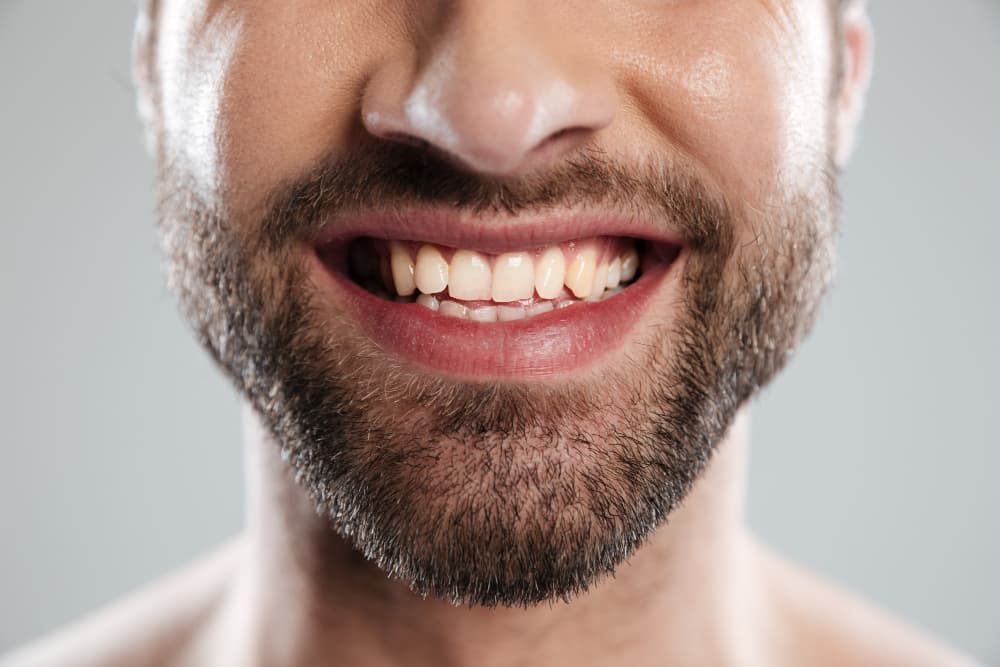
Brushing alone cleans only 60% of tooth surfaces. This guide explains what happens to the...
07 Jul 2026
by Renew Dental Clinic

Healthy teeth are not necessarily achieved by brushing twice a day or flossing gums periodically;...
26 Aug 2025
by Renew Dental Clinic
Did your antibiotics cause mouth ulcers or sores? This guide explains why it happens, which...
21 May 2026
by Renew Dental Clinic
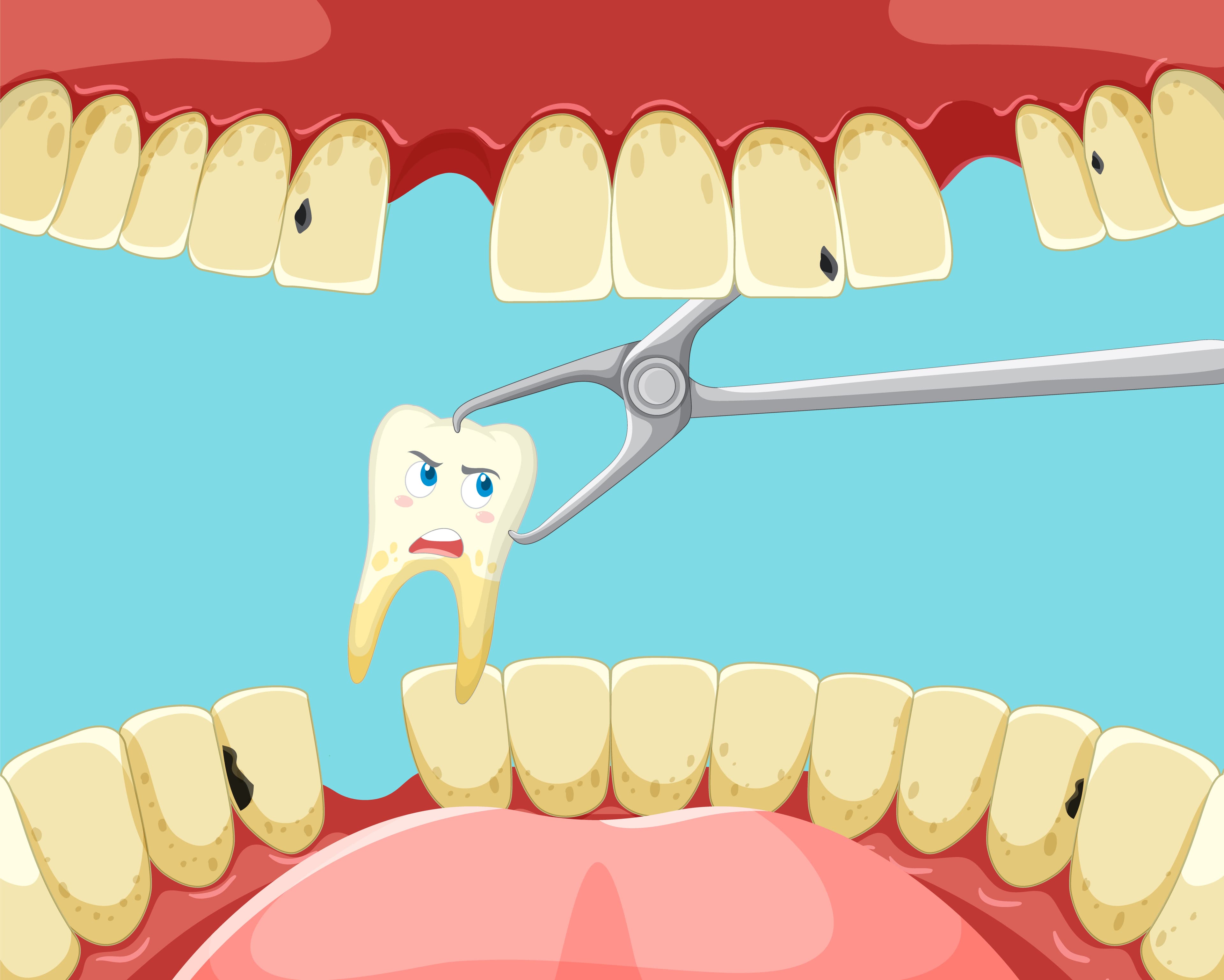
Dental health changes significantly after 60. Dry mouth from medications, root caries, denture care, and...
09 Sept 2026
by Renew Dental Clinic

Dilemma between dental implants and bridges? Weigh the cost, longevity, procedure, and advantages to determine which tooth replacement method is superior.
03 Oct 2025
by Renew Dental Clinic

If you’ve ever had a damaged, cracked, or root canal-treated tooth, your dentist probably suggested...
21 Oct 2025
by Renew Dental Clinic
Need a dental crown in Noida? This complete patient guide explains every type of dental...
18 Jun 2026
by Renew Dental Clinic
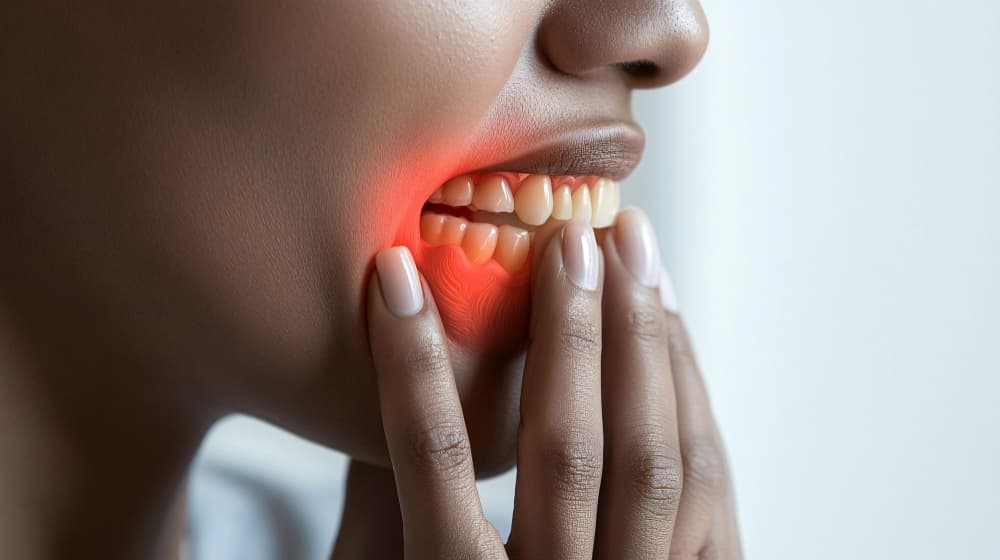
The answer to whether chewing gum is good for teeth is more interesting than yes...
23 Jun 2026
by Renew Dental Clinic

Having your first dental cleaning? Want to know what to expect during the appointment step-by-step,...
03 Oct 2025
by Renew Dental Clinic
Is the twice-daily brushing rule backed by evidence or just dental industry tradition? This guide...
15 Jul 2026
by Renew Dental Clinic
Explore More
Explore More
Discover how thousands of patients trust Renew Dental Clinic with their smiles.
In 2023, I was diagnosed with the condition of periodontitis, but still only scaling was provided, due to which the case became worse, and now in 2025, I have undergone two flap surgeries, due to height of negligence.
Best dental treatment
मैं और मेरे परिवार के सभी सदस्य दंत चिकित्सा के लिए जाते रहते हैं।
Outstanding
I have visited the clinic, the doctor is very good. My wife went their for checkup & the result is good.
I was highly satisfied with my dental treatment with Dr. Suchi.
Best dental treatment ....
Very Good doctor with correct advice. Nice clinic.
I had the bestest experience with Dr. Suchi with my root canal. She is kind, gentle and very patient with her clients. Highly recommended. 🤍🤍🤍
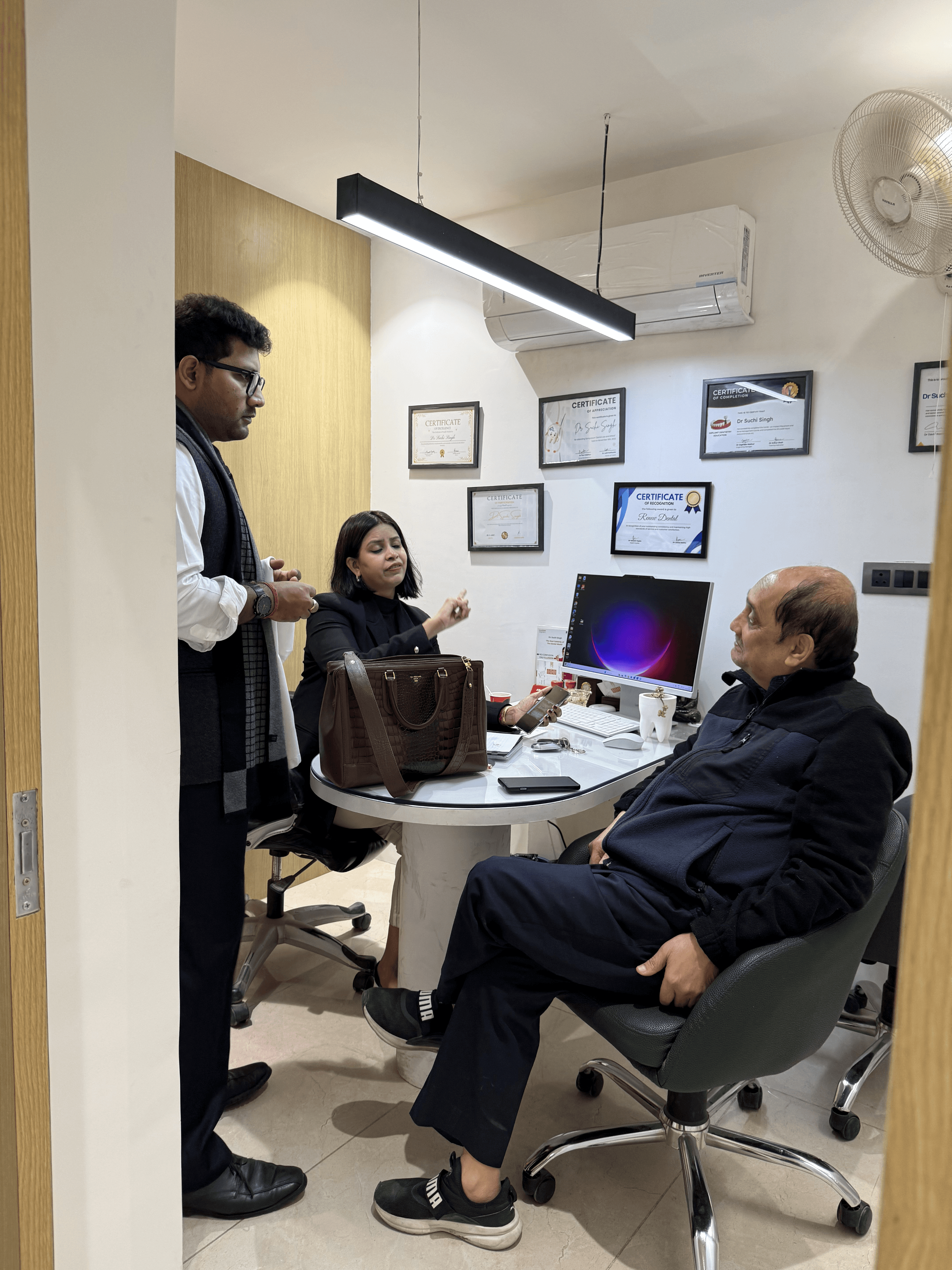
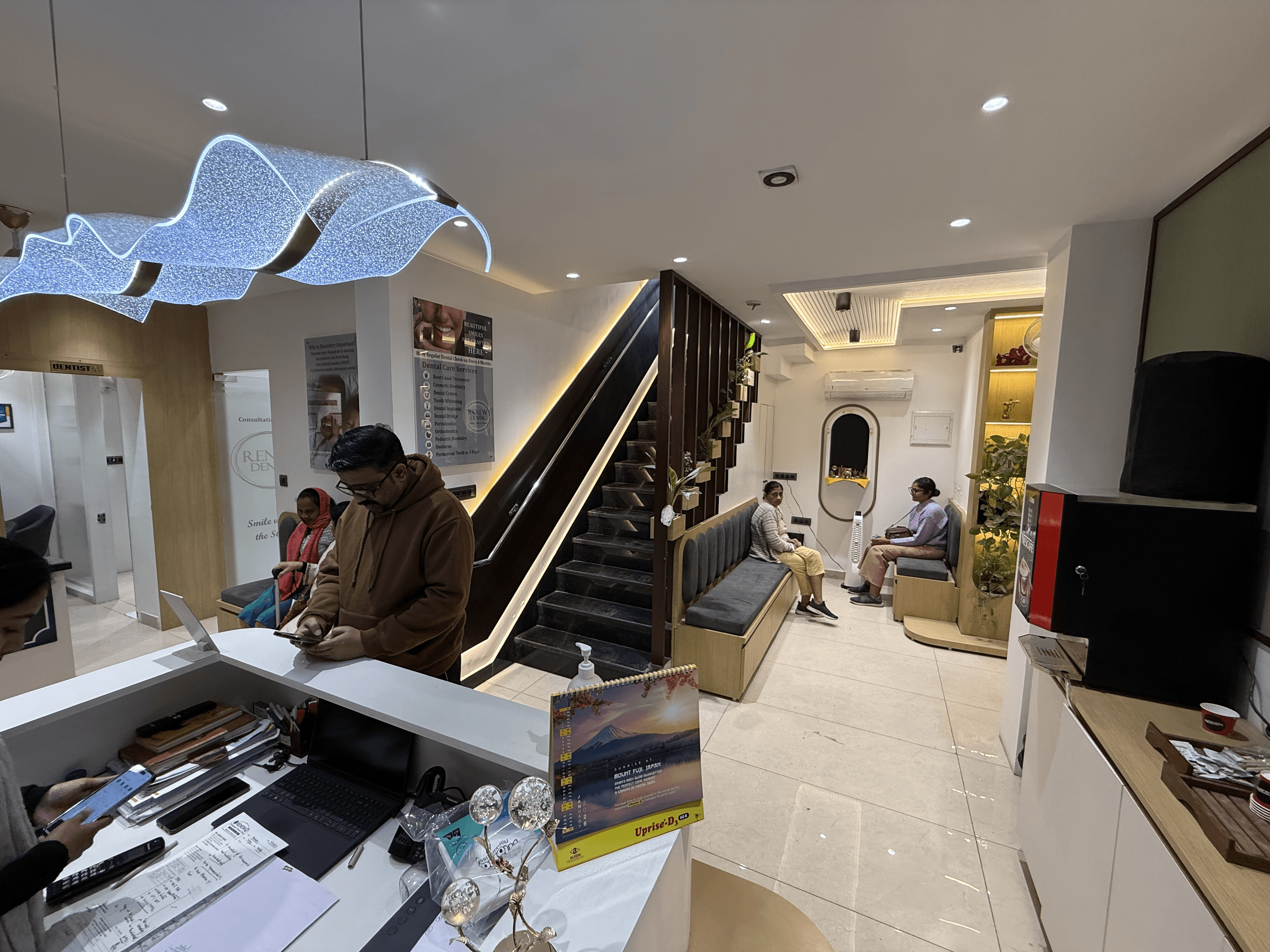
A glimpse into our modern dental clinic, advanced technology, and patient-friendly environment at Renew Dental.
Explore our thoughtfully designed clinic spaces built to provide comfort, cleanliness, and a calming experience for patients of all ages.


Best Dentist in Noida
Renew Dental Clinic located in Noida, Sector 47, is one of the leading dental clinics. Founded by Dr. Suchi Singh who is widely regarded as one of the best dentists in Noida, the clinic is committed to delivering personalised and high-quality dental care. Dr. Suchi Singh focuses on customised treatment plans designed around each patient’s unique needs, ensuring advanced, comfortable and reliable dental care at Renew Dental Clinic.

Your Trusted Dental Experts

Complete Dental Care

Friendly Dental Space

No Hidden Charges

Two trusted dental clinics in Noida — Renew Dental (Sector 47) and Tooth & Truth (Sector 34) — for gentle, modern care.

Renew Orthopedic Clinic, A-321, Basement Floor, Next to Mother Dairy Store, Sector 47, Noida, Uttar Pradesh 201303
 +91 99710 35300
A-98/A, Block A, Sector 34, Noida, Uttar Pradesh 201307
+91 99710 45002© 2026. All rights reserved | Designed and Developed by Zarle Infotech