By Renew Dental ClinicPublished on
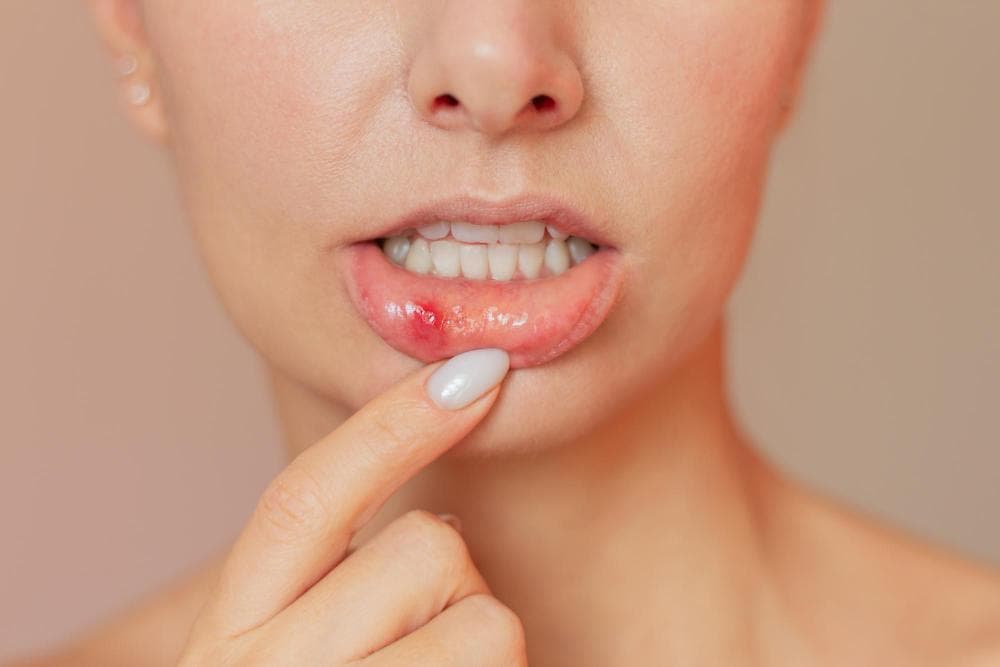
A woman highlights an ulcer spot on her lower lip. The woman uses her finger to draw attention to a red, inflamed area on her lower lip. The picture closely centers on the mouth. The picture captures her finger touching the sore on her lip. There is an appealing, soft, blurry background.
Few oral health conditions are overlooked until chewing, drinking, or even talking becomes painful, like mouth ulcers. While a tiny ulcer may heal on its own, repeated or chronic ulcers may well be an indication that your body is trying to give you a warning. They can be the result of numerous underlying conditions, ranging from stress to infection, inadequate diet to poor oral hygiene.
The small, round or oval lesions develop inside the mouth on the gums, cheeks, lips, or tongue. They make eating, drinking, or talking quite painful for a person as they create irritation while any kind of activity goes on in the mouth. Even though many ulcers aren't serious and heal on their own, they shouldn't be overlooked.
If you know what mouth ulcers are and what they mean in relation to your overall oral health, then you can avert issues in the long run. In this section, we will examine mouth ulcers and why they form, discuss treatment and prevention, and clarify when to call your dentist.
Mouth ulcers are small, round or oval, white/yellow or red, and painful sores that are found inside the mouth. The ulcer usually has an inflamed border around a pale centre. They occur in such places as:
Some are only small and heal up after a week or two, but others can be more pronounced.
Mouth ulcers can be caused by several reasons; in some cases, a mouth ulcer can be caused by a minor irritation, whereas in other cases it can be an indication of underlying health problems. Identifying why the mouth ulcers are appearing is key to both treating them and preventing future occurrences.
Negative emotions, stress, anxiety, lack of sleep, and hormonal changes within the body all work to weaken the body's immune system, leaving the mouth vulnerable to developing mouth ulcers. A lot of people realize that the appearance of mouth ulcers can coincide with high stress levels, exams, or hormones that change throughout life, such as puberty and menstruation/pregnancy.
The lack of certain nutrients and vitamins, such as iron, vitamin B12, folic acid, and zinc, can result in the oral tissues being unable to heal, and, in effect, the occurrence of mouth ulcers can be affected as they do not have the essential nutrients to repair. Individuals who do not eat a balanced diet or are unable to digest foods and nutrients properly may find they suffer more frequently from mouth ulcers.
When teeth are not cleaned properly, bacteria and plaque can build up in the mouth, which can irritate the delicate oral tissues and result in the formation of a mouth ulcer. Harsh toothpaste and oral rinses may also result in mouth ulcers, along with simply not brushing your teeth enough or cleaning your tongue enough.
This is probably the most common cause of mouth ulcers in all people. Minor injuries to the mouth are most common, and an accidental bite to the mouth or tongue, aggressive brushing, the use of braces or dentures, or indeed sharp tooth edges can result in damage and irritation of the oral tissues to such an extent that a mouth ulcer can develop.
Some individuals have sensitivity to certain foods, causing the mouth tissues to become irritated and thus create a mouth ulcer. The most common sensitivities are to foods that are highly acidic, such as fruit, particularly citric-based foods. Some people's ulcers can be exacerbated by foods that are spicy or, indeed, salty and too hot. Some individuals also develop mouth ulcers as a reaction to foods that they are allergic to.
If mouth ulcers persist over a longer period of time or keep returning, then they may be linked to a certain medical condition that requires investigation. These include:
It is important for a qualified professional, such as a dentist, to identify underlying health issues if mouth ulcers are persistent or not responding to treatment, so they can be treated effectively and avoid further development.
Typically, mouth ulcers are easy to detect due to their associated irritation and discomfort during simple routine activities like talking, eating, and drinking. The type and extent of signs will differ according to the size, the location, and the cause of the mouth ulcer.
The ulcer can cause discomfort when speaking and brushing one's teeth if located on parts of the mouth like the tip of the tongue or the inner aspects of the cheek. Individuals may need to consult a professional assessment if a mouth ulcer lasts more than two weeks, if they grow too large, or if they keep returning. If the patient has concerns regarding a particular mouth ulcer, they can contact Renew Dental, Noida, for further help and attention.
Mouth ulcers are commonly divided into several groups to help describe their characteristics and course:
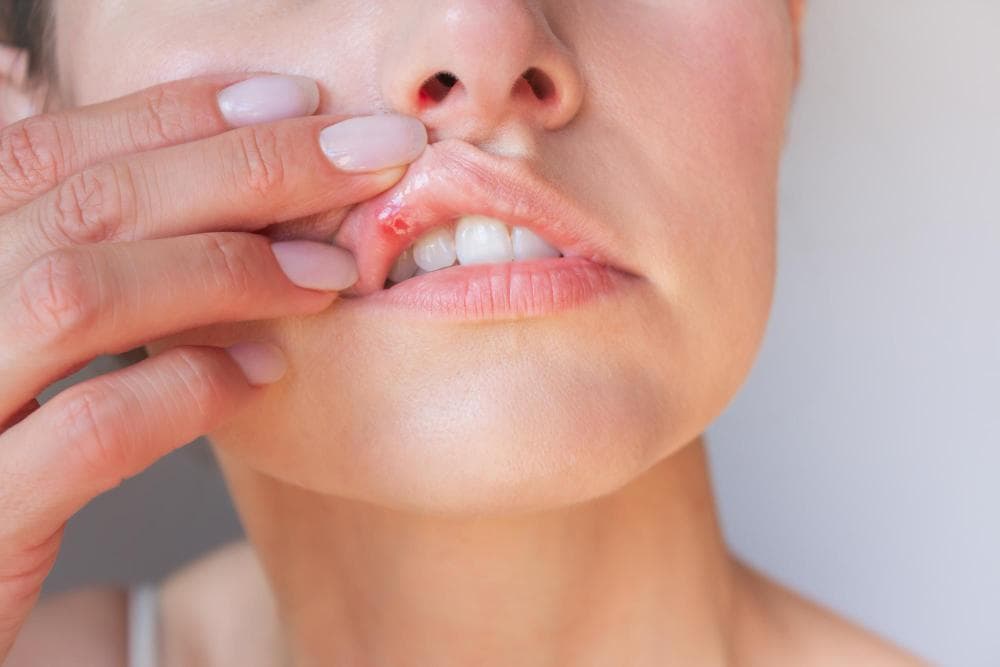
A close-up image of a woman’s face, she is using her finger to point toward a tiny red and irritated wound on her lip with the mouth slightly open; her teeth are healthy. This photo expresses a concern for her wound on the lip.
Mouth ulcers do not have to be fleeting irritations from the occasional biting of your tongue or eating too many spicy foods. Persistent or recurrent mouth ulcers are sometimes signs of a poor oral hygiene routine. Our eating habits, the foods we consume, and our overall composure are indicative of our well-being, and that applies to our mouth also. Frequent mouth ulcers should never be taken lightly.
Recurrent mouth ulcers may signify poor oral hygiene. This means that there is a lot of plaque and bacteria within the mouth, and the gums can become inflamed, get impacted by food particles, and the bacteria can irritate the inner lining of the mouth, thereby irritating the tissues of the oral cavity, causing ulcers. Skipping routine teeth cleaning and brushing or infrequent dental checkups is linked with an increase in occurrences of mouth ulcers and various other issues within the mouth.
Recurring mouth ulcers may signify the lack of certain nutrients in the body, such as iron, vitamin B12, folic acid, and zinc, that are essential in maintaining healthy oral tissue and increasing the rate of healing for wound repair. When levels of these nutrients drop, they make the mouth susceptible to irritations, inflammations, and recurrent mouth ulcers.
Stress has a significant effect on all aspects of our body, and mouth health is no exception. Every day stress will result in a weak immune system, increasing body inflammation, teeth clenching, lip or cheek biting, and even new mouth ulcers can occur, or existing mouth ulcers can worsen. Lack of saliva produced by stress will also make the mouth feel dry and uncomfortable.
A mouth ulcer may appear constantly in the same area as a result of ongoing oral cavity irritation from sharp teeth or tooth edges, chipped fillings, sharp braces, or poorly-fitting false teeth. Infections of the mouth will prolong the oral cavity healing and result in an inflammatory response. Persistent recurring mouth ulcers in the same part of the mouth will also show that some action needs to be taken for further examination.
For optimum care of your teeth and precise diagnosis of mouth ulcers, patients may reach out to the professional experts at Renew Dental, Noida, for their tailor-made dental treatment that focuses on your long-term dental health and comfort.
While dealing with mouth ulcers, make a point of eating foods that are not only soft in consistency, but also don't irritate your mouth and enhance the quick healing of the tissues.
Certain foods as well as lifestyle habits can exacerbate your mouth ulcers and prevent them from healing properly.
Certain deficiencies of vitamins and minerals are indeed responsible for significantly increasing the risk of developing mouth ulcers:
Dentists examine persistently recurring or chronic mouth ulcers to discover underlying causes:
The treatment approach of mouth ulcers varies depending on the underlying cause of ulcers, their size, and the tendency to occur. Although most small ulcers heal within 1-2 weeks without any medical intervention, with an appropriate treatment, the pain caused by ulcers can be considerably relieved and prevented from infection, and heal faster.
For quick relief, medicated creams, ointments, or gels can be applied directly to the affected area, which provides pain relief by coating the sore, also helps reduce friction from the sore while speaking or eating, aiding the ulcer to heal faster.
Using medicated or antiseptic mouth washes to reduce bacterial activity within the mouth not only helps to keep the area clean but also helps to avoid further complications or infection, enabling quicker recovery.
A balanced, nutrient-rich diet helps to repair oral tissues rapidly and reduces the recurrence of ulcers. Consumption of nutrients like vitamin B12, iron, folic acid, and zinc is important to repair the ulcerated tissue and improve its condition. People should prefer having smooth, non-irritating, and non-spicy foods till the ulcer has healed.
If the mouth ulcer causes severe pain and disturbance, then patients may be advised to take some anti-pain medicines or numb agent prescribed over the counter, by the dentist, or by the doctor.
If the cause of the mouth ulcer is found to be the rough or sharp edge of the tooth, or incorrect fitted dental appliance, such as a brace or denture, the dentist must correct these; otherwise, the tissue may get damaged again and again by mechanical friction, and mouth ulcers are very likely to occur.
Changing or modifying a few things in day-to-day life, such as stress, staying dehydrated and drinking adequate amounts of fluid regularly, not consuming spicy or acidic meals, and not smoking, helps in the speedy healing of the ulcers.
The patient suffering from large, recurrent, or painful mouth ulcers should always be recommended to see their dentist to rule out conditions like malnutrition, deficiency in nutrients, or other possible medical issues that might be affecting and increasing the number and size of mouth ulcers, requiring specialist treatment and care for these conditions.
Oral ulcer recurrences can also be greatly reduced through preventative measures.
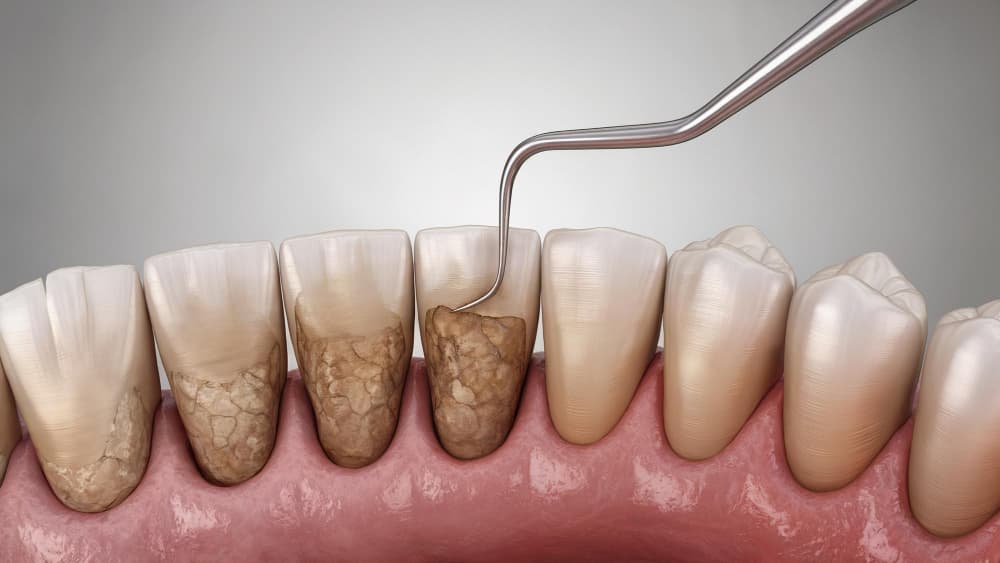
A regular dental checkup assists in the effective prevention and treatment of mouth ulcers. Some of the benefits include:
You need to see a dentist when:
Ignoring sores that persist can lead to delayed treatment of underlying oral problems or systemic conditions.
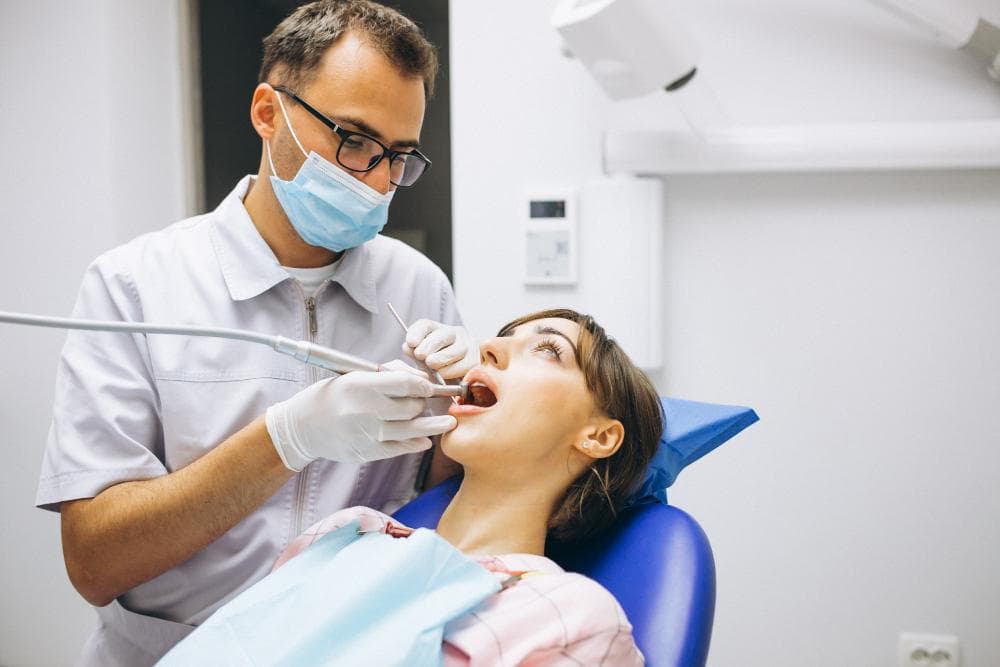
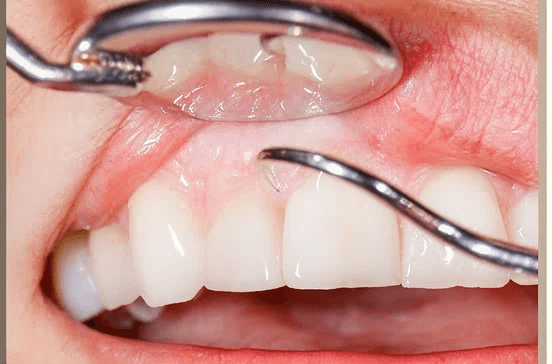
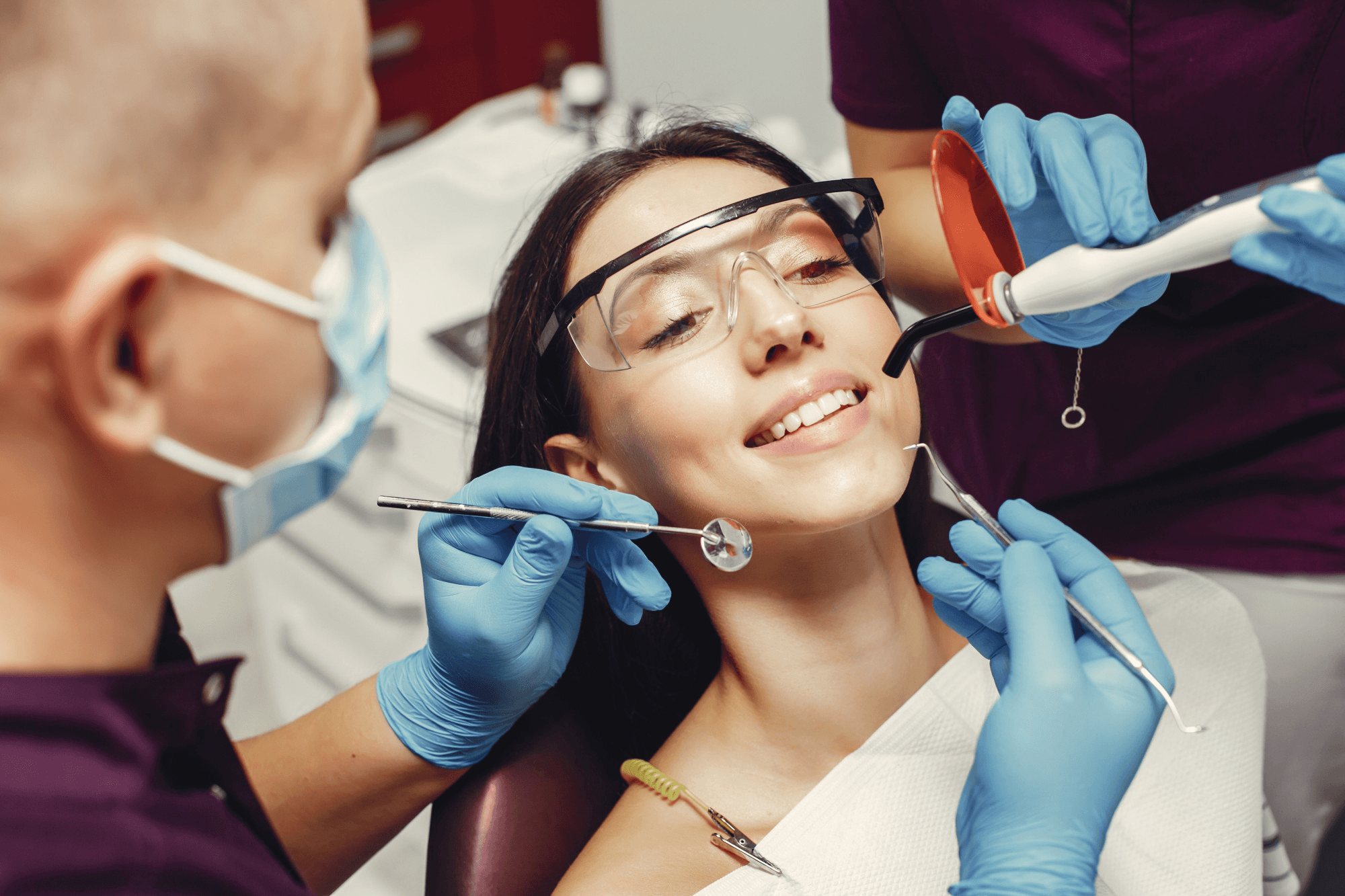
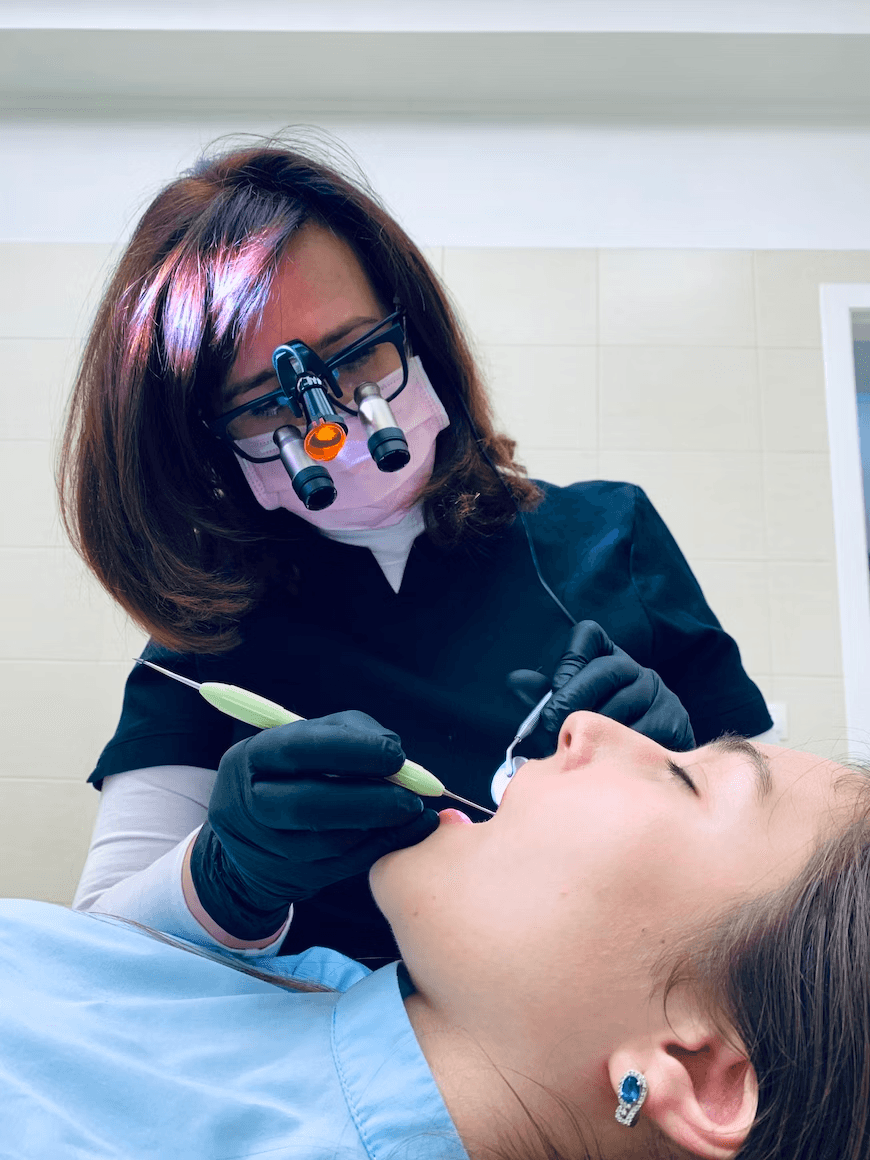
A young woman is sitting on a dental chair with her mouth open, while the dentist with the glasses and mask uses an instrument to check her teeth. This picture conveys an excellent dentist and examination setting.
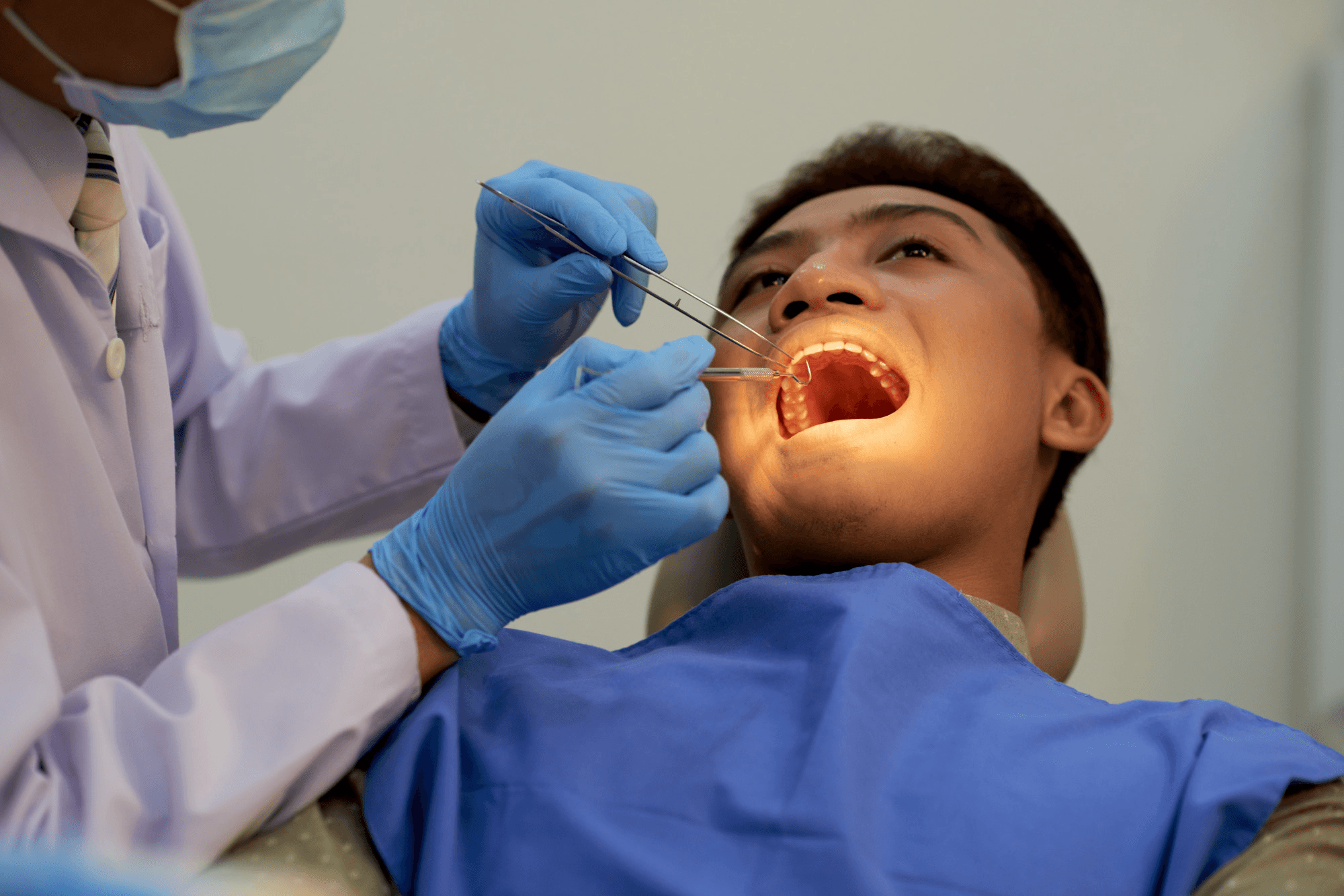
The cause of persistent mouth ulcers can only be identified after examining the oral tissue by a dentist. Hidden irritation can be located with ease, and the suitable dental treatment can be prescribed to avoid further problems. Renew Dental, Noida, offers its patients a comprehensive oral exam, cutting-edge dentistry, and an individualized treatment plan to restore optimal oral health and comfort for the long term.
Though initially it seemed like a minor problem, mouth ulcers can be informative about oral and body health status as they could also represent indicators for stress, nutrient deficiency, irritations, infections, and oral issues. These are also indicative signs of developing oral discomfort and for improving the oral tissues' health and integrity. Prompt dental treatment will significantly improve the diagnosis and prevent recurrences of mouth ulcers. Obtain a professional assessment of oral health at Renew Dental, Noida.
1. Why do I get mouth ulcers repeatedly?
Repeated mouth ulcers can occur due to many things, such as stress, deficiency of certain vitamins, bad oral hygiene, or as a symptom of an underlying illness.
2. How long do mouth ulcers typically take to heal?
Most mouth ulcers heal completely in 7-14 days without scarring.
3. When should I visit a dentist about an ulcer?
If the mouth ulcer has lasted more than two weeks, or if it appears severe and comes back frequently, you should visit a dentist.
4. Is stress a factor that causes mouth ulcers?
In some people, emotional stress results in mouth ulcers due to it suppressing the immune system.
5. Are mouth ulcers infectious?
The most common ulcers are not contagious and cannot be transmitted by kissing or by eating or drinking from shared items.
6. Can my braces or dentures cause my mouth ulcers?
Yes, either poorly fitted braces or dentures rubbing on the inner mouth tissue can cause ulcers.
7. How are mouth ulcers linked with smoking/tobacco?
Smoking and chewing tobacco can increase healing time and irritation, and therefore increase the likelihood of a mouth ulcer returning.
 Copy
Copy
Mouth ulcers in children can cause pain, difficulty eating, and irritation. Learn about the causes, symptoms, prevention tips, and treatment options at Renew Dental, Noida.
13 May 2026
by Renew Dental Clinic
Learn about cosmetic dentistry, popular smile transformation procedures, benefits, and how treatments can improve your dental appearance and confidence.
11 May 2026
by Renew Dental Clinic
Learn whether root canal treatment is painful, how the procedure works, and what to expect before, during, and after treatment.
11 May 2026
by Renew Dental Clinic
Think scaling is just about cleaner teeth? This guide explains what dental scaling actually does,...
15 Jun 2026
by Renew Dental Clinic

Seen the coloured stripes on the bottom of your toothpaste tube and wondered what they...
11 Aug 2026
by Renew Dental Clinic

Dilemma between dental implants and bridges? Weigh the cost, longevity, procedure, and advantages to determine which tooth replacement method is superior.
03 Oct 2025
by Renew Dental Clinic

Discover essential oral hygiene habits every adult should follow to maintain healthy teeth, fresh breath, and overall dental health.
08 May 2026
by Renew Dental Clinic
Most people who grind their teeth do it during sleep and have no idea. Learn...
20 Oct 2026
by Renew Dental Clinic
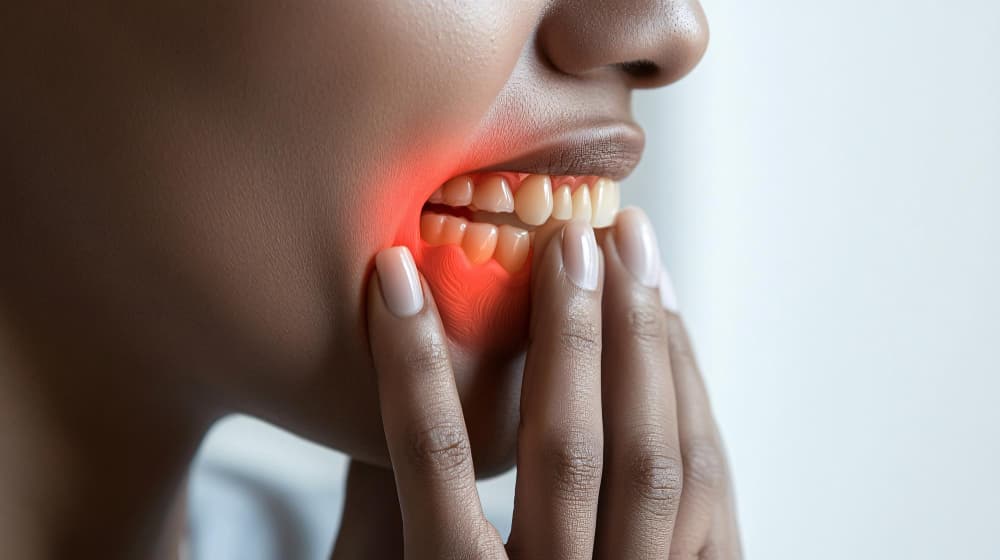
Waking up with a sore jaw, tight muscles, or morning headaches? This guide explains why...
04 Jun 2026
by Renew Dental Clinic
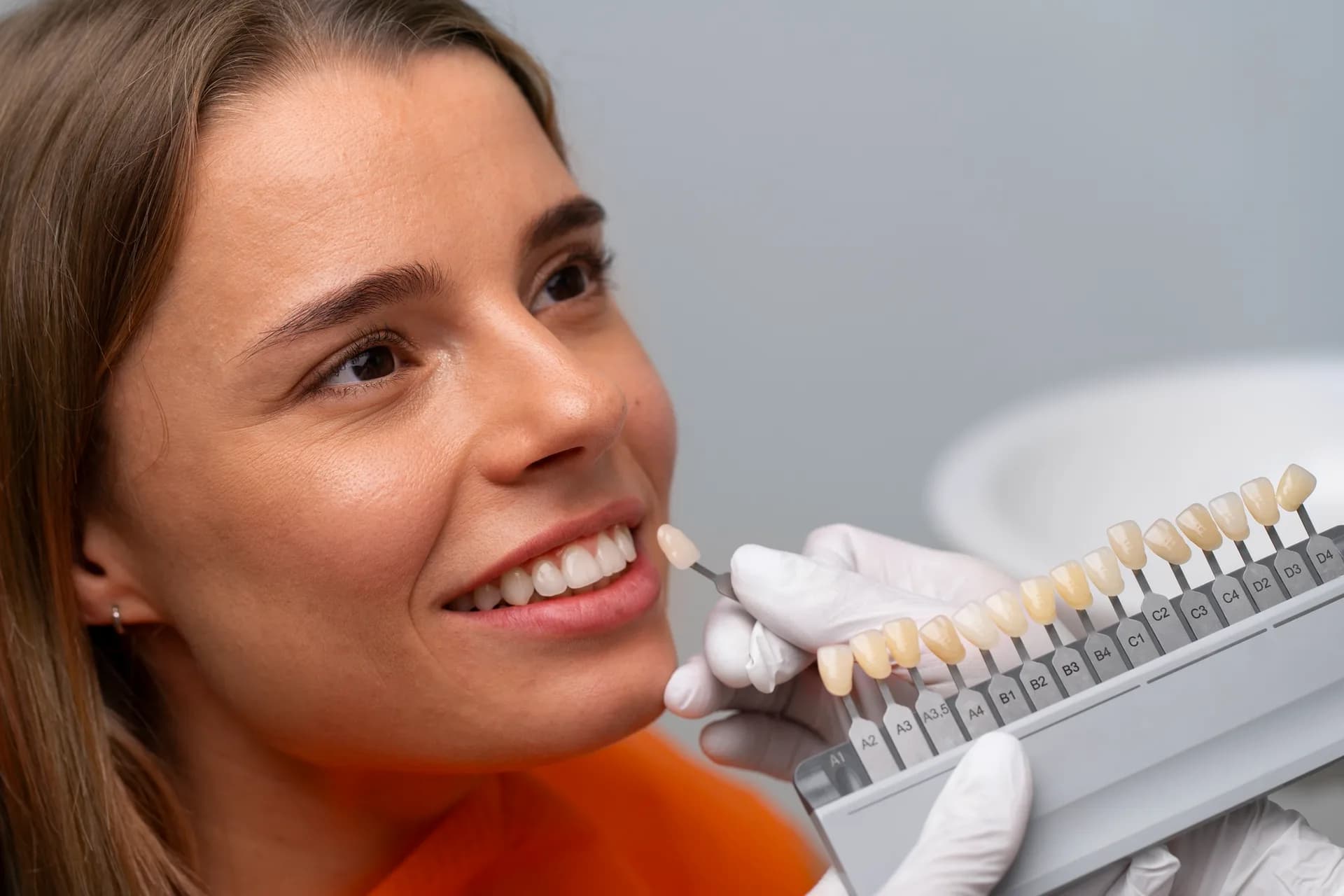
Recommended a crown instead of a filling? Learn how your dentist decides, the structural threshold...
22 Oct 2026
by Renew Dental Clinic

If you’ve ever had a damaged, cracked, or root canal-treated tooth, your dentist probably suggested...
21 Oct 2025
by Renew Dental Clinic
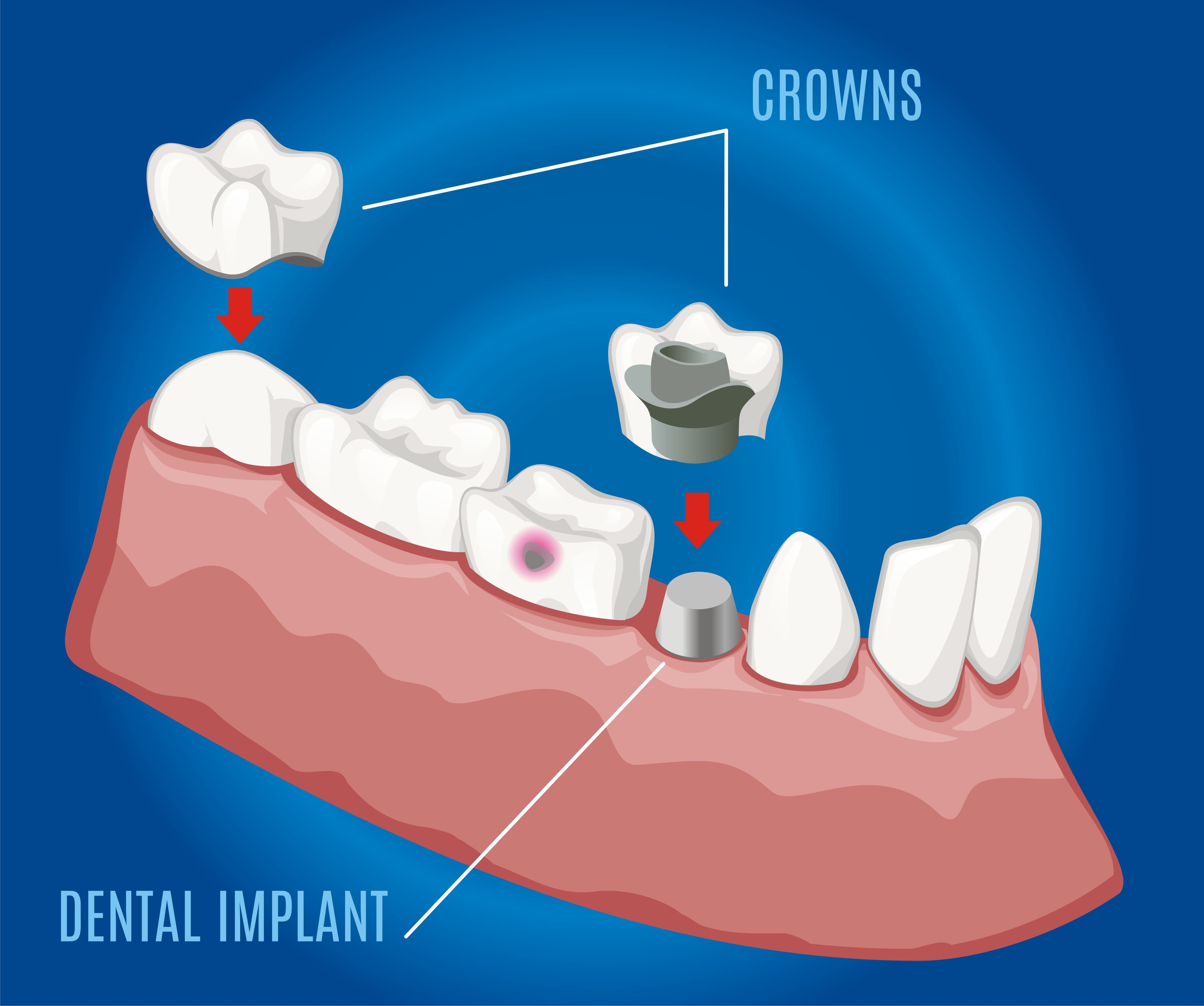
Need a dental crown in Noida? This complete patient guide explains every type of dental...
18 Jun 2026
by Renew Dental Clinic

Explore the pros, cons, costs, durability, and suitability of teeth whitening and veneers. Learn which cosmetic dental procedure is best for your unique smile.
27 Jun 2025
by Renew Dental Clinic
From baking soda to oil pulling to turmeric — this guide cuts through the noise...
14 Sept 2026
by Renew Dental Clinic

Curious about laser teeth whitening in Noida? This guide explains how the procedure works, who...
15 May 2026
by Renew Dental Clinic
Explore More
Discover how thousands of patients trust Renew Dental Clinic with their smiles.
Great treatment and much hospitality.
The best dental clinic in Noida.
Very impressed with the quality of service. The clinic is clean, modern, and organized. The staff is friendly, and the doctor explained everything in detail. Great experience from start to finish.
Totally painless treatment... Excellent doctor's ... Excellent service Dr suchi singh.
If you haven’t found the right dentist in Noida go and see Dr Suchi Singh. She does outstanding dental work and is very kind. Highly recommend.
I had a wonderful, painless experience at Renew dental clinic Dr. Suchi Singh was incredibly gentle, and the staff was very friendly and professional. Highly recommend!
Excellent doc. The entire team is very comforting .
If you haven’t found the right dentist in Noida go and see Dr Suchi Singh. She does outstanding dental work and is very kind. Highly recommend.
Definitely one of the best dental clinic in Noida! Well equipped and very clean - which was quite impressive.
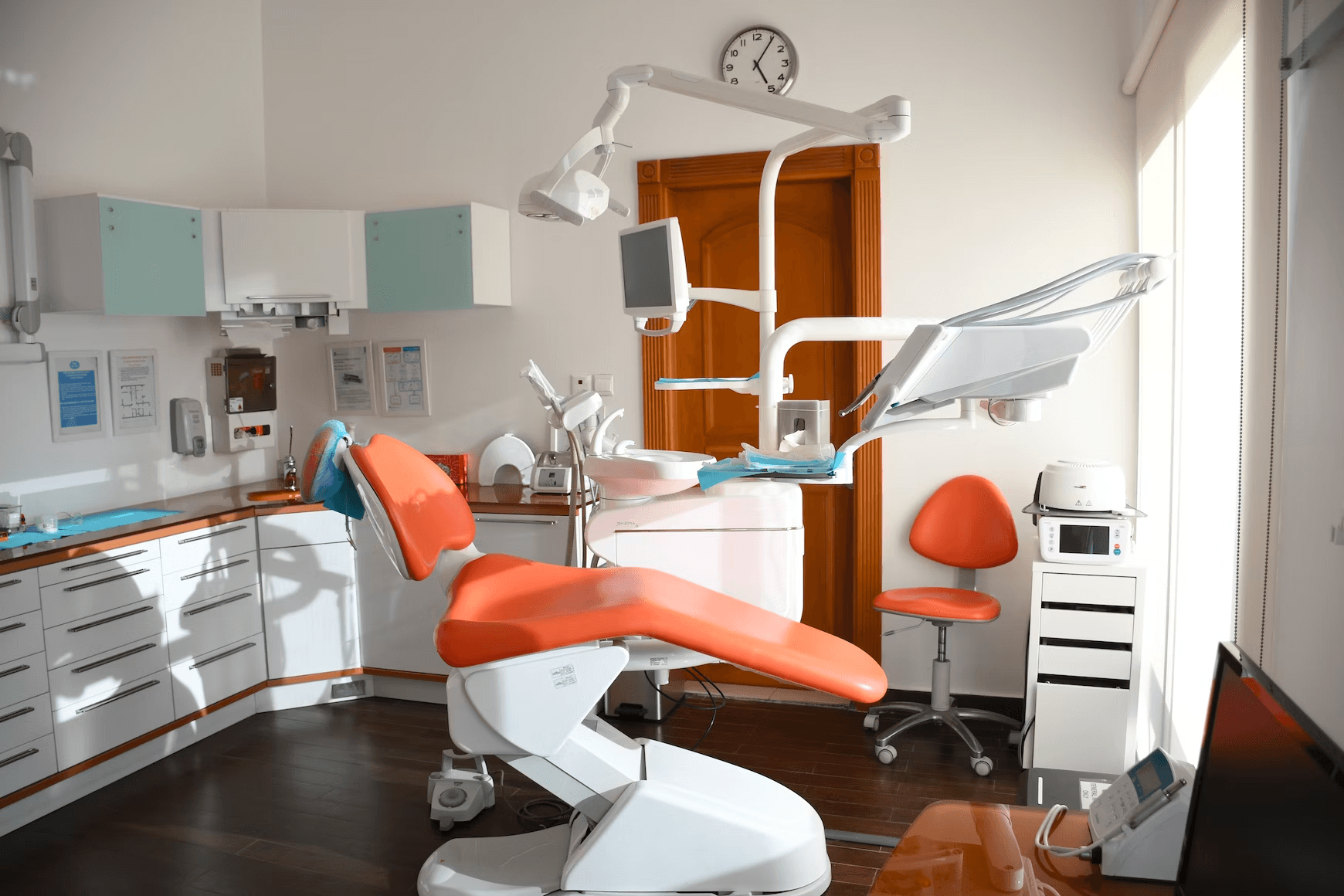
A glimpse into our modern dental clinic, advanced technology, and patient-friendly environment at Renew Dental.
Explore our thoughtfully designed clinic spaces built to provide comfort, cleanliness, and a calming experience for patients of all ages.



Best Dentist in Noida
Renew Dental Clinic located in Noida, Sector 47, is one of the leading dental clinics. Founded by Dr. Suchi Singh who is widely regarded as one of the best dentists in Noida, the clinic is committed to delivering personalised and high-quality dental care. Dr. Suchi Singh focuses on customised treatment plans designed around each patient’s unique needs, ensuring advanced, comfortable and reliable dental care at Renew Dental Clinic.

Your Trusted Dental Experts

Complete Dental Care

Friendly Dental Space

No Hidden Charges

Two trusted dental clinics in Noida — Renew Dental (Sector 47) and Tooth & Truth (Sector 34) — for gentle, modern care.

Renew Orthopedic Clinic, A-321, Basement Floor, Next to Mother Dairy Store, Sector 47, Noida, Uttar Pradesh 201303
 +91 99710 35300
A-98/A, Block A, Sector 34, Noida, Uttar Pradesh 201307
+91 99710 45002© 2026. All rights reserved | Designed and Developed by Zarle Infotech