Mouth Ulcers From Antibiotics - Causes, Relief, And Prevention
Displeased young brunette girl covering mouth with hand over white backround.
You take a course of antibiotics for an infection, and a few days later, your mouth breaks out in painful sores. It's frustrating, especially when you were already dealing with something else. And it raises an immediate question: did the medication cause this?
The short answer is — it can. Antibiotics are one of the documented causes of mouth ulcers and oral sores, though the mechanism isn't always straightforward. This guide explains exactly what happens, which medications are most commonly linked to this problem, and what patients in Noida and across Delhi NCR can do about it.
What Are Mouth Ulcers?
Mouth ulcers — also called canker sores or aphthous ulcers — are small, shallow sores that form on the soft tissues inside the mouth. They typically appear on the inner cheeks, the inside of the lips, the tongue, the gumline, or the roof of the mouth.
They're usually round or oval, with a white, yellow, or grey centre and a red border around the edge. They can be quite painful, particularly when eating, drinking, or speaking.
Most mouth ulcers are not serious. They're not contagious, they don't indicate cancer, and the majority heal on their own within 10 to 14 days. However, some require attention — particularly those that persist beyond three weeks, keep recurring, or are accompanied by fever, swollen lymph nodes, or difficulty swallowing.
Can Antibiotics Actually Cause Mouth Ulcers?
Yes — though the way they cause them varies. There are several distinct mechanisms at play.
Disruption of the Oral Microbiome
Your mouth naturally contains a carefully balanced community of bacteria, fungi, and other microorganisms. Antibiotics don't discriminate — they kill bacteria broadly, including the beneficial bacteria that keep the oral environment stable.
When the bacterial balance in the mouth is disrupted, an overgrowth of Candida albicans — a naturally occurring fungus — can occur. This leads to oral thrush, which presents as white or creamy patches on the tongue, inner cheeks, palate, and gumline. While distinct from classic aphthous ulcers, thrush can cause painful sores and raw areas in the mouth that are directly linked to antibiotic use.
Direct Irritation of the Mucous Membrane
Certain antibiotics — particularly tetracycline and penicillin — can irritate the delicate mucous membranes lining the mouth, triggering ulceration. This is a direct chemical effect rather than a secondary result of microbiome disruption.
Allergic or Immune Reactions
In some patients, antibiotics trigger an immune response that manifests as mucosal inflammation and ulceration. This can look like classic aphthous ulcers but is driven by the body's reaction to the drug rather than the usual triggers of stress or trauma.
Nutritional Depletion
Some antibiotics interfere with the body's absorption of key vitamins and minerals — particularly vitamin B12, folate, iron, and zinc. Deficiencies in any of these nutrients are independently associated with recurrent mouth ulcers. A long course of antibiotics can deplete stores enough to trigger an outbreak, particularly in patients whose dietary intake of these nutrients is already borderline.
Which Antibiotics Are Most Commonly Linked to Mouth Sores?
Not all antibiotics carry the same risk. The ones most frequently associated with mouth sores include:
Tetracyclines (tetracycline, doxycycline, minocycline): These are among the most commonly cited. They can directly irritate oral mucosa and are strongly associated with oral thrush when taken for extended periods.
Penicillins (amoxicillin, ampicillin): Can cause allergic reactions in susceptible individuals, which may present as oral sores. Amoxicillin is one of the most widely prescribed antibiotics in India, which may explain why patients frequently make this connection.
Broad-spectrum antibiotics (ciprofloxacin, clindamycin, metronidazole): These have a particularly significant effect on the gut and oral microbiome, increasing the risk of thrush and mucosal inflammation.
Sulfonamides: Can trigger drug reactions that affect mucous membranes in some patients.
It's worth noting that mouth sores while on antibiotics don't automatically mean the antibiotic is the cause. Other concurrent factors — stress, the underlying infection itself, or vitamin depletion from being unwell — can also trigger ulcers simultaneously.
Oral Thrush from Antibiotics — A Specific Concern
Oral thrush deserves particular attention because it's frequently mistaken for standard mouth ulcers, and it requires different management.
Signs of oral thrush include:
- White or creamy patches on the tongue, inner cheeks, palate, or throat
- Redness or soreness under the white patches
- A cottony feeling in the mouth
- Loss of taste
- Difficulty swallowing (if the throat is involved)
Patients on long courses of antibiotics — particularly broad-spectrum ones — are at significantly elevated risk of developing oral thrush. Those who are immunocompromised, diabetic, or using inhaled corticosteroids (for asthma) face an even higher risk.
Oral thrush from antibiotics is treated with antifungal medication, not additional antibiotics. If you develop white patches in your mouth during or after a course of antibiotics, this needs to be assessed by a doctor or dentist — it doesn't resolve with over-the-counter ulcer treatments.
At Renew Dental Clinic in Sector 47, Noida, patients presenting with oral thrush are assessed thoroughly to determine the appropriate treatment and to identify any underlying conditions that may have contributed.
Symptoms That Distinguish Antibiotic-Related Mouth Sores
Mouth sores from antibiotics can present in several ways
- Classic aphthous ulcers — the round, painful sores with white/yellow centres and red borders, appearing within a few days of starting antibiotics
- Generalised oral soreness — a widespread burning or rawness inside the mouth without distinct ulcers
- White patches (oral thrush) — creamy or white coating on the tongue or cheeks
- Redness and inflammation — inflamed, tender gum tissue or inner cheeks
- Metallic taste changes — some patients notice an altered taste accompanying the sores
What to Do If You Develop Mouth Sores on Antibiotics
Do not stop your antibiotics without speaking to your doctor. This is important. Stopping a course of antibiotics early can lead to antibiotic resistance and allow the original infection to return. Even if the medication is causing discomfort, finishing the course is usually necessary.
Contact your prescribing doctor. Let them know about the mouth sores. They may be able to:
- Switch you to a different antibiotic that's less likely to cause the same reaction
- Reduce the dose if clinically appropriate
- Prescribe an antifungal (if thrush is suspected) alongside the antibiotic
- Recommend a probiotic supplement to protect the oral and gut microbiome during the course
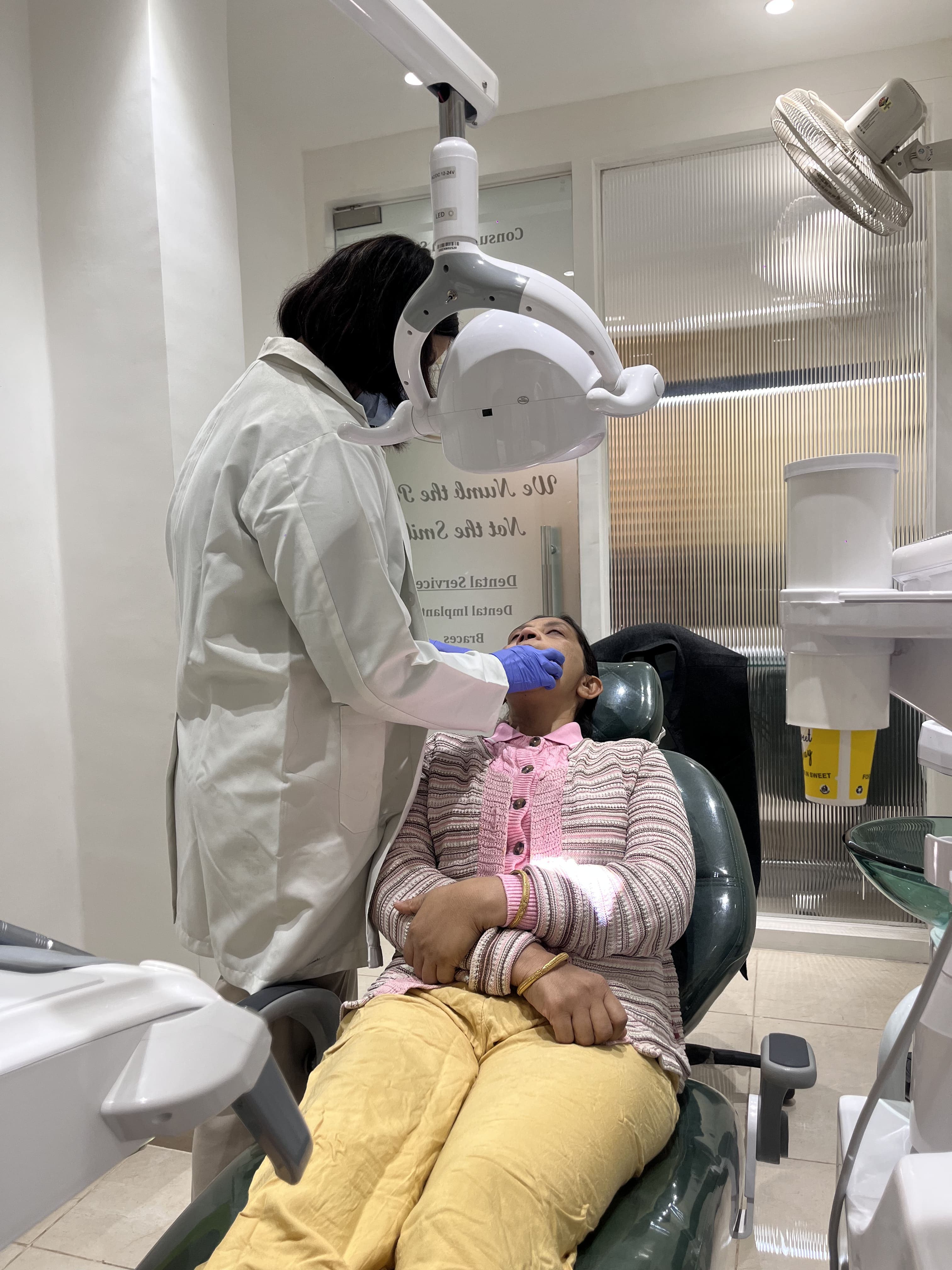
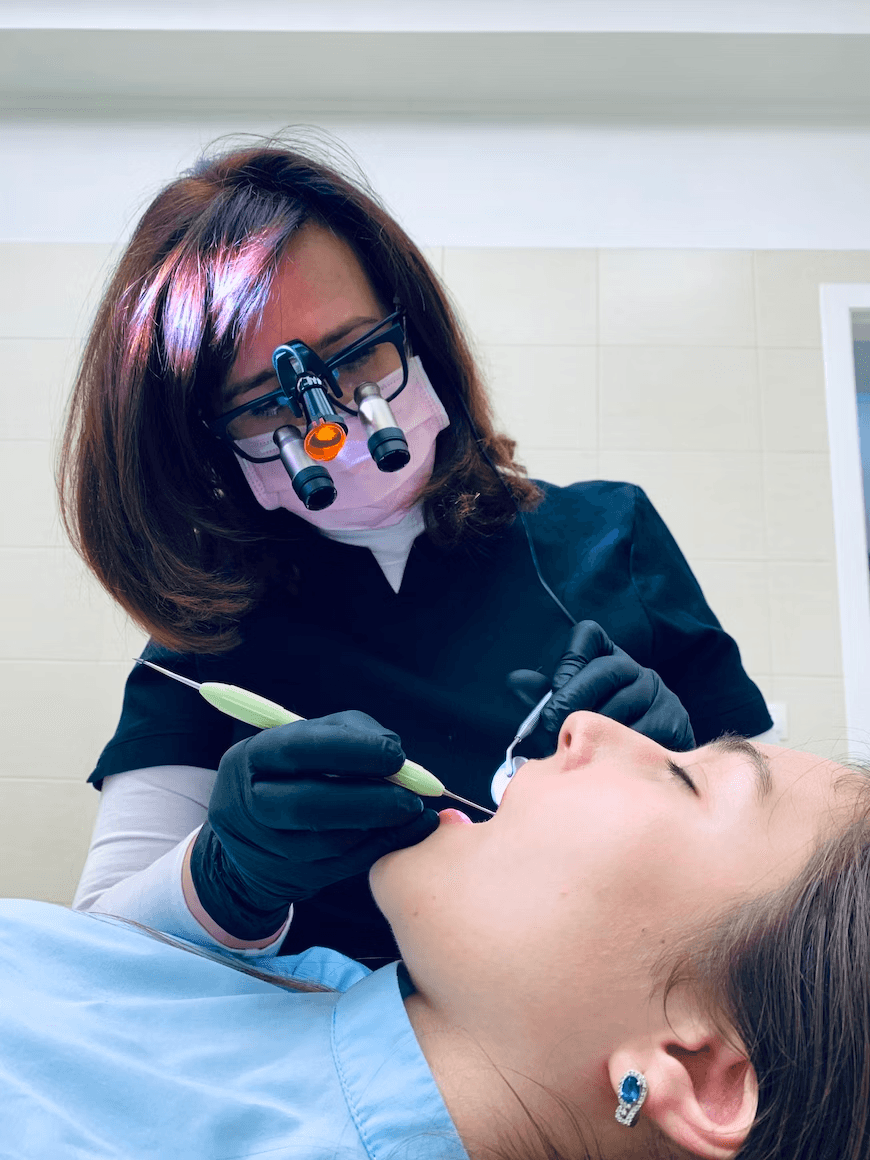
Visit your dentist. Your dentist can assess the sores, determine their type, and recommend appropriate treatment. At Renew Dental Clinic, Noida, this assessment takes into account your medication history, the appearance of the sores, and any associated symptoms.
Managing the Discomfort — What Actually Helps
While waiting for the ulcers to resolve, these measures reduce pain and support healing.
Salt Water Rinse
Dissolve half a teaspoon of salt in a glass of warm water and rinse gently for 30 to 60 seconds. Salt has antimicrobial properties and helps reduce inflammation. Rinse two to three times daily, particularly after meals.
Topical Anaesthetic Gels
Over-the-counter gels containing benzocaine or lignocaine applied directly to the ulcer provide temporary numbing relief. These don't speed healing but do significantly reduce the pain during eating or drinking.
Glycerin-Based Products
Glycerin — available as a standalone product or as an ingredient in some mouth gels — creates a protective barrier over the ulcer surface, reducing irritation from food and saliva contact. Many patients find glycerin applied with a cotton bud gives comfortable temporary relief.
Soft Diet
Avoid hard, crunchy, spicy, or acidic foods during the healing period. These irritate the ulcer surface and worsen pain. Soft foods — cooked rice, dal, curd, soft rotis, mashed vegetables, soft idlis — are far more comfortable.
Avoid Alcohol-Based Mouthwashes
Alcohol-containing mouthwashes sting on contact with ulcers and can delay healing. Use an alcohol-free alternative, or stick to salt water.
Probiotics
Taking a probiotic supplement — or eating probiotic-rich foods like curd and lassi — during a course of antibiotics helps support the oral and gut microbiome. This may reduce the severity of antibiotic-related disruption and lower the risk of thrush developing.
Stay Hydrated
Dehydration worsens oral mucosal health. Drink plenty of water throughout the day.
When to See a Dentist or Doctor About Mouth Sores
Most antibiotic-related mouth sores resolve within 10 to 14 days of the antibiotic course ending. Seek assessment at Renew Dental Clinic, Noida if:
- Sores persist for more than 3 weeks
- White patches appear on the tongue or inner cheeks (possible thrush)
- New sores keep appearing before old ones heal
- You have difficulty swallowing or sores extending to the throat
- Sores are very large (over 1 cm) or extremely painful
- You're running a fever alongside the mouth sores
- This has happened before with antibiotics and is becoming a recurring pattern
Persistent or severe mouth sores always warrant clinical assessment — not just self-management.
Preventing Mouth Sores When You Know You're Sensitive to Antibiotics
If you've had mouth sores during previous antibiotic courses, tell your prescribing doctor in advance. This is useful information for choosing which antibiotic is best suited to your situation.
Other preventive measures include
- Starting probiotics at the beginning of the antibiotic course rather than waiting for symptoms
- Maintaining oral hygiene carefully throughout the course — brush gently with a soft toothbrush twice daily and use an alcohol-free mouthwash
- Eating a nutrient-rich diet with adequate B vitamins (leafy greens, legumes, eggs) and zinc (seeds, nuts, pulses) to buffer against depletion
- Staying hydrated — keeping the mouth moist reduces irritation
- Avoiding irritating foods proactively during the antibiotic course
Frequently Asked Questions
Do all antibiotics cause mouth ulcers?
No. Some antibiotics carry a higher risk than others. Tetracyclines and broad-spectrum antibiotics have a greater association with oral side effects.
How long after starting antibiotics do mouth sores appear?
Usually within the first few days. Some patients notice sores within 48 hours; others develop them a week into the course.
Can I use a standard mouth ulcer gel from the pharmacy?
Yes, for pain relief. But if white patches are present (suggesting thrush), you need antifungal treatment — standard ulcer gels won't help with thrush.
Will the sores come back next time I need antibiotics?
Not necessarily, as it depends on the type of antibiotic and your individual response. Mentioning your history allows your doctor to choose a more suitable option.
Can children get mouth sores from antibiotics?
Yes. Children are not immune to antibiotic-related oral disruption. If your child develops mouth sores during a course of antibiotics, seek dental or medical assessment.
Get Your Mouth Sores Assessed at Renew Dental, Noida
If you're dealing with painful mouth sores during or after an antibiotic course, don't simply wait it out — particularly if the sores are severe, persistent, or if white patches have appeared.
At Renew Dental Clinic, Sector 47, Noida, Dr. Suchi Singh assesses mouth sores accurately, identifies whether thrush or another condition is involved, and recommends treatment that actually matches the problem.
To book a consultation, call (0120) 498-8333.
Open Monday–Saturday, 10:30 AM – 8:00 PM | Sunday, 11:00 AM – 2:30 PM.