Dental Care for Seniors in Noida — Special Considerations After 60
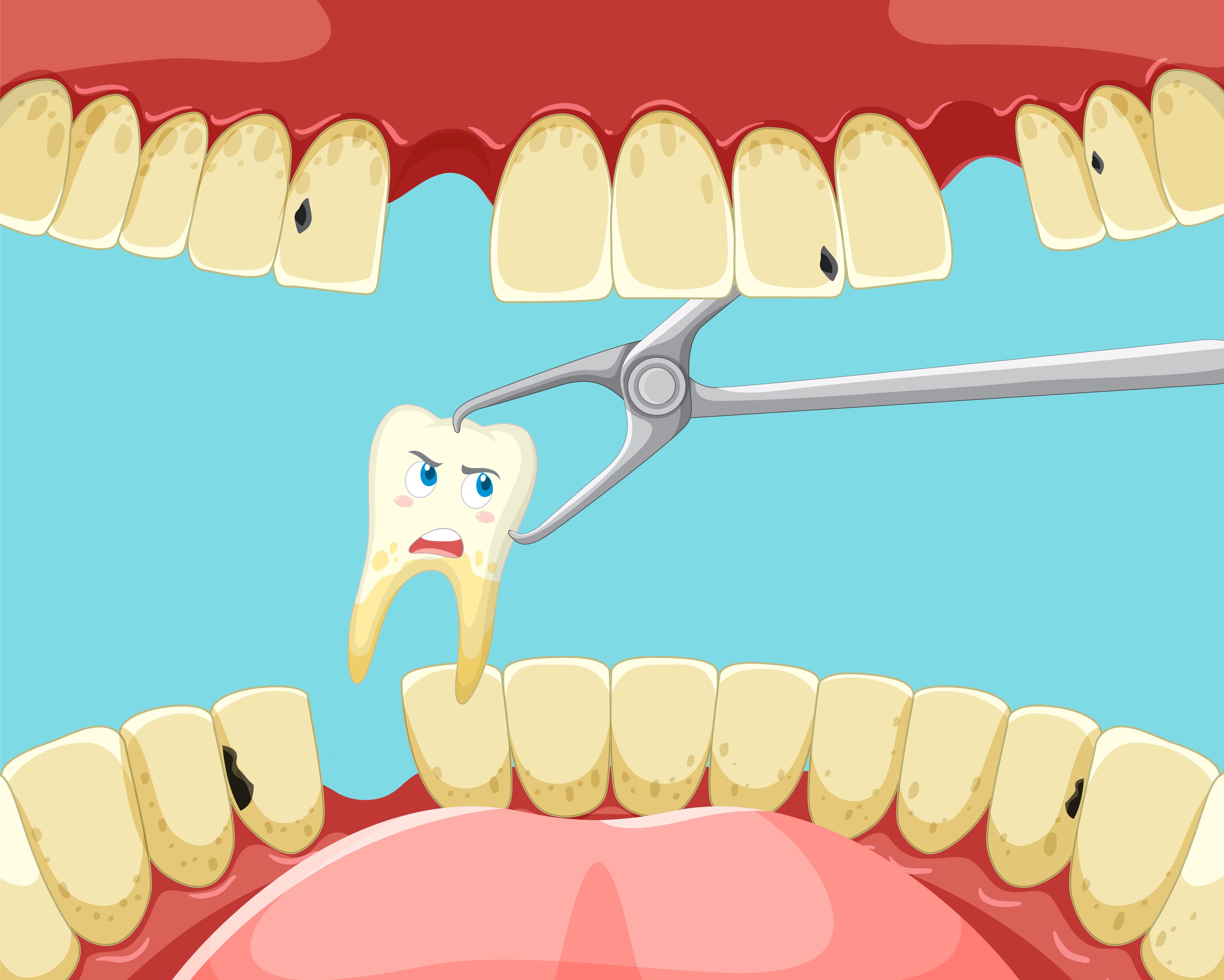
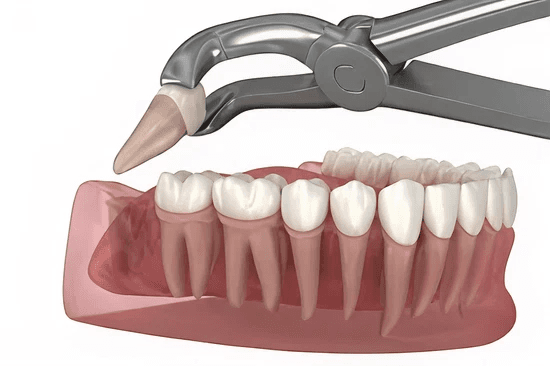
Tooth extraction inside human mouth.
Dental health doesn't get easier with age. A lifetime of use, accumulated dietary exposure, medication effects, and the natural changes that come with ageing all converge to create a different dental picture at 60 or 70 than at 30 or 40.
What changes, specifically, and what should patients — and their adult children helping navigate healthcare decisions — understand about dental care in the older years? Here's the complete picture, relevant to patients across Noida, Greater Noida, and Delhi NCR.
How the Mouth Changes With Age
Several structural and physiological changes occur in the oral environment as part of normal ageing, independent of disease.
Enamel changes. Enamel accumulates mineral over a lifetime — it becomes denser and harder with age. It also becomes more brittle. Older enamel, while harder, is more prone to fracture under sudden impact, which is why older adults are more susceptible to tooth cracking. The enamel also darkens slightly with age as it accumulates staining compounds.
Dentine changes. Dentine continues to form throughout life, thickening the walls of the pulp chamber and progressively reducing the pulp space. In older patients, pulp chambers are significantly smaller than in young adults. This means that pain signals from decay may be less dramatic in older patients — a cavity that would be very sensitive in a 25-year-old may be less symptomatic in a 70-year-old whose pulp space is substantially narrowed. The clinical implication: older patients shouldn't assume "it doesn't hurt much" means the problem isn't serious.
Gum tissue. Gum tissue becomes less elastic and more fibrous with age. It also recedes to some degree as a normal ageing process — mild gum recession in older adults can be physiological rather than disease-related, though disease-related recession needs to be distinguished from normal ageing.
Saliva. Salivary gland function generally decreases with age, and many medications common in older adults (see below) further reduce saliva production. The cumulative effect is that dry mouth is significantly more common in older patients than younger ones.
Bone density. Alveolar bone — the bone that supports the teeth — follows general bone density trends. Osteoporosis, which is common in older women, affects alveolar bone density as well as other bones. Reduced alveolar bone density increases susceptibility to periodontitis-related bone loss and affects implant planning.
Dry Mouth — The Dominant Oral Health Challenge in Older Adults
Dry mouth (xerostomia) deserves its own section because it's the most prevalent oral health issue in older adults and has cascading consequences across virtually every other dental concern.
Saliva, as discussed throughout this series, is the mouth's primary defence. It buffers acid, delivers minerals for enamel remineralisation, suppresses bacterial growth, and mechanically washes the oral environment. When saliva is consistently reduced, all of these protective functions are compromised simultaneously.
The medication list of a typical 65+ patient in India's urban environment frequently includes multiple drugs with dry mouth as a side effect:
- Antihypertensives (particularly diuretics and some calcium channel blockers)
- Antidepressants and anxiolytics
- Antihistamines
- Parkinson's disease medications
- Antispasmodics
- Diuretics for heart failure or oedema
- Certain diabetes medications
A patient on three or four of these medications simultaneously can experience very significant salivary reduction — and the dental consequences are predictable.
What dry mouth causes in the dental context:
Rapid increase in cavity rate. Patients who had healthy teeth for decades develop multiple new cavities within a few years of beginning medications that cause dry mouth. The acid-buffering and remineralisation that saliva provided is gone; the enamel and root surfaces are vulnerable in a way they weren't before.
Root caries. With gum recession exposing root dentine and saliva unable to protect those surfaces, root surface decay is extremely common in older adults with dry mouth. Root caries progresses faster than enamel caries and can be very difficult to restore given the subgingival location of some lesions.
Oral candidiasis. Candida thrives in a dry oral environment. Denture-wearing older adults are particularly susceptible, as the plastic acrylic of a denture creates an ideal surface for Candida biofilm formation.
Difficulty eating and swallowing. Adequate saliva is essential for the formation of food bolus and the initiation of swallowing. Patients with severe dry mouth find eating difficult, which affects nutrition.
Managing dry mouth in older patients at Renew Dental Clinic:
Dr. Suchi Singh approaches dry mouth in older patients with a combination of strategies:
- Discussion with the prescribing physician about whether medication alternatives are possible
- High-fluoride prescription toothpaste to compensate for reduced mineralisation
- Saliva substitutes and oral moisturising gels
- Xylitol-containing lozenges and gum to stimulate residual salivary gland output
- More frequent dental check-ups — often every 3 to 4 months — given the elevated risk
- Dietary guidance to reduce sugar frequency
Root Caries — The Cavity Pattern of Older Adults
Root cavities (root caries) are dramatically more common in older adults than in younger patients — for the specific combination of reasons described above: gum recession exposes root dentine, and dry mouth removes the protective saliva.
Root caries looks different from crown cavities. They typically appear as soft, discoloured areas at or just below the gumline — sometimes dark brown, sometimes lighter brown with a slightly leathery texture. They progress differently too — root dentine is softer than enamel and cavities in root dentine spread laterally (sideways around the root) as well as inward.
Root caries can be technically difficult to restore depending on their location. Those sitting below the gumline may require minor gum surgery to expose them adequately before the filling can be placed. In some cases, if the root caries is extensive, the tooth may not be restorable.
Prevention is significantly more effective than treatment: high-fluoride toothpaste, adequate hydration, reduced sugar frequency, and professional fluoride varnish applications at every check-up provide meaningful protection to exposed root surfaces.
Periodontitis in Older Adults — Managing an Established Disease
Most older adults with significant gum disease have had it for decades — it developed in middle age and has been managed with varying levels of consistency since. For those who've been irregular with dental care, established periodontitis may present for the first time in older adulthood when they do attend.
The management principles are the same as for younger adults — professional scaling, root planing, and ongoing maintenance — but several factors affect the clinical picture:
Medications. Calcium channel blockers (nifedipine, amlodipine) used for hypertension can cause gingival overgrowth — excessive gum tissue growth — in some patients. Bisphosphonates used for osteoporosis require specific consideration before any dental surgical procedure (see below).
Healing is slower. Post-treatment healing takes longer in older patients, and the response to periodontal treatment, while real, is somewhat less robust than in younger patients.
Systemic connections matter more. The diabetes-gum disease relationship and the cardiovascular-gum disease association are both more clinically relevant in older adults, who are more likely to have these conditions. Managing gum disease in older patients contributes to overall health management in ways that matter more at 70 than at 30.
Bisphosphonates and Dental Treatment
This is an area that many patients — and some non-dental physicians — aren't aware of, and it's important for older adults, particularly older women being treated for osteoporosis.
Bisphosphonates (alendronate/Fosamax, risedronate, zoledronic acid) are medications that alter bone metabolism by inhibiting the cells that break down bone (osteoclasts). This is effective for osteoporosis. The relevant dental complication: the inhibition of bone remodelling by bisphosphonates means that bone healing after dental procedures that disturb bone — extractions, implants, periodontal surgery — can be impaired.
In a small percentage of patients on bisphosphonates, dental procedures trigger a condition called medication-related osteonecrosis of the jaw (MRONJ) — exposed, non-healing bone in the jaw that can be very difficult to treat.
The risk is higher with:
- Intravenous bisphosphonates (given for cancer-related bone disease) than oral bisphosphonates (given for osteoporosis)
- Longer duration of bisphosphonate use
- Higher doses
- Poor oral health (active infection)
The practical implication: patients on bisphosphonates who need extractions, implants, or periodontal surgery should inform their dentist about their medication. At Renew Dental Clinic, Dr. Suchi Singh accounts for bisphosphonate use in all surgical planning for older patients, and coordinates with the prescribing physician about any required medication adjustment ("drug holiday") before significant procedures.
This is not a reason to avoid dental care — untreated dental infection in a bisphosphonate patient is itself a risk factor for MRONJ. It's a reason to communicate clearly with both the dentist and the physician so treatment is planned appropriately.
Denture Care — For Current Denture Wearers
Many older adults in Noida and Delhi NCR wear partial or complete dentures, either as the primary or supplementary prosthesis. Denture care is a dental concern that remains active for as long as the dentures are worn.
Key points for denture wearers:
Dentures should be removed and cleaned thoroughly after every meal or at minimum after the main meal of the day. Food and bacteria accumulate under and on denture surfaces — their warm, moist environment is ideal for microbial growth.
Clean with a soft denture brush and mild soap or denture cleaning solution. Not regular toothpaste — its abrasives scratch the acrylic surface, creating rough areas that harbour bacteria and stain more readily.
Remove and soak overnight in a cleaning solution or plain water — never leave dentures dry, as acrylic warps. Never soak in hot water for the same reason.
The fitting problem. Dentures fitted years ago gradually become loose as the underlying alveolar bone continues to resorb after tooth loss. A denture that fit well 10 years ago may now be significantly loose — causing rubbing, sore spots, difficulty eating, and the embarrassment of movement during speaking. Most patients tolerate a poorly fitting denture far longer than is appropriate.
At Renew Dental Clinic, denture assessment includes examining the fit of existing dentures and recommending relining (adding material to restore the fit), remaking where necessary, or discussing implant-retained alternatives for patients who find conventional denture stability inadequate.
Annual professional denture check-up even when the dentures feel functional — to assess fit, check for cracks or fractures, examine the gum ridges beneath them, and screen the oral mucosa under and around the denture for any tissue changes.
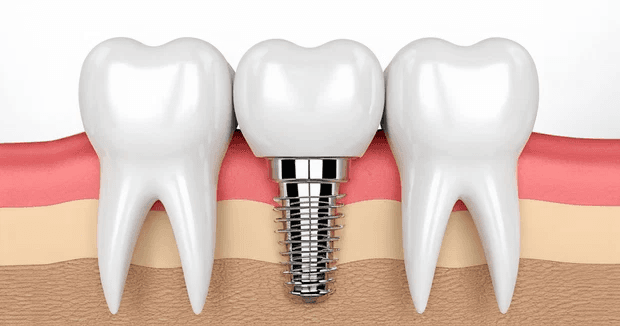
Implants in Older Adults — Are They Appropriate?
A common misconception: dental implants are for younger adults. This isn't correct.
Age alone is not a contraindication to implants. Numerous studies have demonstrated successful osseointegration in patients in their 70s and 80s. The relevant considerations are not age but systemic health, bone density, and specific medications.
Well-controlled medical conditions — including well-controlled diabetes, controlled hypertension, and stable cardiovascular disease — are generally compatible with implant placement. Poorly controlled conditions, significant osteoporosis, or bisphosphonate use require more careful assessment.
Older adults who've had teeth extracted years or decades ago and have been living with dentures often have significant bone loss at the extraction sites — which may require bone grafting before implants can be placed. This adds complexity and healing time but is not an absolute barrier.
For patients who've been managing with a conventional lower complete denture — consistently the most difficult prosthesis to keep stable — implant-retained overdentures are life-changing. Two to four implants placed in the lower jaw give the denture something to anchor to, eliminating the stability problems that make conventional lower dentures so functionally difficult.
Oral Cancer Screening in Older Adults
The risk of oral cancer increases with age. Most oral cancer cases are diagnosed in patients over 55. In India, where tobacco use (smoking and smokeless forms) and areca nut use are prevalent, oral cancer rates are particularly high.
Every check-up at Renew Dental Clinic includes a thorough oral mucosal examination — tongue (top and underside), cheeks, floor of mouth, palate, throat, and gums. Any suspicious lesion is documented, monitored, or referred for assessment.
Older adults who've been irregular with dental check-ups and have used tobacco at any point in their lives should make oral cancer screening an explicit reason for their next appointment — not just the teeth.
How Often Should Seniors Attend Dental Check-Ups?
For older adults with:
- Good overall oral health, no dry mouth issues, no active gum disease: Every 6 months.
- Dry mouth (from medications or other causes): Every 3 to 4 months. The elevated decay risk makes more frequent monitoring essential.
- History of gum disease or active periodontitis: Every 3 to 4 months for maintenance.
- Dentures: Annual check-up for denture fit and oral tissue assessment.
Frequently Asked Questions
My elderly parent says their gums have pulled back but nothing hurts — is this normal ageing?
Some degree of recession is normal with age. But it should be assessed — recession accompanied by exposed root surfaces is associated with root caries risk, and progressive recession may indicate active gum disease that's causing less pain than it would in a younger patient due to narrowed pulp chambers.
Can older adults have implants if they have heart disease?
In many cases, yes. Implant placement under local anaesthesia is generally well tolerated by patients with controlled heart disease. Specific cardiac conditions (recent heart attack, certain valve conditions) require coordination with the cardiologist. This is assessed individually.
Is fluoride toothpaste still important after all the natural teeth are gone?
If even a few natural teeth remain, yes — particularly if there's gum recession and exposed root dentine. For complete denture wearers with no natural teeth remaining, fluoride is less critical but oral hygiene for the gum tissue and denture hygiene remain important.
To book a senior dental assessment at Renew Dental Clinic, Sector 47, Noida, call (0120) 498-8333.
Monday–Saturday 10:30 AM – 8:00 PM | Sunday 11:00 AM – 2:30 PM.