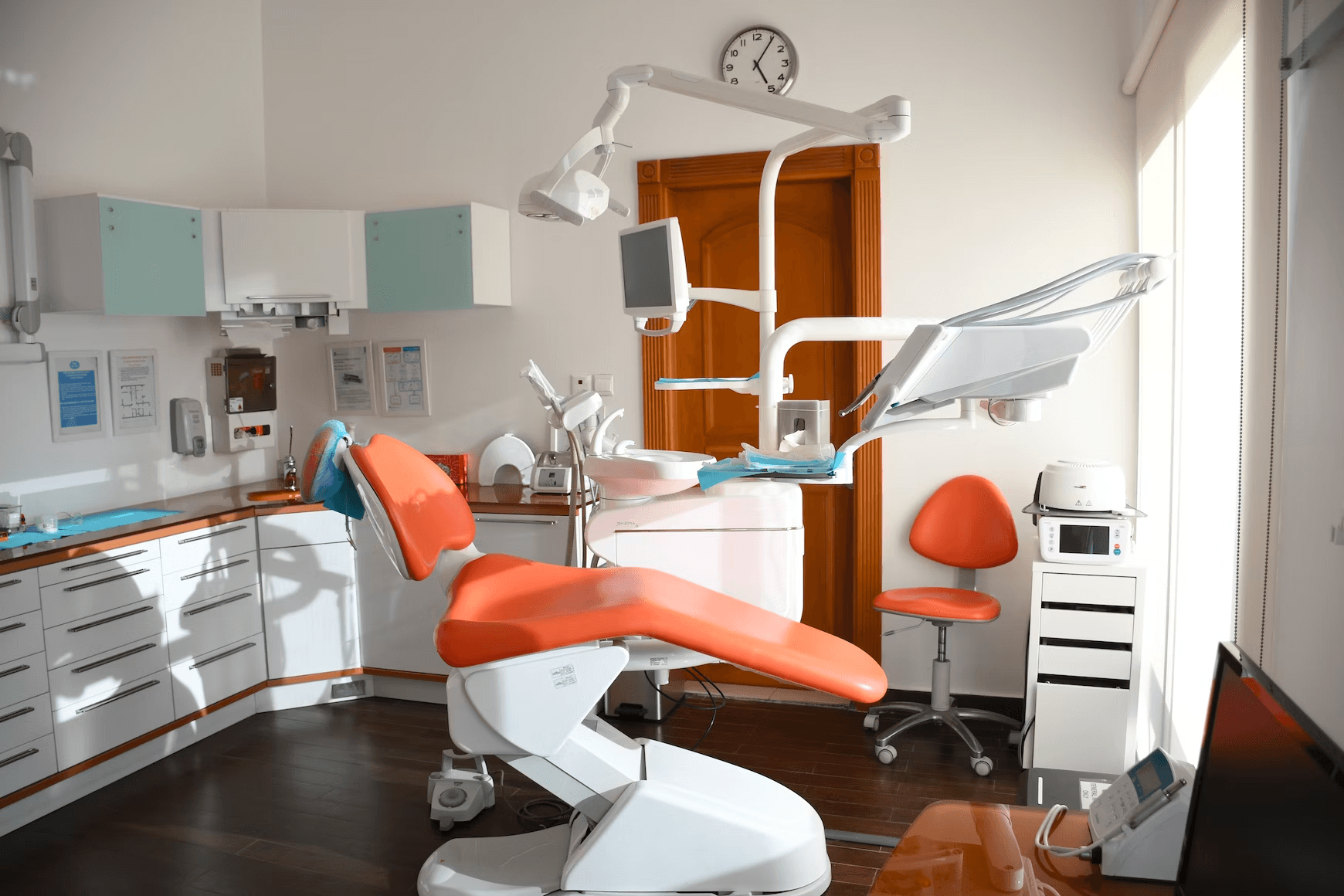
What to Expect in Your First Dental Cleaning

A dental cleaning is a preventive procedure to remove plaque, tartar, and stains from teeth.
Regular dental cleanings are a pillar of oral health fitness. Not only do they keep cavities, gum disease, and bad breath at bay, but they also give your dentist a chance to find things early on in the process when they are simplest to treat. For new patients, the thought of a first cleaning may be daunting. Questions about the process, tools, and feelings are bound to occur.
This guidebook is designed to lead you through what you go through in your first dental cleaning step by step. Knowing what happens will make you less nervous, reduce fear, and ready for a fantastic and smooth experience.
Why You Need Dental Cleanings?
Dental cleanings are not just cosmetic. They are routine preventive oral care. The reasons below are the significant ones why regular dental cleanings are necessary:
- Plaque and tartar removal: Brushing and flossing can never eliminate hardened tartar. Professional cleaning will get teeth cleaned properly, and gum disease and cavities will be diminished.
- Early detection of issues in the mouth: Dentists can observe early signs of tooth decay, gum infection, oral infection, and other problems that are not yet giving pain or discomfort.
- Keep breath fresh and smile bright: Regular cleaning removes surface stains and debris, leaving your teeth with a brighter overall appearance.
- Support overall health: A sick mouth can spread to the rest of the body. Avoiding buildup in the mouth of bacteria decreases the risk of infection and some systemic illnesses such as heart disease and diabetes.
Regular cleanings establish a strong foundation for long-term oral health and ensure that small dental problems are addressed before they become large ones.
Preparing for Your First Dental Cleaning
Preparation in advance of your first dental cleaning can make the appointment more streamlined and less uncomfortable. Take the following steps before going to your appointment:
- Take dental records: When you visit a new dentist, take with you any previous dental records or X-rays you have. This informs the dentist about your dental history.
- Bring a list of medications and medical conditions: Some conditions or medications can affect your oral health or the method in which cleaning is performed.
- Skip eating close to the appointment if advised: Fasting or light meals are sometimes advised by some dentists prior to a cleaning, particularly if X-rays are scheduled.
Be prepared to detail your oral hygiene practices: Your hygienist or dentist will ask about your brushing, flossing, and diet. Honesty about your practices enables them to provide personalized advice. Through detailed preparation, the dental team is able to provide you with a good, effective cleaning and fix any problems that you may have.
Step-by-Step: What's Involved in Your Initial Cleaning?

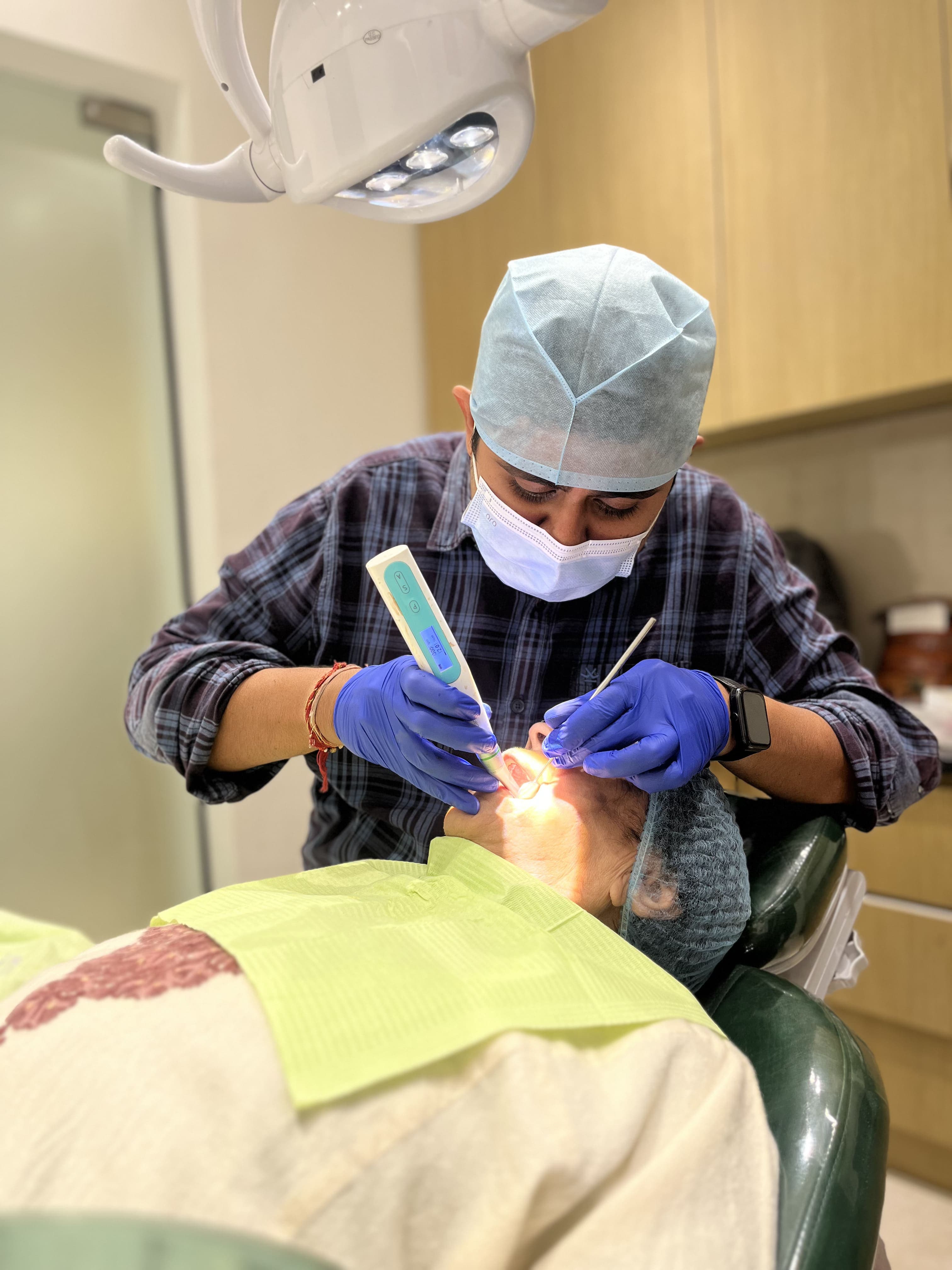
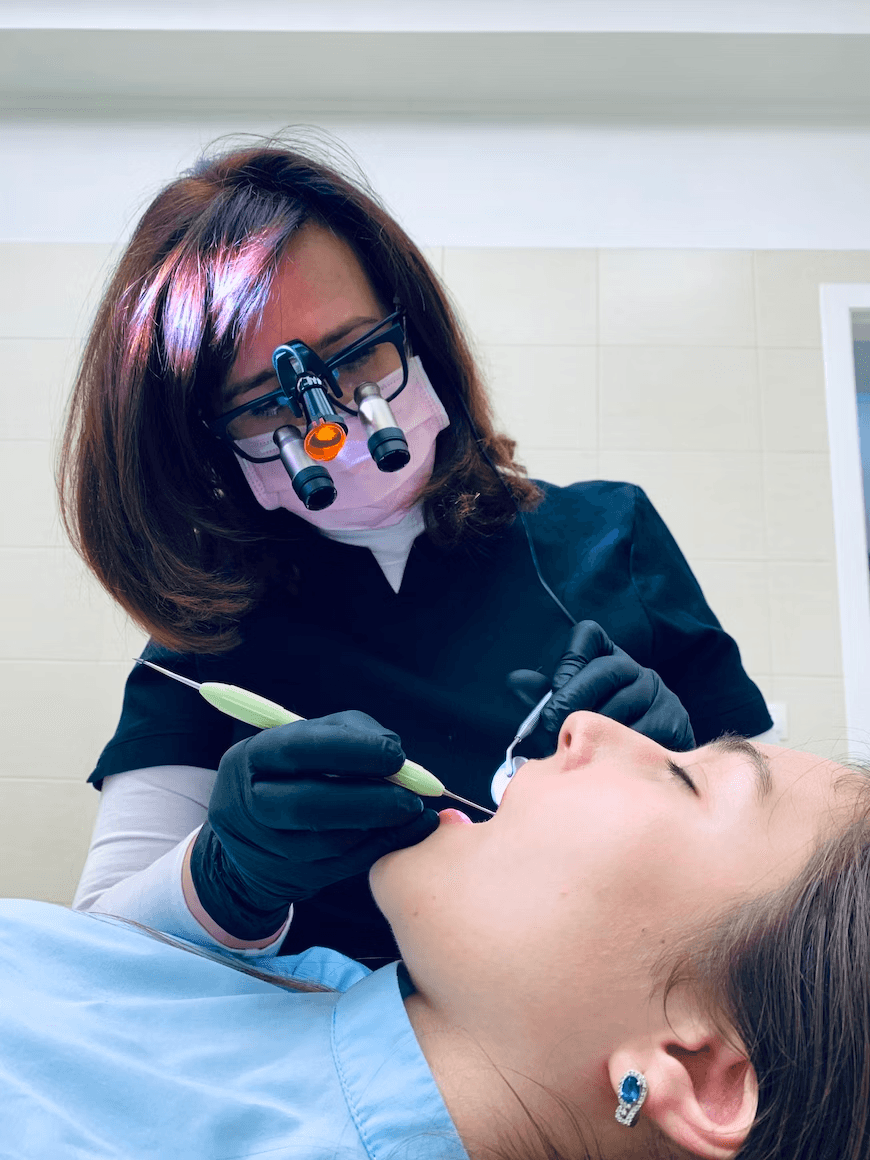
Specialized tools are used to gently remove tartar buildup from the teeth and gumline.
Having knowledge of each part of a dental cleaning can reduce anxiety and make you a better-informed patient.
Step 1: Dental Exam
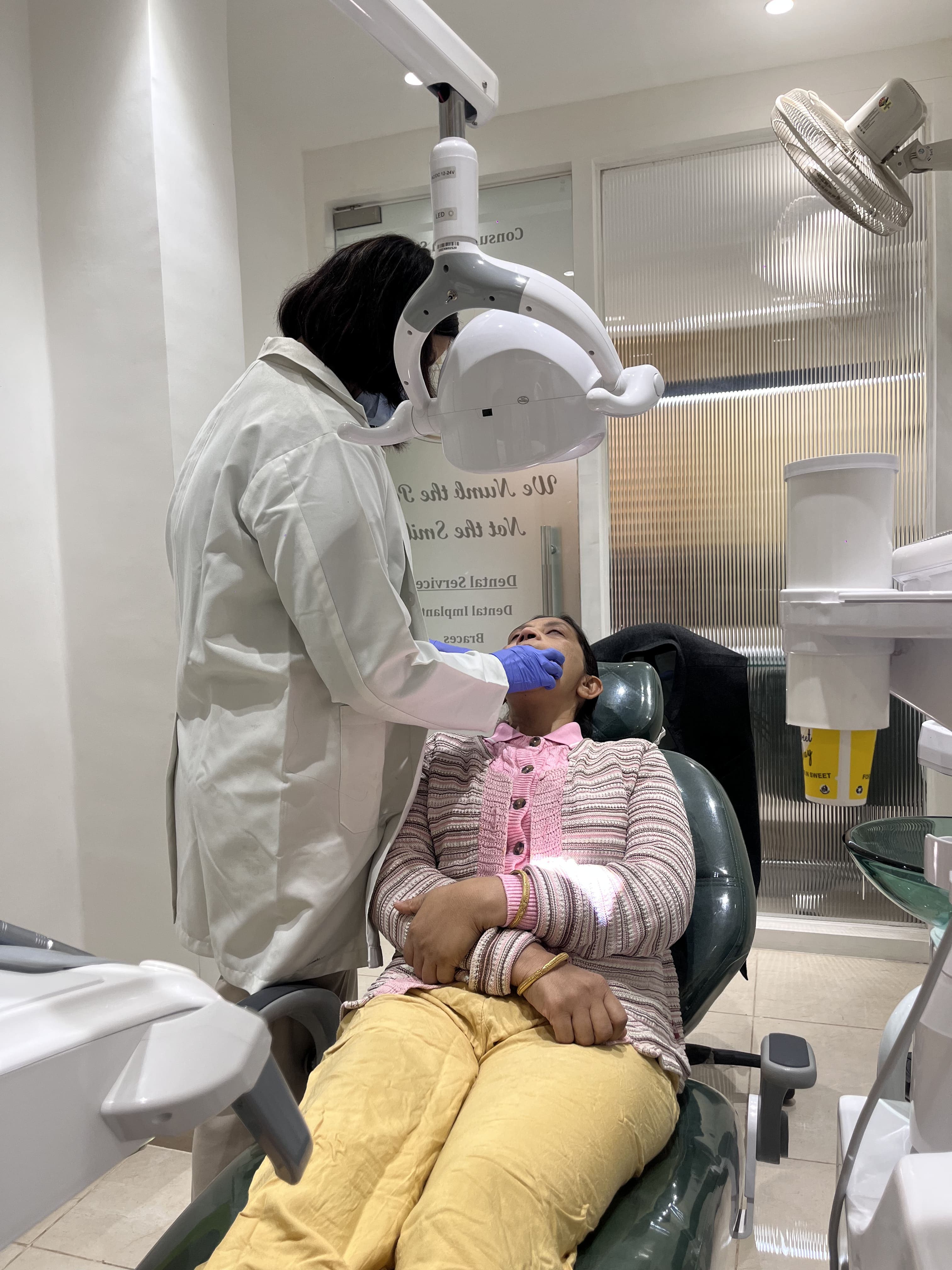
The dentist or dental hygienist begins by visually examining your teeth, gums, and mouth. They look for evidence of cavities, gum disease, mouth sores, or other issues. X-rays are taken if necessary to spot things that can't be seen on the surface, such as decay between the teeth or bone loss.
Step 2: Breaking Up Plaque and Tartar
Plaque and tartar deposits are removed with special dental tools called scalers. Tartar is hardened plaque that can't be brushed off at home. Hygienists focus on hard-to-reach places like between teeth and the gumline. It is a crucial step in cavity prevention, gum infection, and even tooth loss.
Step 3: Teeth Polishing
Teeth are then polished after the removal of tartar with a gritty paste and a rotating brush or rubber cup. Polishing removes surface stains caused by coffee, tea, or smoking. It also smooths the tooth enamel, which becomes more difficult for plaque to adhere.
Step 4: Flossing and Rinsing
The hygienist's action is to gently floss between your teeth for loose debris. You may rinse with a fluoride or. antibacterial mouthwash. for. tooth and gum protection. This step cleans all Surfaces of the teeth effectively.
Step 5: Fluoride Treatment (Optional)
A fluoride treatment may. be. administered. for. building up tooth enamel. resistance to decay. This procedure. is most. valuable. for individuals. with a greater. cavity risk. The fluoride can be applied in gel, foam, or varnish form.
Step 6: Oral Health Counselling
After cleaning, the dentist or hygienist provides personalized counseling regarding:
- Brushing technique, frequency, and tools.
- Methods of flossing to control spaces between teeth.
- Dietary and lifestyle guidance for preventing staining and decay.
Preparations for the next checkup and cleaning are also made to maintain long-term oral health.
General Reactions During and After a Cleaning
- Mild gum pain or sensitivity: Certain patients feel some minimal discomfort in the area of plaque accumulation or tender gums, but this tends to fade quickly.
- Clean, fresh feeling: By far the majority of patients notice something different, with their teeth being smooth and their mouth being clean after having the cleaning.
- No lingering discomfort: A dental cleaning is a normal procedure, and any discomfort is short-lived.
The awareness of such sensations supports realistic expectations and less anxiety for new patients.

The cleaning process is usually painless, though slight sensitivity may occur.
Follow-up After Your Cleaning
Long-term outcomes and future oral health are ensured by post-dental cleaning maintenance:
- Follow fluoride guidelines: In the event treatment with fluoride was used, do not eat and drink for at least 30 minutes to allow the enamel to absorb fluoride.
- Oral hygiene daily: Brushing twice daily, flossing once a day, and mouthwashing as instructed.
- Follow-up appointment: The majority of standard dental cleanings are advised to be performed every six months. Patients with high-risk indicators may require more visits.
- Notice unusual symptoms: Inform your dentist if there is any bleeding, extra sensitivity, or excessive pain right away.
Proper aftercare provides maximum benefit of the cleaning and keeps gums and teeth healthy.
Myths and Facts About Dental Cleanings
Myth: Dental cleanings hurt.
Fact: The majority of cleanings are painless, with at most a small discomfort in the sensitive areas. Improved instruments and techniques minimize the pain.
Myth: Cleanings aren't necessary if I brush at home.
Fact: Brushing and flossing are wonderful, but not sufficient. They can't remove tartar deposits or identify problems early. Professional cleaning is an addition to daily oral hygiene.
Myth: Tooth cleanings will totally whiten my teeth.
Fact: Cleanings remove surface stains, which give teeth an appearance of being whiter, but aren't a substitute for whitening procedures.
By keeping these myths under control, patients can come in for their initial cleaning with a positive attitude.
Conclusion
Your first cleaning is the start of maintaining a healthy, beautiful smile. It is an office visit that includes a full check-up, removal of tartar and plaque, polishing, flossing, possible fluoride treatment, and oral care counseling, individually given to you. Most patients depart with their senses refreshed and mouth health protected, though some potential sensitivity is involved.
Six-monthly regular dental cleanings are needed in order not to develop cavities, gum disease, and other problems. The patients are better informed about the procedure and proper aftercare guidelines, which allows them to make the most of their cleaning and enjoy a healthy smile for quite some time. Always seek personal recommendations from your dentist based on your oral requirements.
Frequently Asked Questions
1. How long is the first dental cleaning?
Most first dental cleanings are 30 to 60 minutes, depending on the condition of your gums and teeth. Those with more buildup or tartar may take just a few more minutes.
2. Is dental cleaning painful?
Dental cleanings are usually not painful. There may be some soreness on areas of plaque or inflamed gums, but it is only temporary.
3. How frequently should I have my teeth cleaned?
Regular dental cleanings should be done every six months. Patients at higher risk for cavities, gum disease, or tartar build-up should visit more often.
4. Can I eat before my dental cleaning?
Yes, it is okay to eat before a dental cleaning, but do not eat heavy meals. Follow specific instructions from your dentist.
5. Will my dental cleaning whiten my teeth?
Dental cleaning removes surface stains, and teeth will appear whiter and smoother. It is not a whitening procedure, though, and will not change the natural color of teeth.