The Role of Diabetes in Your Oral Health: Causes, Risks & Prevention Tips

Diabetes directly affects oral health by weakening the body’s ability to fight bacterial infections, making individuals more prone to gum disease, tooth decay, and other dental problems.
Diabetes doesn't just raise blood sugar; it impacts almost every function of the body, including your mouth. Most people don't even realize that uncontrolled diabetes leads to all sorts of gum and dental problems. Indeed, research confirms that individuals with diabetes are at greater risk for gum disease, dry mouth, infection, and delayed healing following a dental procedure.
There is a need to know this connection since diabetes and oral health influence each other mutually. Controlling one controls the conduct of the other. This article articulates the effect of high blood sugar on oral health, warning signs, and best dental care for diabetic patients.
The Link Between Diabetes and Oral Health
When blood sugar is consistently high, the body also loses its infection-fighting and healing capacity for as long. The mouth, which has a lot of bacteria, is also more susceptible to infection and inflammation. High glucose in saliva is also a good breeding place for bacteria to thrive, hence a greater risk of gum disease, decay, and fungal infection.
Second, decreased saliva secretion, one of the most frequent diabetes side effects, causes mouth dryness, which in its turn impacts cavities, bad breath, and pain. That's why treating diabetes involves oral health, not choosing types of self-care.
How High Blood Sugar Damages the Mouth
Consistently high blood glucose levels can cause a chain reaction in your oral environment. Here’s how it affects your mouth over time:
1. Weakened Immune Response
High sugar levels impair white blood cell function, making it harder for your body to fight off bacteria and infections in the gums. This increases your susceptibility to gingivitis and periodontitis (advanced gum disease).
2. Increased Bacterial Growth
The mouth naturally carries bacteria as well, but excessive sugar in saliva nourishes bad bacteria, which makes plaque increase faster. It forms a sticky film and becomes tartar, causing gum inflammation and tissue destruction if not cleaned.
3. Decreased Saliva Flow (Dry Mouth)
Diabetes can reduce saliva production, leading to xerostomia, or dry mouth. Saliva protects teeth by neutralizing acids and washing away food particles. Without enough saliva, you’re at higher risk for cavities, bad breath, and burning sensations.
Common Oral Problems in Diabetic Patients
Diabetics are more prone to all oral complications, which they acquire earlier and more aggressively than their non-diabetic counterparts.
Gum Disease (Gingivitis and Periodontitis)
This is the most common diabetic dental condition. It starts early with gums being red, inflamed, and bleeding on contact. Left alone, it can lead to periodontitis, a painful infection that destroys the soft tissue and bone holding your teeth in place. This could ultimately cause loss of your teeth.
Fungal Infections (Oral Thrush)
Increased blood glucose and impaired immunity facilitate augmented growth of fungi, especially Candida albicans. Thrush in the mouth occurs as creamy white patches on the inner cheeks, lips, or tongue, and is accompanied by burning and pain.
Tooth Decay and Sensitivity
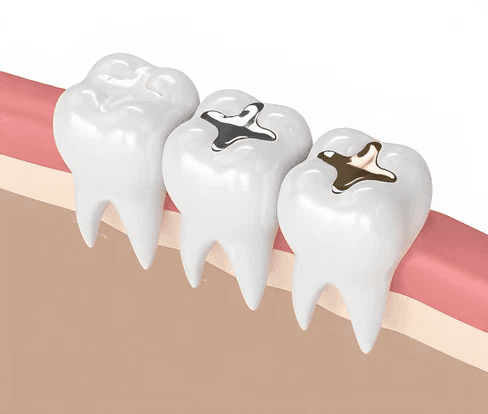
Since there is greater acidity and microbial activity, diabetics are susceptible to rapid tooth decay. Sensitivity is due to enamel destruction, which increases during consumption of hot or cold food.

High blood sugar levels create an ideal environment for harmful bacteria in the mouth, leading to plaque buildup, inflammation, and periodontal (gum) disease among diabetic patients.
Dry Mouth and Bad Breath
Saliva is reduced in diabetes, leading to dry mouth and bad breath. Not only is eating and speech painful, but even bacterial proliferation is increased.
Burning Mouth Syndrome
Some diabetics have a chronic burning of the tongue or gum due to nerve alteration or dry mouth. Regulation of blood sugar and fluid intake may minimize discomfort.
Delayed Healing After Dental Care
Delayed tissue repair and healing, and slower recovery following treatment such as extraction or scaling, are effects of high blood sugars. Proper sugar control prior to dental treatment is thus required.
Warning Signs Diabetics Should Not Ignore
Diabetic patients need to monitor closely for early warning symptoms of mouth disease because early treatment will avoid complications. Warning signs are:
- Bleeding or sore gums
- Constantly bad breath
- Painful or loose teeth when chewing
- White patches or mouth sores
- Slowly healing ulcers or wounds
If you see any of these signs, go see your dentist right away. If you don't, your oral as well as blood sugar control will worsen.
How Gum Disease Affects Blood Sugar Levels
Inflamed gums spit poisons into the blood, which makes the body resistant to insulin. That causes increased blood sugars, which will make diabetes harder to control. And that way, gum disease, if left unchecked, will complicate diabetes in the long run.
How Controlled Diabetes Keeps Your Mouth Healthy
On the other hand, when your blood sugar is regulated, your immune function is enhanced, there is more healing, and there is less chance of gum disease. Good oral hygiene helps overall diabetes management, so it is a key component of your daily routine.

Maintaining proper oral hygiene with diabetes includes brushing twice daily, flossing regularly, and using an antiseptic mouthwash, which helps reduce bacterial growth and plaque formation.
Maintaining proper oral hygiene with diabetes includes brushing twice daily, flossing regularly, and using an antiseptic mouthwash, which helps reduce bacterial growth and plaque formation.
Dental Care Instructions for People with Diabetes
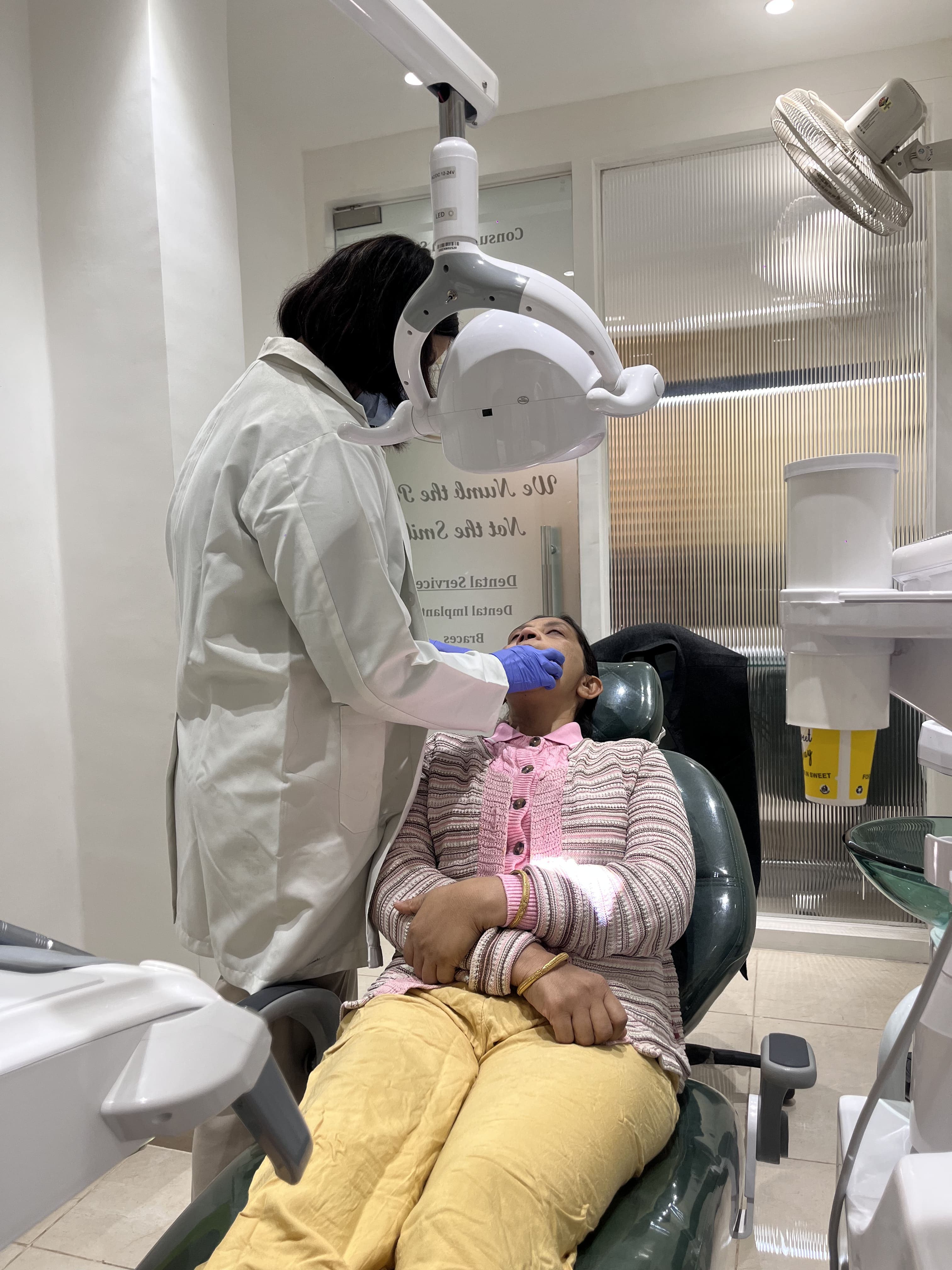
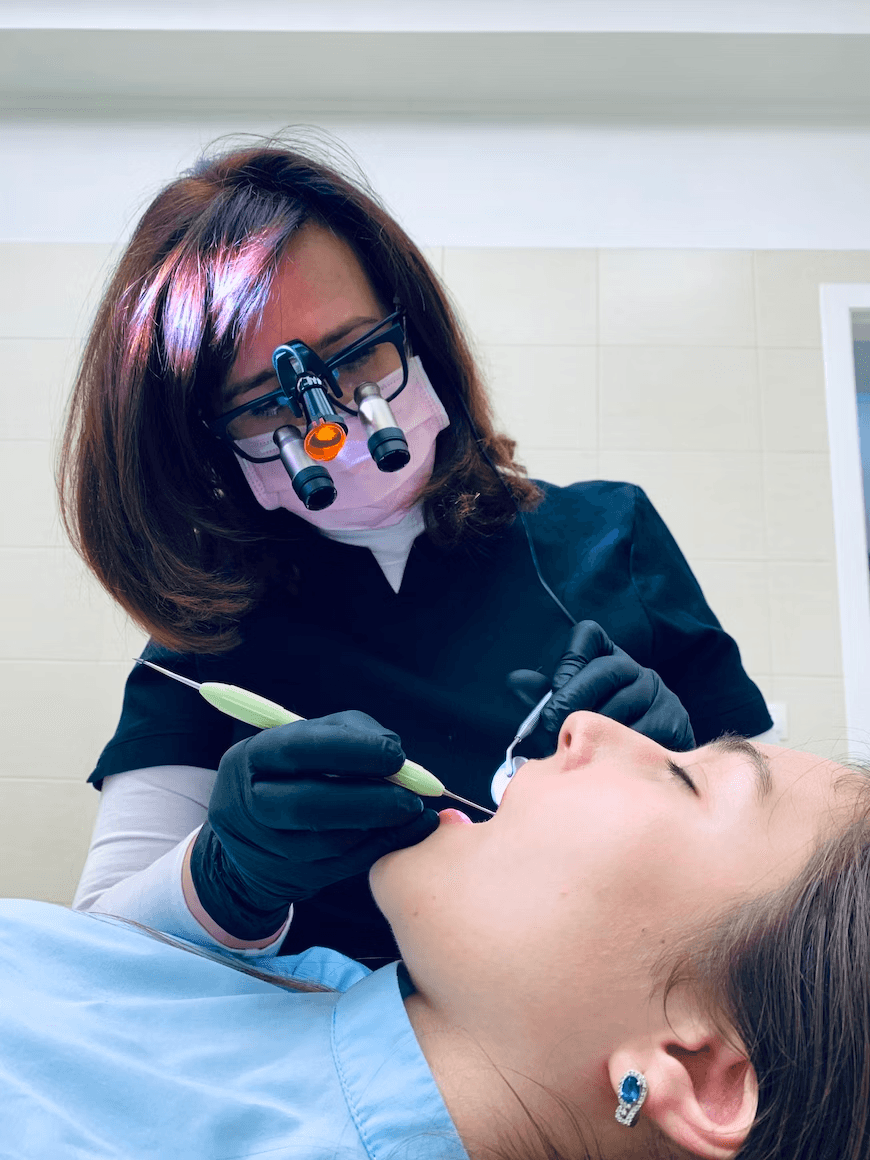
A checkup of your teeth on a regular basis is necessary to maintain the health of your mouth. At all times, inform your dentist that you are diabetic and give them information about your medications and your recent blood tests.
The most convenient time to go to the dentist is when your diabetes is in good control, preferably with fasting blood sugar less than 130 mg/dL and HbA1c at your doctor's target. Morning visits are optimal since blood sugars tend to be more stable in the morning.
For complicated dental surgery, your dentist would consult with your doctor, particularly if antibiotics or post-op medication are necessary. Due to the fact that diabetics heal slowly, post-op instructions must be followed and oral hygiene habits preserved so infection does not occur.
Never miss a meal before visiting the dentist because this can lead to hypoglycemia, particularly if you are taking insulin. Pack your glucometer and a source of instant glucose with you just in case.
Conclusion
Diabetes and oral health go hand in hand; high blood glucose impacts your mouth more than most people know. From gum disease to poor healing, your mouth will tell you how well you're doing with your diabetic management
The not-so-good news is that with poor control, most oral complications cannot be avoided. Keep your blood sugar under control, brush often, and see your dentist regularly for checkups and cleanings.
Taking care of your mouth isn't just about having a healthy smile; it's also a big part of taking care of your diabetes and overall health.
Frequently Asked Questions
1. Can gum disease worsen diabetes?
Yes. Gum disease adds additional inflammation to the body, raising blood sugar and making it harder to manage diabetes. Healing gum disease enhances glycemic control.
2. Is it safe for diabetics to have dental cleanings or extractions?
Yes. Dental extractions and cleanings can be done safely when your blood sugar level is well managed. Inform your dentist of your diabetes and medicines so that they can take necessary precautions.
3. Why are mouth infections more common for diabetics?
High blood sugar kills the immune system and allows more bacteria to grow in the mouth. Infections like gum disease and oral thrush are easier to acquire.
4. How can I prevent dry mouth if I am diabetic?
Drink plenty of water, chew sugar-free gum or suck on sugar-free lozenges to keep your saliva stimulated, and stay away from alcohol or caffeine. If you continue with dry mouth, your dentist can prescribe saliva substitutes or personal gels.
5. How often should diabetics go to the dentist?
Diabetic patients require regular visits to the dentist every 6 months, or more frequently in the case of active gum disease. Regular visit allows early detection and treatment of dental complications before they become significant.