By Renew Dental HospitalPublished on

Young child touching their cheek in discomfort, showing signs of tooth pain caused by cavities, infection or poor dental hygiene.
Cavities have a particular quality that makes them easy to ignore: they don't hurt until they're advanced. A cavity that started as a small white spot on the enamel surface can grow for a year or two in complete silence before producing any sensation. And then suddenly the cold water that used to feel refreshing becomes something you flinch at.
This painless growth period is what makes cavities one of the most reliably preventable problems that regularly becomes a major intervention. Not because people are particularly negligent — just because there's nothing to prompt the visit until something more involved is already needed.
Before a hole forms, the earliest decay appears as a white, chalky, opaque spot on the enamel surface. The bacteria in plaque have been producing acid in that area long enough to dissolve mineral content from the enamel, leaving it porous and less dense — less translucent, more white.
At this stage, the enamel surface hasn't physically broken down. The structure is still intact. The mineral has been depleted, not the substance.
This is the only stage of tooth decay that is reversible. With consistent fluoride application — from professional fluoride varnish at the dental clinic, from prescription-strength fluoride toothpaste, from dietary changes that reduce the acid exposure causing the demineralisation — the enamel can remineralise. The white spot fades. No drilling. No filling. Just careful prevention.
Most white spot lesions are found at routine dental check-ups because they're often in locations difficult to see (between teeth, at the gumline) or because patients simply don't look carefully enough at individual teeth to notice them. That's one of the more concrete values of regular check-ups: catching stage one, the only stage where treatment is no treatment at all.
The white spot advances. The softened enamel surface eventually collapses under the forces of chewing and acid exposure. An actual hole forms — a cavity in the enamel layer.
Still no symptoms in most cases. Enamel contains no nerve endings. A cavity entirely within enamel doesn't hurt.
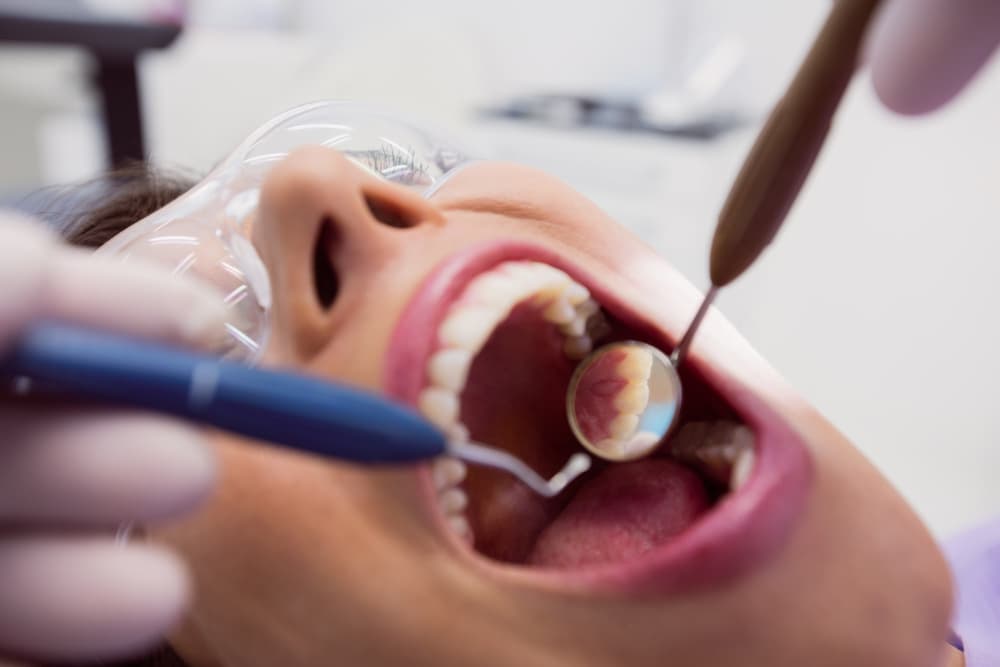
Treatment at this stage: a small composite filling. One appointment, 30–45 minutes, minimal drilling because the cavity is small. The affected area is cleaned, shaped slightly, and the filling material is bonded in. The tooth is restored completely.
The filling at this stage is small. Small fillings are durable, leave abundant sound tooth structure around them, and don't compromise the long-term integrity of the tooth significantly.
Dentine lies beneath enamel. It's softer, yellow in tint, and contains the dentinal tubules that connect to the nerve. Once decay passes through the enamel and enters the dentine, two things change.
First, the decay accelerates. Dentine is less mineralised and less resistant to acid than enamel. The cavity spreads faster laterally and deeper than it did in the enamel layer.
Second, symptoms begin — maybe. Cold sensitivity is the most common first symptom of dentine decay. Brief, sharp sensitivity when something cold contacts the tooth. It stops when the cold is removed. It's easy to attribute to something else: ate too fast, drank too cold, the tooth is "just sensitive."
Treatment at this stage: a filling, but a larger one. More tooth structure has been removed by the decay. The filling is bigger. A bigger filling leaves less sound tooth around it, creating a tooth that's slightly more vulnerable to future fracture or failure than it would have been with a smaller filling.
An important variable: if the decay is very deep in the dentine — close to the pulp — a protective liner may be placed before the filling. There is also an elevated risk of eventually needing root canal treatment, because the pulp has been under bacterial challenge for longer and may respond with irreversible inflammation even after the decay is removed.
The cavity reaches the pulp — the nerve and blood supply at the centre of the tooth. This transition is often when the silence ends dramatically.
The pulp responds to bacterial invasion with inflammation (pulpitis). Early pulpitis can still be intensely painful but sometimes remains reversible — the tooth is saved. Persistent or severe pulpitis becomes irreversible, meaning the pulp tissue is damaged beyond recovery.
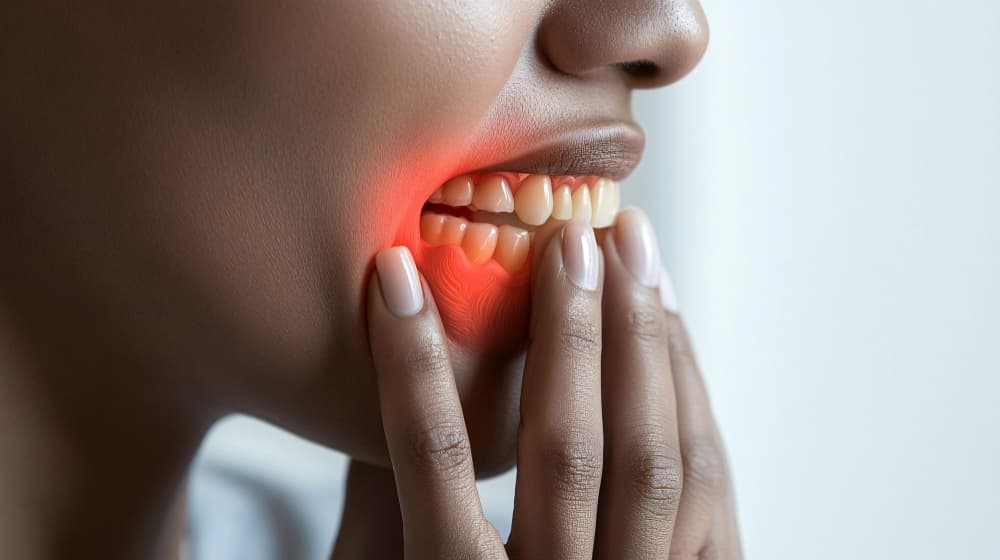
Symptoms at this stage: spontaneous pain (occurring without any trigger), throbbing pain, pain that wakes the patient at night, sensitivity to heat that lingers well after the heat is removed.
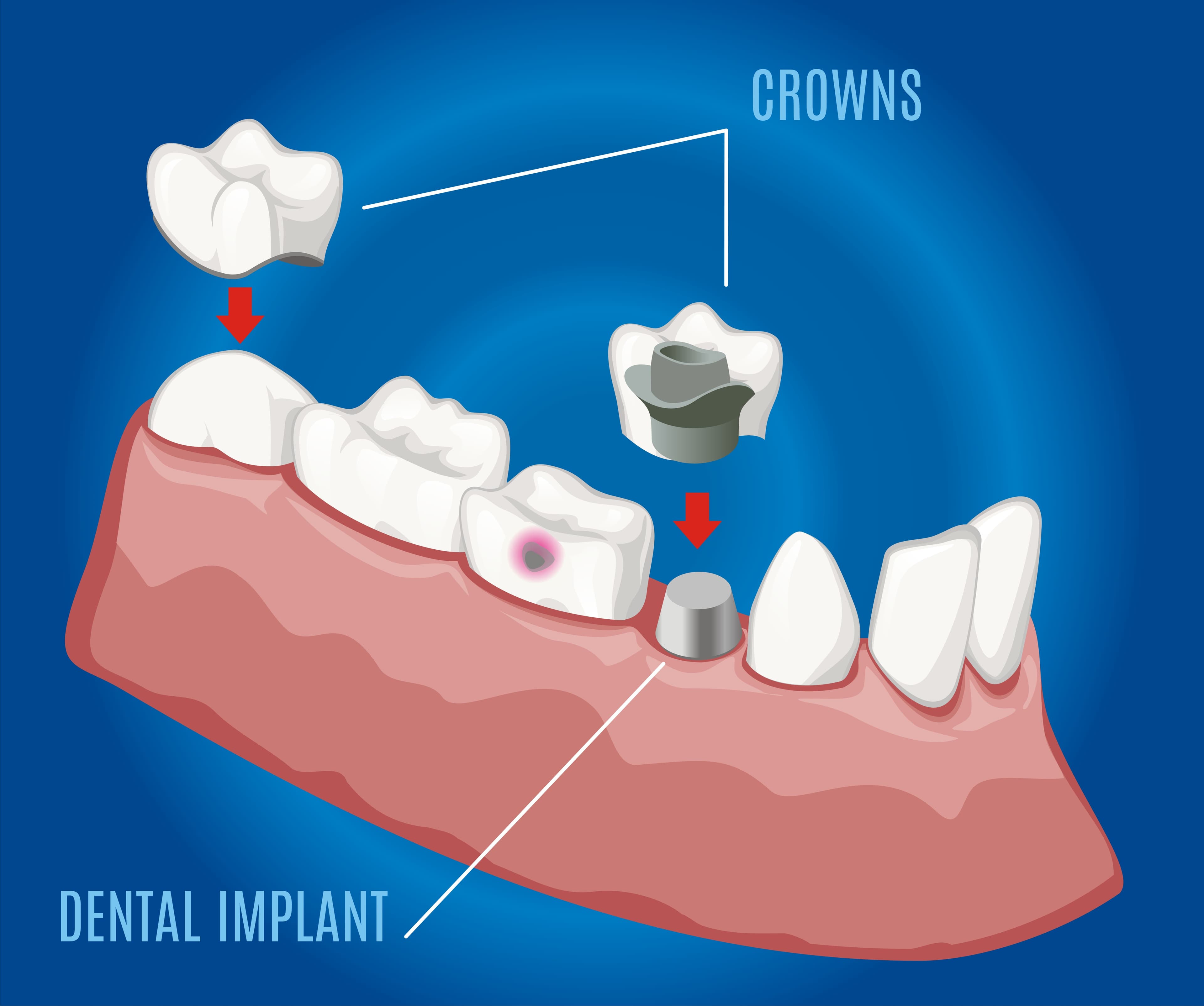
Treatment at this stage: root canal treatment. The infected pulp is removed, the canals are disinfected and shaped, and the canals are sealed. This takes two appointments. After root canal treatment, a crown is placed over the tooth to protect it from fracture — root-canal-treated teeth are more brittle than living teeth and commonly fracture without crown protection, particularly back molars.
Once the pulp dies (either from the infection overwhelming it or from inadequate treatment), bacteria have clear access through the root canals and out the root tips into the surrounding bone. A periapical abscess forms — a pocket of pus in the bone at the root tip.
Sometimes this produces severe, throbbing pain. Sometimes the abscess drains through a small channel in the gum (called a sinus or fistula), reducing the pressure and therefore the pain — patients sometimes think the pain "went away" when what actually happened is the abscess began draining. The infection is still active.
An active periapical abscess can spread. Dental infections that spread into the soft tissue spaces of the face and neck (Ludwig's angina, submandibular space infections) can compromise the airway. These are medical emergencies. The pathway from an ignored cavity to a life-threatening infection is slower than a day but shorter than people think.
Treatment at this stage: root canal treatment to address the infected tooth, with drainage of the abscess if needed. Antibiotics manage the spreading component. In some cases, if the tooth has been too badly damaged or if the abscess extent is too great, extraction is required.
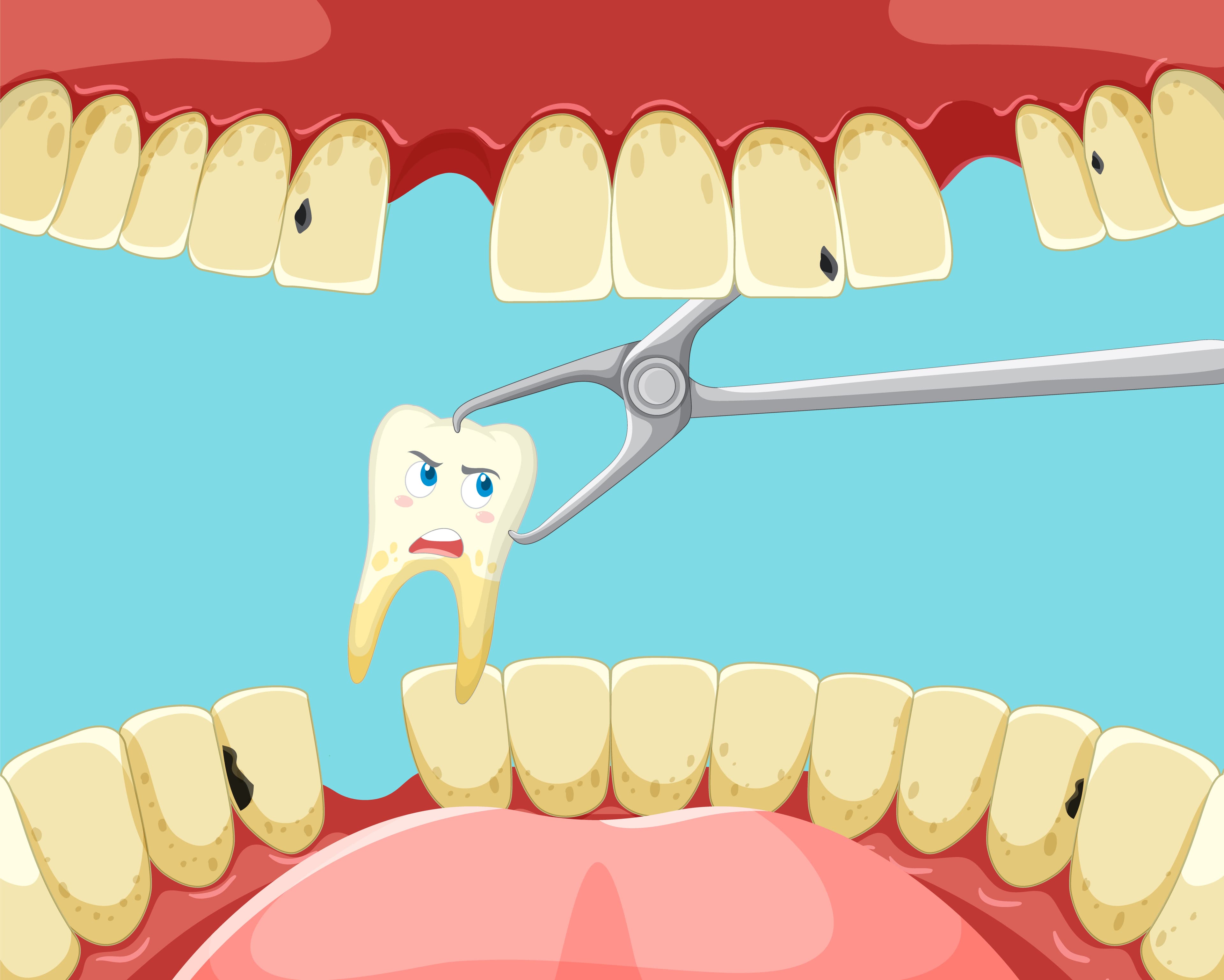
Some teeth arrive at the dental clinic having been ignored for long enough that there's no restorable option remaining. The decay has destroyed too much structure, the root has fractured, or the bone loss from long-standing infection is so severe that the tooth cannot be saved.
Extraction. The tooth that could have been saved with a small filling six months or two years ago is lost.
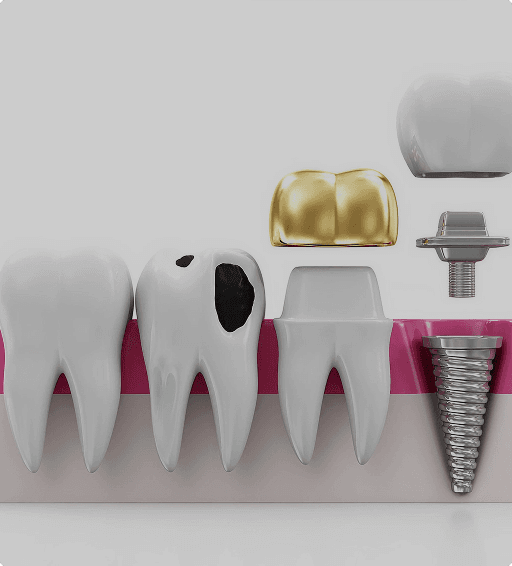
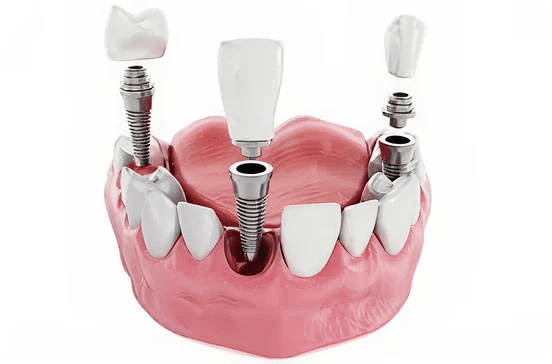
What follows extraction: either a gap (with the subsequent drifting and bone loss that an empty space produces) or a dental implant or bridge — each of which is considerably more complex, expensive, and time-consuming than the original filling would have been.
This is the variable most patients don't have a clear picture of. Is this a process of months or years?
The honest answer: it depends on diet, oral hygiene, saliva quantity, fluoride exposure, the specific bacteria involved, and some individual genetic factors. It's not the same for everyone.
A rough framework: a small enamel lesion can take 12–24 months to progress to an enamel cavity. Enamel to dentine transition may take 6–18 months. Dentine to pulp can be 6 months to several years depending on how much dentine remains.
But this assumes the decay is actively progressing. A stabilised lesion — controlled by fluoride and better hygiene — doesn't follow this timeline. Unmanaged decay, particularly in a patient who snacks frequently on sugar and has limited saliva, progresses faster.
Q: I know I have a cavity but I can't afford treatment right now — what should I do? A: Contact the clinic to discuss your situation. Small cavities treated promptly are significantly less expensive than larger cavities treated later. What seems unaffordable now becomes considerably more so when a filling becomes a root canal and crown. At Renew Dental Clinic, Dr. Suchi Singh prioritises treatment that prevents the situation from worsening while you manage timing.
Q: Can a cavity heal without treatment? A: A white spot lesion (the earliest stage, before the enamel surface breaks down) can reverse with fluoride and dietary change. An actual cavity — a physical hole in the tooth — cannot heal itself. Once the structure is gone, it's gone. It only gets bigger.
Q: I had a cavity filled and now it hurts — did the treatment make it worse? A: Some post-filling sensitivity is normal, particularly for deeper cavities. If sensitivity is severe, worsening rather than improving, or spontaneous (occurring without a trigger), this may indicate the cavity was deeper than the X-ray showed and the pulp is now inflamed. Contact the clinic — this is something to assess, not wait out.
Q: How do I know if I have a cavity right now without going to the dentist? A: You often can't — early cavities produce no symptoms. Visible dark spots, rough edges you can feel with your tongue, consistent cold sensitivity on a specific tooth, and food consistently getting trapped in the same location are all worth a check-up. The most reliable method is a professional examination with X-rays.
For cavity detection and treatment at Renew Dental Clinic, Sector 47, Noida:
📞 +91 99710 35300 A-321, Basement Floor, Next to Mother Dairy Store, Sector 47, Noida, Uttar Pradesh 201303 Monday–Saturday 10:30 AM – 8:00 PM | Sunday 11:00 AM – 2:30 PM
 Copy
What to do in the first hour after a tooth breaks: what to keep, what...
09 Nov 2026
by Renew Dental Clinic
Chipped a tooth? The right repair depends on how much broke and where. See every...
04 Nov 2026
by Renew Dental Clinic

Milk teeth are not just baby teeth. Learn how they differ from permanent teeth, why...
03 Nov 2026
by Renew Dental Clinic
The staining is just the beginning. This guide explains what tobacco — cigarettes, bidi, paan...
22 Jul 2026
by Renew Dental Clinic
Had a tooth removed in Noida? This practical day-by-day guide covers exactly what to eat...
17 Jun 2026
by Renew Dental Clinic
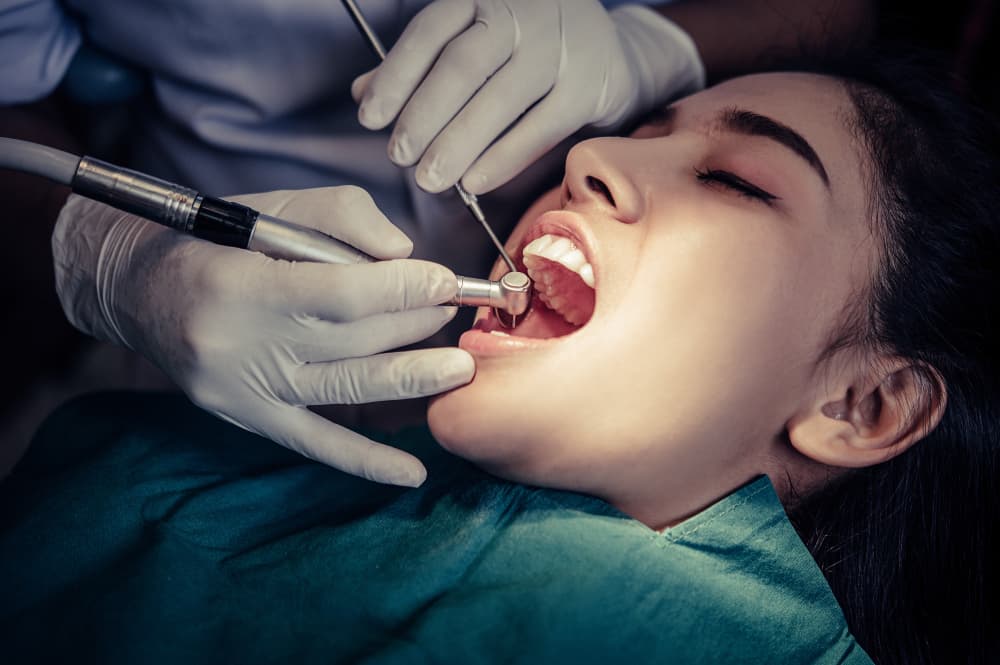
Post-whitening sensitivity is the most common complaint after teeth whitening. This guide explains why it...
21 Aug 2026
by Renew Dental Clinic

White or brown spots on your teeth that appeared without any obvious cause? This guide...
01 Jul 2026
by Renew Dental Clinic
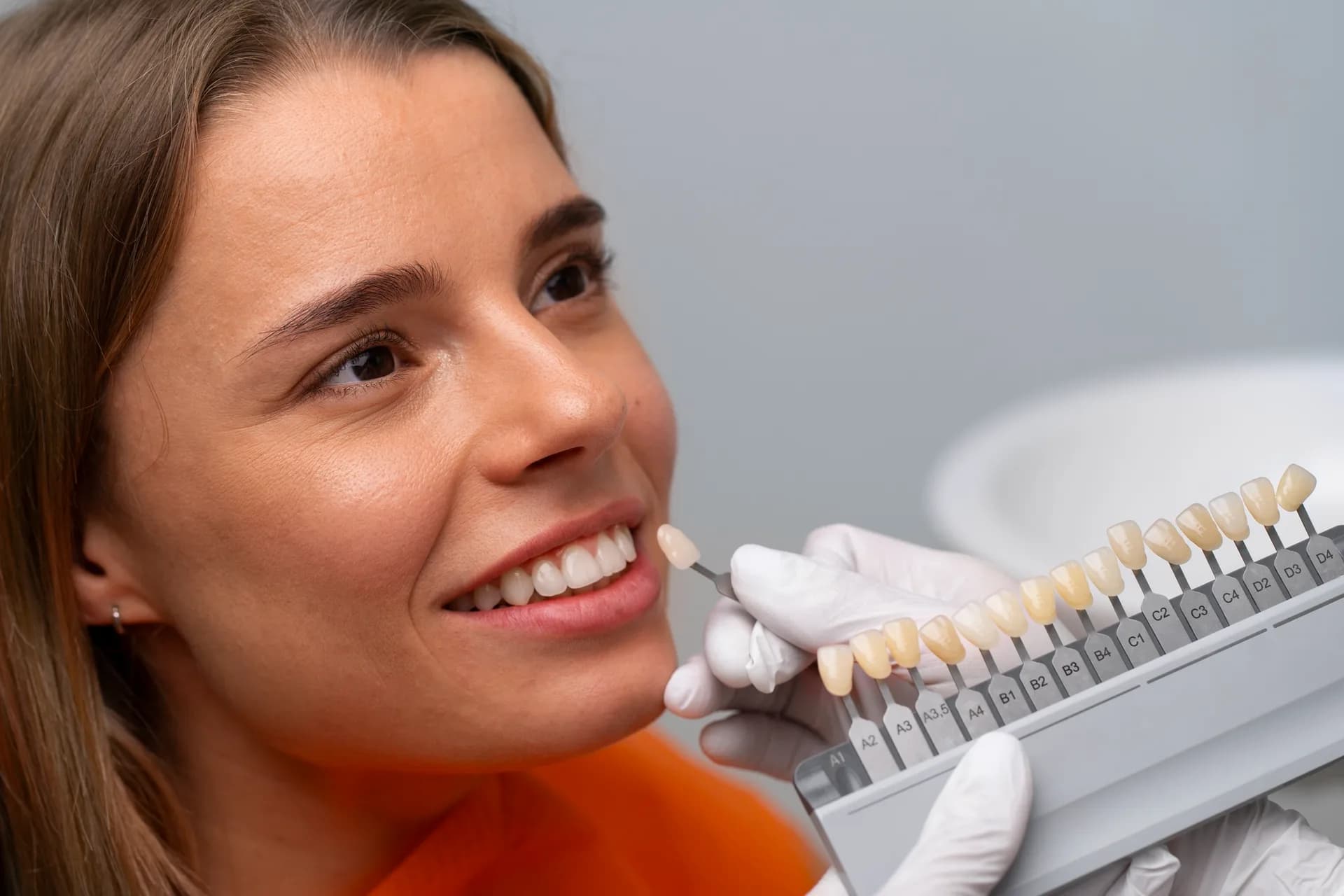
Recommended a crown instead of a filling? Learn how your dentist decides, the structural threshold...
22 Oct 2026
by Renew Dental Clinic

Worried about pain during a cavity filling? This honest guide from Renew Dental Clinic Noida...
09 Jun 2026
by Renew Dental Clinic

Dilemma between dental implants and bridges? Weigh the cost, longevity, procedure, and advantages to determine which tooth replacement method is superior.
03 Oct 2025
by Renew Dental Clinic
Dental crowns are a long-term investment, not a permanent one. Learn lifespans by material, signs...
16 Oct 2026
by Renew Dental Clinic
Need a dental crown in Noida? This complete patient guide explains every type of dental...
18 Jun 2026
by Renew Dental Clinic
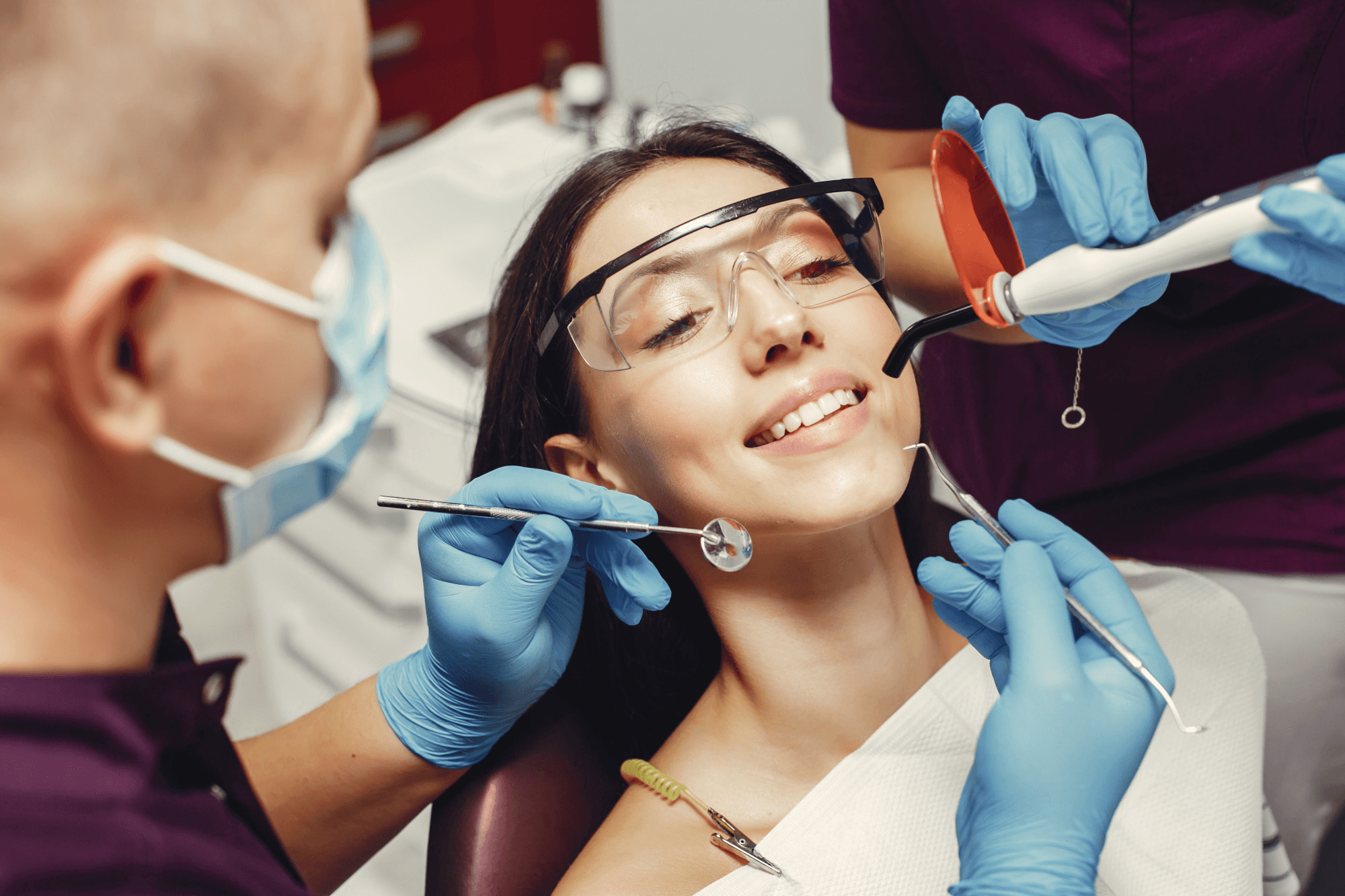
Learn about cosmetic dentistry, popular smile transformation procedures, benefits, and how treatments can improve your dental appearance and confidence.
11 May 2026
by Renew Dental Clinic
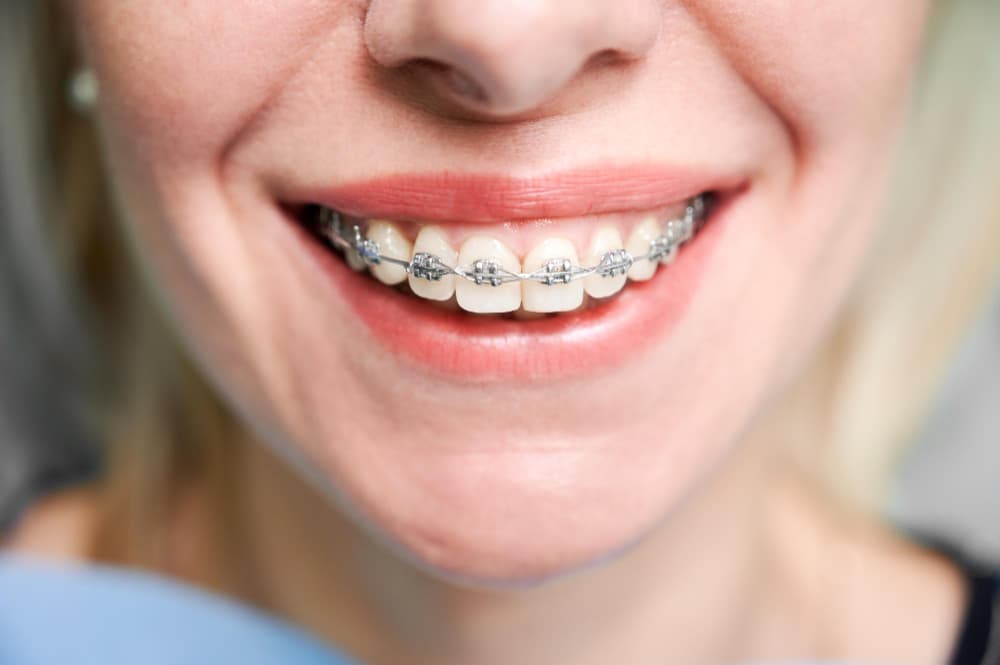
A gap between your front teeth has multiple treatment options in Noida — and which...
20 Sept 2026
by Renew Dental Clinic
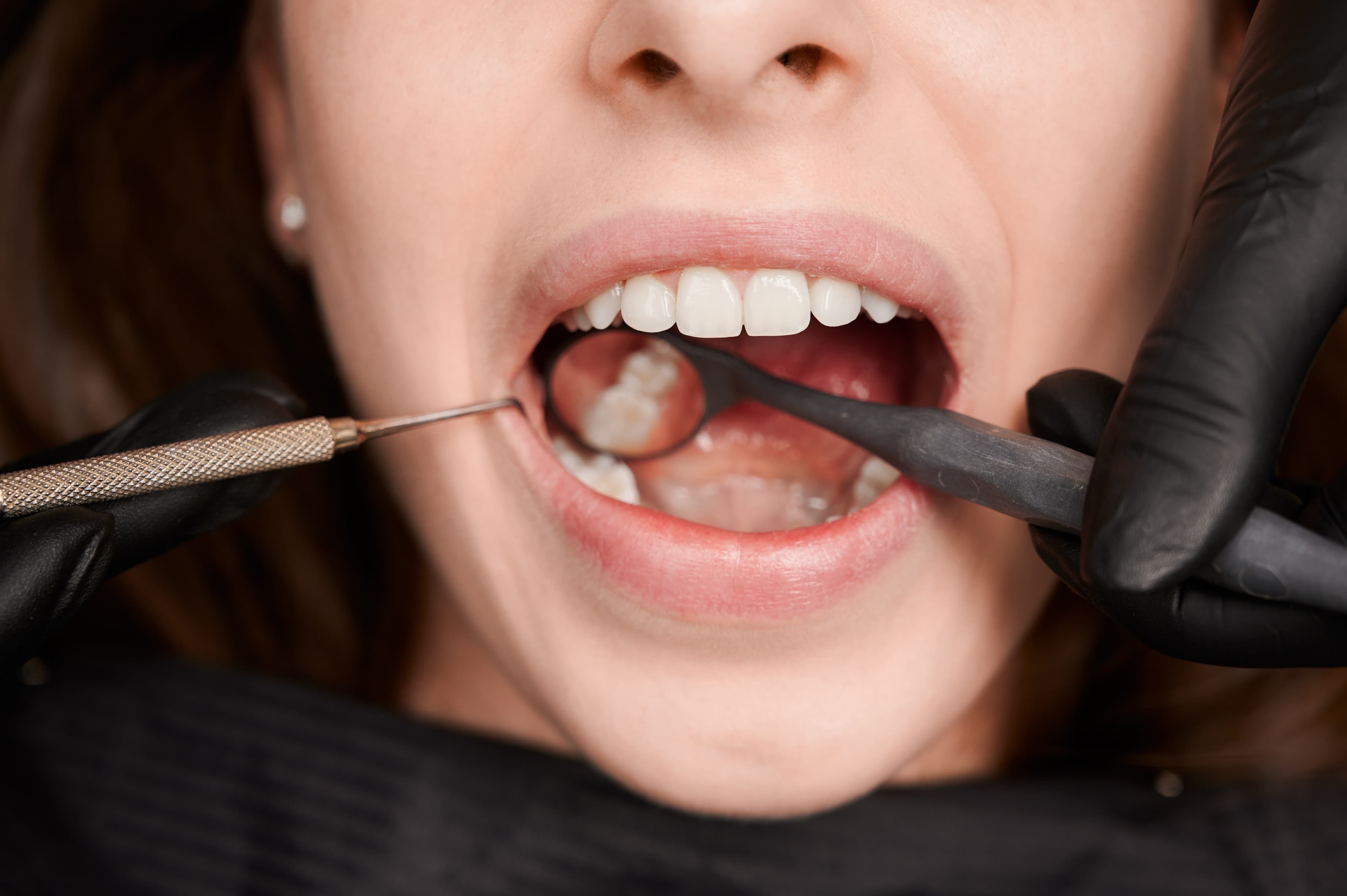
Teeth reshaping removes small amounts of enamel to refine tooth shape, with no injections and...
13 Oct 2026
by Renew Dental Clinic
Explore More
Explore More
Discover how thousands of patients trust Renew Dental Clinic with their smiles.
Very good staff, within budget and hygienic environment..
Better experience
Great dental care provided by Dr. Suchi Singh and Dr. Chandrava Ganguli. They are knowledgeable, gentle, and attentive to patients' needs. The clinic staff is courteous and helpful, making the entire experience smooth and pleasant. Highly recommended! 🦷✨ Caring, Supportive Staff, Recommended
In 2023, I was diagnosed with the condition of periodontitis, but still only scaling was provided, due to which the case became worse, and now in 2025, I have undergone two flap surgeries, due to height of negligence.
मैं और मेरे परिवार के सभी सदस्य दंत चिकित्सा के लिए जाते रहते हैं।
I took tratment recently and got full satisfaction . Human touch of doctor and quality of service are excellent.
Outstanding dental care by Dr. Suchi Singh! She is skilled, patient, and attentive to every detail. The clinic is clean and welcoming, and the entire team is professional. Highly recommended for anyone seeking reliable and comfortable dental treatment
Excellent doc. The entire team is very comforting .
Exellant work doneby Dr suchi in a phase manner. Strongly Recommend others to consult for the genuine and reasonable treatment
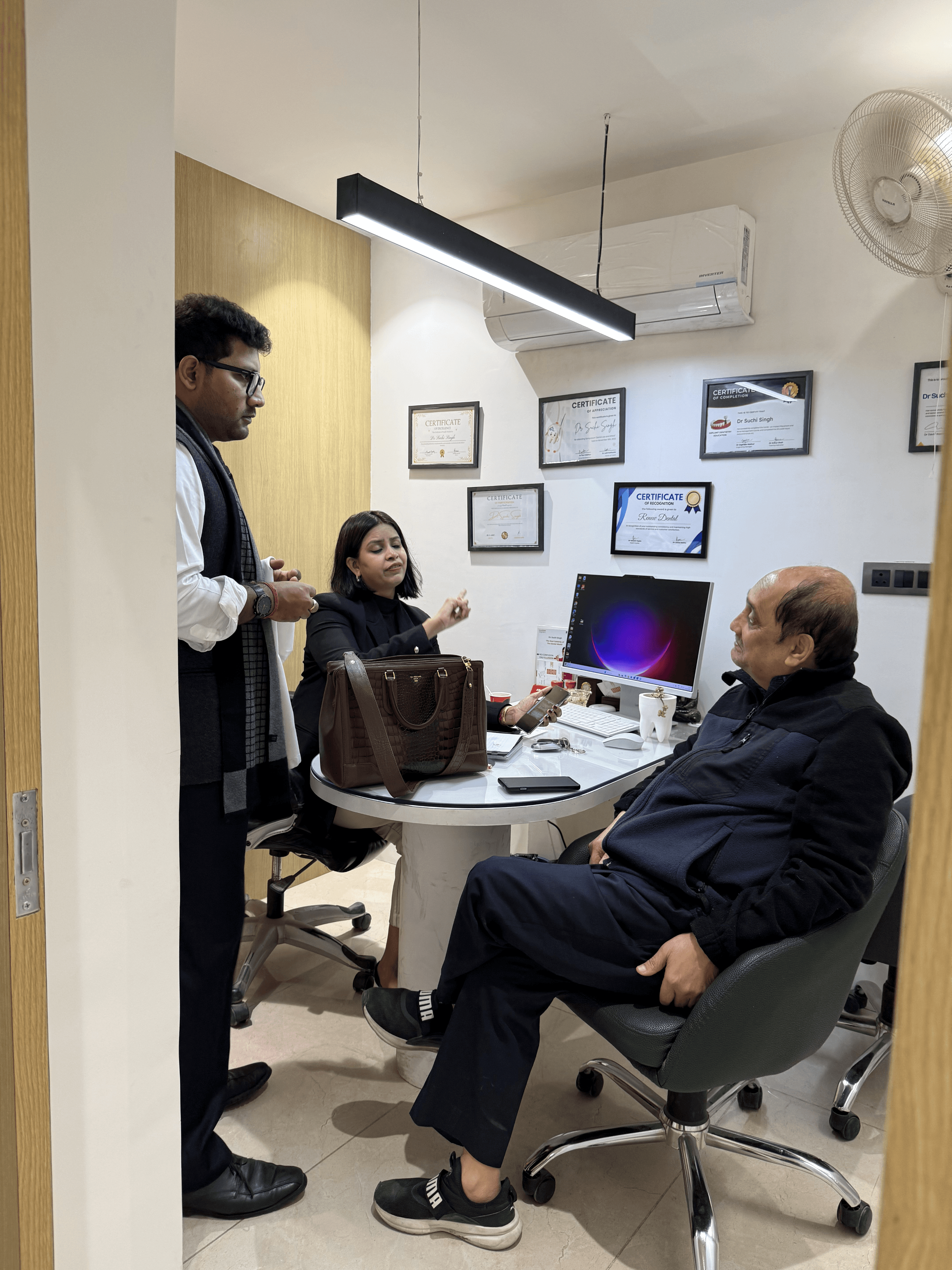
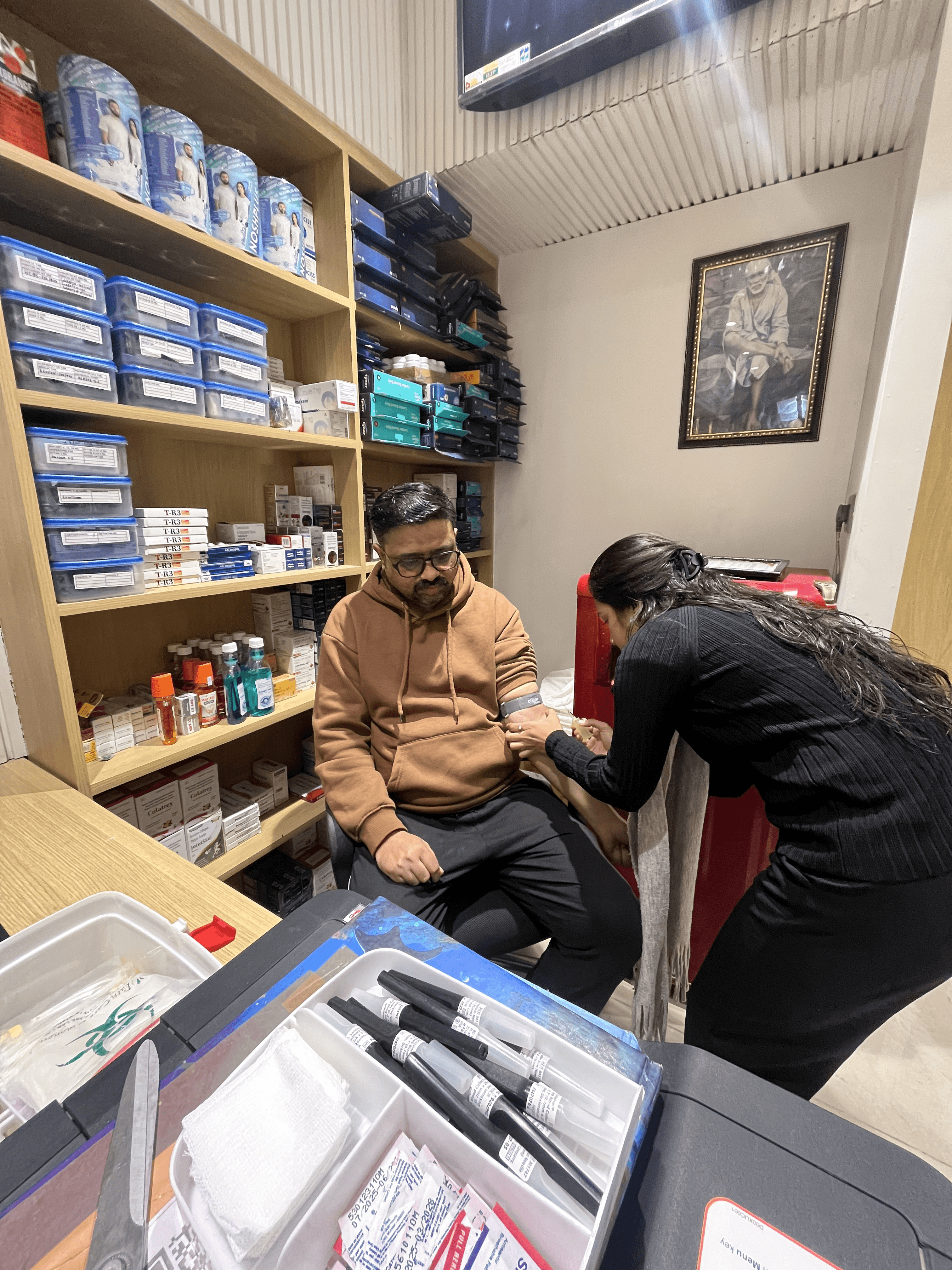
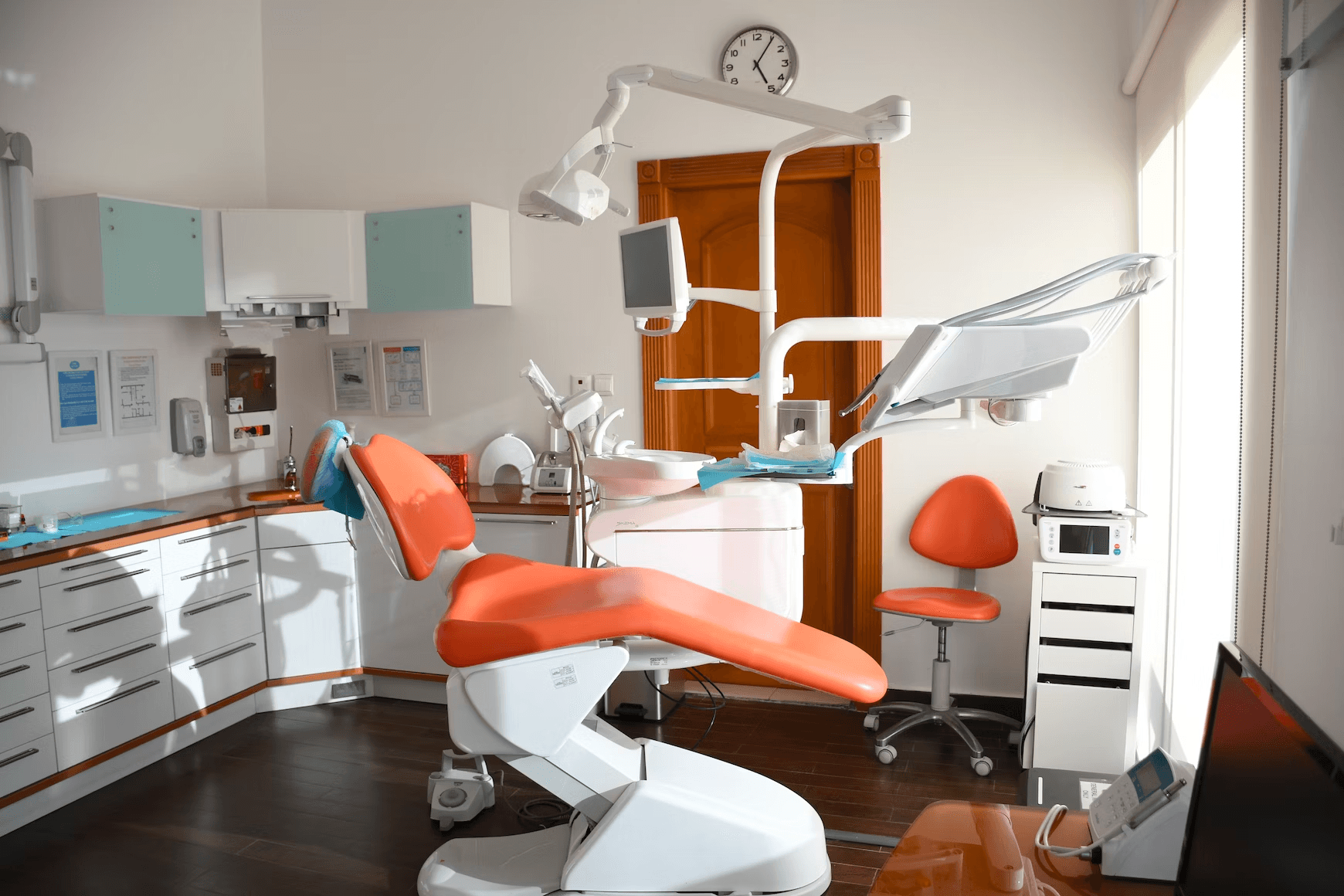
A glimpse into our modern dental clinic, advanced technology, and patient-friendly environment at Renew Dental.
Explore our thoughtfully designed clinic spaces built to provide comfort, cleanliness, and a calming experience for patients of all ages.



Best Dentist in Noida
Renew Dental Clinic located in Noida, Sector 47, is one of the leading dental clinics. Founded by Dr. Suchi Singh who is widely regarded as one of the best dentists in Noida, the clinic is committed to delivering personalised and high-quality dental care. Dr. Suchi Singh focuses on customised treatment plans designed around each patient’s unique needs, ensuring advanced, comfortable and reliable dental care at Renew Dental Clinic.

Your Trusted Dental Experts

Complete Dental Care

Friendly Dental Space

No Hidden Charges

Two trusted dental clinics in Noida — Renew Dental (Sector 47) and Tooth & Truth (Sector 34) — for gentle, modern care.

Renew Orthopedic Clinic, A-321, Basement Floor, Next to Mother Dairy Store, Sector 47, Noida, Uttar Pradesh 201303
 +91 99710 35300
A-98/A, Block A, Sector 34, Noida, Uttar Pradesh 201307
+91 99710 45002© 2026. All rights reserved | Designed and Developed by Zarle Infotech