Dental Veneers in Noida - Transform Your Smile with Custom Veneers
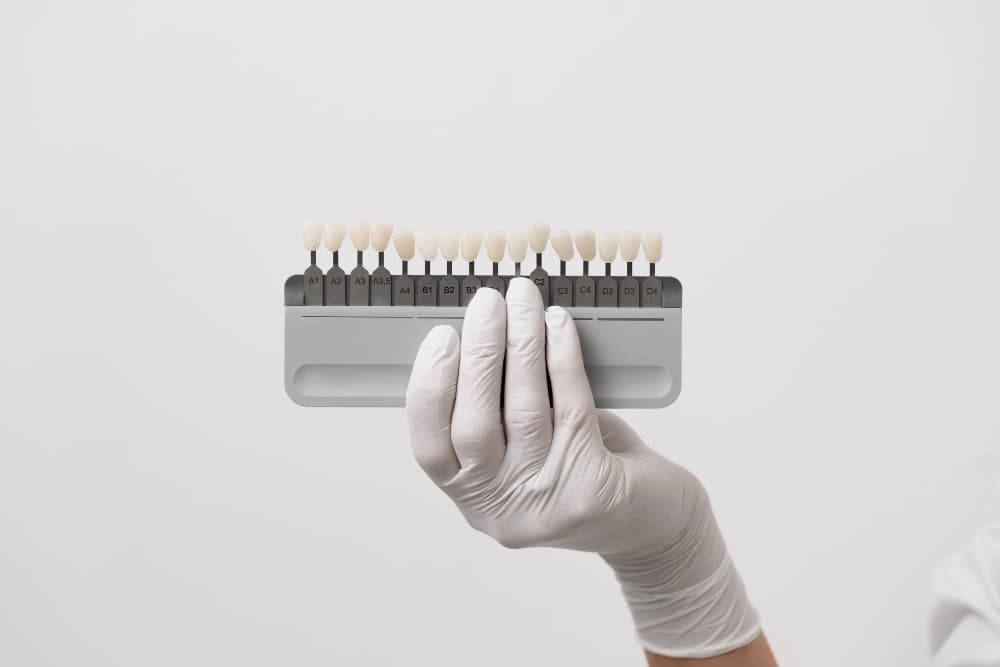
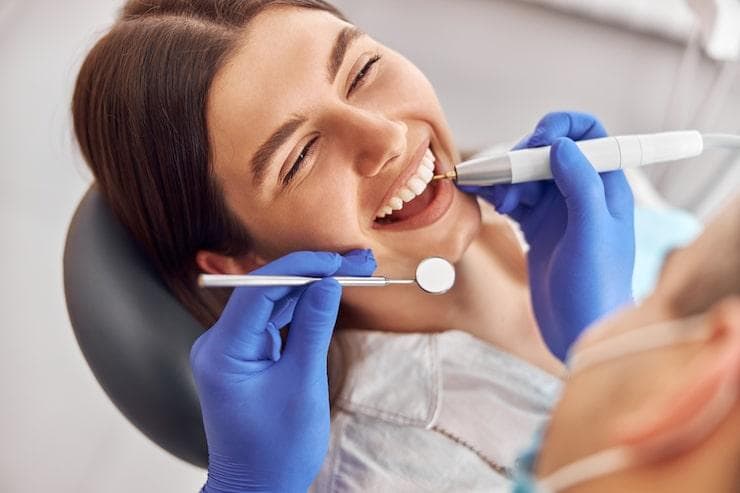
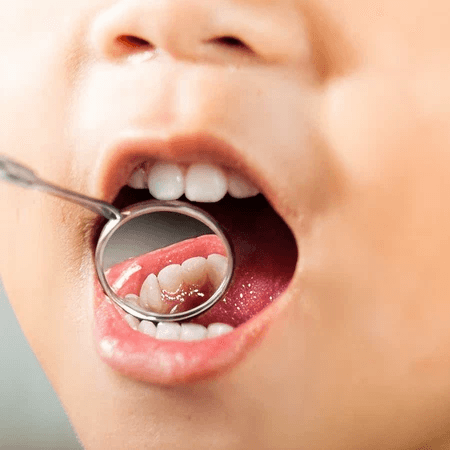
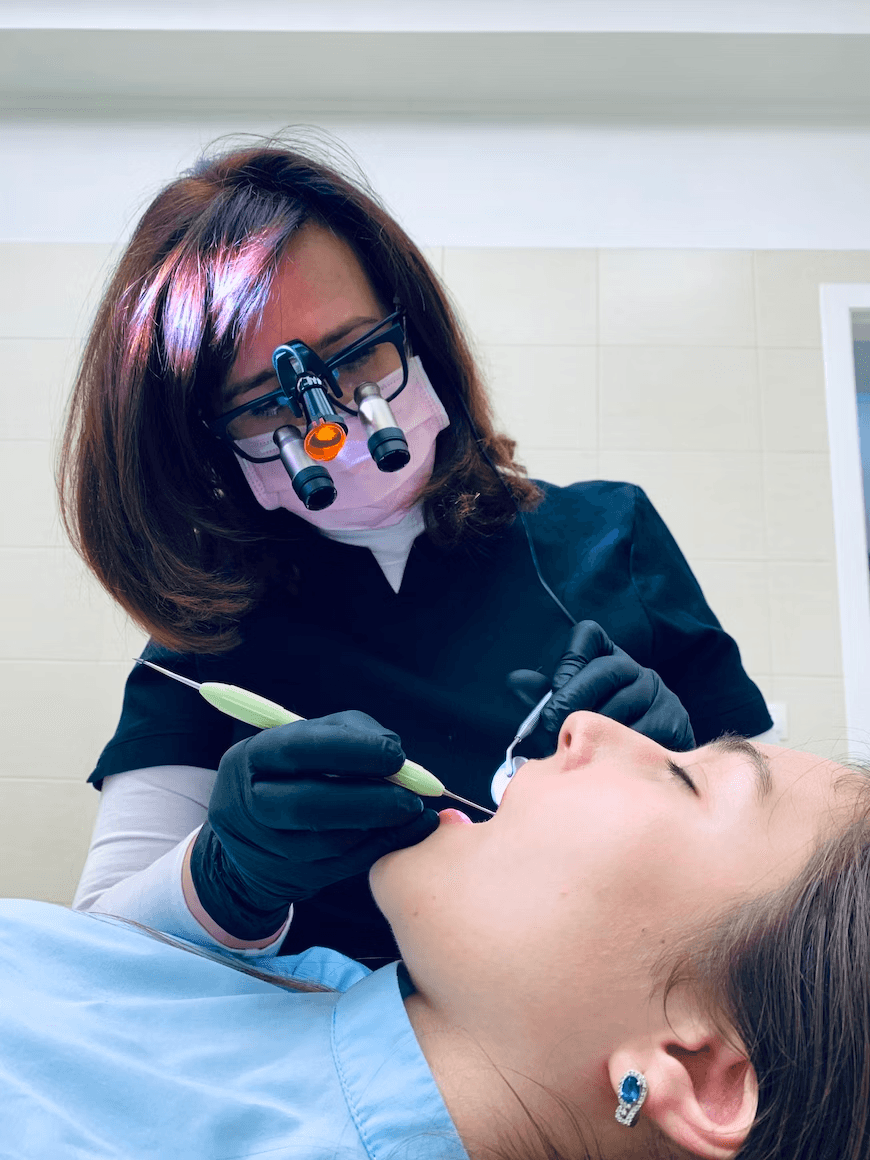
Close up on dentist instrument.
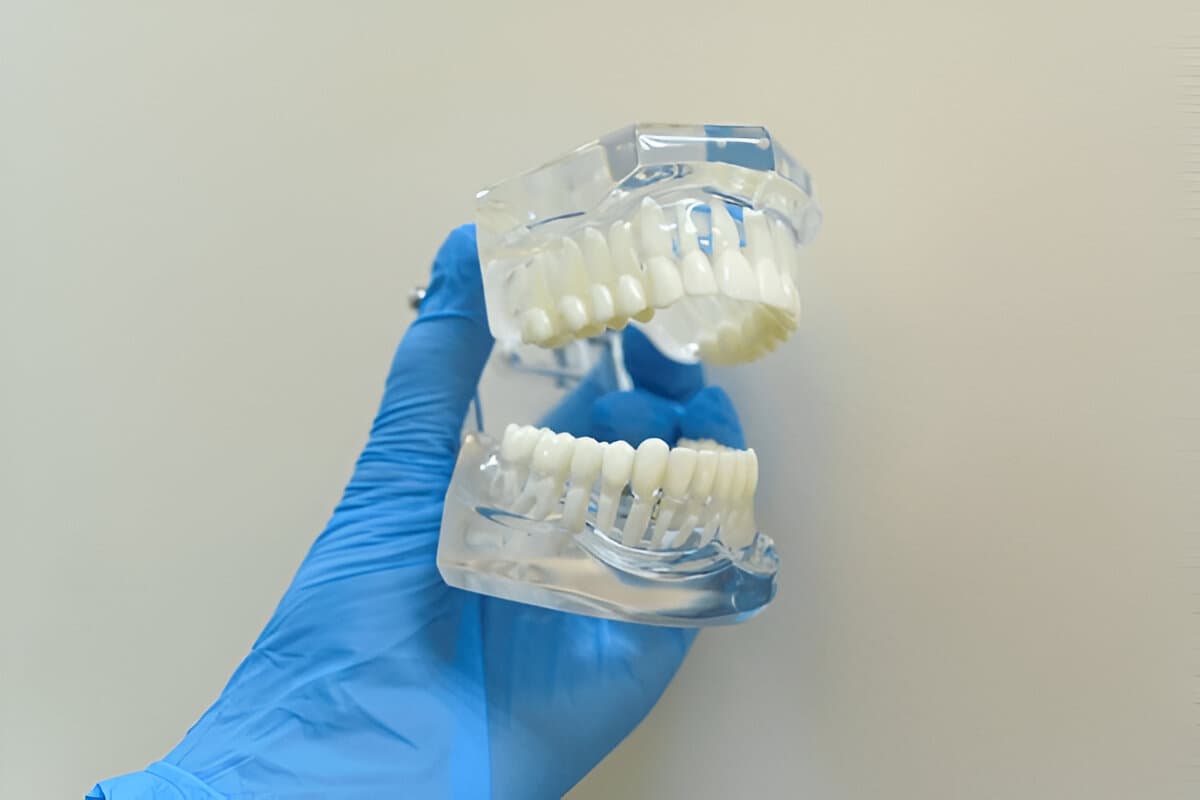
There's a short list of dental treatments that genuinely transform how someone looks and how they feel about themselves. Veneers are on that list. A veneer is a thin shell — made of porcelain or composite resin — custom-designed to cover the front surface of a tooth. When done well, veneers correct discolouration, chips, cracks, gaps, and shape irregularities in a way that looks entirely natural. The tooth appears as though it was always this way.
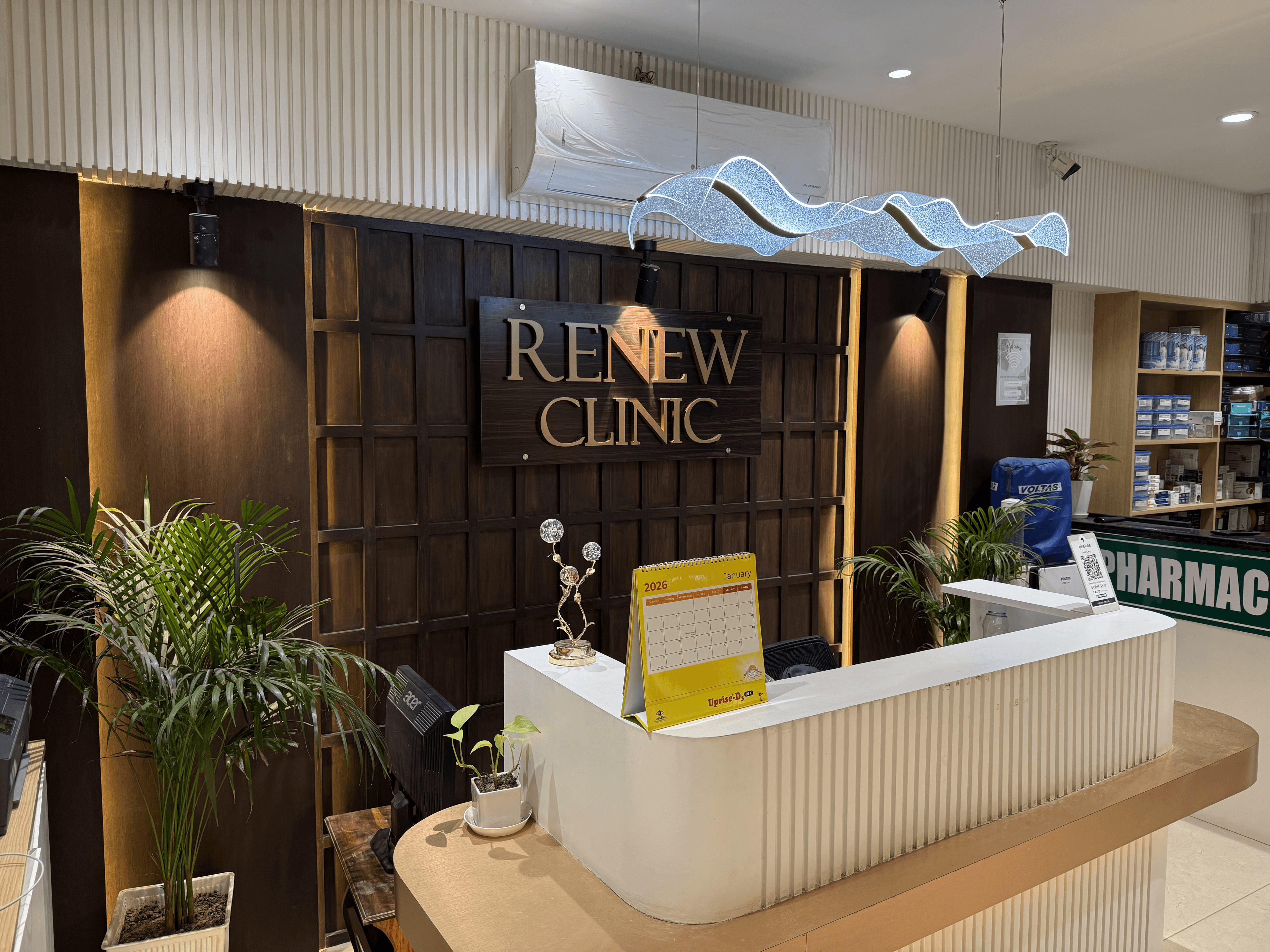
For patients in Noida, Greater Noida, and across Delhi NCR, Renew Dental Clinic in Sector 47 offers custom veneer treatment designed around your face, your natural tooth shade, and your specific smile goals. This guide covers everything you need to know before your first consultation.
What Problems Do Veneers Solve?
Veneers are a cosmetic dental treatment, which means their primary purpose is the appearance of teeth. They don't treat infections, gum disease, or structural problems in the same way a crown or root canal does — but they do an exceptional job of correcting a wide range of aesthetic concerns.
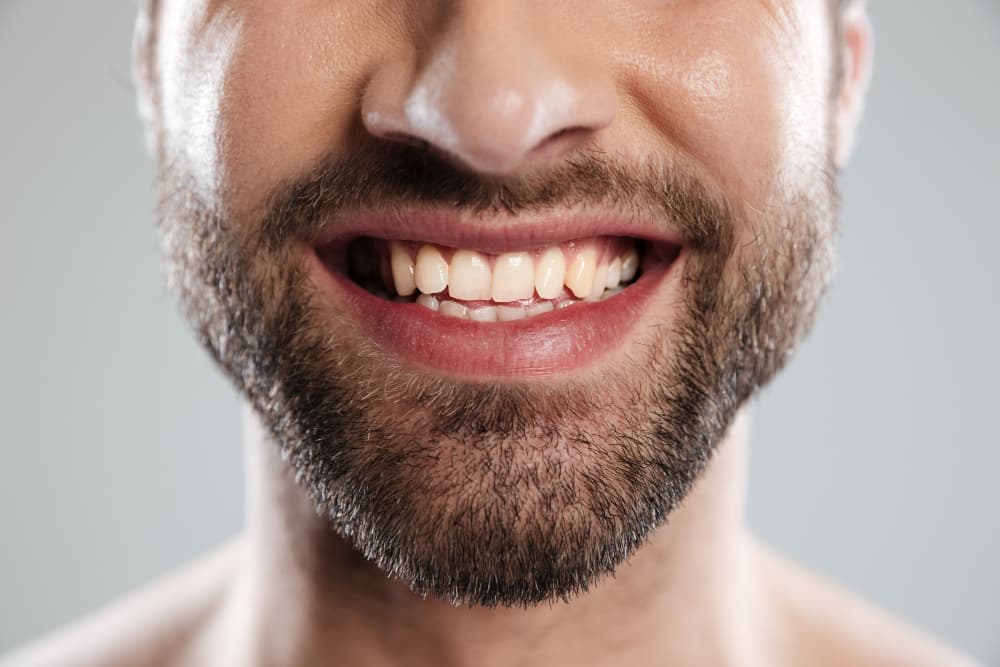
Staining that whitening can't fix. Professional whitening works well on surface stains from tea, coffee, and tobacco. But some discolouration is intrinsic — it's inside the tooth structure itself, caused by certain antibiotics taken during tooth development (tetracycline), fluorosis, or the natural darkening that comes with age. Whitening doesn't reach these stains. Veneers cover them completely.
Chipped or fractured teeth. Small chips and cracks on front teeth are one of the most common reasons patients seek veneers. A chip affects not just appearance but also how the tooth feels to the tongue. Veneers restore the original shape cleanly.
Gaps between teeth (diastema). Gaps between front teeth — most commonly between the two upper central incisors — can be closed with veneers without orthodontic treatment in many cases. The veneers are slightly wider than the underlying teeth, bridging the gap naturally.
Mildly misaligned or uneven teeth. If teeth are slightly irregular in size, height, or angle, veneers can create a more uniform, symmetrical appearance. This is sometimes called "instant orthodontics," though it's important to note that veneers do not actually move teeth — they improve how they look.
Worn-down teeth. Enamel wears down over the years of use, and sometimes due to acid erosion or teeth grinding. Veneers restore the length and shape of shortened teeth.
Irregularly shaped teeth. Some people are born with teeth that are unusually small, rounded, or irregularly proportioned. Veneers can create a more balanced, standard tooth shape.
Types of Dental Veneers Available at Renew Dental, Noida
The right type of veneer depends on the problem being addressed, the condition of your existing teeth, and your expectations for durability and appearance. Dr. Suchi Singh will guide you through this choice after a thorough assessment.
Porcelain Veneers
Porcelain veneers are the gold standard in cosmetic dentistry. They're custom-fabricated in a dental laboratory from high-quality dental ceramic, designed specifically for your teeth using impressions taken at the clinic.
Why patients choose porcelain:
- Exceptional aesthetics — porcelain refracts light similarly to natural enamel, making veneers virtually indistinguishable from natural teeth
- High stain resistance — porcelain does not stain the way natural enamel or composite does
- Durability — properly bonded porcelain veneers can last 10 to 15 years, sometimes longer, with good care
- Gum compatibility — porcelain is well tolerated by gum tissue and doesn't cause inflammation
What to know:
- Requires 2 to 3 appointments (one for preparation, one for bonding; impressions are sent to a lab in between)
- A small, irreversible amount of enamel is removed from the tooth surface to create space for the veneer — this commits the tooth to always having a veneer
- More investment than composite, but significantly more durable and natural-looking
Composite Veneers
Composite veneers are made from tooth-coloured resin — the same material used for dental fillings. Unlike porcelain veneers, they can often be applied directly onto the tooth in a single appointment.
Why patients choose composite:
- Single-appointment treatment in most cases
- Less enamel removal required (sometimes none)
- More conservative in terms of tooth preparation
- Easier to repair if chipped or cracked
What to know:
- Less durable than porcelain — composite veneers typically last 5 to 7 years
- More prone to staining over time, particularly from tea, coffee, and tobacco
- May not achieve the same degree of translucency and light reflection as porcelain
- More suitable for minor corrections than major smile transformations
Emax Veneers
Emax veneers are made from lithium disilicate ceramic — a material that offers superior strength compared to standard porcelain. They're thinner than traditional veneers, which means less enamel needs to be removed.
Emax is an excellent option for patients who want the durability of porcelain with minimal tooth preparation. They're particularly suited for situations where the tooth structure needs to be preserved as much as possible.
Minimal-Prep and No-Prep Veneers (Lumineers)
In some cases — where the existing tooth is already well-shaped, and the correction required is minor — ultra-thin veneers can be placed with minimal or no enamel removal. These are sometimes called "no-prep" veneers.
The key advantage is reversibility — if no enamel is removed, the process is theoretically undoable. The limitation is that these veneers are very thin, which means they may not fully mask darker staining and can appear slightly bulky in certain cases.
Your dentist at Renew Dental will tell you whether you're a candidate for no-prep veneers based on your specific situation.
Who Is a Good Candidate for Veneers?
Most adults with healthy teeth and gums can be candidates for veneers. The key qualifications
- Gum health is good — active gum disease must be treated before veneers are placed
- Sufficient enamel is present — a minimal amount of enamel needs to remain for the veneer to bond correctly
- No active tooth decay — cavities must be treated first
- Reasonable bite function — significant bite misalignment may need to be addressed orthodontically before or instead of veneers
- No severe grinding habits — bruxism places heavy force on veneers and can fracture them; a night guard may be needed if grinding is present
Veneers are not suitable for:
- Severely misaligned teeth (orthodontic treatment is a better starting point)
- Very weak or heavily decayed teeth (a crown provides better structural support)
- Patients who grind severely and are unwilling to use a protective night guard
- Children and teenagers whose teeth are still developing
The Veneer Treatment Process at Renew Dental, Noida
Consultation and Smile Design
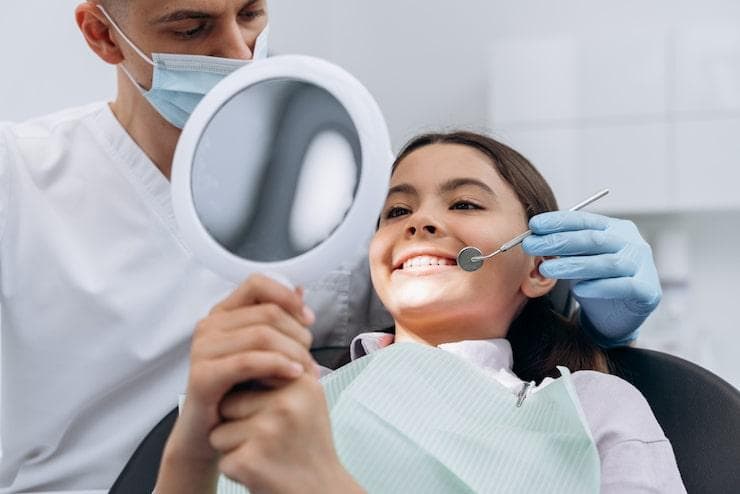
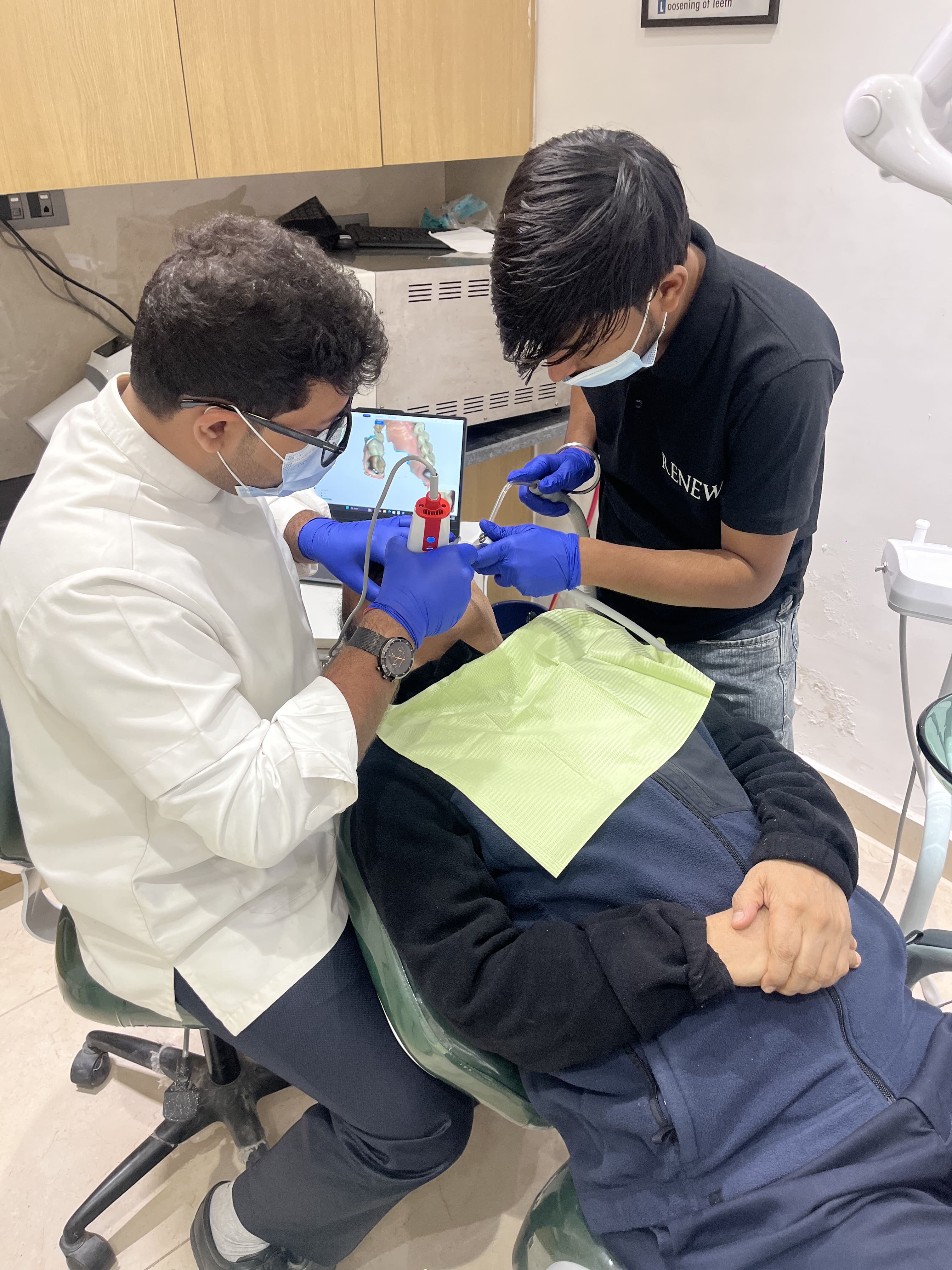
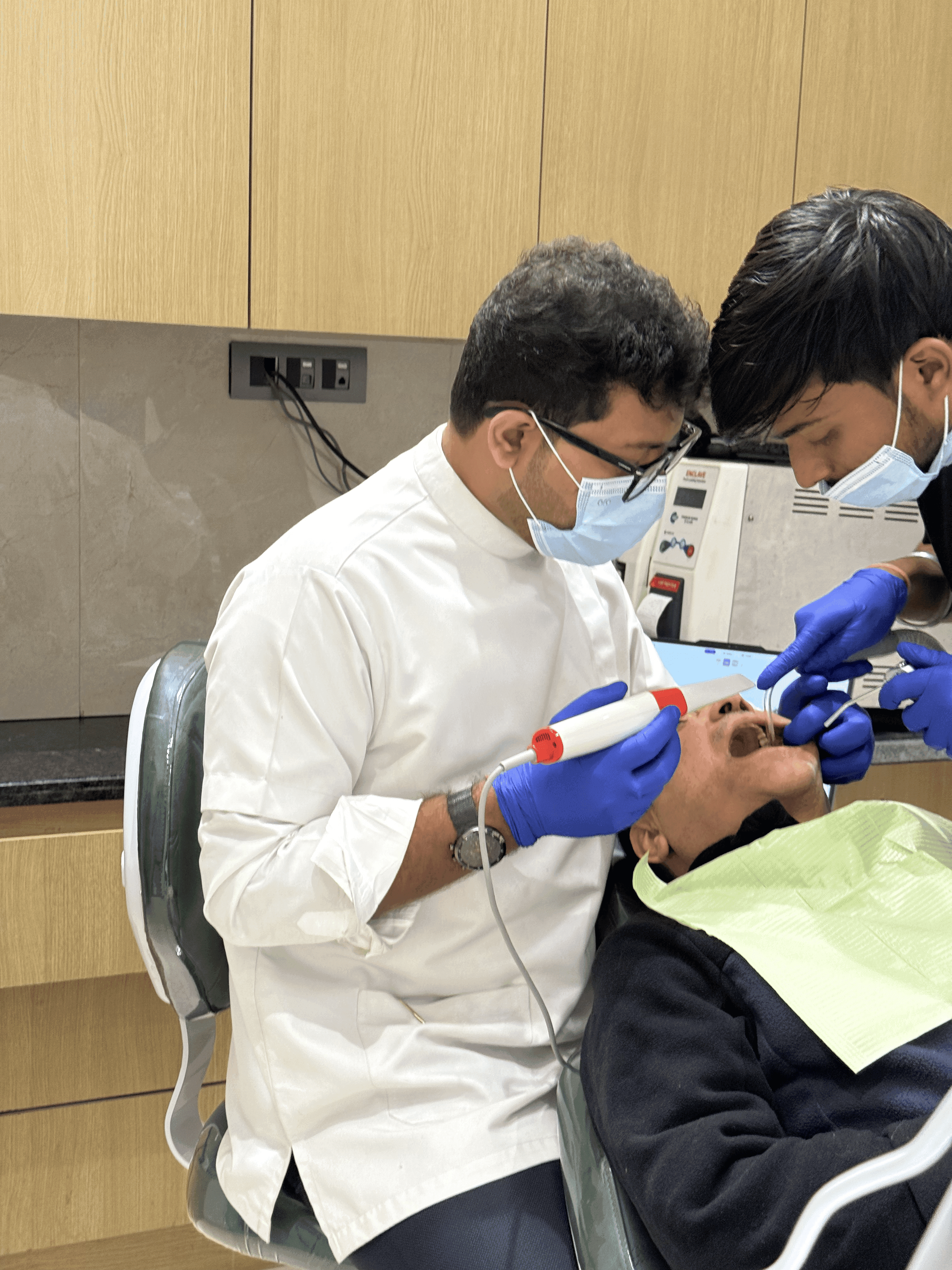
This is the most important appointment. Dr. Suchi Singh discusses your goals, examines your teeth and gums, takes X-rays if needed, and assesses whether veneers are the right treatment for your situation. Photographs are taken for smile design planning.
You'll discuss:
- Which teeth will have veneers
- The desired shade (lighter, matching natural, or a custom blend)
- The shape and length of the veneers
- The type of veneer best suited to your situation
Some clinics offer digital smile design — showing you a preview of the expected outcome before any treatment begins.
Tooth Preparation
For porcelain veneers, a thin layer of enamel (typically 0.3 to 0.5mm — roughly the thickness of a contact lens) is removed from the front surface of the tooth. This creates space for the veneer to sit flush with surrounding teeth without appearing bulky.
This is done under local anesthesia, so you feel no discomfort during the preparation.
An impression (mould) is taken of the prepared teeth and sent to the dental laboratory, where your custom veneers are crafted. This typically takes 2 to 4 weeks.
Temporary veneers are placed on the prepared teeth in the interim to protect them and maintain their appearance.
Veneer Bonding
When your permanent veneers arrive from the lab, you attend the bonding appointment. Dr. Suchi Singh checks the fit, shade, and appearance carefully before bonding. Minor adjustments can be made at this stage.
The tooth surface is lightly etched, a bonding agent is applied, and the veneer is bonded permanently using dental cement. A special curing light hardens the cement.
The procedure is completed, and you leave with your new smile.
How Long Do Veneers Last?
- Porcelain veneers: 10 to 15 years on average, sometimes longer
- Composite veneers: 5 to 7 years
- Emax veneers: 15+ years in many cases
Longevity depends significantly on:
- How well you maintain oral hygiene
- Whether you grind your teeth (a night guard protects your veneers significantly)
- Dietary habits — biting into very hard foods can chip veneers
- Whether you attend regular dental check-ups
Caring for Your Veneers
Veneers are not maintenance-free, but they're not high-maintenance either. The routine is the same as for natural teeth, with a few specific additions.
- Brush twice daily with a soft-bristled toothbrush and a non-abrasive fluoride toothpaste. Avoid abrasive whitening toothpastes — they can scratch the veneer surface over time.
- Floss daily around all teeth, including veneered ones — gum health affects how long veneers last.
- Avoid biting into hard objects directly — hard nuts, ice, bones, or using your teeth as tools. Break hard foods into smaller pieces first.
- Limit staining foods and drinks for composite veneers, particularly porcelain, which is more resistant, but regular exposure to coffee and tea still leaves deposits.
- Wear a night guard if you grind your teeth — this is non-negotiable for protecting any cosmetic dental work.
- Attend regular dental check-ups at Renew Dental — your veneers will be assessed, polished, and any minor issues identified early.
Veneers vs Other Cosmetic Options — A Quick Comparison
Veneers vs Teeth Whitening: Whitening is less invasive and is the right choice for surface-level staining on otherwise healthy, well-shaped teeth. Veneers are better for intrinsic staining, shape corrections, chips, and gaps that whitening cannot address.
Veneers vs Dental Crowns: Crowns cover the entire tooth and are better suited to teeth that are significantly damaged, cracked, or have had root canal treatment. Veneers cover only the front surface and preserve more natural tooth structure — they're the preferred option when the underlying tooth is otherwise intact.
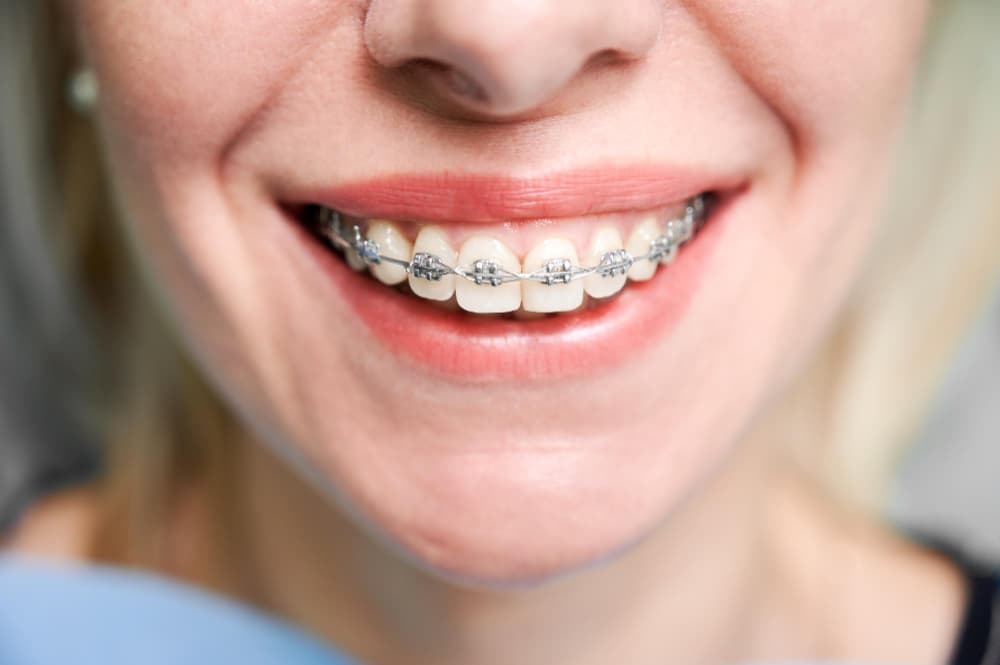
Veneers vs Orthodontics: Orthodontic treatment (braces or aligners) actually moves teeth. Veneers improve appearance without movement. For minor irregularities, veneers may be appropriate. For significant misalignment, orthodontics is the right starting point.
Frequently Asked Questions
Can veneers be whitened later?
No. Porcelain and composite veneers do not respond to whitening agents. If you want whiter veneers in the future, the existing ones need to be replaced with a lighter shade. This is why it's important to agree on your target shade at the consultation stage.
Do veneers hurt?
The preparation process involves local anesthesia, so you don't feel pain during it. Some sensitivity to hot and cold on the prepared teeth for a few days after preparation is normal and temporary.
Can veneers fall off?
Properly bonded veneers are very secure. In rare cases, if a veneer comes loose, it should be brought to the clinic immediately — do not try to reattach it yourself.
Are veneers reversible?
Porcelain veneers are not reversible because enamel is removed during preparation and cannot be replaced. If you ever remove a porcelain veneer, the tooth will need to be covered with another veneer or a crown.
Book Your Veneer Consultation at Renew Dental, Noida
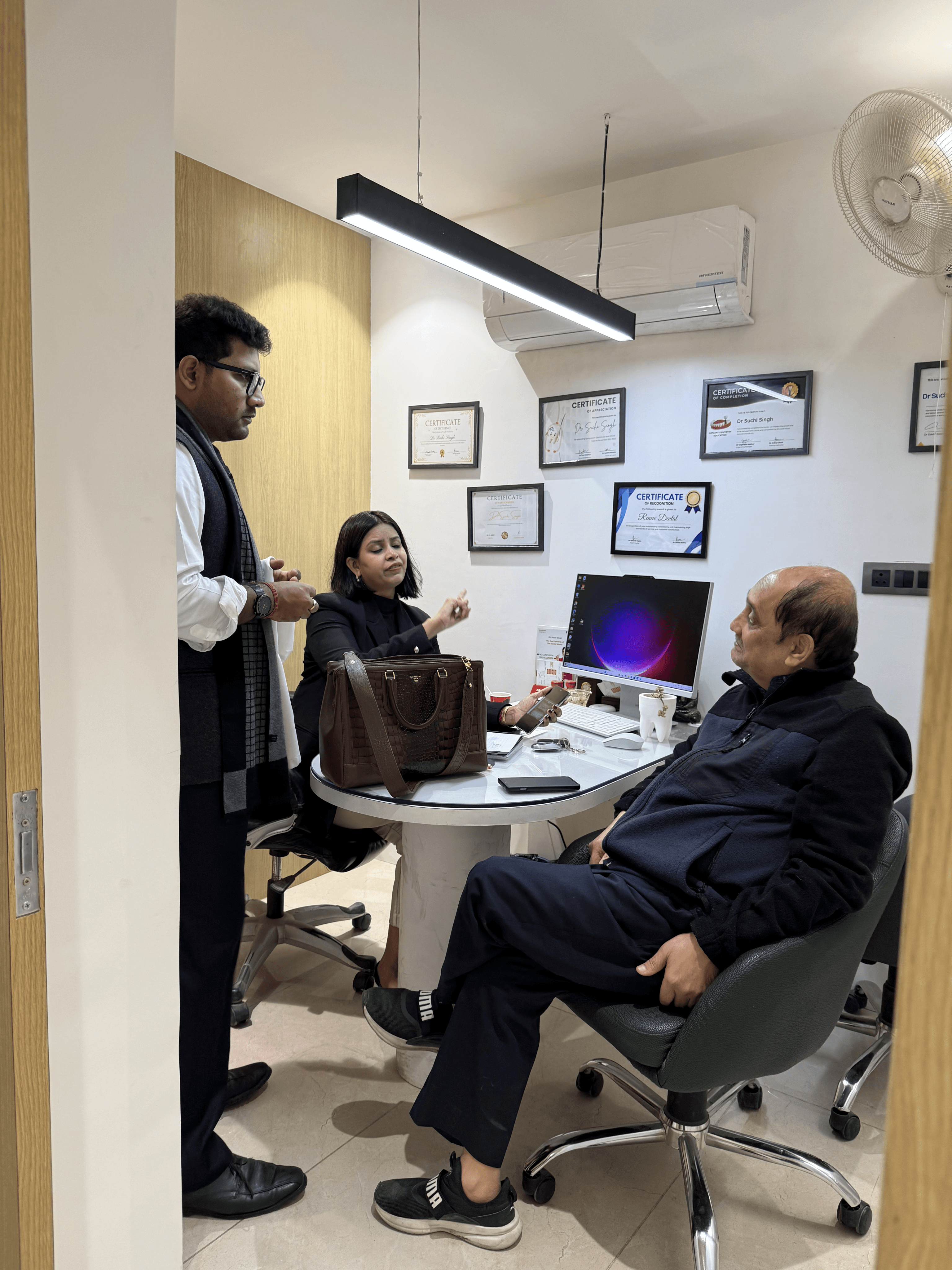
If you're considering veneers in Noida, the first step is a consultation with Dr. Suchi Singh at Renew Dental Clinic, Sector 47. She'll assess your teeth, explain exactly what's achievable with your specific tooth structure, and design a plan around your smile goals.
To book a consultation, call (0120) 498-8333.
Open Monday–Saturday, 10:30 AM – 8:00 PM | Sunday, 11:00 AM – 2:30 PM.
Your smile is worth a 45-minute conversation.