By Renew Dental ClinicPublished on

Smiling woman forming a heart shape with her hands in front of her face.
The tongue cleaner question has a cultural layer in India that it doesn't quite have anywhere else. Copper tongue scrapers appear in Ayurvedic texts going back centuries — part of a daily oral hygiene routine (dinacharya) that predates modern dental science by millennia. Today, copper scrapers are sold with confident claims about antimicrobial superiority, while plastic and stainless steel versions are available for a fraction of the price.
So which should you use? And does the material actually make a meaningful difference to your oral health?
The short answer: the material matters less than whether you use it consistently and correctly. But copper isn't entirely without basis, and the full picture is worth understanding.
Before comparing materials, the reason tongue cleaning matters.
The dorsal (upper) surface of the tongue — with its papillae, grooves, and crypts — is the single largest contributor to bad breath in most people. It harbours the highest concentration of anaerobic bacteria in the oral cavity: organisms that metabolise sulfur-containing proteins from food debris and dead cells, producing the volatile sulfur compounds (VSCs) — hydrogen sulfide and methyl mercaptan — that are the primary smell of halitosis.
A thick white coating on the tongue, particularly toward the posterior third, is a visual indicator of this bacterial accumulation. Studies consistently find that tongue scraping reduces VSC levels by 40 to 75% immediately after use — a more significant reduction than mouthwash, more significant than brushing the tongue with a toothbrush bristle head.
The case for tongue cleaning is well made. The case for one material over another is more nuanced.
Copper has documented antimicrobial properties. This isn't alternative medicine folklore — it's well-established materials science. Copper ions damage bacterial cell membranes through a process called oligodynamic action. Bacteria that come into sustained contact with copper surfaces experience disruption to their membrane integrity, DNA, and enzymatic function. Copper surfaces in hospitals are actively studied as a method for reducing healthcare-associated infections.
The question isn't whether copper is antimicrobial — it is. The question is whether this property is meaningfully relevant to the 30 seconds of contact time that occurs during tongue scraping.
The evidence specifically for copper tongue scrapers versus other materials in controlled clinical studies is limited. Most tongue scraper research uses the intervention (tongue scraping in general) as the variable, not the material. A small number of studies have found that copper tongue scrapers produce statistically greater reductions in VSC levels compared to plastic scrapers, but these studies are typically small and haven't been independently replicated at scale.
What can be said with reasonable confidence: copper may add a modest additional antimicrobial benefit over inert materials during tongue scraping. The magnitude of this benefit is probably small in the context of a properly performed scraping session, and is almost certainly overwhelmed by the much larger factor of whether you're scraping daily versus inconsistently or not at all.
Stainless steel scrapers offer the durability and shape advantages of copper without the cost premium. They're corrosion-resistant, easy to clean, and last for years without degradation.
Stainless steel is not antimicrobial the way copper is. But it is smooth, non-porous, and easily rinsed — properties that limit bacterial re-growth between uses if the scraper is properly cleaned and dried.
Most dental professionals, when they recommend a specific tongue cleaner material, lean toward stainless steel or copper over plastic — primarily for durability and surface quality reasons rather than strong evidence of clinical superiority.
Plastic scrapers (and the back of most plastic toothbrush heads with tongue-cleaning surfaces) function adequately for the physical scraping action that does most of the work. They're inexpensive, widely available, and functional.
The limitation of plastic is primarily durability — it scratches over time, creating surface irregularities that can harbour bacteria more readily than smoother metal surfaces. And plastic itself has no antimicrobial properties.
For patients who are beginning to establish a tongue-cleaning habit, starting with a plastic scraper is entirely reasonable. If the habit becomes established and consistent, upgrading to a copper or stainless steel scraper is a reasonable optional next step.
Material contributes. Technique and consistency contribute far more.
Coverage. The most common technique error is cleaning only the front half of the tongue. The posterior third — the section closest to the throat — harbours the highest density of VSC-producing anaerobic bacteria. The scraper needs to reach as far back as is comfortable without triggering the gag reflex.
The gag reflex adapts. Most people find that after a week or two of daily tongue cleaning, they can reach further back than when they started. Working toward the back of the tongue gradually over the first few weeks is more productive than giving up because the gag reflex is triggered initially.
Pressure. Light pressure — enough for the scraper edge to maintain contact with the tongue surface but not enough to feel uncomfortable. Pressing too hard doesn't clean more effectively; it irritates the tongue surface.
Number of strokes. Three to six strokes from back to front, rinsing the scraper under water between each stroke. Each stroke removes the collected biofilm; rinsing prevents redistributing it on the next pass.
Frequency. Daily, every morning, before eating. This is when VSC levels and bacterial density are highest after overnight accumulation with reduced saliva.
Cleanliness of the scraper. Rinse the scraper thoroughly after each use. Allow it to air dry. Replace it when it shows visible wear or pitting. Copper and stainless steel scrapers don't need to be replaced as frequently as plastic — the material stays smooth and effective for longer.
Then brush teeth as normal. Tongue cleaning before brushing means the biofilm you've just collected from the tongue is rinsed away before you brush, rather than being redistributed around the mouth by brushing.
Several studies have specifically compared tongue scraping to brushing the tongue with a toothbrush bristle head. The consistent finding: tongue scrapers remove the coating more completely.
The proposed reason: a scraper's flat edge makes full surface contact with the tongue and collects the biofilm. A toothbrush's bristles work in the opposite direction — they penetrate the gaps between papillae but don't effectively sweep the coating off the surface in the way a scraper does.
The toothbrush tongue-cleaning surface on the back of many brush heads works better than using the bristle side — it's a flat, slightly textured surface that more closely approximates the scraping action.
For maximum tongue cleaning effectiveness, a dedicated tongue scraper — copper, stainless steel, or plastic — is more effective than any toothbrush-based approach.
Traditional Ayurvedic medicine recommended copper tongue scrapers, sesame oil pulling, and systematic morning oral care long before microbiology existed to explain the mechanisms. The fact that these practices have since been found to have plausible biochemical bases — copper antimicrobial properties, oil pulling's surfactant effects, tongue scraping's VSC reduction — doesn't make Ayurveda scientifically validated wholesale, but it does suggest that some traditional recommendations have genuine practical basis.
The copper tongue scraper recommendation specifically appears to have reasonable grounding. The claim that it's dramatically superior to all alternatives is probably overstated. But it's not without reason, and it's not the kind of recommendation that modern dentistry needs to dismiss reflexively.
Dr. Suchi Singh's practical position at Renew Dental Clinic: the most important variables are whether you clean your tongue at all, how thoroughly, and how consistently. If a copper scraper motivates daily use, it's the right choice. If a plastic one is what you'll actually use, that's the right choice.
Copper: Copper naturally develops a patina (a thin oxide layer) with use. This doesn't reduce effectiveness. Rinse after each use. Clean periodically with a gentle scrub — lemon juice and salt creates a mild acid scrub that removes patina and sanitises the surface, a traditional maintenance method that happens to have reasonable practical rationale.
Stainless steel: Rinse and air dry. Clean periodically with mild soap or toothpaste-free cleaning. Will last for years without replacement.
Plastic: Rinse after each use. Inspect regularly for scratching or surface degradation. Replace every 3 to 6 months or when surface quality deteriorates.
Can children use tongue cleaners?
Yes, from approximately age 6 to 8, when they can safely control the instrument and understand the gagging risk. Younger children's tongue cleaning is better done by a parent using a soft damp cloth on a finger.
Will tongue cleaning completely eliminate bad breath?
For people whose primary source of bad breath is tongue coating — very common — tongue cleaning produces significant improvement. If bad breath persists despite consistent tongue cleaning and good oral hygiene, gum disease or another cause should be assessed at Renew Dental.
Should I clean my tongue morning and night?
Morning is the most important — that's when bacterial accumulation from overnight is at its peak. Cleaning after meals is also beneficial. Twice daily is reasonable if the habit is established.
For oral hygiene guidance and dental check-ups at Renew Dental Clinic, Sector 47, Noida, call (0120) 498-8333.
Monday–Saturday 10:30 AM – 8:00 PM | Sunday 11:00 AM – 2:30 PM.
 Copy
Copy
Gum bleeding during pregnancy is extremely common — and frequently mismanaged. This guide explains why...
07 Sept 2026
by Renew Dental Clinic
Whitening toothpastes are among the most purchased dental products in India. This guide explains what...
02 Sept 2026
by Renew Dental Clinic
Most people pick the wrong bristle hardness because firm feels more effective. It isn't. This...
01 Sept 2026
by Renew Dental Clinic
Seeing blood on your toothbrush every morning? This guide explains exactly why gums bleed during...
17 Jul 2026
by Renew Dental Clinic

A gummy smile isn't one problem but several that look alike. Learn what drives excess...
19 Oct 2026
by Renew Dental Clinic

Discover ten easy yet powerful daily habits that can help you maintain a healthier, brighter...
03 Jul 2025
by Renew Dental Clinic
Considering clear aligners in Noida? This complete guide covers how invisible braces work, who they're...
25 May 2026
by Renew Dental Clinic
Most Noida parents wait until their teenager asks for braces. Learn when to book an orthodontic assessment, which options suit teens, and what to expect.
09 Oct 2026
by Renew Dental Clinic
Choosing between traditional braces and clear aligners in Noida? This practical comparison covers appearance, effectiveness,...
11 Jun 2026
by Renew Dental Clinic
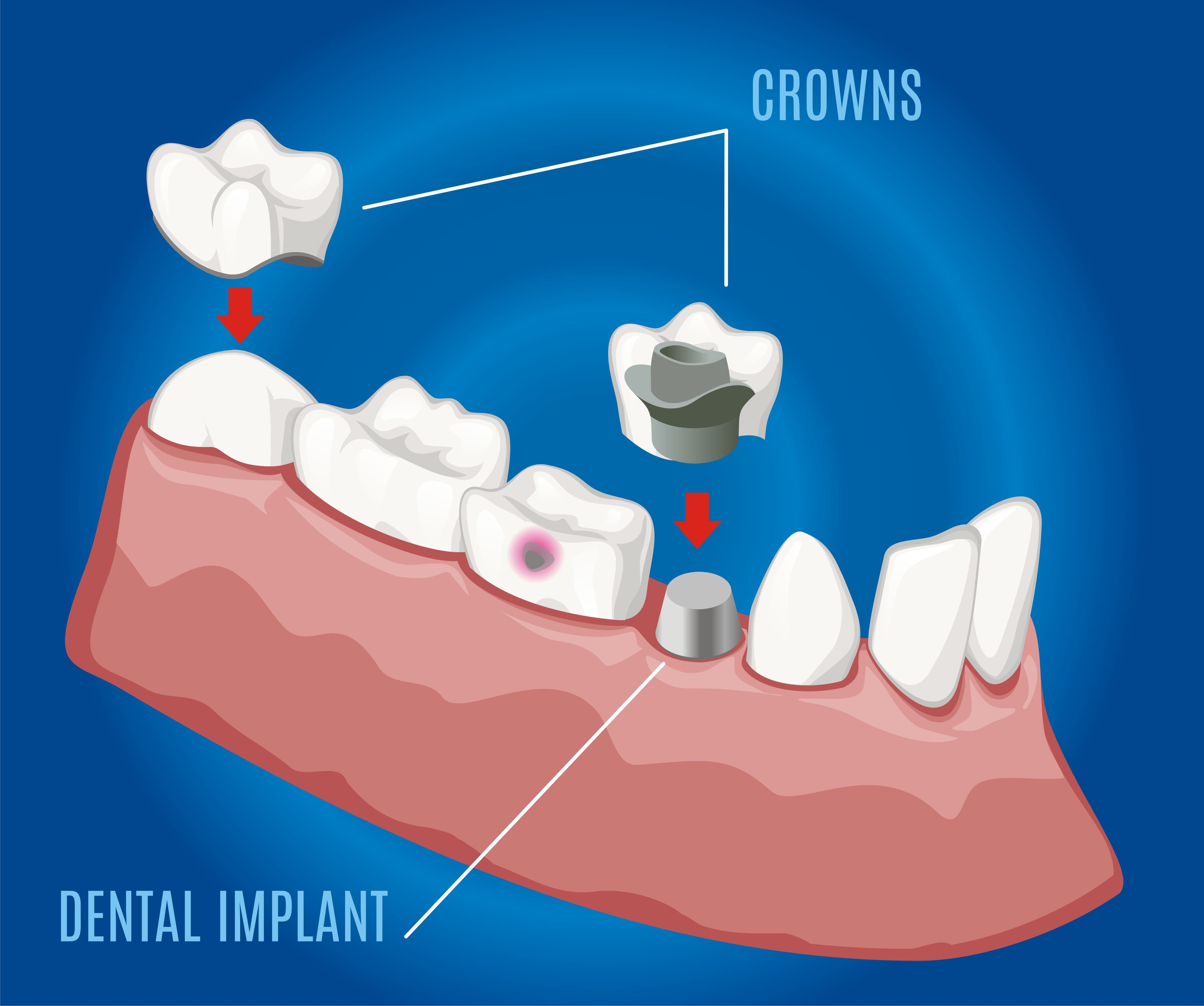
Dental crowns are a long-term investment, not a permanent one. Learn lifespans by material, signs...
16 Oct 2026
by Renew Dental Clinic
Recommended a crown instead of a filling? Learn how your dentist decides, the structural threshold...
22 Oct 2026
by Renew Dental Clinic

If you’ve ever had a damaged, cracked, or root canal-treated tooth, your dentist probably suggested...
21 Oct 2025
by Renew Dental Clinic
Explore More
Explore More
Discover how thousands of patients trust Renew Dental Clinic with their smiles.
I took tratment recently and got full satisfaction . Human touch of doctor and quality of service are excellent.
Very professional working and neat and clean set up.
If you haven’t found the right dentist in Noida go and see Dr Suchi Singh. She does outstanding dental work and is very kind. Highly recommend.
I had an outstanding experience at this dental clinic in Sector 47, Noida. I opted for Basel/Cortical implants, and the entire treatment was started and completed in just 5 days, beginning on 2nd January. The efficiency and expertise of the doctor truly amazed me - highly competent, reassuring, and deeply committed to patient care.
Hi,I would like to thank Renew Clinic and special thanks to Dr.Suchi and Dr.Ganguli,Had ever best experience with you both and also would like to thank your supporting staff as well,Since I am working professional therefore I wanted to seamless procedure and that both Drs. Worked really hard and it’s a remarkable Job,,Had 14 Crowns and 8 root Canal almost they have transformed my smile the way I wanted to.Both are very polite and humble .
I got my cortical implants done at Renew Dental Clinic, and my experience has been excellent. Dr. Suchi and the entire team are highly professional, caring, and supportive throughout the treatment. They explained every step clearly and made me feel comfortable during the entire process. I am very happy with the results and completely satisfied with my treatment. I highly recommend Renew Dental Clinic to anyone looking for quality dental care.
I recently had my RCT (Root Canal Treatment) and dental crown done at Renew Dental Clinic, and I am extremely satisfied with the entire experience. Dr. Chandrava and Dr. Suchi are highly professional, skilled, and caring. They explained every step of the treatment clearly and made me feel comfortable throughout the procedure.
Great service... Personally I am having root canal it was smooth...
I brought my mom for her dental care to Dr. Suchi. We highly recommend the doc for such an expertise.
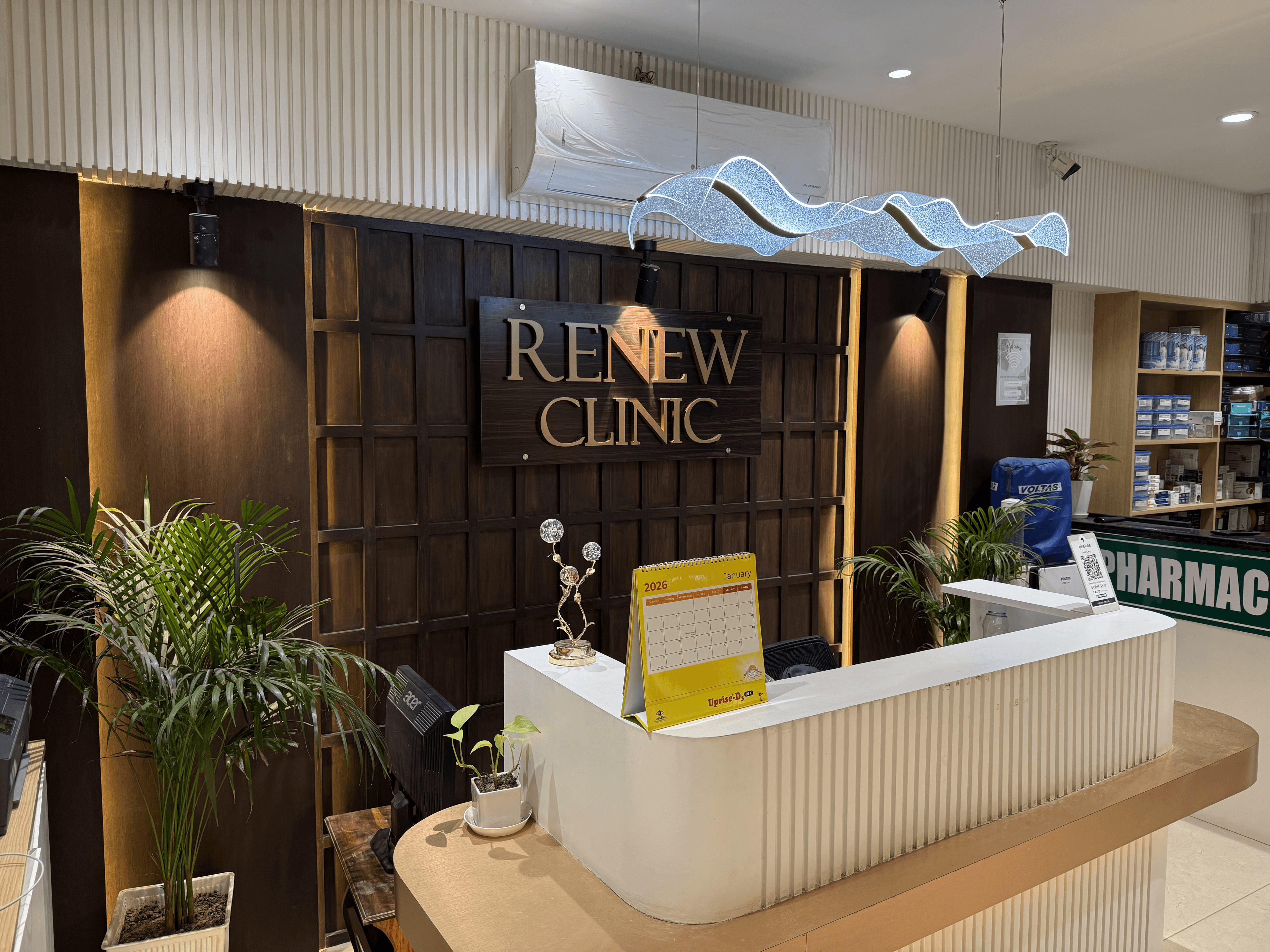
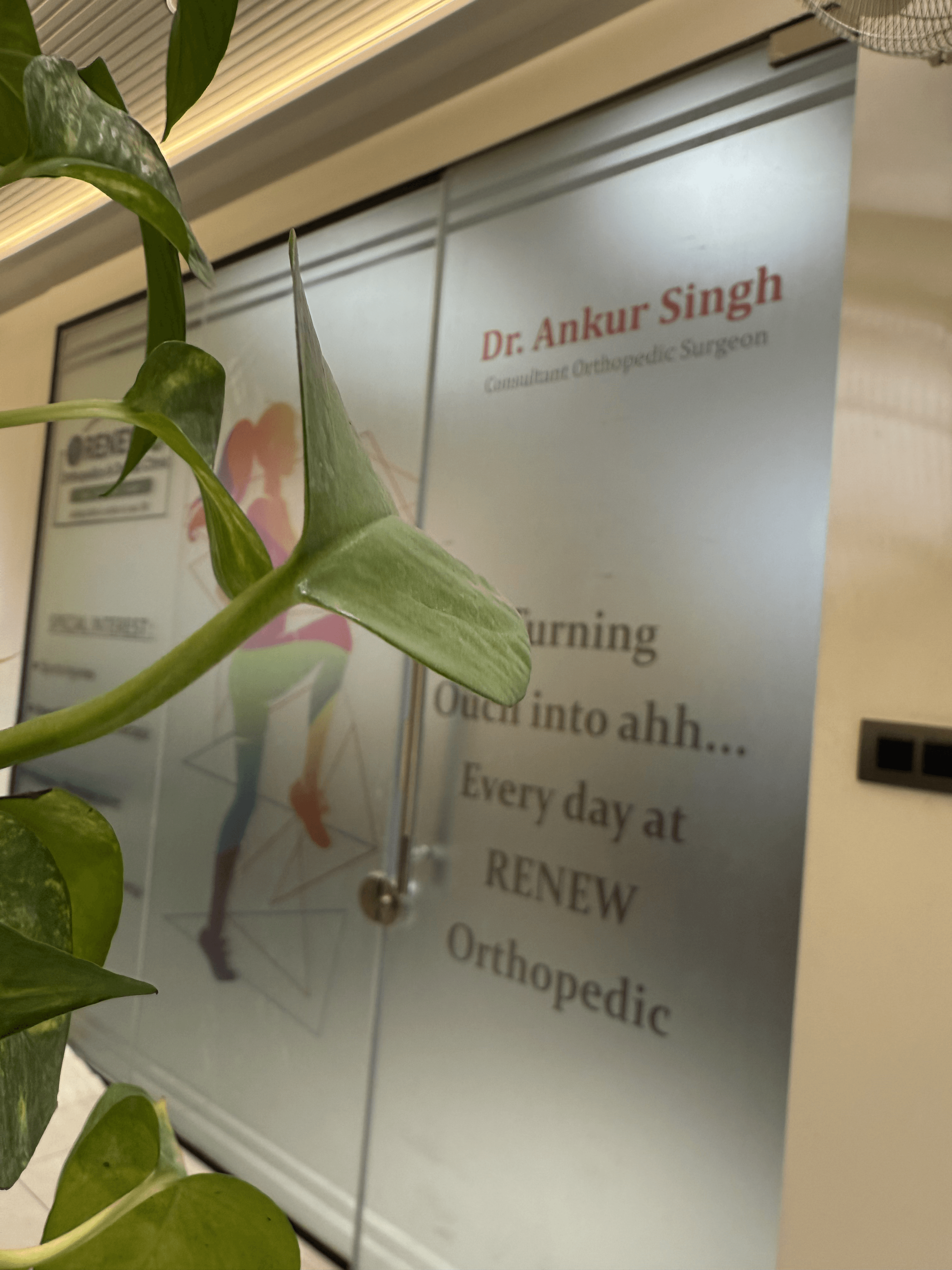
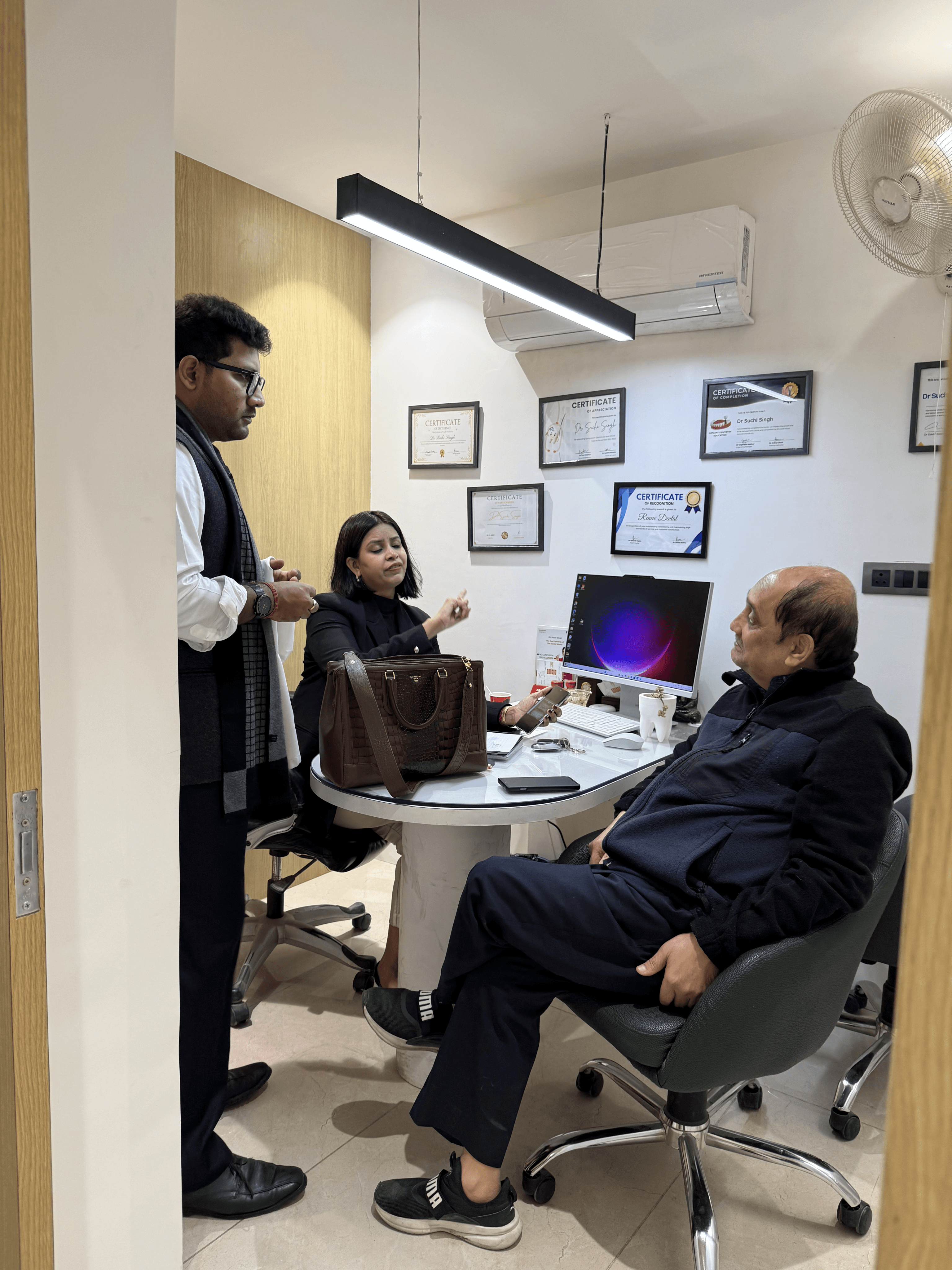
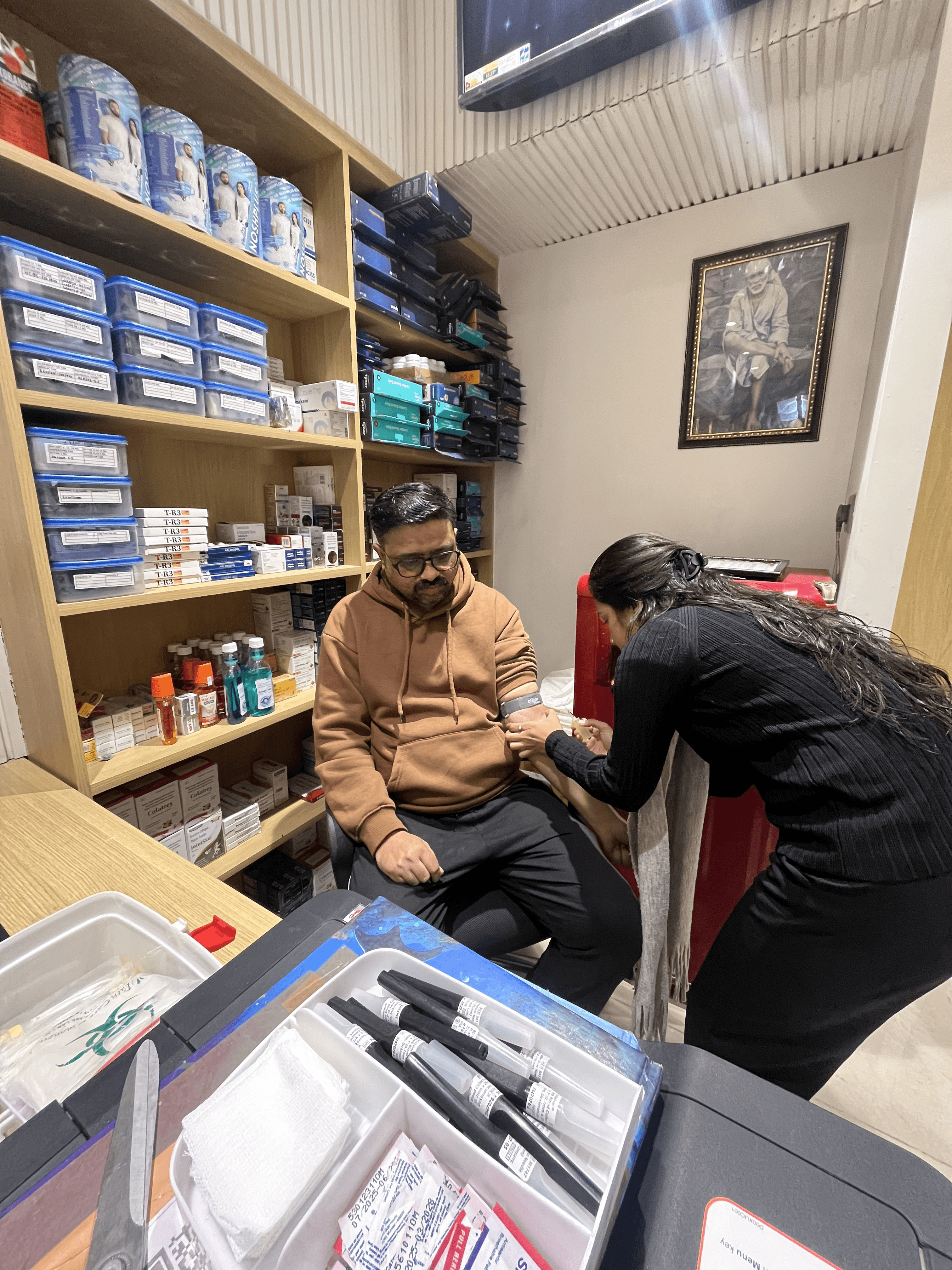
A glimpse into our modern dental clinic, advanced technology, and patient-friendly environment at Renew Dental.
Explore our thoughtfully designed clinic spaces built to provide comfort, cleanliness, and a calming experience for patients of all ages.


Best Dentist in Noida
Renew Dental Clinic located in Noida, Sector 47, is one of the leading dental clinics. Founded by Dr. Suchi Singh who is widely regarded as one of the best dentists in Noida, the clinic is committed to delivering personalised and high-quality dental care. Dr. Suchi Singh focuses on customised treatment plans designed around each patient’s unique needs, ensuring advanced, comfortable and reliable dental care at Renew Dental Clinic.

Your Trusted Dental Experts

Complete Dental Care

Friendly Dental Space

No Hidden Charges

Two trusted dental clinics in Noida — Renew Dental (Sector 47) and Tooth & Truth (Sector 34) — for gentle, modern care.

Renew Orthopedic Clinic, A-321, Basement Floor, Next to Mother Dairy Store, Sector 47, Noida, Uttar Pradesh 201303
 +91 99710 35300
A-98/A, Block A, Sector 34, Noida, Uttar Pradesh 201307
+91 99710 45002© 2026. All rights reserved | Designed and Developed by Zarle Infotech