Natural Remedies for Tooth Pain — What Works, What Doesn't, and When to Stop
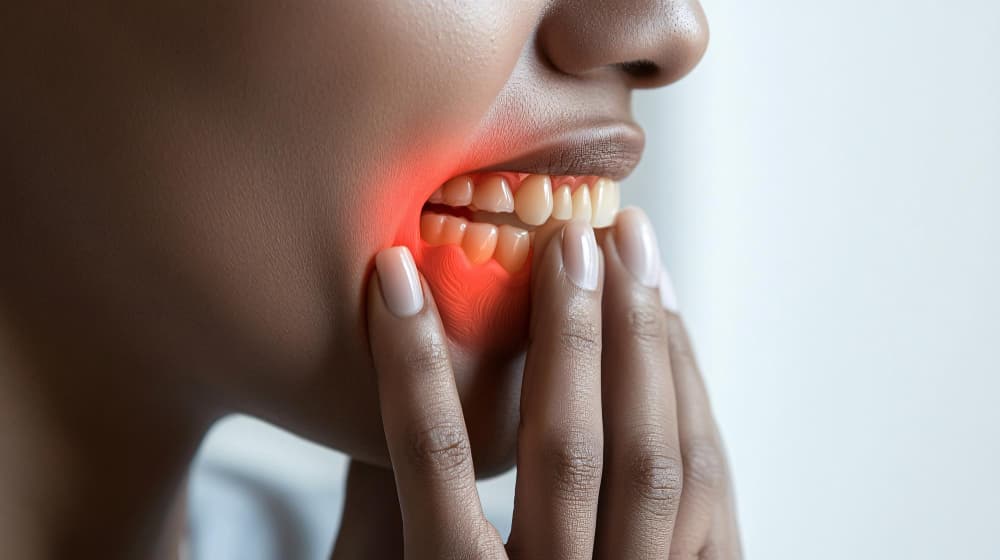
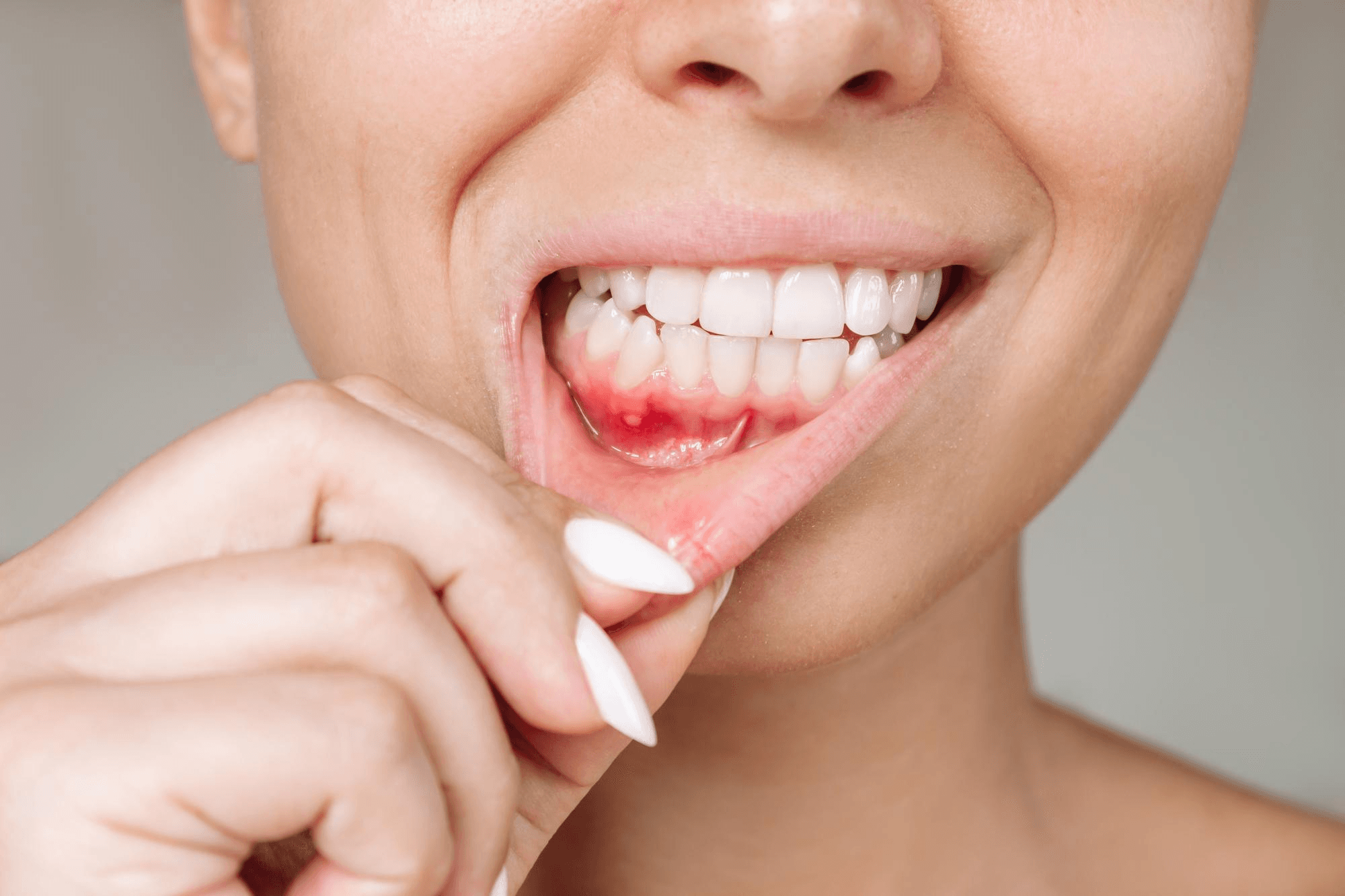
closeup of person Suffering from teeth pain
There's a specific kind of desperation that comes from a toothache at 11 PM on a Saturday night. The dental clinic is closed. The pharmacy may be shut. And the pain — which started as a dull awareness that afternoon — has become something that makes it impossible to sleep.
Home remedies for tooth pain are searched in exactly these moments. And the internet delivers an overwhelming list: cloves, garlic, salt water, ice packs, onion, guava leaves, vanilla extract, hydrogen peroxide, tea bags. Some of these have genuine pharmacological basis. Some are harmless but do little. A couple are actively counterproductive. And all of them share one critical limitation: they manage the symptom while the cause continues.
This guide separates the evidence-based options from the folklore, explains what each remedy is actually doing, and draws a clear line about when managing tooth pain at home stops being a holding measure and becomes a genuinely risky delay.
Understanding What Tooth Pain Actually Is
Before the remedies, the biology. Tooth pain arises when the nerve within the tooth — the dental pulp — is stimulated or damaged. This happens through several different mechanisms:
Exposed dentine. When enamel wears away or gums recede, the dentinal tubules (microscopic channels connecting the outer surface to the nerve) become exposed. Cold, heat, sweet food, or pressure triggers fluid movement in these channels, which the nerve detects as pain.
Pulpitis. Inflammation of the dental pulp itself, usually from bacterial invasion through a cavity. Early pulpitis causes sharp, brief pain in response to stimuli. Advanced pulpitis causes spontaneous, throbbing pain that doesn't require a trigger.
Periapical abscess. When the pulp dies (from advanced infection), bacteria spread beyond the root tip into the surrounding bone, forming an abscess. The pain is severe, often throbbing, and may be accompanied by swelling, fever, and a bad taste. This is the most dangerous form of tooth pain from a health standpoint.
Gum infection (periodontal abscess). Bacterial infection in the gum pocket adjacent to the tooth. Localised swelling, pain on pressure, bad taste.
Cracked tooth. Pain specifically on biting — sharp, sometimes difficult to localise. The crack allows stimuli to reach the pulp and may cause the crack to propagate.
Why the mechanism matters: different causes respond differently to home remedies. A clove oil application that numbs exposed dentine doesn't touch an abscess infection. Ice that reduces inflammation slightly won't address pulpitis. Understanding that a remedy is managing symptoms, not causes, keeps the expectations — and the risk calculation — calibrated correctly.
Remedies That Have Genuine Evidence
Clove Oil (Eugenol)
Clove oil is genuinely effective. Its active compound, eugenol, is a natural anaesthetic and anti-inflammatory agent. When applied to inflamed dental tissue, eugenol numbs nerve endings by blocking ion channels involved in pain signal transmission. It also reduces inflammation and has antibacterial properties.
This isn't purely traditional knowledge — eugenol is used in dentistry professionally. Zinc oxide eugenol cement is a standard temporary filling material with a long clinical track record. A study from the British Association of Oral and Maxillofacial Surgeons found eugenol significantly more effective than analgesics alone for socket pain. It works.
How to use it correctly:
Pure clove oil is concentrated and should be diluted before oral application. Mix 2 to 3 drops of clove oil with a teaspoon of coconut or sesame oil. Dip a small cotton ball or cotton bud in the diluted oil. Place it directly on the painful tooth and the surrounding gum tissue. Hold it in place for 5 to 10 minutes. The pain typically reduces noticeably within that time.
Don't swallow it. Don't apply undiluted pure clove oil — it can cause chemical burns to the soft tissue at high concentration. Don't apply repeatedly for days without seeking dental care — the short-term relief is not indication of underlying improvement.
Whole cloves pressed against the painful area also release eugenol gradually and work reasonably well if clove oil isn't available. Whole clove is found in most Indian kitchens.
Salt Water Rinse
Warm salt water is among the most consistently useful oral care interventions available at home, and its value for tooth pain specifically comes from two mechanisms.
First: salt water creates a mildly hypertonic environment that draws fluid from swollen tissue, reducing oedema (tissue swelling) around the painful area. For gum infections and pericoronitis (infection around a partially erupted wisdom tooth), this reduction in swelling provides genuine symptomatic relief.
Second: it's mildly antimicrobial. Not strongly so — don't use it instead of antibiotics if antibiotics have been prescribed — but the saline environment inhibits bacterial growth modestly and reduces the overall bacterial load in the mouth.
Half a teaspoon of salt in a glass of warm water, rinsed gently for 60 seconds. Spit. Repeat after meals and before sleep. This is safe to use multiple times daily for as long as needed.
Over-the-Counter Analgesics (Ibuprofen and Paracetamol)
Not a "natural" remedy in the traditional sense, but the most reliably effective home management option available for acute tooth pain and worth including for completeness.
Ibuprofen (non-steroidal anti-inflammatory) addresses both pain and inflammation — making it more appropriate for dental pain than paracetamol alone, since most acute dental pain has an inflammatory component. The combination of ibuprofen and paracetamol taken in alternating doses (not simultaneously) provides better pain control than either alone — this is the standard approach used for post-operative dental pain management and works well for acute toothache too.
Important: Ibuprofen and paracetamol at standard doses manage tooth pain. They do not treat the infection or structural cause. The fact that pain has reduced with analgesics is not an indication that the problem has resolved.
Remedies That Are Largely Harmless But Limited
Ice Pack (Cold Compress)
Applying a cold pack to the outside of the cheek reduces swelling and provides some numbing of the surface tissue. This helps with some types of dental pain — particularly trauma-related pain and minor gum swelling.
It doesn't penetrate deeply enough to affect the pulp or a deeper abscess. For most toothache causes, the cold pack manages peripheral discomfort without touching the primary source. Not harmful. Not particularly effective for deep dental pain.
Do not put ice directly on a sensitive tooth. If the tooth is already sensitive, cold contact on the tooth directly worsens the pain significantly.
Garlic
Garlic contains allicin — a compound that has genuine antimicrobial properties in laboratory studies, including activity against Streptococcus mutans. This is why garlic has been recommended in traditional medicine across many cultures for toothache.
The realistic limitation: allicin at the concentration in a piece of garlic, applied to the tooth surface for a few minutes, doesn't penetrate into infected tissue or reach pulpal bacteria. The surface antimicrobial effect is present but not clinically significant for established dental infections.
A crushed garlic clove pressed against the painful tooth is safe. It may provide very mild relief from surface bacterial activity and mild anaesthetic effect from other garlic compounds. It won't treat a pulp infection or abscess. The smell afterward is an additional consideration.
Guava Leaves
Guava leaves contain flavonoids and tannins with anti-inflammatory and mild antimicrobial properties. Fresh guava leaves chewed or used as a rinse (boiled in water, strained, cooled to warm) have been used in South and Southeast Asian traditional medicine for toothache and gum problems.
The evidence is limited to laboratory and small clinical studies. Anti-inflammatory effect on gum tissue is plausible. Effect on deeper dental pain is minimal. Safe to try. Not a substitute for treatment.
Peppermint Tea Bag
A cooled, damp peppermint tea bag held against the painful area contains menthol, which has mild numbing and cooling properties. The tannic acid in tea has mild anti-inflammatory and astringent effects on gum tissue.
For surface gum soreness and mild sensitivity, this provides some relief. For deeper dental pain, it's largely cosmetic comfort. Safe. Limited.
Remedies That Are Counterproductive or Dangerous
Aspirin Placed Directly on the Tooth
This is one of the most persistent and harmful dental home remedy myths in circulation. The idea is that placing an aspirin tablet directly on the painful tooth delivers the painkiller locally.
Aspirin is acetylsalicylic acid. When it contacts gum tissue directly for an extended period, it causes a chemical burn — an acid injury to the soft tissue. The patient ends up with both the original toothache and an aspirin burn on the gum. Taking aspirin orally, as intended, is fine and effective. Placing it directly on tissue is not.
Do not do this.
Hydrogen Peroxide Used Undiluted
Some sources recommend hydrogen peroxide rinses for toothache due to its antibacterial properties. Diluted hydrogen peroxide (3% solution diluted further with equal parts water) used briefly as a rinse is relatively safe.
Concentrated or undiluted hydrogen peroxide applied to dental tissue causes oxidative damage to the gum and oral mucosa. It doesn't selectively attack bacteria — it attacks tissue indiscriminately. There's no clinical situation where undiluted hydrogen peroxide directly applied is appropriate as a home remedy.
Alcohol (Whisky, Brandy) Held Against the Tooth
A long-standing informal remedy in India and elsewhere: hold some whisky or brandy against the painful tooth. The alcohol does provide mild topical numbing. It also causes gum tissue irritation with repeated application and provides no treatment for the underlying cause.
More practically: this approach is unsafe for children, is inappropriate for patients who don't consume alcohol, and delivers far weaker anaesthesia than even a modest concentration of clove oil. Not recommended.
The Critical Boundary — When to Stop Managing at Home
Home remedies are a holding measure. They buy time until professional care is accessible. The following situations mean that time has run out and dental assessment is urgent — not something to schedule for convenience.
Swelling of the face, jaw, or cheek. This indicates a spreading infection. Dental infections can spread through tissue planes with alarming speed. Facial swelling from a dental source needs same-day assessment. If swallowing or breathing becomes difficult, this is a medical emergency requiring immediate hospital attendance.
Fever alongside dental pain. Fever indicates systemic involvement — the infection has reached the bloodstream or lymph nodes. This is beyond the scope of any home remedy.
Spontaneous throbbing pain that wakes you from sleep. Pain that occurs at rest, particularly at night when lying down (which increases blood pressure to the head), indicates advanced pulpitis or periapical abscess. This requires treatment — root canal or extraction — not analgesics.
Pain that is escalating despite analgesics. If ibuprofen and paracetamol are no longer controlling the pain, the infection is progressing and needs drainage (professional treatment), not more analgesics.
A metallic or foul taste. This often indicates an abscess has begun draining. It sounds like relief — the pressure has released — but the infection continues and the drainage channel is not a substitute for treatment.
At Renew Dental Clinic — Emergency and Urgent Dental Care
Renew Dental Clinic, Sector 47, Noida prioritises patients with acute dental pain. If you are in significant pain and need same-day assessment, call the clinic directly to discuss your situation.
The clinical treatments available for acute dental pain resolve the cause — root canal treatment to address pulpal infection, incision and drainage for a fluctuant abscess, extraction when the tooth is unrestorable — rather than managing symptoms while the infection continues.
Home remedies get you through a difficult night or weekend. They are not a treatment plan.
Call (0120) 498-8333.
Monday–Saturday 10:30 AM – 8:00 PM | Sunday 11:00 AM – 2:30 PM.
Frequently Asked Questions
Can I use clove oil every day for weeks?
Not as a substitute for treatment. Short-term daily use while arranging a dental appointment is appropriate. Extended daily use suggests the underlying problem is being avoided rather than managed.
My tooth stopped hurting on its own — does that mean it's better?
Sometimes a tooth that was acutely painful stops hurting spontaneously. This occasionally happens when early pulpitis settles. More often, it happens when the pulp dies — the nerve ceases to function, and the pain stops because the tissue producing it is no longer viable. The infection continues. The abscess that follows may be less painful than the acute pulpitis was, but it's more dangerous. A tooth that was acutely painful and stopped hurting without treatment warrants dental assessment.
Is it safe to give clove oil to children for tooth pain?
With care. Clove oil should be diluted and used in very small amounts for children — a single drop in a teaspoon of carrier oil, applied briefly. It should not be swallowed. For young children with significant dental pain, dental assessment rather than extended home management is more appropriate.