By Renew Dental ClinicPublished on
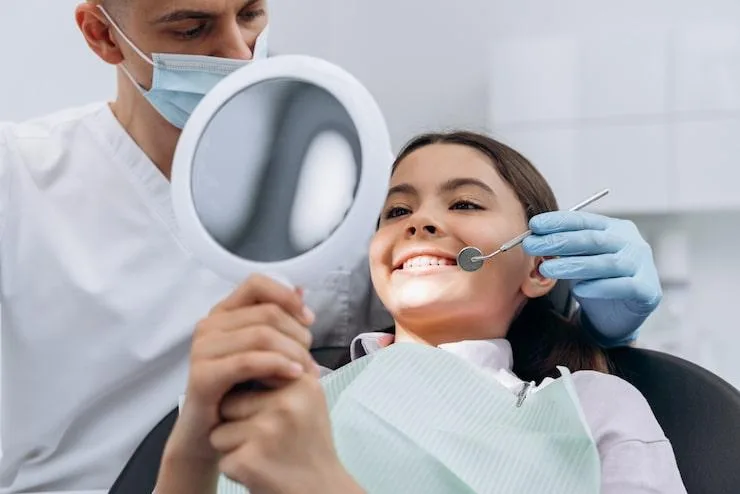
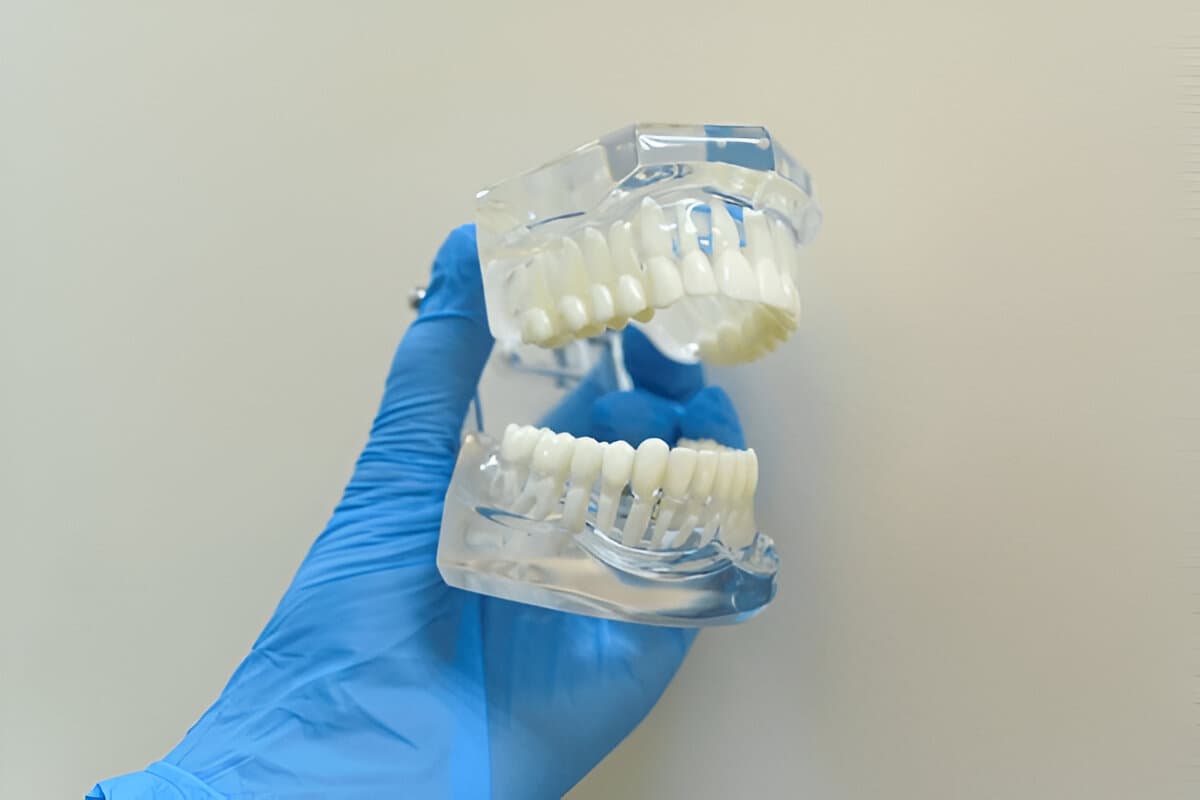
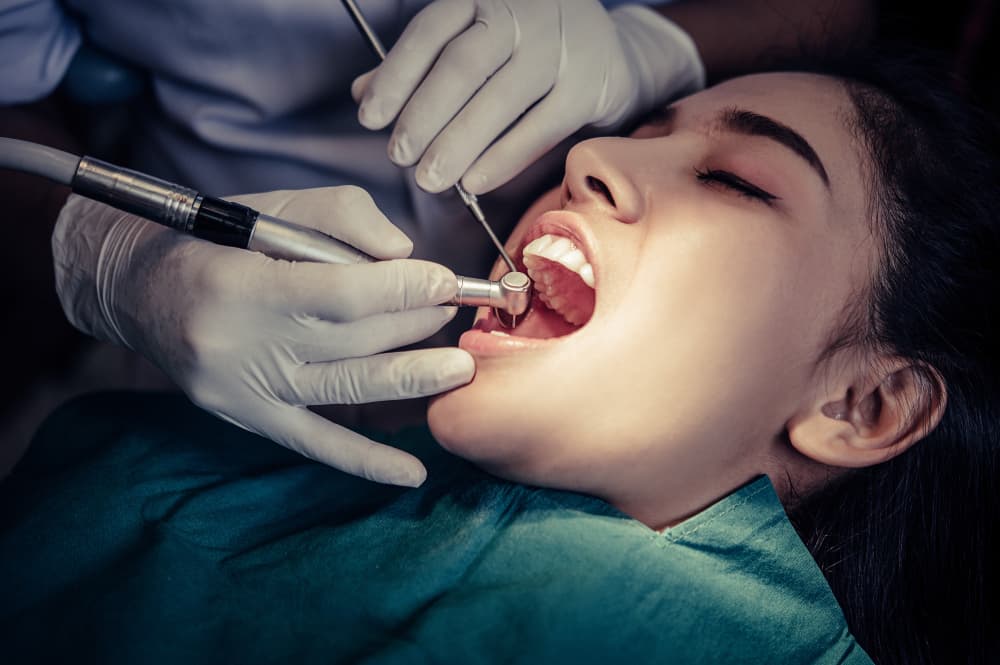
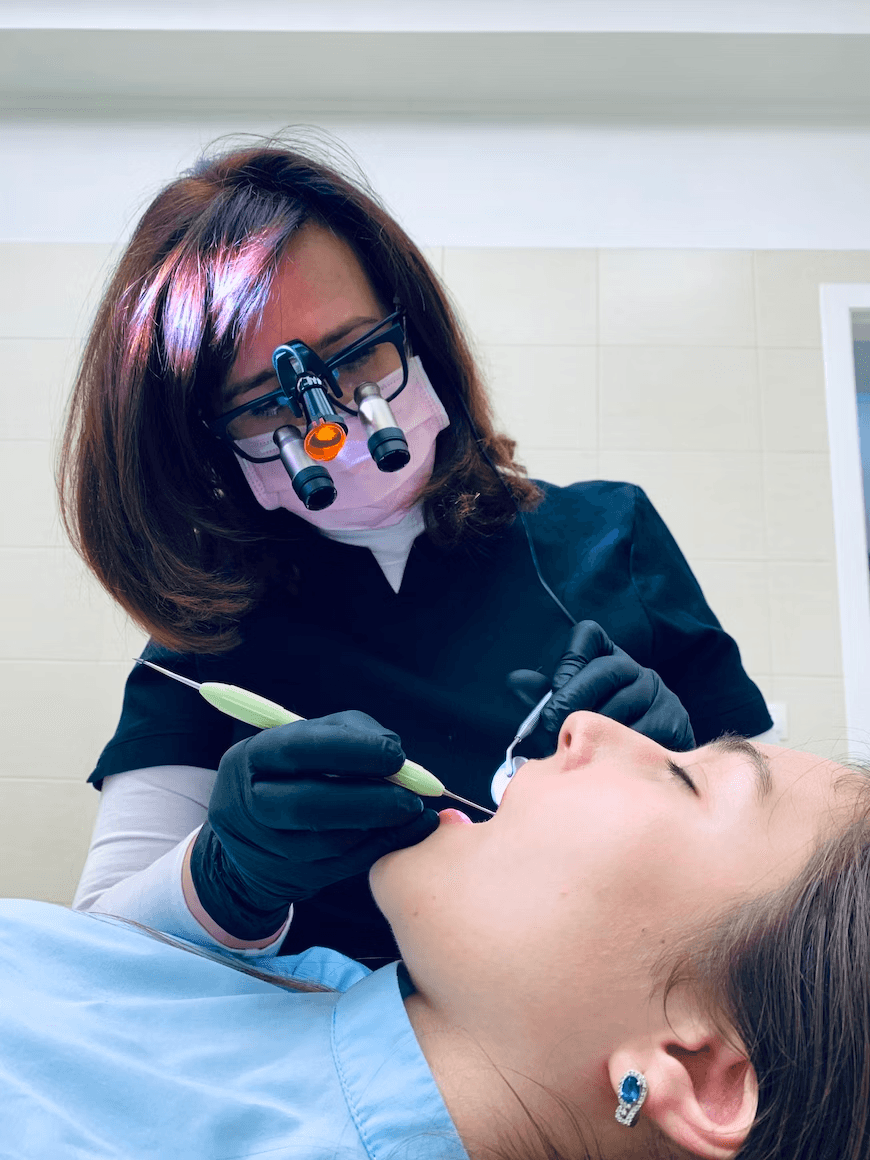
A girl getting her teeth examined by a dentist to maintain her oral health
There's a financial logic to avoiding dental check-ups. You're not in pain. Nothing seems obviously wrong. The appointment costs time and money. Why spend either if there's no immediate problem to solve?
The problem with this logic is that it assumes you'd notice a problem before it became significant. In dentistry, this assumption is almost always wrong.
Dental disease is largely silent until it's advanced. The cavity that needs a small filling at 3 mm depth causes no symptoms. The same cavity at 7 mm depth — reaching the pulp — causes significant pain that forces action. The intervening 4 mm of progression happened without any warning, during the months or years when the patient was successfully not thinking about their teeth.
This guide tracks the real costs of dental neglect — not to generate anxiety, but to make the arithmetic clear.
A cavity starts at the enamel surface. It progresses by millimetres through predictable stages, each stage requiring more involved treatment than the last.
Stage 1 — Early enamel lesion (white spot):
No treatment required in many cases. Fluoride varnish application and dietary modification can reverse very early lesions. One short appointment. No drilling.
Stage 2 — Enamel cavity:
Small composite filling. One appointment, 30 to 45 minutes. Minimal tooth removal. Minimal post-procedure sensitivity.
Stage 3 — Dentine cavity:
Larger composite filling. More tooth structure removed. More post-procedure sensitivity. A filling that covers more of the tooth is also less durable over time — more likely to need replacement in future years.
Stage 4 — Deep cavity approaching the pulp:
Still a filling, but with a protective liner for the nerve. Higher risk of needing root canal treatment eventually if the nerve responds poorly. More appointments for monitoring.
Stage 5 — Pulp involvement:
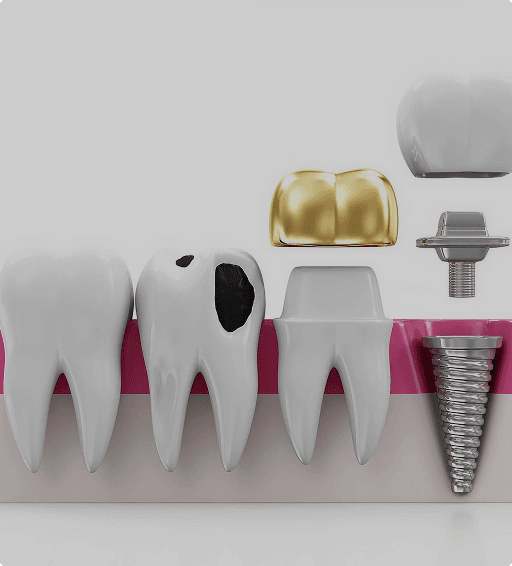
Root canal treatment. Typically two appointments. The tooth is now devital — the nerve and blood supply removed. More brittle. A crown is now required to protect the tooth from fracturing.
Stage 6 — Cracked or fractured root-canal-treated tooth:
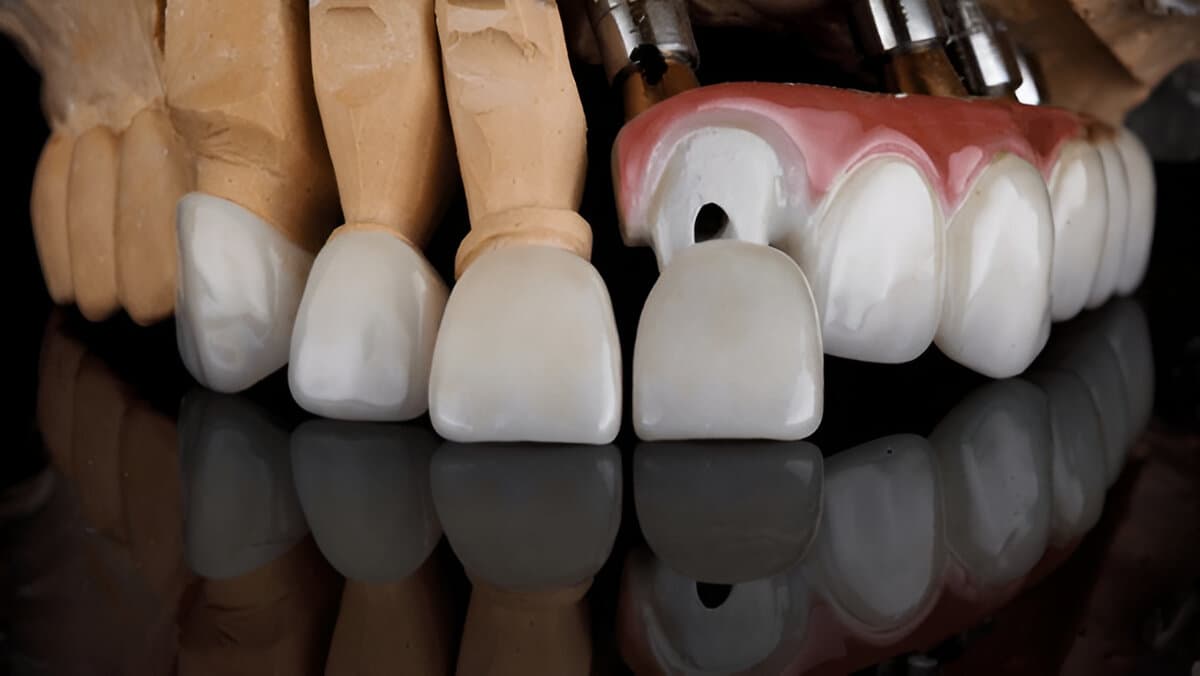
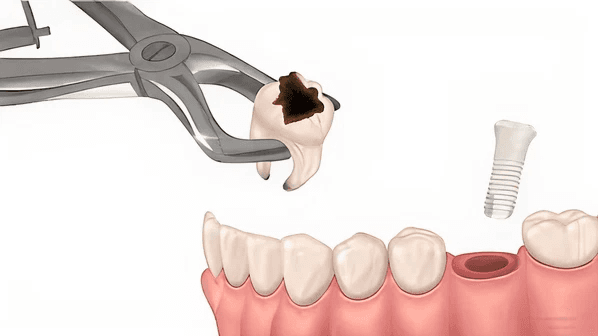
Extraction. Loss of the tooth entirely. Followed by either a gap (which causes adjacent teeth to drift), a bridge, or an implant — all of which are significantly more expensive and time-consuming than anything that would have been needed at Stage 1 or 2.
At every transition between these stages, the treatment becomes more complex, more time-consuming, more expensive, and more uncomfortable. And every transition is silent — no alarm goes off when a cavity passes from stage 2 to stage 3.
Gum disease has a different progression profile from decay, but the principle is identical: early treatment is simple; late treatment is complex; and the damage is irreversible.
Gingivitis (early gum disease):
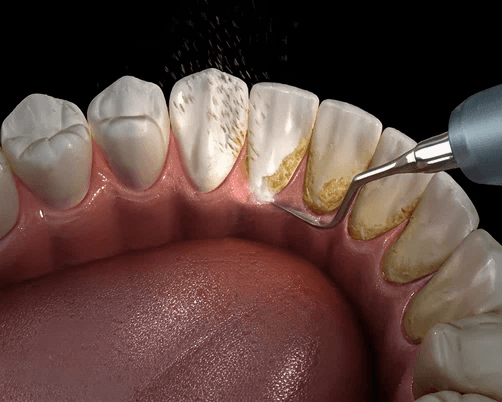
Fully reversible. Treatment: professional scaling at one appointment plus improved home hygiene. The gum tissue returns to complete health. No lasting damage.
Early periodontitis:
Pockets of 4 to 5 mm. Bone loss beginning. Treatment: scaling and root planing across one to two appointments. Gum health can be restored; the bone that has already been lost does not return.
Moderate periodontitis:
Pockets of 5 to 7 mm. Significant bone loss. Multiple deep-cleaning sessions under local anaesthetic. Ongoing 3 to 4-monthly maintenance appointments for life. Bone loss is permanent — the structural support of the teeth is diminished and doesn't recover.
Advanced periodontitis:
Pockets of 7 mm or more. Major bone loss. Possible surgical intervention for deeper pockets. Some teeth may be unsalvageable. Extraction and replacement planning begins.
Tooth loss from periodontitis:
Implant, bridge, or denture. Long treatment sequences. Significant cost. Ongoing maintenance requirements. None of this was required at the gingivitis stage.
The biology of this matters particularly. The bone that supports teeth doesn't regenerate from cleaning alone. Once it's gone, treatment can stabilise the disease and prevent further loss — it cannot rebuild what's been destroyed. A patient with early gingivitis has everything to gain from treatment. A patient with severe periodontitis has less to gain — they're fighting to preserve what remains rather than recovering what was.
In most dental disease, delay increases treatment complexity and cost. In oral cancer, delay is genuinely life-threatening.
Oral cancer caught at Stage I — a small lesion confined to a single location in the mouth — has a five-year survival rate of approximately 80%. Treatment at this stage typically involves limited surgery with good functional outcomes.
Oral cancer caught at Stage IV — which is common in patients who've avoided dental care for years — involves spread to lymph nodes or distant sites. Five-year survival rates drop to approximately 20 to 30%. Treatment involves extensive surgery, radiation, and often chemotherapy, with significant impact on the ability to eat, speak, and maintain quality of life.
The transition from early to advanced oral cancer can take months to a couple of years. Early lesions cause no pain. They're white or red patches, or non-healing ulcers, or subtle changes to the oral mucosa that are genuinely easy to dismiss as unimportant — especially without a trained clinical eye examining them at regular intervals.
Regular dental check-ups include oral cancer screening. This is one of the most important functions of routine dental examinations and one that has no home equivalent.
A routine check-up and professional cleaning at Renew Dental Clinic in Sector 47, Noida takes 45 to 60 minutes and is a predictable, modest outlay twice a year.
An untreated cavity that progresses to root canal and crown represents many multiples of what the earlier filling would have cost — in addition to multiple appointments rather than one, recovery time after the root canal procedure, and the knowledge that a root-canal-treated tooth, despite its crown, is statistically more fragile and more likely to eventually require replacement than a healthy natural tooth.
Severe periodontitis requiring multiple deep-cleaning sessions, ongoing 3-monthly maintenance, and eventual implant placement to replace teeth lost to bone destruction represents a treatment burden that accumulates over years.
None of these numbers reflect the less measurable costs: the disruption of multiple appointments to a working professional's schedule, the discomfort of treatment that could have been avoided, and — in the case of periodontitis — the permanent structural changes to the jawbone and surrounding tissue.
At a routine check-up at Renew Dental, the examination is looking for specific things the patient cannot detect:
Interproximal cavities — cavities forming between teeth that are invisible to visual examination and entirely asymptomatic until substantial. Detected on X-ray when small; small fillings at this stage cost far less than the subsequent root canal if left another two years.
Pocket depth changes — the beginning of periodontitis identified as 4 mm pockets on probing, before bone loss has progressed to the point where some bone is already permanently gone. One course of deep cleaning at this stage versus multiple intensive treatment phases at 6 mm pockets.
Failing restorations — a filling with a fracturing margin, a crown with leaking cement, a loose bridge. Caught at routine check-up: replacement or rebonding at one appointment. Missed until the patient notices pain: typically a root canal under the failing restoration, followed by more complex restoration.
Bruxism signs — flattened cusp tips, wearing incisal edges, cervical notches. Identified early: night guard to stop further damage. Identified late: crowns on multiple worn teeth to restore the vertical dimension of the bite.
Early mucosal changes — a small white patch, a slightly unusual texture on the tongue, an area that looks different from the surrounding tissue. Investigated promptly: typically biopsy and, if needed, limited treatment. Noticed by the patient years later when it's become symptomatic: potentially advanced disease.
A consistent finding in dental health research: patients significantly underestimate their own dental disease burden when they haven't seen a dentist recently. They feel fine, so they assume they are fine.
This disconnect is baked into the biology of dental disease. Pain is the last warning — not the first. By the time a cavity hurts, it's reached the nerve. By the time gum disease causes teeth to feel loose, it's destroyed the majority of the supporting bone. By the time oral cancer is painful, it may be significantly advanced.
Regular check-ups bridge this gap. They provide the outside clinical perspective that a patient cannot provide for themselves, using instruments (probe, X-ray, transilluminator) and trained pattern recognition that identify what a mirror and the absence of pain cannot.
The framing of dental check-ups as an expense is understandable. The alternative framing — as an investment in preventing substantially higher future treatment costs — is more accurate.
A patient who attends consistent 6-monthly check-ups over 10 years typically requires significantly less restorative treatment than one who attends only when pain forces them. The difference isn't luck. It's early detection acting as the intervention that keeps small problems small.
At Renew Dental Clinic, Sector 47, Noida, check-up appointments are structured to be genuinely thorough — not a cursory glance and a Polish — because the clinical value comes from systematically examining every surface, probing every gum pocket, and reviewing the X-rays that reveal what eyes alone cannot.
The appointment you invest in today is preventing the appointment you'll need to book tomorrow when something that was small becomes something unavoidable.
I haven't been in 3 years — is it too late to benefit from starting check-ups again?
No. Earlier is always better, but catching up now prevents further progression from today's baseline. The assessment will identify what's current and what needs priority attention.
How much can I realistically prevent by attending regularly?
Most cavities detected at routine check-ups are in the enamel or early dentine stage. Regular attendees almost never need root canals from neglected cavities. Gum disease is caught at gingivitis in most regular attendees. The prevention is genuine and substantial.
Is there anything I can do at home that substitutes for check-ups?
Home hygiene prevents accumulation, which is essential. But it cannot remove calculus, cannot detect interproximal cavities, cannot probe pocket depths, and cannot screen the soft tissues for mucosal changes. Professional check-ups and home hygiene are complementary, not interchangeable.
To book a check-up at Renew Dental Clinic, Sector 47, Noida, call (0120) 498-8333.
Monday–Saturday 10:30 AM – 8:00 PM | Sunday 11:00 AM – 2:30 PM.
 Copy
Copy
Dental health changes significantly after 60. Dry mouth from medications, root caries, denture care, and...
09 Sept 2026
by Renew Dental Clinic

Gum bleeding during pregnancy is extremely common — and frequently mismanaged. This guide explains why...
07 Sept 2026
by Renew Dental Clinic
A sharp jolt from cold water hitting a tooth is hard to ignore. This guide...
04 Sept 2026
by Renew Dental Clinic

When you have persistent tooth pain or sensitivity that just will not seem to go...
10 Nov 2025
by Renew Dental Clinic
Need a tooth filling in Noida? This complete guide covers every type of dental filling...
08 Jun 2026
by Renew Dental Clinic
Noticing your teeth turning yellow despite brushing regularly? This guide explains every cause of tooth...
12 Jun 2026
by Renew Dental Clinic
Dental crowns are a long-term investment, not a permanent one. Learn lifespans by material, signs...
16 Oct 2026
by Renew Dental Clinic
Need a dental crown in Noida? This complete patient guide explains every type of dental...
18 Jun 2026
by Renew Dental Clinic

Dilemma between dental implants and bridges? Weigh the cost, longevity, procedure, and advantages to determine which tooth replacement method is superior.
03 Oct 2025
by Renew Dental Clinic
Brushing alone cleans only 60% of tooth surfaces. This guide explains what happens to the...
07 Jul 2026
by Renew Dental Clinic
Alcohol affects oral health in ways most people don't expect — from dry mouth to...
23 Jul 2026
by Renew Dental Clinic
Water flossers are increasingly popular in India's urban markets. This guide explains what they actually...
10 Aug 2026
by Renew Dental Clinic
Explore More
Discover how thousands of patients trust Renew Dental Clinic with their smiles.
The clinic is equipped with most advanced equipment and team of experienced doctors led by Dr Suchi Singh.
Excellent treatment
I went to Renew Dental and visited Dr. Suchi and team. The staff was very professional and the clinic provides with a very good ambience. The staff was polite and humble.
I am satisfied with my RCT single sitting and painless thanku Doctor Suchi .😊
I had an excellent experience with dr. Suchi regarding my dental treatment..
Excellent and satisfactory services at this clinic.
Great Work With Best Treatment
Excellent dental care and friendly doctor. The doctor is very professional and gentle. Highly recommended! Professional, Caring, Recommended, Positive Experience
I done my RCT here and awesome experience that was very good work by doctors
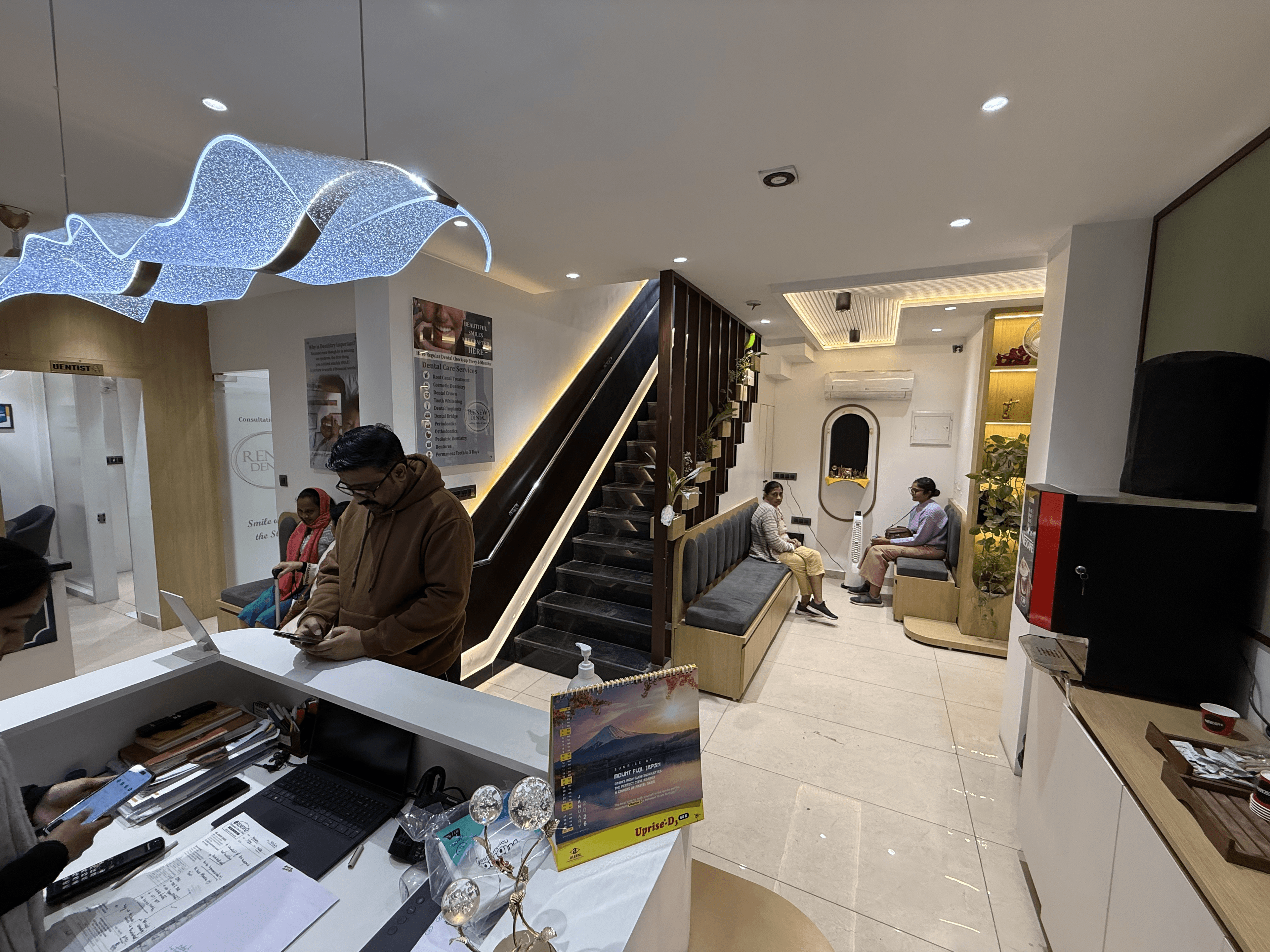
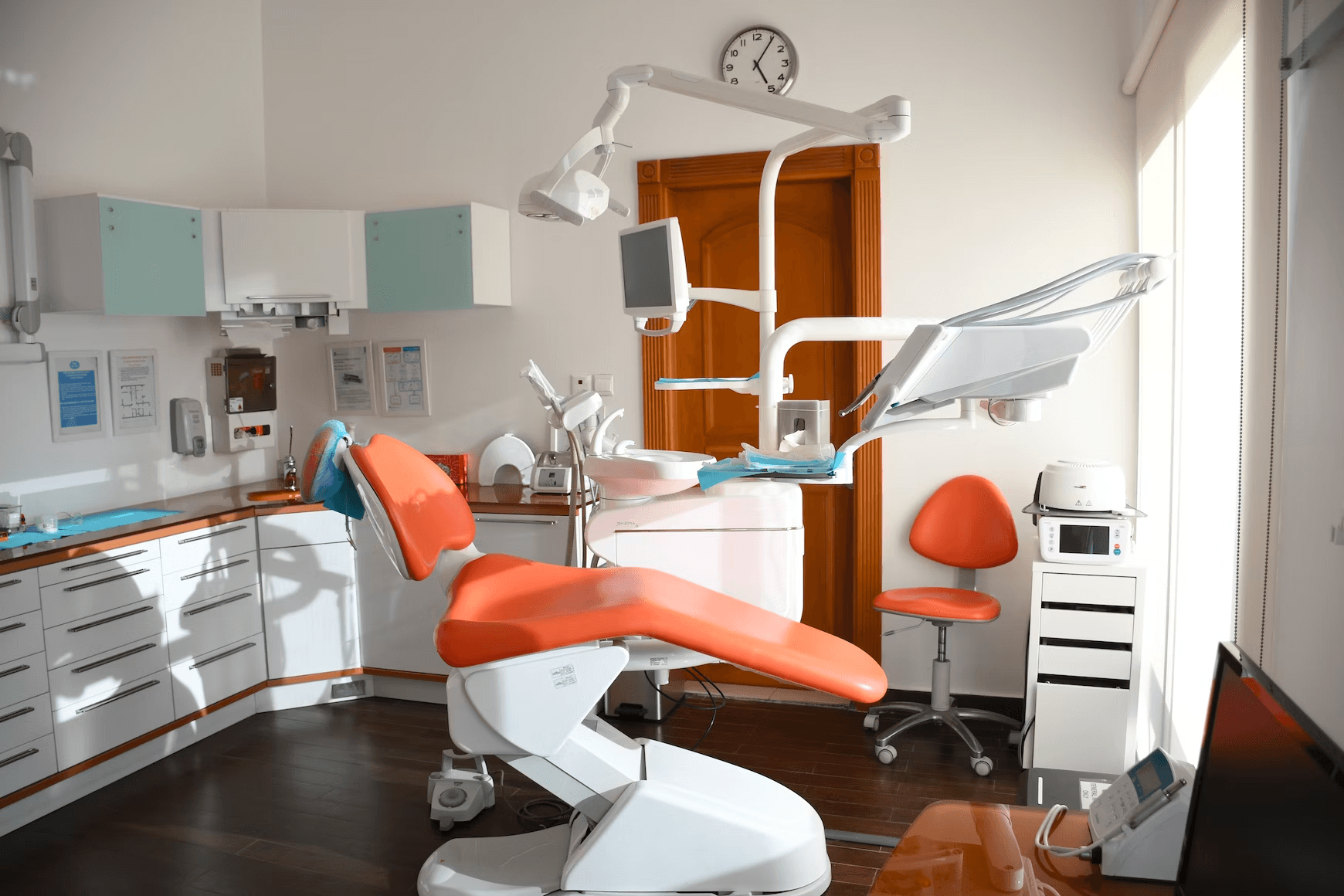
A glimpse into our modern dental clinic, advanced technology, and patient-friendly environment at Renew Dental.
Explore our thoughtfully designed clinic spaces built to provide comfort, cleanliness, and a calming experience for patients of all ages.

Best Dentist in Noida
Renew Dental Clinic located in Noida, Sector 47, is one of the leading dental clinics. Founded by Dr. Suchi Singh who is widely regarded as one of the best dentists in Noida, the clinic is committed to delivering personalised and high-quality dental care. Dr. Suchi Singh focuses on customised treatment plans designed around each patient’s unique needs, ensuring advanced, comfortable and reliable dental care at Renew Dental Clinic.

Your Trusted Dental Experts

Complete Dental Care

Friendly Dental Space

No Hidden Charges


Two trusted dental clinics in Noida — Renew Dental (Sector 47) and Tooth & Truth (Sector 34) — for gentle, modern care.

Renew Orthopedic Clinic, A-321, Basement Floor, Next to Mother Dairy Store, Sector 47, Noida, Uttar Pradesh 201303
 +91 99710 35300
A-98/A, Block A, Sector 34, Noida, Uttar Pradesh 201307
+91 99710 45002© 2026. All rights reserved | Designed and Developed by Zarle Infotech